
Why You Keep Missing Your Third Shot Drop (And How to Fix It)
If your third shot drop keeps clipping the net, the problem is probably your grip pressure. Loosen your hand, let the ball stay on the paddle longer, and watch the arc and spin show up.
You line up your third shot drop, swing smoothly, and watch the ball skim straight into the tape. You did everything right, so why does it keep happening?
The answer is probably sitting in your hand. Grip pressure is the quiet culprit behind more missed thirds than almost any footwork or swing flaw.
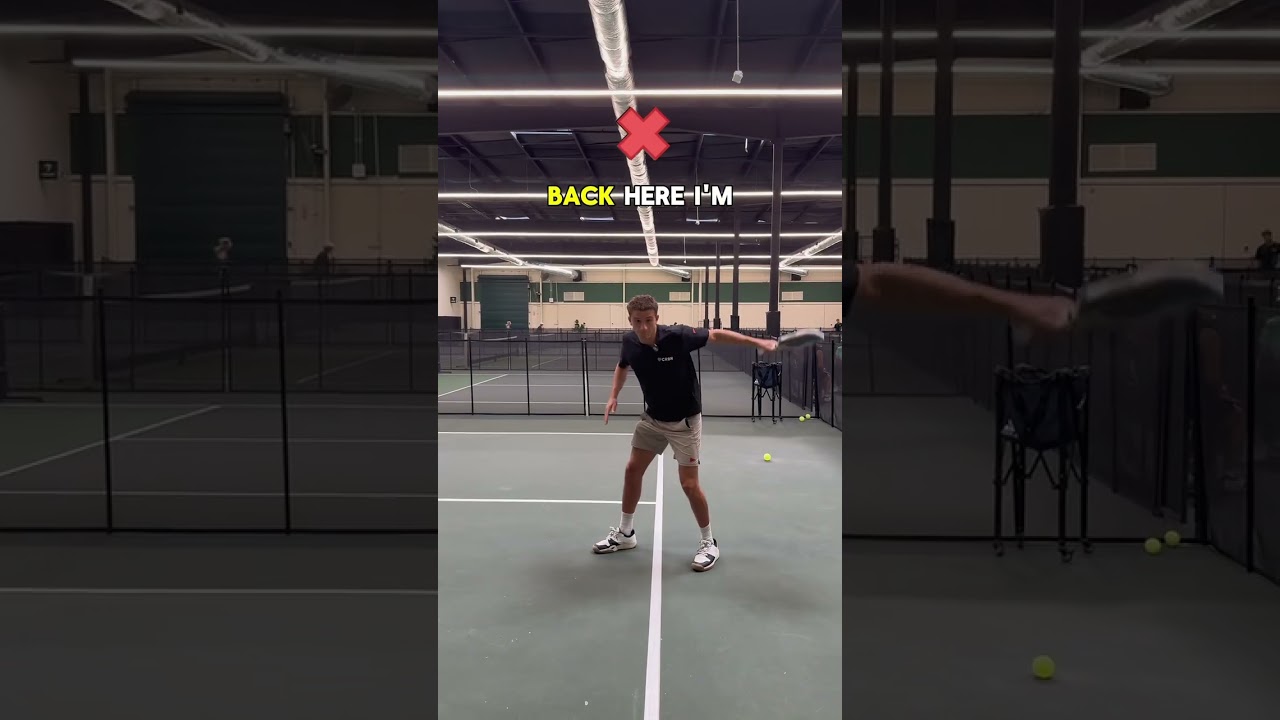
This breakdown comes from Richard Pickleball on YouTube, who admits he still makes this mistake himself.
Below, you will learn why a tight grip kills your arc, how loosening up adds spin, and the exact checks to build a more reliable drop.
Love pickleball? Then you'll love our free newsletter. We send the latest news, tips, and highlights for free each week.
Why does a tight grip make you miss your third shot drop?
A tight grip makes the ball leave your paddle too fast and too flat, which sends it into the net.
When your hand squeezes the handle, the paddle face acts like a wall instead of a cushion.
The ball pops off with no time to grab the surface. That means no real arc and very little spin.
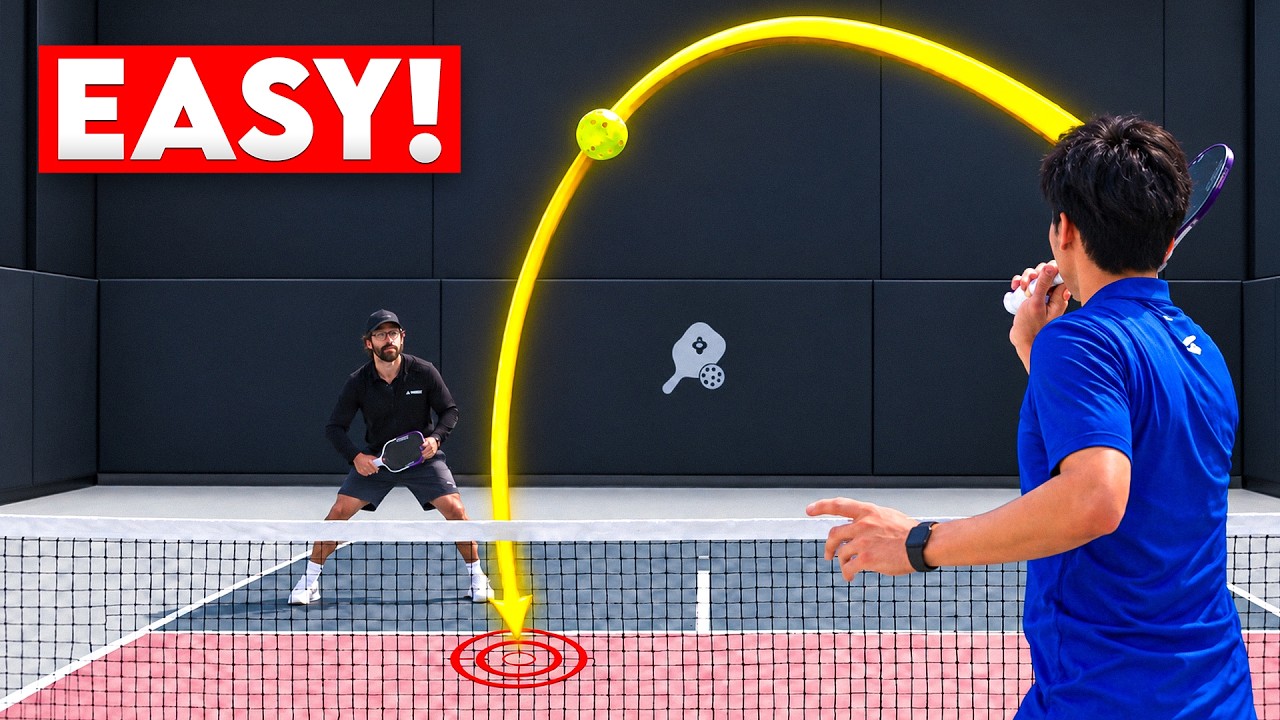
A good third shot drop needs a rainbow trajectory. It rises over the net, peaks, and falls softly into the kitchen where your opponents cannot attack it.
That window is narrower than most players assume.
According to a 2025 pickleball trajectory study, successful drops live inside a tight band of launch speed and angle, which is exactly what a clenched hand destroys.
A flat, low line drive does the opposite.
It either clips the tape or sits up at net height for an easy volley, the same mistake we break down in our guide to the two most common third shot errors.
What does loosening your grip actually change?
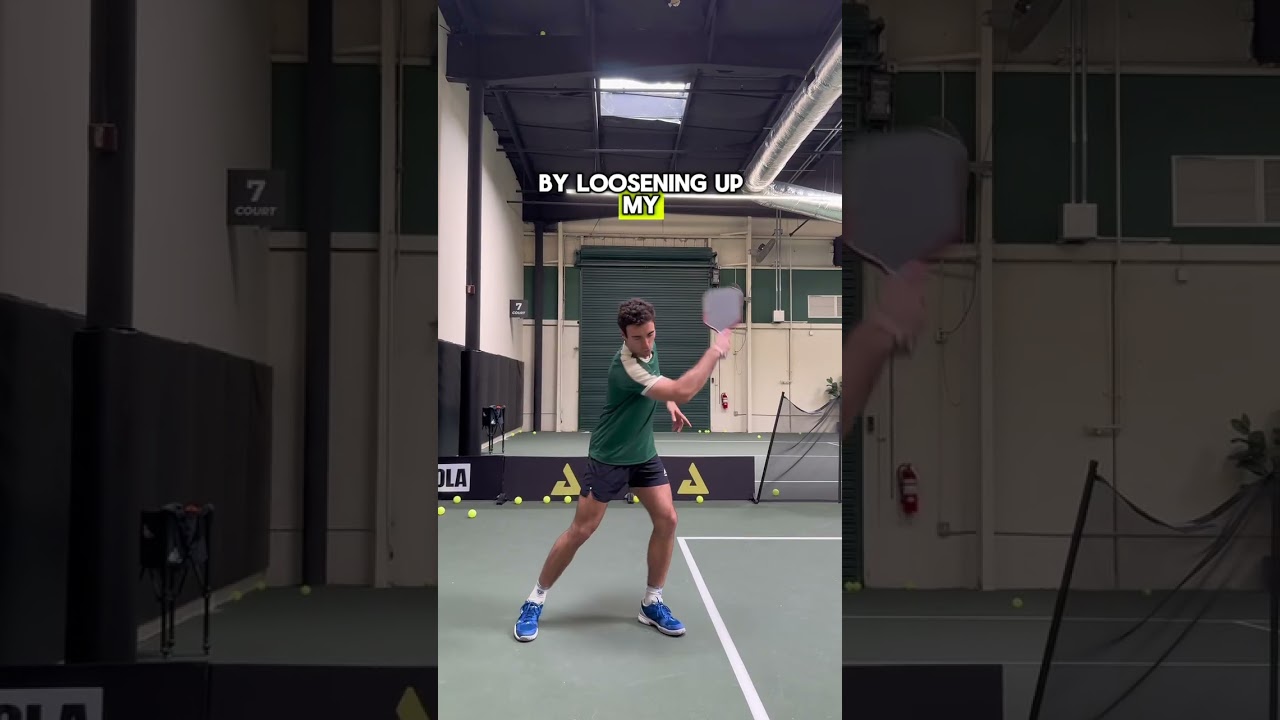
Loosening your grip lets the ball stay on the paddle longer, which gives the grit time to grab it and create spin.
That is the whole mechanism, and it is simpler than most players expect.
Your arm still swings forward on the same path. The only change is how hard your fingers are squeezing the handle.
Think of it like catching an egg versus punching a wall. A relaxed hand absorbs and shapes the ball, while a clenched fist just bounces it away.
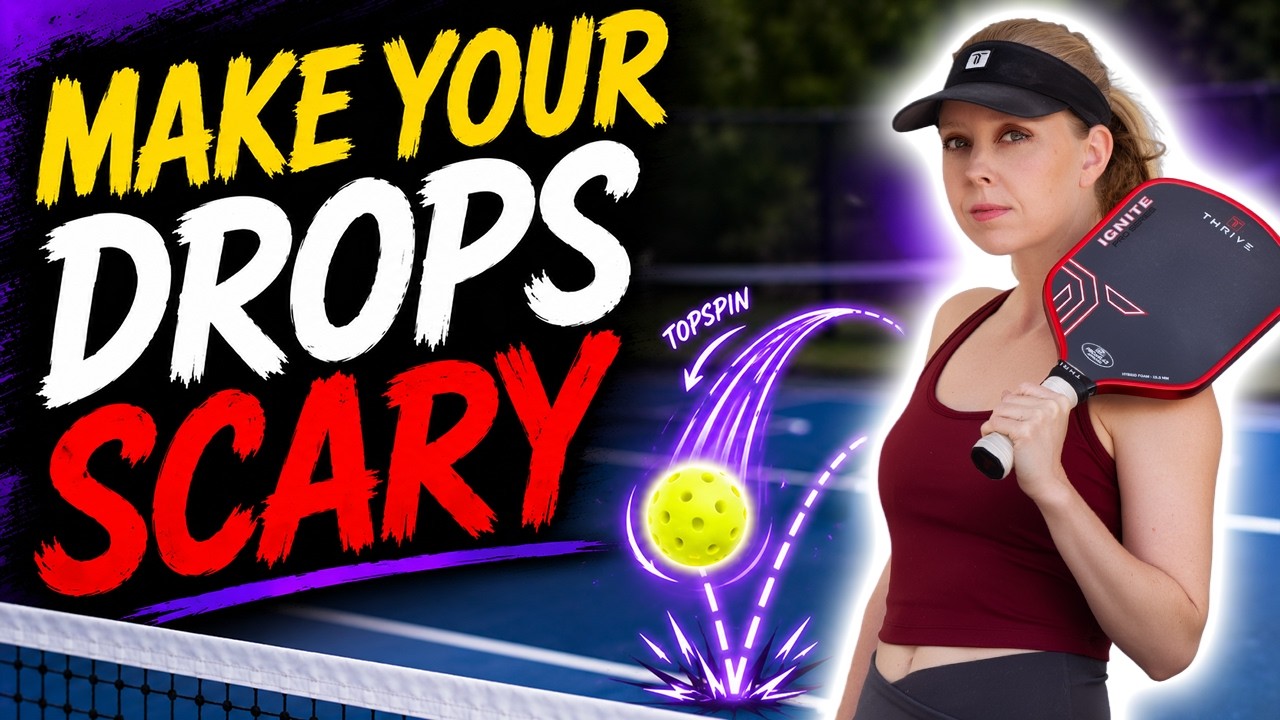
The extra dwell time on the paddle face produces topspin. Topspin pulls the ball down after it clears the net, which is exactly what you want on a drop.
What is a good grip pressure for the third shot?
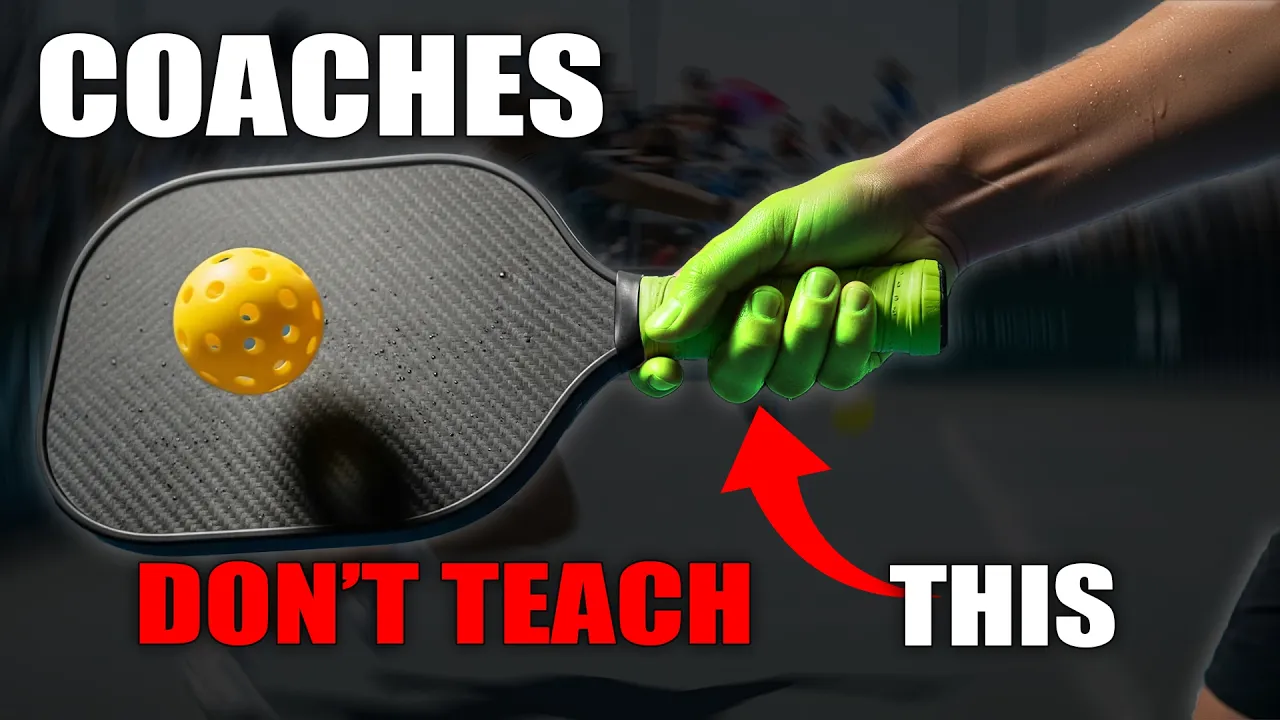
Aim for a grip pressure around a 3 or 4 out of 10, firm enough to control the paddle and loose enough that your wrist and forearm can stay relaxed.
Many coaches describe it as holding the paddle like a small bird: secure, but never crushed.
Which grip you use matters too, and our breakdown of the three pickleball grips explains when each one belongs on a soft shot.
A quick test helps. If your forearm feels tense or your knuckles turn white at contact, you are squeezing too hard.
You should still be able to feel the ball compress against the paddle. If you feel nothing, your grip is probably locked.
 The Dink Media Team
5 checks to fix your third shot drop right now
Run through these in order the next time you practice. Each one builds on the loose grip idea.
- Check your grip pressure before every serve and return. Reset to a relaxed hold while the point starts, not after you are already hitting.
- Keep your swing path the same. Do not change your arm motion to fix the miss. Only soften the hand.
- Aim for arc, not a line. Picture the ball peaking just after it crosses the net.
- Let the paddle face brush up the back of the ball. That brushing motion is what creates topspin.
- Breathe out as you swing. A slow exhale keeps your shoulders and hands from tightening.
If you want a deeper look at why drops fail, our guide on why your third shot drop pops up and how to fix it covers the opposite problem.
Between that and this one, you can diagnose most misses, and our list of 3 tips to stop missing your third shot drops gives you a short on-court checklist.
 The Dink Media Team
Is it a grip problem or a footwork problem?
If the ball goes low and into the net, suspect your grip. If the ball pops up high and floats, suspect your balance and footwork.
Both can happen to the same player on the same day. That is why it helps to name the miss before you try to fix it.
Poor movement can also tighten your hand, because you feel rushed and grab the paddle harder.
Our breakdown of why footwork is failing your 3rd shot drop shows how the two issues connect.
 The Dink Media Team
How do you get more spin on your drop?
You get more spin by letting the paddle face travel up and forward through the ball while your grip stays relaxed.
Spin comes from friction, and friction needs time on the paddle.
Paddle angle matters too. A face that is too open sends the ball high, while a face that is too closed drives it down into the net.
Our piece on fixing your paddle angle for topspin pairs well with the loose grip idea, and the science-backed method for hitting clean drops shows what that contact looks like in slow motion.
Together they give you the arc and the dip.
 The Dink Media Team
What is a topspin third shot drop?
A topspin third shot drop is a soft, arcing shot hit from the baseline that spins forward so it dips quickly after crossing the net.
It lands in the kitchen, the seven-foot non-volley zone where your opponents have to hit up instead of attacking down.
This is different from a pure push drop, which relies on a flatter, slower pace.
Our guide to the push drop explains when that option makes sense, and our look at when to use a topspin drop versus a slice drop covers the choice at a higher level.
Both shots work.
The topspin version just gives you a bigger margin over the net when your grip is relaxed, and the hybrid roll is where that margin goes next once you trust your hand.
 The Dink Media Team
Why do you tighten up in the first place?
Most players tighten up because they feel pressure to be perfect on the third shot.
You know the next ball decides who controls the net, so your hand squeezes without you noticing.
Richard admits he still does this. The fix is awareness, not a one time lesson.
A steady routine helps you stay loose between points.
Try building one with our article on finding mental clarity before a match, and if nerves are the bigger issue, read our 6 second mental reset for shaking off a bad miss.
Relaxed hands usually follow a relaxed mind.
 The Dink Media Team
How should you practice the loose grip drop?
Practice the loose grip third shot drop with a simple target drill: hit 20 drops in a row from the baseline into the kitchen, and count only the ones that clear the net with visible arc.
Start slow and focus on feel, not speed.
Do not add pace until you can land 15 out of 20. Consistency first, then you can raise the difficulty.
For more structured work, try these pickleball drills you can run at any skill level.
You can also use the wall drills you can do without a partner to groove a relaxed hand.
 The Dink Media Team
Can your paddle setup affect grip pressure?
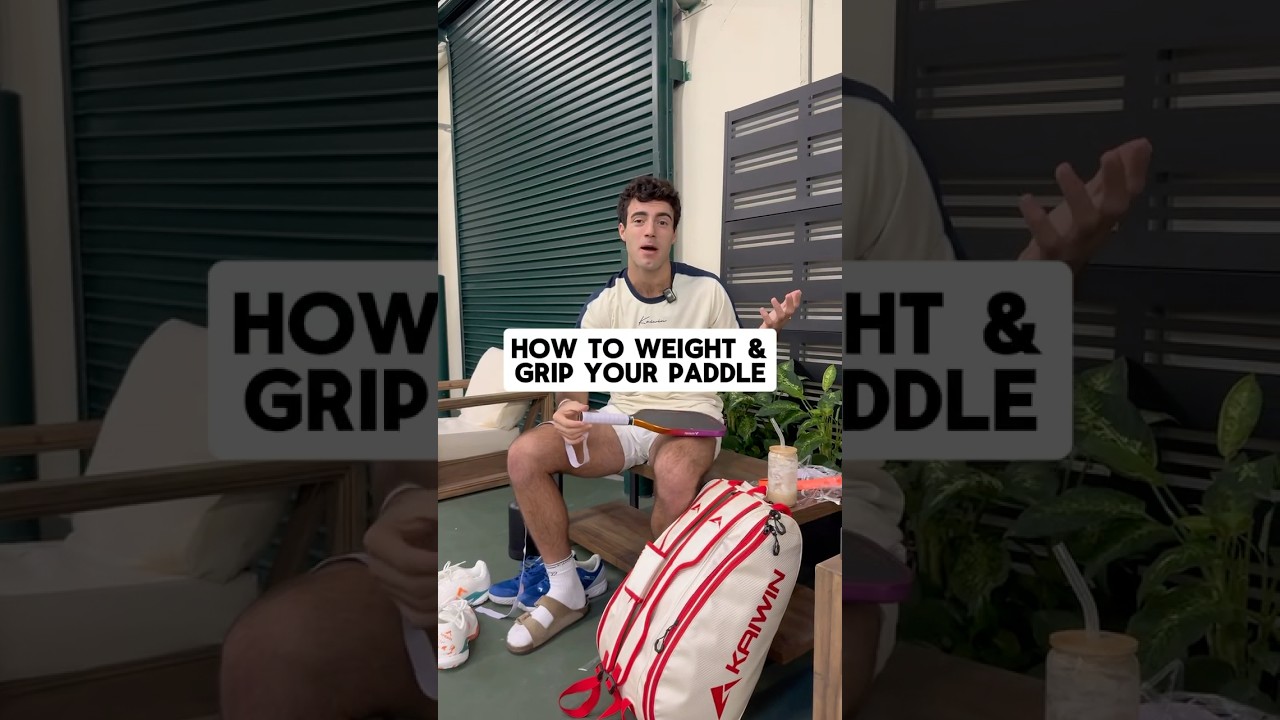
Yes, a handle that is too small or a paddle that feels twitchy can make you squeeze harder to feel in control.
A slightly thicker grip or a small weight adjustment can calm your hand down.
If the handle itself feels wrong, our step-by-step regrip guide walks through the fix.
You may also want to know how often to change your overgrip, since a slick wrap is one of the fastest ways to end up strangling the handle.
The goal is a setup that lets you hold the paddle gently without it twisting in your hand.
 The Dink Media Team
What should you remember on game day?
On game day, remember one cue: soft hand, same swing. You do not need a new motion, just a looser hold.
If you miss one into the net, do not panic and squeeze harder. Take a breath, shake out your hand, and reset before the next serve.
For a broader plan, our rundown of the 5 third shots every player needs and our guide to the fourth shot will tighten up the whole transition sequence.
Frequently Asked Questions
Why does my third shot drop keep going into the net?
The most common cause is a tight grip that sends the ball out flat and fast. Loosen your hand so the ball stays on the paddle longer and rises into a proper arc.
How tight should I hold my paddle on a drop?
Aim for roughly a 3 or 4 out of 10 in pressure. You should feel secure, but your forearm should stay relaxed.
Does a looser grip really add spin?
Yes. A relaxed hold lets the ball dwell on the paddle surface a fraction longer, which gives the grit time to grab it and create topspin.
Should I change my swing to fix missed thirds?
Usually not. Keep the same forward swing path and only change your grip pressure first, then adjust paddle angle if needed.
Can nerves make my third shot worse?
Absolutely. Pressure makes most players squeeze the handle without noticing, so breathing out and resetting your grip before each point helps a lot.

Love Pickleball? Join 100k+ readers for free weekly tips, news & gear deals.
Subscribe to The Dink