
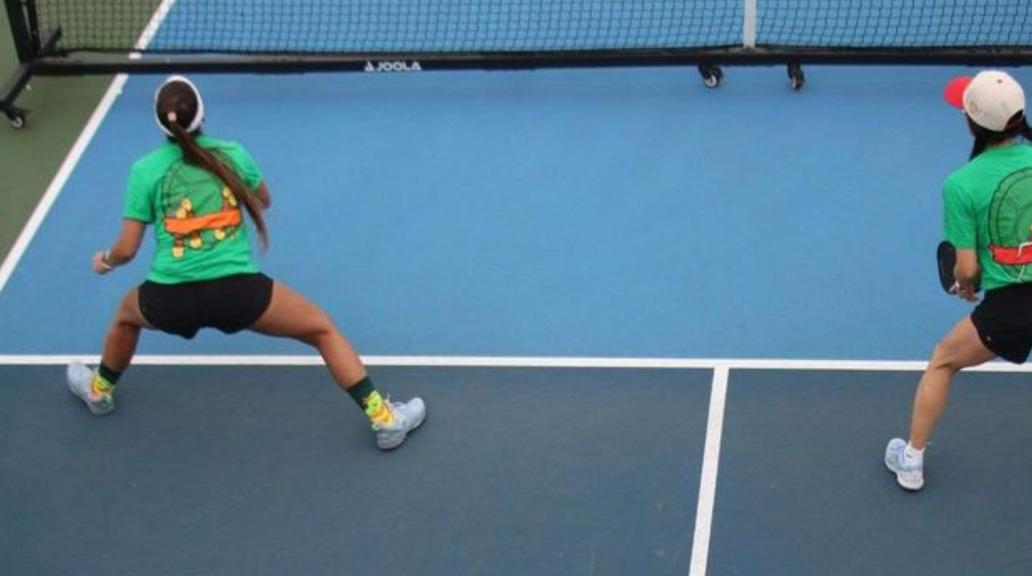
Missing an easy put away in pickleball costs you one point, but tilting after it costs you the game. This guide gives you a 10-second reset routine, the right shot to hit on the very next ball, and the setup fixes that stop the miss from happening again.
Missing an easy put away in pickleball is the only mistake that makes you want to apologize to your partner, the ball, and the paddle company all at once.
The ball floats up at shoulder height. Nobody is covering the middle. You have been waiting four shots for exactly this.
And you bury it in the net, or send it two feet long, and the silence that follows is loud.
It happens to everyone who has ever stood at the kitchen line and tried to finish a point.
Here's the thing: the point is already gone. What you do in the next ten seconds decides whether you lose one point or four.
Missing an easy put away in pickleball is a one-point problem until you turn it into a confidence problem.
Love pickleball? Then you'll love our free newsletter. We send the latest news, tips, and highlights for free each week.
Why Does Missing an Easy Put Away in Pickleball Sting So Much?
Because you did the hard part already.
The easy ball is the payoff for a well-built point, so missing it feels like losing two things at once: the point and the proof that your overheads and finishes actually work.
The math says relax a little.
In a 2025 shot-by-shot analysis of pro men's doubles, only about 28% of points ended with a clean winner, while roughly 35% ended on unforced errors.
The best players on the planet miss balls constantly. The gap between them and you is not error-free hands; it's how fast they forget.
What makes the amateur version worse is what comes next. You miss, you get annoyed, and you try to prove something on the following ball.
That's where the real damage lives, and it's exactly the kind of rushing mistake that bleeds points in bunches.
What Does "Reset" Actually Mean Here?
A reset is a deliberate return to neutral. In pickleball it has two meanings, and you need both.
- The shot reset is physical: a soft ball out of the air or off the bounce that takes pace off the rally and buys you time to get to the net. That's the reset shot most players underuse, and it belongs in your hands every time you're scrambling in the transition zone.
- The mental reset is the between-point version: a short, repeatable routine that clears the last ball before the next serve. There's no rule that gives you a do-over. USA Pickleball's rulebook is blunt about it: the moment a fault happens, the rally is dead and the point is awarded. So the only reset available to you is the one between your ears, and the mindset work that supports it.
The 10-Second Routine for Missing an Easy Put Away in Pickleball
Give yourself ten seconds, three steps, and then it's over.
Coaches across the sport teach some version of this because it works under pressure, and because ten seconds is short enough that nobody on the court notices you doing it.
- Breathe out, not in. One long exhale drops your shoulders and your heart rate. Most players hold their breath after a miss and then serve from a tense body, which is how one error becomes a case of the pop-ups.
- Touch something. Tap the paddle face, tug the strap, brush the line with your shoe. A physical cue tells your brain the last point is filed away. If you've read our take on a different kind of reset, this is the idea in miniature.
- Say one short phrase. "Next ball." "Simple and solid." Three words, same words every time. Not a lecture about your contact point.
That's it. No post-mortem, no practice swing replaying the shot you missed. Save the analysis for the drive home, where it belongs alongside your consistency work.
What Should You Hit After Missing an Easy Put Away in Pickleball?
Hit the boring ball. Honestly, this is the single highest-value habit in this entire article.
After a miss, your instinct is to go bigger on the next opportunity, because now you have something to prove.
Resist. Lower your ambition one notch: if the ball is attackable, roll it at the feet instead of swinging for the line.
If you're stuck at the baseline, take the patient option from the baseline rather than the hero drive.
This is the whole argument for boring pickleball. One miss is noise.
Two misses in three points is a pattern your opponents will start feeding on, and good ones absolutely will.
Make them earn the next point instead of handing it over.
Why Does Missing an Easy Put Away in Pickleball Usually Come in Pairs?
Because frustration shortens your swing and speeds up your feet.
Attention research in racquet sports shows focus measurably drops after consecutive lost points, which is a polite way of saying your eyes stop tracking the ball once you're annoyed.
The fix is dull and effective: go back to watching the ball all the way in for the next two rallies. Not "concentrate harder." Just watch the ball to your paddle face.
Your contact point cleans itself up, and the second error never arrives.
 The Dink Media Team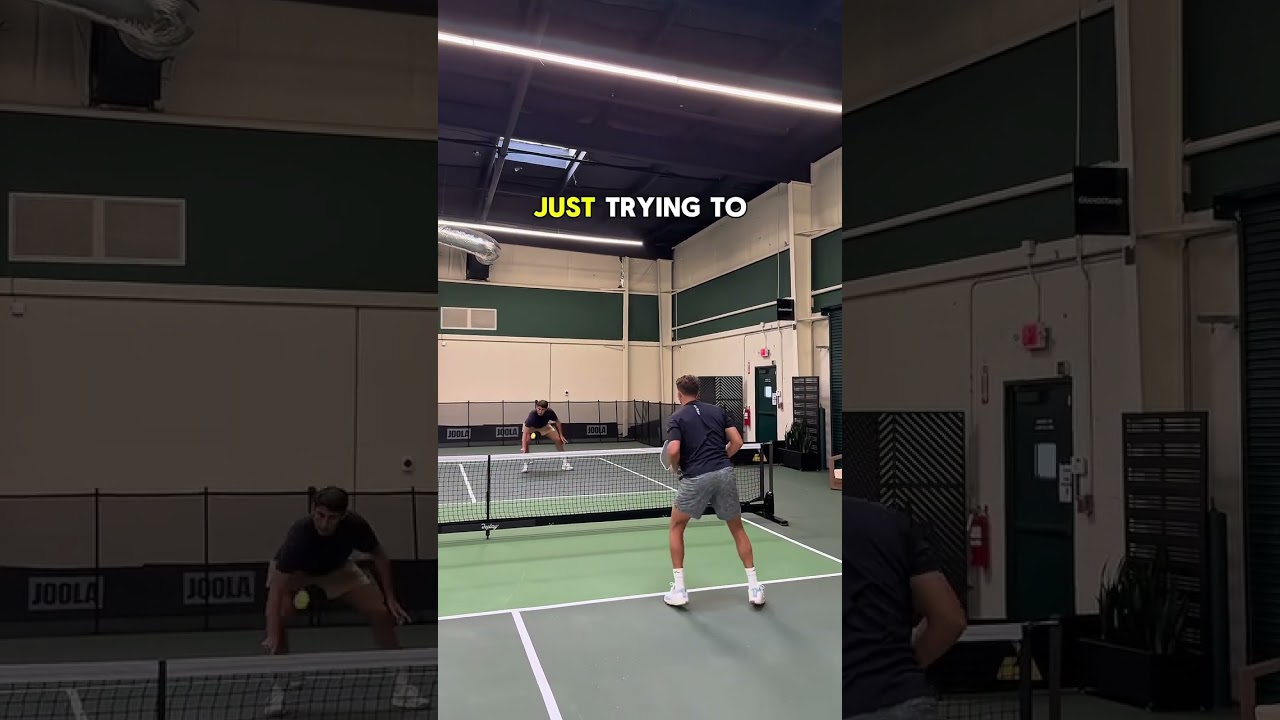
Fixing the Setup So You Miss Fewer Put Aways
Missing an easy put away in pickleball is usually decided before the swing even starts.
Three setup problems cause nearly all of them, and none of them are about how hard you hit the ball.
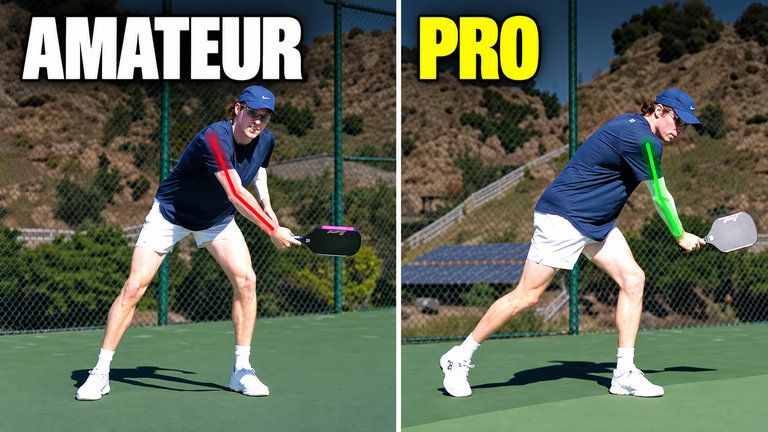
- You were too close to the ball. Crowding is the leading cause of jammed, decelerated put aways. A half-step adjustment turns a cramped swing into a free one, which is why footwork work pays off faster than paddle shopping.
- You aimed at a line instead of a body. Attackable balls at the kitchen don't need corners. Hit at the shoelaces or the hip of the player who just popped it up. The margin is enormous and the ball is just as unreturnable.
- You treated a high ball like an overhead. There's a real difference between a shoulder-height volley and a true smash, and blending the two produces the dreaded netted put away. If the ball is genuinely over your head, use a proper three-part overhead motion. If it's chest or shoulder high, punch it down with a short, firm swing and no backswing at all.
Worth noting: a lot of these balls get harder than they need to be because of where they came from.
Pop-ups from one specific spot on the court tend to float awkwardly, and awkward floaters are the ones players rush.
 The Dink Media Team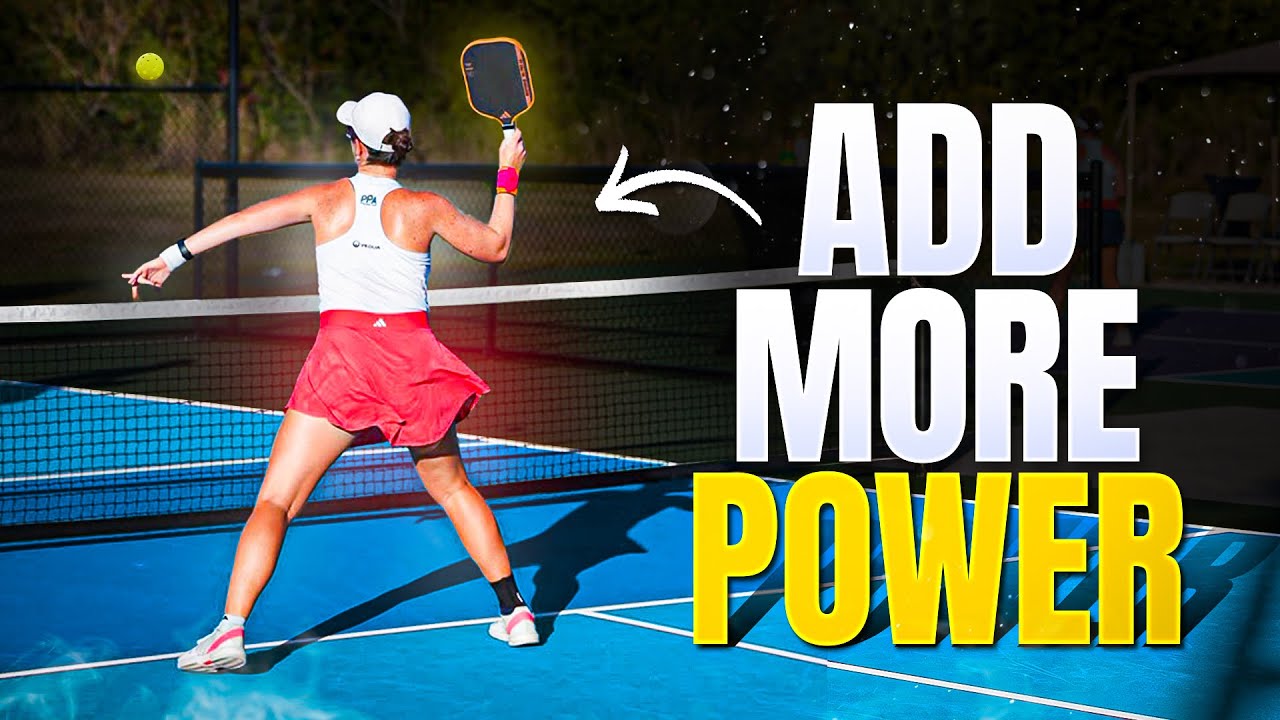
Should You Say Something to Your Partner?
Yes, but keep it to four words. "My bad, next ball." Then move on.
Long apologies make your partner manage your emotions while they're trying to play, and they telegraph to your opponents that you're rattled.
Missing an easy put away in pickleball is already public; narrating it twice is the part you control.
If anything needs saying tactically, say that instead: "I'll take the middle."
That's useful. Self-flagellation is not, and it undercuts the kind of court IQ you're trying to build.
The flip side matters too. When your partner misses the easy one, you get exactly one line: "Keep swinging."
Teams that do this recover from errors faster than teams that go quiet, and quiet is what most rec partners default to.
If the misses keep stacking, that is a mindset problem worth working on, not a paddle problem.
 The Dink Media Team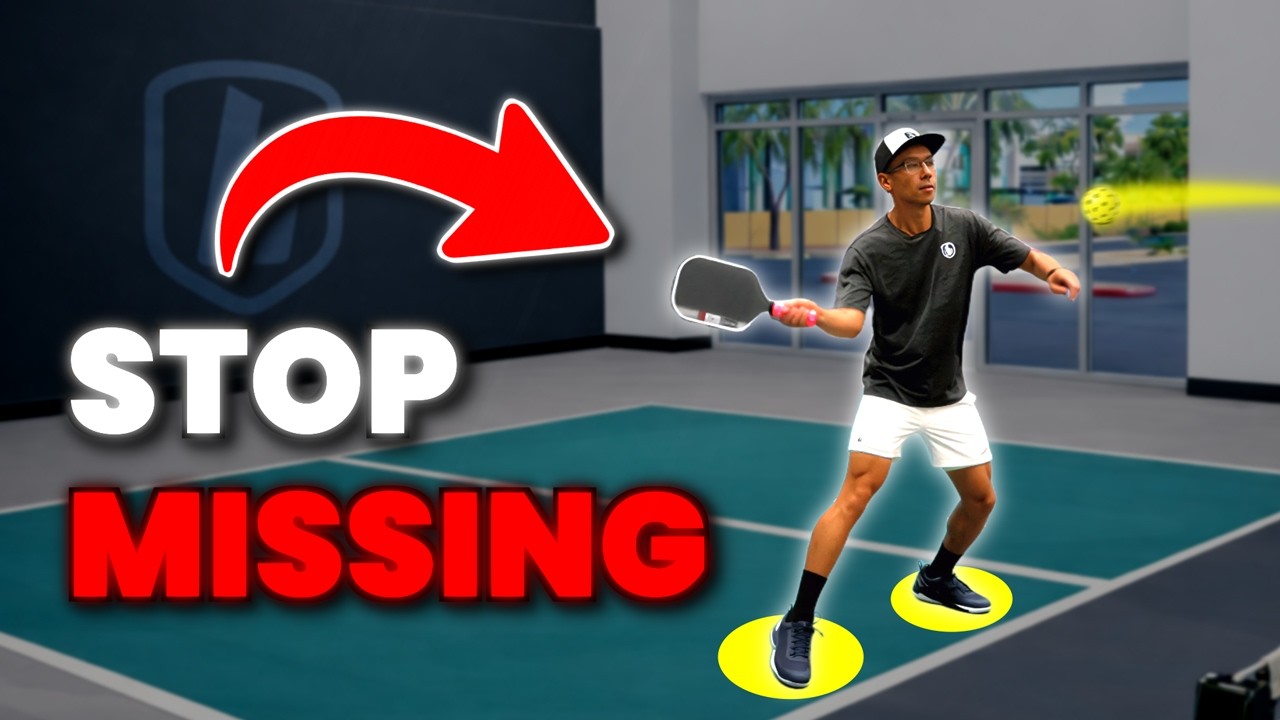
Key Takeaways
- Missing an easy put away in pickleball is normal. Even in pro doubles, roughly a third of points end on unforced errors.
- There is no rule-based do-over. A fault ends the rally, so your only reset is the between-point mental one.
- Use a 10-second routine: exhale, touch a physical cue, say one short phrase.
- Downshift on the next ball. Roll it at the feet instead of swinging for the line.
- Most misses are setup problems: crowding the ball, aiming at lines, and treating shoulder-height balls like overheads.
- Drill the fix, not the feeling. Steady error reduction beats any pep talk.
Frequently Asked Questions
Why do I keep missing an easy put away in pickleball?
Usually it's spacing and target choice, not hands. Players crowd the high ball, which jams the swing, and then aim at a sideline where the margin is tiny. Back up a half step and aim at the opponent's feet or hip instead of a line. Balls that arrive behind your body are the worst offenders.
Is there a rule that lets you replay a point after a missed put away?
No. Under USA Pickleball rules, a fault immediately ends the rally and the point is awarded to the non-faulting side. Replays only happen in specific situations like a hinder, not because a player missed a shot. Any "reset" after a miss is mental and strategic, not a do-over.
How long should a between-point reset take?
About ten seconds, which fits comfortably inside the normal time between points. Breathe out, use a physical cue like tapping your paddle, then say a short phrase. Keeping it short is the point; the longer you stand there thinking, the more the miss sticks. Pair it with a reliable midcourt forehand reset so the next rally has an escape hatch.
Should I attack the next attackable ball or play it safe?
Attack it, but with a smaller target. Take the pace down a notch and aim at the body or the feet rather than the line. You keep the pressure on without stacking a second unforced error on top of the first. Knowing when to attack and when to reset is the skill underneath all of this.
What drill helps the most with put aways?
Feed yourself high balls at the kitchen line and finish them at a cone placed at your partner's feet, not in the corner. Add movement by having a partner feed from mid-court so you're adjusting your position before every swing. Pair it with overhead defense work so you're comfortable both hitting and returning smashes.

Love Pickleball? Join 100k+ readers for free weekly tips, news & gear deals.
Subscribe to The Dink