

5 Pickleball Serve Speed Fixes That Added MPH on a Radar Gun
Pickleball serve speed comes down to a few technique details, and one radar gun test proved it. Here are the five fixes that took a 45 mph server up to nearly 49.
Your pickleball serve speed probably sits right where it has for months, and it feels like no amount of arm effort changes it.
You swing harder, the ball does not go faster, and you start to wonder if power is just something other players are born with.
It usually is not about effort. It is about a handful of mechanical details that quietly leak energy before the paddle ever meets the ball.
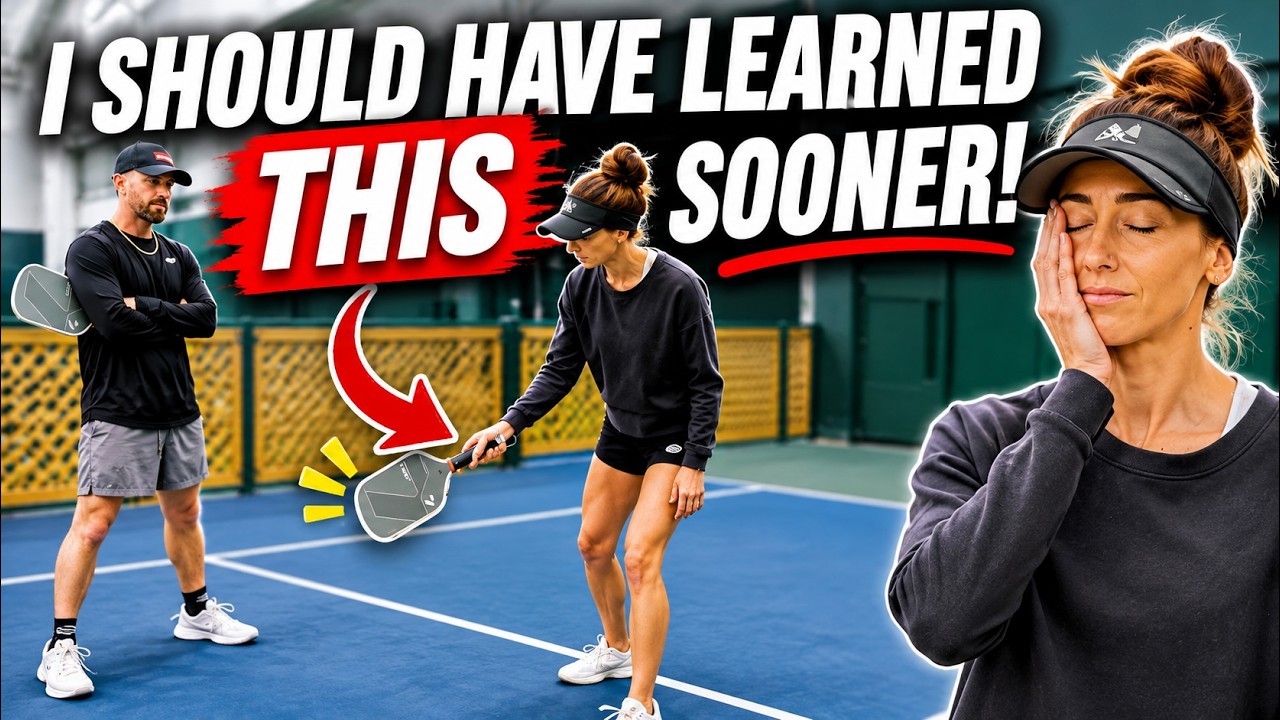
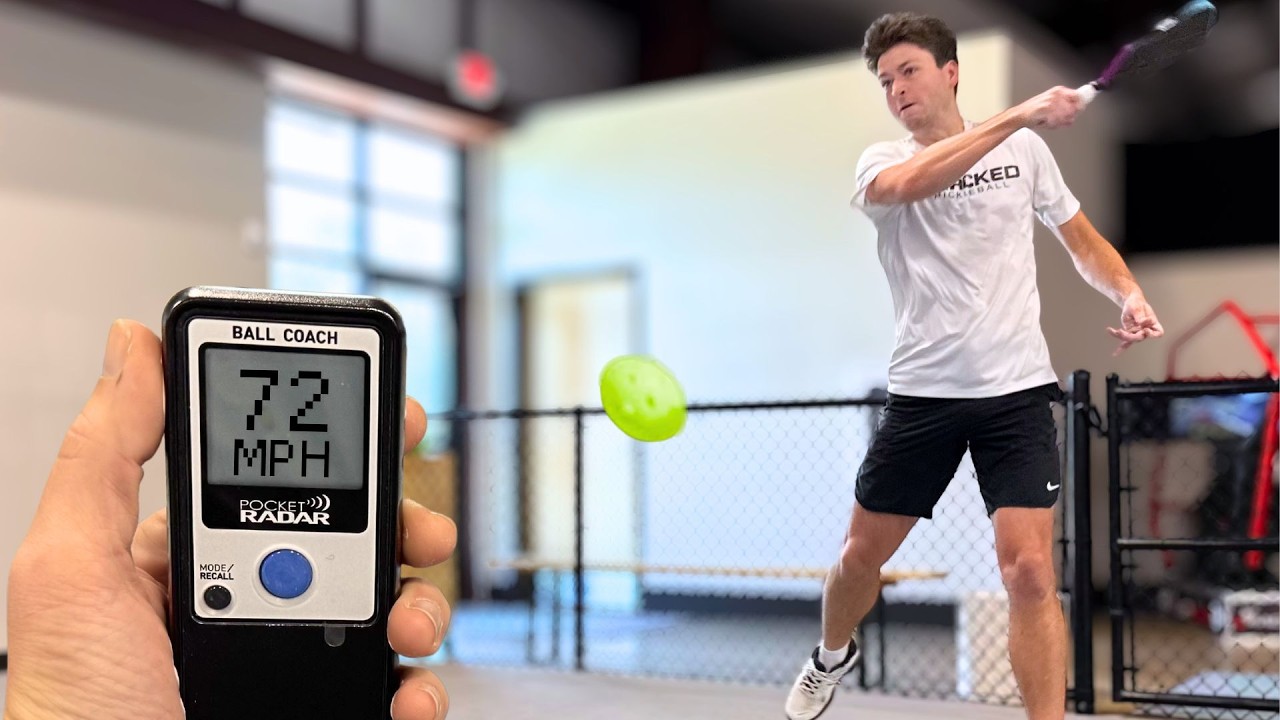
These fixes come from Zane Navratil Pickleball on YouTube, where he put a $150 radar gun on a student named Gabe and coached him through five adjustments.
We will break down exactly what changed, why it works, and how you can test it yourself.
Love pickleball? Then you'll love our free newsletter. We send the latest news, tips, and highlights for free each week.
What Was the Starting Point for This Serve Speed Test?
Gabe's baseline average was about 45.5 mph across ten serves, with readings stuck between 45 and 47.
That is a solid, consistent, legal serve, which makes it a perfect test case.
After the coaching changes, his next ten serves landed in the 46 to 50 mph range, with several at 49.
The net gain was roughly 2 to 3 mph, and it came from technique alone, not a new paddle or extra gym time.
Two or three miles per hour might sound small.
On a serve, it can be the difference between a comfortable return and a rushed one, and you can pair it with smart deep serve strategy to make it count.
1. Why Should You Bend Your Elbow Instead of Locking Out?
A bent elbow in your preparation builds acceleration, while a locked straight arm slows the energy down.
Zane noticed Gabe was swinging like a stiff pendulum, almost fully locked out.
Think about pitching. If a pitcher kept the arm straight and never snapped through, the ball would not come out hot.
The fix is simple. Start with the elbow bent, keep it bent as you take the paddle back, and let it uncoil forward from there.
You can even set up with the paddle slightly farther back than feels normal. That extra distance gives the paddle more room to accelerate before contact.
2. How High Should Your Contact Point Be?
Aim for contact around your upper thigh, which is higher than most recreational players hit.
Gabe was making contact slightly above the knee, which forces a more downward, scooping swing.
Legally, you can make contact as high as the belly button, since the rules interpret the waist at that point.
Zane is not suggesting you push the limit that far, but the higher you go, the more linear and flat your swing can be.
Flatter swings hit harder. A higher contact point removes the need to hit up and behind the ball just to clear the net.
To get there, raise your toss slightly and let the ball drop to that upper thigh window before you swing.
 The Dink Media Team
3. Should You Swing Paddle Tip Down or Parallel?
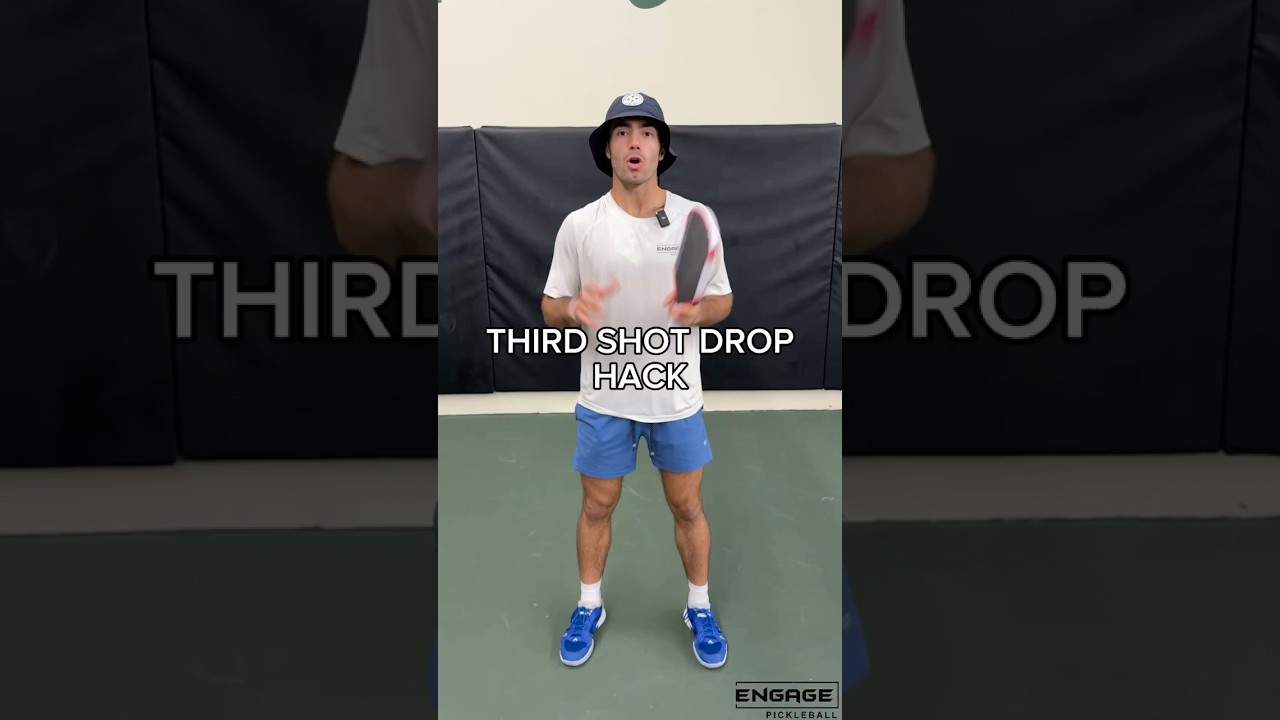
Once your contact point rises, think paddle tip parallel instead of paddle tip down.
A low contact serve naturally produces a bowling ball style swing, and that is a power killer.
A higher contact point lets you come around the side of the ball, much closer to a forehand swing.
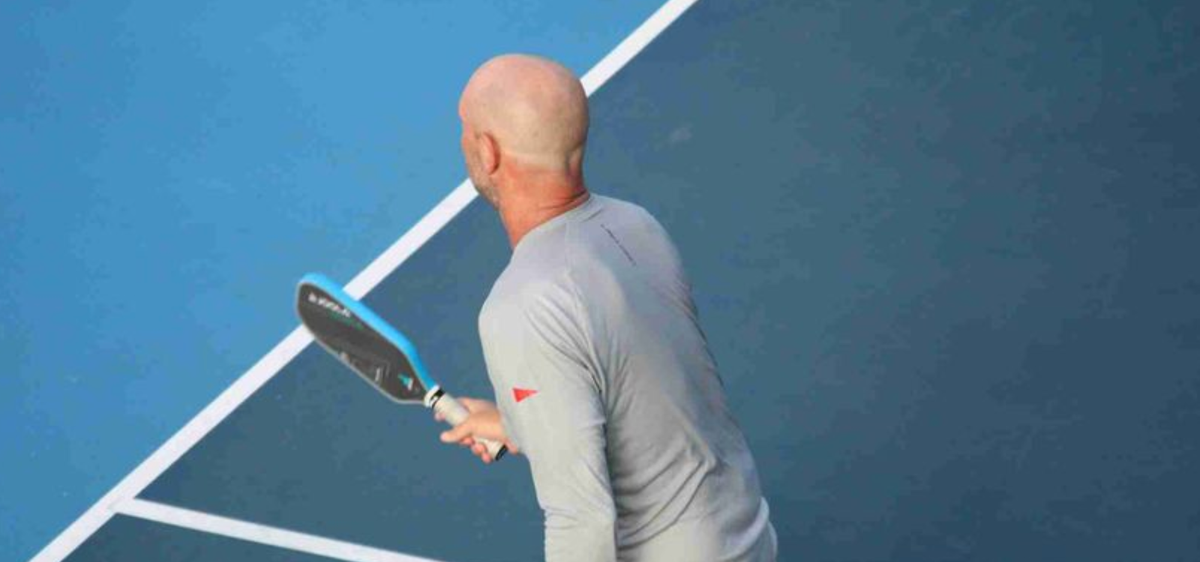
You still have to stay legal, which means the paddle head must stay below the wrist and you must be swinging upward at contact.
The mental image matters here. Picture a sidearm forehand rather than a pendulum scoop.
If you want to see how this kind of feel translates to your forehand, check out these forehand speed up patterns.
 The Dink Media Team
4. What Does Loading the Back Leg Actually Mean?
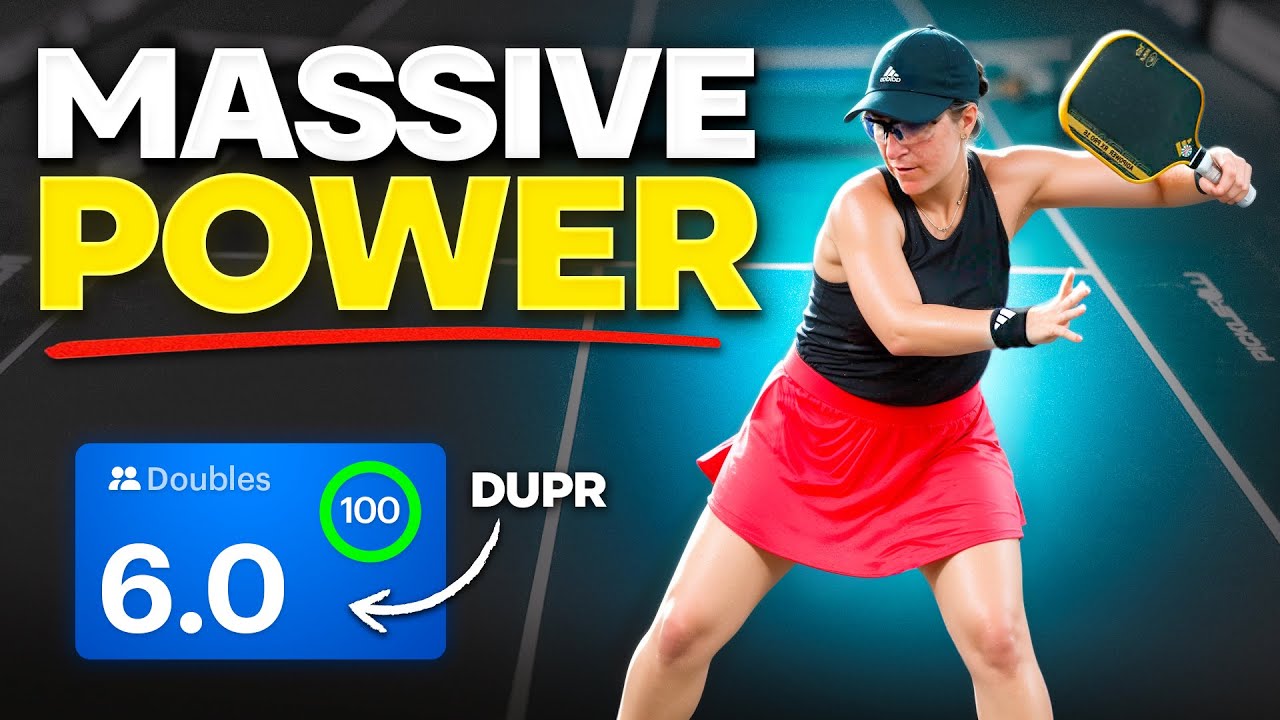
Loading the back leg means keeping your heel and foot connected to the ground so your weight can drive forward through the ball.
Gabe was rising onto his tiptoes before contact, which cut off his connection to the court.
Zane’s cue was load and explode. Sink into that back leg, hold the connection, then drive forward so the leg swings all the way through into the court.
This was likely the biggest driver of Gabe’s improvement. Weight transfer is the most common leak Zane sees in recreational servers.
Serve biomechanics research points the same direction, with ball velocity rising when energy flows cleanly from the ground through the trunk to the hitting arm.
If your weight is already drifting forward before the swing starts, there is nothing left to push with.
 The Dink Media Team
5 Step Checklist to Add Pickleball Serve Speed
Here is the full sequence you can take to the court. Work on one piece at a time, then combine them.
- Bend the elbow in your preparation and keep it bent through the backswing.
- Raise your toss so the ball drops to upper thigh height.
- Swing sidearm with the paddle tip closer to parallel, staying below the wrist.
- Stay grounded on your back leg instead of rising onto your toes.
- Load and explode forward so your back leg comes through into the court.
Zane admitted that combining all of these at once takes time.
Gabe was already implementing most of them within a few minutes, but consistency under pressure takes reps.
 The Dink Media Team
Does Where You Stand Behind the Baseline Matter?
Your serve position is mostly personal preference, but there is a real tradeoff.
Zane likes to stand a couple of feet behind the line so that after his follow through into the court, he is still behind the baseline if the return comes back deep.
Players who stand right on the line and follow through three or four feet into the court, like Dekel Bar, have to move backward first on the next shot.
That is a small cost, but it adds up against a strong returner. Try both and see which gives you better recovery.
If your serve is still landing short, our guide on return of serve mistakes shows how opponents will punish a weak serve.
 The Dink Media Team
What Is a Radar Gun Test and Is It Accurate?
A radar gun measures the speed of the ball as it leaves your paddle, usually in miles per hour.
It is a useful training tool because it gives you instant, objective feedback on whether a change is helping.
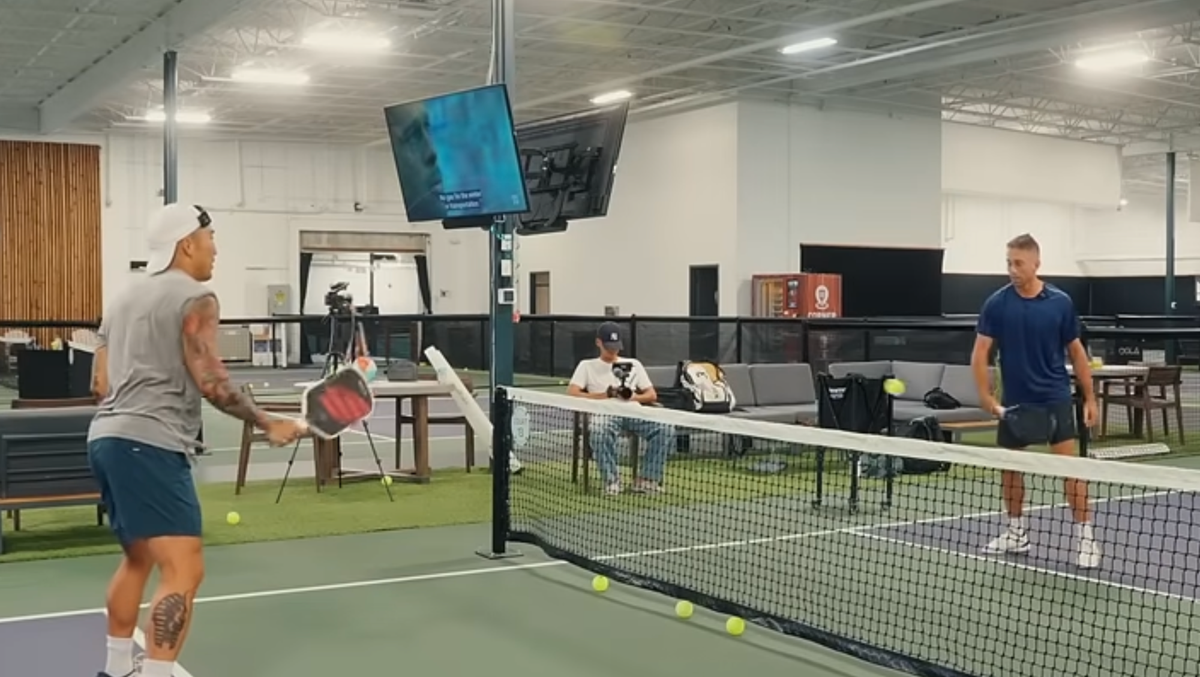
The video's second half got funny. When the group tried the same gun on bigger hitters, readings jumped from the 50s into the 60s and even 74.
Radar numbers vary with swing speed, paddle, and ball, so compare yourself to your own baseline.
Do not compare your readings to someone else's equipment or setup.
If you are chasing more pace in general, a foam core paddle built for power can help, though technique should always come first.
 The Dink Media Team
Is More Serve Speed Always Better?
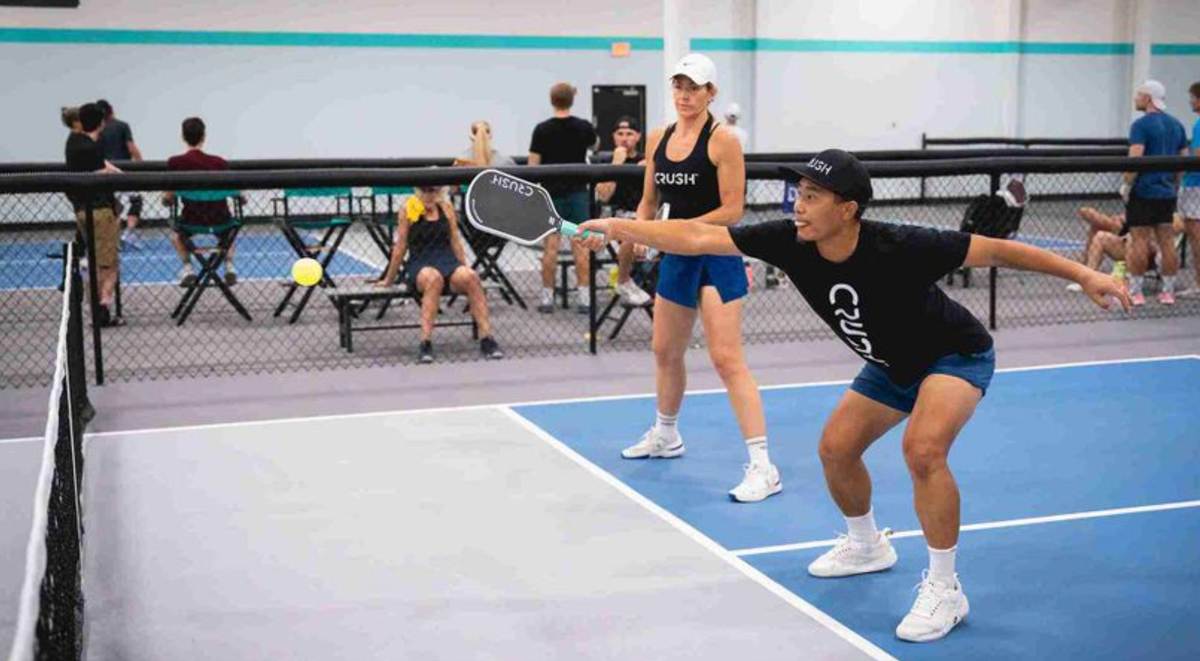
No, speed matters far less than depth and placement, so use extra pace as a bonus rather than the goal. A fast serve that lands short or in the net gives away the point.
The best servers combine a deep target with enough pace to take time away from the returner.
That is why Gabe's improvement works best alongside consistency, not instead of it.
Build your serve the way you would build any shot: control first, then add power.
For more ideas on building a well rounded game, these fast ways to get better at pickleball are a good place to start.
 The Dink Media Team
How Can You Practice These Serve Changes?
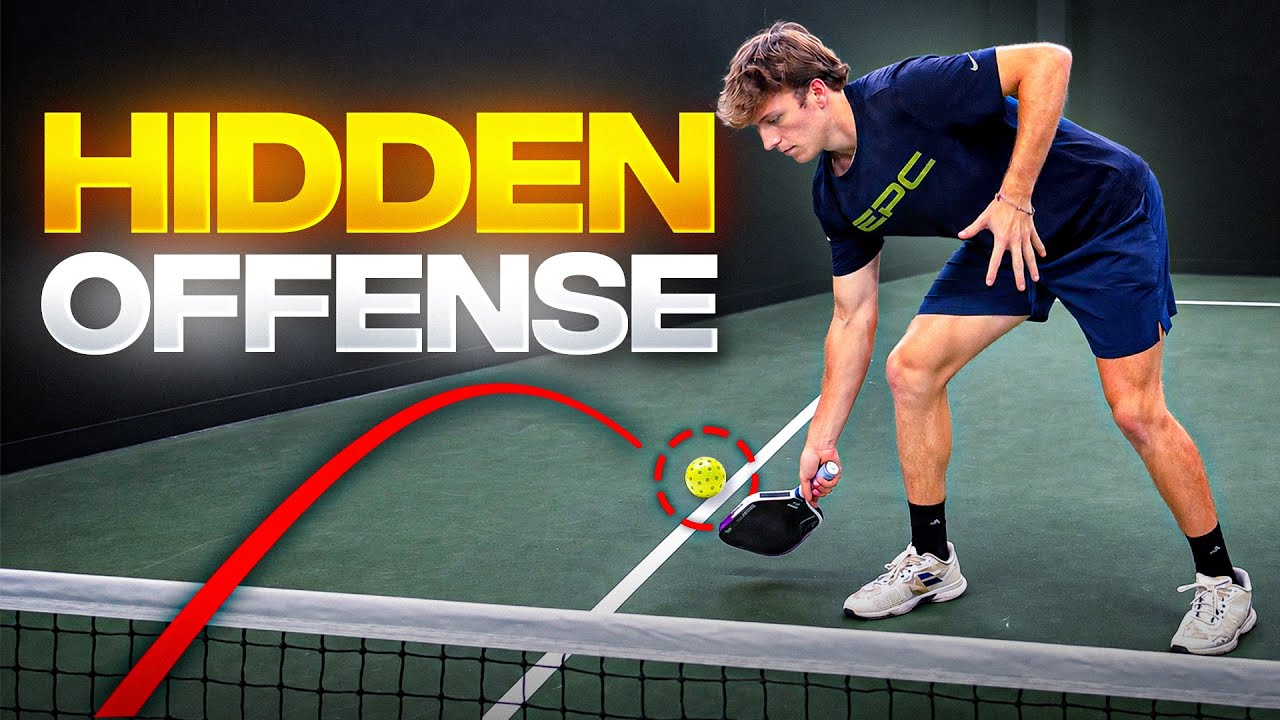
Practice one cue at a time for ten serves each, then combine them. Rushing all five at once usually creates a mess of half-adjusted mechanics.
If you only have limited court time, our pro practice plan shows how to fit serving reps into a structured session.
Mental focus matters here too, and this pre point routine pairs well with deliberate serve practice. Mechanical changes feel awkward at first.
Give each adjustment a few sessions before judging it, and consider recording yourself to compare your motion to the cues above.
Frequently Asked Questions
How fast is a good pickleball serve?
Recreational players often serve in the 40 to 50 mph range, as Gabe did in this test. Advanced and pro players can reach much higher speeds, but depth and placement matter more than raw pace.
How can I serve harder in pickleball?
Bend your elbow in the backswing, raise your contact point to upper thigh, and swing more sidearm than pendulum. Load your back leg and drive forward through the ball instead of rising onto your toes.
What is the highest legal contact point on a pickleball serve?
Contact can be made as high as the waist, interpreted as around the belly button. The paddle head must stay below the wrist and the swing must move upward at contact.
Why does a bent elbow help serve speed?
A bent elbow allows the arm to accelerate and snap through contact, similar to a pitcher's throwing motion. A locked straight arm makes it harder to build speed.
Does standing behind the baseline change my serve?
It does not change the serve itself, but it changes your recovery. Standing a couple feet back lets you follow through and still be positioned behind the baseline if the return is deep.


Love Pickleball? Join 100k+ readers for free weekly tips, news & gear deals.
Subscribe to The Dink