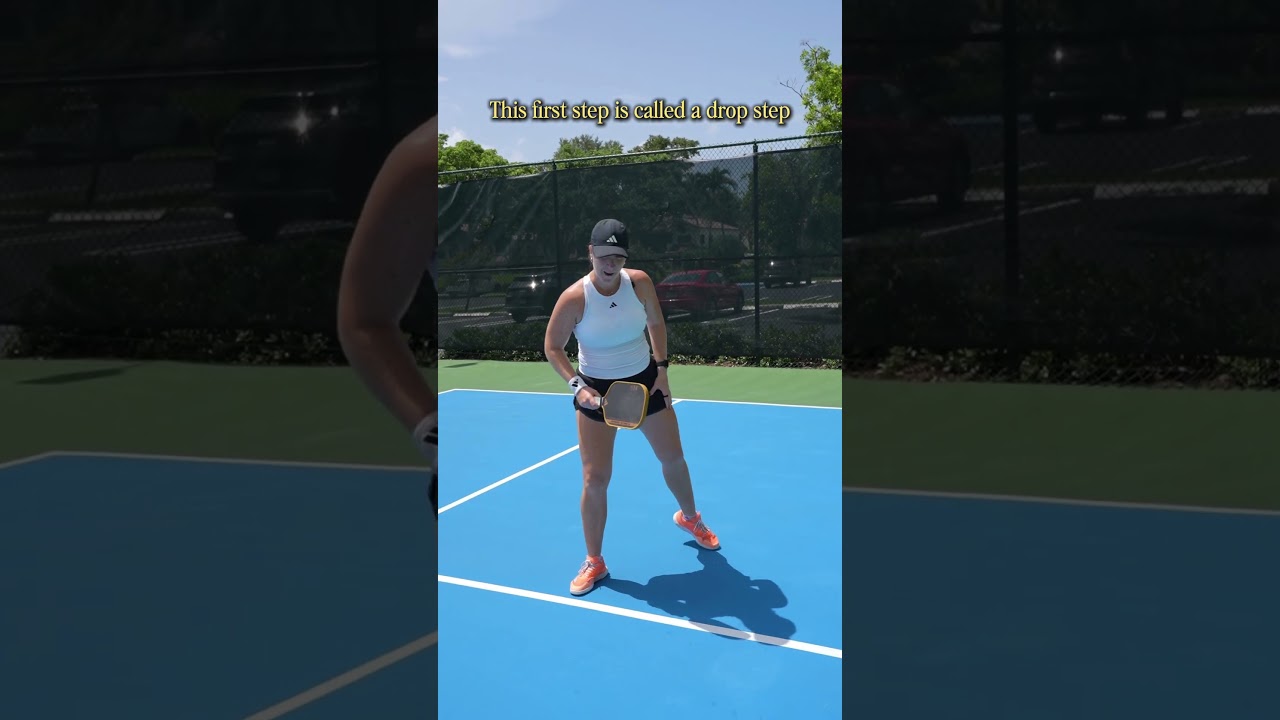

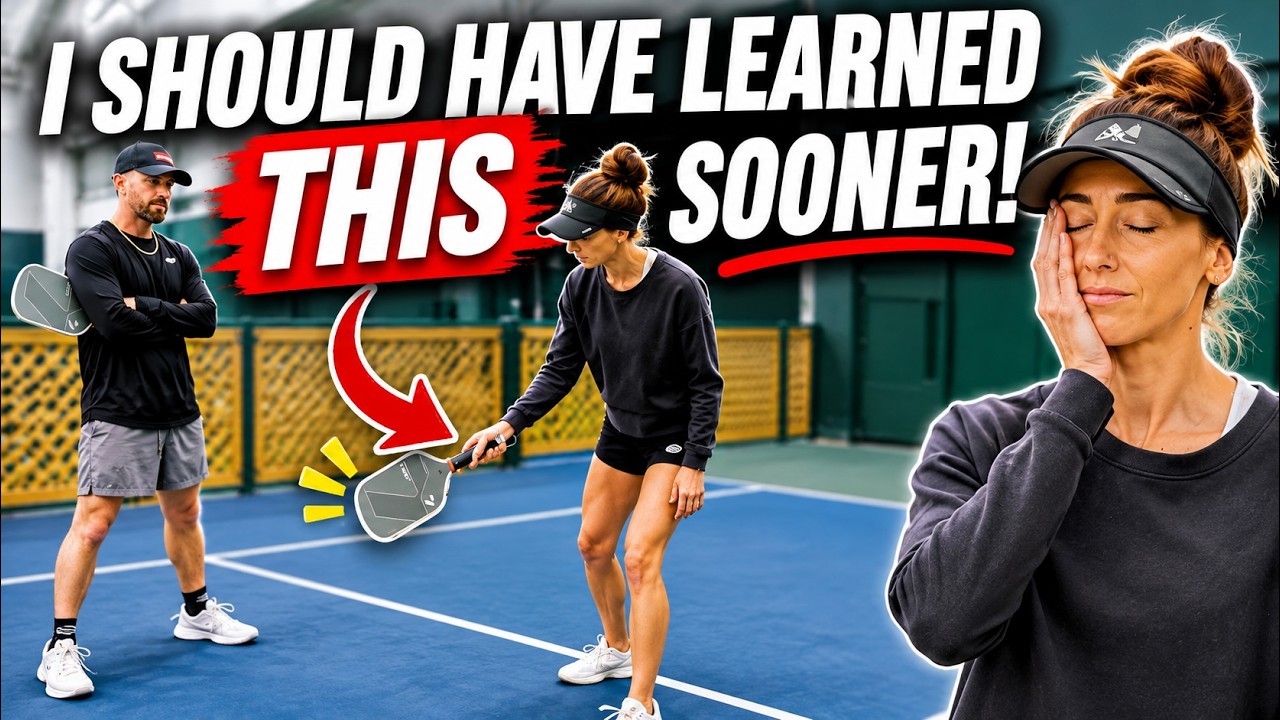
Most beginners get coached on the wrong pickleball shot at the wrong time. Here are five shots, in the right order, that will help you win more points faster.
Every pickleball shot you hit is built on a foundation, and most beginners are never shown that foundation.
Instead, they get pushed straight into dinking drills or fancy third shot drops before they can serve deep or rally from the baseline.
That is backwards, and it is why so many new players feel stuck after a few months of play.
With roughly 4.5 million Americans picking up a paddle in 2025 alone, that is a lot of people grinding through the same broken learning curve.
The fix is learning the right shots in the right order.
This breakdown comes from PlayPickleball.com on YouTube, which walks through the overlooked shots they wish a coach had taught them from day one.
We are expanding on it here with extra detail you can take to the court today.
Love pickleball? Then you'll love our free newsletter. We send the latest news, tips, and highlights for free each week.
Why Does the Order You Learn Shots Matter?
Because each shot feeds the next one, and skipping steps builds bad habits you will spend years undoing.
A serve starts the point, the return gets you to the net, and the ground stroke teaches you the swing mechanics that make everything else easier.
Dinking is important, but it is the last thing on this list for a reason. At lower levels, you simply do not dink that much.
If you want a wider look at how skills stack up as you improve, check out 5 pickleball shots that separate 3.5 and 4.5 players.
Shot 1: The Serve (Forward Momentum Wins)
The best pickleball serve uses forward momentum from your legs, not a stationary arm swing from behind the baseline.
Your feet must be behind the line at contact, but you are allowed to step into the court as you hit.
That means you can load up and explode forward, the way many top players do. Your lower body drives the power.
Here is what to focus on:
- Aim deep: Push your opponents back so they cannot attack early.
- Step into it: Let your legs carry you forward through contact.
- Stay in rhythm: Remember the next ball has to bounce, so do not rush your setup.
Because the serve is the only pickleball shot you fully control, it is worth real practice time.
Our guide on deep serve strategy shows why depth pays off, especially if you are still working through the basics of beginner pickleball.
Shot 2: The Return (Flat, Deep, and Moving Forward)
A good return is hit flat and deep, as close to the back third of the court as you can get, while you move toward the kitchen.
This is different from a drive, where you want the ball to dip over the net.
On the return, you want a flatter swing path rather than a low to high brush. Think of it as using your legs to push through the ball.
Get into a low, athletic position, create forward momentum, and keep the paddle face steady.
If you stand too static, you lose depth and you lose your approach. Picking smarter return targets makes that approach even harder to punish.
Many players lose points here without realizing it. If that sounds familiar, read these 3 return of serve fixes.
For both the serve and the return of serve, think front to back momentum, not rotational strength. That one mindset shift adds consistency right away.
 The Dink Media Team
Shot 3: The Ground Stroke (Before You Ever Drive)
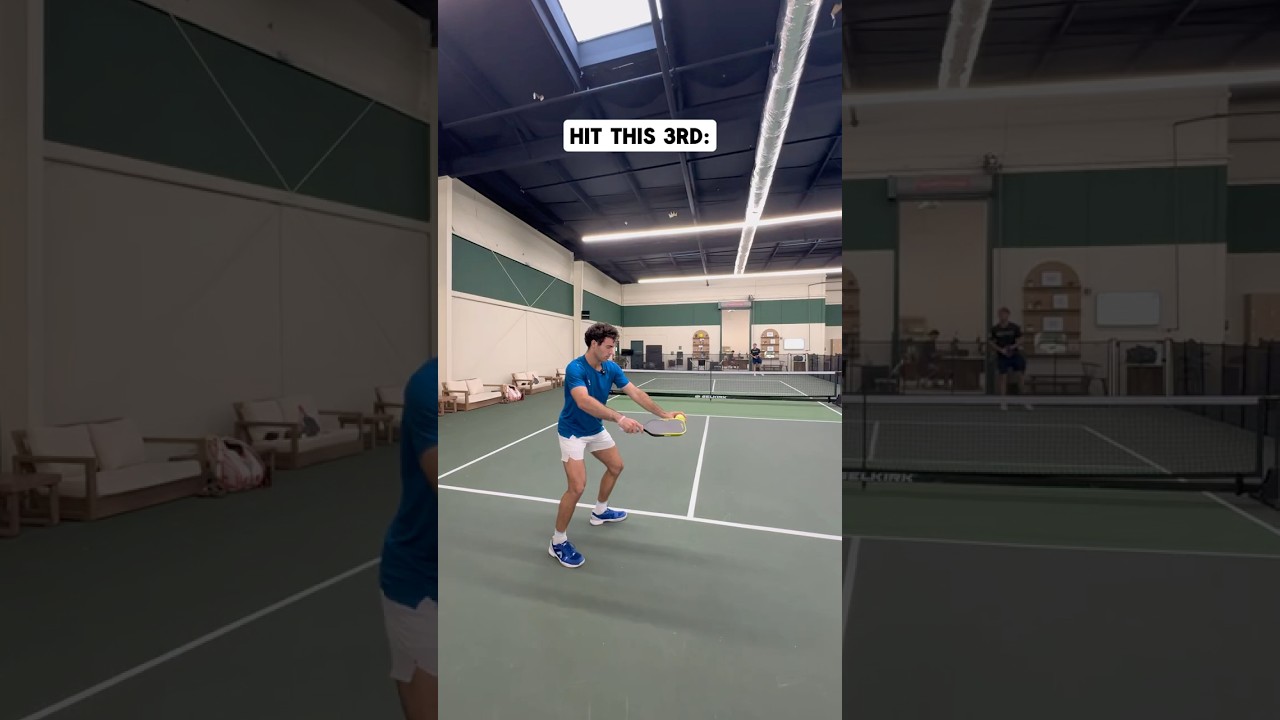
A ground stroke is a cooperative, baseline to baseline rally shot, and it should be learned before the drive.
Too many coaches bring the partner to the net right away, which puts pressure in your head before your mechanics are ready.
When both players are at the baseline, you can focus on footwork and paddle preparation. Ninety percent of this pickleball shot is footwork.
Here is how to groove it:
- Coil, do not fully open or close: Rotate your body slightly into the shot.
- Push your hands away from your body: If you are jammed, you will not hit a clean ball.
- Stay loose in the upper body: Let the legs generate the power.
- Aim for depth, not winners: Be cooperative with your partner.
- Hit 10 in a row each: That is your signal you are ready to add pace.
Once you can rally 10 in a row, you are ready to turn the ground stroke into a drive.
If you want help keeping that drive in the court, try these 5 tips for a harder pickleball drive.
How Do You Turn a Ground Stroke Into a Drive?
You add wrist lag and whip, not a slap. Have your partner move up to the kitchen line, which forces you to keep the ball low or get crushed.
Keep your wrist loose and push away from your body. Picture the butt cap of the paddle like a flashlight pointing forward, then whipping through the hitting zone.
That whip creates the dip you want on a topspin drive. Slapping at the ball makes it go flat, which gives your opponent an easy put away.
 The Dink Media Team
Shot 4: Handling a Drive Coming at You
The key to handling a drive is balance, a ready paddle, and a compact swing.
Most beginners struggle with this pickleball shot because they run through the ball or stand too upright to react.
If you are running in, stop and split step as soon as you see your opponent hit.
Even if you are not at the kitchen line yet, a balanced stop beats a rushed charge every time.
What Does a Good Ready Position Look Like?
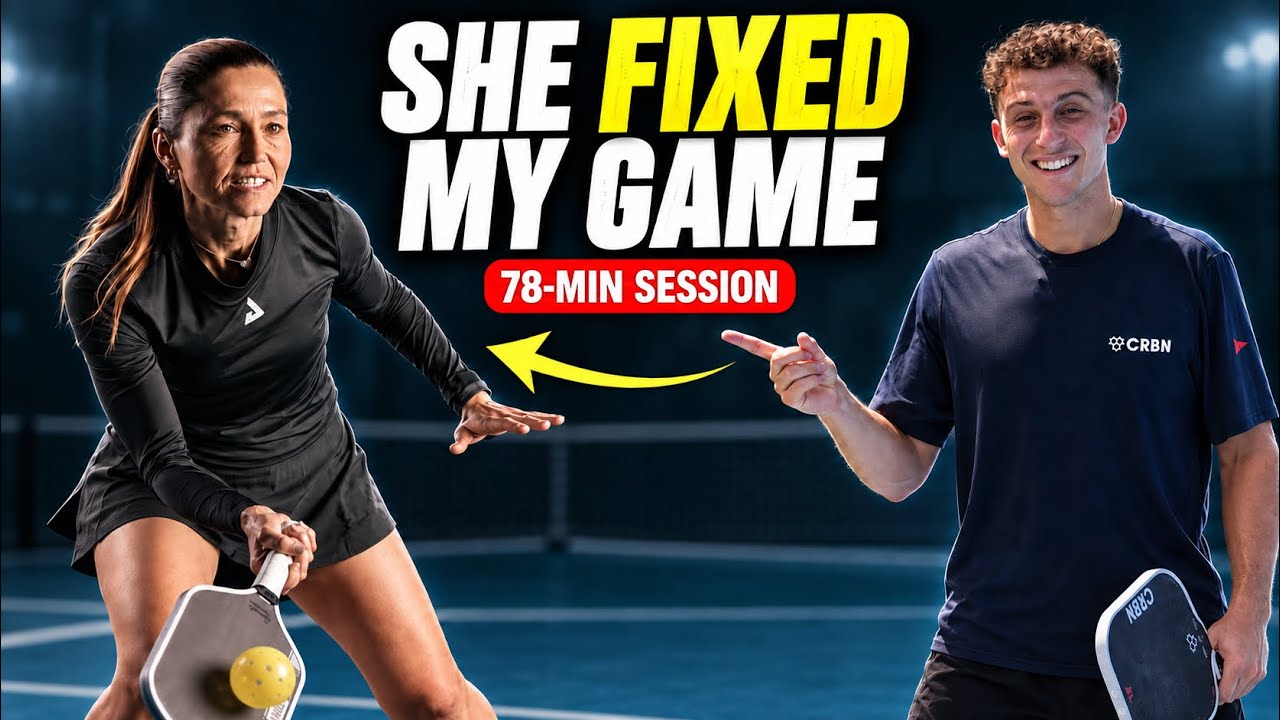
A good ready position has your paddle up at belly button height, your weight evenly split, and your hips hinged forward.
The two most common mistakes are a low paddle and standing straight up like a tree.
When you lean backward, your paddle face opens and the ball pops up. Pros hinge at the hips so their chest is forward and they are ready to punch the ball.
For more on staying ready at the net, see 6 habits to beat hard hitters.
How Should You Adjust Your Paddle Face?
Your paddle face depends on the height of the incoming ball. Keep your swing small either way, because this is a pickleball court and not a tennis court.
Use this simple guide:
- Low, dipping drive: Open your paddle face, then push up and through the ball with a little topspin so it stays low on your opponent’s side.
- Shoulder high drive: Close the paddle face and hit through the ball, from here to here, not across it.
- Any speed: Keep your elbows near your body and your swing compact.
A big follow through leaves you out of position for the next ball.
Fast balls come back as fast balls, so these 3 fixes are a smart next read if your drive keeps getting punished.
When you return a drive with low, offensive pace, your opponent either has to hit perfect drives or stop hitting them altogether.
That is how you take control of the rally.
 The Dink Media Team
Shot 5: The Dink (Important, But Not First)
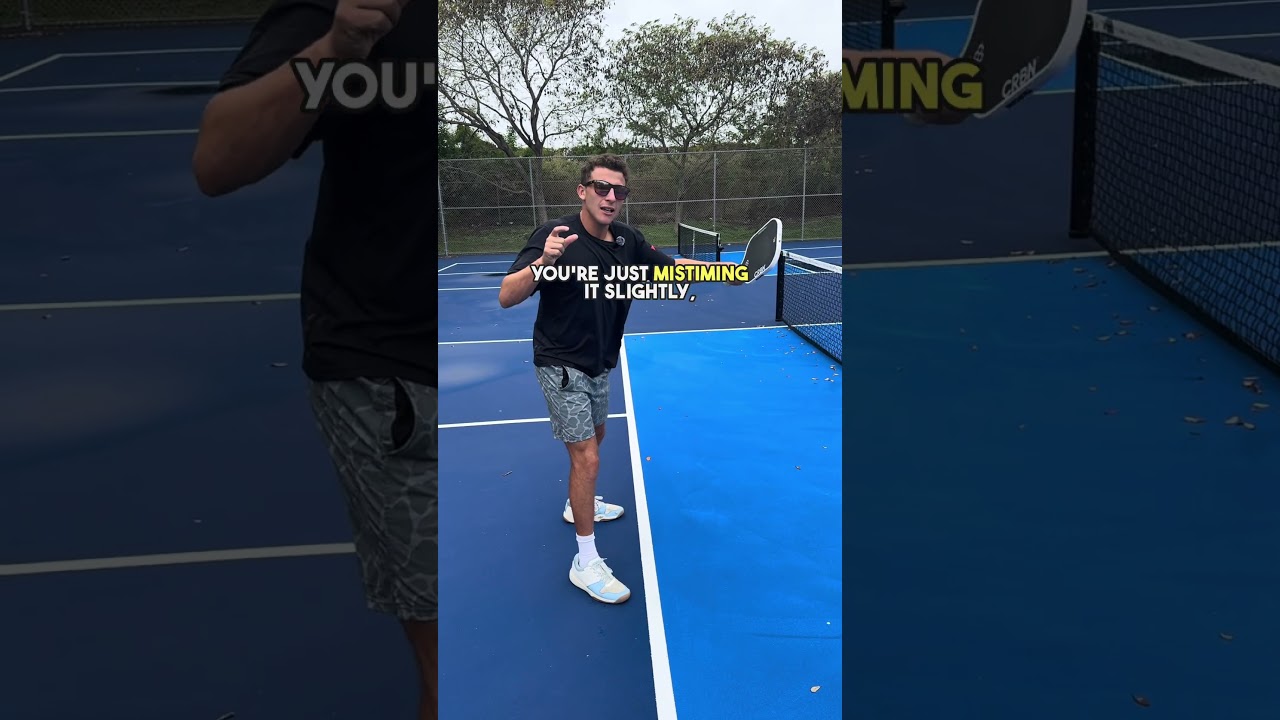
A dink is a soft pickleball shot that does not have to land in the kitchen, but it forces your opponent to hit up on the ball.
The goal is to place it where they cannot attack downward.
The video makes a strong point here: dinking matters more at higher levels, and coaches often start with it too early.
At lower levels, you just do not dink that much. When you do dink, keep it simple.
Swing from the shoulder with a locked wrist, not a bicep curl or a chop, which is the core idea behind solid forehand dink technique.
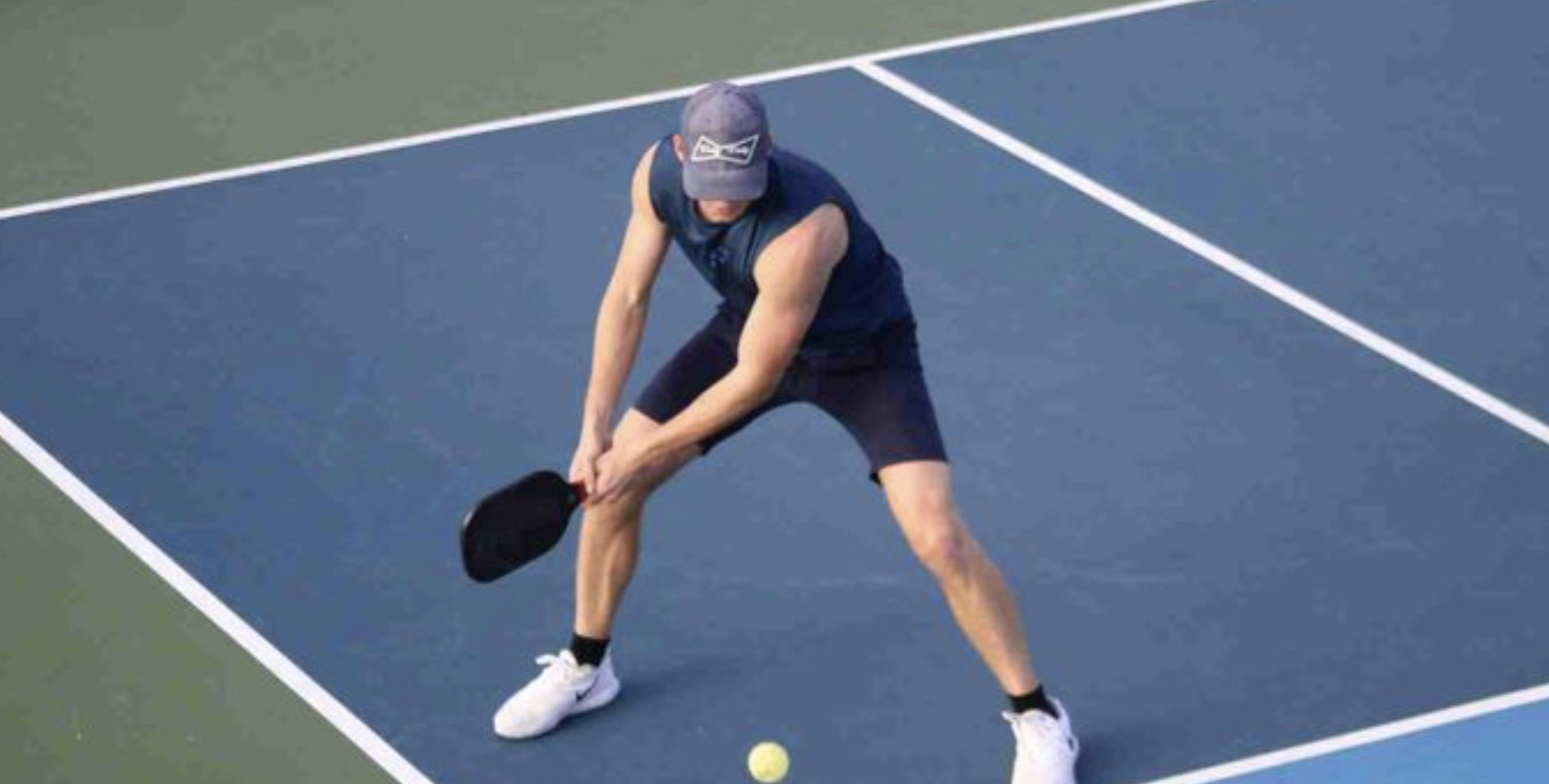
The biggest fix is grip pressure. A death grip sends all the energy into the ball, and it pops up.
Loosen your grip so the paddle deadens the ball, but not so much that it falls out of your hand. Use your bigger muscles, the shoulders and legs, instead of your wrist.
Ready to build on this? Our 5 drop step keys for better dinking and 7 kitchen strategy principles are good places to go next.
 The Dink Media Team
How Should You Practice These Five Shots?
Practice them in order, and do not move on until the current pickleball shot feels easy.
The sequence is serve, return of serve, ground stroke, drive defense, then dink.
A simple weekly plan looks like this:
- Serve 20 balls deep, stepping into each one.
- Return 20 serves flat and deep, moving forward.
- Rally baseline to baseline until you hit 10 in a row.
- Add a partner at the kitchen to practice drives and blocks.
- Finish with relaxed dinking and a light grip.
If you need a structured session, here is 5 practice drills for any skill level.
How Long Until Each Pickleball Shot Feels Automatic?
Give every pickleball shot two to three focused sessions before you judge it, not two or three swings.
Fixing the basics is also what stops the constant misses that frustrate new players.
Frequently Asked Questions
What pickleball shot should a beginner learn first?
Start with the serve and return, because every point begins with them. Then move to the baseline ground stroke before you try drives or dinks.
Can you step into the court when you serve?
Yes, as long as your feet are behind the baseline when you make contact. After contact you can step forward, which gives you more momentum and power.
What is the difference between a ground stroke and a drive?
A ground stroke is a cooperative baseline rally shot focused on depth and consistency. A drive adds pace, wrist lag, and topspin so the ball dips low over the net, usually with an opponent at the kitchen line.
How do you stop popping the ball up when someone drives at you?
Keep your paddle at belly button height, hinge forward at the hips, and use a short compact swing. Open your paddle face only as much as the dipping ball requires, then push up and through instead of just bopping it.
Why does my dink pop up?
Most often, your grip is too tight or you are lifting with your elbow like a bicep curl. Loosen your grip and swing from the shoulder with a locked wrist.


Love Pickleball? Join 100k+ readers for free weekly tips, news & gear deals.
Subscribe to The Dink