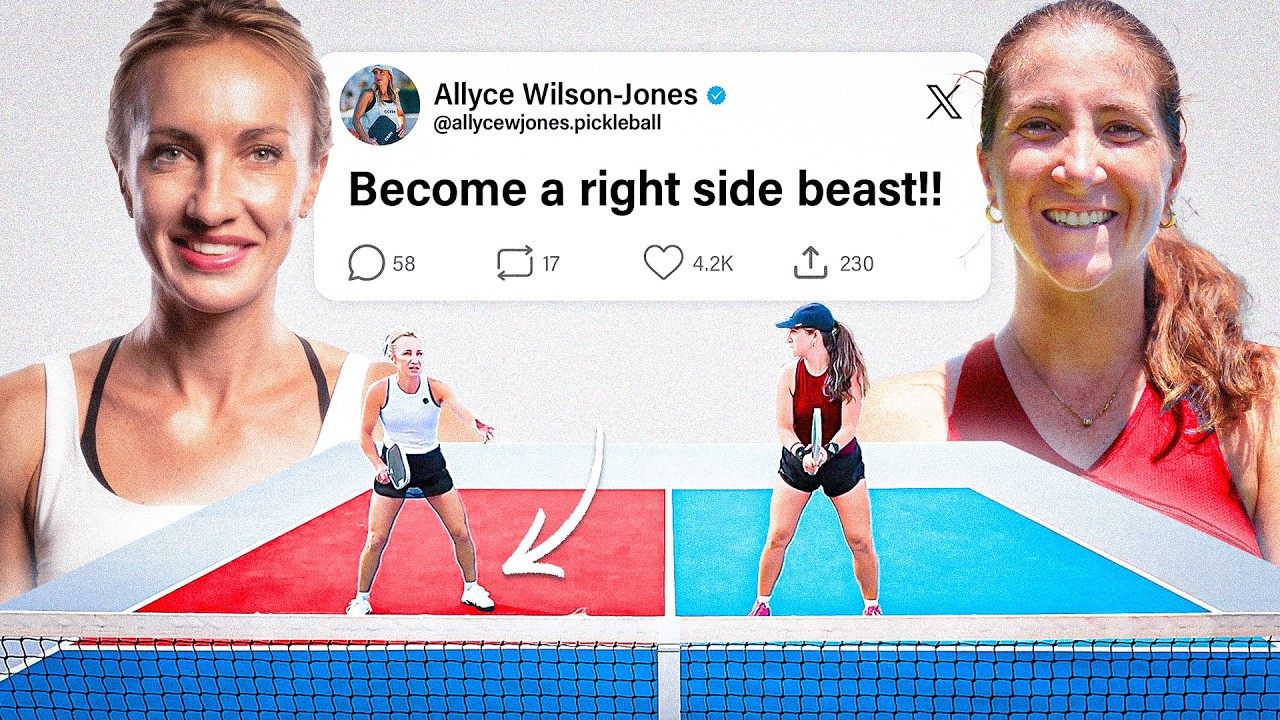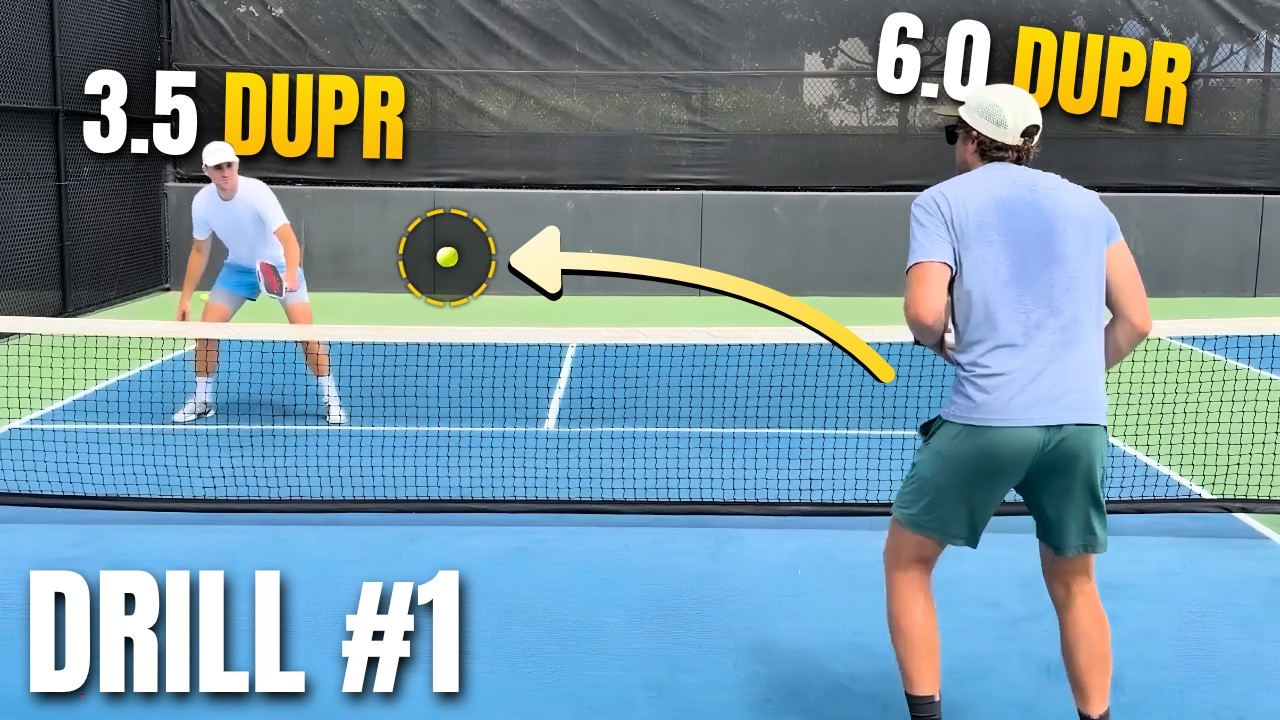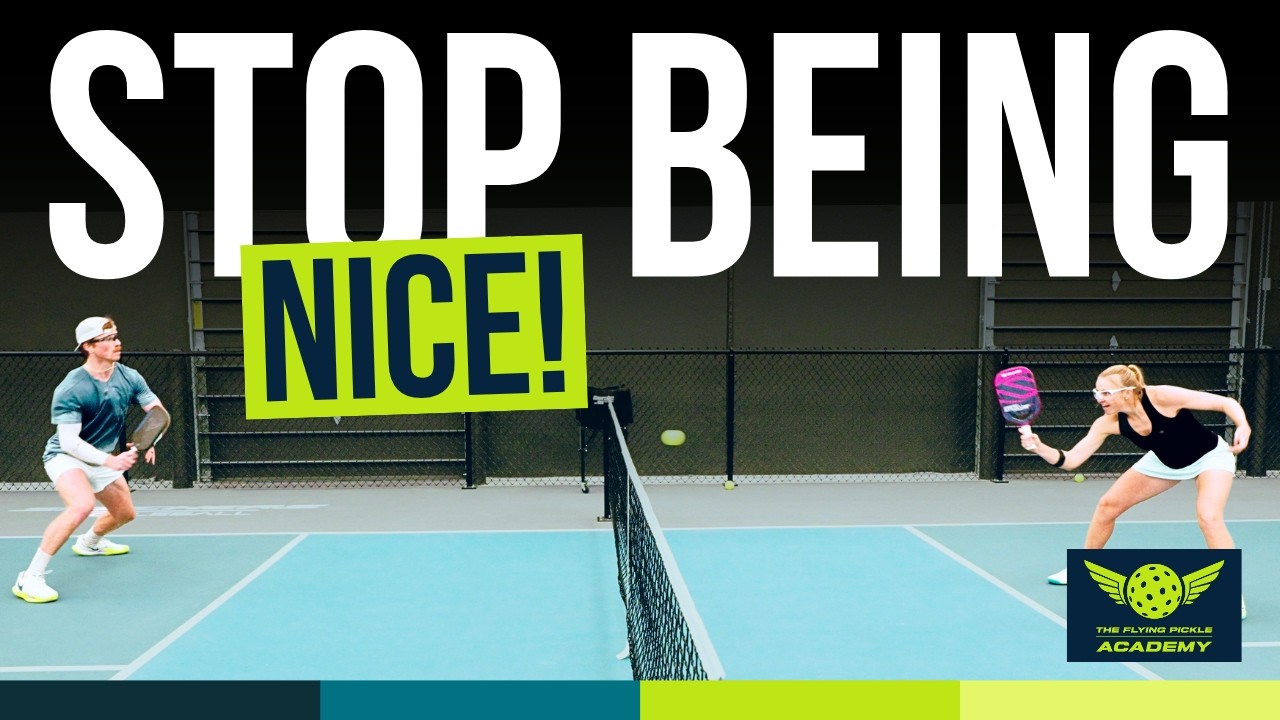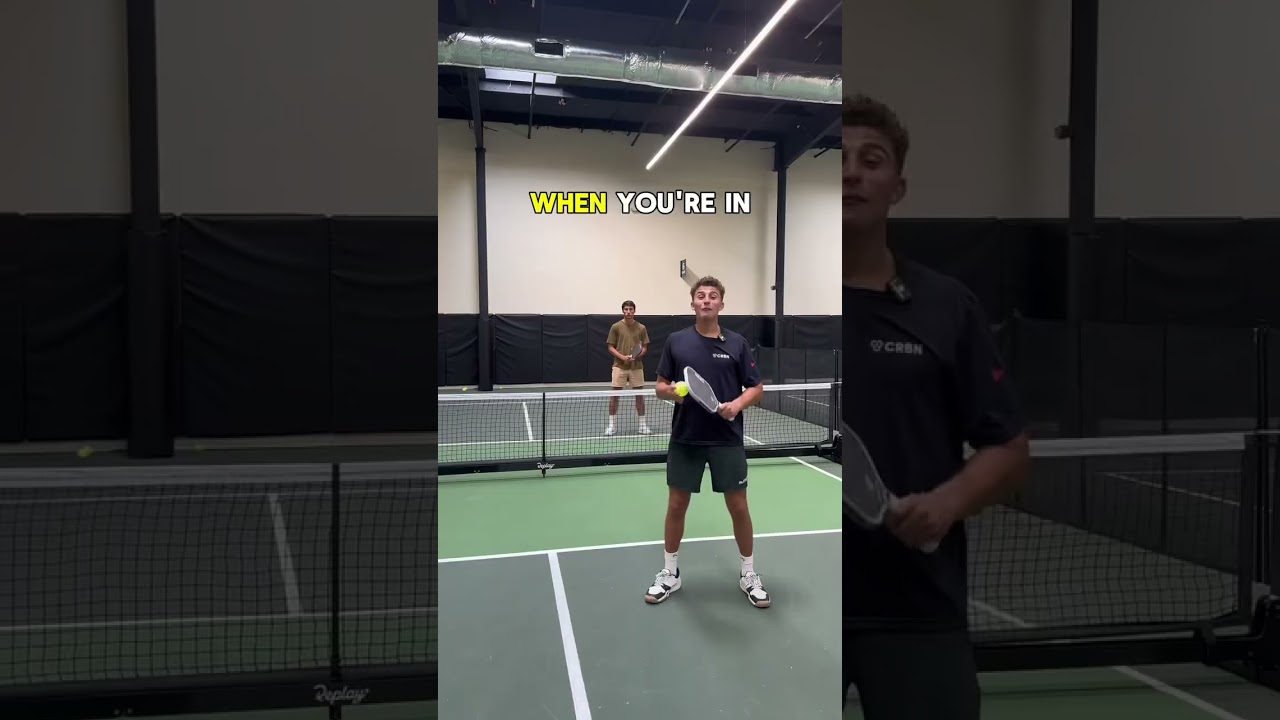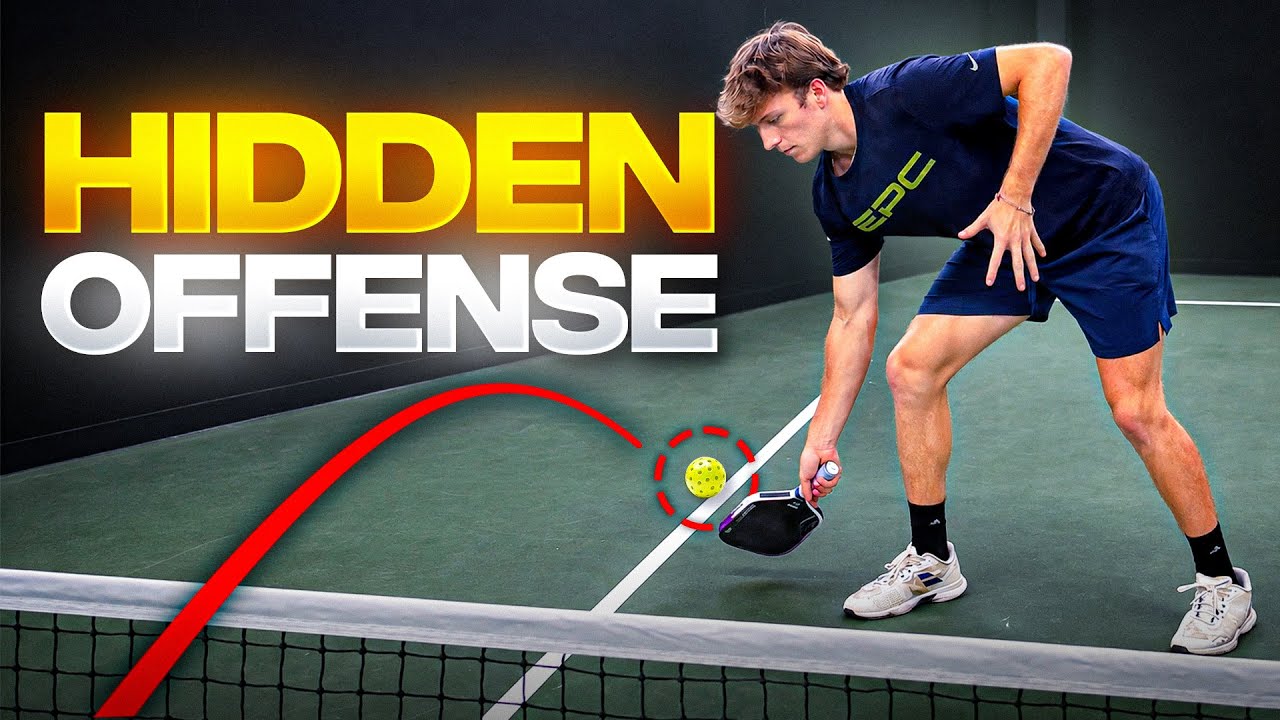
The right side speed-up is one of the most dangerous weapons in doubles pickleball when you use deception correctly. These five techniques show you exactly how to do it.
Your right side speed-up is getting read before you even make contact, and you probably don't know why.
Most players telegraph their attacks through backswing size alone.
Opponents watch the paddle, see a big swing coming, and react before the ball even leaves your paddle face. The deception is missing entirely.
This breakdown covers five specific techniques for building disguised offense off the bounce on the right side, from the wide forehand all the way to the tricky inside foot ball.
The content comes from Richard Pickleball on YouTube, featuring Zach walking through exactly how he reads opponents and picks his spots in real match situations.
Love pickleball? Then you'll love our free newsletter. We send the latest news, tips, and highlights for free each week.
Why the Right Side Is a Speed-Up Goldmine
The wide ball on the right side gives you a natural setup that most players waste completely.
From an open stance on that wide forehand, you have the angle to go down the line, into the body, or across to the crosscourt hip.
That's three distinct locations your opponent has to cover simultaneously, and they simply can't do it if you withhold your intention long enough.
The problem is that most players commit too early. They swing big, they aim early, and their opponent reads it all before contact.
The fix starts with understanding the two core swing variations and knowing exactly when to use each one.
Technique 1: The Big Swing Down the Line
The big swing is not a mistake. It is a deliberate tool used to manipulate your opponent's positioning.
When you take a larger backswing in an open stance, your head-up opponent will almost always shift to protect their backhand side.
They know a hard ball is coming, and they know their body is a target. So they shade that direction to cover it.
That's exactly what you want them to do. Here's how to use it:
- Set up in an open stance on the wide forehand ball.
- Take your bigger swing while pointing the paddle down the line.
- Hold that line direction as long as possible before contact.
- At the last moment, snap your wrist around the ball and redirect it into the chicken wing area, the upper forearm zone where your opponent can't fully extend or block effectively.
The snap is the key. You are not changing your entire swing path. You are hiding the wrist snap until the last possible split second.
At around 60 percent power, this ball is exceptionally hard to counter when it lands in that chicken wing location.
Your opponent is covering their backhand, their weight is in the wrong direction, and the redirect catches them completely off guard.
What Happens When Opponents Back Up?
Some opponents will recognize the big swing and take a step back instead of holding the line. This is actually a green light for you.
When they back up, stop trying to win the point outright. Hit an off-pace shot that drops roughly six inches behind the kitchen line.
Here's why it works:
- The ball stays low, forcing a reset rather than an attack.
- Your opponent is now in the mid-court, a terrible position from which to generate any offense.
- If they try to attack from there anyway, you are in a better position at the line and can counter directly at their feet.
The best outcome your opponent gets in this scenario is a neutral reset. That's still a win for you because you dictated the exchange and kept yourself at the kitchen line.
The critical habit after hitting this off-pace ball: slide hard and sit on your backhand. Trust your partner to cover the middle.
Building attack combinations like this is what separates players who initiate from players who just react.
 The Dink Media Team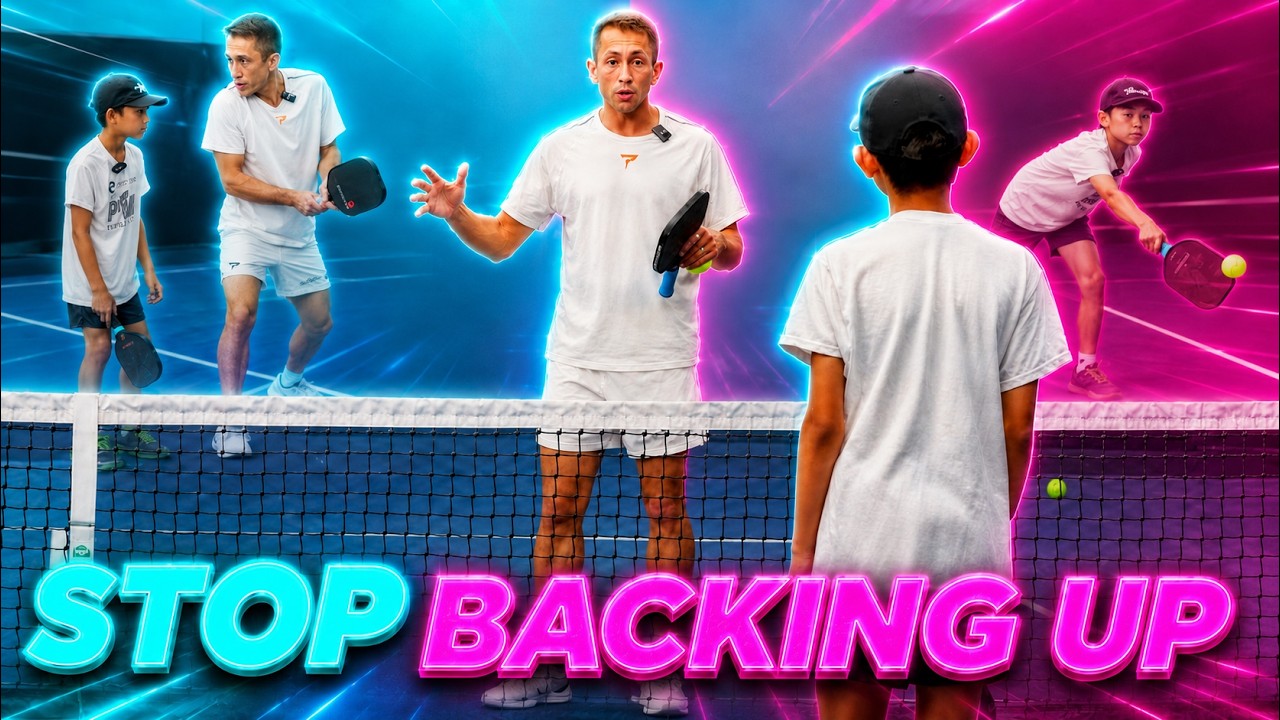
Technique 2: The Hold and Snap
This is the variation that catches opponents who are good at reading backswing size.
The hold and snap uses almost no backswing at all.
You keep the paddle relatively still through your dinking sequence, then generate all of your speed from a short, compact wrist snap around the ball.
Because the preparation looks identical to a dink, opponents who depend on backswing cues to predict your intentions get nothing.
They hold their position, and you get to pick your spot.
How you pick that spot depends on where your opponent is sitting:
- If they shade forehand, go down the line where they have less coverage.
- If they shade backhand or two-handed backhand, go into the chicken wing again to jam them up.
This right side speed up demands real wrist strength and control. If your grip is too tight, the snap becomes a shove and the deception dies.
Grip pressure is the most underrated factor in making this shot work.
 The Dink Media Team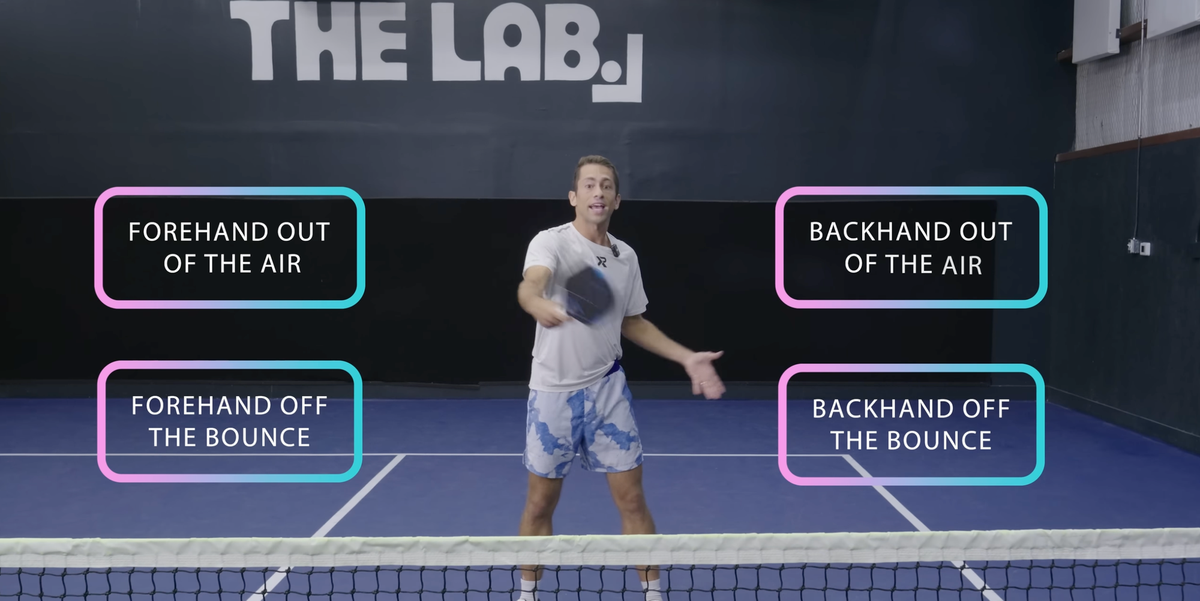
Technique 3: The Lob as a Third Option
This is the shot most players completely forget to add to this sequence, and it punishes opponents severely when used at the right moment.
If you are holding your paddle in the setup position and your opponent starts reaching or leaning forward to anticipate the speed-up, go to the lob instead.
Their weight is forward, their momentum is pushing them into the kitchen, and a lob over them becomes nearly unreturnable.
You do not need to hit this lob hard. You just need to recognize when your opponent has committed their weight forward and take what they give you.
Disguising speed-ups and lobs from the same setup keeps opponents in a constant state of uncertainty.
 The Dink Media Team
How Do You Attack the Crosscourt Player?
Everything above applies to your head-up opponent. But what happens when the crosscourt player is good at covering the middle for their partner?
The crosscourt player's job is to watch for anything through the middle. When they do this well, your head-up attacks keep getting covered.
So you have to punish the crosscourt player directly for doing their job.
The first spot to target: their right hip. Here's the specific read to make it happen:
- Take your normal swing as if you are going head-up or down the line.
- Watch as your opponent moves to cover the middle.
- Redirect the ball slightly softer and crosscourt, aiming for the area around their right hip.
- Keep the ball closer to the sideline than the center to make recovery harder.
Going softer here is intentional. A hard crosscourt ball gives your opponent time to extend and reset.
A softer ball to the hip lands before they can fully get in front of it, and because it's at their body, a clean reset is very difficult to execute.
This is exactly the kind of crosscourt strategy that advanced players use to keep both opponents guessing simultaneously.
 Jason Flamm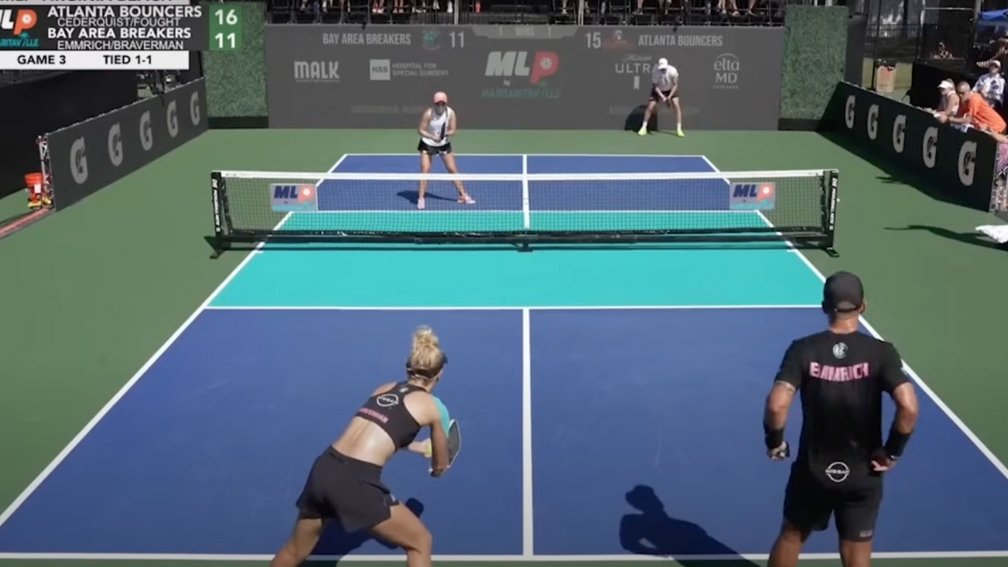
What If the Crosscourt Player Holds Position and Doesn't Guess?
If your crosscourt opponent is disciplined and stays put instead of crashing to cover the middle, switch to the aggressive dink to the corner.
Hit a dink deep into the corner with real pace. This does two things. First, it pulls your opponent out of position.
Second, it lets you and your partner lean in and get aggressive off the next ball.
The goal is to keep that crosscourt player on a string.
Mix the crosscourt speed-up to the hip with the aggressive corner dink and they have no safe default position.
One well-placed crosscourt dink can completely disrupt a team's defensive structure.
Against lefties specifically, this hip attack is even more effective.
A lefty reaching across their body to cover a right-hip ball with their forehand is in an awkward mechanical position that produces weak returns almost every time.
 The Dink Media Team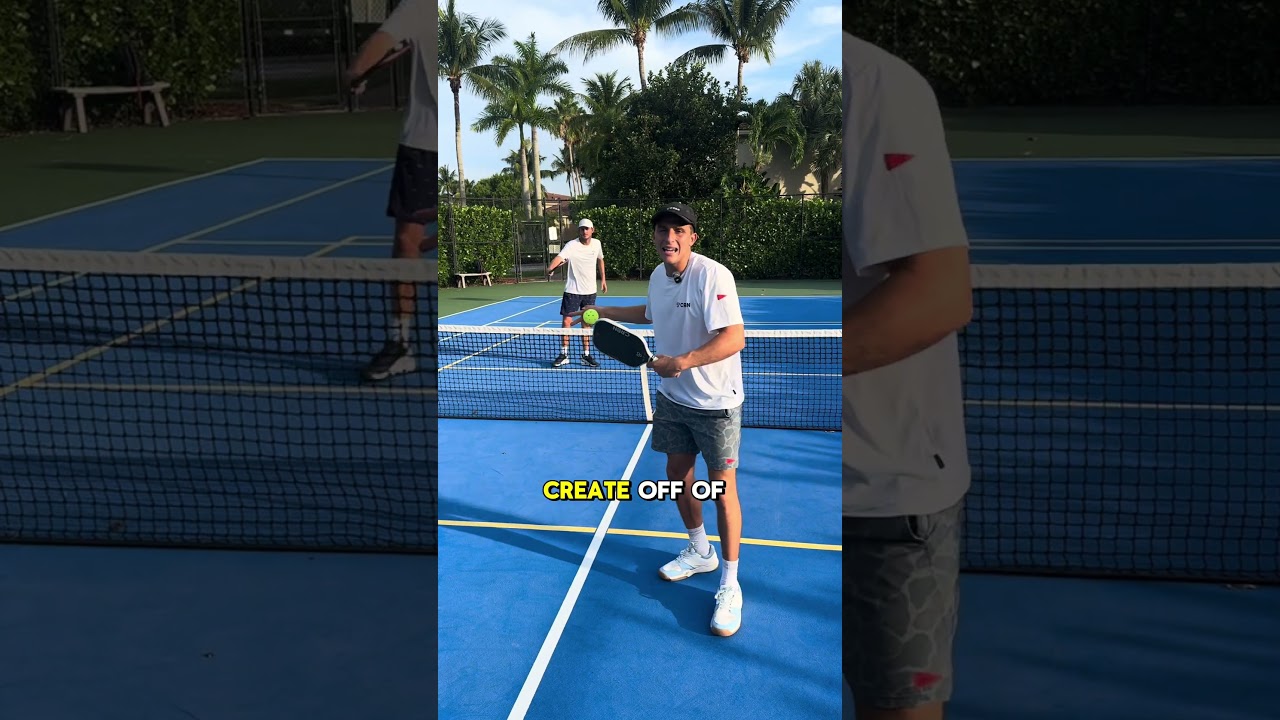
Technique 5: The Inside Foot Slice Speed-Up
The inside foot ball is one of the trickiest situations in pickleball, but it becomes a weapon when you know how to use it.
When a dink lands at your inside foot, your body is cramped and your natural angles are limited. Most players just push it back to stay neutral.
That's the wrong call if you've been setting up a pattern.
The move here is a slice speed-up through the middle. Here's the feeling to aim for:
- Push your paddle in the direction of the dink you have been hitting, as if continuing the same pattern.
- At the last moment, expose your paddle face slightly and feel the left edge of your paddle pushing forward through the ball.
- The result is a low slice that cuts through the middle, arriving much faster than your opponent expects from that position.
Because you have been dinking to the same spot repeatedly, your opponent is already reading that location.
The slice catches them mid-movement in exactly the wrong direction.
And if they start to cover that middle after seeing the pattern, flip it.
Go the other direction and catch them on their backhand side while their weight is moving to cover the forehand.
Two-shot combinations like this are what elite players build entire offensive sequences around.
Read Your Opponent First, Always
Every technique here depends on reading tendencies before you pick a shot. If you skip that step, you are just guessing.
The first thing to figure out in any match is whether your head-up opponent holds the line or backs off on a dead ball.
That single piece of information determines whether you go with the big swing to the chicken wing or the off-pace drop.
Dictating the pace of a point starts with recognizing which state your opponent is in before you attack.
No team is unattackable from the right side. There are always positions to exploit, spots to hit, and reads to make.
The players who figure that out early in a match consistently control the scoreboard.
If your speed ups keep getting returned hard, you are likely giving away your location too early in the swing.
Keep moving your spots, withhold your tells, and counter immediately after every speed up.
That last habit is what separates players who speed up randomly from players who use it as a true offensive system.
Understanding how opponents reset your speed-ups also helps you anticipate what's coming back after you attack.
The right side has more variety than most players ever use.
Start with these five techniques, pick one to work on per session, and you will see results faster than you expect.
If you also play the left side, the same deception principles apply and the patterns are even more devastating when you combine them across positions.
Frequently Asked Questions
What is the chicken wing in pickleball?
The chicken wing is the area between your opponent's upper forearm and their body, typically around the right hip and shoulder zone. Balls hit into this space force an awkward, bent-arm contact that makes clean resets or counters very difficult. It is one of the highest-percentage targets on a head-up opponent holding their backhand side.
When should I use a big swing versus the hold and snap on a right side speed-up?
Use the big swing when you want to push your opponent off the line or force them to back up. Use the hold and snap when your opponent is disciplined at the line and reading your backswing to anticipate the speed up. Mixing both throughout a match makes you extremely hard to defend.
How do I attack a lefty on the right side?
Target the right hip with a crosscourt speed-up that is slightly softer than your maximum pace. A lefty reaching across their body to cover that location with their forehand is in a mechanically weak position. The ball lands before they can fully extend, making a clean defensive shot very difficult.
What should I do right after I hit a right side speed-up?
Counter immediately. Slide hard toward your backhand side and trust your partner to cover the middle. The biggest mistake players make after a speed-up is watching what happens instead of resetting their defensive position before the return comes back.
How do I use the inside foot ball offensively?
Push your paddle toward the same dink location you have been targeting to continue the pattern, then expose the paddle face slightly at the last moment to send a slice through the middle. The deception works because your opponent is already anticipating the dink continuation. If they adjust to cover the middle, take the ball to the opposite side instead.

Love Pickleball? Join 100k+ readers for free weekly tips, news & gear deals.
Subscribe to The Dink