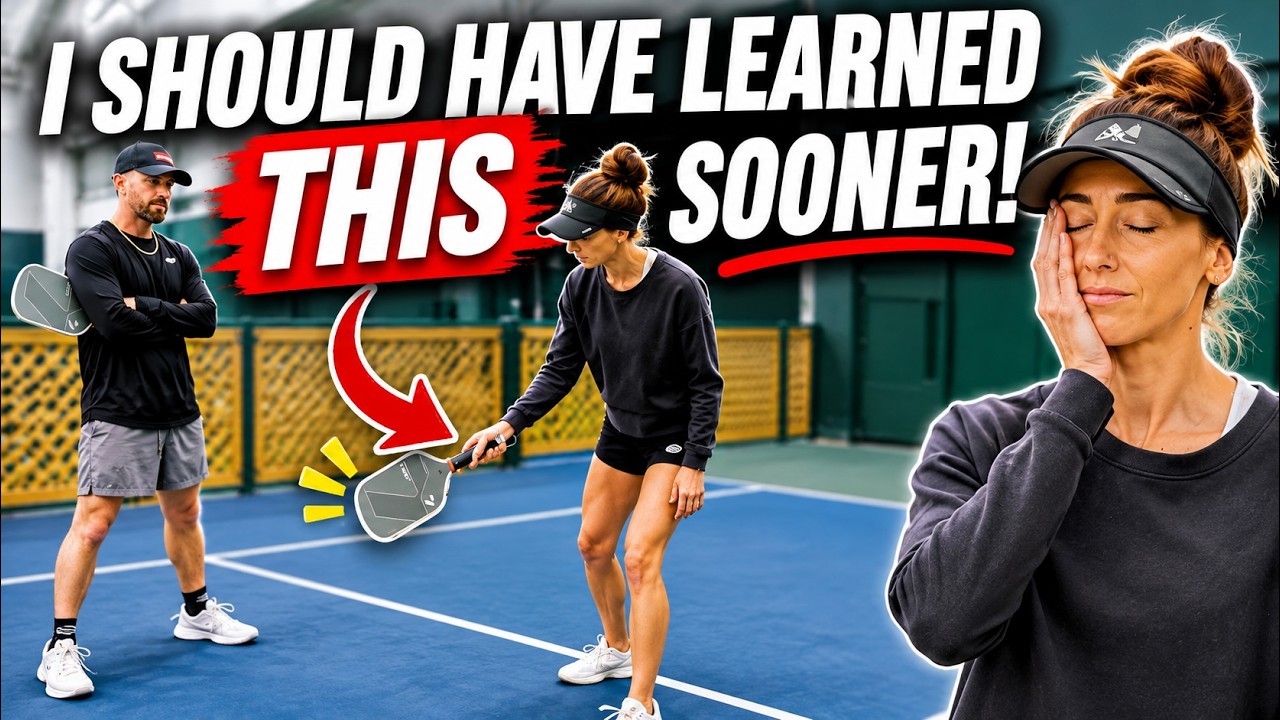


This pickleball dinking drill session covers seven patterns that train your slice, roll, reach, and short hop. Run each for five minutes and you will build a dink for every situation.
If your pickleball dinking drill routine is just "dink back and forth until someone misses," you are leaving a lot of improvement on the table.
Most players get really good at one dink and then wonder why opponents pick them apart at the kitchen line.
The fix is variety. You need a slice, a roll, a reach, a short hop, and a bump, and you need to switch between them without thinking.
This full session comes from Richard Pickleball on YouTube, built alongside his hitting partner Zack through countless reps.
It works with a partner or a ball machine, and it covers seven patterns that stress every dink you will face in a real match.
Love pickleball? Then you'll love our free newsletter. We send the latest news, tips, and highlights for free each week.
What Makes This Dinking Session Different?
Every pickleball dinking drill here pairs two different dink types, so one player works a shot while the other forces them to adapt.
That mirrors a real match, where opponents constantly change the spin, depth, and direction of what they send you.
It is the same pressure that shows up when you are escaping dinking pressure against a patient opponent.
Each pattern runs about five minutes. Seven minutes per drill is fine if you have the energy, but expect to be tired because you are bending on every single ball.
Here is the full lineup:
- Slice to slice (your baseline dink)
- Roll to slice
- Roll to short hop
- Slice to roll (the switched version)
- Short hop to roll
- Roll to roll
- Forehand middle patterns (short hop and roll to the middle)
Do the full set on your backhand side, then repeat from the other side of the court.
Add up the minutes and you have a 35 to 70 minute block that covers nearly every dink situation.
Drill 1: How Do You Run Slice to Slice?
Slice to slice is the foundation: both players slice dink and grind the exchange short in the kitchen.
If your slice is shaky, perfect the backhand slice dink before you add the other patterns.
Richard focuses on three habits here. First, keep every ball short, and if your partner hits one a little deep, take it out of the air with a slice.
Second, when the ball goes wide, cross step to get there. In a game you often get stuck and have to move fast, so practice the footwork on purpose.
Third, recover after every hit. Do not reach and stay there, because that is not what you would do in a point, and the drill should simulate real match movement.
Drills 2 and 3: What Is Roll to Slice and Roll to Short Hop?
In roll to slice, one player rolls while the other answers with a slice, using a reach when the roll comes deep.
Richard prefers pushing the ball over slicing it out of the air, so he drops the paddle and pushes through short balls and simply reaches for deep ones.
This matters because opponents will do all kinds of things to your roll.
They might short hop it, back up, or take it early, and you need a response for each, which is exactly why the five defensive dink styles are worth owning.
For roll to short hop, the roller sends the ball a little deeper while the other player short hops everything. The key is watching how wide your ball travels.
If your short hop drifts wide, it will get attacked.
Try to get your paddle around the ball and keep it short in the kitchen, the same idea behind dink placement at the net.
Have your partner move the ball around, including some right at your feet. You want to handle every location, not just the easy ones.
 The Dink Media Team
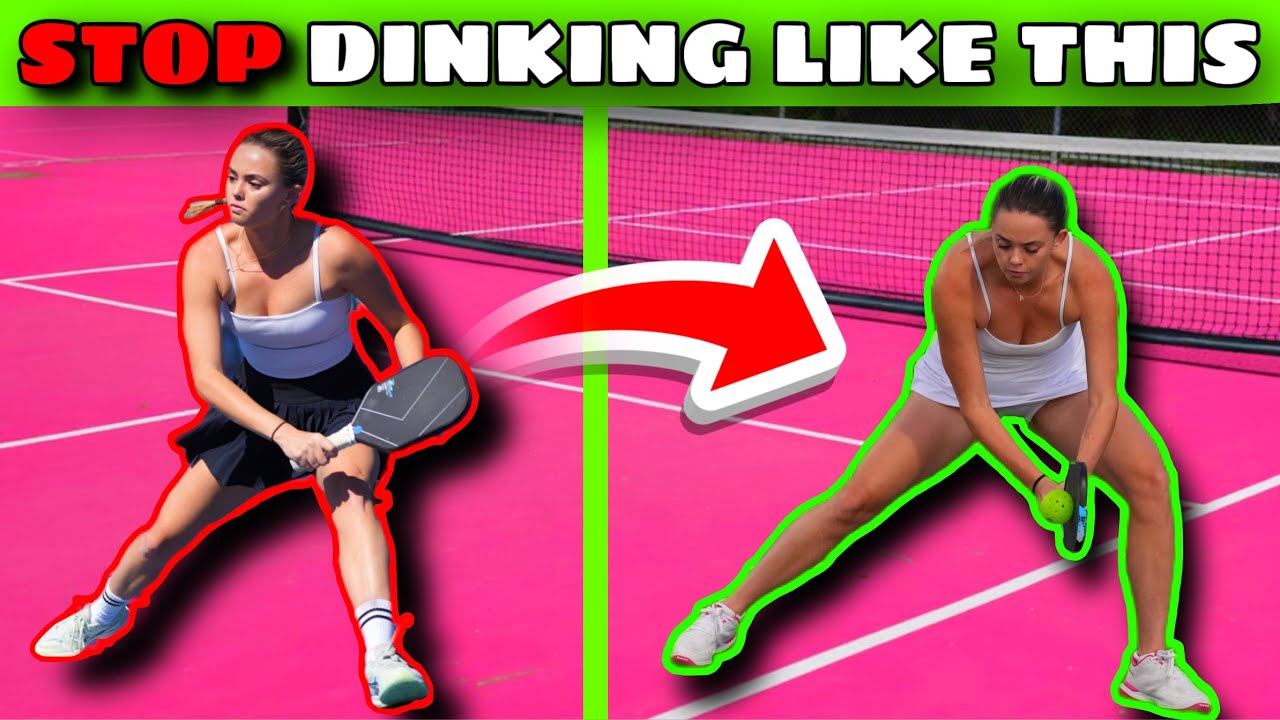
What Is a Short Hop Dink?
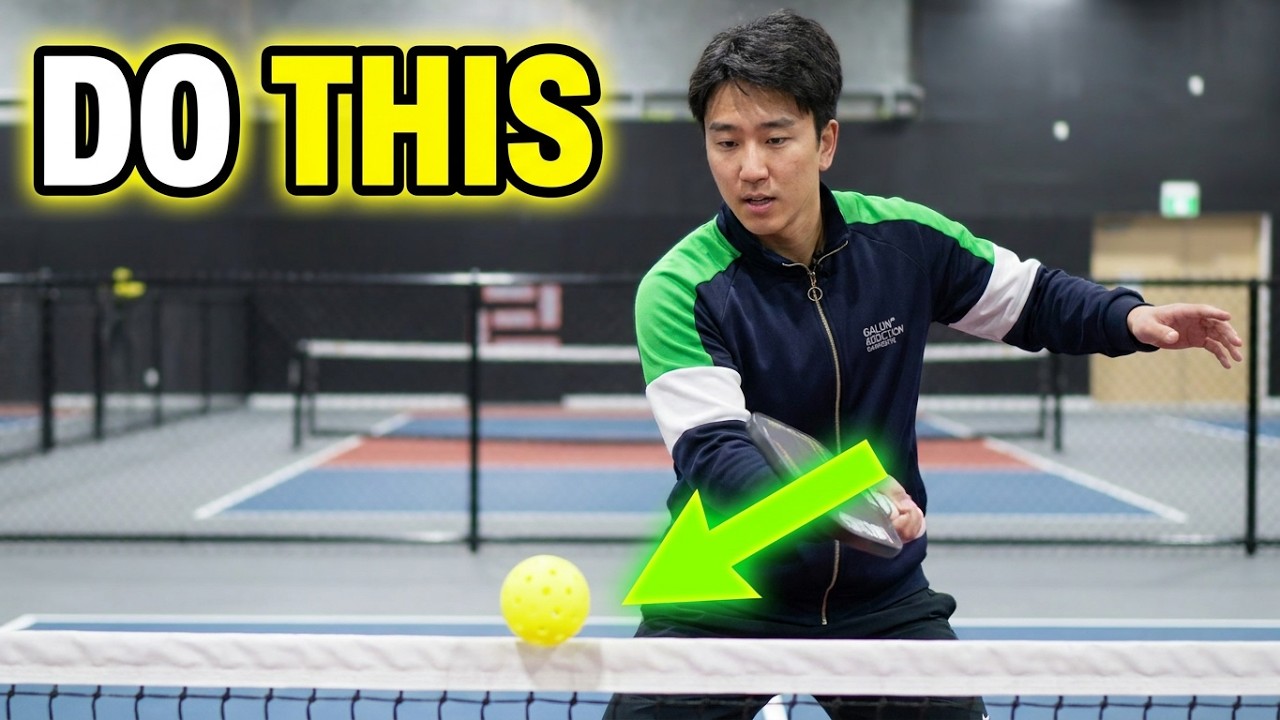
A short hop dink is a dink you hit right after the ball bounces, usually when it lands deeper in the court and you cannot hit it out of the air.
You move forward or slide back, meet the ball just after the bounce, and guide it softly into the kitchen, which is the seven-foot non-volley zone on both sides of the net according to USA Pickleball’s official rules summary.
It is a defensive and controlling shot at the same time. If you master it, deep dinks stop being a threat and become just another ball you can handle.
If short hops are a weak spot, our guide on four fixes to stop popping the ball up pairs well with this pickleball dinking drill.
 The Dink Media Team
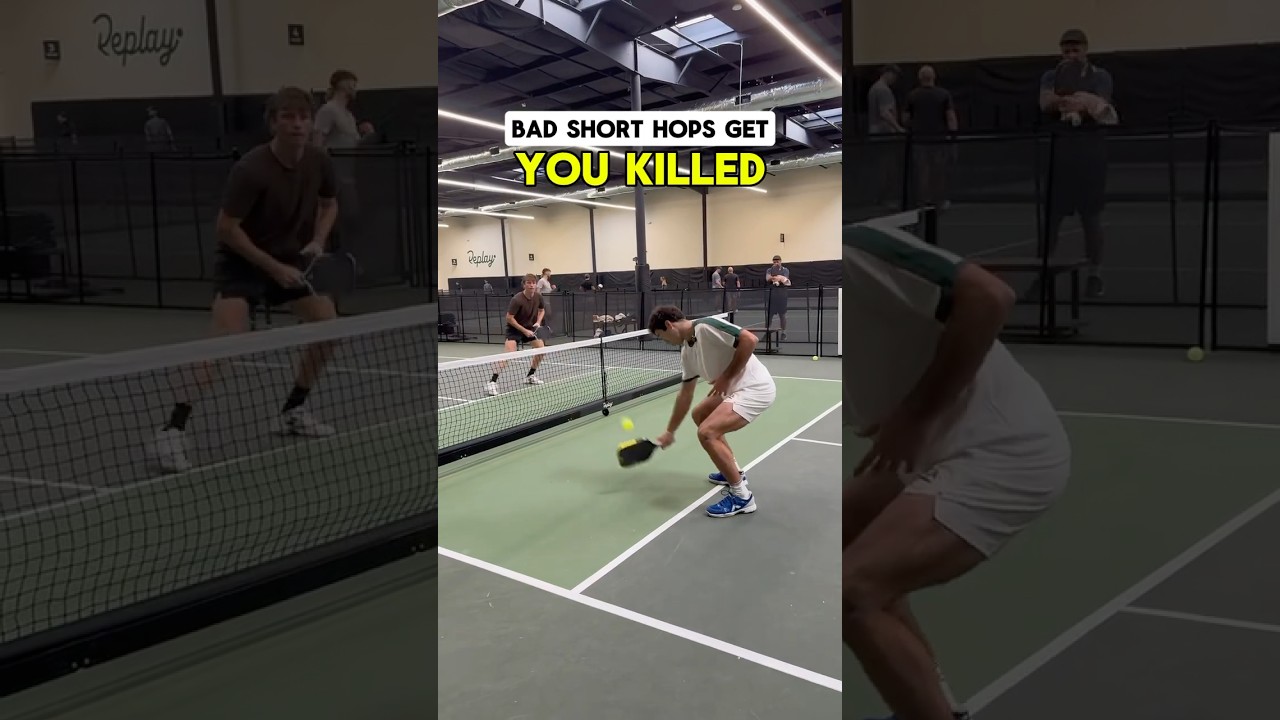
Drills 4 and 5: Switching the Roles
Once you finish the first set, flip the roles so both players train both sides of each pattern.
Now Richard rolls while Zack slices, then Richard short hops while Zack rolls.
When you roll, think about the paddle tip. Get the tip down and cup the ball, because that tip-down position gives you the most control on a roll dink.
If you are netting your backhand rolls, this breakdown of slice versus the two-handed roll can clean that up fast.
Do not panic when a deep ball shows up. A ball that goes long is still part of the drill, so just take it, work with it, and reset the rally.
The same idea applies to your footwork. Our breakdown of how to fix your feet shows how to move into those deeper balls without losing balance.
 The Dink Media Team
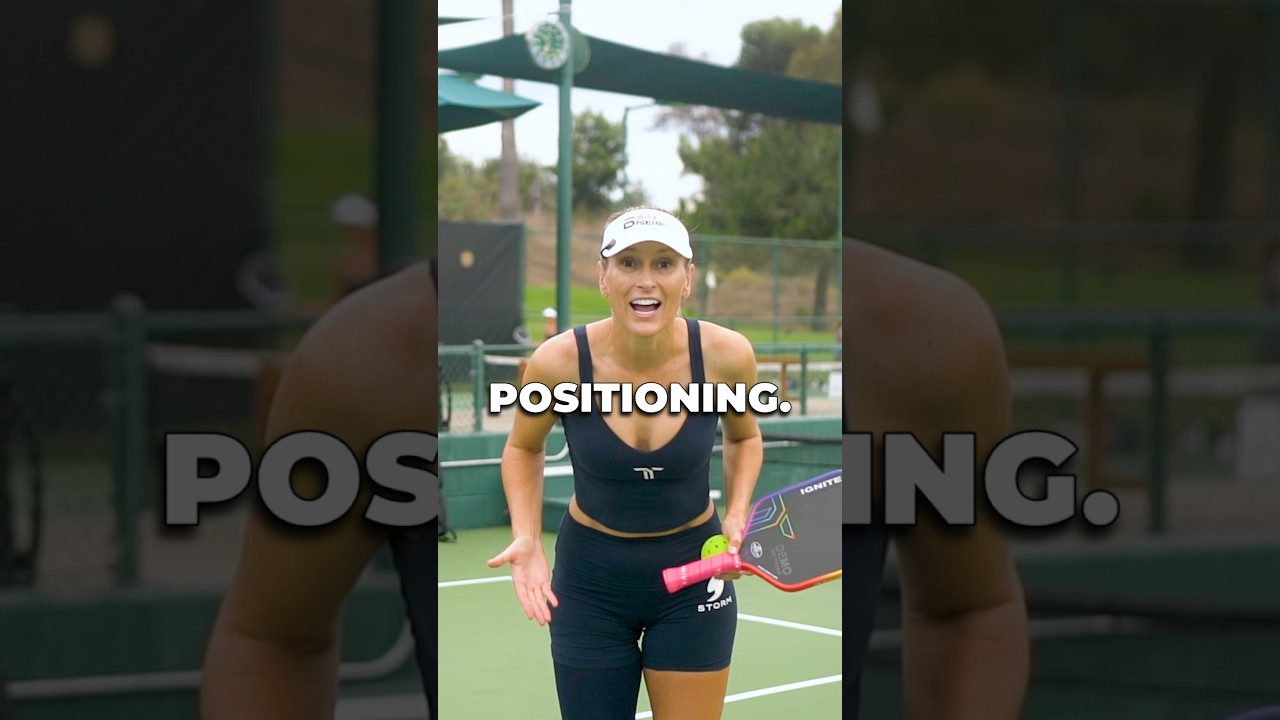
Drill 6: Why Is Roll to Roll the Hardest Pattern?
Roll to roll is the toughest pattern because both players are rolling, which demands real footwork and quick decisions.
If you are struggling, skip it for now and come back as you improve.
The rule is simple: if your partner sends a ball too deep, do not roll it. Reach and bump it instead.
Rolling a ball that is too far back ruins the drill and, in a match, it just gives your opponent a chance to attack.
Be ready to reach first, then roll once you can tell the ball is not too deep. Balls on the line still get rolled, as long as they are not way behind the kitchen.
Both players should keep getting the tip down and wrapping around the ball, which is also the fix for why your dinks pop up.
If you want the strategy behind all of this, read our guide to modern kitchen strategy.
 The Dink Media Team
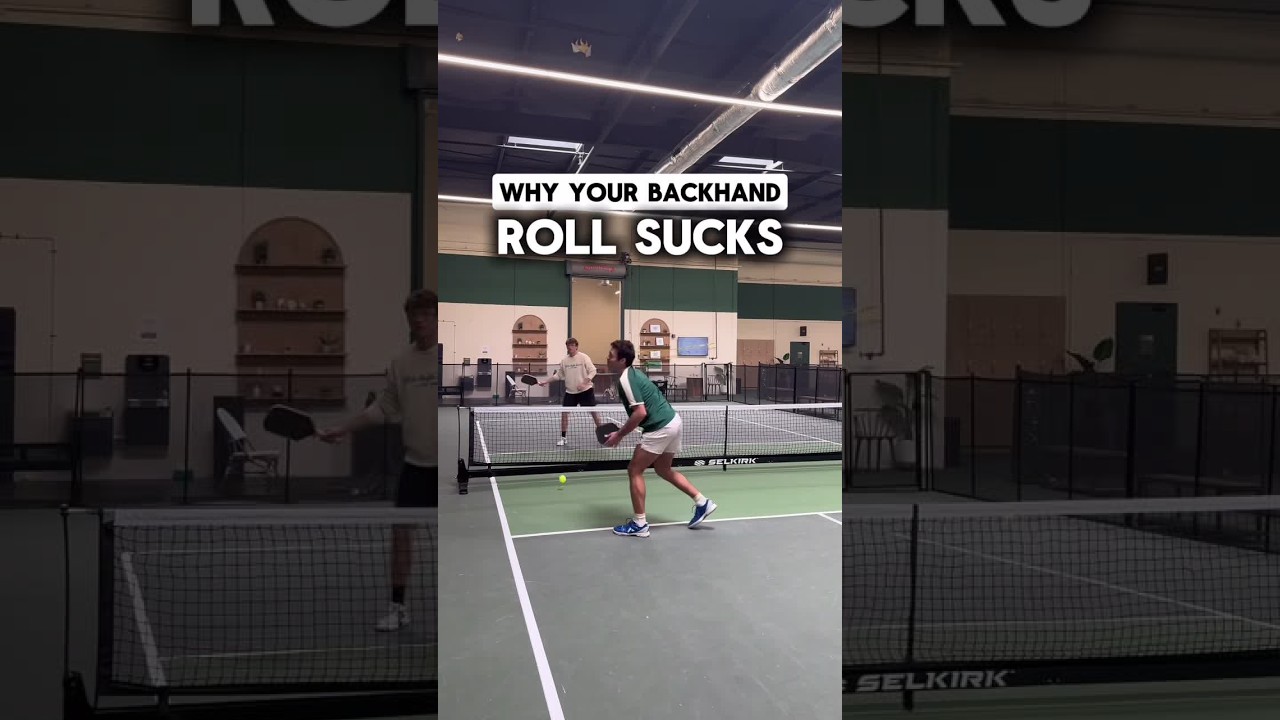
The Hold: A Subtle Trick That Freezes Opponents
When your partner hits a dead or sitting ball, hold your paddle up for one second before you drop it and swing.
Nothing changes in your motion, you just delay the start. Rather than getting down crazy early, you wait, then drop and go.
Many players will jump, move, or make an error because they are reacting to your timing instead of the ball.
This is one of the best ways to add deception without adding complexity. It is also a good example of why disguising your dink at the net works so well.
 The Dink Media Team
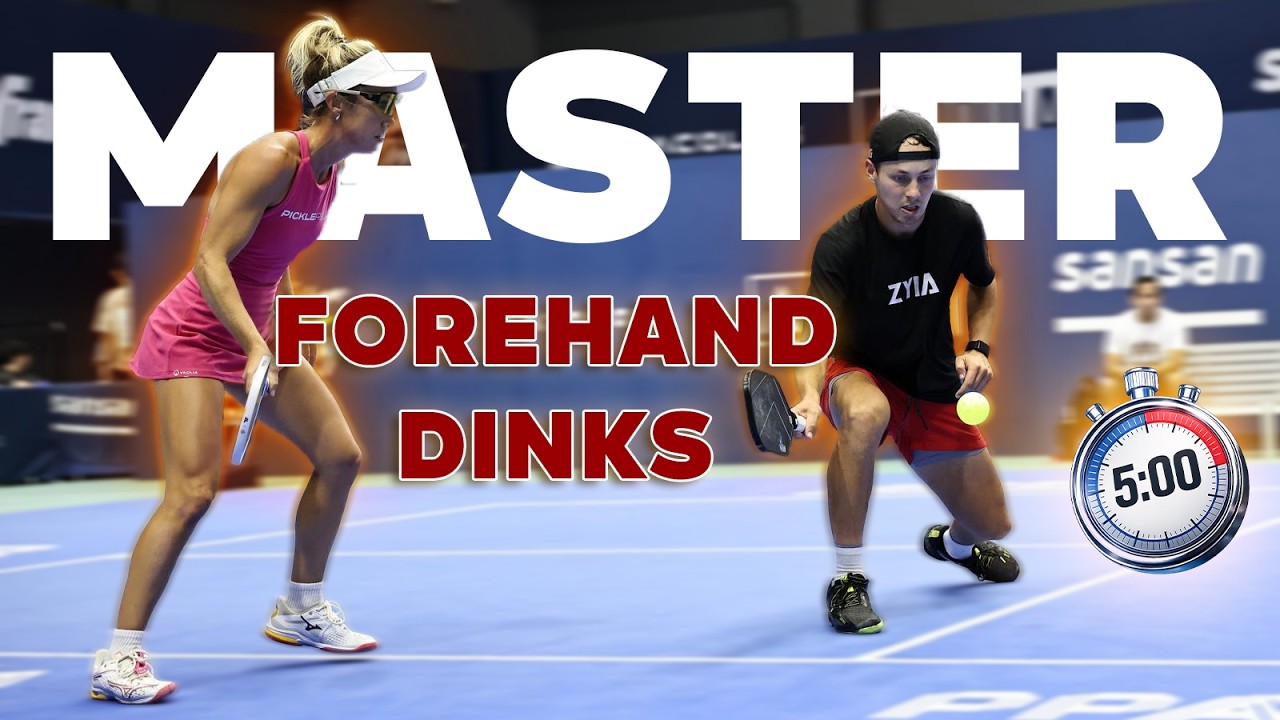
Drill 7: How Do You Train Forehand Dinks From the Middle?
The last pattern targets forehand dinks from the middle, which many players neglect while grinding on their backhand.
One player short hops to the middle while the other works a forehand dink and controls it.
Richard uses the same hold here: prep up, drop the paddle, then go.
He also keeps his footwork simple by not stepping out with his right foot first, and instead dropping the paddle and moving through the ball.
To finish the session, alternate the short hops between wide and middle while the other player rolls everything.
If your forehand side feels shaky, this five-minute forehand dink fix is worth running first.
The same patterns apply from the right side of the court. Run the full list there too.
 The Dink Media Team
What Should You Focus On During Every Drill?
Across all seven patterns, a handful of habits decide whether you actually improve. Use this as your checklist:
- Keep the ball short in the kitchen, not wide and not deep.
- Recover after every shot as if you were in a real point.
- Get the paddle tip down on rolls for control.
- Reach for deep balls instead of forcing a roll.
- Use the one-second hold on sitting balls.
- Do not cheat by leaning or reaching and staying put.
Consistency beats power here.
Research on professional match play published in 2025 found that cross-court play dominated at 55 percent of all shots, which is exactly the angle most of these patterns train.
If you want reps that stick, pair this pickleball dinking drill session with the 70 percent rule for match-proof practice.
 The Dink Media Team
Why Dink Variety Wins Points
Most players are good at one dink.
Richard says that is exactly what he exploits when he plays them: he is comfortable slicing, short hopping, and reaching, while many opponents can only do one well.
If you have a great slice, you should also own a great roll, a clean bump, and a reliable short hop. Missing any one of them will cap how far you can climb.
This is also why the two techniques most players miss at the kitchen line matter so much.
The best players treat the dink as a toolbox, not a single shot, and they think differently during every dink exchange.
 The Dink Media Team
How Do You Use This With a Ball Machine?
You can run most of this session solo with a ball machine by setting it to feed short or deep dinks at different locations.
Focus on the patterns where you are the one hitting, like short hops, rolls, and reaches.
The machine cannot recover or change spin on its own, so you lose a little realism. Still, it is a great way to stack reps when you cannot find a partner, much like simple wall drills.
Pair it with live drilling when you can. For a bigger practice menu, see the 12 drills you need in 2026 and these six pro-endorsed drills to reach 5.0.
And if your soft game is the real bottleneck, our guide on how to stop being a banger is the right companion to this work.
Frequently Asked Questions
How long should I run each pickleball dinking drill?
Five minutes per drill is a good target, and seven minutes works if you are feeling strong. Expect to get tired because you are bending on every ball. With seven drills, a full session runs about 35 minutes per side.
Can I do these dinking drills with a ball machine?
Yes, a ball machine works well for patterns where you are the one hitting, like short hops, rolls, and reaches. Set it to feed varied locations and depths. You lose some realism, but you gain a lot of reps.
What is the hardest dinking drill in this session?
Roll to roll is the toughest because both players are rolling and the footwork demands are high. If you struggle, skip it and come back as your control improves. Reach and bump any ball that comes too deep.
Should I practice dinks on both sides of the court?
Yes, run the whole session from both the left and right sides. The patterns are the same, but your body mechanics and footwork change. Training both sides keeps you from having a weak side that opponents can target.
Why is dink variety so important in pickleball?
Opponents will change spin, depth, and direction constantly, so relying on one dink makes you predictable. Having a slice, roll, bump, reach, and short hop lets you answer anything. Players who master all of them keep improving past plateaus.


Love Pickleball? Join 100k+ readers for free weekly tips, news & gear deals.
Subscribe to The Dink