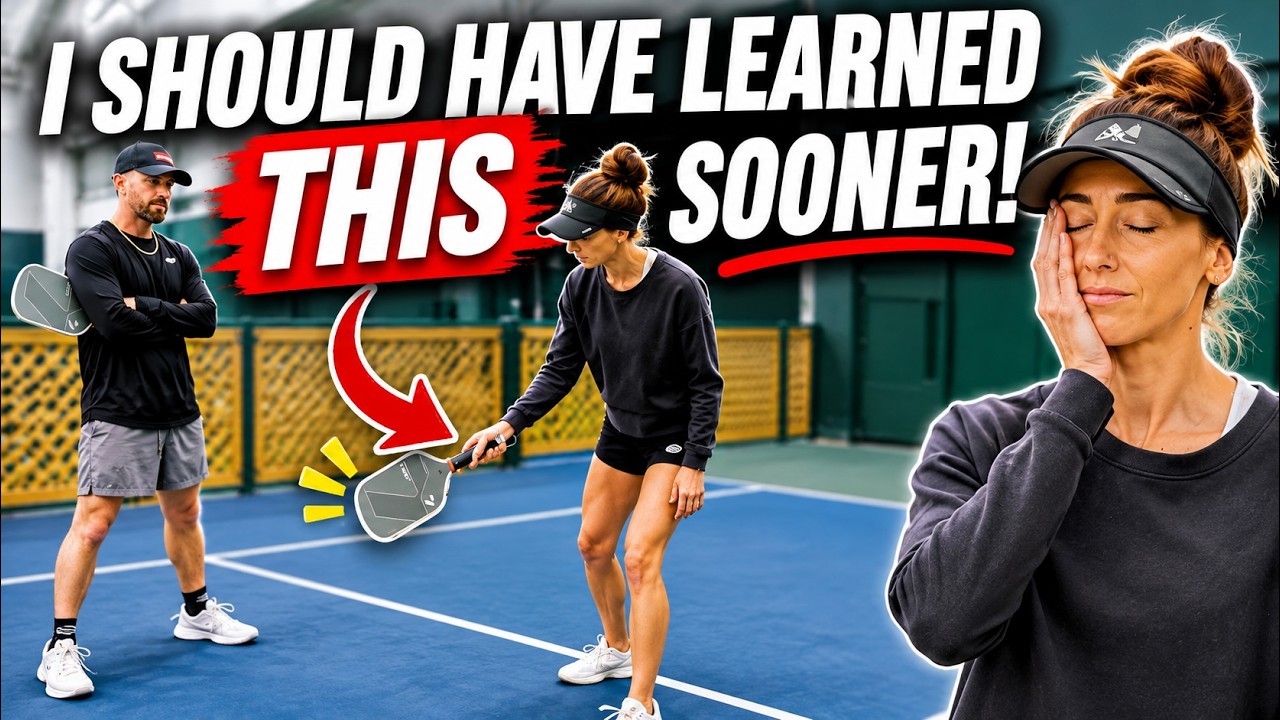


Most amateurs ruin their backhand dink by keeping the paddle tip too high or flat. Here are 7 fixes that add topspin, keep the ball low, and stop the pop-ups.
You line up your backhand dink, swing smoothly, and the ball either floats up into your opponent’s strike zone or clips the top of the net.
It happens again two points later, and you start to wonder if you just have a weak backhand.
You probably don't. You most likely have a paddle tip problem, and it is the single most common reason amateurs struggle on this shot.
These fixes are built on a tip from Aidan Schenk, a pro player and coach, at Elite Pickleball Coaching on YouTube, who point out that most players never get the paddle tip low enough to create topspin.
Below, you will learn why that matters, how to fix it, and how to build a backhand dink that keeps your opponents on the defensive.
Love pickleball? Then you'll love our free newsletter. We send the latest news, tips, and highlights for free each week.
Why Does Your Backhand Dink Keep Popping Up?
Your backhand dink pops up because your paddle tip is too high or flat at contact, which means you cannot generate topspin.
Without spin, the ball has nothing pulling it down after it crosses the net.
A flat paddle face pushes the ball forward and up. A tip that sits high at contact also encourages you to hit the ball on its way up, which sends it floating.
The result is one of two outcomes. Either the ball sits up for your opponent to attack, or you try to correct by aiming lower and clip the tape.
This is the exact pattern behind a lot of missed dinks at the kitchen line.
If you also struggle to keep it clean on the rolled version, check out these 3 backhand roll fixes to stop netting the ball.
What Is Topspin on a Dink and Why Does It Matter?
Topspin is forward rotation that makes the ball dip downward after it crosses the net.
On a backhand dink, it is the difference between a ball that lands softly in the kitchen and one that floats into your opponent’s paddle.
Think of it as built-in insurance. A topspin dink can clear the net with margin and still drop into the kitchen, so you can hit it with more confidence.
It also keeps the ball lower after the bounce, which makes it harder for your opponents to dink back with you.
That is the real goal here: a dink that is both safe and uncomfortable to return.
If you want the bigger picture, our guide on 7 topspin dink techniques that win the soft game goes deeper, and it pairs well with mastering the soft game overall.
The 7 Backhand Dink Fixes
Work through these in order. The first one is the big one, and the rest help you make it stick.
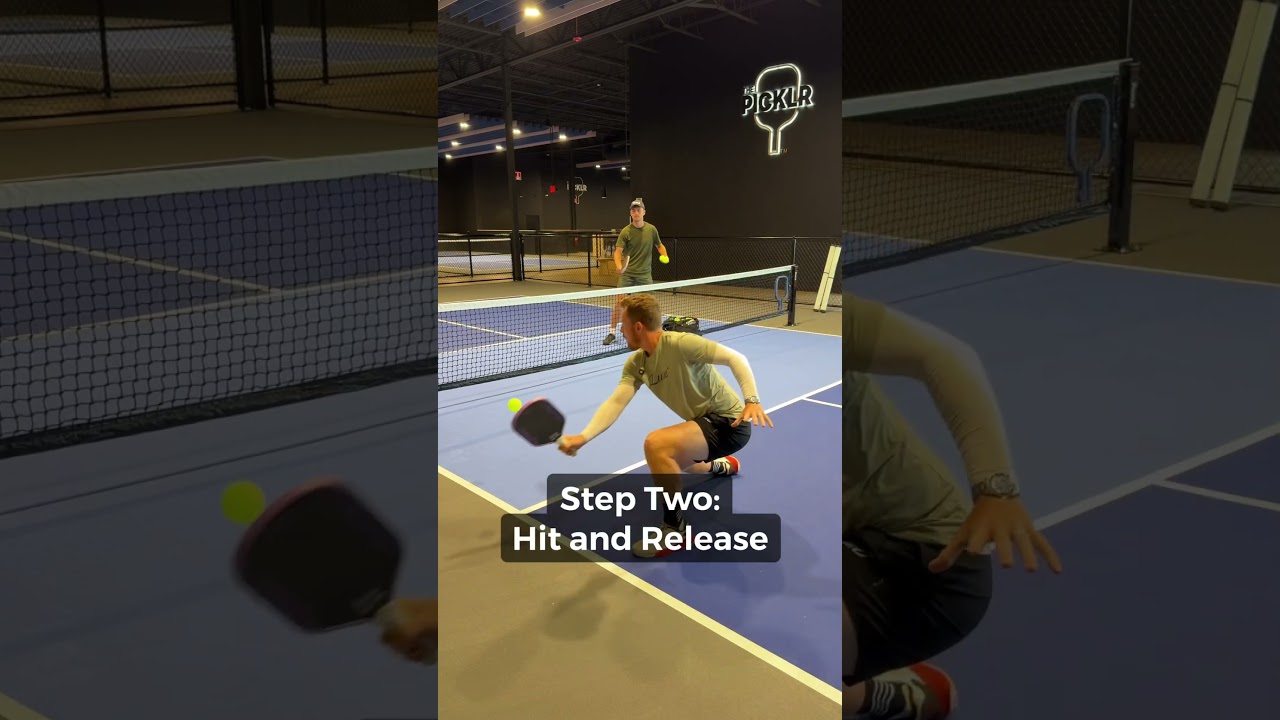
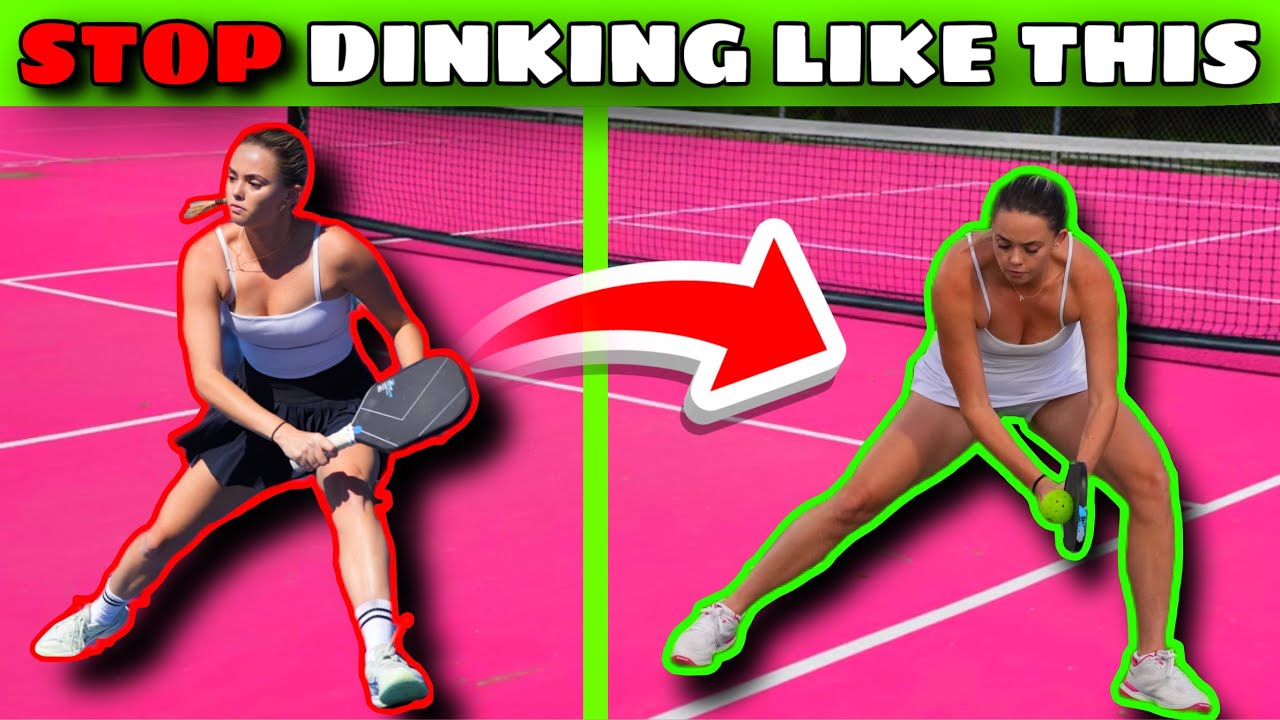
- Drop your paddle tip below your wrist. This is the core fix. Let the tip sit lower than your hands before you swing so the paddle can travel up and over the ball.
- Start the swing from low to high. Brush up the back of the ball instead of pushing through it. The upward path is what creates spin.
- Keep both hands connected. On a two-handed backhand dink, your top hand guides while your bottom hand supports. Do not let either hand go limp.
- Get your body lower. Bend your knees so your paddle can drop naturally instead of forcing your arms to do all the work.
- Contact the ball out in front. Meeting it early gives you control over the face angle and the spin.
- Use a short, compact motion. A big swing leads to timing errors. A small brush is all you need.
- Finish with a soft follow-through. Let the paddle continue forward and slightly up, then settle back into ready position.
 The Dink Media Team
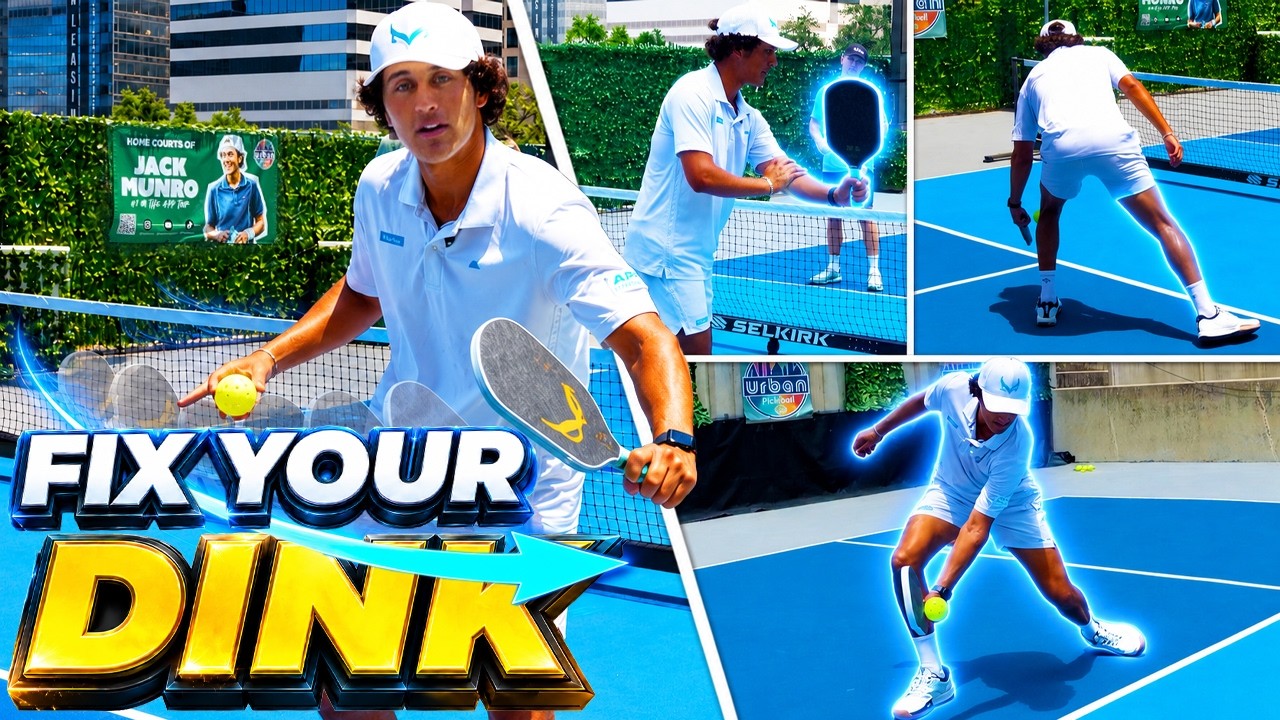
How Low Should the Paddle Tip Actually Go?
The paddle tip should start noticeably below your wrist and below the height of the ball at contact. That gives you room to swing upward through the ball.
If your tip is pointing straight up or sitting flat, you have no runway to create spin. You are forced to hit the ball with a flat face, and that is how pop-ups happen.
A good check is to pause at the start of your swing. Look down at your paddle, and if the tip is level with your hands or higher, drop it until it feels almost too low.
Most players need to exaggerate this at first. Once the motion is natural, you can refine it, and our piece on fixing your paddle angle for topspin will help dial it in.
 The Dink Media Team
Why a Low Tip Keeps the Ball Aggressive
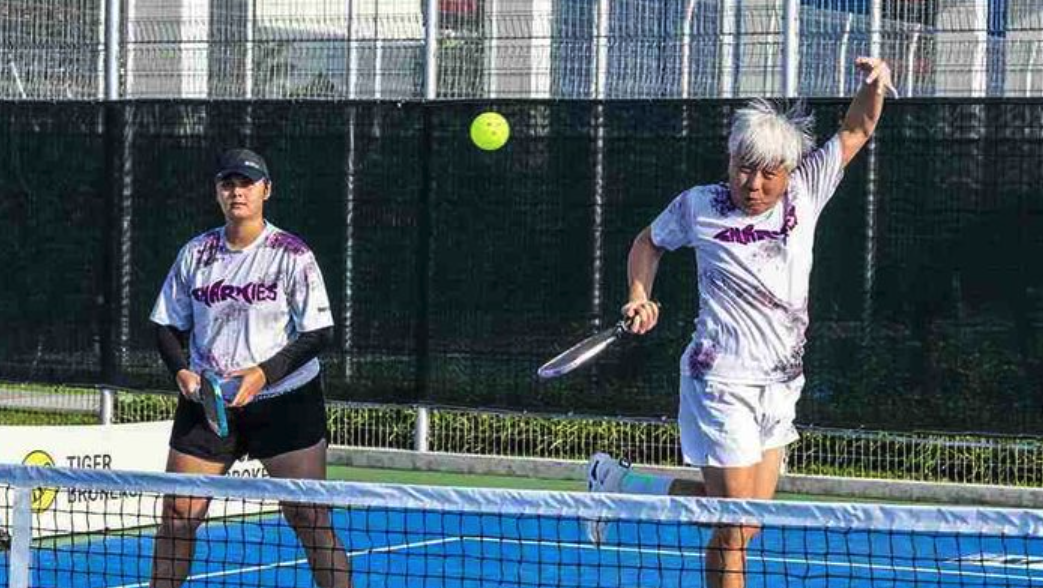
A low paddle tip with topspin keeps the ball low and aggressive, which makes it much harder for opponents to dink with you.
A ball that stays down after the bounce forces them to dig up, and that limits what they can do next.
A floaty dink lets your opponent stand tall and speed it up. A topspin backhand dink forces them to bend, reset, or make a low-percentage choice.
That is how you start winning the kitchen exchange. You are not just keeping the ball in play, you are applying pressure with every dink.
For more on building that pressure, read about 7 kitchen strategy principles to win dinks and how placement multiplies the effect.
 The Dink Media Team
How Do You Practice This Without Overthinking It?
Start with slow, deliberate reps where the only goal is to feel the paddle tip drop and brush up the ball. Do not worry about placement yet.
Here is a simple practice sequence to build the habit:
- Shadow swings: Do 10 slow motions without a ball, focusing on the low tip and upward path.
- Cooperative dinks: Rally cross-court with a partner and aim for 20 in a row, all with topspin.
- Target dinks: Place a towel or cone near the kitchen line and try to land the ball short of it.
- Pressure sets: Play dink-only games to 11 where any pop-up gives your partner a point.
Keep your sessions short and focused.
A tight 15-minute block beats an hour of mindless hitting, and a structured plan like a pro’s optimal 2-hour practice plan can help you fit it in.
 The Dink Media Team
What Other Mistakes Hurt Your Backhand Dink?
Even with a low tip, a few other habits can sabotage the shot. The most common are standing too upright, swinging too hard, and rushing your footwork.
Footwork matters more than most players realize.
If you are reaching for the ball instead of moving your feet, your paddle cannot drop into position, and the tip rises by default.
The 5 drop step keys for better pickleball dinking show how to set up properly. Another trap is trying to do too much with the shot.
A dink is not meant to be a winner, and forcing it often leads to errors. Our article on why not to try to hit a pickleball winner covers this mindset.
If your backhand struggles extend beyond dinking, 7 two-handed backhand counter fixes is a useful next read, and the 5 defensive dink styles will round out your options.
 The Dink Media Team
When Should You Attack From a Good Dink?
You should attack when your opponent pops the ball up or leaves it sitting high near the net.
A topspin backhand dink creates those chances by forcing weaker replies.
Once your dink starts staying low, you will notice your opponents making more mistakes.
That is your cue to be ready for the next ball, and a clean setup makes it easier to attack a dink out of the air at the kitchen.
Patience is the other half of this. You build pressure over several dinks, then pounce when the ball finally sits up.
For players who want to understand why aggressive dinks sometimes fail, take a look at why your aggressive dink fails.
 The Dink Media Team
Putting It All Together
The biggest takeaway is simple: get your paddle tip low.
That one adjustment creates the spin that keeps your backhand dink in the court and your opponents uncomfortable.
Everything else on this list supports that change.
A lower body, a compact swing, and a contact point out front all make it easier to repeat, and a few sessions on the wall will speed it up.
Give yourself time to feel the difference. Once the low tip becomes automatic, you will see fewer pop-ups, fewer nets, and a lot more control at the kitchen line.
Frequently Asked Questions
Why does my two-handed backhand dink pop up?
It usually pops up because your paddle tip is too high or flat at contact, so you cannot create topspin. Drop the tip below your wrist and brush up the back of the ball to keep it low.
How do you get topspin on a backhand dink?
Start with the paddle tip low, then swing from low to high so the face brushes up the back of the ball. Keep the motion short and let the paddle continue forward after contact.
Should I use one hand or two hands on my backhand dink?
Both work, but a two-handed backhand dink often gives you more stability and control, especially at the kitchen line. Choose the one that lets you keep the paddle tip low and the face steady.
How do I stop netting my backhand dink?
Netting often comes from a flat face and no spin, which forces you to aim too low. Add topspin with a low tip so the ball can clear the net with margin and still drop into the kitchen.
How can I practice my backhand dink alone?
Do slow shadow swings to groove the low tip and upward path, then hit against a wall or practice with a partner. Short, focused sessions work better than long, unfocused ones.


Love Pickleball? Join 100k+ readers for free weekly tips, news & gear deals.
Subscribe to The Dink