Why Your Return of Serve Isn't Working (And How to Fix It Fast)
Most players are making the same two return of serve mistakes in pickleball without even knowing it. Fix your footwork and your timing and watch everything change.
Your return of serve pickleball mechanics are probably breaking down in one of two ways, and neither one is hard to fix once you see it clearly.
Most players either run through the ball and lose all control, or they stand still to hit it and then scramble to the kitchen line late.
Both habits hurt you in different ways.
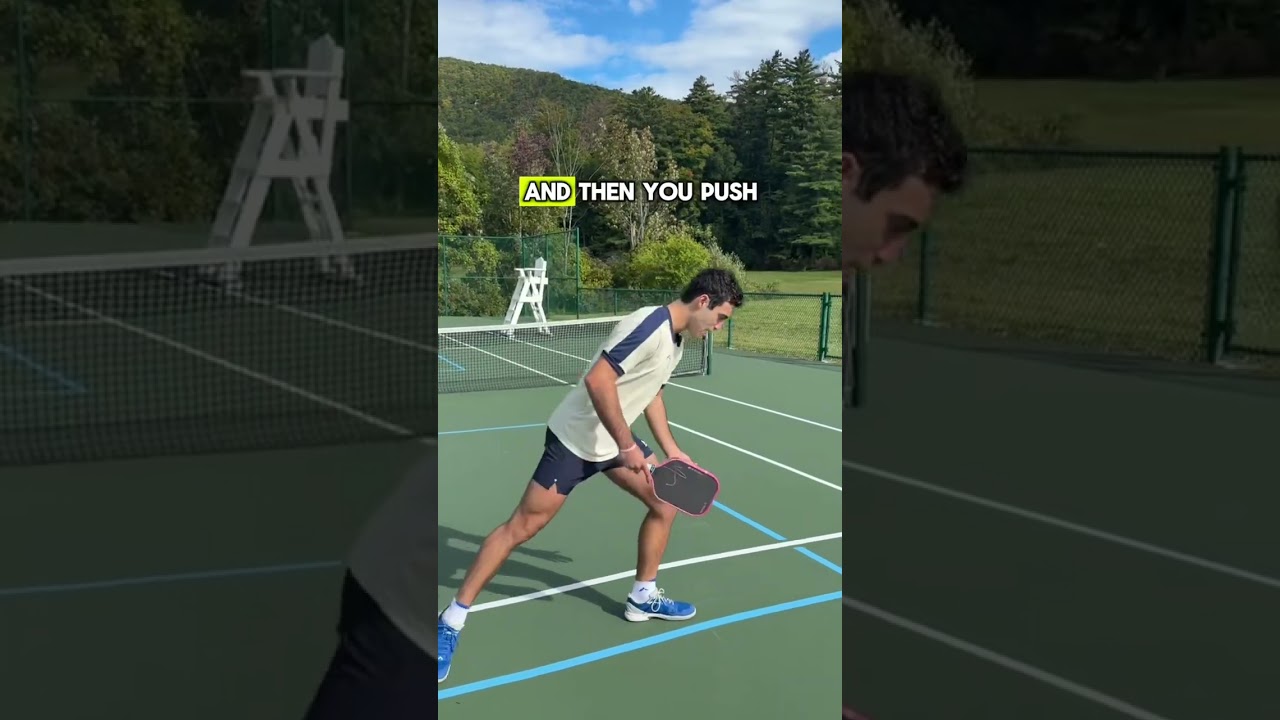
This breakdown comes from Tanner Tomassi on YouTube, and it cuts straight to the movement pattern that separates a weak return from a pro-level one.
Love pickleball? Then you'll love our free newsletter. We send the latest news, tips, and highlights for free each week.
The Two Return Mistakes That Almost Everyone Makes
Before you can fix your return, you need to know exactly which mistake you're making.
They look different, but they both cause the same outcome: a weak shot and a late arrival at the kitchen line.
Mistake 1: Running Through the Ball
Running through your shot kills both power and control.
When your body is already in motion before contact, your paddle face is moving too, and the ball goes anywhere but where you planned.
Think about what happens when you rush toward a ball that's landing short.
You're moving forward, your weight is shifting, and you're trying to make clean contact with a moving platform. That's a recipe for mishits.
This mistake shows up most on short or mid-court serves where players feel the urge to charge the ball.
You have more time than you think. Slow down, set your feet, and then move.
Mistake 2: Stopping Dead, Then Sprinting
The second mistake is more common and almost as damaging.
Standing completely still to hit the ball and then running to the kitchen line turns the return into a two-part process when it should be one fluid motion.
When you stop, plant, swing, and then start running, you're always going to be late getting to the non-volley zone.
Your opponent hits their third shot while you're still mid-sprint. You arrive at the kitchen line off-balance and reactive instead of ready.
This is one of the most common return of serve problems at the recreational level, and it's costing you control of the rally before it even starts.
 The Dink Media Team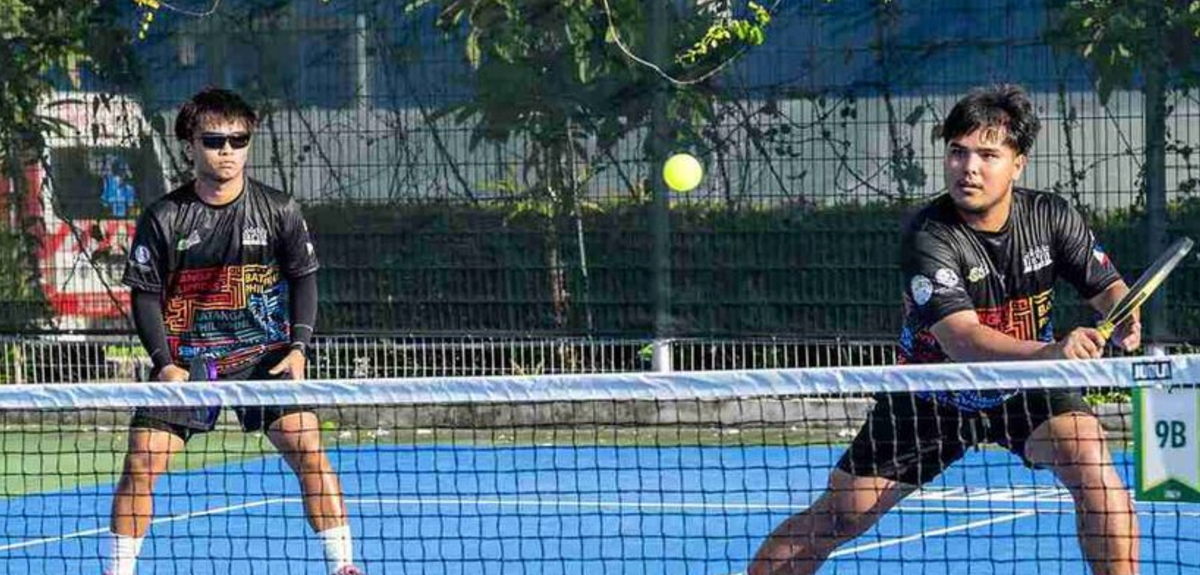
What a Pro-Level Return Actually Looks Like
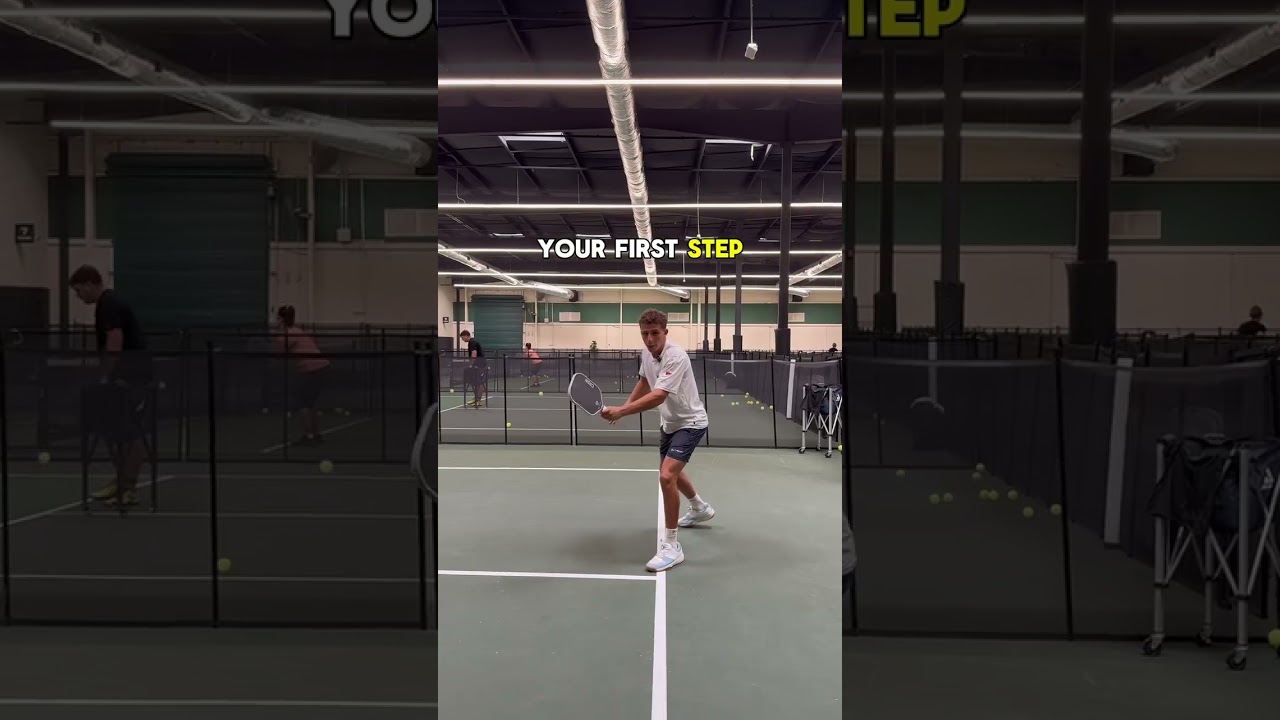
The fix is simpler than you expect. You combine your first step toward the kitchen with the moment of contact.
That single timing adjustment changes everything. As the ball approaches, you're already reading it and preparing your swing.
Instead of finishing your swing and then starting to walk, you time your first step forward so it happens exactly as your paddle meets the ball.
That step becomes the start of your momentum toward the kitchen line. You're not wasting energy stopping and starting. The hit and the move are one action.
 The Dink Media Team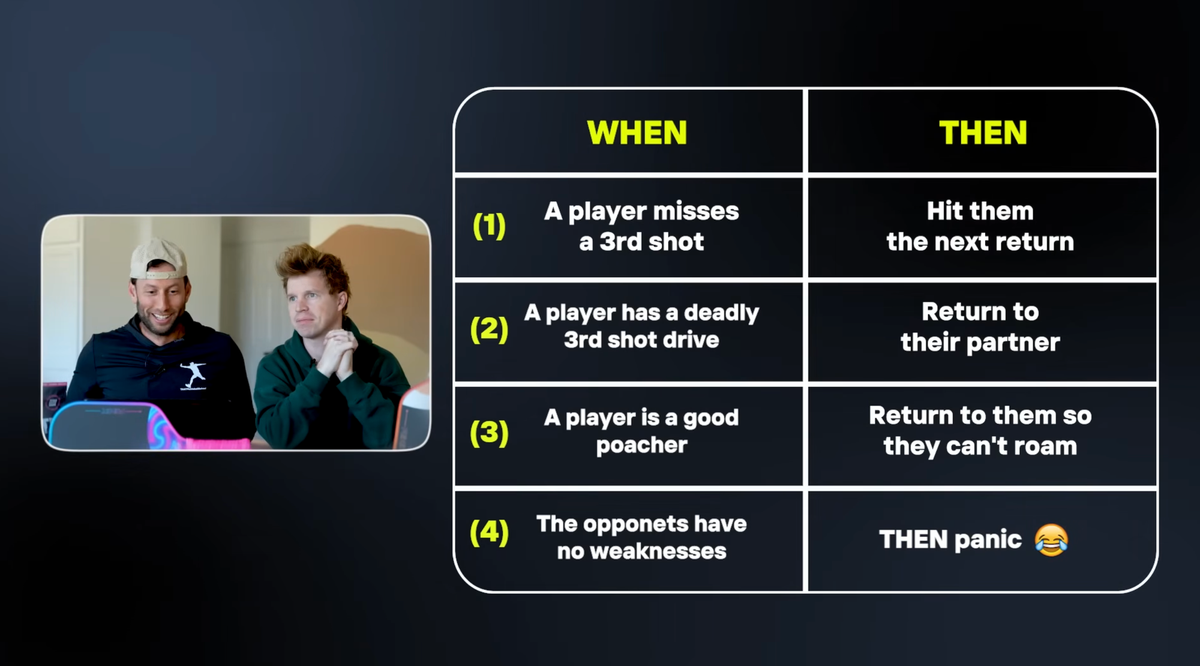
Why Does This Timing Matter So Much?
When your body is moving forward in a controlled way at contact, you naturally add weight to the shot.
The ball travels deeper and harder without you swinging out of your shoes.
A deep, hard return is exactly what you want.
It pushes your opponent back toward the baseline, gives them a tougher angle on their third shot, and buys you more time to get to the kitchen line.
All three of those things come from one timing adjustment.
Compare this to the stationary approach.
You hit the ball with arm power only, it lands shorter, your opponent has an easier third shot, and you're still running when they hit it.
The benefits of being at the kitchen line early disappear entirely when your return sets up a tough exchange before you even arrive.
 The Dink Media Team
How to Practice the Step-and-Hit Combination
Here's how to build this into your game in a structured way:
- Shadow swing with a step. Before you even get on the court, practice taking a forward step and swinging at the same time. Get comfortable with the coordination before adding a ball.
- Start with slow feeds. Have a partner feed easy serves and focus only on the timing. The goal is to feel the step and the contact happen together, not to hit hard.
- Keep walking after contact. Don't freeze after you hit. Your feet should keep moving toward the kitchen line.
- Check your depth. If you're doing it right, your returns will land deeper than usual without extra effort. Use that as your feedback.
- Add pace gradually. Once the timing feels natural on slower feeds, have your partner serve at game speed and repeat the same pattern.
The footwork principles that fix your third shot drop apply directly here too. Movement and contact have to work together, not in sequence.
 The Dink Media Team
What Should Your Body Position Look Like at Contact?
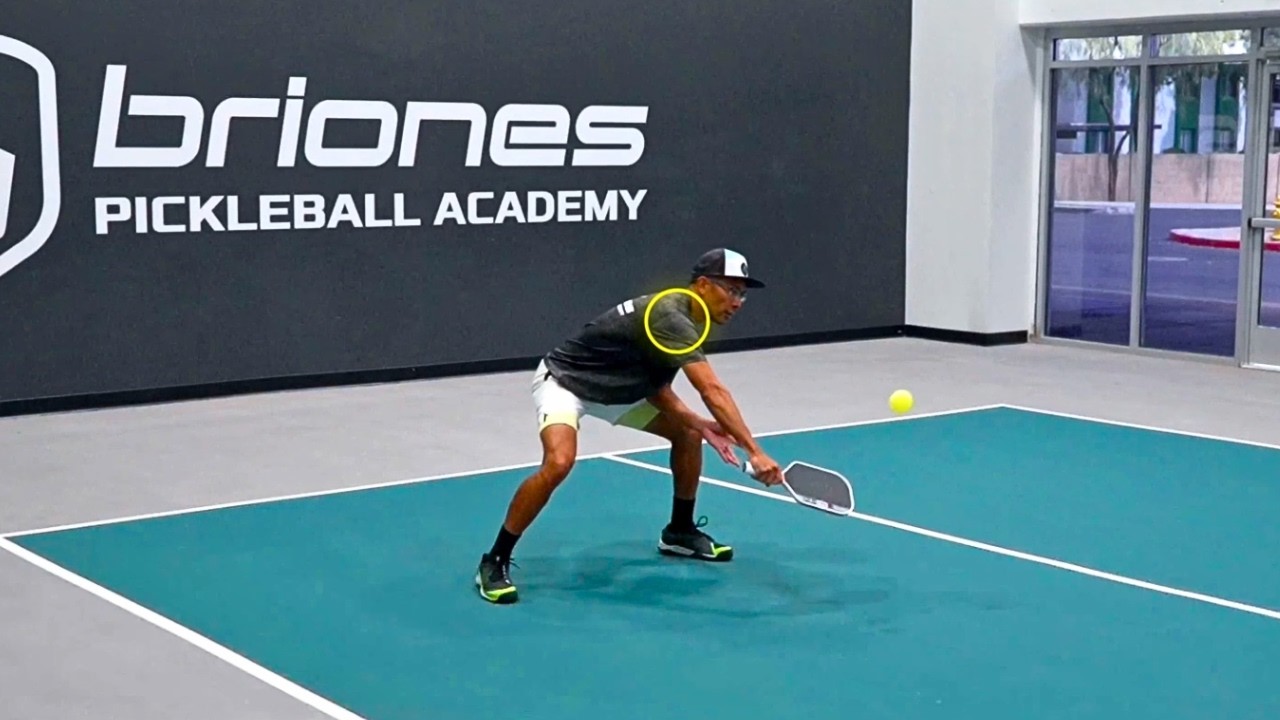
At the moment the paddle meets the ball, your weight should be transferring onto your front foot.
Your knees are soft, not locked. Your paddle arm is extended but not reaching.
Your chest should be facing the target, which in this case is the deep part of your opponent's court.
If you're turned sideways at contact, you've set your feet wrong and you'll lose direction on the shot.
One of the serve return mistakes that cost players the most points is failing to rotate through the ball.
You want your hips and shoulders working together so the whole body delivers the shot, not just the arm.
 The Dink Media Team
Why a Deep Return Changes the Whole Point
When you land your return deep, your opponent is pushed back. That matters more than most players realize.
A short return lets your opponent step into their third shot from a comfortable position close to the transition zone.
They have options. They can drop, they can drive, and they can move forward easily after contact.
A deep return forces them to hit from behind the baseline. Their drop has more court to cover. Their drive is harder to keep in.
And they have a longer walk to get to the kitchen line after they hit. You've made their life harder before the rally even develops.
This is exactly what tanner.pickleball highlights in the video. Hitting a deep hard return makes your opponent's life so much worse.
That's not an accident. It's a direct result of combining your forward momentum with a clean, controlled contact point.
Look at how return of serve placement decisions win points when you add depth and pace to your shot selection. The two work together.
 The Dink Media Team
Common Questions About the Step-and-Hit Approach
Players who try this for the first time usually run into a few specific issues. Here's what to watch for:
- Timing feels off at first. That's normal. Your brain is rewiring a habit you've probably had for months or years. Give it a few sessions before you judge the result.
- The ball goes long. If you're adding too much pace from the forward momentum, shorten your backswing slightly. You don't need a big swing. The body weight does the work.
- You're still arriving at the kitchen line late. Check whether you're actually continuing to move after contact or whether you're still pausing to watch the ball. Keep your feet moving through the entire shot.
- Loss of direction. If the ball is spraying wide, your paddle face is probably open or your step is going sideways instead of forward.
These are all fixable issues that coaches see repeatedly when players first change their return mechanics. Be patient with the process.
Should You Always Hit Hard on the Return?
No. The goal is depth, not raw pace.
A controlled return that lands two feet inside the baseline is more valuable than a wild drive that lands out or sits up short.
You want to create pressure on your opponent, not win the point outright from the return.
Focus on landing the ball deep with a firm, controlled swing and let the position do the work for you.
If you want to understand how pace interacts with placement, slower drives often win more points than players expect.
 The Dink Media Team
Putting It Together in a Real Match
In a real game, your pre-return routine matters.
As the server is about to strike, you should be in a ready position with your weight slightly forward, knees bent, paddle up.
You're already anticipating movement.
When the ball leaves their paddle, you read the direction and depth immediately. You take your first step toward the ball as your backswing loads.
Contact happens as that first step lands, and your momentum carries you forward toward the kitchen.
You don't stop. You don't admire the shot. You keep walking until your feet are at or near the non-volley zone line, ready for their third.
That entire sequence is one connected motion. That's what separates a solid return from a pro-level one.
If you want to keep building on this, look at how return of serve fixes reduce unforced errors while also addressing footwork drills that make the game feel slower under pressure.
These two areas build on each other naturally.
The return is one of the few shots in pickleball where you control the starting conditions of the rally. Use that advantage every single time.
Frequently Asked Questions
What is the most common return of serve mistake in pickleball?
The most common mistake is stopping completely to hit the ball and then running to the kitchen line as a separate action. This two-part approach always leaves you late to the non-volley zone. Combining your first step with contact turns the return into one fluid motion.
How deep should a return of serve land in pickleball?
A strong return should land within two to three feet of the opponent's baseline. This forces them to hit their third shot from a difficult position and gives you more time to reach the kitchen line. Depth matters more than raw power on the return.
Why does running through my return cause problems?
When your body is already in full motion at contact, your paddle face is unstable and your swing path is inconsistent. This takes away both power and directional control. The fix is to time your movement so the step begins at contact, not before it.
How do I get to the kitchen line faster after my return?
Use the forward momentum from your step-and-hit technique to keep walking after contact rather than pausing to watch the ball. Your feet should continue moving toward the kitchen line through and after the swing. Never stop moving until you reach the non-volley zone.
Does return of serve placement matter as much as depth?
Yes. Depth and placement work together to create pressure. A deep return to the backhand corner or to the middle of the court limits your opponent's third shot options significantly.
Combining depth with smart placement is what makes the return a genuine weapon.

Love Pickleball? Join 100k+ readers for free weekly tips, news & gear deals.
Subscribe to The Dink