
4 Outcomes That Prove You Shouldn't Try to Hit a Pickleball Winner
A pickleball winner looks tempting when the ball sits up and your opponents are deep, but three of four outcomes go against you. Here is how to play the odds and win more rallies.
The ball floats up just above the net, your opponents are stuck at the baseline, and you feel that itch to go for the pickleball winner.
That cute little cross-court angle looks so good in your head. It might also be the exact shot that costs you the rally.
These ideas come from Better Pickleball on YouTube, where coach CJ Johnson and teammate Patty break down why four possible outcomes exist on this shot and three of them go against you.
Here is how to think about it, and what to do instead.
Love pickleball? Then you'll love our free newsletter. We send the latest news, tips, and highlights for free each week.
What Is the Situation Where a Pickleball Winner Tempts You?
The temptation shows up on the return team when the serve team hits a third shot that sits above net height while they are still back at the baseline.
You are at the non-volley zone line. Your opponents are deep. The ball is high enough to attack.
Many players look across the net, see two opponents far from the kitchen, and decide a tiny, angled dink will beat them.
Sometimes it does. But that is only one of four things that can happen.
A pickleball winner is any shot your opponents cannot return, ending the rally in your favor.
The goal is not to hit winners. The goal is to win rallies at the highest possible percentage.
Why Do Three of Four Outcomes Go Against You?
When you try to place a soft, angled shot away from a fast opponent, you invite three different ways to lose the advantage or the point.
The research backs up how often the losing side simply misses.
A 2025 notational analysis of elite pickleball published in the National Library of Medicine found that 63.7 percent of points ended in unforced errors, not in clean winners.
Here are all four outcomes laid out:
- You hit it into the net. You hit it just a little too soft, and the serve team gets a free point.
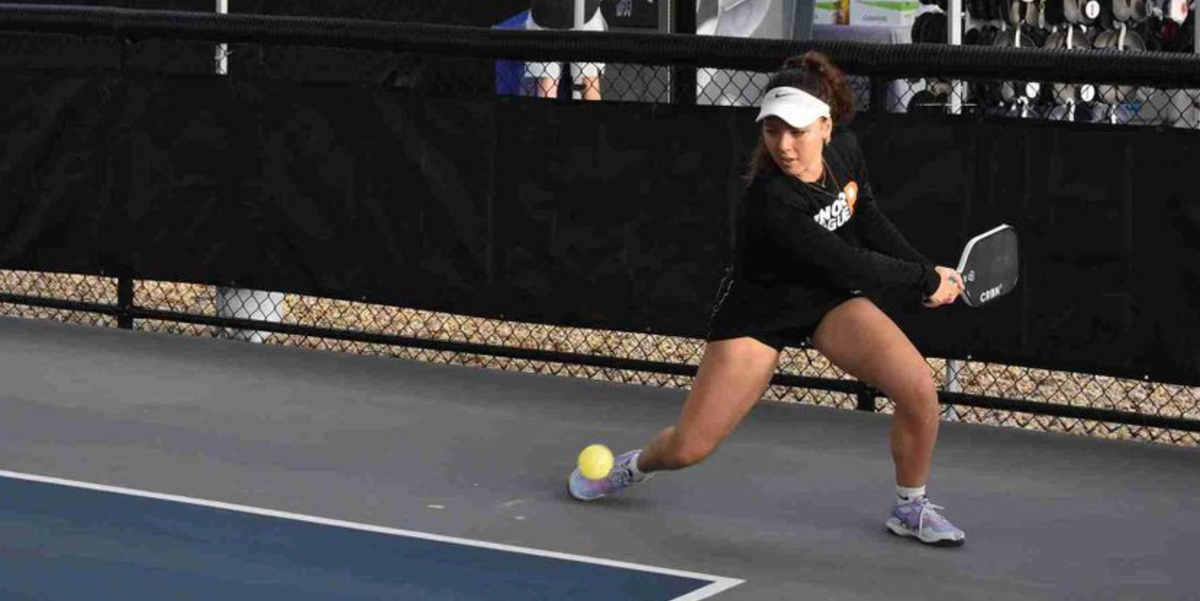
- You hit it out. You tried to angle it away from Patty and brought the sideline into play, so the ball sails long or wide.
- You hit it in, but they get to it. The ball clears the net, but your opponent is faster than you expected and now has a ball to work with.
- You hit the winner. The ball lands, they cannot reach it, and you win the point.
Only outcome four is what you pictured. Outcomes one and two hand over points. Outcome three hands over something just as valuable.
Players who struggle with this kind of unforced error will find a lot in 4 pickleball tips that cut unforced errors fast.
What Happens When the Short Shot Lands In but Gets Reached?
When your short shot gets reached, you give away your positional advantage and invite the serve team to the net for free.
Getting to the non-volley zone line on the serve side is one of the toughest things to do in pickleball.
Normally the serve team has to earn that spot with a good drop and a smart transition.
Your short ball does the work for them. Patty runs forward, reaches it, and now all four players are at the kitchen line.
Once everyone is up there, the serve team has a higher statistical chance of winning the rally.
You took a rally you were controlling and turned it into a coin flip that leans their way.
If you want to understand why holding your spot matters so much, check out when to switch from defense to offense in pickleball.
 The Dink Media Team
Why Is Playing the Odds Better Than Chasing the Winner?
Playing the odds means choosing the shot with the highest chance of winning the rally over time, not the one that looks best when it works.
A pickleball winner feels great. But if three things could go wrong to get one good result, the math rarely favors you.
This is the same idea behind prioritizing consistency over power, and it is the foundation of playing the percentages.
Smart players stack small advantages instead of swinging for one big payoff.
It also connects to playing aggressively without taking bad risks. Aggression is good. Aggression with no margin for error is not.
 The Dink Media Team
What Should You Hit Instead of the Short Winner?
Instead of the short, angled winner, hit a high percentage shot that keeps your opponents deep and your positional advantage intact.
Match data supports keeping them pinned back.
A January 2025 professional match activity analysis found that groundstrokes hit from the baseline produced more unforced errors than shots struck from the transition zone.
Higher Percentage Options Instead of a Pickleball Winner
- Drive it deep. A firm, deep ball keeps the serve team at the baseline and under pressure.
- Hit to the middle. The middle has the most net clearance and the most confusion between partners.
- Aim at the feet or body. A ball at their feet is hard to handle and hard to attack.
- Take pace off only if you can control it. A soft shot is fine if you trust your touch and the angle is small.
Targeting the middle is one of the safest plays in doubles, and you can learn more in targeting the middle in pickleball.
Playing the body instead of the lines also reduces errors, as covered in playing the body, not the lines.
 The Dink Media Team
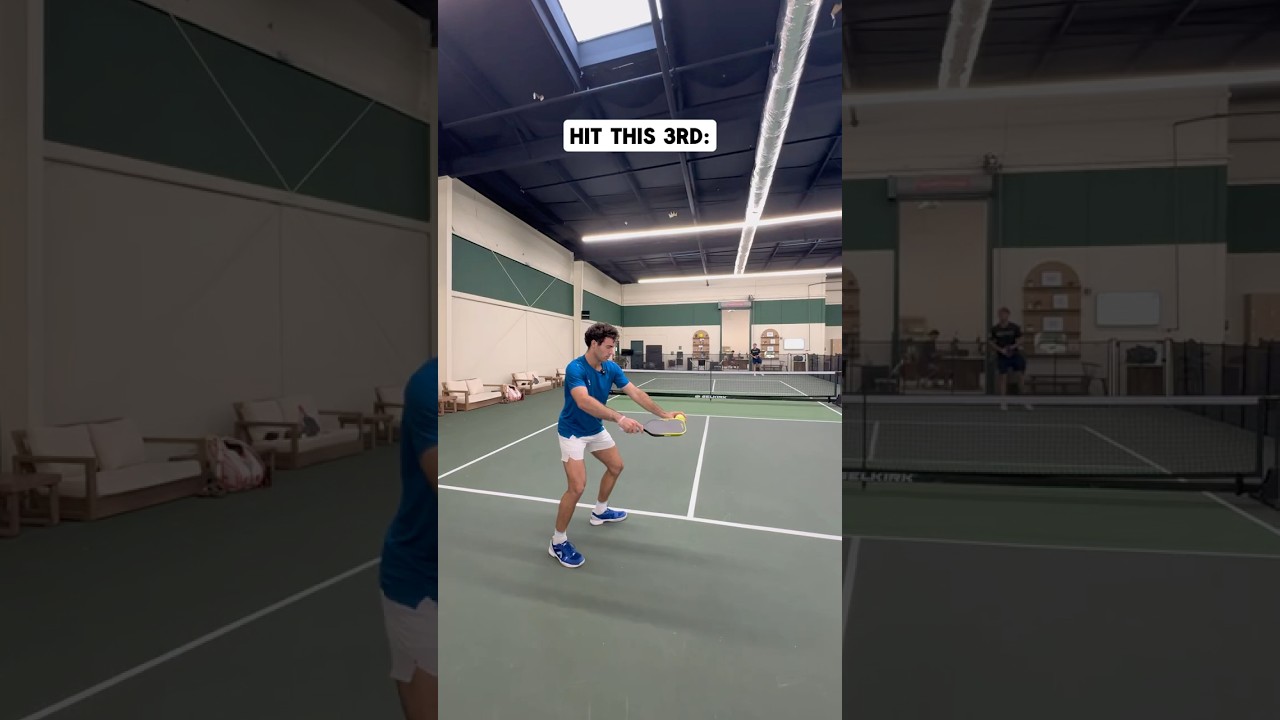
How Do You Know When a Winner Is the Right Call?
A winner is the right call when the ball is truly sitting up, your opponents are well out of position, and you have both the margin and the control to finish.
The key word is margin. If you have to thread a tiny window to win the point, you do not have margin.
Ask yourself three quick questions before you pull the trigger:
- Is the ball high enough that I can hit down with room to spare?
- Am I aiming at a big target, not a tiny corner?
- If they get it back, am I still in a good spot?
If any answer is no, play the percentage shot instead. A consistent, deep, controlled ball wins more rallies than a risky finish.
 The Dink Media Team
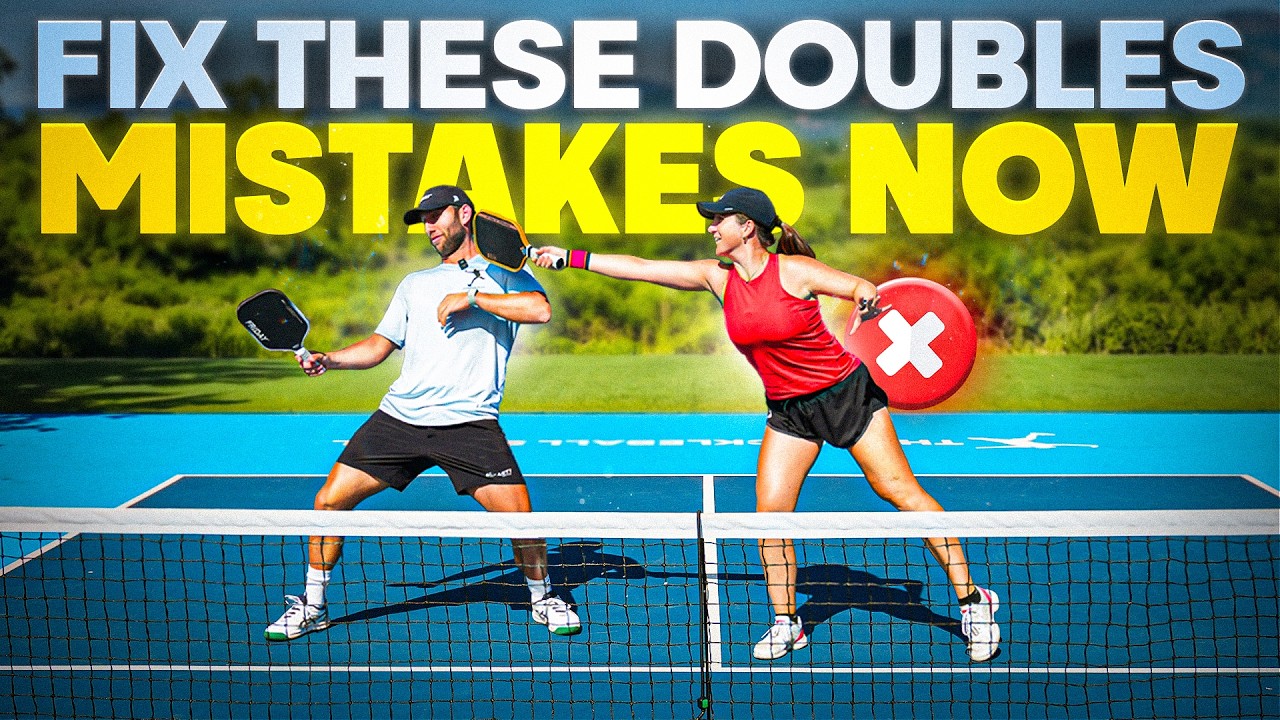
Does Reading Your Opponents Change the Decision?
Reading your opponents absolutely changes the decision, because a slow team and a fast team need different answers on the same ball.
Patty is fast, which is why the short shot fails. Against a slower team, you might get away with it more often.
Spend the first few points noticing how quickly each player moves forward.
If they close ground fast, avoid short balls. If they are plodding, you earn a bit more room to attack.
This is especially useful when you face younger, faster opponents. You can also sharpen your reads with 3 ways to start reading your opponents’ weak side.
 The Dink Media Team
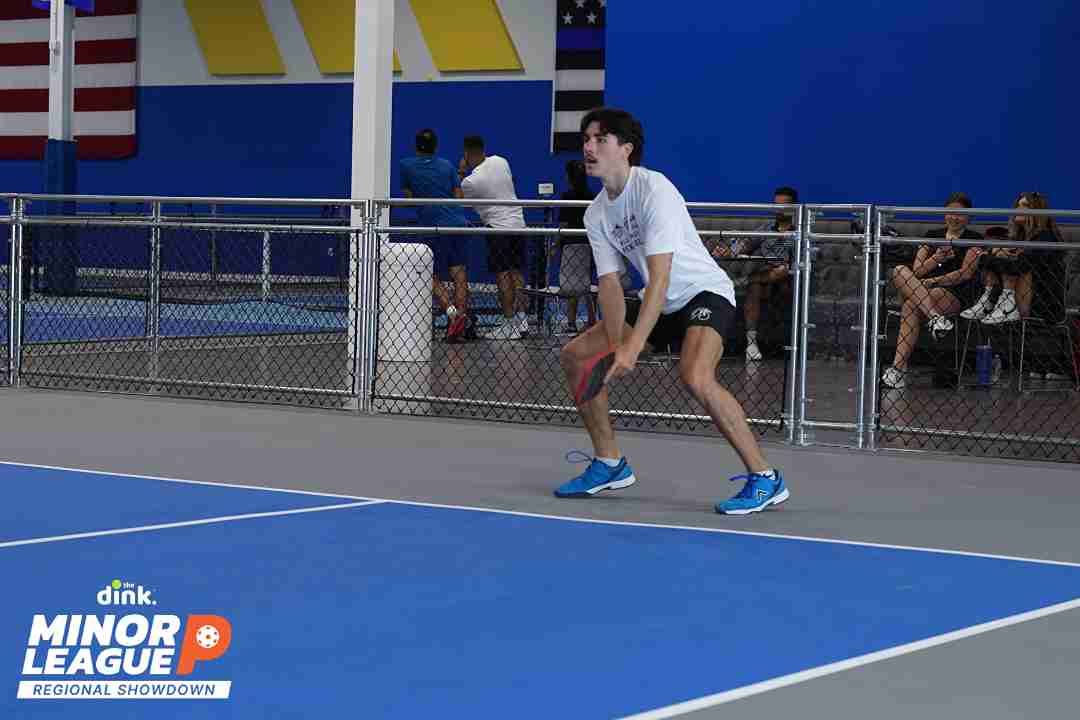
How Do You Build the Discipline to Skip the Winner?
You build the discipline by creating a routine and a mindset that value winning rallies over highlight shots.
Many players know the right play and still blow it because adrenaline takes over. A repeatable habit between points keeps you in decision-making mode.
Start with a pre-point routine that keeps you focused.
Then pair it with the mental approach in playing safe vs scared, because skipping a risky finish is smart, not timid.
Also be honest about what a good loss looks like.
Missing a high percentage shot is very different from missing a low percentage one, which you can explore in good loss vs bad loss in pickleball.
 The Dink Media Team
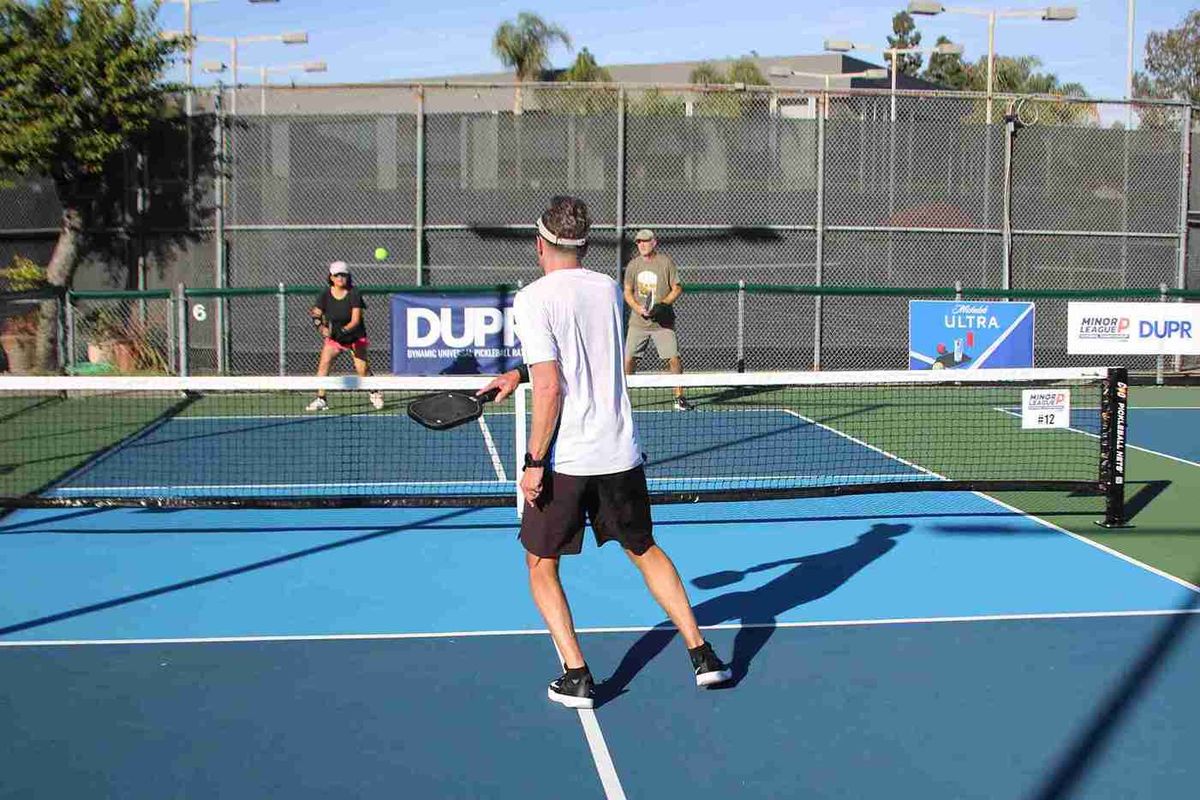
What Is the Big Takeaway on the Pickleball Winner?
The big takeaway is that a pickleball winner is not the goal; winning the rally is.
On a high ball with your opponents deep, three outcomes hurt you: the net, the out ball, and the reached ball that pulls them forward. Only one outcome helps.
Play the odds. Keep your positional advantage, make your opponents earn every inch, and save the big finish for when the margin is truly on your side.
If you want more ways to sharpen your decision-making, try 5 pickleball strategy tips that change your game.
Frequently Asked Questions
Should you always avoid going for a winner in pickleball?
No, you should avoid it when the odds are against you. Go for a winner when the ball sits up, your opponents are out of position, and you have plenty of margin. Otherwise, play the percentage shot.
Why is a short angled shot risky on the third shot return?
A short angle can land in the net, go out, or get reached by a fast opponent. If it gets reached, you hand the serve team an easy trip to the kitchen line. That is three ways to lose for one way to win.
What is a positional advantage in pickleball?
A positional advantage means your team holds the non-volley zone line while your opponents are still back at the baseline. It is valuable because getting to the net on the serve side is one of the hardest things in the game. Giving it away with a short ball resets the rally in their favor.
What shot should you hit on a high ball when opponents are deep?
Hit a deep drive, a ball to the middle, or a shot at their feet. These options keep your opponents back and carry less risk than a tiny angled dink. Pick the one that gives you the biggest target.
Does the speed of your opponent change whether to hit a winner?
Yes, it changes it a lot. A fast opponent will chase down a short shot and take away your advantage. Watch how quickly they close ground early in the match and adjust your target.
Love Pickleball? Join 100k+ readers for free weekly tips, news & gear deals.
Subscribe to The Dink