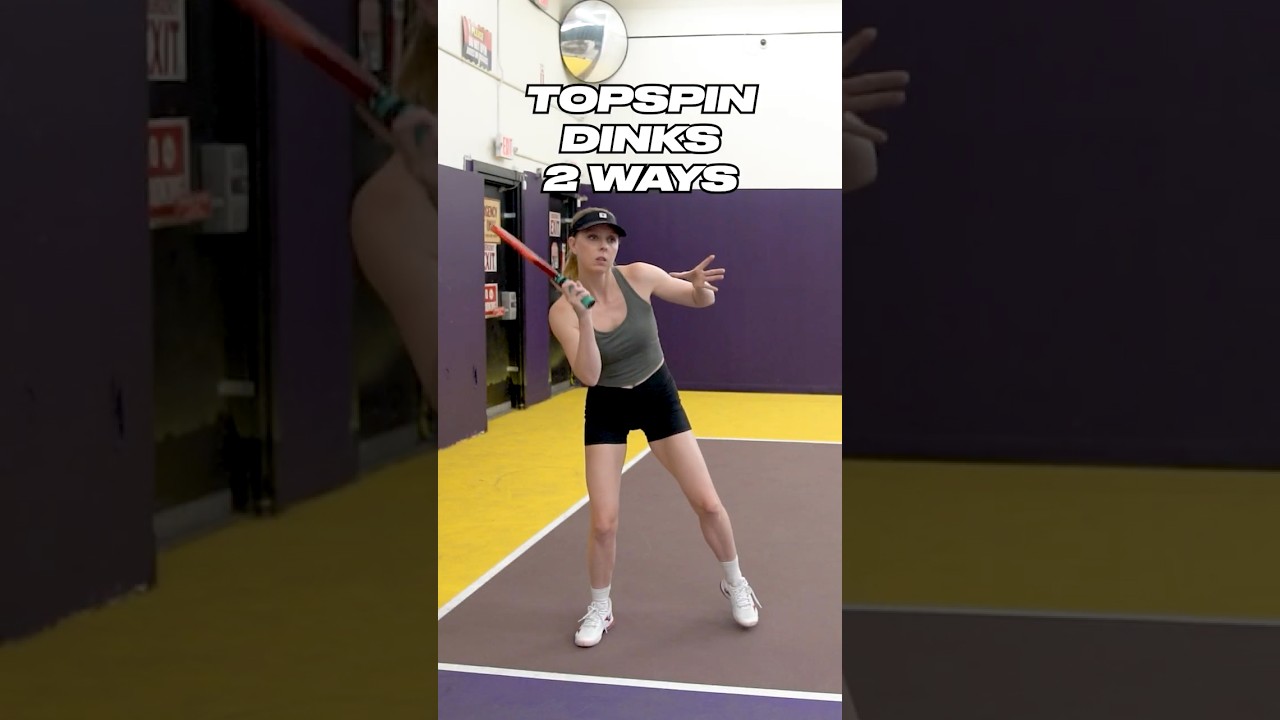
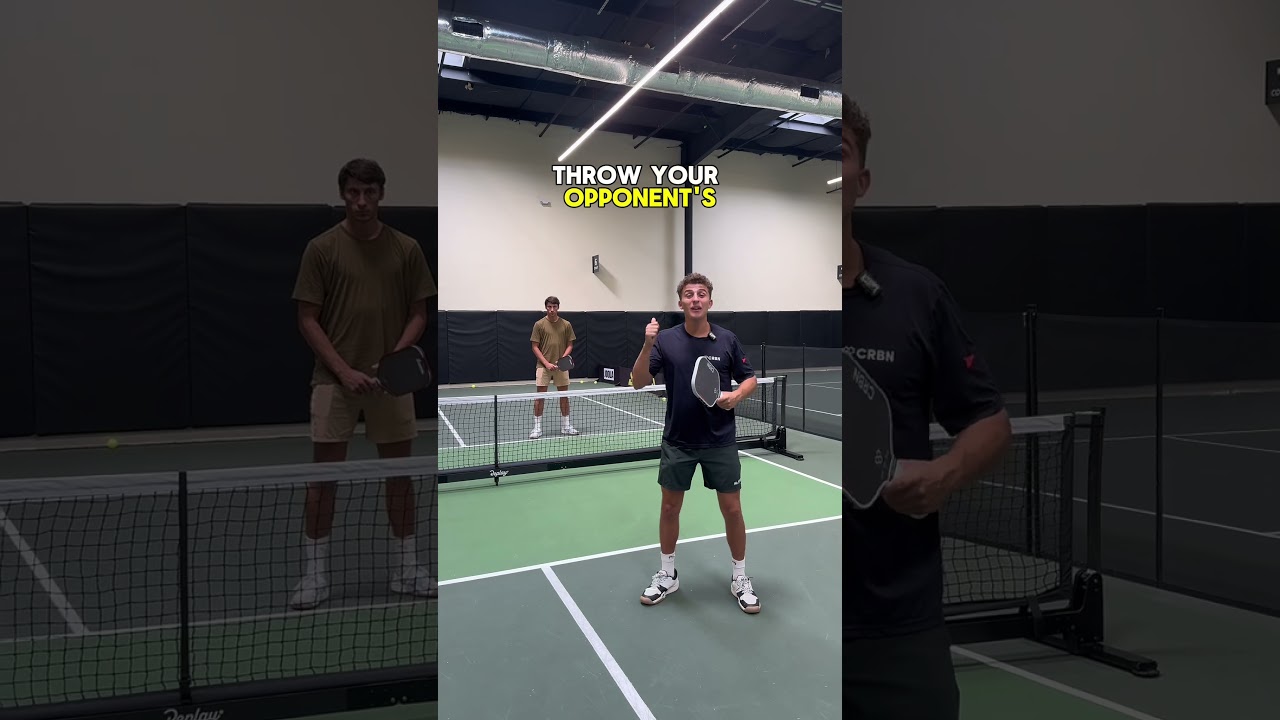
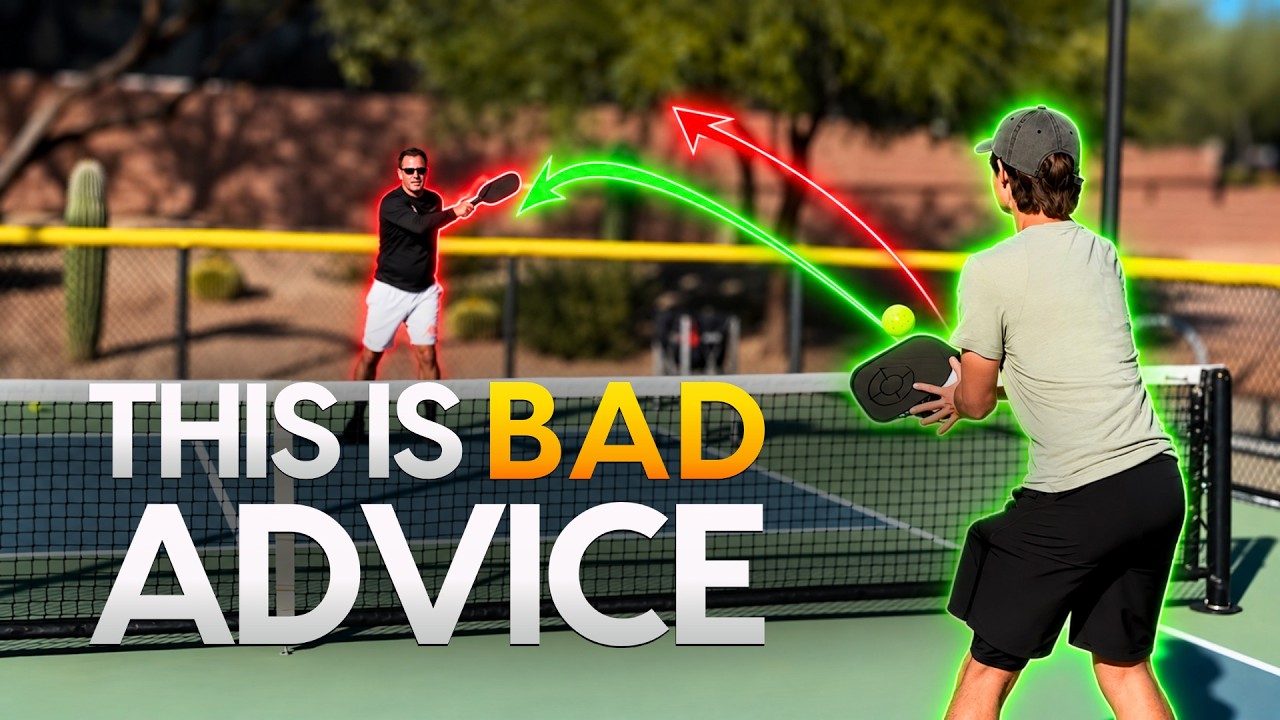
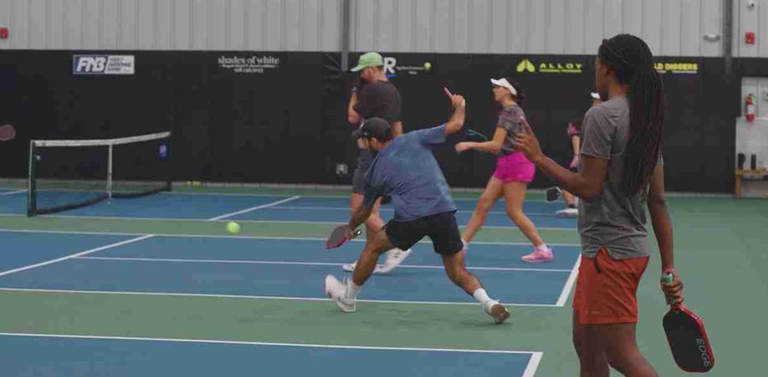
Want to become a more consistent pickleball player? A top pro just broke down the 3 pickleball consistency tips that separate amateurs from advanced players. Here's what you need to know.
If you've been grinding on the pickleball court and wondering why your game feels shaky, a pickleball consistency tip from pro player APP pro Tanner Tomassi might be exactly what you need.
The truth is, consistency isn't about hitting harder or moving faster.
It's about mastering three fundamental mechanics that separate casual players from serious competitors.
Love pickleball? Then you'll love our free newsletter. We send the latest news, tips, and highlights for free each week.
Why Consistency Matters More Than Power
Here's the thing: most players chase the highlight reel moment. They want to hit winners, throw down putaways, and dominate rallies with raw power.
But that's not how pickleball actually works at higher levels.
Consistency is the foundation of winning pickleball.
When you can reliably execute the same shot over and over, you control the pace of play.
Your opponent gets frustrated. They start making mistakes. You win without ever hitting a spectacular shot.
If you're still chasing power over placement, you're playing the wrong game.
Tanner's approach focuses on three core mechanics that build this consistency.
None of them require special athleticism or years of training. They're about body awareness, grip control, and strategic positioning.
Understanding smart shot decisions vs. raw power in advanced pickleball is one of the fastest ways to level up. And these three tips are where that mindset starts.
Pickleball Consistency Tip #1: Stay Low Throughout Your Stroke
The first pickleball consistency tip sounds simple, but it's where most players fail. You need to stay low for the entirety of your stroke, whether you're hitting a dink, a reset, or any other shot.
What does "staying low" actually mean? It means maintaining a bent-knee athletic stance from the moment you begin your backswing until you complete your follow-through.
- Your center of gravity stays down.
- Your knees stay flexed.
The mistake most players make is popping up out of their stance mid-stroke.
They start low, but as they swing, their legs straighten and their body rises.
This upward movement causes the paddle to rise too, which sends the ball floating up and over the net. Your opponent gets an easy put-away.
Think of it like this: if you're hitting a dink and you pop up, the ball pops up with you. It's physics.
The ball goes where your paddle goes, and your paddle follows your body.
The fix is simple but requires repetition.
During practice, focus on keeping your knees bent throughout the entire stroke. Feel your legs stay engaged.
Your weight should be on the balls of your feet, ready to move.
This low position gives you better pickleball shot control, better balance, and better consistency.
Staying low is the single most overlooked body mechanic in amateur pickleball.
If you're still popping up mid-stroke, keeping your chin down to stop popping the ball up is the drill that locks this habit in.
And once you nail this first tip, everything else clicks faster.
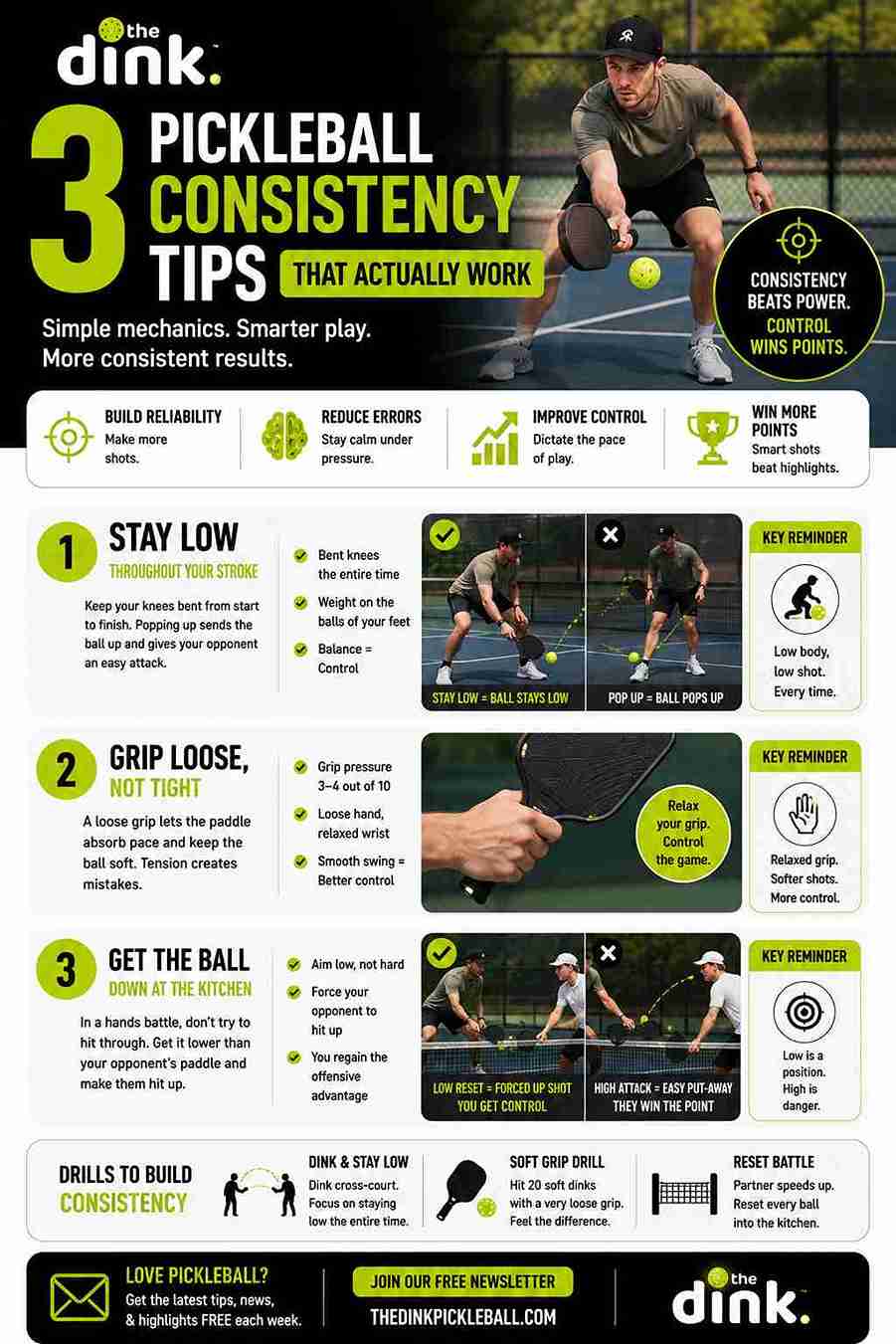
Pickleball Consistency Tip #2: Grip Loose, Not Tight
The second pickleball consistency tip is about what your hands are doing.
For all shots where you want to hit soft, like dinks or resets, you need a very loose grip on the paddle.
This is counterintuitive for a lot of players. When they get nervous or feel pressure, they clench up.
They squeeze the paddle tighter, thinking it'll give them more control. It does the opposite.
A tight grip creates tension in your forearm and wrist.
That tension transfers to your stroke. Your swing becomes rigid and jerky instead of smooth and fluid.
The ball comes off the paddle with unpredictable spin and speed. You lose control.
A loose grip allows your wrist to move naturally.
It lets the paddle do the work. Your arm becomes a conduit for the paddle's motion, not a rigid lever.
The result is a softer, more controlled shot that lands exactly where you want it. This is the core of elite pickleball soft game skills.
The challenge is that a loose grip feels weird at first, especially when you're nervous. Your instinct is to hold on tighter.
But that's the exact moment you need to consciously relax your grip. Feel the paddle in your fingers, not your palm. Let your hand be loose and ready.
During practice, try this: hit a series of dinks with an intentionally loose grip. You'll notice the ball feels softer coming off your paddle. It lands shorter.
It's easier to control. Once you feel the difference, you'll understand why this pickleball consistency tip matters so much.
Understanding your paddle grip and shot control fundamentals will sharpen exactly how you position your hand at contact.
Pair that with a relaxed forearm, and your soft game becomes a weapon.
Pickleball Consistency Tip #3: Prioritize Getting the Ball Down at the Kitchen Line
The third pickleball consistency tip is about strategy during hands battles at the kitchen line. This is where a lot of intermediate players make a critical mistake.
When you're in a hands battle, the instinct is to hit the ball hard through your opponent's chest. You want to end the rally right there.
But that's not the highest-percentage play.
Instead, prioritize getting the ball down. Hit it lower than your opponent's paddle. Force them to hit up on the next ball.
This is the key to winning kitchen line exchanges.
Why? Because when your opponent has to hit up, they're hitting a defensive shot.
- They can't attack.
- They can't put the ball away.
You regain the offensive advantage. The next ball is yours to attack. This is exactly what 2 essential pickleball techniques at the kitchen line are built around.
This shift in mindset changes everything about how you approach the kitchen line.
- You're not trying to win the rally in one shot.
- You're trying to set yourself up to win it on the next shot.
- You're playing chess, not checkers.
Developing faster hands in pickleball is what gives you the reaction time to execute this strategy under pressure.
The technical execution is straightforward: keep your paddle up, make contact at or above net height, and direct the ball downward into the court.
Your opponent's paddle will be lower than yours. They'll have to lift the ball. You're in control.
This is where pickleball shot control stops being a concept and starts being a competitive advantage.
Putting It All Together: The Pickleball Consistency System
These three pickleball consistency tips work together as a system. Staying low gives you better control. A loose grip lets that control flow naturally.
And prioritizing depth at the kitchen line keeps you in the rally longer.
The beauty of this approach is that it's not about talent or athleticism. It's about awareness and repetition.
You can start implementing these tips in your next practice session. You don't need new equipment or a coaching certification.
You just need to focus on the fundamentals.
Most players spend their time chasing advanced techniques. They want to learn the ATP or the Erne or some flashy shot they saw on YouTube.
But the players who actually improve fastest are the ones who master the basics first.
Consistency beats flashiness every single time.
Once you nail these three mechanics, you'll notice your win rate climbing.
If you want to drill these habits into your game on a deeper level, the 12 drills you need to play your best pickleball in 2026 is where to go next.
Your opponents will start complaining that you're "too steady" or "too boring." That's the highest compliment in pickleball.
If you're working toward that 5.0 ceiling, the 5 pickleball shots you must master build directly on the consistency foundation you're laying right now.
And if you want to understand exactly where your game currently sits, 5 signs you're still an intermediate pickleball player is worth an honest read.
Frequently Asked Questions
What does "staying low" mean as a pickleball consistency tip?
Staying low means maintaining a bent-knee athletic stance throughout your entire stroke. Your center of gravity stays down, and your knees remain flexed from backswing through follow-through. This prevents the ball from floating up and gives you better control over pickleball shot placement.
Why should I use a loose grip on soft shots?
A loose grip reduces tension in your forearm and wrist, allowing your stroke to be smooth and fluid. A tight grip creates rigidity that leads to unpredictable spin and speed. A relaxed grip lets the paddle do the work naturally, resulting in better control and softer pickleball soft game shots.
How do I win kitchen line exchanges in pickleball?
Instead of trying to hit the ball hard through your opponent, focus on getting the ball down lower than their paddle. This forces them to hit up on the next ball, giving you the offensive advantage. You're playing for the next shot, not trying to win in one stroke.
How long does it take to see improvement from these pickleball consistency tips?
You can start noticing improvements within a few practice sessions if you focus intentionally on each mechanic. Consistency comes from repetition, so the more you practice these fundamentals, the faster they'll become automatic during matches.
Can these tips help beginners and advanced players?
Yes. These are foundational mechanics that apply at every skill level. Beginners will see immediate improvement in shot consistency. Advanced players will refine their technique and eliminate the bad habits that creep in under pressure.

Love Pickleball? Join 100k+ readers for free weekly tips, news & gear deals.
Subscribe to The Dink