
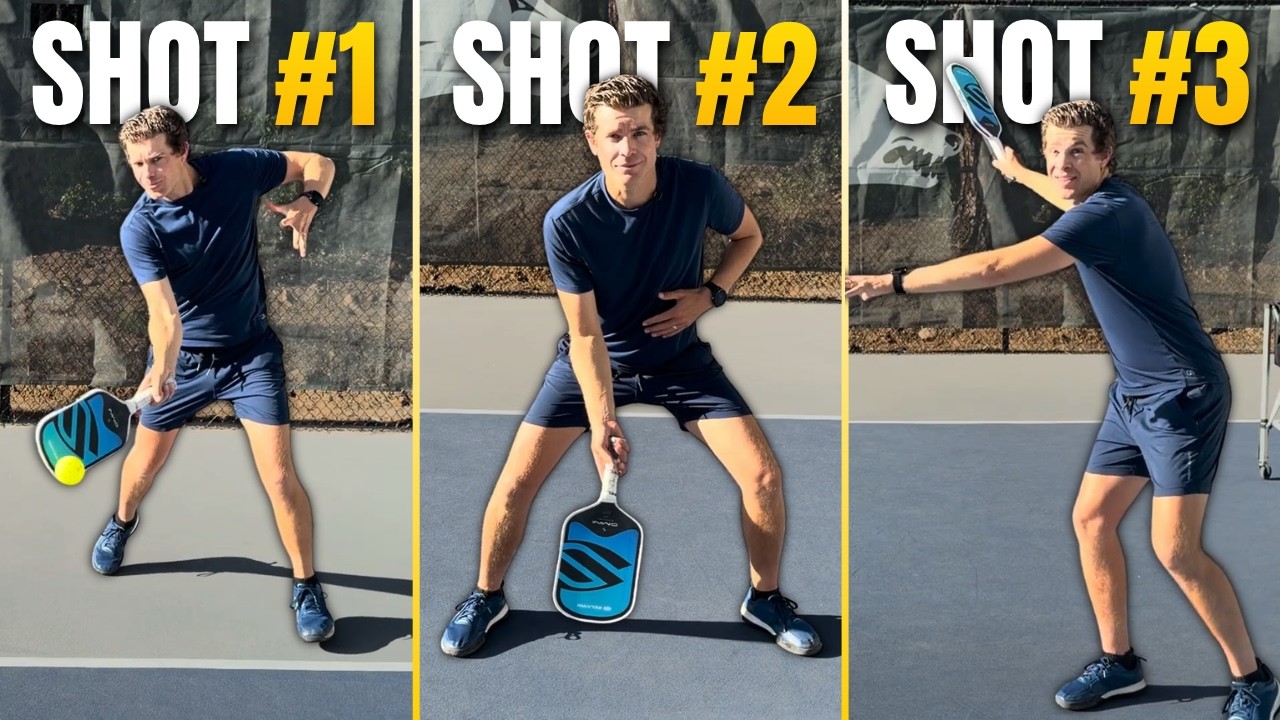
4 Reasons You're Stuck at 3.5 DUPR (And Exactly How to Fix Each One)
The gap between 3.5 and 4.0 pickleball has nothing to do with your shots. It has everything to do with when you hit them.
The gap between 3.5 and 4.0 pickleball is not about technique. You can already hit a third shot drop. You can reset.
You can dink. The problem is that you keep hitting those shots at the wrong time, from the wrong position, in the wrong situation.
That one shift in thinking, from "can I hit this shot" to "should I hit this shot," is what separates the two ratings.
It sounds simple. It is also the thing most players never actually fix.
PPA top 100 pro and 6.1 DUPR player Troy Akin Pickleball broke this down in detail on YouTube, walking through every phase of a point to show exactly where 3.5 players give away free points.
Here is what he found, and what you need to change.
Love pickleball? Then you'll love our free newsletter. We send the latest news, tips, and highlights for free each week.
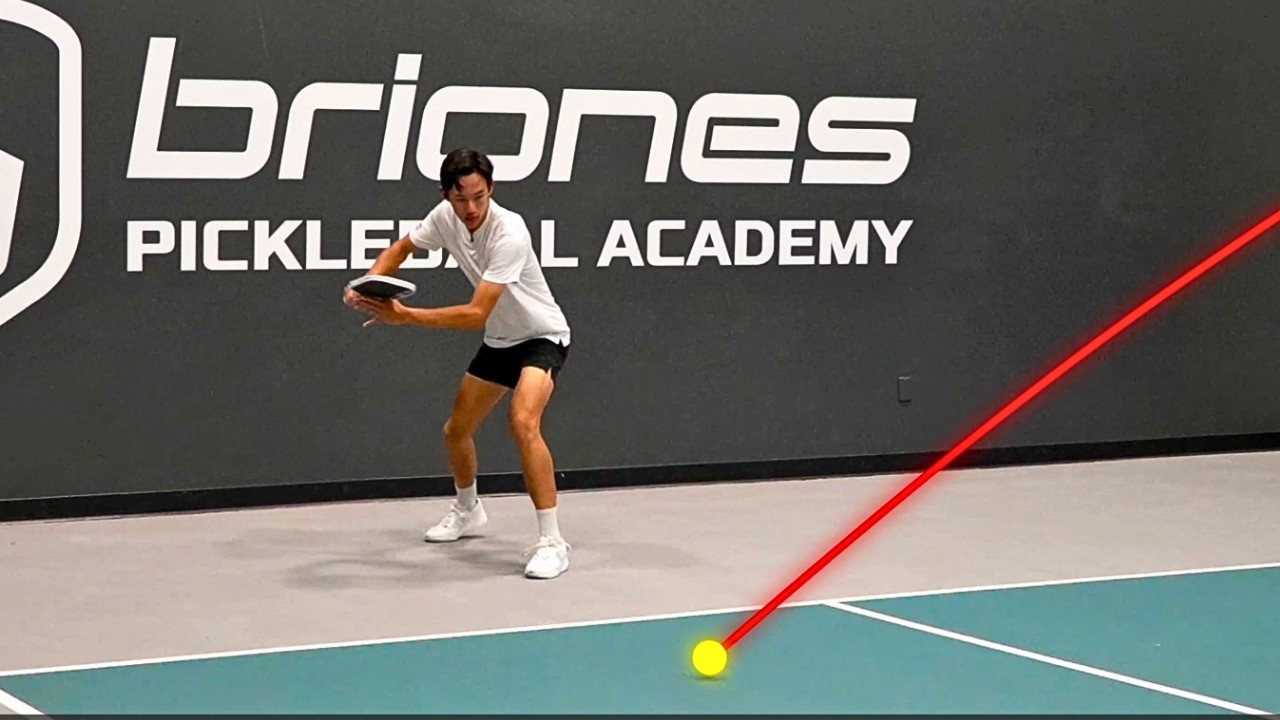
Your Return of Serve Is a Wasted Weapon
Most 3.5 players treat the return of serve like a formality.
Get it in, avoid the net, start walking up. That mindset is quietly costing you the point before it really begins.
A short return gives your opponent two easy options.
They can drive it aggressively and immediately put you on defense, or they can drop it softly and float right up to the kitchen without any pressure.
Either way, you just handed them the advantage on a silver platter.
The fix is treating your return as an offensive weapon.
You want that ball landing deep enough that your opponent has to step back off the baseline.
When they short hop a deep return, their shot quality drops and their path to the kitchen gets harder.
That is a mini win before the real rally even starts.
Two things to commit to on every return:
- Go for depth aggressively. Missing one or two returns a game is acceptable. If you are never missing, you are not hitting the return hard enough.
- Sprint to the kitchen immediately after. No walking, no jogging. Get there before your opponent can recover.
If you want more on fixing return of serve mistakes that cause unforced errors, that is a great place to start alongside this framework.
Why Are You Rushing Through the Transition Zone?
This is where most 3.5 players bleed points without even realizing it.
After a solid third shot drop, they sprint toward the kitchen, arrive off balance, and pop up the next ball right into the opponents' hands.
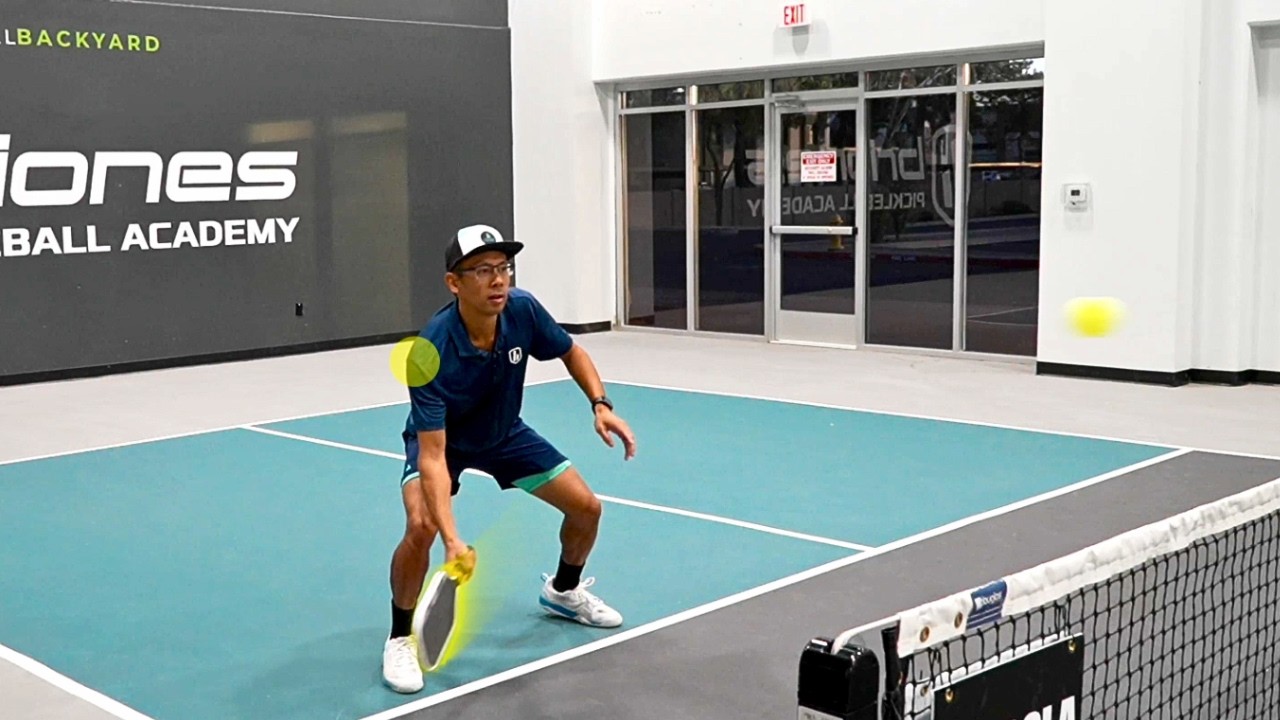
A 4.0 player treats the transition zone as something to earn their way through, not race through.
They are comfortable hitting two or three balls in the transition zone before they reach the kitchen. They advance on their terms, not on panic.
The key principle here is one Troy Akin calls "advance on the ball after." When your opponent hits you a hard ball, absorb it softly and hold your ground.
Then advance on the next soft ball you hit back. You move forward when you create the opening, not when you feel nervous about being stuck.
Three fundamentals to fix in the transition zone:
- Split step before contact. Every time a ball is about to come back at you, stop and get balanced. Hitting off balance is the single biggest cause of transition zone pop ups.
- No backswing on resets. A compact paddle position lets you absorb pace. A big backswing makes it nearly impossible to keep the ball low and soft.
- Let high balls go out. If the ball is coming above your waist, there is a strong chance it is sailing long. Letting it go is a free point. Swinging at it is a free error.
For more on mastering this part of the court, check out the three keys to mastering the pickleball transition zone.
The drill Troy recommends: start a point with a third shot drop, then have your partner alternate between hitting balls to your feet (reset it) and balls to your shoulder (attack it).
This forces real decision-making under pressure, not just mechanical repetition.
The 3.5 Pickleball Player Habit of Speeding Up the Wrong Ball
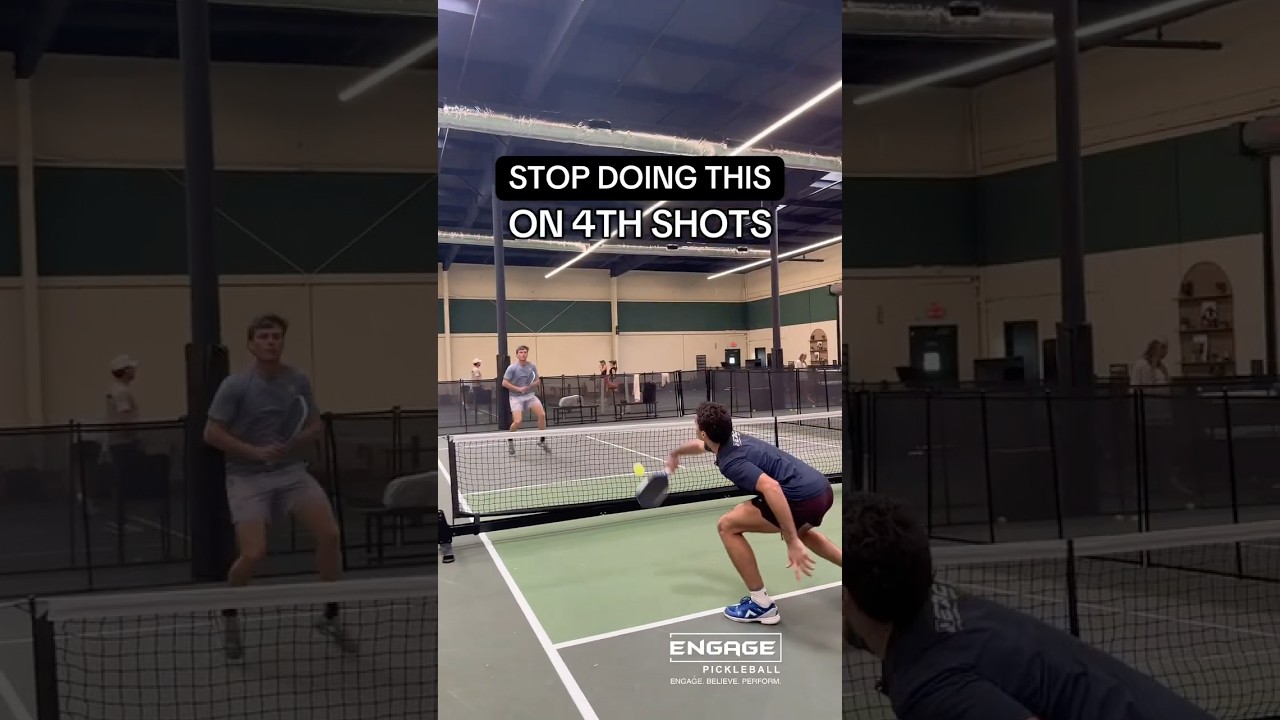
Speed ups at the kitchen line are where a 3.5 pickleball player gives away more points than anywhere else.
Not because the speed up is a bad shot, but because it comes at the wrong moment.
Here is the rule that changes everything: if the ball is below the net, dink it.
When you have to lift a ball over a 36-inch net, as defined in the official USA Pickleball rulebook, physics works against you.
The ball floats up, sits in your opponent's strike zone, and comes back faster than you sent it. You have basically done their job for them.
The green light is when the ball sits at pocket or waist height. That is a true offensive opportunity. Below the knee, you are dinking every time.
The second mistake is swinging too hard on the speed up itself.
When a 4.0 pickleball player sees a big wind up, they step aside and watch the ball sail long. Take pace off and find the spot instead.
Where to Aim Your Speed Ups
- Middle (40%). Creates confusion between partners.
- Hip (40%). Body shots are extremely difficult to counter cleanly.
- Down the line (20%). Save it for when you know you have the angle.
Understanding how ball height determines the right pickleball shot sharpens this decision dramatically.
A simple drill: play dinking games where you can only speed up a ball above net height or attackable out of the air.
Play to seven or eleven, and run it from all four spots on the court.
 The Dink Media Team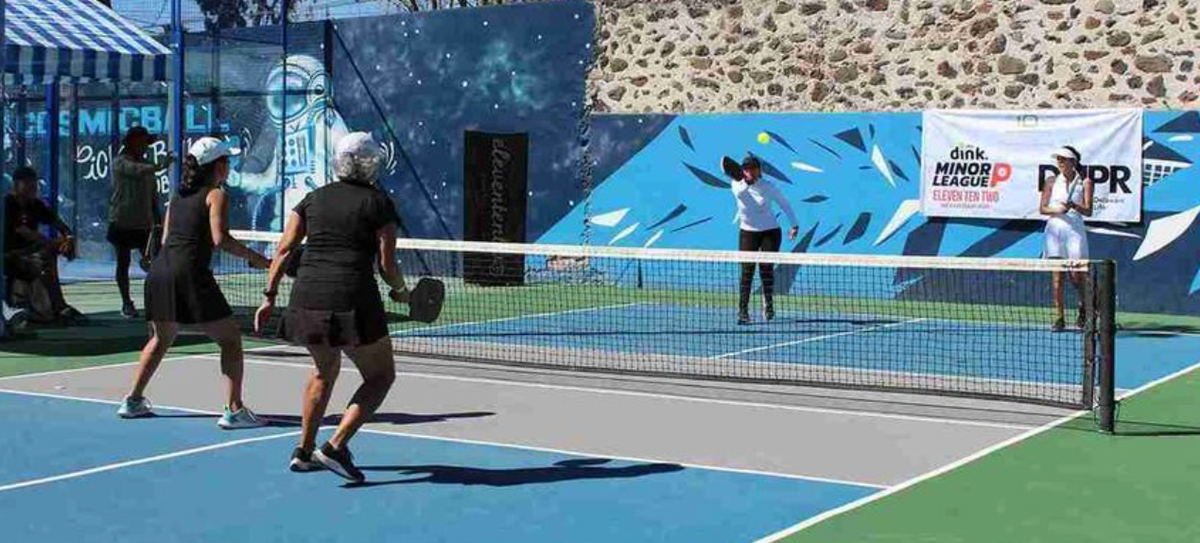
Is Patience Actually a Skill? Yes, and You Probably Don't Have It Yet
Here is a stat worth sitting with: the average pickleball rally lasts about three and a half shots.
That means if you can simply keep the ball in play to four, five, or six shots, the odds shift in your favor. Dramatically.
Most 3.5 players do not lose dinking rallies because they cannot dink.
They lose because they get bored, feel pressure, and attack a ball that was not actually attackable. The result is a free point for the other team.
This is a decision-making problem, not a technical one. The dinks are fine. The patience is not.
Troy's go-to drill for building patience is brutally simple: make one hundred dinks in a row. No rallying for points, just counting.
When you get to seventy or eighty dinks, you start to feel the pressure build.
Your hands tighten. Your mind starts looking for an out.
That tension replicates exactly what you feel in tournament play, and learning to stay calm through it is the whole point.
Once that feels comfortable, add a rule: you must make twelve dinks in a row before you are allowed to speed up.
This builds patience first, then teaches you to recognize the real opportunity when it arrives.
You can also study how to win cross court dink battles to improve your consistency under pressure at the kitchen line.
 The Dink Media Team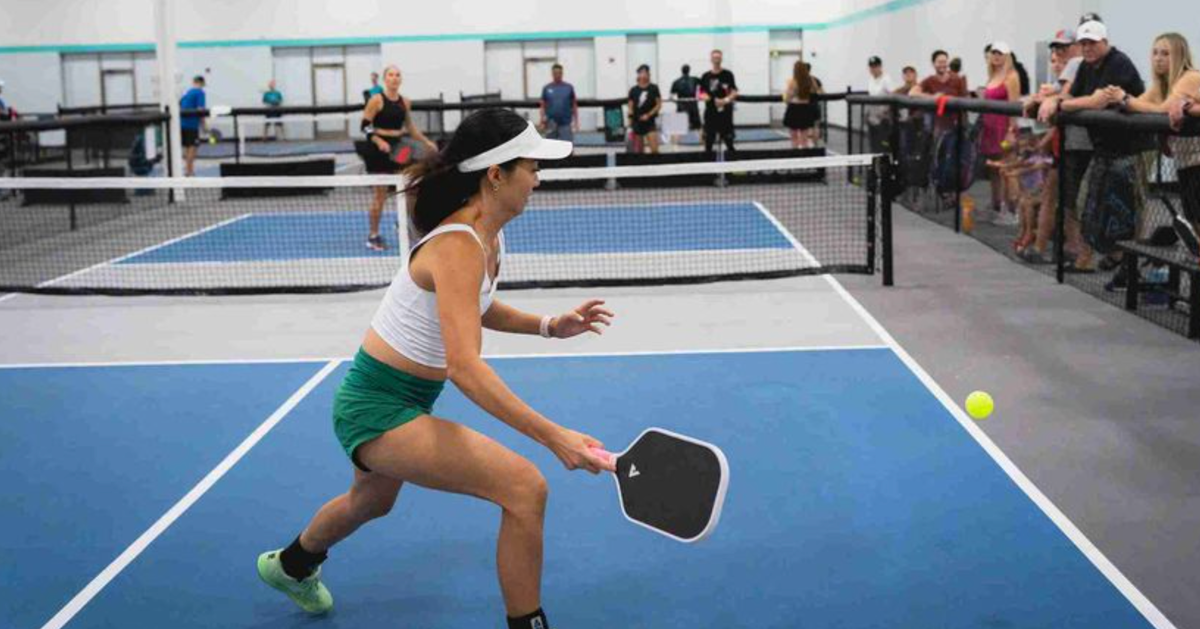
The 30-Day Plan to Actually Move Your Rating
Fixing all four problems at once is a fast path to fixing none of them. The smarter approach is one focus per week, drilled until it becomes automatic.
- Week 1: Returns. Go for depth every single time. Accept a miss or two. Sprint to the kitchen after every return without exception.
- Week 2: Transition zone. Split step every time a ball is coming at you. No backswing. Let the high balls go.
- Week 3: Speed ups. Only attack at pocket height or above. Target the middle and hip 80% of the time. Take pace off and find the spot.
- Week 4: Kitchen patience. Make one more dink than you want to. Count rallies. Do not swing at a ball just because you are bored.
After four weeks, your DUPR rating should start moving.
Not because you learned new shots, but because you stopped throwing away the points you were already capable of winning.
For a broader look at the mistakes keeping players from reaching 4.0, that is a strong companion read.
And a smarter pickleball practice plan will help you organize your reps.
The 3.5 to 4.0 jump is not about hitting better shots. It is about choosing the right shot at the right moment, every single time. That is the only gap.
Frequently Asked Questions
What is the biggest difference between a 3.5 and 4.0 pickleball player?
The biggest difference is shot selection, not shot quality. A 3.5 player hits the wrong shot at the wrong time, while a 4.0 player consistently chooses the right shot based on ball height, position, and court situation. Drilling alone will not close this gap because it is a decision-making issue first.
How deep should a pickleball return of serve be?
Your return should land deep enough that your opponent has to take a step back off the baseline to hit it. A return that lands in the middle of the court gives your opponent an easy drive or a comfortable drop, erasing your advantage. If you are never missing returns, you are not hitting them aggressively enough.
When should you speed up in pickleball?
Speed up when the ball sits at pocket height or above, giving you a true downward angle over the net. If the ball is below the net when you contact it, you have to lift it up, which floats right into your opponent's counter position. Target the middle or your opponent's hip roughly 80% of the time instead of going down the line.
What is the transition zone in pickleball and why does it matter?
The transition zone is the area between the baseline and the kitchen line that you must cross after hitting a third shot. Most 3.5 players rush through it off balance, leading to pop ups and easy putaways for the other team. The fix is to split step before each ball arrives, reset soft shots with a compact paddle, and only advance when you create a soft ball to move forward on.
How do you build patience at the pickleball kitchen line?
The best drill is counting one hundred consecutive dinks in a row, which forces you to stay controlled as the pressure builds toward the end. You can also play dinking games where you must complete twelve dinks before you are allowed to attack. These drills replicate the same mental pressure you feel in real matches without the randomness of rec play.

Love Pickleball? Join 100k+ readers for free weekly tips, news & gear deals.
Subscribe to The Dink