
Stop Sprinting to Net: The Drive Counter Fix That Actually Works
If you keep popping up drive counters, your footwork after the return is the problem. Here is the simple adjustment that fixes your timing and puts you back in control.
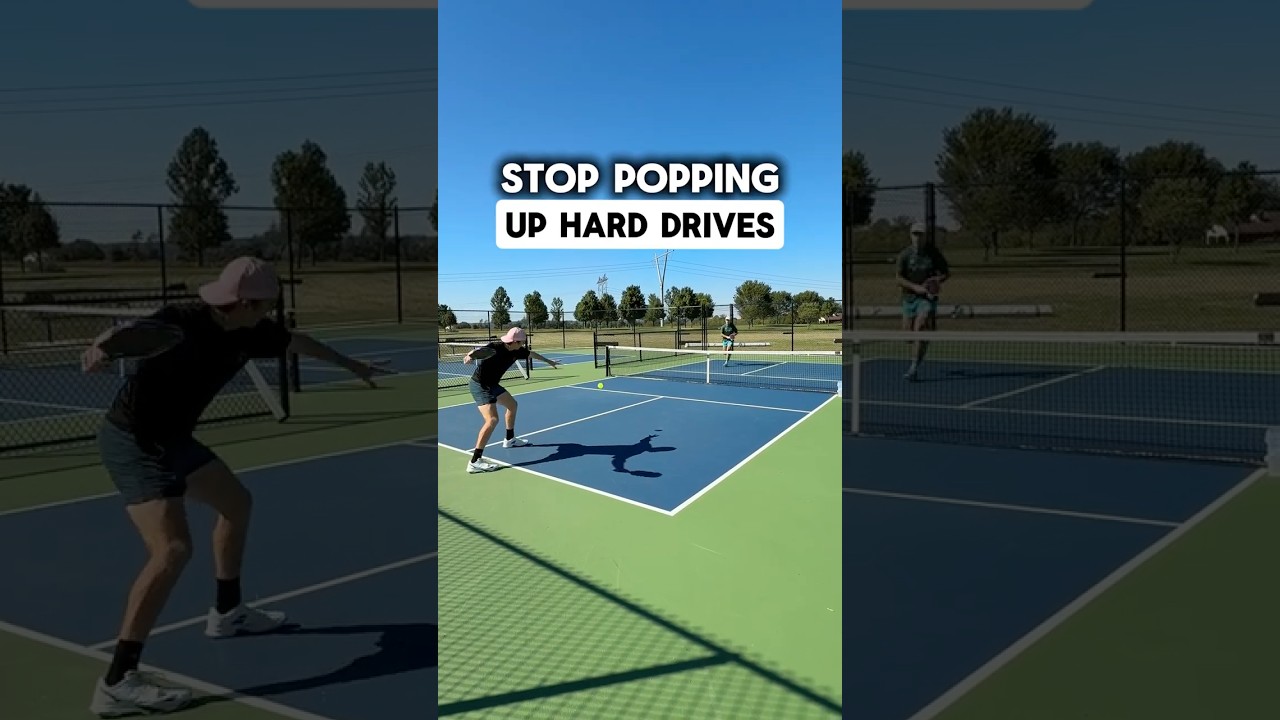
The drive counter in pickleball is one of those shots that falls apart not because of your swing, but because of what you do before the ball even reaches you.
Most players sprint to the kitchen after the return and then wonder why their counter keeps floating up as a sitter.
The problem is not your paddle angle or your grip. It is your timing, and your timing is wrecked by your feet.
This fix is straightforward and you can apply it the next time you play.
The concept comes from Richard Pickleball on YouTube, who breaks down exactly where you need to be standing when the opponent is about to drive the ball.
Love pickleball? Then you'll love our free newsletter. We send the latest news, tips, and highlights for free each week.
Why Sprinting to the Kitchen Kills Your Drive Counter
Here is the honest truth: sprinting to the kitchen line after your return is one of the most common habits players develop, and it actively hurts you in this specific situation.
When you are in motion at the moment the opponent drives the ball, your ability to time the counter shot drops dramatically.
You are trying to move forward while reading a fast incoming ball and generating a controlled swing.
That is too many things happening at once.
What usually happens is that you run through the ball.
Your weight is moving forward, your paddle face ends up open, and the ball pops up. You just handed your opponent an easy attack.
Momentum is the enemy of timing. The more you are moving when contact happens, the less control you have over where the ball goes.
This is not about abandoning your approach to the net. It is about knowing when to pause so you can execute the pickleball drive counter with intention.
What Does "Stop Right Here" Actually Mean?
The cue is simple: stop when they are about to drive.
That is not a vague instruction.
You read your opponent, and the moment you recognize they are loading up to drive the ball, you plant your feet before they make contact.
That planted position gives you two things you desperately need.
- First, a stable base to push your paddle through the ball.
- Second, the split second of stillness that lets you track the ball and time your swing correctly.
This is called a split step, and it is the same technique every good tennis and pickleball player uses before their opponent makes contact.
You briefly pause, feet shoulder-width apart, weight on the balls of your feet, so you can react to wherever the ball goes.
You do not need to be at the kitchen line to hit a great pickleball drive counter. You need to be stopped and balanced at whatever point on the court you happen to be when they drive.
The ready position is the piece most players skip entirely, and it shows up in their counters.
How to Actually Execute the Drive Counter
Once you are stopped and balanced, the mechanics of the counter become much more manageable. Here is the sequence:
- Read the driver early. Watch your opponent's paddle preparation. A high backswing, a shoulder turn, and a low contact point all signal a drive is coming.
- Plant before contact. You want both feet on the ground before the opponent's paddle hits the ball. If you are still moving at that moment, you are already late.
- Keep the paddle in front. Your paddle should be up and in front of your body as you stop. Dropping the paddle when you run is another way players give up the counter before it starts.
- Extend through the ball. Do not stab at it. Drive your paddle through the contact zone with a compact, forward extension. This is what creates a controlled counter instead of a pop-up.
- Use the pace against them. A drive is already carrying speed, so you do not need a big swing. A short, firm punch with good extension redirects that pace right back.
The extension piece is what separates a clean counter from a pop-up.
- When you run through the ball, your extension gets cut off because your body is moving away from the shot.
- When you are stopped, you push the paddle forward through contact and keep the ball low.
Countering a drive is also different from blocking it, and knowing the difference matters.
 The Dink Media Team
Why Do So Many Players Sprint to the Net Without Thinking?
The advice to get to the kitchen line fast is genuinely good advice in most situations.
After your return, moving forward pressures the opponent and puts you in position to control the point.
The problem is that players apply it without context. They sprint regardless of what the opponent is doing.
If the opponent is dropping the ball softly, great, keep moving. If the opponent is loading up to drive, you stop first.
Recognizing the difference is the actual skill.
Once you can read whether a drive or a drop is coming, you know exactly when to keep your feet moving and when to plant.
 The Dink Media Team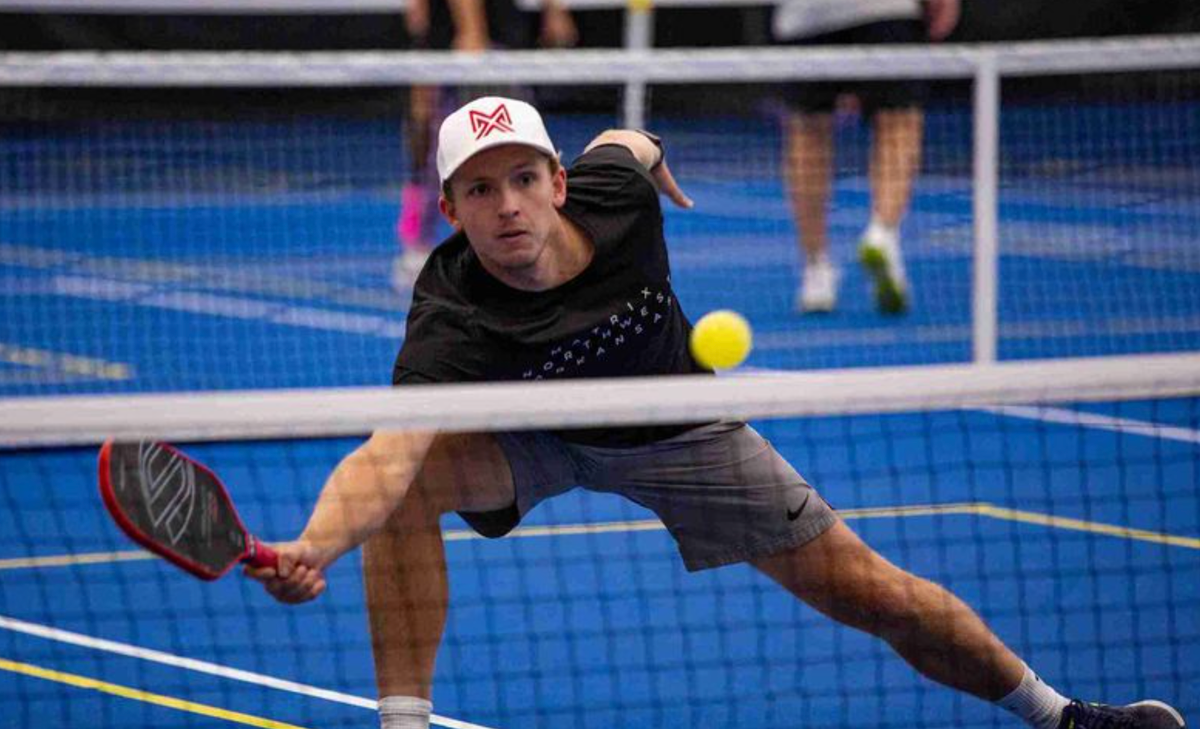
The Two Mistakes That Lead to Pop-Ups
There are really two things happening when your drive counter floats up, and they are connected.
- Running through contact: Your weight is moving forward when the ball arrives. Your paddle face tips open to compensate, and the ball goes up instead of through.
- Late paddle preparation: Because you are focused on moving your feet, your paddle stays low or trailing behind your body. By the time you try to get it in front, you are jamming at the ball instead of extending through it.
Both problems disappear when you stop before contact.
A planted stance puts your weight in a neutral position, and a neutral position makes it easy to get the paddle up and in front where it belongs.
Popping up the ball is almost always a mechanics problem that starts before the swing.
This is where footwork drills pay off.
Players who have trained their split step do it automatically, and players who have not keep running through contact and wondering why their counters are unreliable.
 The Dink Media Team
How Should You Practice This?
Build this habit through deliberate drilling, not by hoping it clicks in open play.
Have a partner drive balls at you from the baseline while you return and practice your split step timing.
The goal is simple: be completely stopped before your partner's paddle makes contact.
You will almost certainly find that early on, you are stopping too late. That is normal, and it means your read on the drive is delayed.
The more repetitions you get, the earlier you start picking up the signals.
Once the timing feels natural in drilling, bring it into slower open play where you are intentionally watching opponents for drive signals.
Build the read first, and the footwork follows.
Handling drives consistently separates players who get bullied by bangers from players who neutralize them.
 The Dink Media Team
What This Looks Like in a Real Point
Picture a common scenario. You return deep to the opponent's backhand, they load up, and they drive it hard down the line.
You have been sprinting forward and now you are caught moving when the ball arrives.
With the fix applied, the same point plays out differently.
You return, start moving forward, and pick up the loading motion, then plant your feet while the ball is still on their side of the net.
Their drive comes hard, but you are stopped, paddle up, weight balanced. You extend through contact and punch it low back at their feet.
Same incoming ball. Completely different result. The only change was when you stopped.
Bangers rely on your movement and panic to create errors. Take those away and they lose their edge.
 The Dink Media Team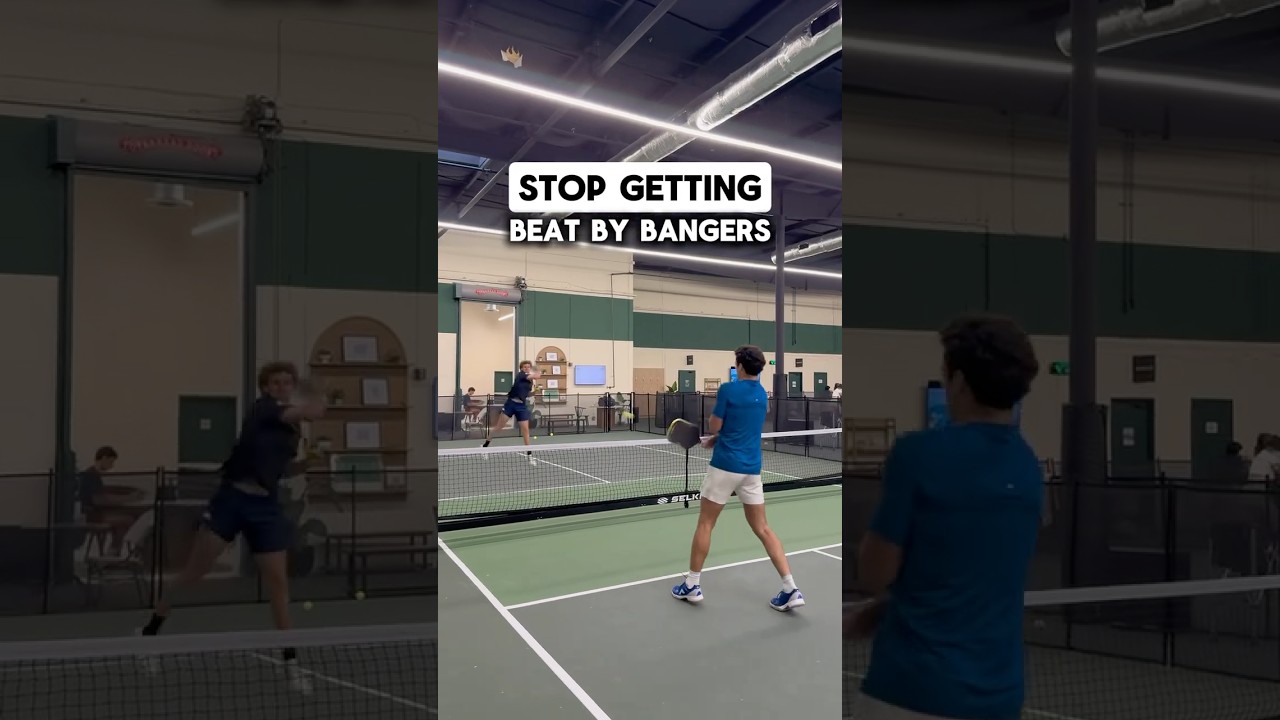
The Simple Rule to Remember
You do not need a complicated mental checklist.
Keep one thing in mind when your opponent is at the baseline after your return: if they look like they are going to drive, stop your feet before they swing.
That single habit will clean up more pop-ups and weak counters than any amount of swing adjustment.
Get to the kitchen fast when the situation calls for it.
But when a drive is coming, give yourself the one thing that makes a clean counter possible. Stop, plant, and extend through the ball.
Frequently Asked Questions
What is a drive counter in pickleball?
A drive counter is a shot where you redirect a hard incoming drive back at your opponent with controlled pace, rather than blocking or resetting it. The goal is to keep the ball low and put pressure back on the driver. It requires good timing and a compact, forward extension through the contact zone.
Why do I keep popping up my drive counters?
Popping up drive counters almost always happens because you are still moving when the ball reaches you. A moving body forces your paddle face to open, which sends the ball up. Stop your feet before your opponent makes contact and the pop-ups will drop significantly.
What is a split step and when should I use it in pickleball?
A split step is a small pause where you plant both feet shoulder-width apart, weight on the balls of your feet, right before your opponent makes contact with the ball. You use it any time you think a drive is coming so you can react quickly in any direction. It is a foundational footwork skill that most recreational players skip entirely.
Should I always stop before the kitchen line when an opponent drives?
Stop wherever you are on the court when you recognize the drive is coming. Being stopped at 60 percent of the way to the kitchen is far better than being in motion at the kitchen line. After the counter lands, you can continue moving forward to take your position.
How do I read whether an opponent is about to drive or drop?
Watch for a high backswing, a shoulder turn toward the ball, and contact made at or below waist height. A drop usually involves a shorter, softer swing with more paddle face angle. The earlier you pick up these signals, the more time you have to stop your feet and prepare.

Love Pickleball? Join 100k+ readers for free weekly tips, news & gear deals.
Subscribe to The Dink