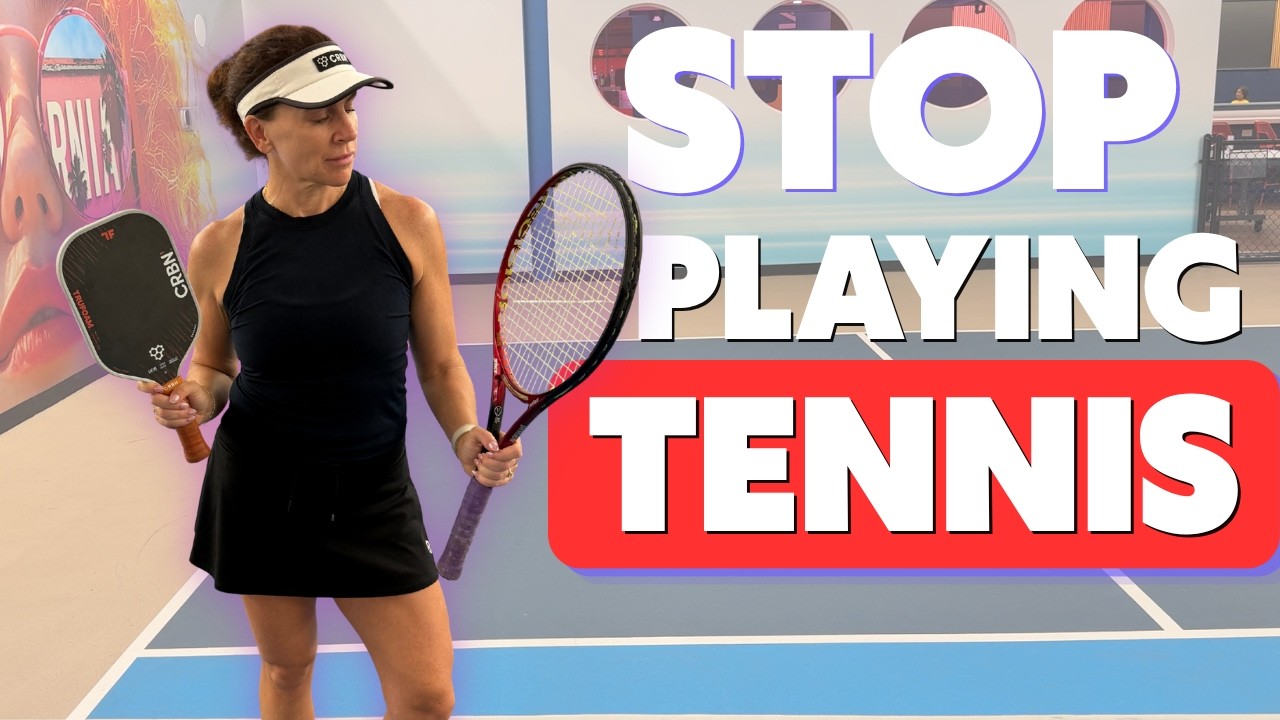
Your tennis background can take you far in pickleball, but it can also be the exact reason you plateau at 4.0. Here are 7 tennis habits to unlearn and what to replace them with.
Your tennis background is one of the biggest advantages you can bring to a pickleball court.
Hand-eye coordination, court sense, footwork instincts — all of it transfers. But those same tennis habits in pickleball will cap your progress faster than almost anything else if you never address them.
Most former tennis players improve quickly and then hit a wall around 4.0.
That wall is almost always built from habits that worked on a tennis court but actively hurt you here.
This breakdown comes from Coach Jess | Athena Pickleball on YouTube, a former Division I tennis player who has coached dozens of tennis converts through exactly this plateau.
Here are the seven habits to drop and what to build in their place.
Love pickleball? Then you'll love our free newsletter. We send the latest news, tips, and highlights for free each week.
Habit 1: Grinding Out Baseline Rallies
In pickleball, points are won at the no volley zone. Staying at the baseline and banging balls is not a strategy — it is a ceiling.
Tennis players default to baseline rallies because that is where they feel comfortable and confident.
The problem is that your opponent is already up at the kitchen line, and every ball you hit from the baseline while they are at the net puts you at a structural disadvantage.
The fix is learning the third shot drop. This is an arcing, low shot that travels from your baseline position and lands at your opponent's feet near the kitchen.
It forces them to hit upward, neutralizing their position advantage and giving you time to advance.
If you want to understand the mechanics behind it, these third shot drop fixes for placement will get you moving in the right direction fast.
Habit 2: Using a Slice Punch Volley at the Kitchen
That compact step-in, slice-punch volley you learned in tennis is a liability at the pickleball kitchen line.
The no volley zone changes everything about how you execute volleys.
You cannot step into the kitchen to hit.
That means the classic tennis volley mechanic — alternate foot forward, slice punch — will cause foot faults constantly when you first start playing.
What you need instead is a roll volley. Get your paddle under the ball, load your outside leg, and accelerate from low to high to generate topspin.
Keep your chest parallel to the net, push your butt back as a counterbalance, and reach in rather than stepping in.
Think of it as closing a car door with your paddle arm while sitting back slightly.
That counterbalance is what keeps you legal and generates real power without the step.
Habit 3: Sprinting Through Transition
Tennis players treat the transition zone like it is on fire. Get through it, get to the net, done. In pickleball, that mindset will get you killed.
Transition in pickleball is a place you move through deliberately, not frantically. You may need to hit resets from there. You may need to let a ball bounce.
You are making decisions, not just running.
A reset is a specific shot — it is a soft, absorbing ball that you direct to your opponent's feet while they are at the kitchen.
Your paddle tip goes down, your face opens slightly, and the goal is to take pace off the ball so it drops safely rather than popping up for an attack.
If your resets keep failing, here is a breakdown of exactly why that happens and how to correct it.
The reset separates 4.0 players from 4.0-plus players more than almost any other shot.
 The Dink Media Team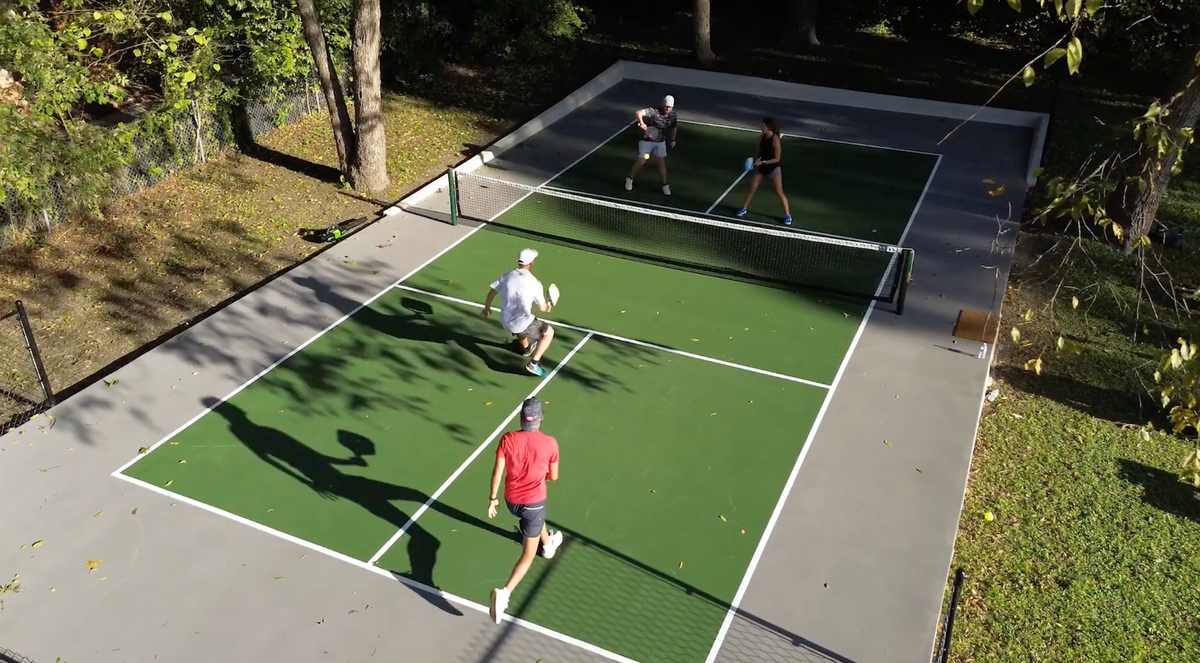
What Does "Staying in Transition" Actually Mean?
It means you are willing to hit a reset or a drop from mid-court and not panic.
You are not trying to force your way to the kitchen on every ball.
The sequence looks like this:
- Hit a third shot drop from the baseline to neutralize the point.
- Move forward and split step before your opponent contacts the ball.
- If the return is low and attackable, keep moving to the kitchen.
- If the return is difficult, reset from transition and repeat.
Rushing this process is exactly what keeps tennis players stuck. Patience in transition is a skill, and it is one worth drilling specifically.
 The Dink Media Team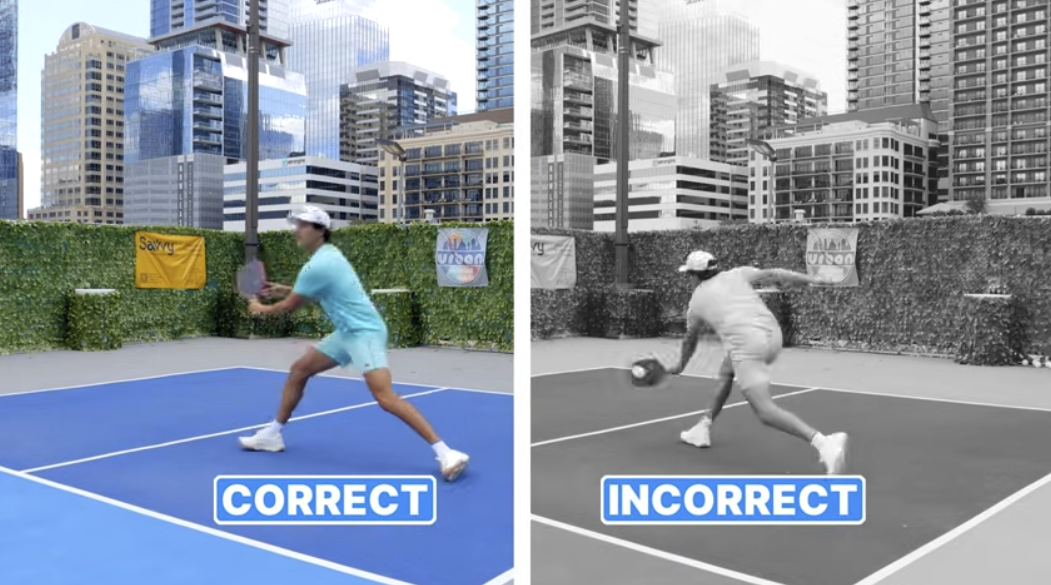
Habit 4: Turning Your Shoulders to Dink
At the kitchen line, turning sideways to hit a dink is one of the most common tennis habits you will see on day one.
And day fifty. It slows you down and puts you in a terrible position for the next ball.
In tennis, loading that back foot and stepping forward into a groundstroke is fundamental.
At the pickleball kitchen, the distance is too short and the exchange is too fast for that to work.
Keep your chest parallel to the net at all times when dinking. Use a lateral shuffle to get your body behind the ball.
Load your outside leg, push forward, and hit in front of your body without ever rotating your shoulders toward the back fence.
The footwork pattern is: shuffle, drop step if you need to back up, return to the kitchen line.
You are moving laterally, not rotating. Training lateral movement specifically is one of the fastest ways to sharpen your kitchen game.
 The Dink Media Team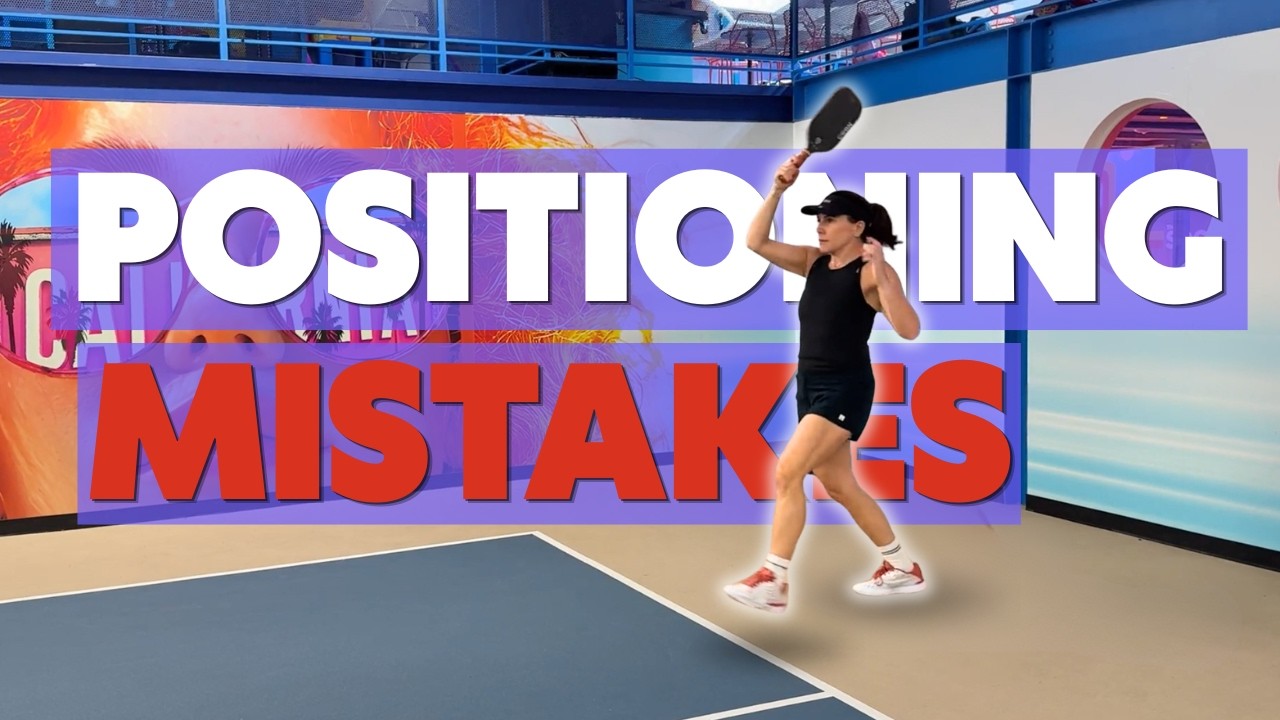
Habit 5: Thinking Power Beats Everything
Pickleball is a chess match. Hitting hard will win you points against players below 4.0, but against anyone with real skills, it is a losing strategy by itself.
The players who plateau as "bangers" are almost always former tennis players. They can absolutely crush the ball, and that works for a while.
Then they run into someone who can absorb pace and reset, and suddenly the banger has no Plan B.
Dinking applies pressure. A well-placed dink at your opponent's feet forces them to hit upward, which creates the attackable ball you actually want.
The soft game is not passive — it is how you manufacture offense.
If you keep losing to players who play slower, this breakdown of why soft strategy wins will reframe the whole thing for you.
Players like Anna Leigh Waters and Tyra Black are elite at the kitchen precisely because they use placement and patience to create attacks, not raw power alone.
 Eric Roddy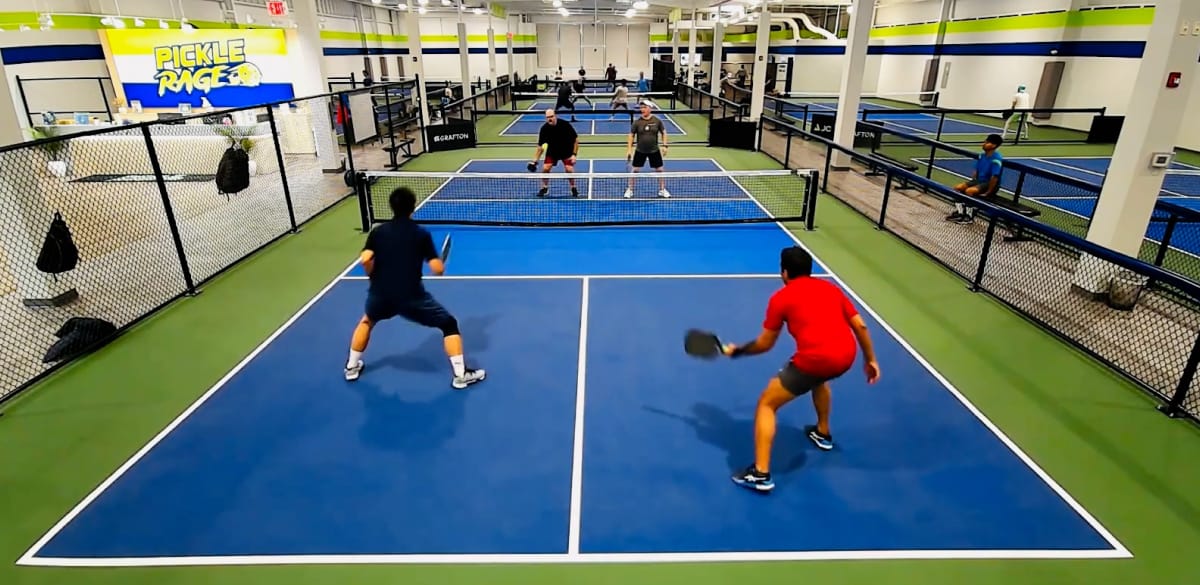
Are You Expecting Too Many Clean Winners?
Yes. And that expectation is costing you points.
In tennis, sliding a winner down the line or through a gap is a realistic goal because the court is large and opponents are far away.
In pickleball, the court is small, you have two opponents covering it, and someone is almost always in position to counter.
The better mental model is patterns and combinations. You are not trying to hit one ball that wins the point outright.
You are trying to hit a sequence of balls that forces an error or opens a real opportunity.
Aim for high-percentage targets. Think about moving opponents, not threading needles past them.
These two-shot combinations that set up easy attacks show exactly how to build that pattern-based approach.
 The Dink Media Team
Habit 6: Swinging Too Big
A big backswing and full follow-through are hallmarks of good tennis technique. In pickleball, they will get you burned constantly.
The better you get at pickleball, the more balls come back.
Firefights at the kitchen happen fast, and if you finish a forehand attack with your paddle wrapped around your shoulder, you are not ready for the next ball.
Shorten everything. Your backswing should be compact. Your follow-through should stop in front of your body so you can reload instantly.
Think about a truncated finish that leaves your hands ready rather than extended behind you.
Power comes from your legs and paddle acceleration, not from arm swing length.
The court is significantly smaller than a tennis court, so you simply do not need that much swing to generate pace.
These three volley mistakes include exactly this issue and how to train out of it.
 The Dink Media Team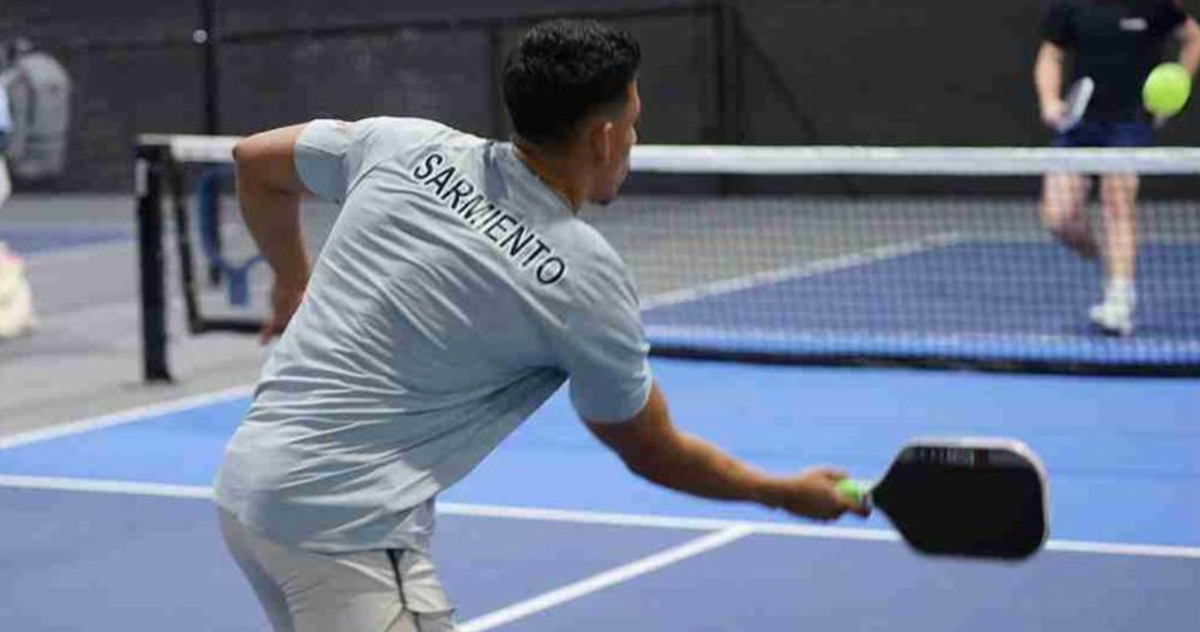
Habit 7: Treating Pickleball Like Mini Tennis
This is the root of every habit above. Tennis players who plateau are usually the ones still trying to apply tennis logic to a different sport.
Pickleball has its own geometry, its own shot hierarchy, and its own strategic priorities.
The sooner you treat it as a completely separate game, the faster you will improve past the people who refuse to make that mental shift.
Here is a summary of the replacements you need to build:
- Replace baseline grinding with third shot drops and a plan to advance.
- Replace slice punch volleys with roll volleys and a counterbalance stance.
- Replace sprinting through transition with controlled resets and patience.
- Replace shoulder rotation at the kitchen with lateral shuffles and parallel chest position.
- Replace banger mentality with soft game construction and pattern building.
- Replace winner hunting with combination play and high-percentage targets.
- Replace big swings with a compact finish and fast hands preparation.
If you are serious about breaking through the 4.0 ceiling, read about the specific habits that separate 4.0 from 5.0 players and start building those skills intentionally.
Your tennis background is still a massive asset. The athleticism, the reflexes, the competitive instincts — all of it transfers.
You just need to stop fighting pickleball's nature and start working with it.
These keys to moving from 4.0 to 4.5 will give you a concrete roadmap once you have addressed the habits above.
And if you want to keep sharpening your overall understanding of what makes pickleball its own game, these tips built specifically for 4.0 players are worth bookmarking.
Frequently Asked Questions
Why do tennis players plateau around 4.0 in pickleball?
Tennis players plateau at 4.0 because their athletic background gets them there quickly, but unaddressed tennis habits prevent further progress. Specifically, relying on power over placement, skipping the soft game, and avoiding transition work are the three biggest culprits. Fixing those three things alone will break most plateaus.
What is a third shot drop and why does it matter so much?
A third shot drop is a soft, arcing shot hit from the baseline area that lands at your opponent's feet near the kitchen line. It matters because it neutralizes your opponent's net position advantage and gives you time to advance safely. Without it, you are essentially playing every rally from a disadvantaged position.
How is a pickleball volley different from a tennis volley?
A pickleball volley requires a roll motion with topspin rather than the slice punch used in tennis. You also cannot step into the no volley zone, so you counterbalance by reaching in with your paddle while keeping weight back on your outside leg. The slice volley that works in tennis will pop the ball up and create easy attacks for your opponent in pickleball.
Is dinking really necessary or can you just hit hard?
Hitting hard will win matches up to roughly the 4.0 level, but it stops working against skilled players who can absorb pace and reset. Dinking is how you apply pressure, force errors, and create the high balls you actually want to attack. Players who never learn to dink find a hard ceiling on their rating.
What should kitchen line footwork look like for a former tennis player?
Keep your chest facing the net at all times and use a lateral shuffle to move along the kitchen line rather than turning sideways to load and step. Load your outside leg to generate power and contact the ball in front of your body. Turning your shoulders like you are hitting a groundstroke slows you down and leaves you out of position for fast exchanges.

Love Pickleball? Join 100k+ readers for free weekly tips, news & gear deals.
Subscribe to The Dink