
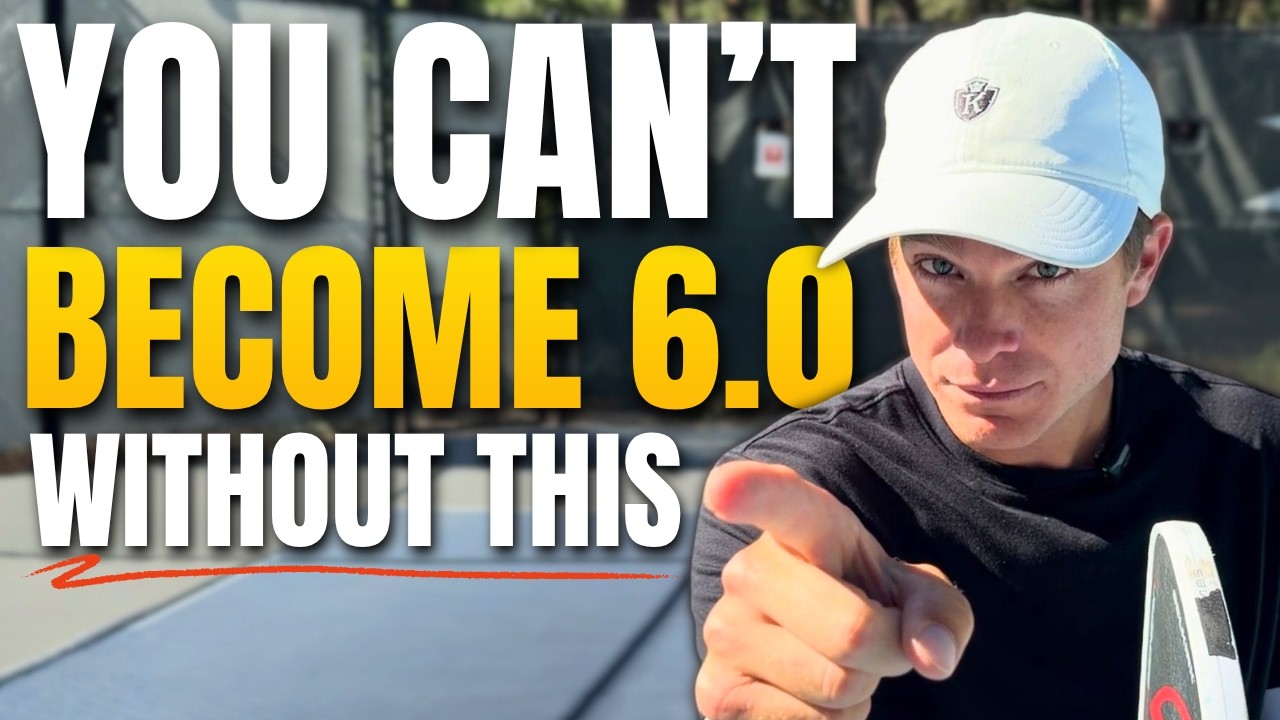
The gap between a 4.0 and a 6.0 DUPR player is not about who hits harder. It comes down to pickleball IQ and five specific things elite players read every single rally.
Your pickleball IQ is the reason you keep getting beat by players who don't seem to hit that hard or move that fast.
The gap is not in your hands. It is in what your eyes are actually tracking during a rally.
Most rec players watch the ball and wait to react.
Players at the 6.0 DUPR level are already moving before the ball is hit, reading the court like a map that changes every second.
These five cues come from Troy Akin Pickleball on YouTube, broken down through live drills and real rally footage.
This is the framework that took Troy from a 5.2 to a 6.0 DUPR rating, and it starts with changing what you look at.
Love pickleball? Then you'll love our free newsletter. We send the latest news, tips, and highlights for free each week.
Stop Watching the Ball and Start Watching the Paddle
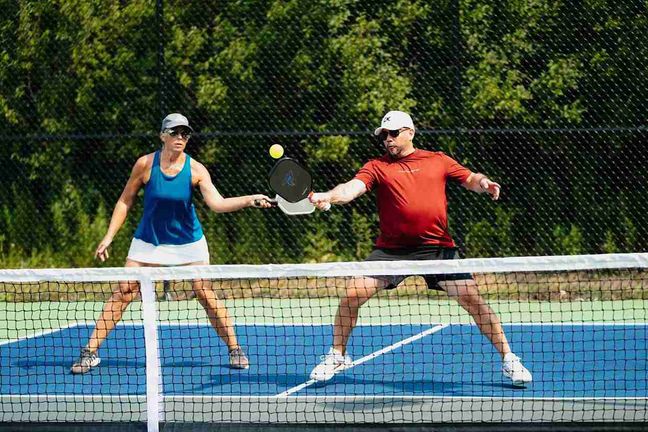
The single biggest pickleball strategy shift you can make right now is to stop tracking the ball exclusively and start reading your opponent's paddle face.
The paddle tells you what the ball is going to do before the ball does it. An open, upward-facing paddle means the ball is coming up.
A closed paddle face means it is coming low and fast.
A paddle pointing crosscourt is almost certainly sending the ball crosscourt.
This is pure anticipation, and it is trainable. You do not need to be born with fast reflexes to use it.
The drill is simple: during a dinking rally, call out loud whether the next ball will be soft or hard before your opponent hits it.
You will be wrong at first. Keep going.
Within a few sessions, you will start seeing the setup before the swing, and that is the foundation of real pickleball IQ.
What Do Your Opponent's Feet Tell You?
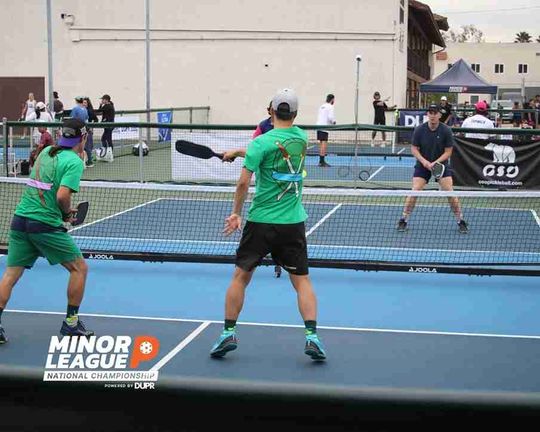
Feet never lie. A player who is balanced, weight forward, and set under their shoulders can hurt you. A player who is lunging, reaching, or leaning back cannot.
Most players at the 4.0 level judge danger by how hard someone can swing. Players at the 6.0 level judge danger by how balanced their opponent is.
Balance reading is pickleball strategy at its most basic, and almost nobody below 5.0 does it.
When you see your opponent stretching or off balance, you should be rising onto your toes and looking to take the next ball high and close to the net.
That is your window.
If you wait for the ball to bounce before you decide what to do, the window is already closing.
This also connects directly to shot selection. An unbalanced opponent can only produce two results: a great reset or an error.
Either way, you are in the driver's seat.
See the Map, Not Just the Players
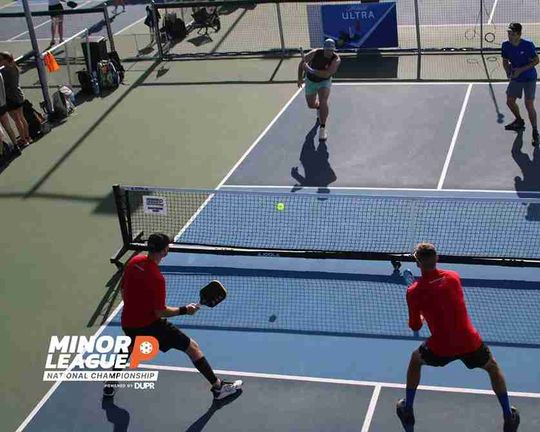
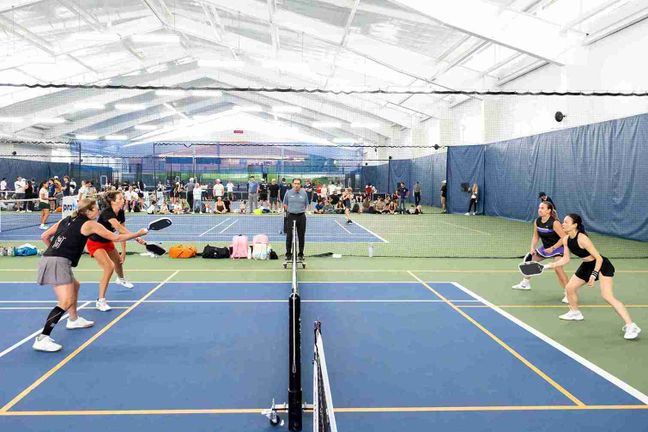
When most players look across the net, they see two opponents. When a 6.0 player looks across the net, they see gaps, holes, and a constantly shifting map.
The map changes based on positioning. If your opponent slides to cover the line, the middle opens.
If they crowd the kitchen line, the lob and baseline become available.
You need to read those shifts in real time and adjust your target accordingly.
Here are the three primary attack targets you should be cycling through:
- The line: forces a directional change and creates angle pressure
- The chicken arm: the area at the hip on the backhand side that most players cannot handle comfortably
- The middle: creates hesitation between partners and often produces weak responses
Never attack into your opponent's strong, comfortable counter. That door should be closed on your map.
Shot selection based on positioning is what separates players who get lucky from players who consistently win points by design.
Too many rec players just attack bodies because it is the easiest target. At the 6.0 level, that is a wasted opportunity almost every time.
 The Dink Media Team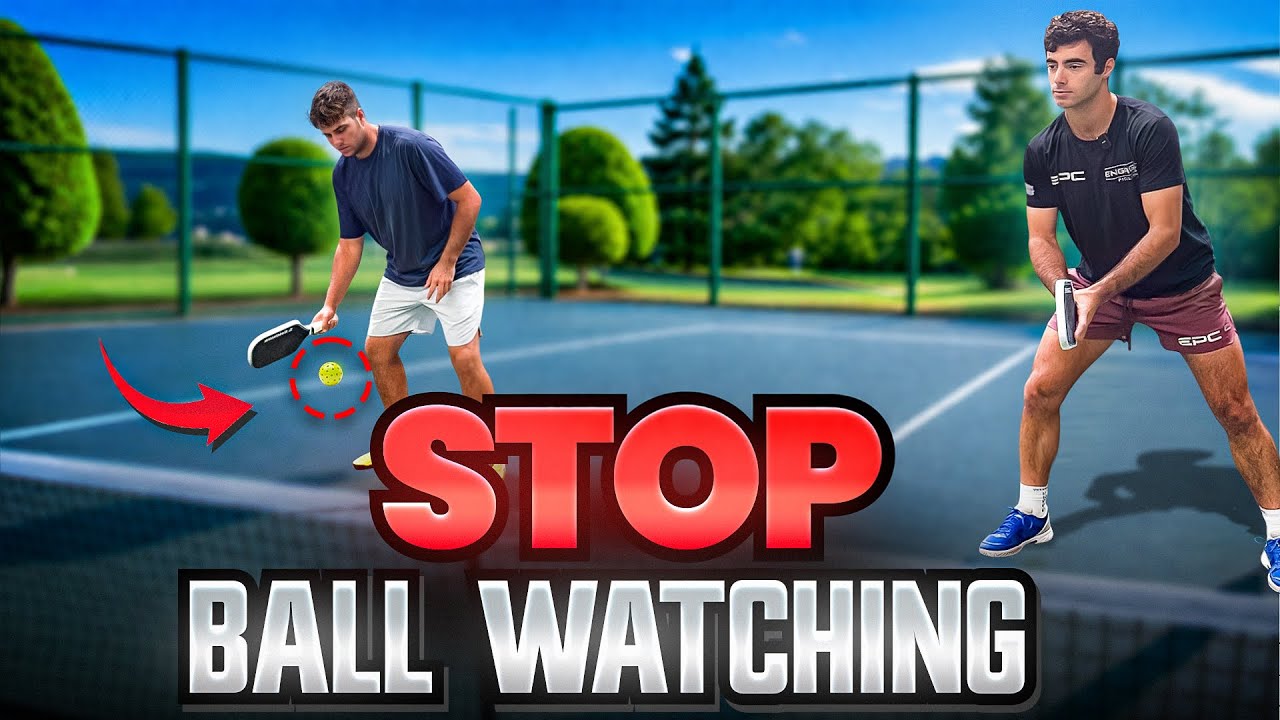
Is That Ball Above or Below the Net?
This single question drives the entire pickleball strategy decision tree for elite players. Above the net means offense. Below the net means defense.
Every shot you hit and every shot you receive should be evaluated through this lens first.
If your opponent is hitting up on the ball, that is your permission to hunt. Get on your toes, look for the attack, and take the ball aggressively.
If your opponent is attacking from above the net, you may need to step back, get into a reset position, and work your way back into an offensive spot.
Here is where bangers make the most costly mistake: they only have one gear. A ball at their shoelaces triggers the same full swing as a ball at chest height.
When you swing hard from your shoelaces, you are hitting up on the ball, and your opponent gets to be on offense. That is a free gift.
This connects directly to reset mechanics. When you pop a ball up by accident, your first job is to get neutral again, not to counter-attack.
Better contact point awareness is one of the fastest ways to improve your decision-making during live points.
 The Dink Media Team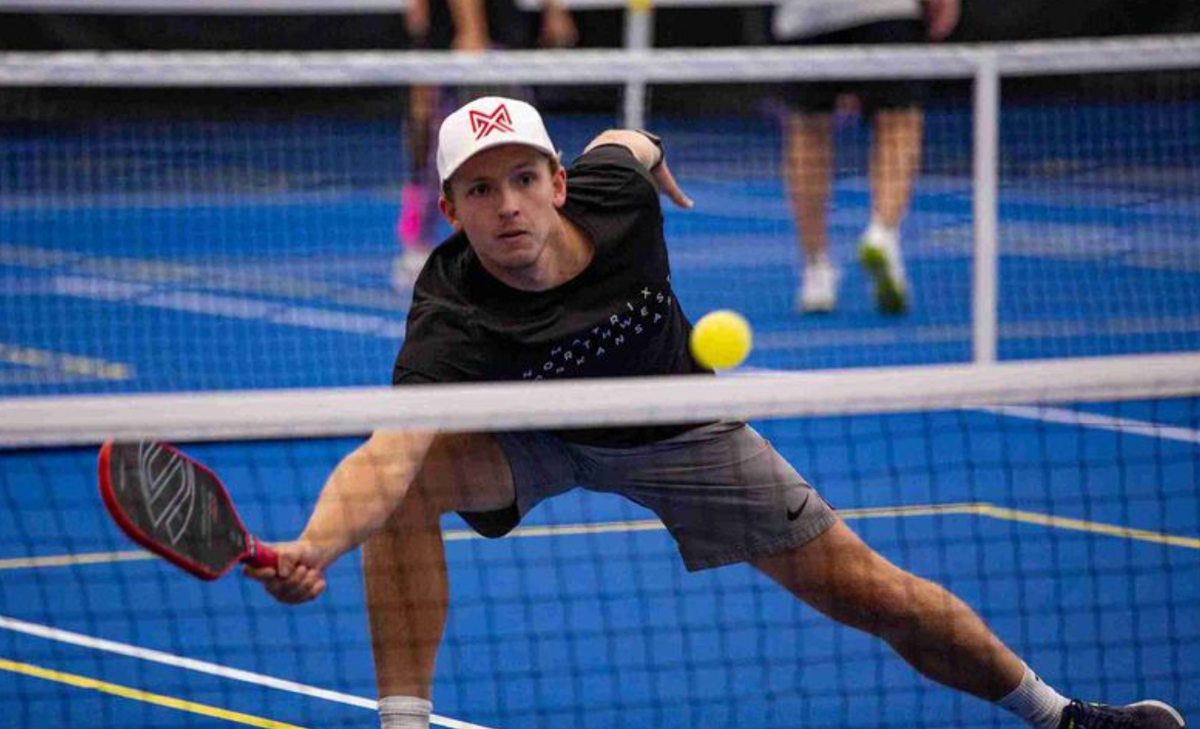
How to Read a Speed Up Before It Happens
This is the tip most coaches skip entirely, and it is the one that will immediately stop you from getting bullied at the kitchen line.
You can read a speed up before it lands on your paddle.
Reading a speed up early is the most underrated pickleball strategy at the kitchen line.
There are three things to watch for:
- Urgency of footwork: Players who are about to speed up get quick and tense. The shift in their body rhythm is visible before they swing.
- Core and forearm tension: A player winding up to speed up will tighten their forearm and engage their core. You can see and feel the coil coming.
- The big takeback: When a paddle goes far behind the body, it is almost impossible to produce a soft dink from that position. A big takeback means a fast ball is coming.
Once you know the speed up is coming, you can start to read where it is going. Watch their paddle tip, their chest, and their feet.
All three are pointing toward the target before they swing.
At the pro level, players even read their opponent's eyes during dinking exchanges. A look toward the middle often means the speed up is going middle.
You are not there yet, but the paddle tip and chest are available to everyone right now, today.
The key mindset shift: be ready for the counter before the speed up arrives.
If you are set for a counter and they hit a dink instead, you can still go down and get it.
But if you are set for a dink and they fire at your chest, you will give up a pop-up almost every time.
 The Dink Media Team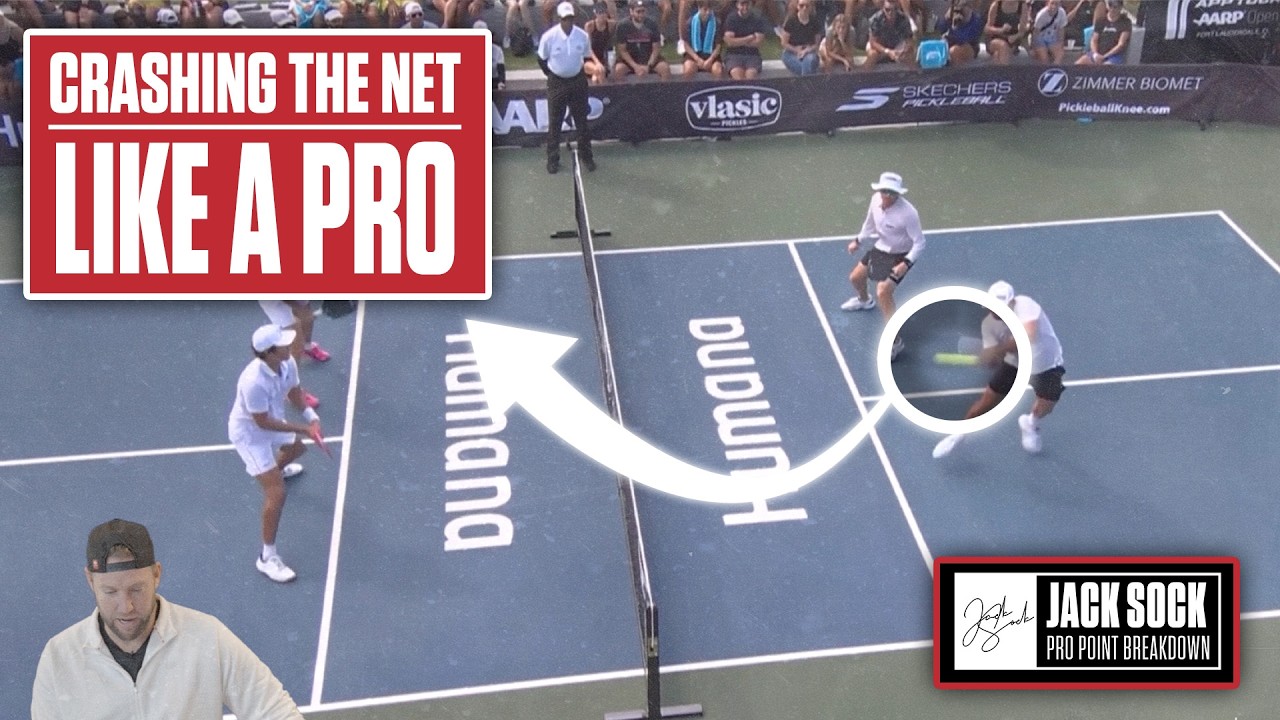
How to Actually Practice These Cues
Do not try to work on all five of these at once. That is the fastest way to get overwhelmed and revert to old habits during a real game.
Pick one. Go to the court with one specific question running through your head.
Here is a simple progression to follow:
- Week 1: Call out soft or hard before every dink your partner hits. Focus only on paddle face.
- Week 2: Watch your opponent's feet exclusively and identify when they go off balance. Practice capitalizing on those moments immediately.
- Week 3: Start mapping the court during dinking rallies. Identify gaps before you attack instead of reacting after.
- Week 4: Focus on contact height. Ask yourself after every rally whether your opponent was hitting up or down on the ball.
- Week 5: Watch for the three speed up cues in every dinking exchange and practice getting your paddle up early.
This is how the game actually slows down. Not from drilling harder, but from knowing what to look for before the ball is even struck.
If you want to build these habits faster, structured progressive drilling will accelerate the process significantly.
Combine that with purposeful dink drilling that forces you to read and respond rather than just rally, and your reads will sharpen faster than you expect.
The summary is straightforward: watch the paddle face, not the ball. Read the feet, not the swing. See the gaps, not the players.
Judge by contact height, not pace. And anticipate the decision, not the speed up itself.
Frequently Asked Questions
What is the biggest difference between a 4.0 and 6.0 DUPR pickleball player?
The biggest difference is pickleball IQ, specifically what each player is reading during a rally. A 4.0 player reacts to the ball after it is hit, while a 6.0 player is already anticipating based on paddle face, feet, and body tension before contact happens.
How do I read a speed up in pickleball before it happens?
Watch for three cues: urgency in your opponent's footwork, visible tension in their forearm and core, and a big takeback on their paddle. When you see all three, get your paddle up and prepare to counter before the ball arrives.
What does pickleball IQ actually mean?
Pickleball IQ refers to your ability to read the game beyond just the ball itself, including your opponent's paddle position, body balance, movement patterns, and contact height. Higher IQ players anticipate what is coming and are already in position before most players react.
Where should I attack during a pickleball dinking rally?
The three best attack targets are the line, the chicken arm (the hip area on your opponent's backhand side), and the middle. Never attack into your opponent's strong, comfortable counter shot.
How can I practice anticipating where the ball will go in pickleball?
During a dinking drill, call out loud whether you expect the next ball to be soft or hard based on your opponent's paddle face before they hit it. This trains your eyes to read setup cues instead of waiting to react, and it translates directly into real game anticipation within a few sessions.
Love Pickleball? Join 100k+ readers for free weekly tips, news & gear deals.
Subscribe to The Dink