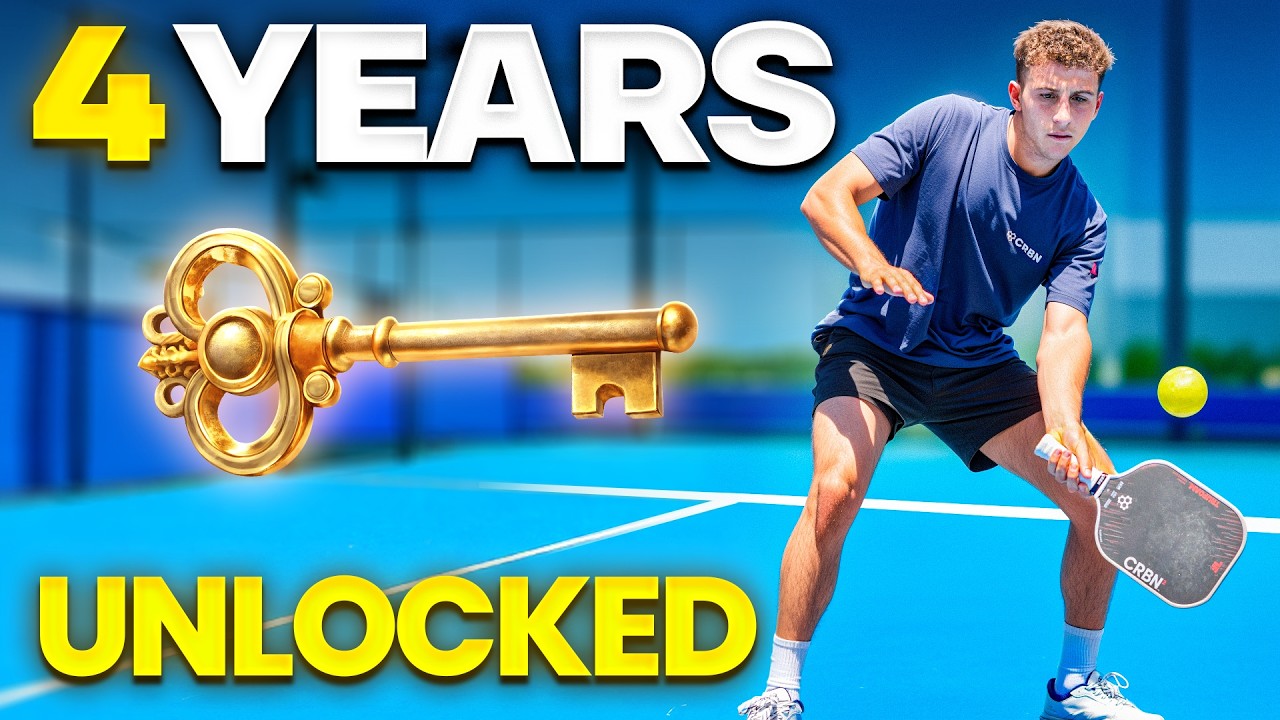
These seven pickleball tips come from four years of professional play and a 6.0 DUPR rating. If your game has plateaued, this is where to start.
Most pickleball tips you hear are vague.
"Stay low." "Be patient." "Hit to the middle." They sound right, but they don't actually change how you play.
These seven tips are different.
They come from tanner.pickleball on YouTube, a 6.0 DUPR rated professional who moved to Florida to play full time and has spent four years figuring out exactly what separates players who improve from players who stall.
If you want specifics you can take straight to the court, keep reading.
Love pickleball? Then you'll love our free newsletter. We send the latest news, tips, and highlights for free each week.
Tip 1: The Real Currency in Pickleball Is Time
This one concept changes how you think about every single shot you hit.
In pickleball, time is the currency. You want to take time away from your opponent and buy as much of it as possible for yourself.
That is how you move people around and stay set and stable while doing it.
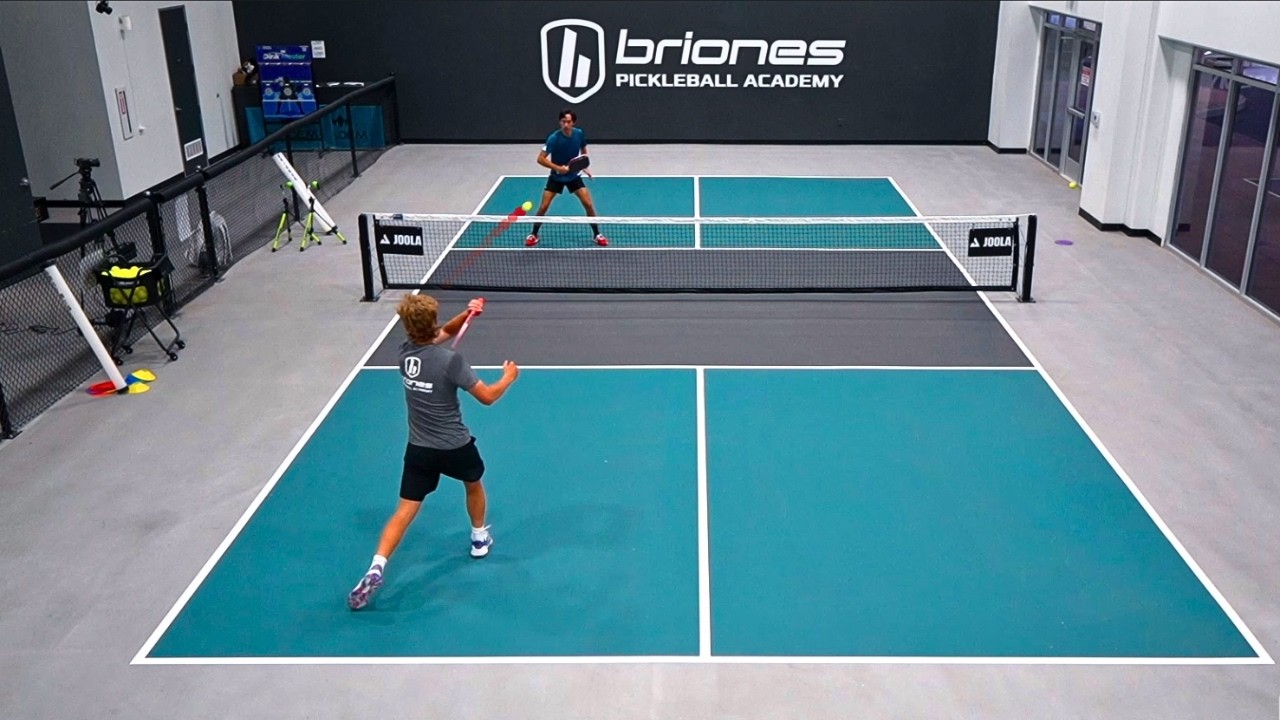
The practical application is taking balls out of the air at the kitchen line instead of letting them bounce.
When you volley early, your opponent barely has time to reset before the next ball is coming.
You are essentially controlling the pace of the entire rally.
To do this cleanly, you need a wide, stable base and you need to contact the ball out in front. Think of pushing through the ball with your shoulder, not your wrist.
Your wrist stays locked.
The backhand is your best friend here because it covers more of the court without getting jammed.
Check out this breakdown of how to short hop at the net like a pro if you want to build this skill fast.
Tip 2: How Do You Actually Dodge Out Balls?
Most players try to dodge out balls as they are flying toward them. That is too late.
You cannot react fast enough at that speed.
The real solution has two parts. First, your ready position needs to match your location on the court.
At the kitchen line, your paddle should be up near your nose.
As you move back through the transition zone toward the baseline, your paddle should drop progressively lower.
If you are standing mid court with your paddle up high, you are a bigger target and far more likely to swing at a ball that was always going out.
Second, stop trying to react and start reading pre-shot cues. A big backswing from your opponent before a speed up is information.
If you are watching for it, you can dodge before the ball even leaves their paddle.
Trying to react to the ball itself is always going to be too slow.
This mindset shift is one of the fastest ways to stop gifting free points to opponents.
Tip 3: Your Serve Is Missing Power for One Simple Reason
Almost every recreational player generates serve power from their arm alone. That is the problem.
A powerful pickleball serve comes from three things working together:
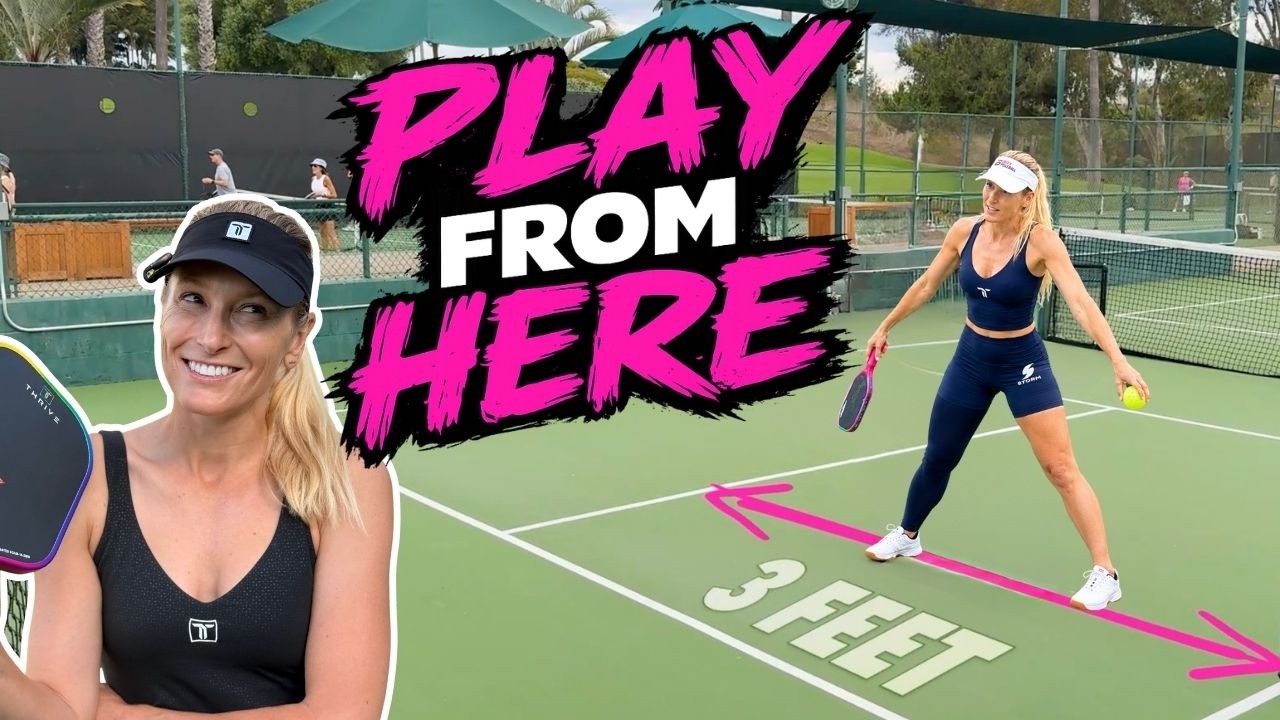
- Hip and shoulder rotation facing the court, not away from it. If your hips open away from the court at setup, you cut off your entire kinetic chain before the rally even starts.
- Back leg explosion. The power on a serve comes from pushing off that back leg. Without it, you are only using your upper body.
- Optimal contact point. Let your arm hang naturally at your side, bend your knees, and reach forward. That extended position is where you make contact.
Too close to your body or too far back gives you what pros call "dinosaur arms," and you lose all leverage.
If your serve is a liability, start with your feet. The arm fixes itself once the lower body is working.
For a full breakdown, see these six fixes for your serve and return.
 The Dink Media Team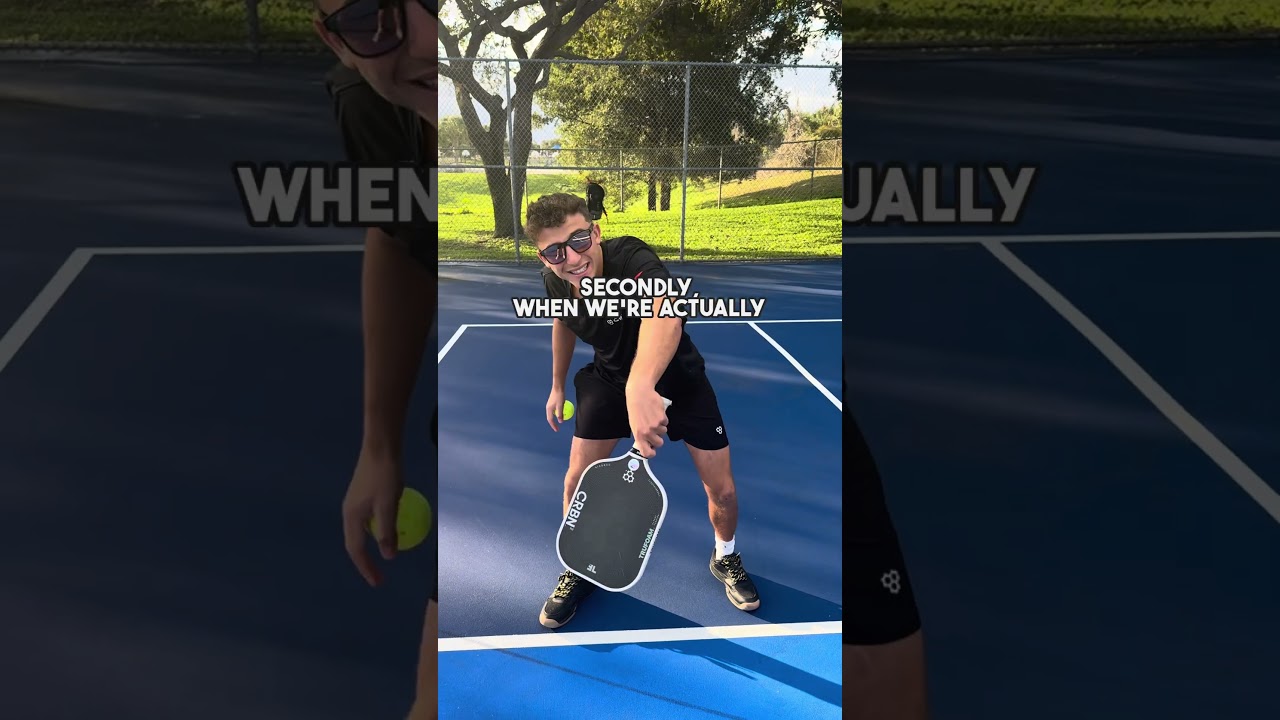
Tip 4: What Do You Do After a Third Shot Drop Goes Wide?
This situation comes up in almost every point, and most players handle it completely wrong.
You hit your third shot drop crosscourt. Your opponent returns it back out wide to your side.
The instinct is to rip a sharp crosscourt winner.
That instinct is wrong.
When you are out of position and under pressure, your only job is to neutralize the rally. That means hitting soft to the middle or soft to the player in front of you.
You are not trying to win the point right there.
You are trying to survive it and get back to a 50/50 situation.
Trying to go from losing to winning in one shot is one of the most common mistakes at every level below 5.0.
 The Dink Media Team
Tip 5: When Should You Change Direction in a Dink Battle?
Change direction when you are behind in the rally, not when you are neutral or ahead.
Here is the pickleball IQ you need to understand this. A dink rally usually starts at 50/50.
As you get pulled out of position, pushed wide, or forced into an awkward contact point, you slip behind.
That is the moment to redirect the ball, because continuing the existing pattern keeps you losing.
The mistake most players make is waiting until they are badly out of position and then trying to rip a crosscourt winner.
That just speeds the ball up at the worst possible time from the worst possible position.
Change direction to get back to neutral. Then build from there.
Understanding how rally structure works will help you recognize these moments faster.
 The Dink Media Team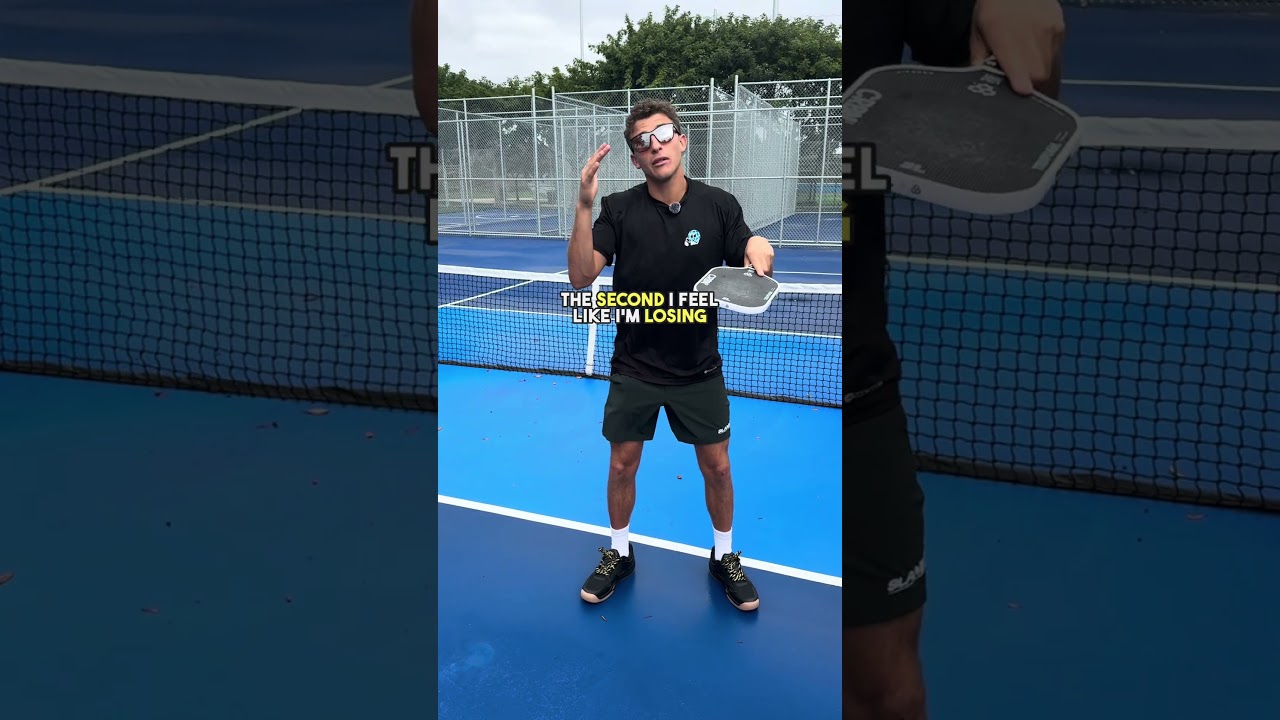
Tip 6: Where Should You Actually Aim Third Shot Drops?
Most players aim for the corners. That is the wrong target.
Here is why corners fail. If your opponent is positioned straight ahead and you aim for their corner, they have full reach to cut it off before it bounces.
If you go sharp to the opposite corner, the margin is tiny and you hand them massive angles to work with off the return.
The correct target is toward the middle of the court, slightly diagonal from wherever you are standing. Think of aiming over a center marker.
This approach gives you:
- The largest margin for error over the net
- The flattest angle, so the ball stays low through the bounce
- No sharp angles for your opponent to attack with after the drop lands
This one targeting adjustment makes your third shot drops immediately more consistent.
If you want to go deeper on placement and technique, read about three third shot drop fixes for perfect placement.
It also pairs well with understanding when to drop versus drive using the three zone system.
 The Dink Media Team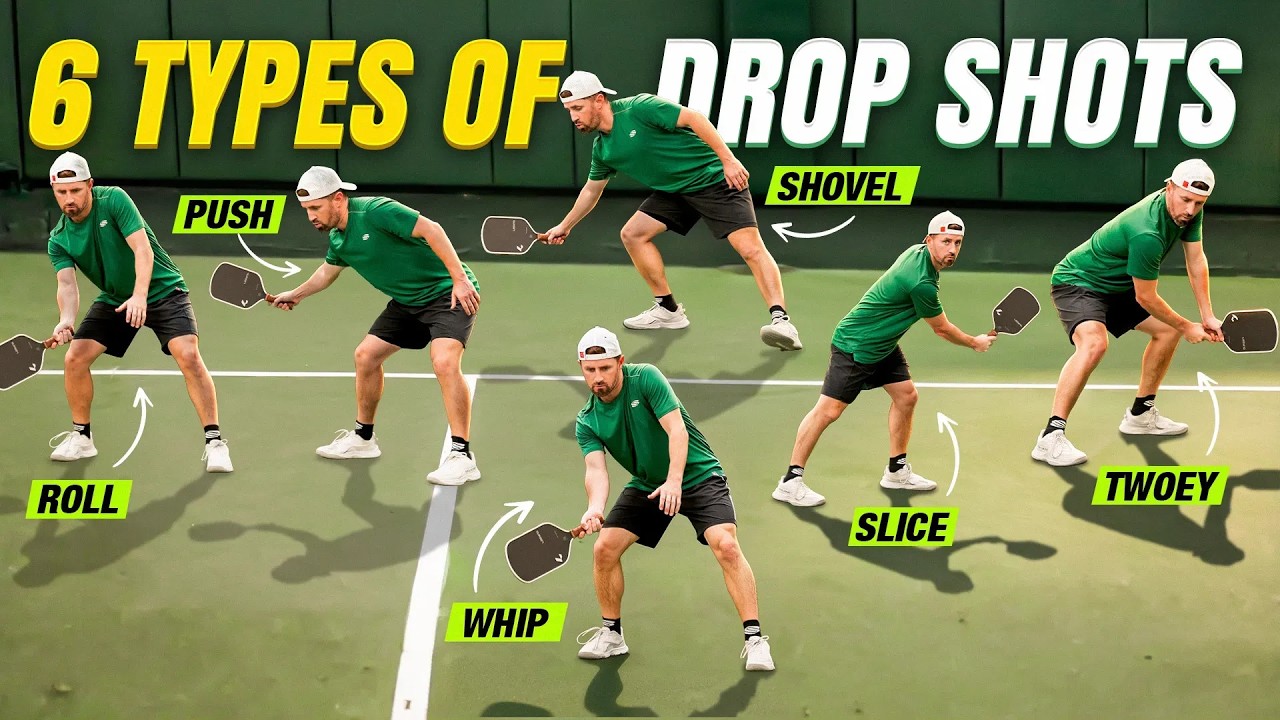
Tip 7: How Do You Add Deception to Your Dink Game?
This is the most advanced concept on the list, and it is also the most fun to use once you have it.
Most players are in a rush to hit their dink back. They reach, make contact, and immediately push it over.
Your opponent reads this in real time and is already preparing their next shot before yours even crosses the net.
The fix is called holding the dink. Instead of rushing the moment you reach the ball, you pause behind it for a split second. That pause freezes your opponent.
They do not know if you are about to dink softly or drive it hard. They cannot pre-load a response.
From that same held position, you can:
- Roll a soft dink crosscourt
- Speed up aggressively at their body or shoulder
- Redirect to a different zone entirely
The deception comes from the identical setup for completely different shots.
When your opponent cannot read your intention, they are always a half step late to respond.
This works especially well when combined with clean forehand dink mechanics.
And if you want to understand why your speed ups keep getting read and attacked, this breakdown on disguising speed ups is essential reading.
Players like Anna Leigh Waters use this kind of deception constantly at the kitchen line.
The setup looks identical on every ball, which is exactly why opponents struggle to read her until it is too late.
You do not need to be a pro to use it. You just need to slow down your first instinct to immediately push the ball back and give yourself that extra half second to hold.
For more on how deception and dink patterns combine at the highest level, see how decoding Anna Leigh's rhythm can change your game.
These seven concepts build on each other. Time at the net leads to better dink control. Better dink control creates opportunities for deception.
And cleaner serve mechanics put you in better positions to execute all of it. Start with whichever one addresses your most obvious gap and work from there.
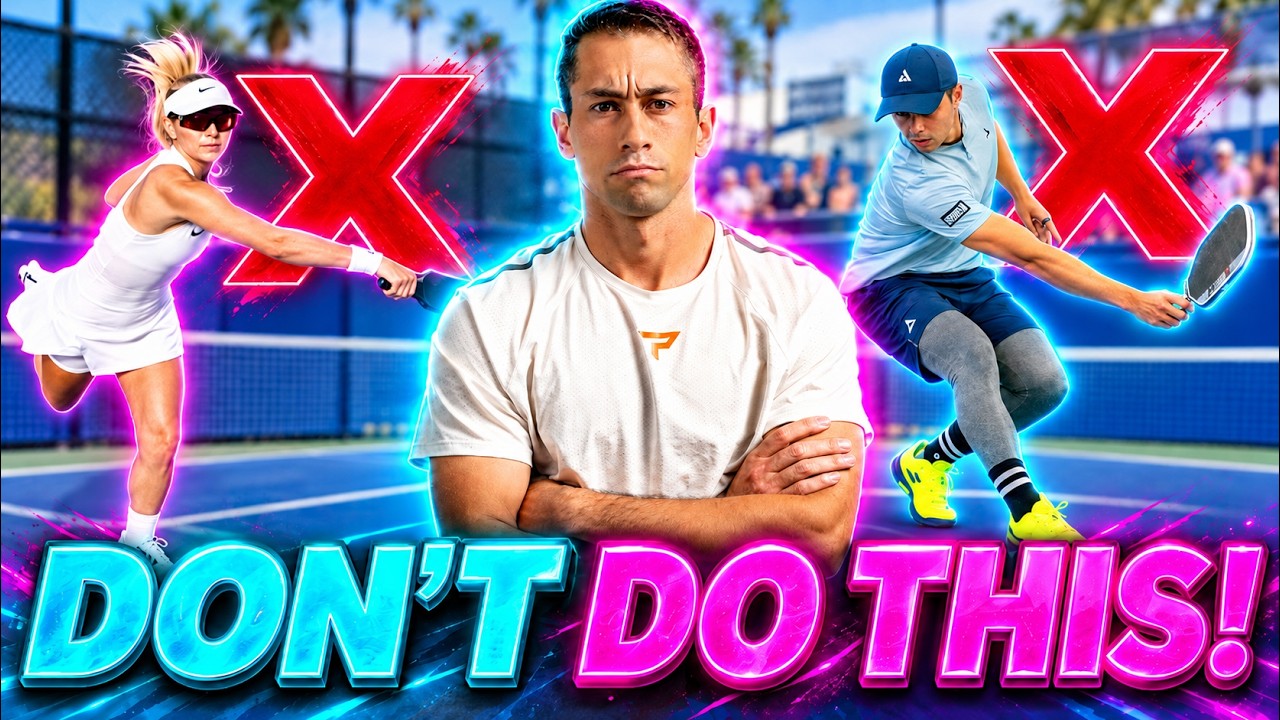
If you want more from Tanner, check out his breakdown of three pickleball shots you should never hit.
Frequently Asked Questions
What does "time as currency" mean in pickleball?
Taking time away from your opponent means they have less time to set up their next shot. You do this by volleying balls out of the air at the kitchen line rather than letting them bounce, which forces your opponent to react before they are ready.
How do you avoid hitting out balls at the kitchen line?
Lower your paddle as you step back from the kitchen line so you become a smaller target and are less likely to swing at balls that are already going out. At the kitchen line, watch your opponent's backswing as a pre-shot cue instead of waiting to react to the ball itself.
Where should a third shot drop land in pickleball?
Aim diagonally toward the middle of the court rather than the corners. The middle target gives you more net clearance margin and removes the sharp angles your opponent could use to attack after the ball bounces.
What is holding the dink and why does it work?
Holding the dink means pausing your paddle behind the ball for a split second before you make contact, instead of rushing the stroke. This brief pause makes it impossible for your opponent to read whether you are going to dink softly or speed up aggressively, which forces them to wait and puts them a step behind on their response.
How do you generate more power on a pickleball serve?
Face your hips and shoulders toward the court at setup, push off your back leg as you swing, and make contact at the natural extension of your arm in front of your body. Most players only use their arm and lose all the power that comes from lower body rotation.

Love Pickleball? Join 100k+ readers for free weekly tips, news & gear deals.
Subscribe to The Dink