
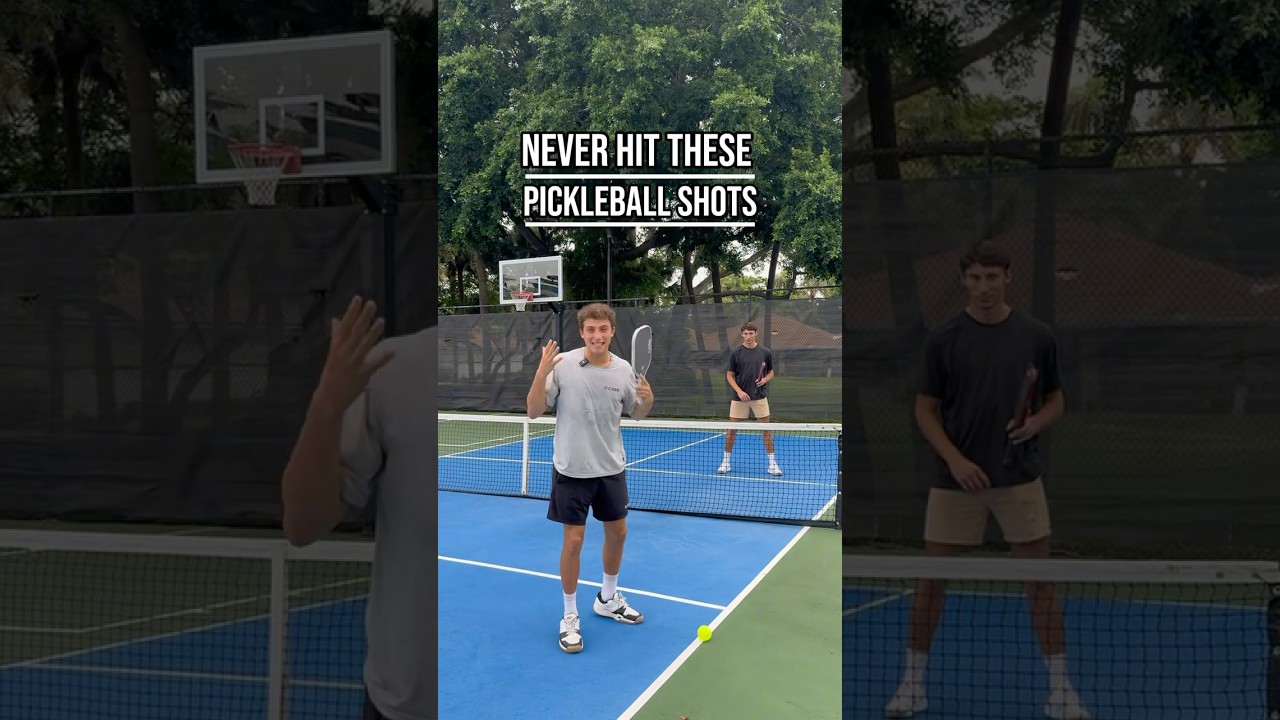
3 Pickleball Shots You Should Never Hit (And What to Do Instead)
Three pickleball shots are quietly killing your game every time you step on the court. Cut them out and replace them with better mechanics starting today.
Some pickleball shots feel natural in the moment but are actually working against you every single rally.
If you have been playing for a while and wonder why certain situations keep going wrong, these three shots are likely the culprit.
Cutting bad habits starts with knowing exactly which shots to avoid and why.
This breakdown covers the three worst pickleball shots you can hit, plus the specific fixes that replace them with something that actually works.
These tips come straight from tanner.pickleball on YouTube, and they are sharp, direct, and worth your full attention.
Love pickleball? Then you'll love our free newsletter. We send the latest news, tips, and highlights for free each week.
Why These Three Shots Keep Hurting You
Bad habits are stubborn because they feel comfortable.
You repeat the same mechanics over and over, and each time it goes wrong, you assume the problem was timing or footwork instead of the shot itself.
These three shots are not just suboptimal. Every pickleball shot below is actively handing your opponents easy opportunities.
Once you understand why each one fails, the fix becomes obvious.
Shot 1: The Bounce Serve
Stop hitting the bounce serve. It is the single fastest way to drain power from your pickleball serve before the rally even starts, according to Tomassi.
When you bounce the ball and let it rise before contact, you are working against yourself.
The ball is already losing energy on its way back up, and your body has no good position to generate force into the shot.
No matter what, a bounce serve means you're contacting the ball lower than if you used a volley serve.
The result is a flat, slow serve that sits up and begs to be attacked.
Your opponent gets a clean, comfortable return, and you are immediately on defense before you have done anything wrong tactically.
What should you do instead of the bounce serve?
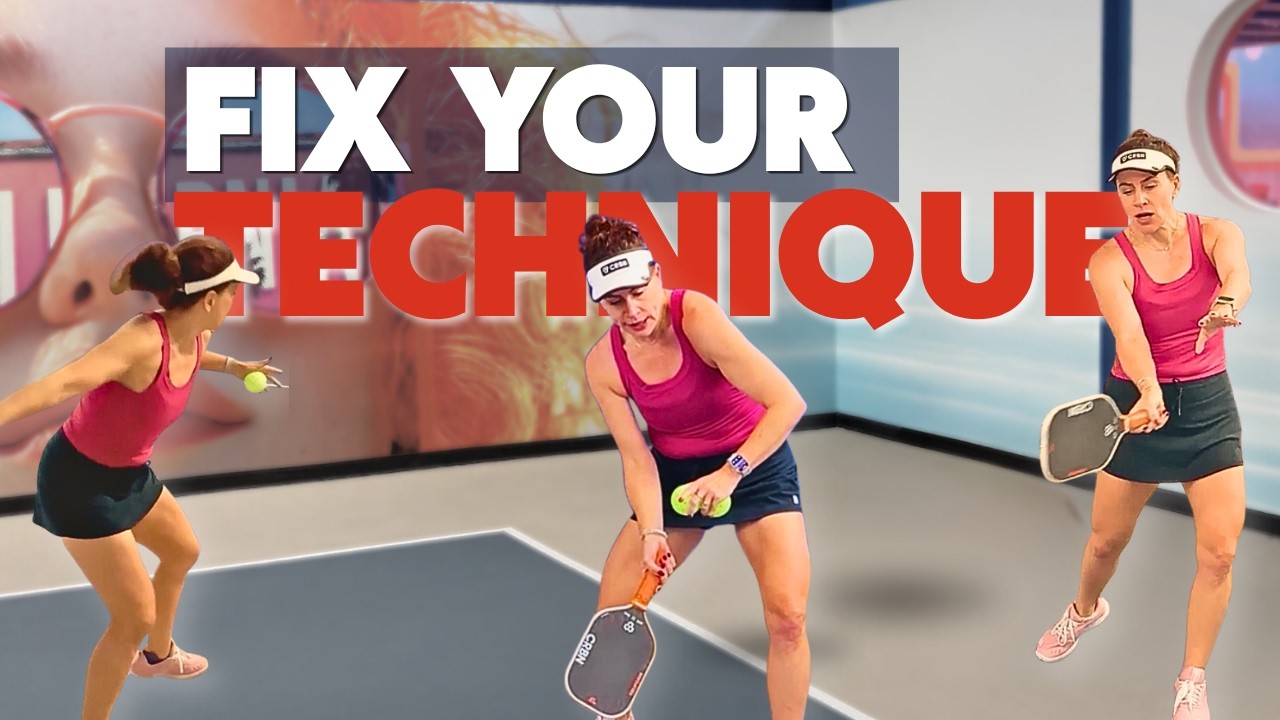
Drop the ball directly from your hand and make contact while it is still in that ideal strike zone.
This one change gives you the ability to use your back leg for momentum, which is where real serve power comes from.
Think about it this way: when you drop and drive, your body can rotate fully into the ball.
Your back leg pushes off, your hips open, and the paddle accelerates through a clean path.
That sequence is impossible with a bounce serve.
Here are the key mechanics for a proper drop serve:
- Hold the ball at waist height or above and release it cleanly without adding spin or force on the drop
- Load your weight onto your back foot as the ball drops
- Drive forward through contact, letting your back leg push your momentum into the shot
- Keep the contact point in front of your body so you are hitting through the ball, not under it
If you want more depth and power on your serve right away, this change is the fastest path there.
For a deeper look at fixing your pickleball serve for power and depth, that breakdown will reinforce everything here.
 The Dink Media Team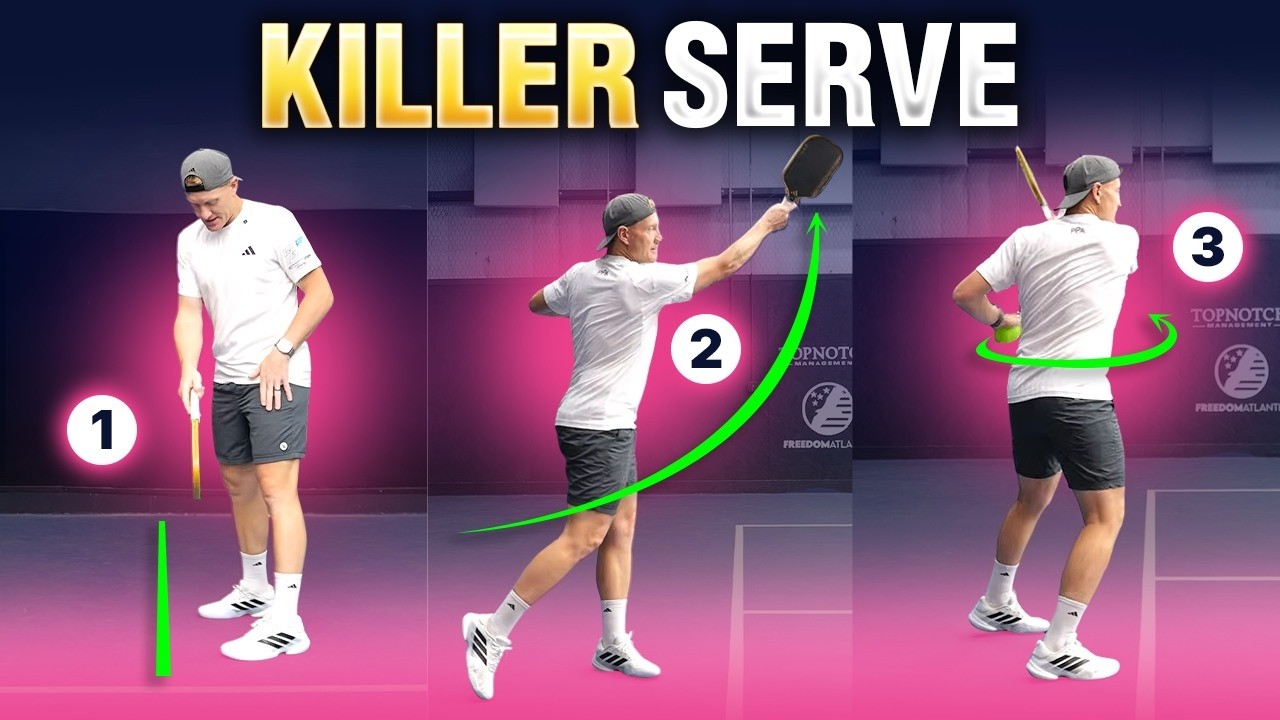
Shot 2: The Drop Volley
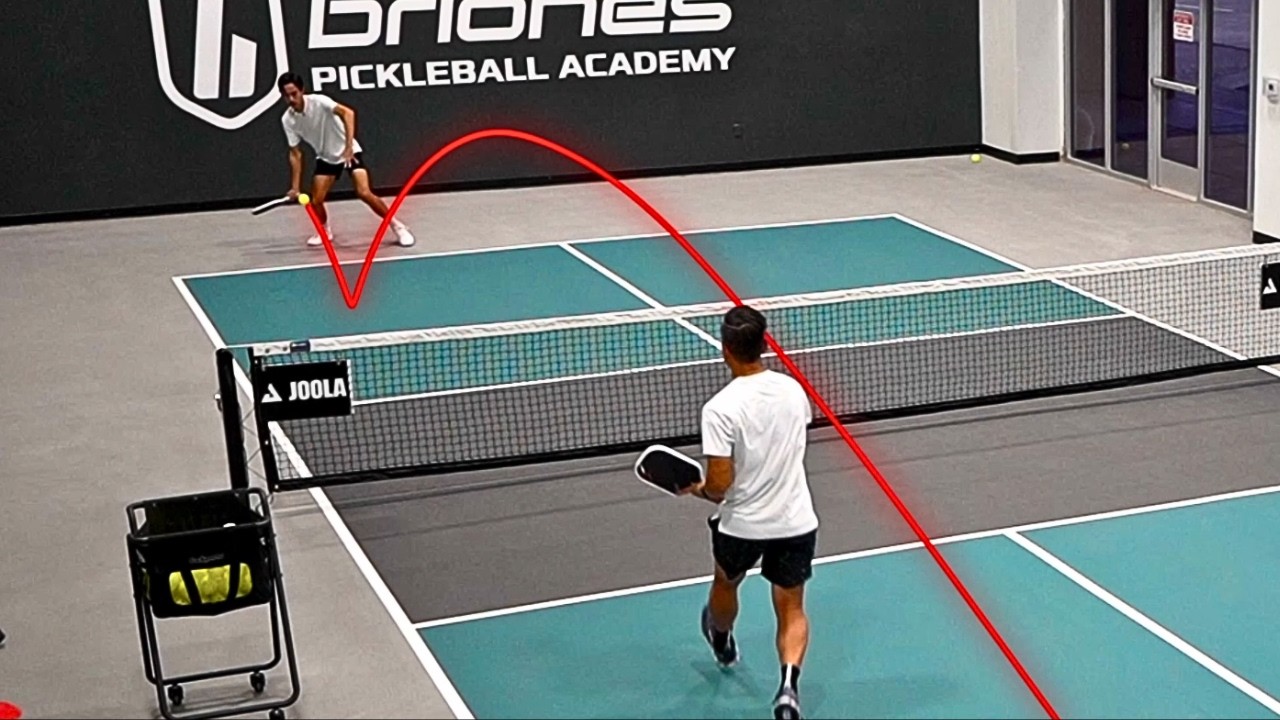
The drop volley sounds clever in theory. You catch the ball softly at the net and let it die in the kitchen.
In practice, it is one of the worst choices you can make from the non-volley zone line.
When you hit a drop volley, you are essentially giving your opponents a free, comfortable ride straight to the kitchen.
The ball sits up just enough for them to move in under control, and now they are right beside you at the line with all the time in the world.
You wanted a reset. What you got was an invitation.
Why does the drop volley fail so consistently?
The drop volley requires near-perfect touch to work, and even when it lands in the kitchen, it often gives the opponent enough time to sprint forward and attack.
You are rewarding movement instead of creating pressure.
A better approach is to keep the ball low and angled, not dead. Instead of trying to stop the ball, redirect it with purpose.
A sharp crosscourt dink or a well-placed reset that keeps your opponents back is far more effective than a drop volley that invites them in.
Understanding how to stop hitting pop-up dinks is directly connected to this problem.
The instinct behind the drop volley and the pop-up dink often comes from the same place: trying to be too cute with the ball instead of keeping it simple and controlled.
If you are at the kitchen line and need to reset a hard shot, here is a better framework:
- Soften your grip pressure slightly before contact to absorb pace
- Keep the paddle face slightly open and push through the ball low
- Aim for a low, unattackable trajectory that lands near your opponent's feet, not short in the kitchen
- Stay balanced and ready at the line rather than leaning in to watch the drop volley land
Players who work on their dink, drop, and reset mechanics all at once tend to see the fastest improvement in this area.
These shots are connected, and fixing the reset naturally eliminates the temptation to go for the drop volley.
 The Dink Media Team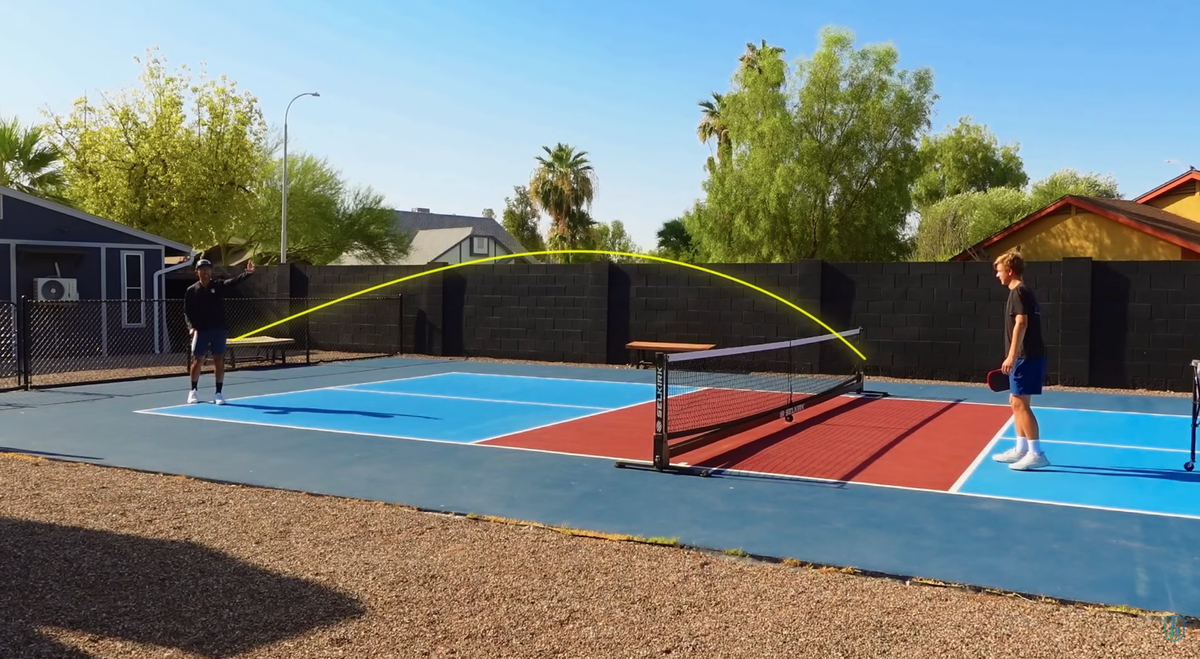
Shot 3: The One-Handed Backhand Speed Up Off the Bounce
This is the pickleball shot that quietly costs intermediate players the most points.
The one-handed backhand speed up off the bounce feels like an attack, but it is almost always a gift to the other team.
Here is why. When you attack off the bounce with one hand on the backhand side, your control window is tiny.
The contact point is inconsistent, your wrist does too much of the work, and the paddle face angles are nearly impossible to repeat under pressure.
The result is a shot that either pops up and gets crushed back at you, or goes wide and long. Your opponent does not even have to do much.
You beat yourself.
What makes the two-handed backhand a better pickleball shot?
Adding your second hand to the backhand changes everything about control and consistency.
Two hands on the paddle means two contact points stabilizing the face through the swing, and that means you can actually commit to the speed up instead of guessing at the angle.
The two-handed backhand speed up also lets you generate topspin more efficiently. You are not relying on wrist snap alone.
The non-dominant hand pulls through and creates a cleaner, more repeatable stroke that stays low over the net and accelerates into the opponent's body or hip.
For anyone who wants to master this shot at the highest level, Parris Todd's five keys to the two-handed backhand counter are worth studying carefully.
She is one of the best at this shot in the pro game, and her mechanics translate directly to recreational play.
Here are the adjustments to make right now:
- Place your non-dominant hand on the paddle grip below your dominant hand before you initiate the swing
- Keep both hands relaxed until just before contact, then firm up through the strike zone
- Drive through the ball with your non-dominant hand pulling the paddle forward, not just guiding it
- Aim for your opponent's hip or shoulder, not a corner, until this shot becomes automatic
The two-handed backhand roll is another variation worth adding once the basic mechanics are locked in.
It gives you a higher percentage shot that still generates real pace and spin.
 The Dink Media Team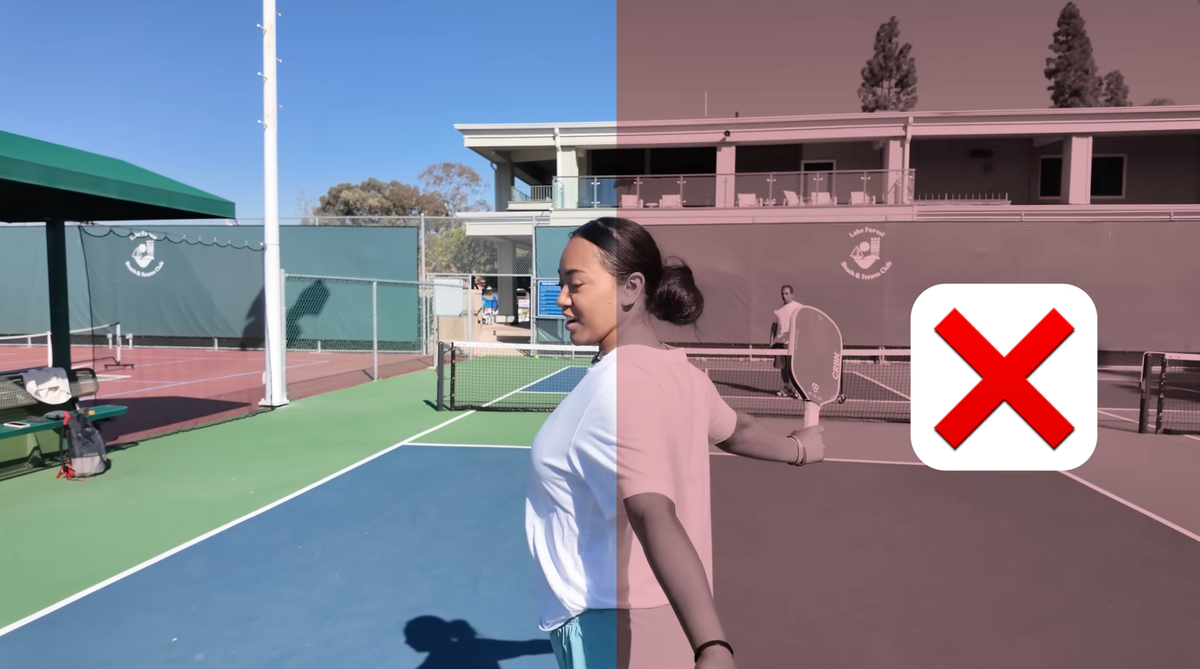
How These Three Fixes Connect
Each pickleball shot on this list shares a common thread: they all feel like they should work, and they all fail for the same underlying reason.
They sacrifice mechanical advantage in exchange for a shortcut that does not pay off.
The bounce serve skips the momentum your back leg can provide. The drop volley skips the pressure that a well-placed low ball creates.
The one-handed backhand speed up skips the control that a second hand brings.
Once you cut all three, you will notice something interesting.
Your opponents will start to feel like they are under more pressure, even when you are not doing anything dramatically different.
That is because you are no longer giving away free advantages on a regular basis.
Cleaning up your pickleball shot selection is one of the clearest signs you are ready to move up a skill level. It is not always about adding new shots.
Sometimes it is about removing the ones that are quietly costing you.
If you want to sharpen your overall game alongside these fixes, the work on 6 bad pickleball habits one pro lesson fixed fast pairs well with everything covered here.
Bad habits cluster together, and fixing one often accelerates the others.
Keep working on your pickleball serve and return mechanics alongside these changes, and do not underestimate how much your shot selection shapes the overall tone of a match.
Players who eliminate these three shots tend to win more rallies without even realizing why at first.
The game gets simpler, cleaner, and a lot less frustrating when you stop fighting your own mechanics.
If these fixes resonate, also spend some time with the three most common pickleball volley mistakes and how to correct them.
The pattern is the same: small mechanical errors with outsized consequences on the scoreboard.
Take these three changes to your next session and notice how much cleaner each rally feels from the very first point.
Frequently Asked Questions
Why is the bounce serve bad in pickleball?
The bounce serve is bad because it removes your ability to use your back leg for power, resulting in a weak, flat serve. When the ball bounces and rises, you are contacting it at a point where your body cannot load and drive properly. A drop from the hand keeps the contact point in your control and lets you generate real momentum.
What is a drop volley in pickleball and why should I avoid it?
A drop volley is when you soften a volley at the net so the ball barely clears and dies in the kitchen. The problem is it gives opponents a free path forward to the kitchen line, which puts them in an ideal position to attack. A low, redirected dink or a reset aimed at their feet creates far more pressure.
Why is the one-handed backhand speed up so hard to control?
The one-handed backhand speed up off the bounce relies almost entirely on wrist and forearm control, which is inconsistent under match pressure. The contact window is small and the paddle face is hard to stabilize through the swing. Adding a second hand to the grip solves both problems and gives you a repeatable, controlled attack.
How do I build a better two-handed backhand speed up?
Start by placing your non-dominant hand below your dominant hand on the grip before you begin the swing. Focus on the non-dominant hand doing real work through contact, not just riding along passively. Aim for your opponent's hip or elbow at first to build accuracy before you start going for the lines.
What are the most common pickleball shots beginners should fix first?
The bounce serve, the drop volley, and the one-handed backhand speed up are three of the most damaging shots at the beginner and intermediate level because they feel reasonable but consistently backfire. Fixing shot selection early saves you from building habits that become harder to break as your game develops. Start with the serve mechanics since that affects every single rally you play.
Love Pickleball? Join 100k+ readers for free weekly tips, news & gear deals.
Subscribe to The Dink