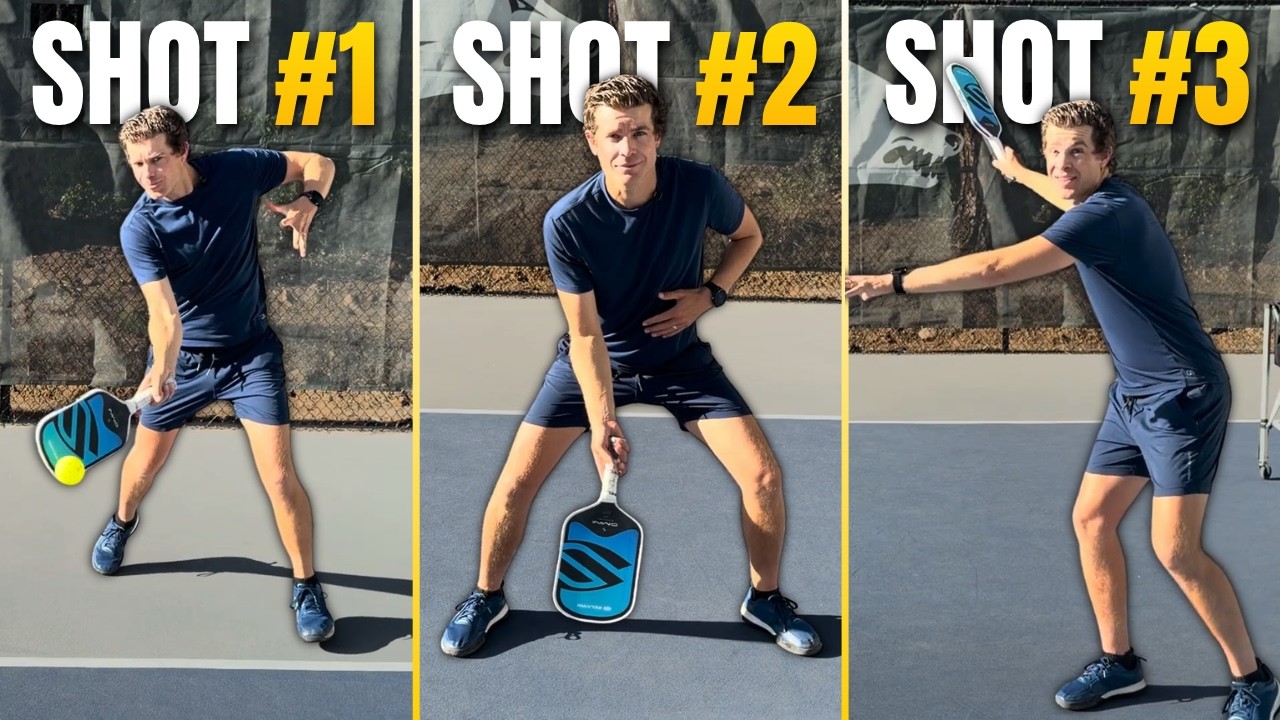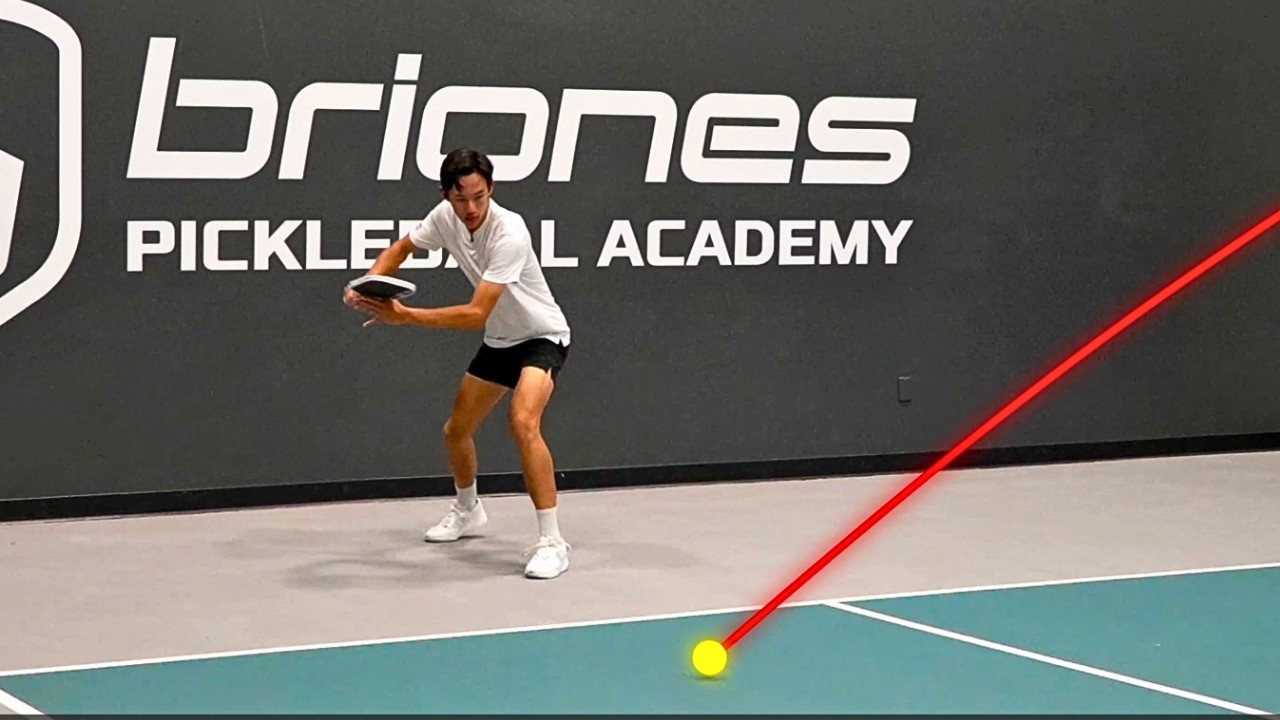
The third shot drive into a fifth shot drop is one of the most efficient patterns in pickleball. Learn exactly how to use it to reach the kitchen line faster and more consistently.
If the third shot drive is already in your game but you keep ending up stuck in no man's land, you are probably missing the second half of the equation.
Most players treat the third shot as a single decision: drop or drive.
The smarter play is to treat it as the first step in a two-shot sequence that gets you to the kitchen line with far less risk.
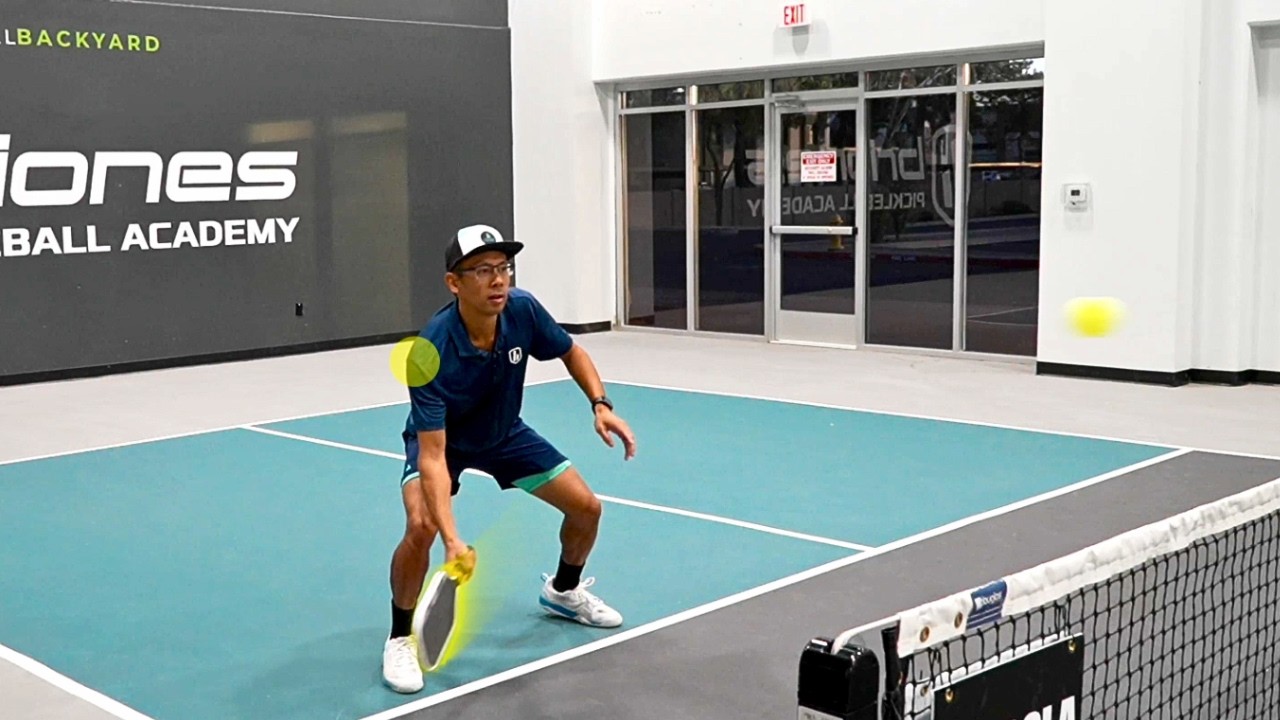
This breakdown comes from More Briones Pickleball on YouTube, where the third shot drive into fifth shot drop combo is broken down as one of the most practical patterns a recreational player can add to their game today.
Love pickleball? Then you'll love our free newsletter. We send the latest news, tips, and highlights for free each week.
Why the Third Shot Drop Alone Is Not Always the Answer
The third shot drop is one of the most taught shots in pickleball.
But here is what most coaches do not tell you: the depth of the return of serve often makes a quality drop nearly impossible to execute.
When your opponent hits a deep return, you are pushed back behind the baseline.
From there, a soft drop that clears the net and dies in the kitchen is a high-difficulty shot under pressure.
Forcing a drop from that position usually ends one of two ways. You either pop it up and hand your opponent a put-away, or you dump it into the net.
That is exactly the problem the third shot drive solves. It lets you use a lower-difficulty shot to manufacture a better situation for the higher-difficulty shot you actually need.
Understanding why you lose points after you serve often comes down to this one mistake.
Players attempt a drop when a drive would have set up a much easier look on the next ball, a habit covered in this look at what to focus on below 4.0.
What Makes This Combo So Effective?
The reason this pattern works is simple: it forces your opponents to volley, and volleys tend to land shorter than groundstrokes.
When you drive the third shot, the players at the kitchen line have to react fast.
They punch the ball back, and that volley typically lands in the mid-court rather than deep in your court.
That shorter ball is exactly what you want.
Now you can step in, take a controlled swing, and hit a fifth shot drop from a comfortable position instead of a desperate one.
Think about the geometry.
A ball at your feet near the baseline forces you to hit up with almost no margin, while a ball in the transition zone gives you a flatter, safer trajectory to work with.
How Do You Actually Hit the Third Shot Drive in This Pattern?
The drive in this combo has one specific purpose: force a volley.
You are not trying to blow the ball past your opponent. You are not going for a winner on the third shot.
Here is what matters when you execute this drive.
- Keep it low over the net. A high drive gives your opponent time to reset and push the ball deep. A flatter, lower drive puts them in react mode.
- Target the body or the middle. Do not go for a heroic angle. A ball aimed at the body or between the two players limits their options and forces a compact volley return.
- Do not charge forward after the drive. Stay back or take only a small step forward. You need to be balanced and ready to move into the transition zone once you see where the volley lands.
- Read the volley early. Watch your opponent's paddle and body as soon as the drive leaves your paddle. The moment you see a short ball coming, begin moving forward.
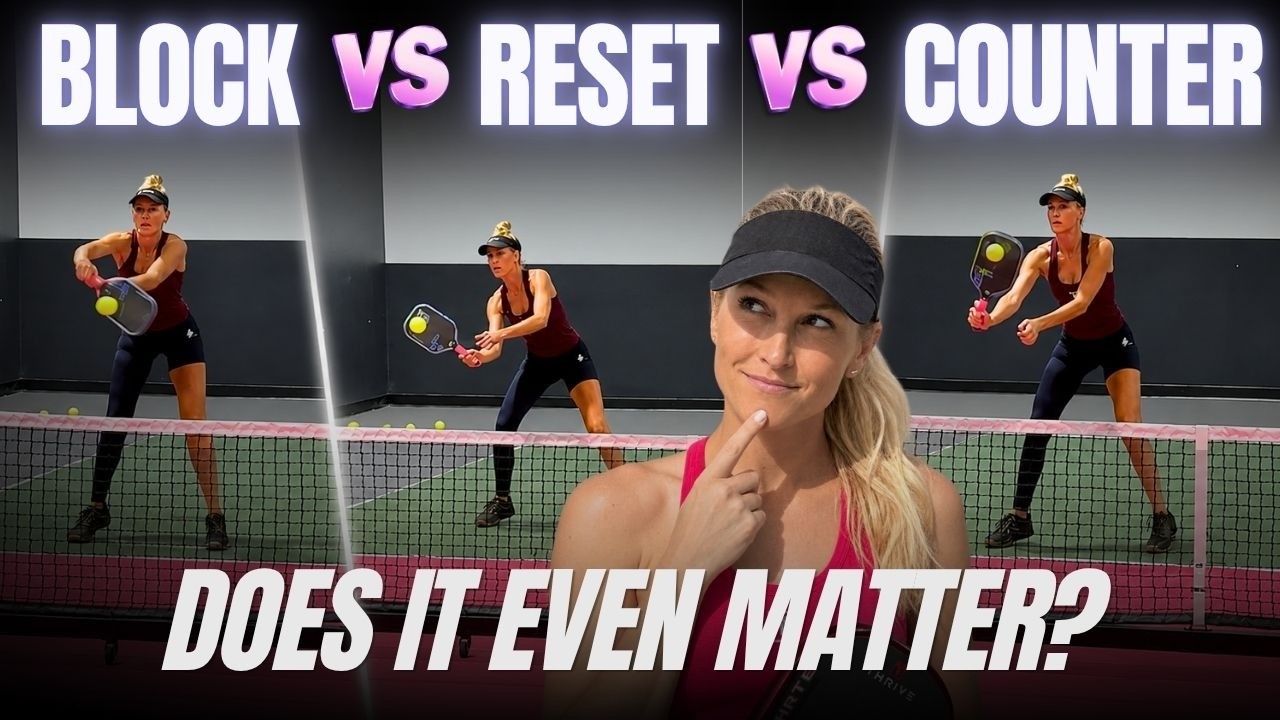
This is where your ready position after a hard drive becomes critical.
If you are watching your shot instead of resetting your stance, you will not be in position for the drop that follows.
 The Dink Media Team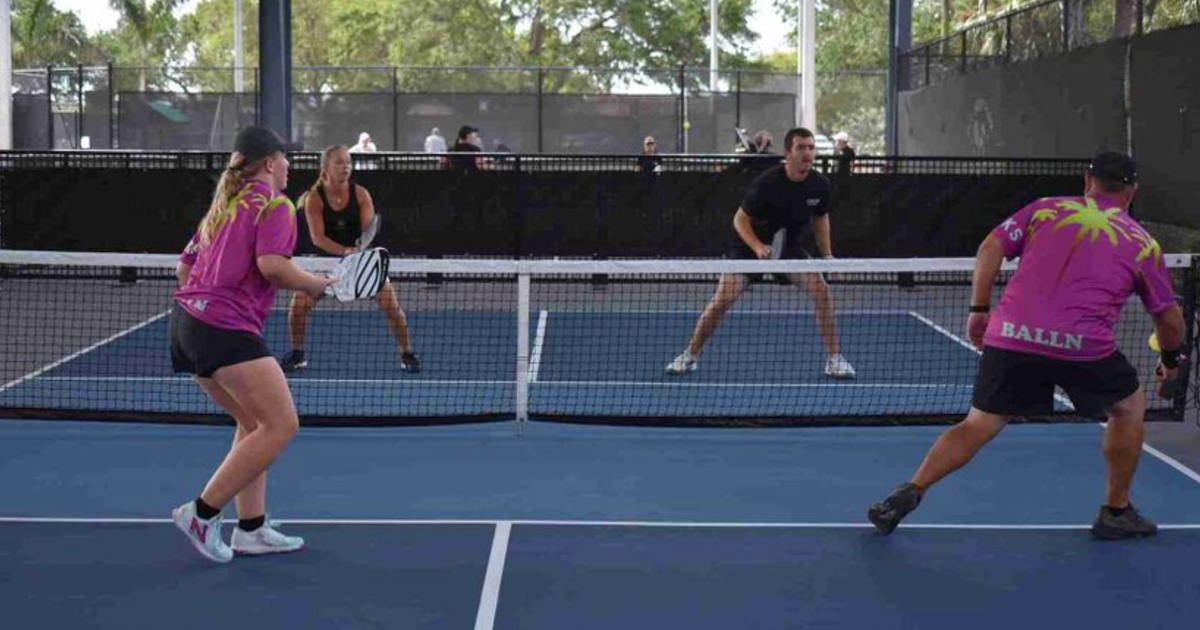
What Should the Fifth Shot Drop Look Like?
The fifth shot drop is not a panic shot. It is a calculated, controlled reset that the third shot drive set up on purpose.
Because the ball is shorter in the court, you have more time and a better angle.
Your job on this shot is straightforward: hit a soft drop that lands in or near the kitchen, clearing the net with low margin to spare.
Here is a simple checklist for executing the fifth shot drop after a drive:
- Move into the ball rather than reaching for it
- Keep your paddle face open and let the ball do the work
- Use a compact, controlled swing with minimal wrist
- Aim for the kitchen, not the net tape
- Continue moving forward after contact
Players who struggle with the drop in this sequence are often trying to be too precise.
Aim for a larger target zone and prioritize clearing the net over perfect placement.
If your drop keeps popping up even from a good position, check out this breakdown on why you keep popping up your dinks and what to fix first.
 The Dink Media Team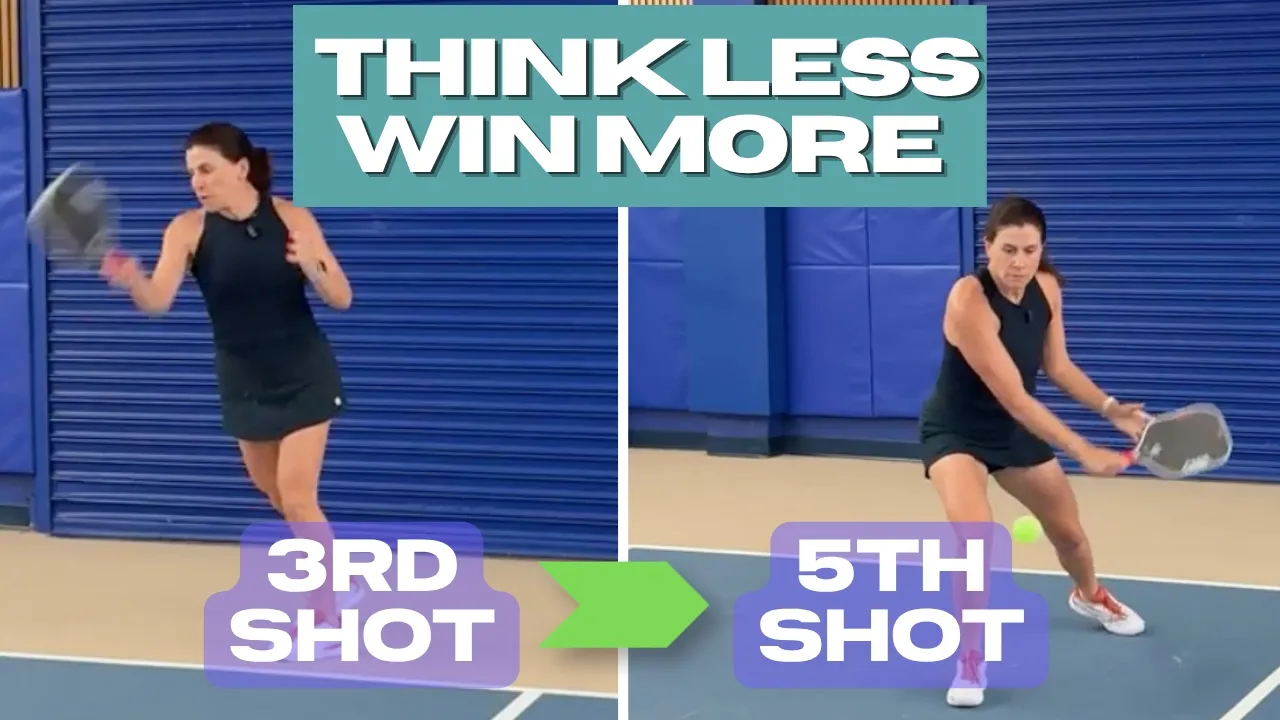
Is This Pattern Only for the Serving Team?
Yes. This is strictly a serving team strategy, since the serving team hits the third shot and the fifth shot lands two exchanges later.
The returning team already advances to the kitchen line after the return of serve, so they do not need this pattern to get there.
According to the official rules maintained by USA Pickleball, the two-bounce rule is what forces the serving team into that catch-up position in the first place.
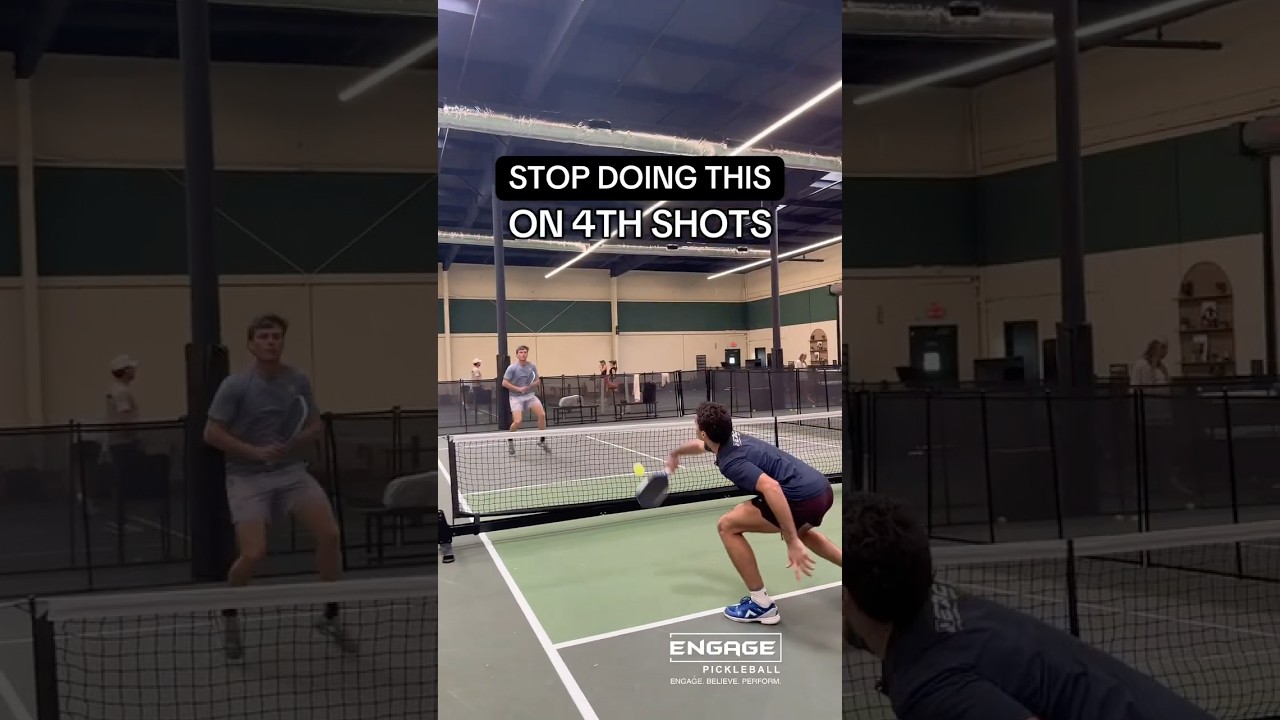
For a closer look at why the fourth shot causes so much trouble, this piece on the most overlooked shot in pickleball pairs well with this one.
 The Dink Media Team
Why Do Pros Use This Combo So Often?
Watch any high-level doubles match and you will see this sequence repeatedly.
Pro players do not always go straight to the drop on the third shot, even when they technically could.
The reason is efficiency. A drive that forces a short volley is a much higher-percentage play than attempting a perfect drop from a compromised position.
The fifth shot drop that follows is then hit from a better court position, with a better ball, under less pressure.
This is the kind of pattern that separates players who understand shot selection based on ball height from those who are just reacting to whatever comes at them.
The combo is also popular because it keeps the serving team aggressive.
Rather than playing a passive drop game and hoping for the best, you are forcing your opponents to respond to a drive and then taking advantage of the ball they give you back.
 The Dink Media Team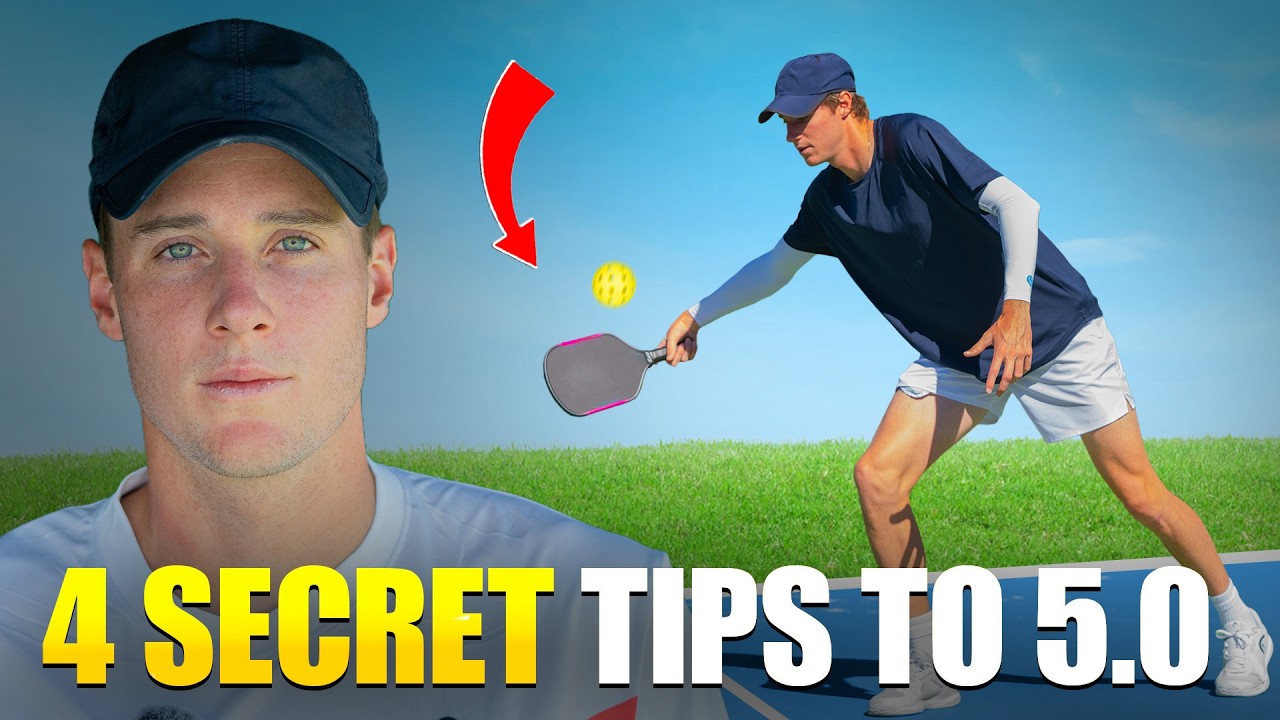
What Mistakes Kill This Pattern?
Several common errors break this combo before it has a chance to work. Knowing what they are lets you correct them before they become habits.
- Going for a winner on the drive. This is the biggest mistake. The moment you try to rip a winner on your third shot, you are no longer setting up the fifth. You are gambling, and the odds are not in your favor from the baseline.
- Rushing forward too soon after the drive. If you charge the net before seeing where the volley lands, you will be out of position and caught mid-stride when the ball arrives. Move forward only once you have read the volley's trajectory.
- Hitting the fifth shot drop while still moving backward. Some players hit the drive and then backpedal slightly. That backward momentum carries into the drop and kills your control. Stay balanced or move forward, never backward, during this sequence.
- Hitting the drop too hard. Because you took pace off the ball, your opponents may seem less threatening. But a hard fifth shot drop just becomes a drive that your opponents can attack. Keep it soft and low.
For a closer look at why the fourth shot specifically causes so many problems for the serving team, this article on why you miss your fourth shot is worth reading alongside this one.
 The Dink Media Team
How to Practice the Third Shot Drive and Fifth Shot Drop
The best way to build this pattern is with a drilling partner, but you can work the pieces separately first.
- Drill the Third Shot Drive Alone. Have a partner feed balls from the kitchen line while you drive from behind the baseline. Focus on keeping the ball low and targeting the body or middle, not the sidelines. No partner available? These simple wall drills build the same contact point.
- Drill the Drop From Mid-Court. Have your partner feed a shorter ball to the transition area and practice a controlled, soft drop from there. Get the footwork and timing comfortable before adding the drive in front of it. This science-backed method for hitting perfect drops is worth working through alongside it.
- Put the Full Sequence Together. You drive from the baseline, your partner volleys it back short, and you move in to drop the fifth. Run the pattern until it feels automatic.
For a structured practice plan, this breakdown on how much you should drill versus play will help you build the schedule.
You can also pair it with work on the return plus one so your movement to the line stops feeling awkward.
 The Dink Media Team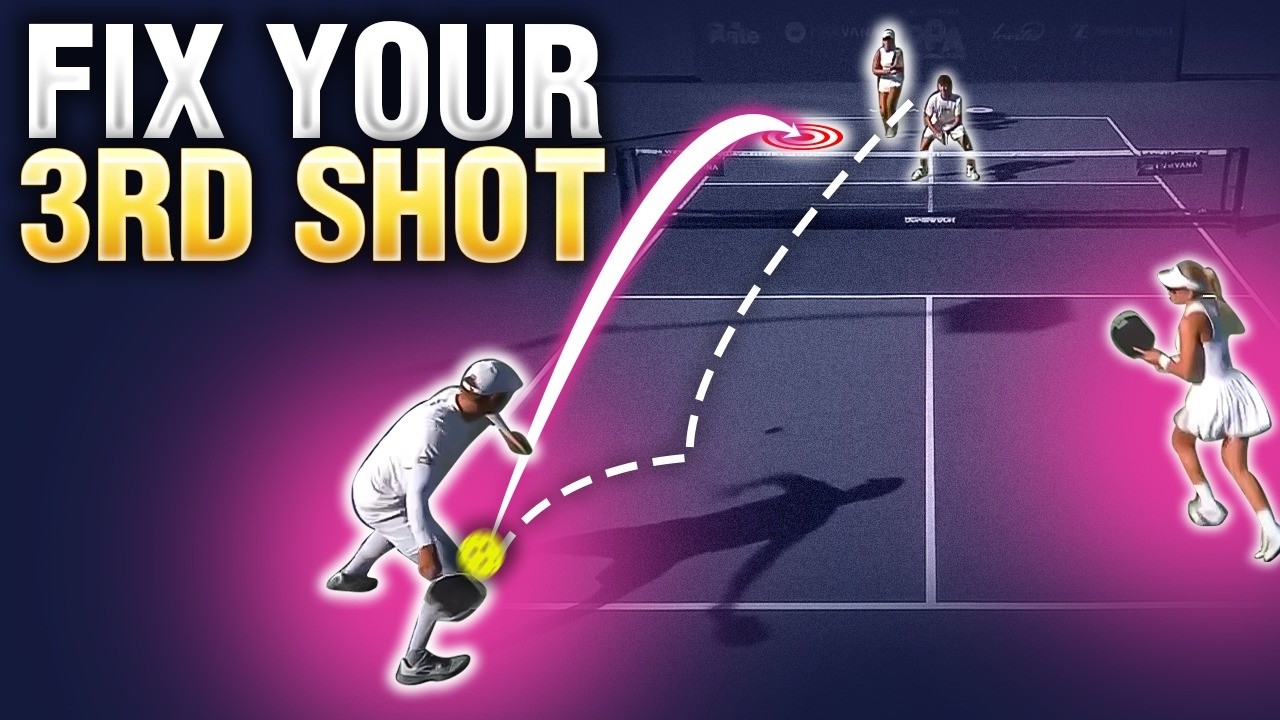
When Should You Use a Pure Third Shot Drop Instead?
The drive into drop combo is not the only option. There are situations where going straight to the third shot drop makes more sense.
If the return of serve is short, you have an opportunity to hit a high-quality drop from a much better position in the court.
In that case, a drive would waste that advantage. Move forward and take the drop when you can.
If your opponents are slow to get to the kitchen or are positioned poorly, a well-placed drop on the third shot can put immediate pressure on them without needing the extra exchange.
The key is reading the situation. Deep return gets a drive. Short return gets a drop.
That simple rule will clean up a lot of third shot decision errors on its own.
For a deeper look at how to make better decisions in these moments, this article on six third shot drop situations and the right shot each time covers the full decision tree in detail.
If your third shot drop placement is already solid but you are still getting attacked, read up on the only landing spot that actually works for this shot.
The drive into drop combo is not complicated. It is reliable, repeatable, and used by players at every level because it solves a real problem.
Start using it and your net approach will look completely different within a few sessions.
Frequently Asked Questions
What is the third shot drive into fifth shot drop combo in pickleball?
The third shot drive into fifth shot drop combo is a two-shot pattern used by the serving team to advance to the kitchen line efficiently. The serving team hits a hard drive on the third shot to force a short volley from the opponents, then uses that shorter ball to execute a controlled drop on the fifth shot. This gets the serving team closer to the kitchen with a higher-percentage shot than trying to drop from deep every time.
When should I drive instead of drop on the third shot?
Drive on the third shot when the return of serve is deep and pushes you behind the baseline. From that position, a quality drop is very difficult, and a drive gives you a better setup for the fifth shot. Use a pure third shot drop when the return is short and you can step into the ball comfortably.
What is the fifth shot drop in pickleball?
The fifth shot drop is a soft, controlled shot hit by the serving team on their second swing of the rally, two shots after the initial drive. It is designed to land in or near the kitchen and allow the serving team to advance to the net. Because it follows a drive that created a shorter ball, it is hit from a better position than a third shot drop would have been.
Am I supposed to rush the net after hitting the third shot drive?
No. After hitting the drive, hold your position or take only a small step forward while you read where the volley lands. Once you see the shorter ball coming back, move forward to meet it and then execute the drop.
Rushing before the ball comes back puts you out of position and kills your drop.
Why do pro players use this pattern so often?
Pro players use the drive into drop combo because it is efficient and puts them in control of the rally's pace. Rather than gambling on a perfect drop from behind the baseline, they use the drive to manufacture a better ball to work with on the fifth shot. It is one of the clearest examples of using shot selection to reduce difficulty rather than just reacting to what comes at you.

Love Pickleball? Join 100k+ readers for free weekly tips, news & gear deals.
Subscribe to The Dink