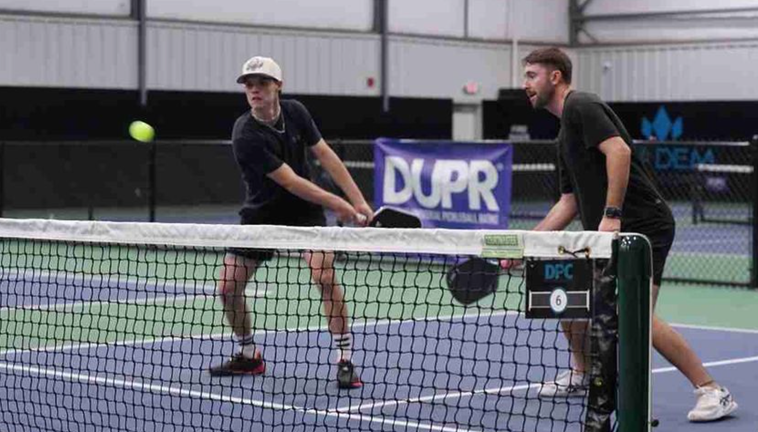
Most players miss the 4th shot pickleball moment long before they swing. Fix the return, the split step, and your net partner role to stop giving away free points.
If your 4th shot pickleball results feel like a lottery every time, the problem almost certainly started one shot earlier.
The return, the positioning of your net partner, and your split step timing are all connected.
Fix one without the others and you will keep wondering why you cannot stick the landing at the next skill level.
This breakdown comes straight from a coaching session by Jilly B Pickleball on YouTube, filmed at one of her monthly camps in Newport Beach, California, featuring pro Jack Munro working live with players on exactly these patterns.
What follows covers the full chain: the return, the net partner's job, the split step, and why most doubles players are accidentally neutering each other on nearly every point.
Love pickleball? Then you'll love our free newsletter. We send the latest news, tips, and highlights for free each week.
Show Me Your 4th and I Will Tell You Your Rating
That is not a throwaway line. The 4th shot is what separates players who feel stuck at their current level from players who belong a tier higher.
Most people think of the 4th shot as the established net player's chance to put away a weak return.
But the setup for that shot begins with what the returner does, and whether the net partner is mentally activated or standing still watching.
There are two completely different jobs on the returning team, and most recreational doubles players are either confusing them or ignoring one entirely.
What Is the Returner's Only Job?
The returner has one priority: hit the best return possible. That is it.
You should not be thinking about the 4th shot while you are hitting the 2nd shot.
Trying to do both at once is exactly why players rush, mis-hit, and end up nowhere near the kitchen when the ball comes back.
Even at the professional level, a returner cannot realistically reach the kitchen line and be fully set before the serving team makes contact on the 3rd shot.
The returner is typically still in transition. Accepting this changes everything about how you approach the return.
Your return needs to be deep and controlled. The rest is your partner's responsibility, and that is where most doubles teams fall apart completely.
Understanding what a weak return costs your team is the first step to fixing the whole pattern.
The Kiss of Death: Returning Crosscourt
Here is the specific mistake that kills your partner's ability to help you.
When you return crosscourt, you angle the ball away from your net partner and make it geometrically harder for them to cut the pickleball 4th shot off.
A down-the-line return keeps the ball in front of your partner. It gives them an honest shot at jumping on the 4th ball.
A crosscourt return moves that opportunity away from them and forces a much longer reach or a complete non-attempt.
This is why return placement is not just about depth.
Direction is equally important, and down the line is the direction that activates your partner.
Check out this breakdown of six serve and return fixes for more on placement strategy.
 The Dink Media Team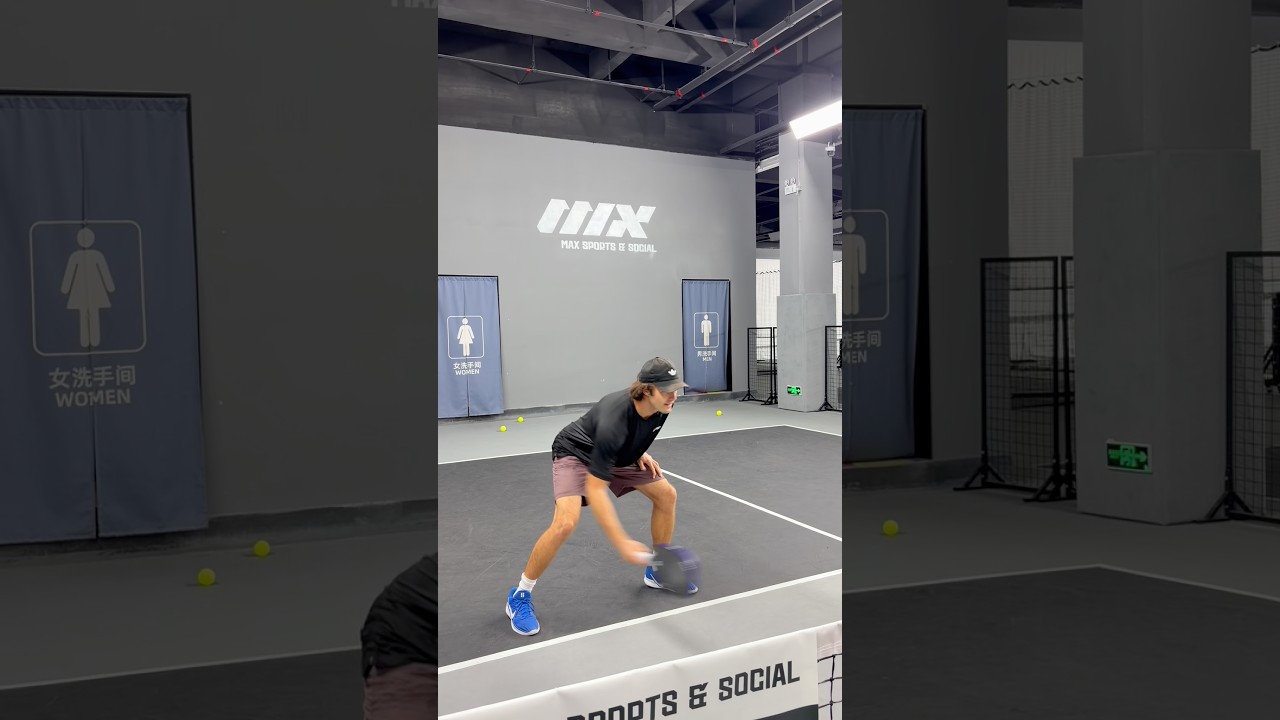
Why "Watch" Is the Worst Word in Doubles Pickleball
If you yell "watch" to your net partner after a bad return, you have just turned them into a statue. You have removed them from the point.
The correct call is "help." That one word shift changes the entire dynamic.
Instead of deactivating your partner, you are telling them to get aggressive, cover ground, and bail you out if they can.
The worse your return is, the more responsibility falls on the net player.
A great return means your partner can be selective. A bad return means your partner needs to be a predator.
What the Net Player Owes You on the Pickleball 4th Shot
Here is what the net player should be doing regardless of return quality:
- Moving toward the ball to cut the angle if the return is solid
- Faking movement toward the ball if the return is weak, to create distraction and visual pressure on the serving team
- Never standing still, because static net players are invisible and useless in modern doubles
Even when the return is genuinely bad and the net player cannot take the ball, they should be making noise with their body language.
That kind of active movement makes your team a real threat even on bad rallies.
 The Dink Media Team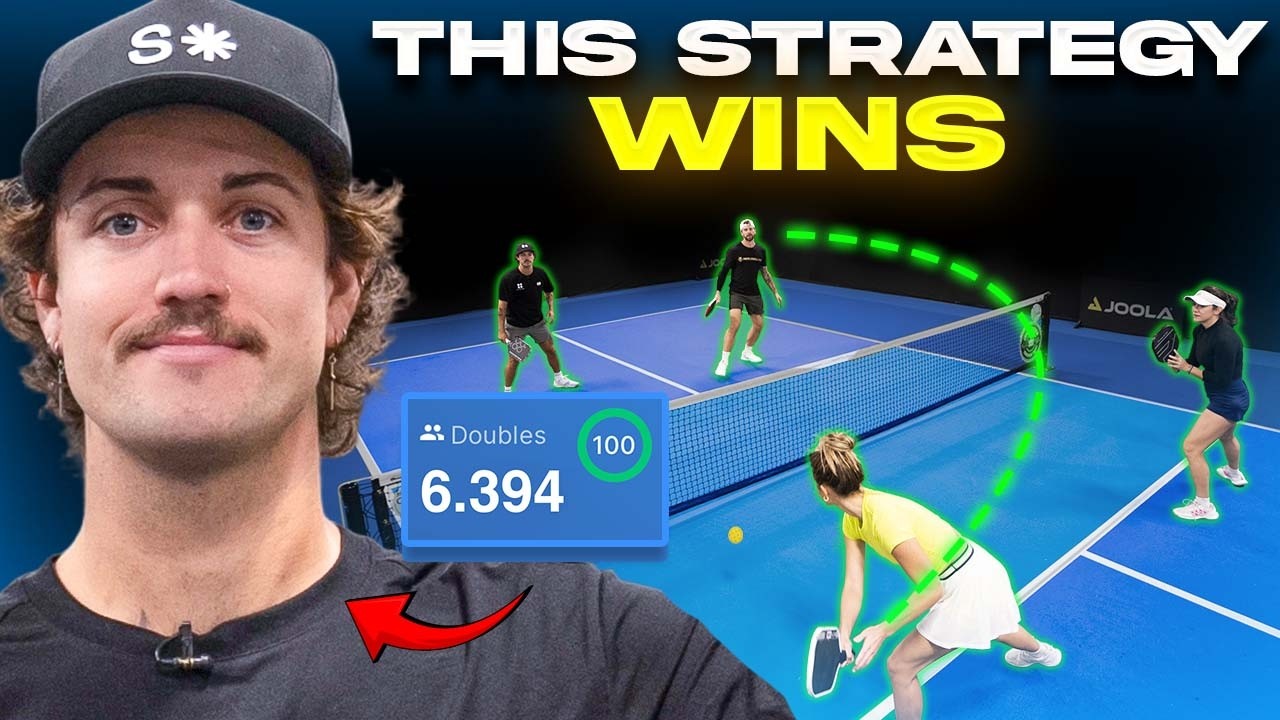
How to Cut the Angle Off as the Established Player
When you are the established net player, your body position relative to the ball determines how much of the court you can actually cover.
The difference between a good position and a bad one is dramatic.
Standing closer to the center when the return is down the line means you can cut across and intercept the 4th shot early.
Standing too far toward your sideline means the ball flies past before you can react.
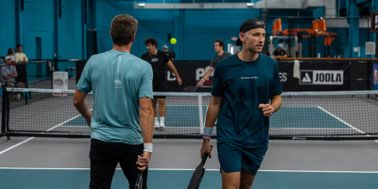
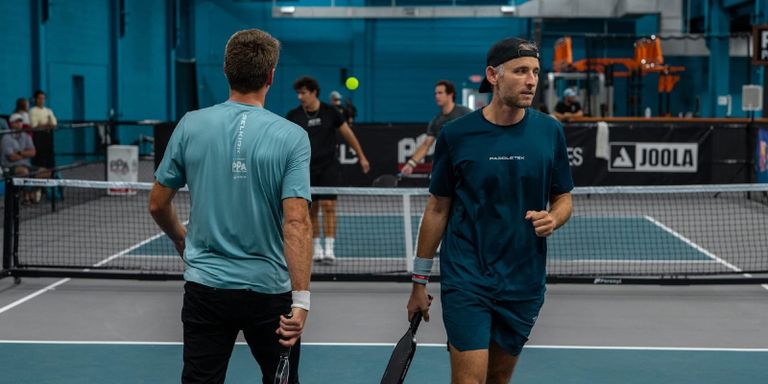
Jack Munro demonstrated this with a simple contrast during the session: one position where the player could easily intercept, and one where the ball simply passed by.
The distance between the two stances was only a step or two, but the result was completely different.
 The Dink Media Team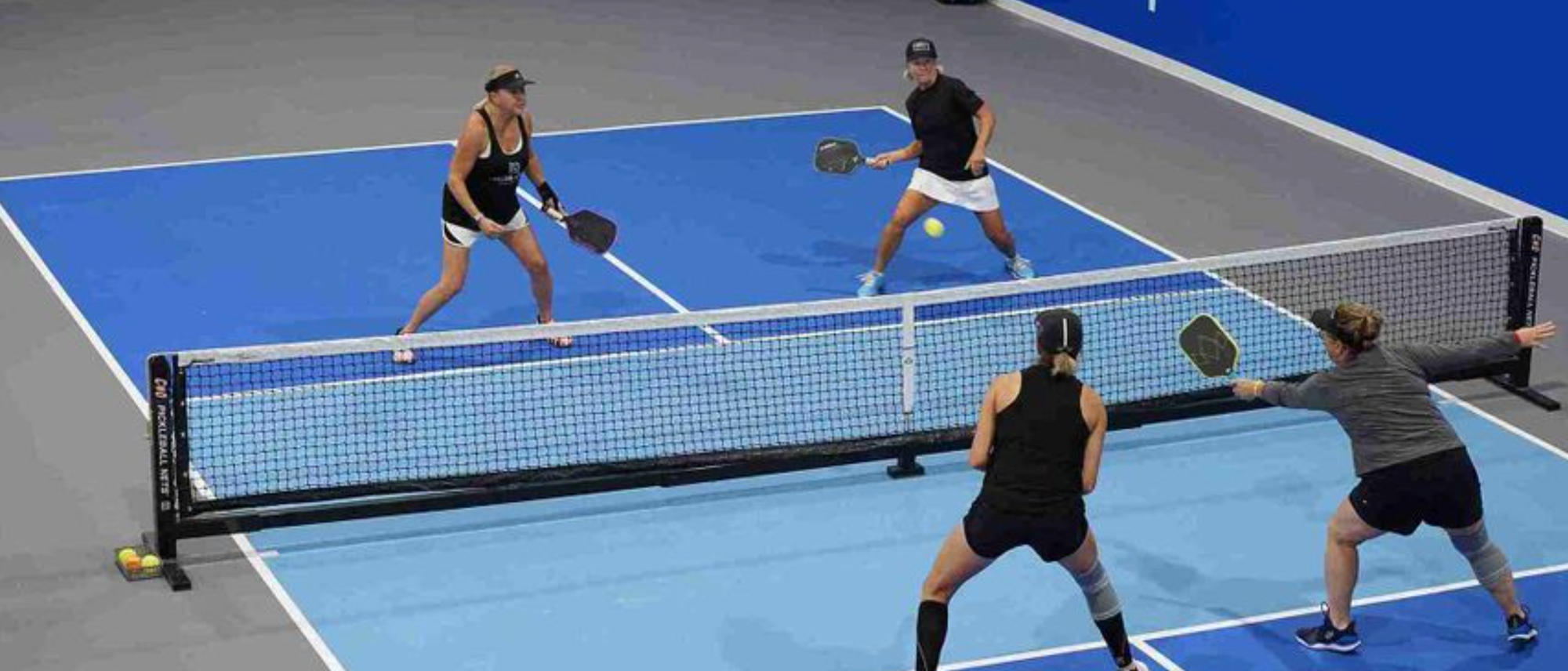
Why Are You Missing the 4th Shot? It Is Your Split Step Timing
This might be the single most overlooked technical problem in recreational doubles.
Players are mistiming their split step on the 4th shot and they do not even know it.
Here is what actually happens.
You get established at the net, and the moment the returner hits the ball, you sprint forward to get as close to the kitchen line as possible.
By the time the serving team strikes the 3rd shot, your chest is facing sideways, your weight is moving forward, and you are completely unbalanced.
You are in a dead sprint when you should be in a ready position.
That is why you miss. Understanding how to fix your split step timing is one of the fastest ways to clean up your 4th shot results.
The fix is simple to understand even if it takes repetition to groove:
- Stop moving before they make contact. You need to be settled when the ball leaves their paddle, not while it is still on their paddle.
- Keep your chest facing the net. When your chest faces the net, you can move in any direction with equal speed. When it faces the sideline, you are already compromised.
- Give yourself a step or two of space. Being slightly back from the line in a balanced stance beats being jammed up at the tape while moving sideways.
- Split when they split. The moment they load to swing, that is your cue to stop, hop, and be ready.
This same principle applies at the kitchen line during dinking exchanges.
When a dink goes wide and forces you to cross your feet, your chest faces the sideline and you are at a mechanical disadvantage before the ball even arrives.
Giving yourself slightly more space is not retreating. It is positioning.
This transition zone ladder drill helps build the muscle memory for exactly this kind of timing.
 The Dink Media Team
First Take and Second Take: The Right Way to Share Responsibility
Here is where teams get into arguments that never needed to happen. When both players want the same ball, the player with first take has priority.
The player with second take is still locked in, still tracking, still ready. Second take does not mean put your paddle down.
It means you are on standby with full attention on that ball, because if your partner hesitates for even a split second, you are already committed to covering it.
This structure removes the "you messed me up" conversation entirely.
The team with two people hunting is harder to beat than the team where one person is watching and one person is scrambling.
The four most important shots in pickleball all require this kind of coordinated aggression between partners.
It is not one person's job. It is a shared posture.
 The Dink Media Team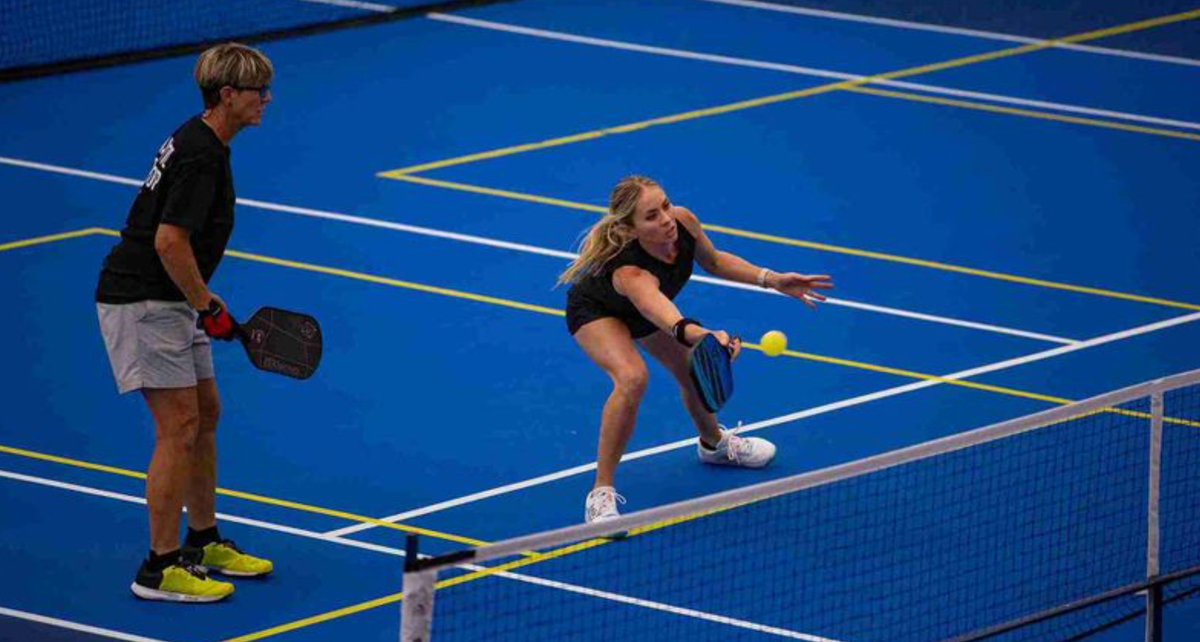
What Chest Angle Actually Tells You About Your Readiness
Your chest position is a fast self-check for whether you are ready or not.
Chest facing the net equals balanced and ready. Chest facing the sideline means you are exposed.
This is not just theoretical. When you are running toward the net and someone hits a quality shot, your body is moving one direction and you have to reverse.
That reversal takes time you do not have in a fast exchange.
A player one step behind the kitchen line with their chest square to the net can cover more court than a player jammed against the tape who is still arriving.
The math is simple even when the instinct pushes the other way.
Higher-rated players understand court geometry at an almost automatic level, and chest positioning is one of the clearest examples.
 The Dink Media Team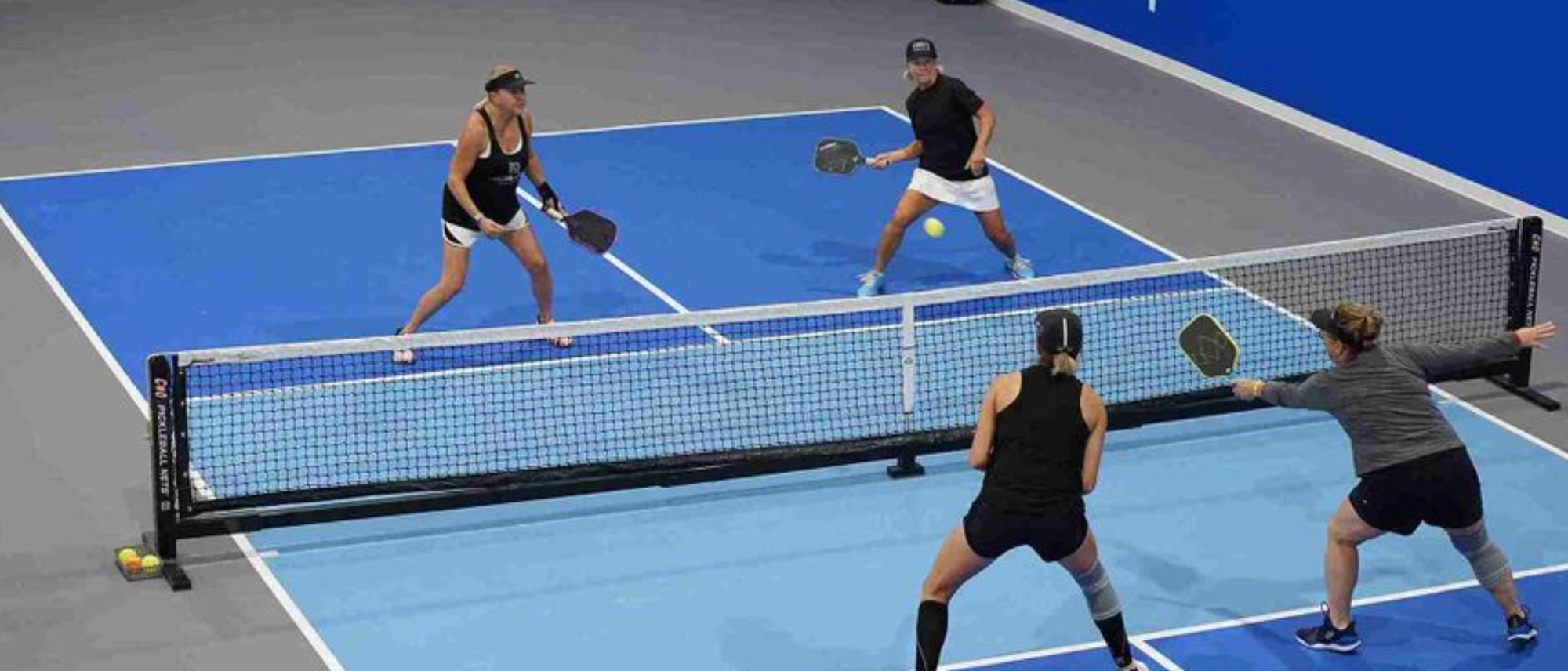
The Left Side Player Has a Special Responsibility on the 4th
If you play the left side and you are established at the net, you should be actively testing your own limits to take that ball.
Push how far you can reach. Push how aggressive you can be.
Your partner is behind you and will cover if you miss. But the attempt itself matters.
A left side player who goes for those balls and misses some creates far more problems for the serving team than a player who stands back and lets every 4th ball go to the returning partner.
There are specific left side offense moves built around exactly this kind of aggression.
The goal of that drill, as described in the session, is two things only: activate the established player and groove the split step.
Keep it that simple and you will feel the difference inside a few minutes of practice.
 The Dink Media Team
Putting It All Together Before Your Next Match
The chain looks like this. You hit a deep return down the line, and your partner is active, either cutting the pickleball 4th shot off or faking to create pressure.
You work your way toward the kitchen in transition. Your partner calls "help" if they need coverage, not "watch."
Everyone has a role and everyone is moving. That is not a complicated system. It is a disciplined one.
The teams that run it consistently are the teams that feel like they belong at the next level, because they do.
Many of the bad habits holding players back come down to exactly these small passive choices that compound over a whole match.
Stop watching. Start helping. Split before they make contact.
Keep your chest toward the net.
Those four adjustments will change your pickleball doubles strategy faster than almost anything else you can work on right now, and they pair well with the essential shots worth mastering this season.
Frequently Asked Questions
What is the 4th shot in pickleball?
The 4th shot is the established net player's opportunity to intercept or attack the ball after the return of serve. In doubles, the returning team hits the 2nd shot (return), the serving team hits the 3rd shot, and the net player on the returning team has a chance to cut that 3rd shot off for the 4th shot. It is widely considered one of the most important shots in doubles because it can immediately put the serving team under pressure.
Should I return crosscourt or down the line in doubles?
Return down the line whenever your goal is to activate your net partner on the 4th shot. A crosscourt return angles the ball away from your established partner and makes it nearly impossible for them to intercept the next ball. Down the line keeps the ball in front of your partner and gives them a real opportunity to take the 4th.
When should I split step on the 4th shot?
You should split step the moment the serving team loads to make contact with the 3rd shot. Most recreational players split too late or while still moving forward, which leaves them off-balance. Being slightly behind the kitchen line in a stable, settled position when they make contact is better than being jammed at the tape while still moving.
What should the net player do if their partner hits a bad return?
The net player should become more active, not less. Move toward the ball to try and intercept it, or fake that movement to create visual pressure even if you cannot realistically take the shot. The word to call is "help," not "watch," because "watch" deactivates your partner and removes them from the point entirely.
What does "first take, second take" mean in pickleball doubles?
First take means one player has priority on a specific ball, and second take means the other player is the backup but still fully engaged. The second take player should never stop tracking the ball or put their paddle down. If the first take player hesitates or misses, the second take player needs to be already committed and ready to cover.
Love Pickleball? Join 100k+ readers for free weekly tips, news & gear deals.
Subscribe to The Dink