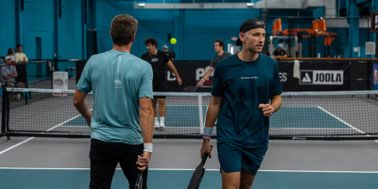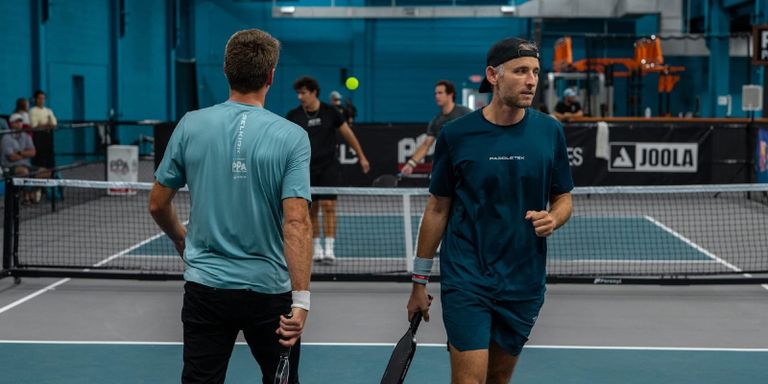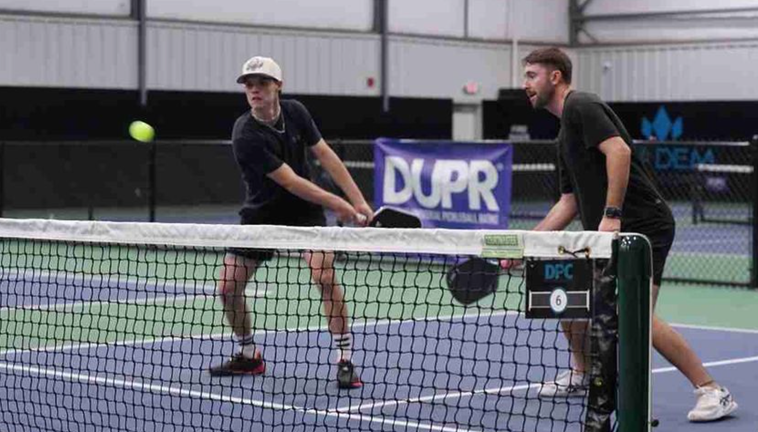

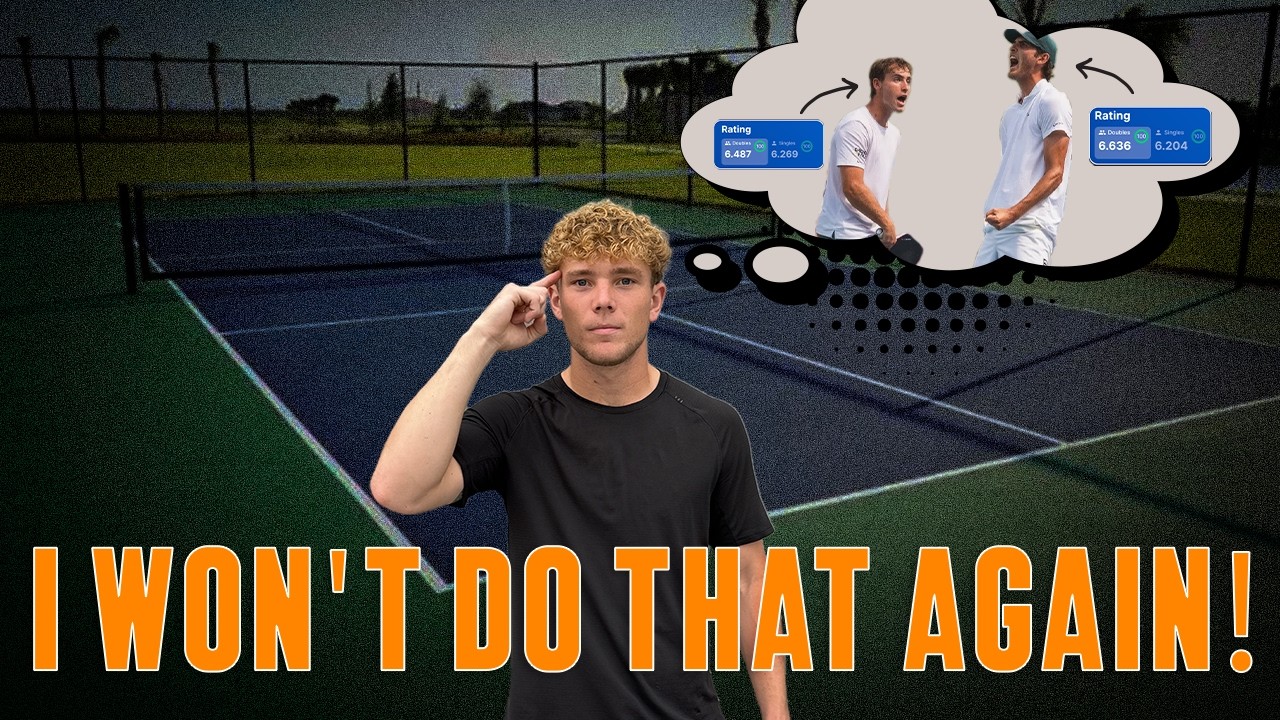
After competing against elite pickleball players Eric Oncins and Dylan Frazier at PPA Sacramento, Cam Luhring breaks down the pickleball strategy lessons that can help players at every level. These three core concepts are often the difference between winning and losing close matches.
When you step on the court against elite pickleball players, you learn things about pickleball strategy that no drill can teach you. Meet Dylan Frazier: the one-time 3.5 who is now the No. 1 player in men's doubles gives you the full backstory on one of the elite players Luhring learned these lessons from.
That's exactly what happened to Cam Luhring when he competed against Eric Oncins and Dylan Frazier at PPA Sacramento.
While their skill level is undeniably elite, the lessons they reinforced apply to players at every level.
Here are the three pickleball strategy takeaways that can transform your game.
Love pickleball? Then you'll love our free newsletter. We send the latest news, tips, and highlights for free each week.
1. Why Extending the Rally Changes Everything in Pickleball Strategy
The first lesson from competing against elite talent is simple but transformative: extend the rally.
This concept might sound basic, but it's where many intermediate players miss the mark.
When you're in a tight match, the instinct is often to go for a winner on every ball.
That's a mistake.
Extending the rally means keeping the ball in play and giving yourself another opportunity to win the point.
You're not trying to end the rally on your terms; you're trying to stay in it long enough for your opponent to make an error.
This is especially true when you're in a defensive position or when your opponent has hit a great shot.
 The Dink Media Team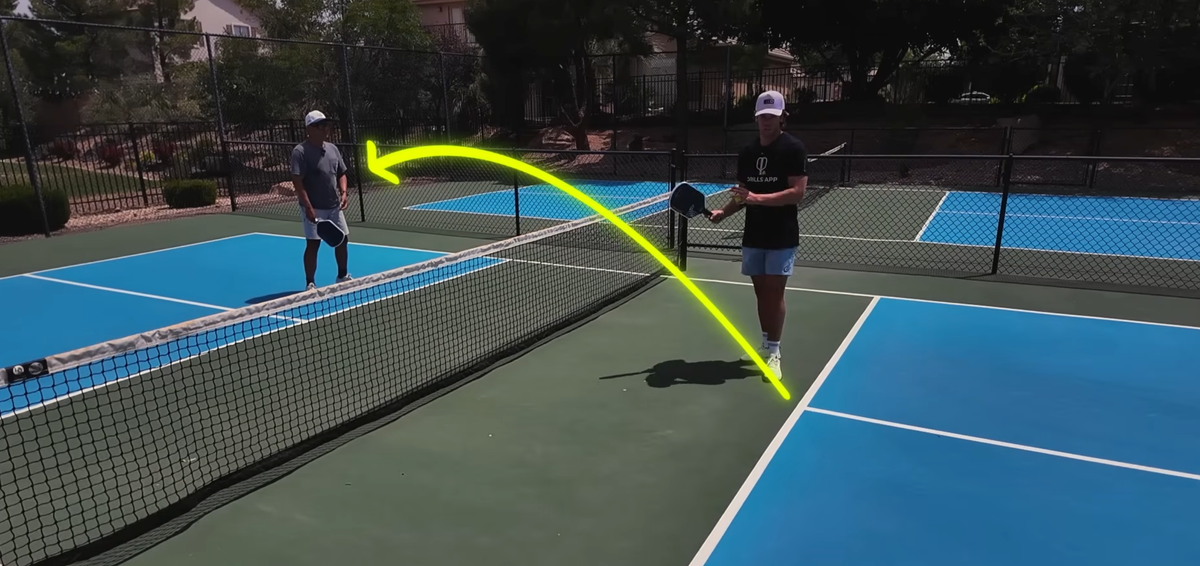
The drill Luhring demonstrates involves starting in the transition zone while a partner sits at the kitchen line.
You feed a high ball and play it out live, straight ahead. The goal isn't to put the ball away immediately.
It's to work your way forward while keeping the ball in play.
You might hit a lob, a half slap, or a soft drive. The point is to stay in the rally.
The 12 drills you need to play your best pickleball in 2026 are a strong place to build this patience into your pickleball strategy so it becomes automatic under pressure.
Here's what makes this work: when you stop trying to end every rally with a winner, you actually create more winning opportunities.
Your opponent gets frustrated. They press. They make mistakes. How playing the percentages in pickleball can help you win more matches is the full framework behind this core pickleball strategy principle.
2. How Aggressive Serving Puts Immediate Pressure on Your Opponent
The second pickleball strategy lesson is about your serve. Most recreational players treat the serve as a formality, a way to start the point.
Elite players treat it as a weapon.
When Luhring played Oncins and Frazier, he and his partner Riley were up 10-8 in game one. That lead came from two missed returns.
In game two, they were down 8-10 and had two or three side outs, which meant four to six opportunities to score. They didn't capitalize, and they lost 11-8.
The difference? Aggressive serving.
If Luhring and Riley had gone for a bit more on their serves, staying aggressive in those tight moments, they could have gotten a free point or two.
 Alex E. Weaver
When you start a point with a high-pressure serve, you immediately put your opponents on their heels.
A simple 4-step system to win more pickleball games in 2026 breaks down exactly how serve pressure fits into a repeatable pickleball strategy formula.
This doesn't mean hitting 120 mph serves. It means being intentional with placement and pace.
Target the sidelines. Vary your spin. Keep your opponents guessing.
The goal is to make them uncomfortable on the return, which gives you a better chance to win the point outright or at least set up a favorable third shot.
Serve placement is one of the most underleveraged weapons in recreational doubles.
Why professional pickleball players abandoned the slice shot in 2025 shows just how deliberately pros think about every ball they hit, including the serve, as part of a complete pickleball strategy.
3. When to Attack and When to Concede the Kitchen Line
The third and perhaps most nuanced pickleball strategy concept is knowing when to apply pressure at the kitchen line and when to step back.
This is where pickleball gets almost chess-like.
If your opponent hits a great drop shot but doesn't move forward aggressively, you can apply pressure. Keep them back there.
But if they hit a great drop and you see their momentum moving forward, they're crashing the net.
In that moment, even if you think you can get the ball past them, you're probably wrong. Luhring admits he loses that battle almost every single time.
The smarter pickleball strategy is to concede the kitchen line and try to win the point from up there.
Let them come forward. Reset the ball. Play a soft shot that keeps them honest.
Then look for your opportunity to attack when they're out of position.
This requires reading your opponent in real time. Are they staying back after their drop?
Are they crashing forward? How good is their third shot?
These micro-decisions are what separate winning and losing in close matches.
The backhand decision tree: one pro's real-time strategy for cooking at the kitchen gives you the shot-by-shot decision framework that makes this pickleball strategy automatic rather than reactive. Modern pickleball and the four key strategies to winning in 2026 is essential reading for the full picture.
 The Dink Media Team
The Bigger Picture: Why These Pickleball Strategy Lessons Matter
What makes Luhring's breakdown so valuable is that these aren't advanced techniques reserved for pros.
They're pickleball strategy fundamentals that work at every level. A 3.0 player can extend rallies.
A 3.5 player can serve more aggressively. A 4.0 player can read the kitchen line better.
The real takeaway is this: pickleball strategy isn't about hitting harder or faster. It's about making smarter decisions under pressure.
It's about understanding that sometimes the best shot is the one that keeps you in the rally, not the one that ends it.
Smart shot decisions beat power in advanced pickleball is the companion read that shows how this pickleball strategy mindset translates into match wins. When you watch elite players like Oncins and Frazier, you're not just seeing athleticism. You're seeing thousands of hours of decision-making, positioning, and patience.
You're seeing players who understand that winning pickleball is about percentages, not power.
The good news? You don't need to be elite to apply these lessons.
Eric Oncins flipped a coin then went on to win back-to-back PPA Asia gold medals gives you a deeper look into the player whose pickleball strategy made Luhring's lessons hit even harder. And if you want to see the full story from that weekend, PPA Sacramento highlights and results puts those matches in context.
The PPA series continues to bring elite-level pickleball to new markets in 2025, which means more opportunities to watch the best in the world up close and absorb exactly the kind of decision-making Luhring is describing here.
Frequently Asked Questions
What does it mean to extend the rally in pickleball?
Extending the rally means keeping the ball in play and giving yourself another opportunity to win the point, rather than trying to end the rally with a winner on every shot. This pickleball strategy often leads to more winning opportunities because your opponent is more likely to make an error when under sustained pressure.
How can I improve my serve in pickleball?
Focus on placement and pace variation rather than just hitting harder. Target the sidelines, vary your spin, and keep your opponents guessing, because an aggressive serve puts immediate pressure on your opponent's return and gives you a better setup for your third shot.
When should I attack at the kitchen line versus resetting?
If your opponent hits a great drop but stays back, you can apply pressure at the net. However, if they hit a great drop and are moving forward aggressively, it's smarter to reset the ball and concede the kitchen line temporarily, giving you a better chance to win the point from a more favorable position.
Why is pickleball strategy more important than raw skill?
Pickleball is a game of positioning, decision-making, and percentages. Elite players win because they make smarter choices under pressure, not necessarily because they hit harder, and understanding when to attack, when to reset, and how to extend rallies is what separates good players from great ones.
How do I practice these pickleball strategy concepts?
Work on drills that simulate match situations, practice extending rallies with a partner at the kitchen line, and spend time on serve placement with targets. Play out live points where you focus on reading your opponent's positioning and adjusting your pickleball strategy accordingly.
Love Pickleball? Join 100k+ readers for free weekly tips, news & gear deals.
Subscribe to The Dink