
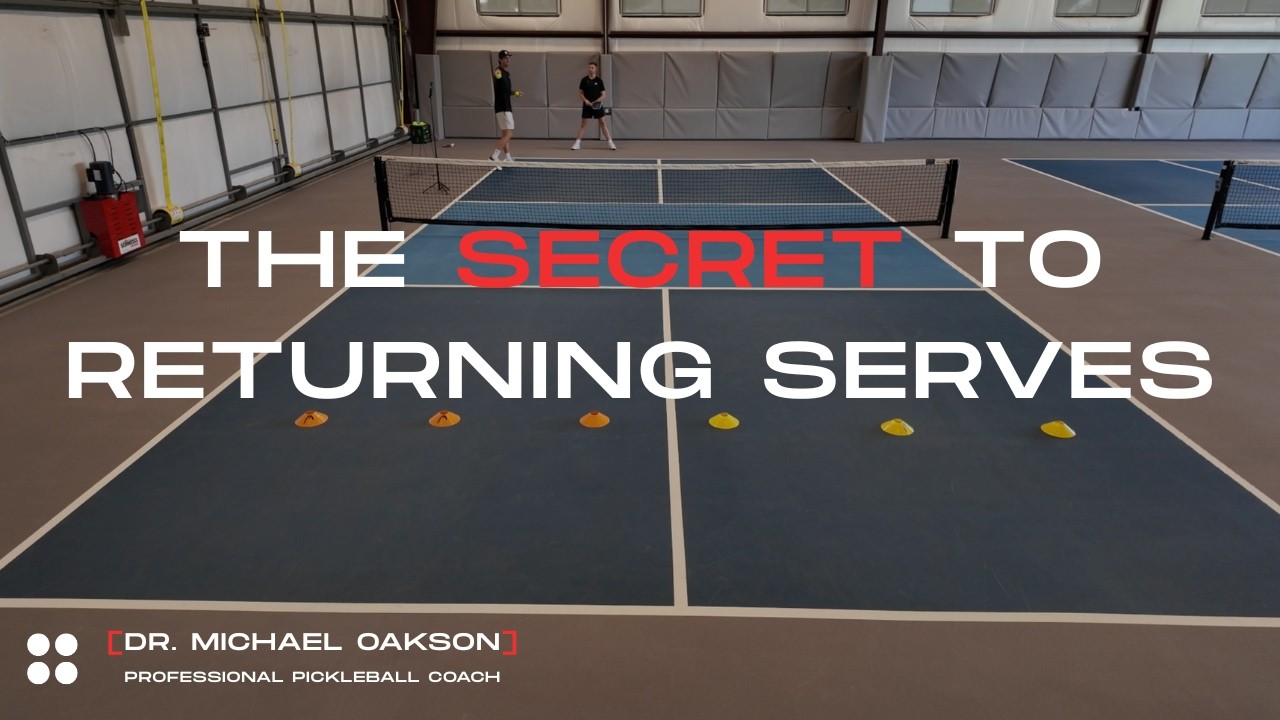
The pickleball serve return is the most underrated shot in the game. Master these three technique keys and your entire game changes.
Your pickleball serve return might be the shot you think about least and the one that's hurting you most.
Most players treat the return as a throwaway shot. Get it in, move up, done.
But if your return is landing short or sitting up high, you're handing the serving team a free attack before the rally even starts.
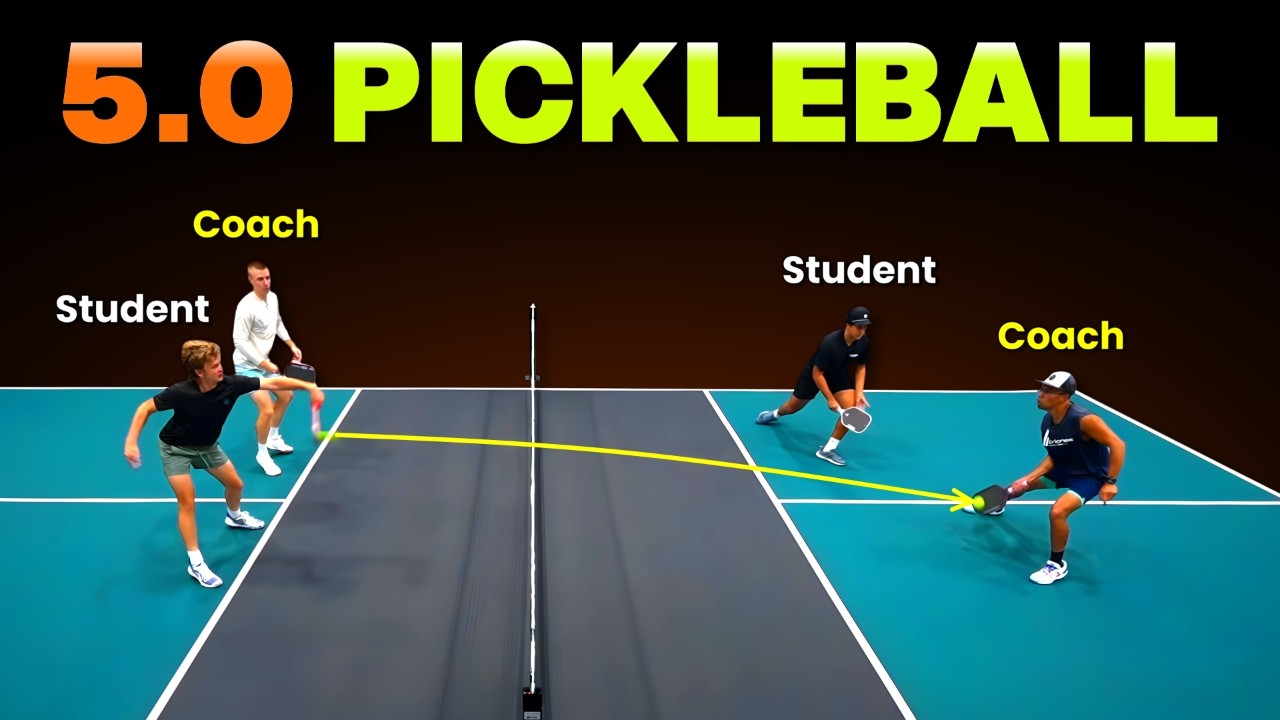
This breakdown comes from Holbrook Pickleball on YouTube, featuring Dr. Michael Oakson walking through the full system he uses to coach players toward 5.0.
You'll get technique, doubles strategy, and the drills to put it all together.
Love pickleball? Then you'll love our free newsletter. We send the latest news, tips, and highlights for free each week.
Why the Serve Return Deserves More of Your Attention
The serve return directly affects the quality of your opponent's third shot. Push the ball two inches deeper than normal, and their contact point shifts back.
Their third shot drop gets harder. Their third shot drive loses power.
Short returns get punished at every level above 3.5.
And once you start leaving balls mid-court, players start targeting you specifically for the rest of the match.
The return is your team's first chance to dictate the rally. Treat it that way.
Technique Key 1: Space Creation Is Everything
Space creation is the single most important and most overlooked part of the pickleball return of serve.
If you are not moving correctly before you hit the ball, nothing else about your technique matters.
Most players instinctively rush straight at the ball. That is exactly wrong.
When you move directly toward an incoming serve, your paddle gets jammed against your body and you lose all power and control.
Your first step should almost never go toward the ball. It should go sideways or at a diagonal angle to create room around the ball first.
 Zoey Weil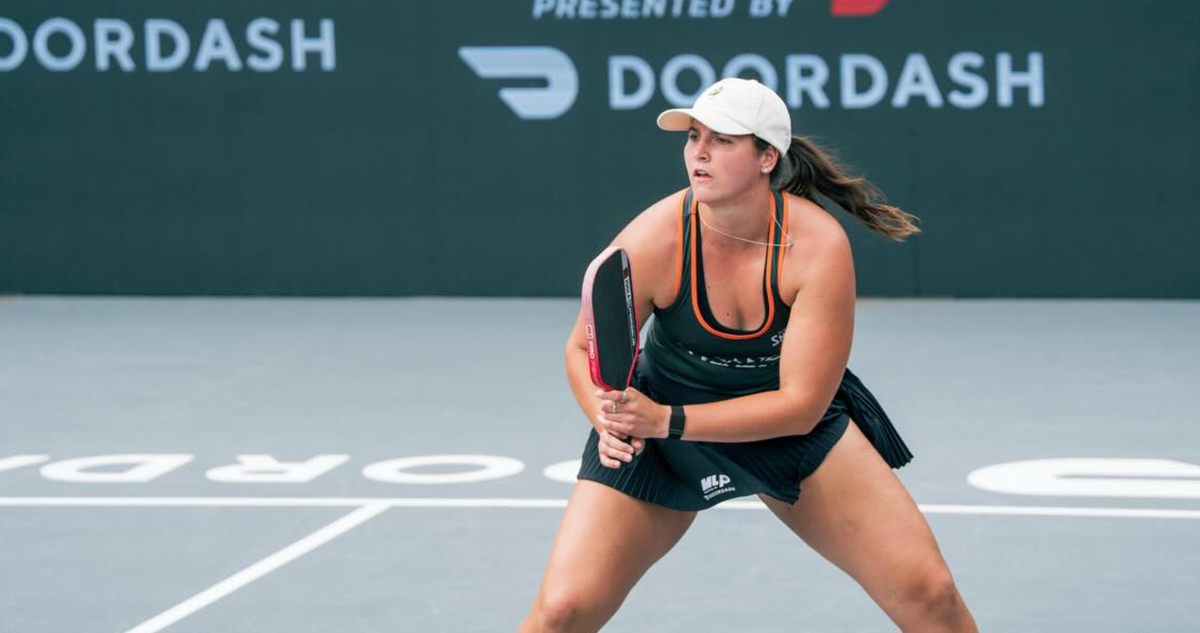
Here is what that footwork looks like in practice:
- For a forehand return: step out with your right foot at a diagonal angle to open space, then move toward the ball from there
- For a wider ball: shuffle step sideways to collect, or cross step if the ball is shorter
- For a body serve: this is the hardest one. You must actively step around the ball, not into it
Here is something most players get backwards. The ball hit wide at the corner is actually easier to return than the ball hit at your body.
A wide serve creates space for you automatically. A body serve requires you to create the space yourself.
If you want to stop getting jammed by balls at your feet, the fix starts with that first step being lateral, not forward.
The same principle shows up across the four key strategies that define modern pickleball, where movement quality beats raw swing speed every time.
Technique Key 2: Contact Point in Front of Your Lead Knee
Your contact point on the pickleball return of serve should be out in front of your lead knee. For right-handed players, that is your left knee.
For left-handed players, that is your right knee.
This is not a general guideline. It is a specific target.
Draw a line from the outside of that knee straight forward, and that is where your paddle should make contact with the ball.
When your spacing is correct from step one, hitting that contact point becomes natural.
When your spacing is wrong, you will be reaching or cramping and your contact point moves to a compromised position.
Good serve return technique is a chain reaction. Footwork leads to space, space leads to contact point, and contact point leads to a quality ball.
That chain reaction is one of the five shots you need to master to break 5.0, and the return sits at the front of the line.
 The Dink Media Team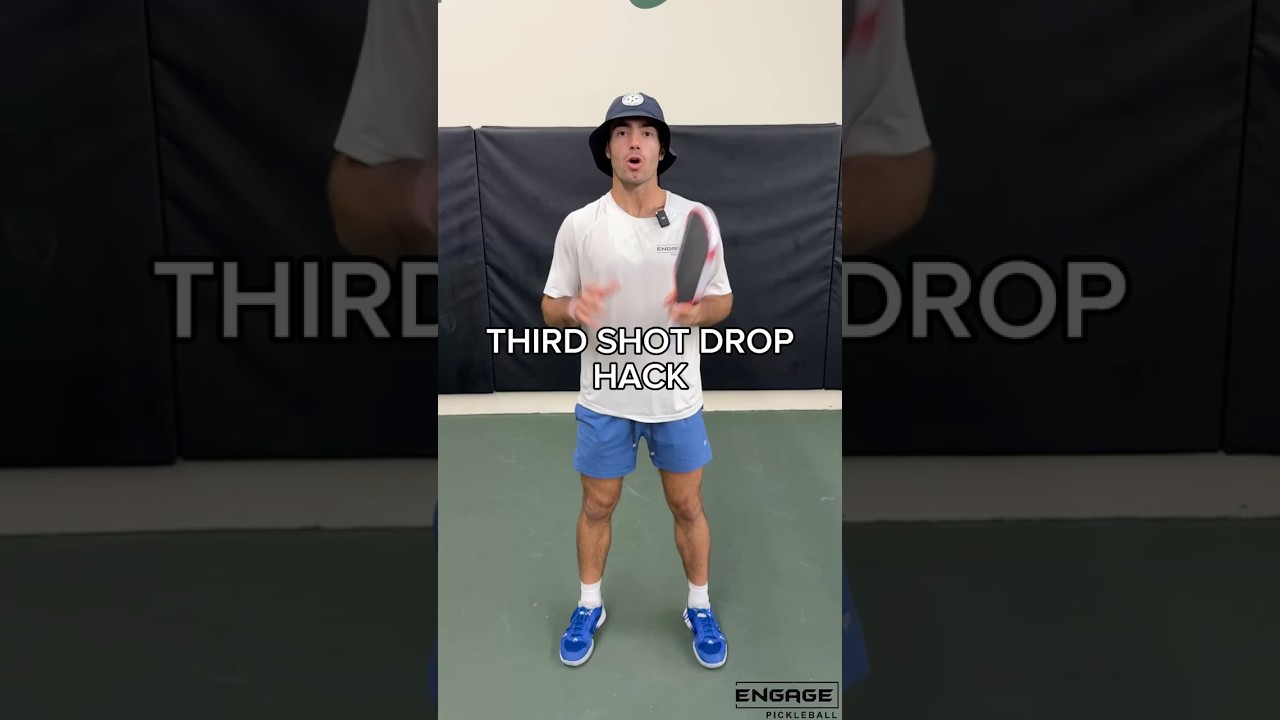
Technique Key 3: Keep Your Chest Down Through the Shot
The most common cause of lofty, weak returns is the chest coming up through contact.
Players start in the right position and then lift through the swing without realizing it.
You do not want returns floating high in the air. A high return gives the serving team time to read the ball, get around it, and attack.
Even if it lands deep, that extra air time costs you.
The fix is keeping your chest down and your hips back through the entire swing. Not just at setup.
Through contact and into your follow-through.
When your chest stays down, the ball naturally comes out flatter. It carries pace without needing a big swing.
And flat balls with depth are far harder to attack than slow, high balls that land near the baseline.
That flat, low trajectory is also part of why the pros walked away from the slice return in 2025.
This connects directly to why your ball keeps popping up. The chest lifting through contact is almost always the root cause.
 The Dink Media Team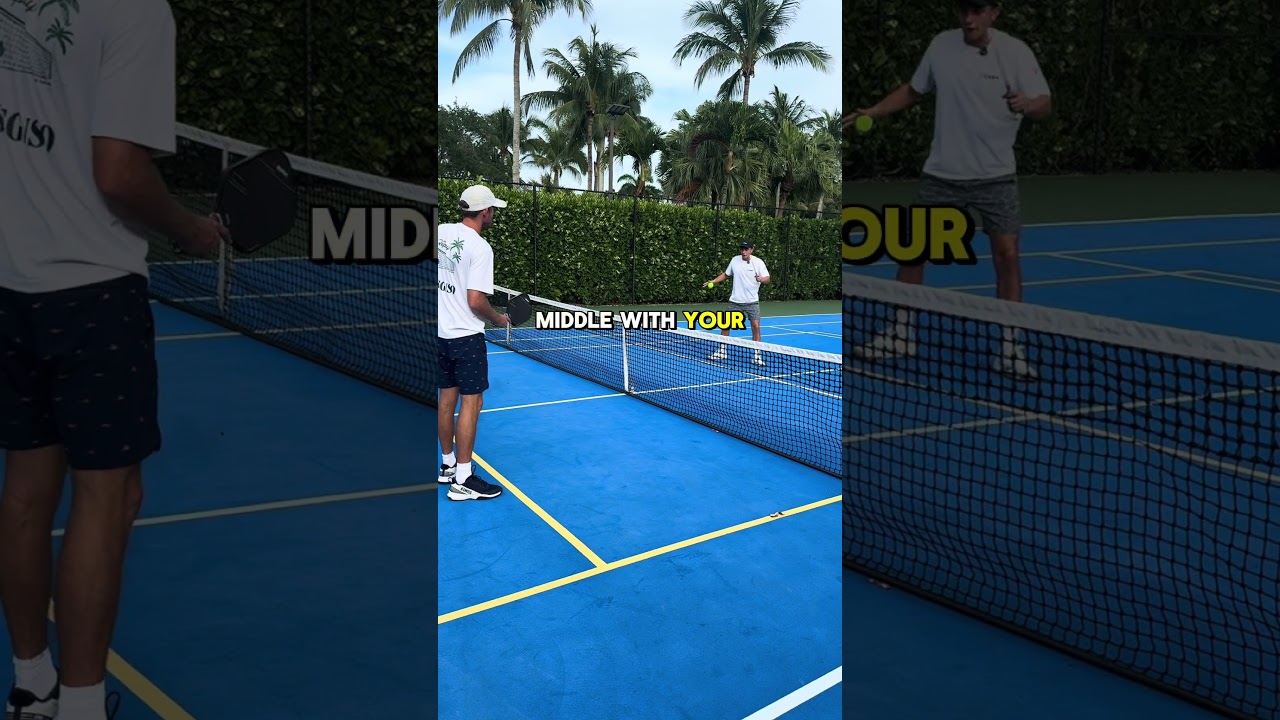
The Bonus Step: Hit and Slide, Then Run
After you hit the return, your job is to get to the kitchen line as fast as possible. But there is a right way and a wrong way to move through the shot.
Do not run while you are swinging. That rushed movement destroys your contact point and turns a solid return into a weak floater.
Instead, use what Dr. Oakson calls the hit and slide method. At the moment of contact, your back foot (right foot for right-handed players) slides forward.
The ball leaves your paddle, and then you run to the kitchen. The slide gives your body stability through contact.
The run happens after the ball is gone.
This approach also helps you use your legs properly. Your biggest, most reliable muscles are in your legs.
Transferring your weight through the shot with a solid slide is what gives the return its depth and pace, not your arm.
If you want the stability to hold up over three matches, the right shoes matter more than most players admit.
 The Dink Media Team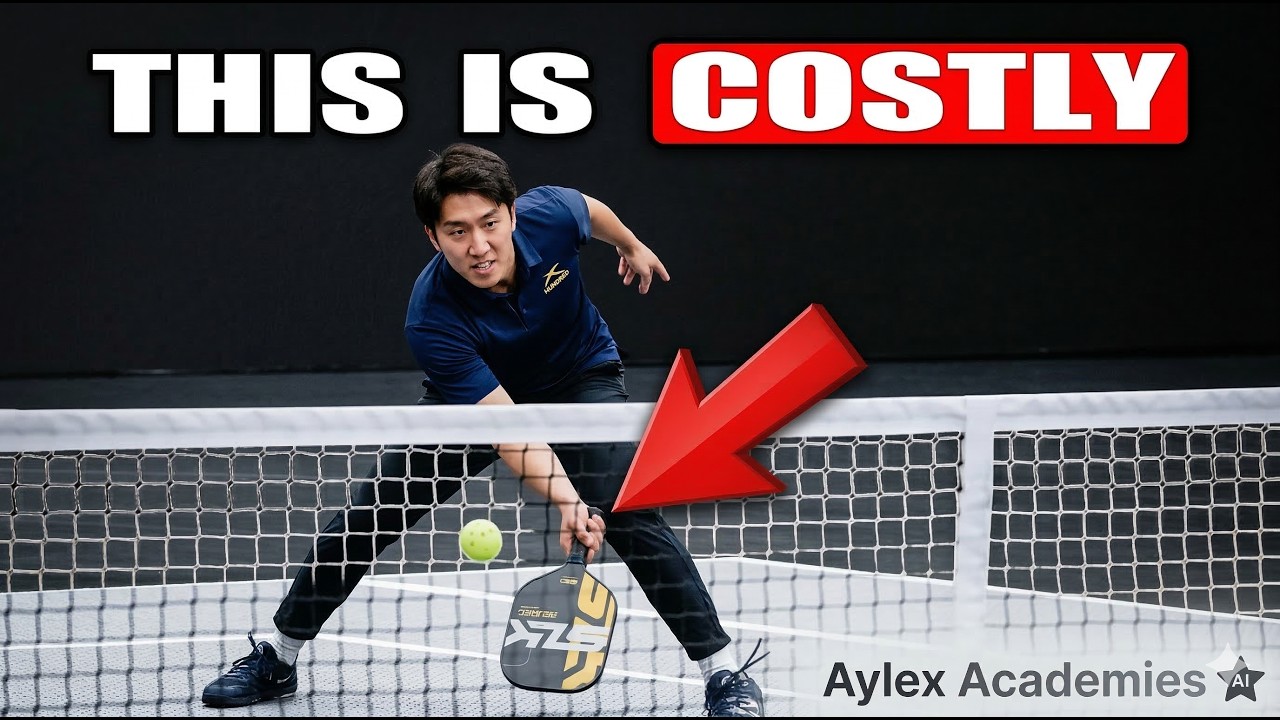
What About Depth? Is It Negotiable?
Depth on the pickleball return of serve is not negotiable. Everything else in your return game is adjustable.
Depth is the floor.
Your target is the last third of the court. In an ideal return, the ball crosses the net no higher than chest height and lands past that depth threshold.
At minimum, you should be hitting for that back zone on every single return.
Here is a useful practice mindset from Dr. Oakson: if you are not missing two or three out of every ten balls just long, you are not going deep enough.
A ball that misses by a foot is a very good miss.
A ball that lands safely in the middle of the court is far more dangerous to your side than an occasional long error.
Power comes later. Depth comes first.
You can work pace into your game once your chest is staying down and your spacing is consistent.
If you are struggling with returns sailing long, the solution is usually chest position rather than a shorter swing.
Worth knowing before you push depth to the edge: the 2026 USAP rule updates changed a few things about how serves and returns get called.
 The Dink Media Team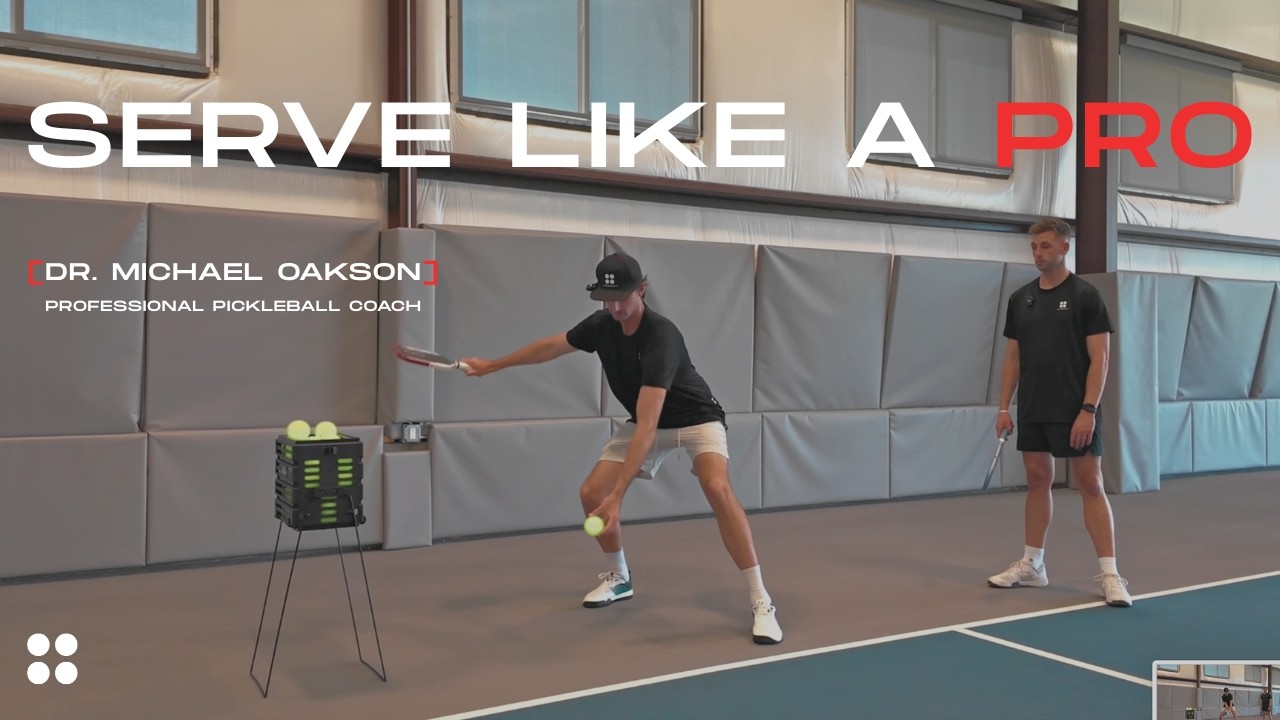
Doubles Strategy: Where Should You Actually Hit the Return?
Now that your technique is solid, placement matters.
The goal of every serve return in doubles is simple: set your partner up for success.
Your partner is already at or near the kitchen line. They are in a better court position than you.
Your return should put the ball somewhere that makes their job easier, not harder.
 The Dink Media Team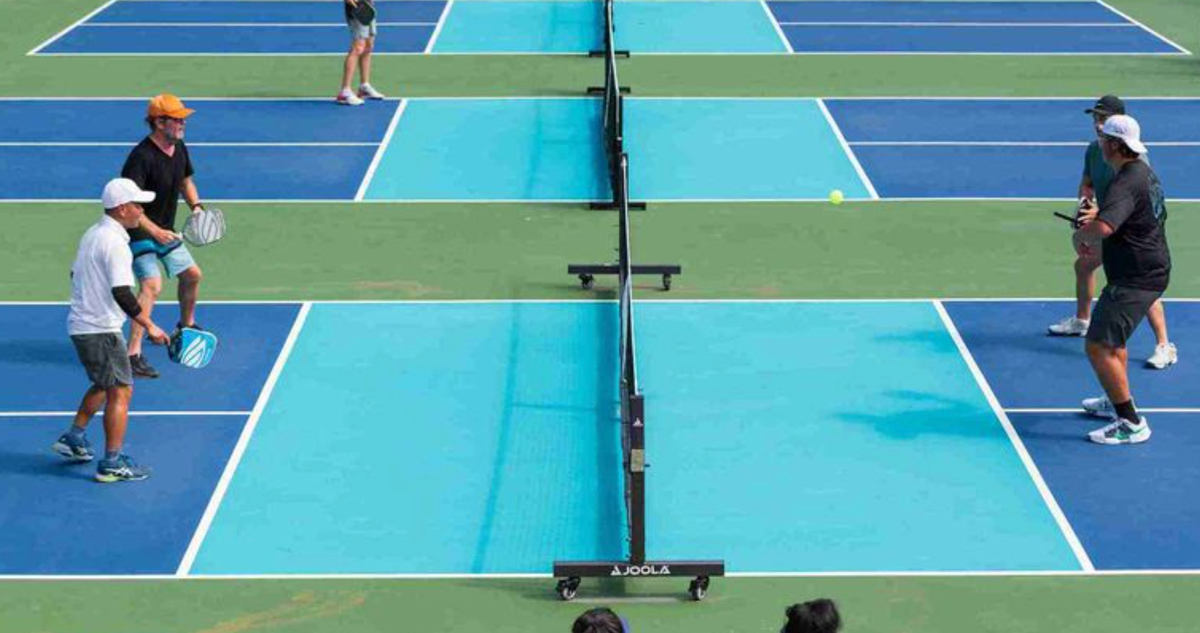
Returning From the Right Side
When you are returning from the right, your partner is up on the left.
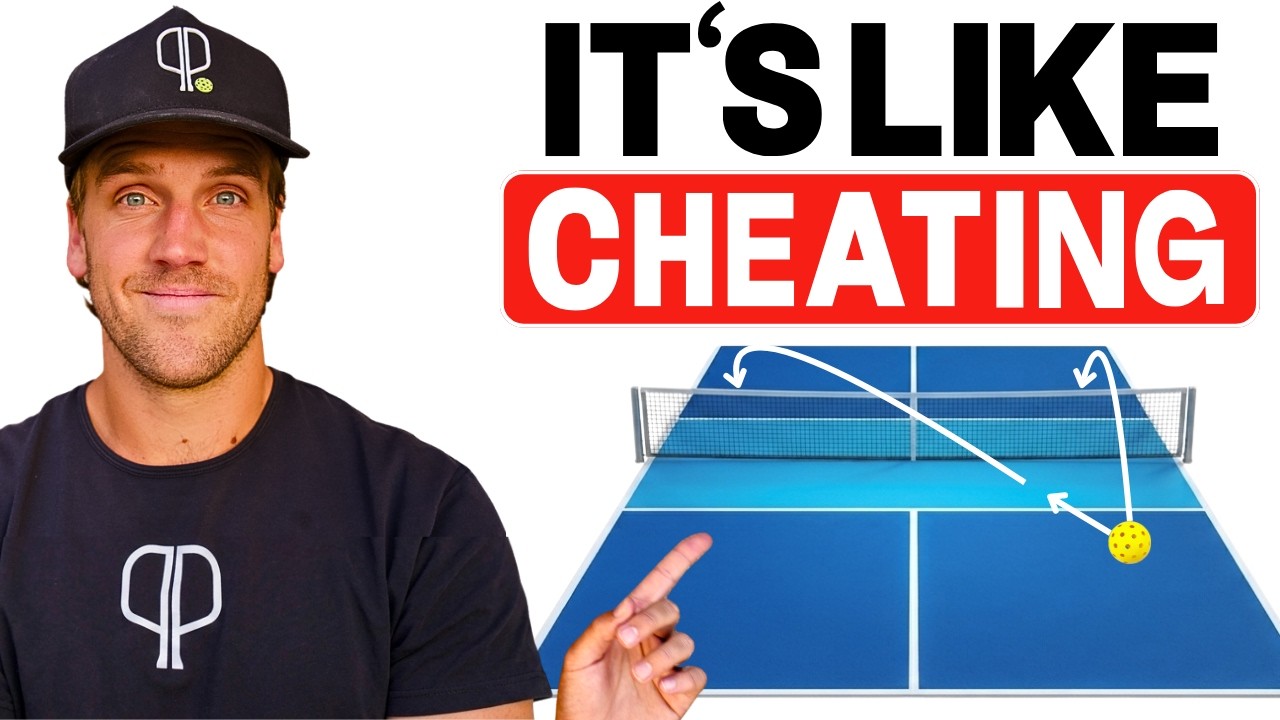
The instinct for a lot of players is to rip the ball crosscourt to the opposing right-side player's forehand corner.
Do not do that.
That spot opens up a massive range of attacking angles against your partner. The opposing player is comfortable on their forehand.
They can drive down the line, drive at the body, drive inside, or drop cross. You have created chaos for your own team.
Instead, aim for one of these two targets:
- The right-side player's backhand, hit roughly down the line or inside out
- The left-side player's backhand, hit cross court
Either of those placements makes it very hard for the serving team to attack your partner aggressively.
A backhand drive past your partner from that angle is an extremely low percentage shot.
The worst case is usually a slow drop that your partner can read easily while you transition forward.
Understanding crosscourt strategy at a deeper level will make this placement feel much more natural over time.
 The Dink Media Team
Returning From the Left Side
When you are returning from the left, your partner is up on the right. The logic flips slightly here.
You generally want to keep the ball in front of your partner, which means targeting the player directly across the net from them.
Hit the ball to the right-side player, either forehand or backhand.
Both of those placements keep the ball in your partner's coverage zone and limit the attacking angles back at you while you are still in transition.
There is one exception: if the opposing player's backhand has been noticeably weak all match, you can target it even from the left side.
The risk is worth it if their drop from that side has been consistently poor.
But do not chase a backhand target just because it sounds aggressive. Use it when the scouting report justifies the risk.
Reading those matchups faster is exactly what a simple 4-step system for winning more games is built to sharpen.
If you want to understand how to cover the court as a team after the return, covering your partner without leaving gaps is worth studying alongside this.
 The Dink Media Team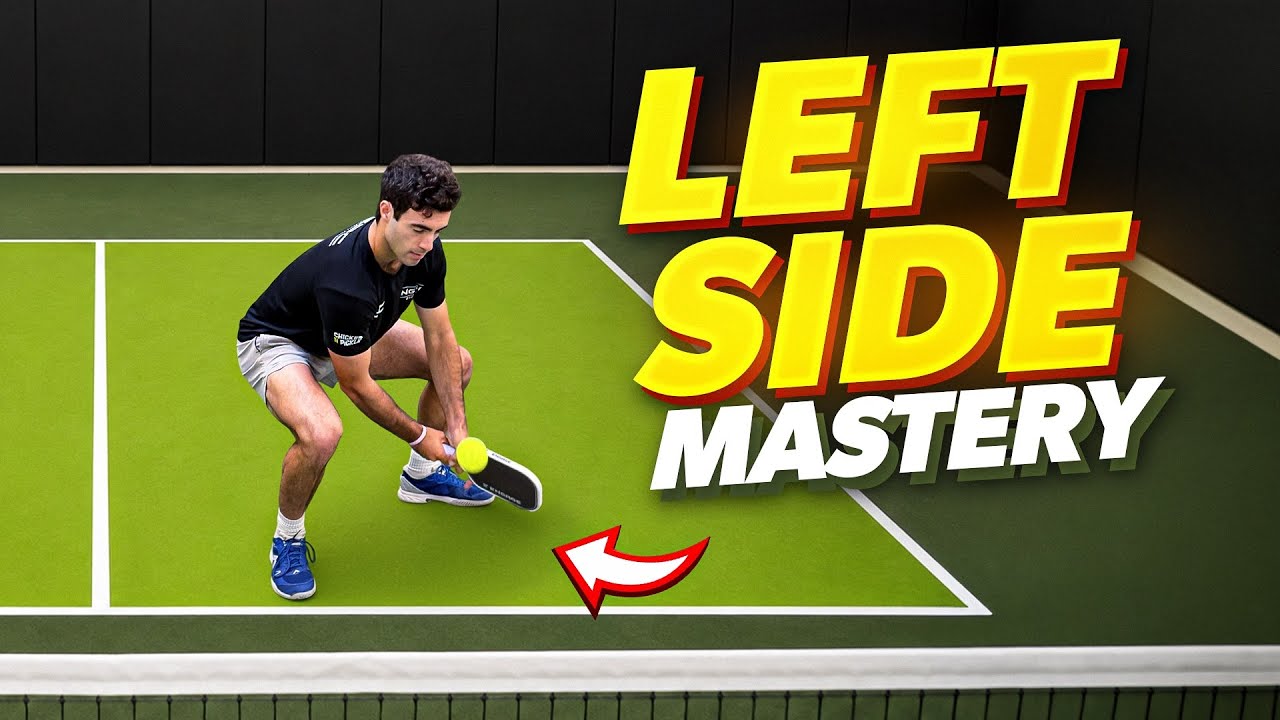
How the Return Affects the Entire Rally
Here is the thing most players miss. The return does not just keep you in the rally.
It determines the quality of the shot your opponent hits next.
A deep, flat return forces the serving team to hit their third shot from further back. Their drop has to travel farther.
Their drive loses pace before it crosses the net. Every extra inch of depth you earn on the return makes their third shot harder.
A short return does the opposite.
It lets them attack from a comfortable position, take pace off the drop with minimal effort, or drive through the court with full power.
You are essentially choosing whether their third shot is easy or hard based on where your return lands.
The serving team always has the first read on your return. Use that reality as motivation to be precise.
What they do with their third shot is a direct response to what you gave them on the second.
This is exactly why Dr. Oakson calls the pickleball return of serve the most underrated shot in pickleball.
Players obsess over the third shot drop, the ATP, the speed-up.
But the return is where you set the conditions for all of it.
Want to see how this fits into the broader shot sequence? Third shot strategy for doubles builds directly off everything covered here.
 The Dink Media Team
A Simple Return Drill to Start With
To build these habits fast, run this drill in your next practice session:
- Have a partner serve directly at your body repeatedly, not wide
- Focus your first step on moving around the ball, not toward it
- Make contact out in front of your lead knee with your chest staying down
- Slide through contact, then run to the kitchen after the ball leaves your paddle
- Target the last third of the court every single rep
The body serve is the hardest return to execute well. If you can build the spacing habit against a ball coming right at you, wide serves will feel easy by comparison.
For a full practice structure to support this, beginner training routines and advanced player drills both offer frameworks you can plug this work into.
Frequently Asked Questions
What is the most important part of a pickleball serve return?
Space creation is the most important element of a strong serve return. Your first step should move sideways or at a diagonal, not straight toward the ball, so your paddle has room to swing freely through contact.
Where should I aim my serve return in doubles pickleball?
When returning from the right side, target your opponent's backhand to limit their attacking angles against your partner. When returning from the left side, aim the ball at the player directly across the net from your partner to keep the ball in front of them.
Why does my serve return keep going long?
The most common cause is your chest lifting through contact rather than staying down over the ball. When your chest rises, the paddle face opens and the ball floats long. Keep your chest forward and your hips back through the full swing.
Should I run to the kitchen while I hit my serve return?
No. Running through your swing rushes the contact and weakens the return. Use a slide through contact as the ball leaves your paddle, then run to the kitchen after the shot is complete.
How deep should a good pickleball serve return land?
Your target is the last third of the court, with the ball crossing the net no higher than chest height. If you are not occasionally missing long in practice, you are not hitting deep enough on your returns.

Love Pickleball? Join 100k+ readers for free weekly tips, news & gear deals.
Subscribe to The Dink