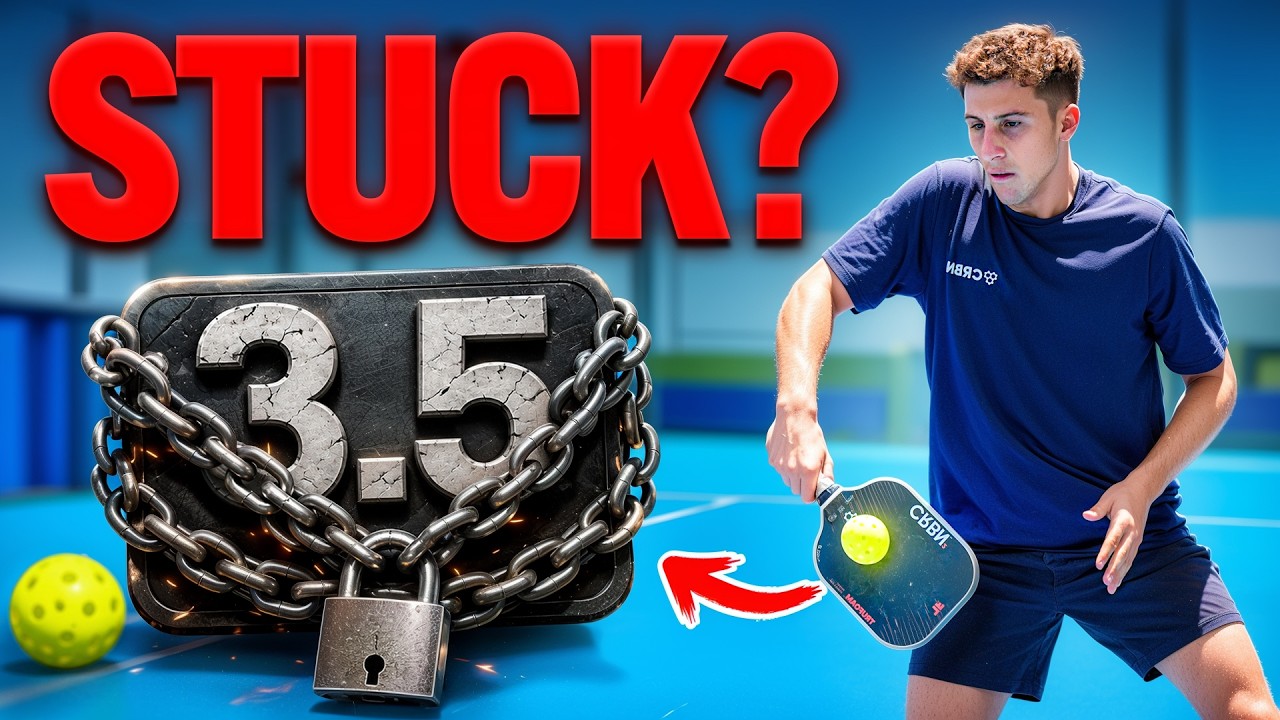
Why You're Stuck at 3.5 Pickleball and the 7 Fixes That Break the Plateau
Most 3.5 pickleball players make the same seven mistakes without even knowing it. Fix these and your game will look completely different within weeks.
If you keep making the same 3.5 pickleball mistake over and over, you already know the feeling: you play hard, you think you're improving, but the results stay the same.
The problem is not effort. The problem is that most players at this level are repeating a handful of specific errors that they cannot see from inside the rally.
The breakdown below comes directly from Tanner Tomassi (tanner.pickleball) on YouTube, who laid out seven of the most common traps keeping players stuck at 3.5 and what to actually do instead.
Here is every mistake and the fix for each one.
Love pickleball? Then you'll love our free newsletter. We send the latest news, tips, and highlights for free each week.
Mistake 1: Trying to Win a Rally You Haven't Neutralized Yet
The biggest concept most 3.5 players are missing is the idea that you cannot skip steps in a rally.
When you are behind, the sequence is down, neutral, winning. You cannot jump from down to winning.
The classic version of this happens during a cross court dink battle. Your opponent hits a sharp, aggressive ball. You are on your back foot.
And instead of resetting, you go for the highlight reel winner.
It almost never works.
The right move is to neutralize that ball back to the middle of the court, get back to even, and then look to create offense from a stable position.
Mistake 2: Zero Variety at the Kitchen Line
Pattern locking is one of the most common traps at the 3.5 level.
Players get to the kitchen and hit to the same spot, over and over, in the same way, with the same pace.
Your opponent figures out your pattern in about four shots. After that, they are just waiting for you.
The fix is simple: never put the ball in the same spot more than twice in a row.
Move it around, use your body to disguise your intentions, and vary your third shot choices between drives and drops.
Being unpredictable is one of the most underrated skills at this level.
Mistake 3: Aiming at the Body Instead of the Feet
This one surprises almost every 3.5 player who hears it.
During a hands battle at the kitchen line, the instinct is to try to punch the ball through your opponent's chest.
The problem is that everyone is strong at chest level. The ball comes right back at you.
Better players are fighting for the top of the ball so they can hit it downward into their opponent's feet.
When you force someone to volley up from ankle height, you win that exchange. Think about pressing down on every contact during a speed battle, not through.
If you want to build the hand speed to make this work consistently, this four step drill is a good place to start.
 The Dink Media Team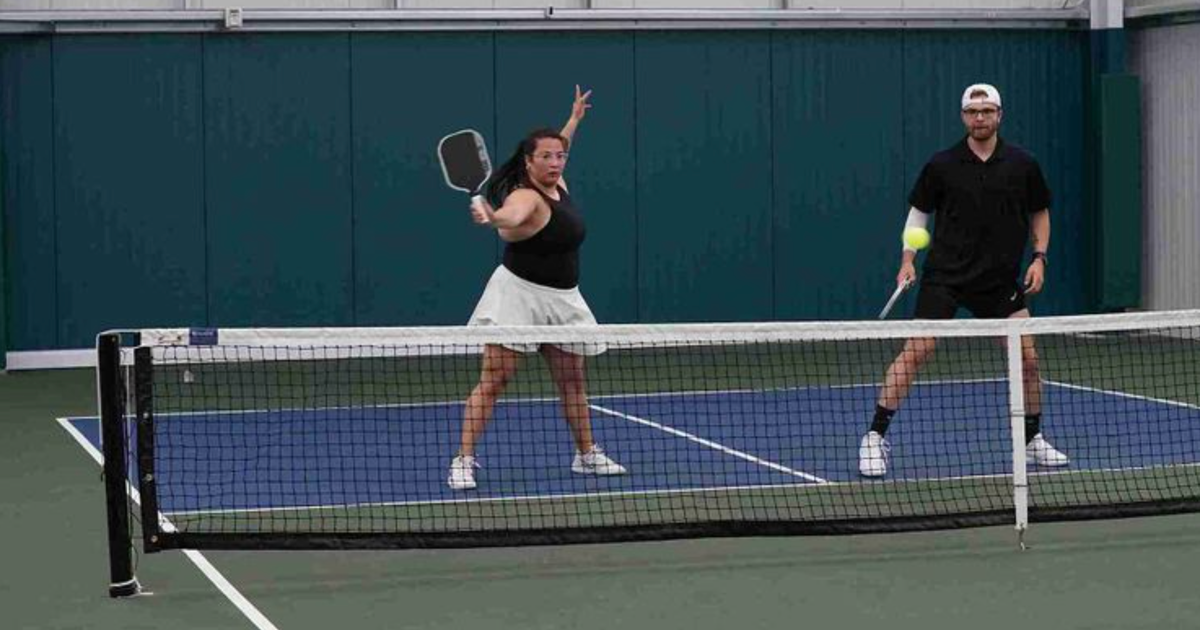
Mistake 4: Still Moving When the Reset Happens
The transition zone is where most 3.5 players give up free points.
After they hit their third shot drop and are running toward the kitchen, they are still moving when their opponent hits the ball.
That means they are reacting late to every shot.
The adjustment is about timing, not speed. You need to be completely still before your opponent makes contact.
As your ball is traveling through the air and crossing the net, that is when you stop and get set.
Most players stop moving when the opponent swings. That is already too late.
The ball arrives before you are ready and the reset pops up every time. These reset fixes go deeper on exactly how to clean this up.
 The Dink Media Team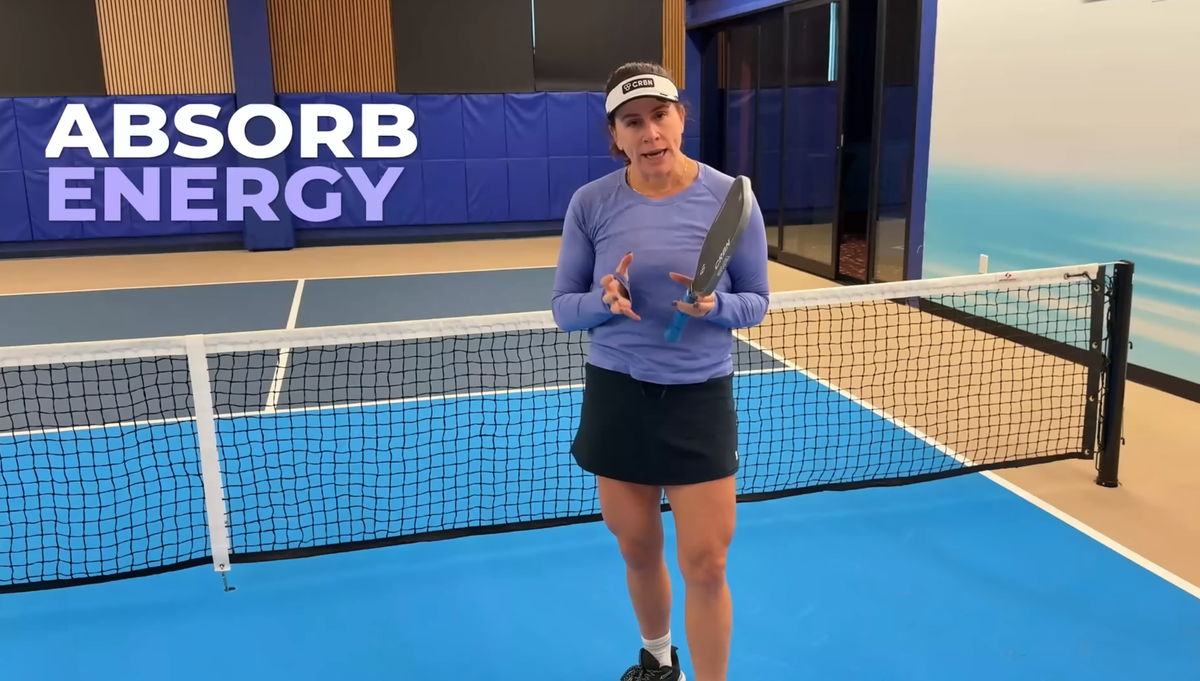
Mistake 5: Is This the Mistake That Keeps Players Stuck the Longest?
Mistake five is the one that traps players at 3.5 for years. It is not a shot problem. It is a court positioning problem while dinking.
Most players stand in one spot and react after the ball is already somewhere they cannot cover. The real issue is that they do not move as a unit with their partner.
Here is what the wrong version looks like. The ball goes to one corner. The partner over there hits it.
Meanwhile, the other player sees their partner struggling and tries to help, drifting toward the ball. Now there is a wide open lane on the opposite side.
The right approach is to stay in your box and wait. Watch where your partner hits it, then react to that.
You cannot react to the ball before you know where it is going.
Moving too early is the same as not moving at all because you will be in the wrong place.
Understanding how to cover your partner without leaving gaps is one of the most important positioning skills you can build as a doubles player.
 The Dink Media Team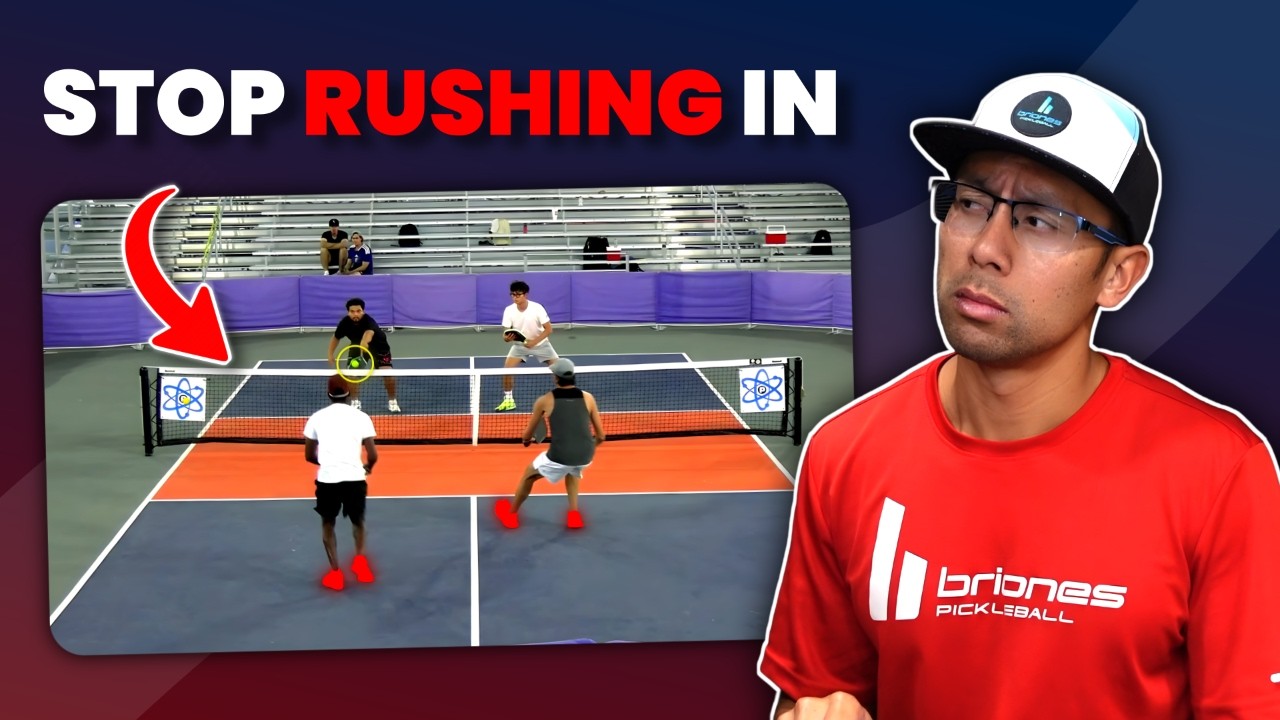
Mistake 6: Letting Every Ball Bounce at the Kitchen
If you let every ball bounce before you dink it back, you are applying zero pressure.
Your opponent knows exactly when the ball is coming and has all the time in the world to set up their next shot.
Taking balls out of the air is how you stay ahead in a rally. After you hit an aggressive dink that you are confident in, lean forward and look for the pop-up.
If it comes, volley it. Do not wait for the bounce.
The mental model here is about stacking advantages. You hit a good dink, your opponent is uncomfortable, and now you have a chance to press further.
If you let it bounce, the rally resets to neutral and you gave up your edge for free.
This connects directly to taking the ball out of the air as an offensive tool, which is a skill that separates 3.5 players from 4.0 players more than almost anything else.
Here is a quick checklist for when to volley instead of letting it bounce:
- You just hit a sharp or heavy dink that pushed your opponent back
- The ball is coming at or above net height
- You are already in an athletic, forward position at the kitchen
- Your opponent is off balance or out of position
- You feel confident in your volley, not uncertain
 The Dink Media Team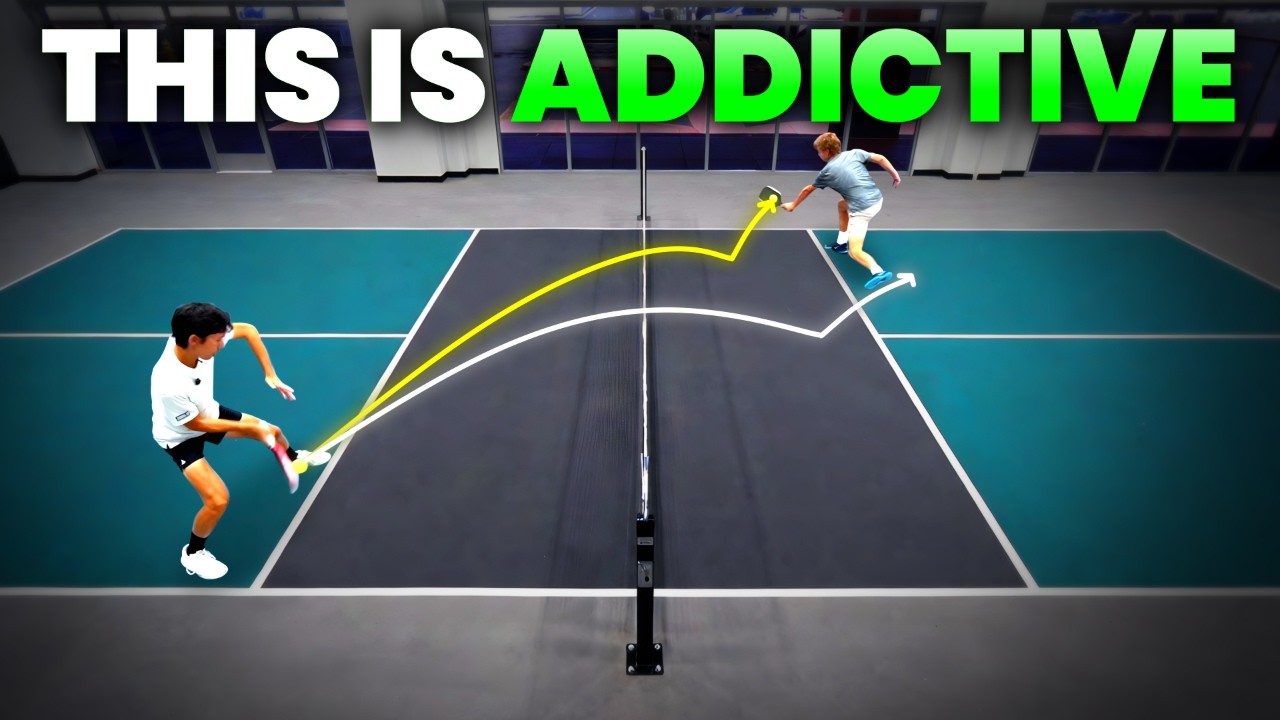
Mistake 7: Playing Individual Pickleball Instead of Team Pickleball
The last mistake is the most common mindset problem at 3.5. Players treat the court like it has an invisible wall down the middle. My half is mine.
Your half is yours. Cross that line and you are wrong.
That thinking will cost you matches constantly.
Pickleball doubles is a team sport, and good partners cover for each other.
Here is what that looks like in practice: your partner hits a weak return that lands in the midcourt. You see the opponents are about to drive it hard.
Your partner is late getting to the kitchen. You step over, cover the shot aimed at their knees, then return to your side.
That is not poaching. That is protecting your team. Knowing when to poach versus when to stay home is a skill that top doubles teams spend real time developing.
The same principle applies to covering the middle in pickleball, which is another area where 3.5 teams leak points without realizing it.
 The Dink Media Team
Putting It All Together
These seven mistakes are not random. They cluster around three core problems: poor decision-making under pressure, lack of variety, and weak positioning as a team.
Here is a summary of the seven fixes in order:
- Go to neutral first before you try to win a rally you are behind in
- Move the ball around and never hit to the same spot more than twice in a row
- Aim at the feet during hands battles, not the chest
- Stop moving before your opponent contacts the ball when resetting from the transition zone
- Stay in your box and wait to see where your partner hits before you react
- Volley more balls out of the air instead of letting everything bounce
- Cover your partner when they are caught out of position
If you want to keep building on this, fixing your 3.5 mistakes for tournament play is a natural next step.
And for anyone working on shot selection during dink battles, the simple dink pattern pros use to create offense is worth spending time on.
Work on one mistake per session. Do not try to fix all seven at once. Pick the one that shows up most in your game and stay with it until it changes.
Frequently Asked Questions
What is the most common reason players stay stuck at 3.5 pickleball?
The biggest reason is poor court positioning during dinking rallies, specifically not moving as a unit with a partner. Players stand in place and react too late, which leaves open lanes that opponents exploit every time. Fixing your movement as a team creates more improvement faster than any single shot change.
How do I stop popping up my reset shots in pickleball?
The main cause of pop-up resets is still moving when your opponent makes contact with the ball. You need to be completely still before they swing, not after. Stop your feet as your third shot drop crosses the net, so you have time to read and react with a soft, controlled reset.
Why should I volley more balls at the kitchen line instead of letting them bounce?
Letting every ball bounce gives your opponent time to recover and reset the rally to neutral. Taking balls out of the air keeps pressure on and builds on advantages you have already created. Think of it as stacking momentum, every aggressive shot you follow up with a volley pushes your opponent further back.
What does pattern locking mean in pickleball?
Pattern locking means you keep hitting to the same spot or using the same sequence of shots so your opponent can predict exactly what you will do. It is one of the most common problems at the 3.5 level and it completely removes the element of surprise from your game. The fix is to move the ball around and vary your shot selection so your opponent cannot read you.
How do I know when to cover my partner in doubles pickleball?
Cover your partner when you can clearly see they are late getting to the kitchen and an opponent is about to drive the ball hard at them. Step over, absorb the shot, and immediately return to your side. The key is acting on what you see, not guessing or moving too early before the shot is hit.

Love Pickleball? Join 100k+ readers for free weekly tips, news & gear deals.
Subscribe to The Dink