How to Make Friends Through Pickleball: Why the Sport Builds Community
If you want to know how to make friends through pickleball, start at the kitchen line, not the parking lot. This guide breaks down exactly how the sport turns strangers into your weekly crew, from your first open play session to a standing Tuesday night group.
If you're looking for how to make friends through pickleball, you're already standing in the easiest room in the world to make them.
Here's the thing. Most sports make you earn friendships over months of practice and awkward small talk.
Pickleball skips that step entirely.
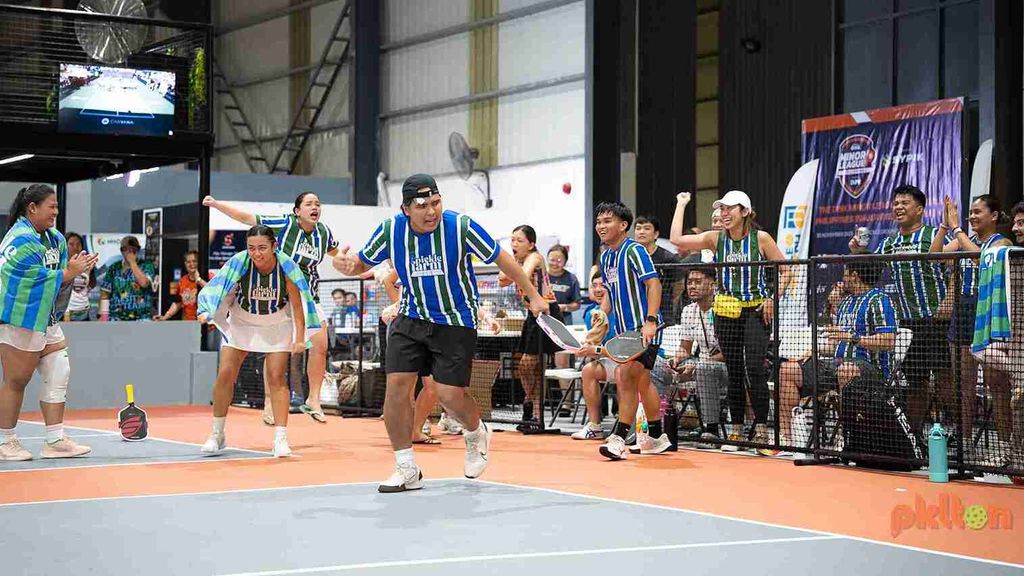
You show up to open play, get paired with a stranger, and by the third rally you're already trash talking like you've known each other for years.
That's not an accident. It's the design of the game.
Love pickleball? Then you'll love our free newsletter. We send the latest news, tips, and highlights for free each week.
How to Make Friends Through Pickleball Starts at the Kitchen Line
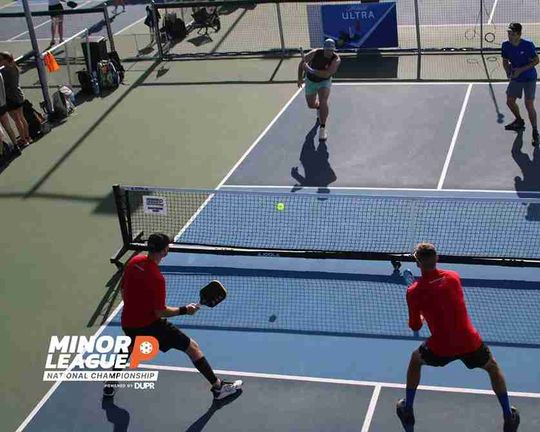
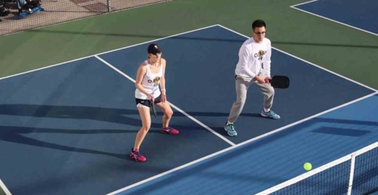
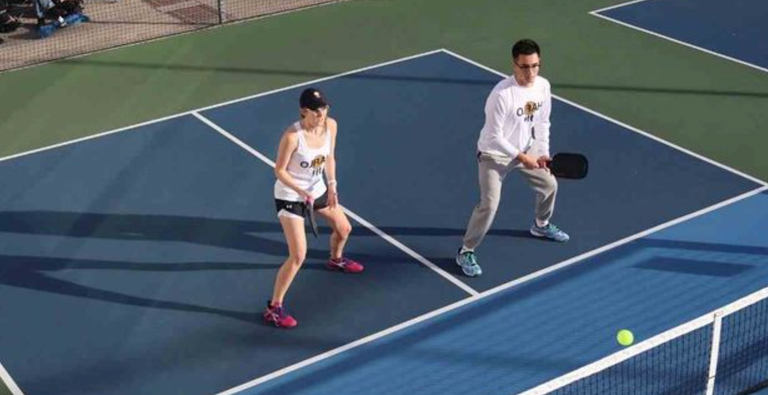
The fastest way to make friends through pickleball is to stand at the kitchen line and let the game do the talking.
The kitchen, officially called the non-volley zone, is the seven-foot strip on each side of the net where you can't hit the ball out of the air.
It's also where most of the game's conversation happens. Dinks are slow. Rallies stretch out. You've got time to laugh, chirp, and coach each other between shots.
Compare that to a sport like tennis, where opponents stand 78 feet apart and barely speak until the handshake.
Pickleball puts you close enough to talk strategy, swap paddle recommendations, and figure out where someone's kid goes to school, all before the game ends.
Read up on how to position yourself at the kitchen if you want to spend more time there instead of retreating to the baseline out of habit.
Here's the part beginners miss. You don't need to be good to be included. Most courts run a rotation system where new players cycle in every game.
Nobody cares about your rating in that line. They care about whether you show up on time and don't hog the ball.
Why Doubles Turns Strangers Into Your Weekly Crew
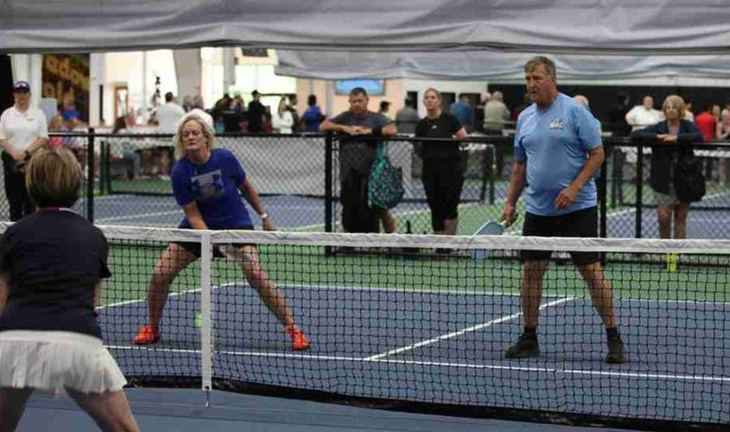
Pickleball is built for doubles, and doubles is built for friendship. You can't win a doubles match without trusting the person on your side of the net.
That forced trust is where real relationships start. You're covering for each other's weaknesses, calling lines together, and celebrating the same points.
It's a shared win, not a solo one.
Check out our breakdown on how to change the way you think about doubles pickleball if you're used to singles sports and need a mental reset.
The strategy is different. So is the social contract.
How to Make Friends Through Pickleball If You Are Brand New
The single best move for a new player is to show up to the same open play session at the same time every week.
Consistency beats talent here. Regulars remember faces.
After three or four visits, you stop being "the new person" and start being part of the group that grabs tacos after Thursday night play.
If you're nervous about being the weakest player on the court, don't be. Every group has a spot for you.
Study the doubles strategy around sideline placement and you'll look sharper within a few sessions, but honestly, showing up matters more than your dink accuracy.
Here's a quick framework for your first month at a new court:
- Show up at the same time slot for at least four straight sessions so regulars start recognizing you.
- Ask one question per session, whether it's about equipment, technique, or where people go after playing.
- Bring your own paddle to open play instead of borrowing, since it signals you're committed, not just curious.
- Say yes to the first social invite you get, even if it's just standing around the cooler after games.
 The Dink Media Team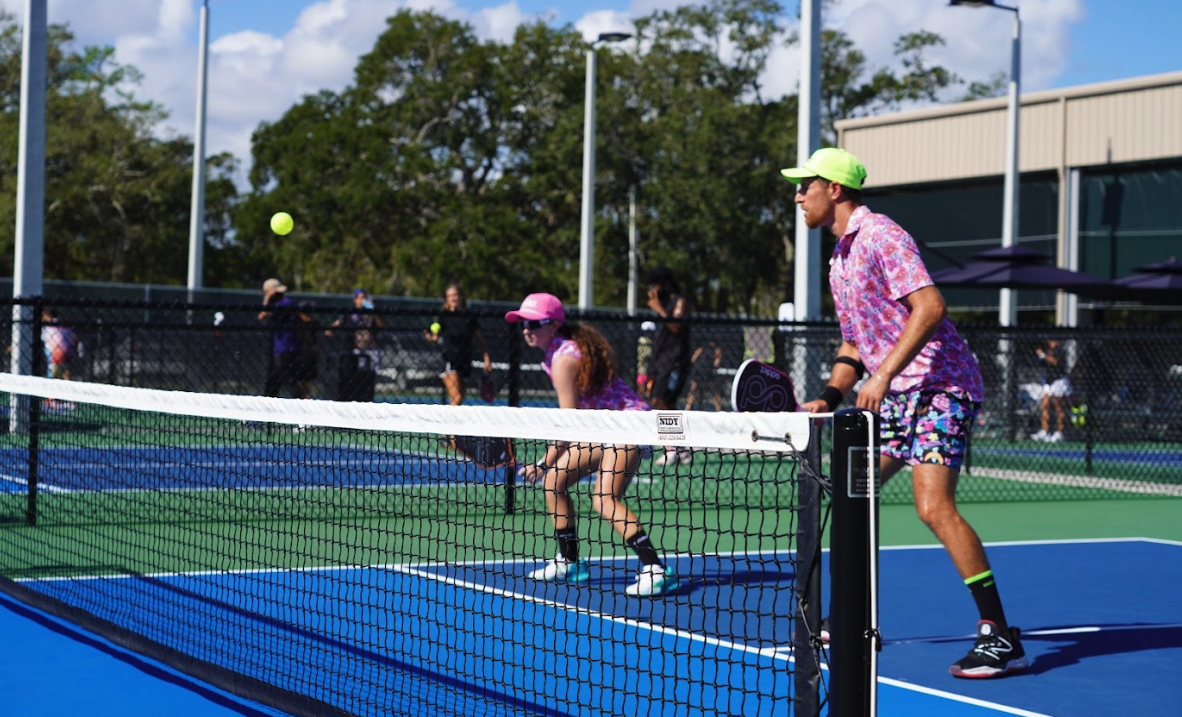
What a Pickleball Social Actually Looks Like
A pickleball social is a scheduled event, usually at a club or rec center, built around mixed skill levels and rotating partners.
Unlike a competitive league night, the whole point is meeting new people. Courts rotate every game. Partners rotate too. Nobody is grinding for a ranking.
This format is exploding for a reason.
Participation in the sport has climbed for several straight years, and industry tracking from the Sports & Fitness Industry Association has repeatedly flagged pickleball as the fastest growing sport in the country, a trend that continued into 2025 and 2026 as more community centers added dedicated pickleball socials to their weekly schedules.
If your local courts don't run one yet, ask. Most facilities will start a social night if enough players request it.
And if you're traveling, search for a pickleball club near your destination before you leave.
Plenty of clubs, like the setup at Thunderdome, build their entire identity around the social side of the sport, not just competition.
 The Dink Media Team
How to Make Friends Through Pickleball When You Travel
Traveling players use pickleball the same way business travelers use a hotel gym, as an instant way to meet locals in an unfamiliar city.
Search Facebook groups, club finder apps, or your hotel concierge for a drop-in session.
Most cities have at least one facility that welcomes visitors for a single session fee.
 The Dink Media Team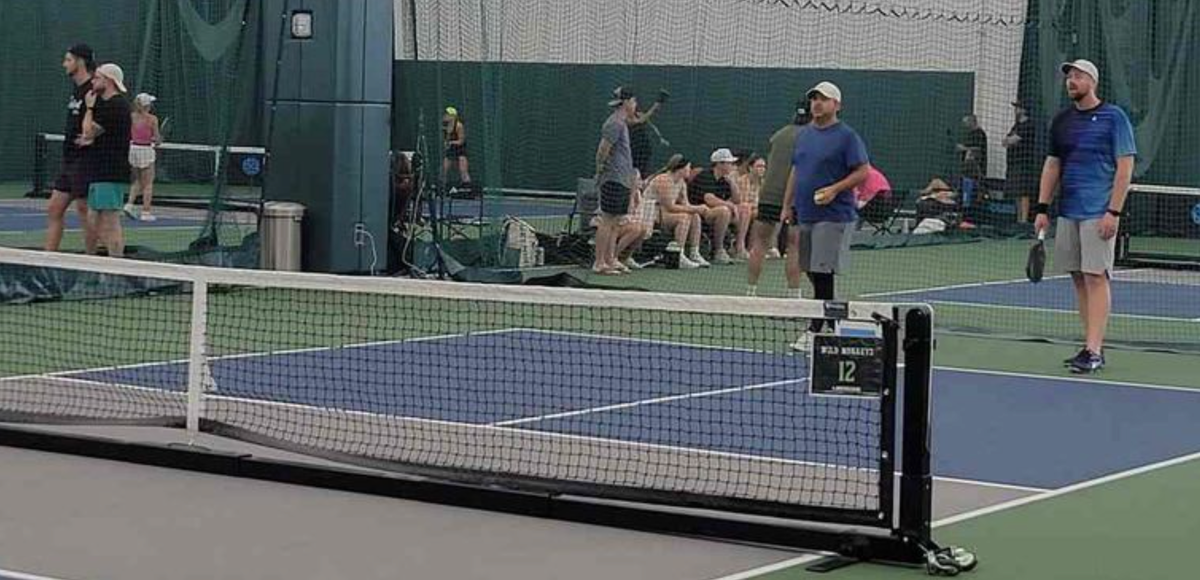
This works because the sport's culture assumes friendliness by default. Nobody questions why a stranger showed up.
They hand you a paddle and ask what side you like to play.
If you want your game to hold up on unfamiliar courts, brush up on simple tips to improve teamwork so you're an asset to whichever partner you get paired with, not a liability.
Honestly, this might be the single most underrated travel hack in the sport.
You land in a new city, walk onto a court, and leave with three new contacts and a dinner invite. Try doing that at a hotel bar.
 Alex E. Weaver
The Social Habits That Make This Work Long Term
Friendships built on the court survive because pickleball gives you a repeatable reason to see the same people.
Unlike a one-off happy hour, you've got a standing excuse to show up weekly.
That repetition is what turns "the guy from Tuesday night" into an actual friend, and it's the real answer to how to make friends through pickleball once the novelty of your first few sessions wears off.
A few habits separate players who build real friendships from players who just get exercise:
- They remember names and use them immediately, even before they remember anyone's rating.
- They stick around after games instead of bolting for the parking lot.
- They practice off the court too. Solo reps, like these solo pickleball drills you can do by yourself, free up court time for actual conversation instead of warm up drilling.
- They invite people to things outside of pickleball, not just more pickleball.
If you want to speed up your own social traction, work on your game just enough that you're not the reason a group loses interest.
Drilling your return of serve or learning to be unattackable at the net buys you goodwill fast. Nobody wants to babysit a partner every single game.
Competence, even a little, makes people want you back.
And if your third shot needs help, there's a reason players talk about making their third shot spicy.
A good third shot drop keeps rallies alive longer, and longer rallies mean more time to talk. It sounds small. It isn't.
 The Dink Media Team
Key Takeaways
- How to make friends through pickleball comes down to consistency. Show up to the same time slot weekly.
- The kitchen line encourages conversation because rallies are slower and players stand closer together than in most sports.
- Doubles format forces trust and shared wins, which builds relationships faster than solo sports.
- A pickleball social is specifically designed for meeting new people through rotating partners and mixed skill levels.
- Joining a structured club with a consistent schedule beats relying on open play alone if your main goal is community.
- Traveling players can use drop-in sessions to meet locals instantly in any city.
- Improving your teamwork on the court and your basic skills makes people want to keep playing with you.
Frequently Asked Questions
Is pickleball actually a good way to make friends?
Yes. The sport's doubles format, slower pace at the kitchen line, and rotating open play structure are all built for conversation. Most players report meeting people faster through pickleball than through gyms or running clubs, since the format naturally pairs strangers together every game.
How do I make friends through pickleball if I'm new and not very good?
Show up to the same open play session consistently, ask questions, and say yes to social invites. Skill level matters far less than reliability and attitude. Check out these 3 tips every beginner needs to know if you want a head start, but most regulars care more about whether you show up on time than how hard you hit.
What's the difference between a pickleball social and regular open play?
A pickleball social is a scheduled event built specifically around meeting new people, with rotating partners and mixed skill levels. Regular open play can be more competitive and less structured, though many facilities blend the two formats on certain nights.
Should I join a pickleball club or just play at public courts?
Join a club if your main goal is community. Clubs track member skill levels, run consistent schedules, and often organize off-court events. Public courts work fine too, but the social structure depends more on who happens to show up that day.
How long does it take to make real friends through pickleball?
Most players start recognizing regulars within three to four visits and form genuine friendships within a month or two of consistent play. Showing up on the same schedule every week speeds this up significantly.

Love Pickleball? Join 100k+ readers for free weekly tips, news & gear deals.
Subscribe to The Dink