Start Viewing the Kitchen As an Opportunity, Not an Obstruction
Most players treat the kitchen line as something to fear. Flipping how you think about the kitchen line pickleball strategy could be the simplest fix you make all season.
Most players treat the kitchen line like a wall they must never touch. They hear "don't step in the kitchen" and suddenly that entire zone feels like enemy territory.
That fear costs you points. When you stop seeing the kitchen as a target, you give up one of the most powerful tools the game hands you for free.
This breakdown covers how to reframe the non-volley zone from a restriction into a strategic weapon, using insights from ThatPickleballGuy Kyle Koszuta on YouTube.
Love pickleball? Then you'll love our free newsletter. We send the latest news, tips, and highlights for free each week.
The Rule Itself Tells You How to Win
Rules in sport don't just set boundaries. They create strategy.
Think about basketball. When the three-point line arrived in 1979, players had no idea what to do with it, and within a few decades teams were shooting so many threes that defenses had to completely reorganize.
One rule reshaped the entire sport.
The non-volley zone works the same way. Per the USA Pickleball Official Rulebook, you cannot step into the kitchen and volley a ball out of the air, and that zone extends seven feet from the net on both sides.
Here's what that rule actually means: if you land a ball in that zone, your opponent has to let it bounce before they can attack.
That one constraint hands you real, usable power as the player hitting in.
It's worth knowing how the boundary is enforced, especially with 7 new USAP pickleball rules for 2026 now in play and the 2025 rule book changes still shaping how referees call the line.
Why Do Beginners Get This Backwards?
When you learn pickleball, you get told what you cannot do. Don't step in the kitchen. Don't volley from the kitchen line.
The language around this rule is almost entirely negative.
So players treat the kitchen with anxiety instead of intention. They try to keep the ball away from that zone rather than putting it there on purpose.
That's the mistake. The kitchen isn't a hazard. It's a safe landing zone that protects you when you're under pressure and opens up the point when you're not.
Flipping that mental model is one of the fastest ways to improve your shot selection in pickleball.
What Happens When You Hit Into the Kitchen?
When your ball lands shallow in the kitchen, your opponent faces a hard choice. They have to wait for the bounce, which means they lose time and positioning.
They cannot be aggressive with a ball that dies in the kitchen. They have to move forward, get low, and hit up on the ball.
That limits the angles they can use and almost eliminates their ability to drive through you with power.
Compare that to a ball that sits up in the middle of the court. A high ball is an invitation.
You're practically handing your opponent a speed-up they can use to end the point.
That's why pro pickleball is filled with dinking.
Players like Anna Leigh Waters use the kitchen constantly not because they're being passive, but because it keeps opponents neutralized and builds pressure over time.
Dinking technique matters far more than most recreational players realize.
 The Dink Media Team
When Should You Target the Kitchen?
There are two main situations where targeting the kitchen is the right call.
- When you're in trouble: If you're out of position, off balance, or being rushed, hitting shallow into the kitchen resets the point. It gives you time to recover without giving your opponent an easy attack.
- When you want to apply pressure differently: You don't need pace to make someone uncomfortable. A well-placed dink that forces your opponent to dig up a low ball creates pressure without any power behind it.
Both situations reward the same skill: the ability to place the ball short and soft with intention.
Understanding the shot selection rules you keep getting wrong usually starts here, with recognizing when NOT to go for pace.
 The Dink Media Team
How to Actually Use the Kitchen as a Target
Knowing the kitchen is useful and knowing how to use it are two different things. Here's a practical breakdown of how to start doing this in real games.
- Pick a spot in the kitchen and aim for it. Don't just "hit it soft." Identify a target, either cross-court or straight ahead, and try to land the ball there. Intentionality matters.
- Use your wrist and grip pressure to control the depth. Soft hands create shallow shots. Squeezing the paddle tightens the contact and sends the ball deeper. Loosen up when you want to drop it into the kitchen.
- Hit from a stable base. Rushed, off-balance shots rarely land where you want. Even under pressure, take a split second to plant your feet before you swing.
- Watch what happens after you land it there. Pay attention to how your opponent responds. If they're scrambling to get low, you're doing it right. If they're stepping in and attacking, you may not be getting the ball shallow enough.
This is exactly the kind of tactical adjustment that separates players who stay stuck from those who start moving up skill levels.
 The Dink Media Team
Isn't This Just Dinking? What's the Difference?
Dinking and targeting the kitchen are related but not identical.
A dink is a specific shot type: a soft, arcing ball that clears the net and lands in or near the kitchen.
Targeting the kitchen as a strategy is broader.
It includes the third shot drop, resets from mid-court, and even intentional short returns when you're out of position.
The common thread is placement.
You're choosing to land the ball in that zone deliberately, whether you're in a full dink rally or just trying to survive a tough exchange at the transition zone.
Thinking about the kitchen as a target zone rather than a single shot makes you more flexible.
It's the same logic behind the 6 essential pickleball shots to master for 2026.
 The Dink Media Team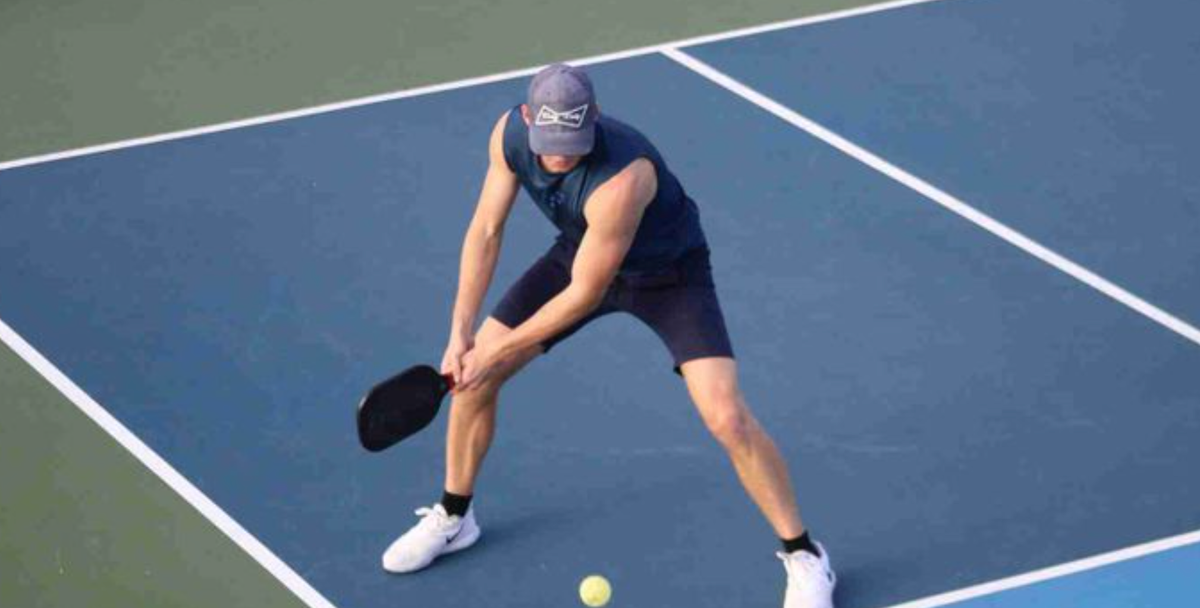
What Does This Look Like Against Different Players?
Against a banger, who loves to drive everything hard, dropping into the kitchen takes pace off the rally and forces them to play a style they hate.
Most bangers have weak dink games. Put the ball in the kitchen and watch them struggle.
Against a patient defensive player, using the kitchen still matters. You're not trying to rush the point.
You're keeping the ball low, limiting their attack windows, and waiting for a ball you can take offense on. Pros use this structure every single game.
Against a net rusher who tries to poach, a kitchen-targeted ball makes their life very difficult.
They have to pause before attacking because the ball needs to bounce first.
Every player type gives you a reason to use this zone.
The pickleball kitchen is not a situation-specific tool, and that broad application is exactly what makes it valuable.
Even pro tactics shift year to year, which is why pros abandoned the slice shot in 2025 while soft-game placement only got more important.
 The Dink Media Team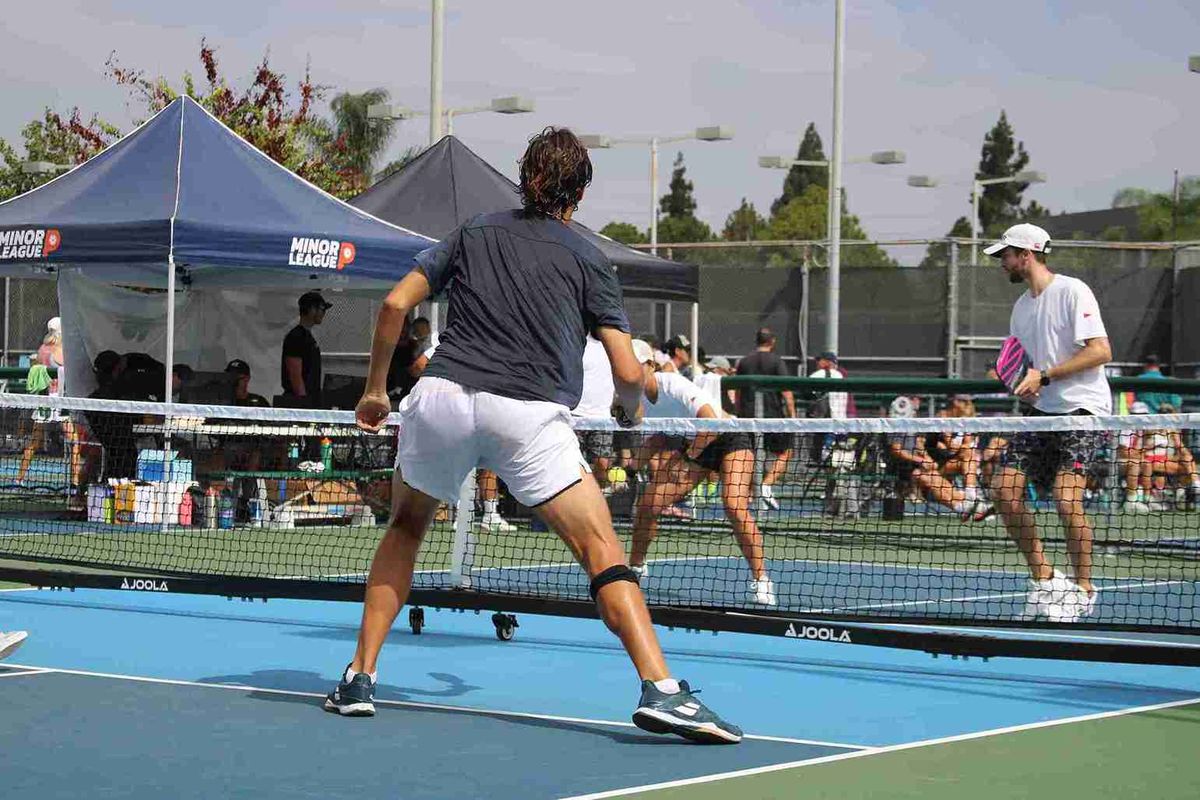
The Most Common Mistake When Trying This
Players try to drop into the kitchen and either hit the net or send the ball too deep.
Both problems usually come from the same place: too much tension in the arm and hand.
When you're nervous, you grip tighter. When you grip tighter, you add pace. That sends the ball longer than you want.
Practicing soft hands is not optional if you want to control depth consistently.
A great starting drill is to stand mid-court and practice hitting the kitchen from there. You'll quickly discover how much less effort it takes than you think.
These two dinking drills a senior pro swears by are a smart place to start building that feel.
Also, check that you're not swinging up too steeply.
A flatter, more controlled swing with a slightly open paddle face tends to produce more consistent depth in the kitchen than a big looping motion.
You can also work on your grip pressure as a standalone skill. It has a bigger impact on shot softness than most players expect.
 The Dink Media Team
Making It a Default, Not a Panic Button
Here's the shift you need to make. Right now, you probably only think about the kitchen when you're in trouble. That's backwards.
The kitchen should be your default target in neutral rallies, not just your escape route in bad ones.
When you're not sure what to do, the kitchen is almost always a safe answer.
That doesn't mean you only hit there. It means your baseline intention is to keep the ball low and force your opponent to work upward.
You attack when the opportunity presents itself, but you don't manufacture opportunities by going for high-risk shots out of nowhere.
This mindset is part of what separates players who play like a 4.5 from those who plateau at 3.5.
The better players know when to be patient and how to use placement as a weapon.
Learning to make better decisions as a 3.5 player usually starts with exactly this concept: choosing where the ball goes instead of just reacting.
 The Dink Media Team
One Simple Thing to Try This Week
Take one idea onto the court. In your next session, every time you feel under pressure or uncertain, aim for the kitchen.
Don't think about pace. Don't try to thread a corner. Just get the ball in that zone and watch what happens to the rally.
You'll be surprised how often it resets the point in your favor.
Track how your opponents respond, because that feedback loop teaches you more than any drill in isolation.
These five tips that save you points fast and this simple 4-step system to win more games in 2026 run on the same principle: simple execution beats complicated strategy almost every time.
The kitchen is your friend. Start treating it like one.
Frequently Asked Questions
What is the kitchen line in pickleball?
The kitchen line is the boundary of the non-volley zone, which extends seven feet from the net on both sides of the court. You cannot step into this zone and volley a ball out of the air. If you want to hit from inside the kitchen, the ball must first bounce.
Why should I aim for the kitchen instead of hitting hard?
A ball landing in the kitchen forces your opponent to let it bounce before they can attack, which removes their ability to drive aggressively. Targeting the kitchen gives you a safe, low-risk option that keeps the rally controlled and limits your opponent's best angles.
Can hitting into the kitchen actually apply pressure?
Yes. Placing the ball repeatedly in the kitchen forces your opponent to dig low shots, which reduces their attack options and creates errors over time. Pressure in pickleball doesn't only come from power; it also comes from placement and consistency.
When is the best time to target the kitchen?
Target the kitchen whenever you're off balance, unsure of your next shot, or facing an aggressive opponent who likes to drive the ball hard. It's also the right call in neutral rallies when you want to keep the ball low and wait for a better opportunity to attack.
How do I stop hitting the net when I try to drop into the kitchen?
Net errors usually come from hitting too flat or using too much backspin without enough lift. Try opening your paddle face slightly and focusing on a smooth, controlled swing rather than a sharp downward motion. Practicing from mid-court with a relaxed grip will help you find the right feel quickly.

Love Pickleball? Join 100k+ readers for free weekly tips, news & gear deals.
Subscribe to The Dink