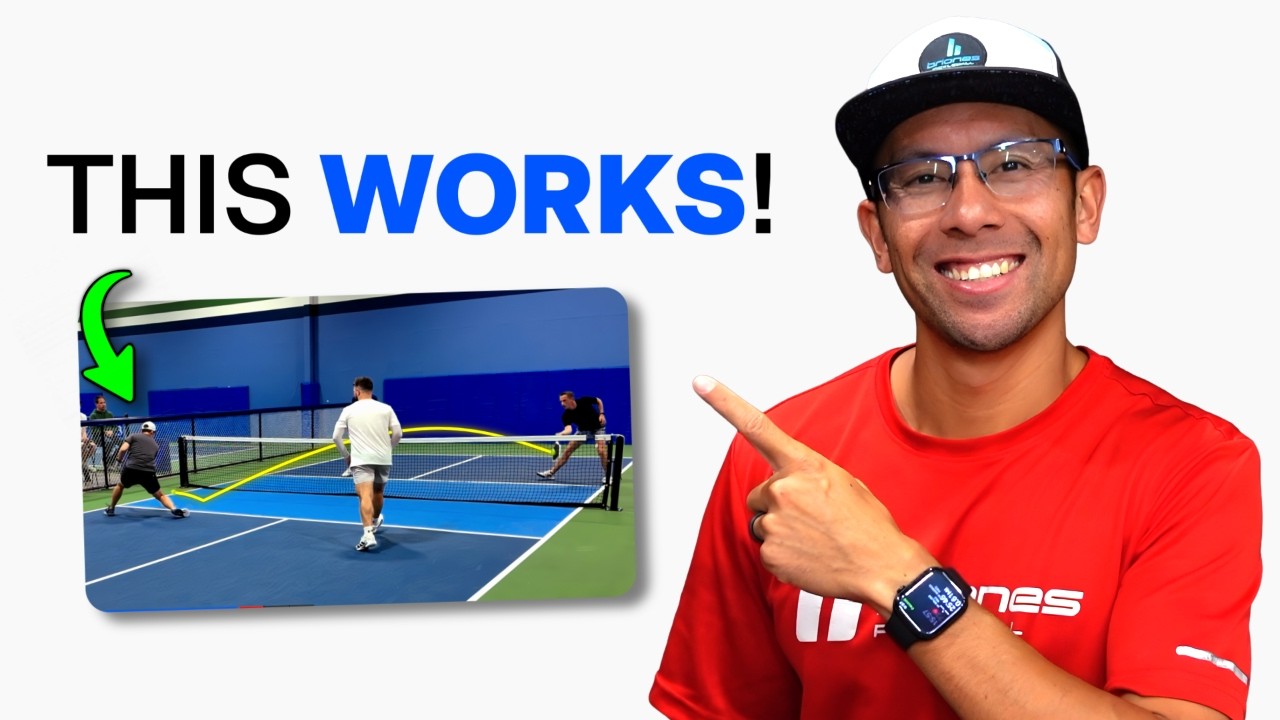
A 4.5 gold medal match reveals exactly what separates elite club players from everyone else. These 7 habits are the difference, and most players overlook nearly all of them.
If you have ever watched a 4.5 pickleball player and thought they just look smoother, calmer, and more in control, you are not imagining it.
There is a specific set of habits and decisions that separate that level from everything below it.
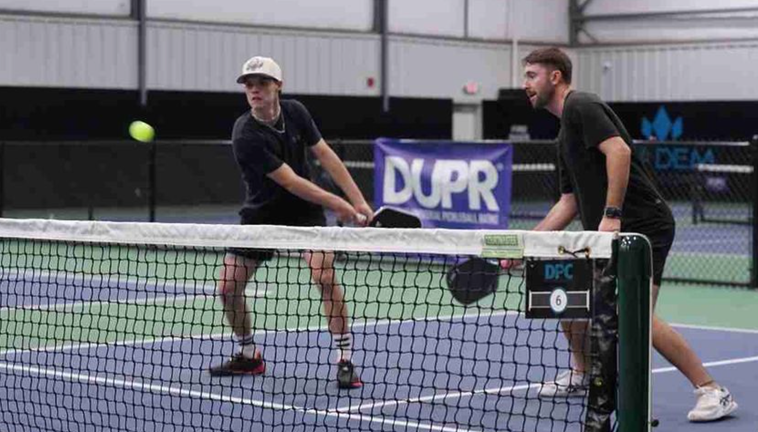
This breakdown comes from Briones Pickleball Breakdown on YouTube, where coach Jordan Briones walks through a 4.5 men's doubles gold medal match point by point.
The match features players Chris and Sergey, and the analysis zeroes in on what they do right and where the small gaps still exist.
Here are the seven habits you will see over and over in this match, and why copying them will change how you play.
Love pickleball? Then you'll love our free newsletter. We send the latest news, tips, and highlights for free each week.
What Actually Separates 4.5 From 3.5?
It is not power. It is not spin.
It is decision-making and consistency under pressure. At the 4.5 level, players are playing for percentages on every single shot.
They are not trying to hit a winner every time. They are trying to make the right play, keep the ball in, and let the point develop.
That mindset shift alone explains most of the gap between levels. Here is exactly how it shows up in real points.
1. Their Transition Game Is Deliberate, Not Rushed
The biggest tell between a 3.5 and a 4.5 pickleball player is what happens between the serve and the kitchen. Lower-level players rush. They panic.
They try to get to the net as fast as possible and end up making errors along the way.
In this match, both Chris and Sergey move through the transition zone with patience.
They hit quality drops, split step, reset when needed, and only advance when they have earned the position.
Why Rushing the Transition Zone Costs You Points
If your transition game is costing you points, the fix is almost never "hit a better drop."
It is usually about slowing down and making smarter decisions on the way in.
Three keys to mastering the transition zone come down to footwork, patience, and knowing when to hold your ground.
2. The Split Step Is Non-Negotiable
You will see Sergey split step consistently every time an opponent is about to make contact. This is not optional at the 4.5 level. It is a reflex.
The split step keeps you balanced and ready to move in any direction. Without it, you are always a half-step late and scrambling.
Most players below 4.0 either forget to split step entirely or do it at the wrong time.
Getting the timing right on your split step is one of the fastest fixes you can make with almost no technical skill required.
 The Dink Media Team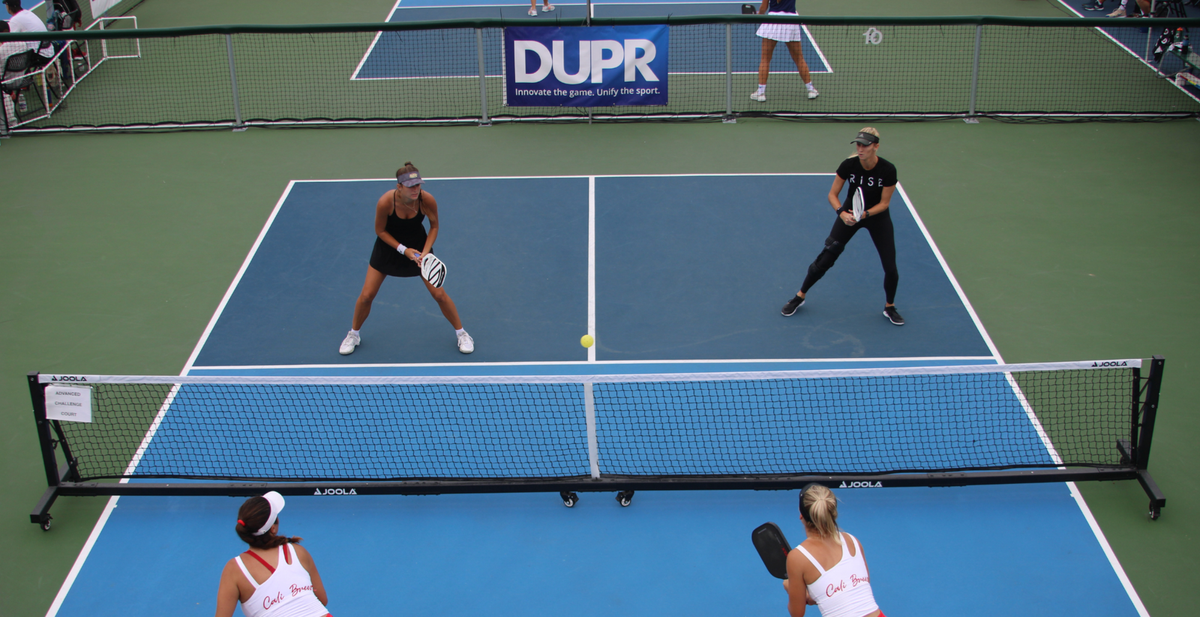
Does Reset Quality Matter More Than Shot Quality?
Yes, and this match proves it repeatedly.
A high reset that lands in the kitchen is worth more than a flashy attempted winner that ends the rally in your opponent's favor.
In one sequence, Sergey's reset goes a little high and gives the opponent a chance to attack.
But because it was still in the kitchen, both players were able to recover, get to the line, and win the point.
A reset that bounces is a reset that keeps you alive.
Here is what good reset intention looks like at this level:
- Stay low through contact
- Aim for the kitchen, not the sideline
- Accept margin over placement
- Reset again if the first one is attackable
If your resets keep popping up and getting attacked, the problem is often your contact point and your grip pressure.
Why your pickleball reset fails is worth reading before your next session.
 The Dink Media Team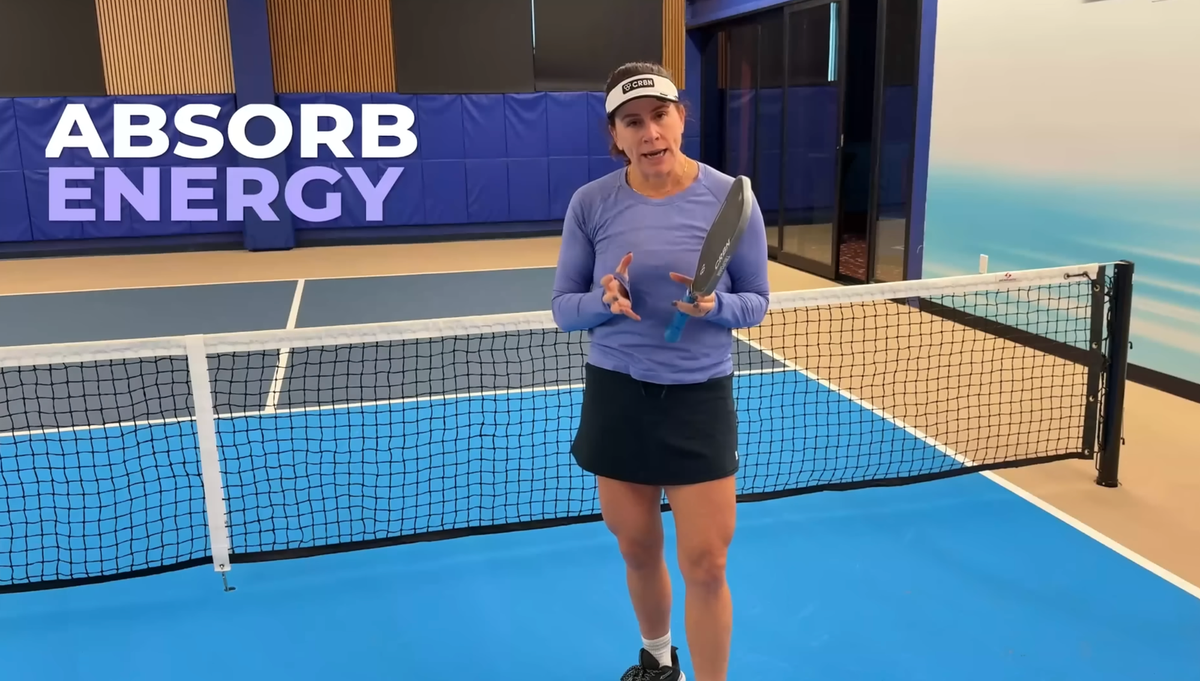
3. They Let Out Balls Go Without Flinching
One of the cleanest plays in the match is when Sergey, mid-transition, does not even move toward a ball that sails past him.
He recognized it as an out ball before it crossed the net.
This is a 4.5 pickleball player habit. The rule of thumb is simple: shoulder high, let it fly.
When you are in the transition zone and your opponent is driving at you, a ball above your shoulder is almost certainly going out.
Under the official USA Pickleball rulebook, a ball that lands outside the lines is out the moment it bounces, so there is no reward for touching it.
Most 3.5 players swing at those balls anyway because they are reacting instead of reading.
The real cutoff for letting out balls go is actually lower than most players think, which means you are probably attacking balls you should be watching sail long.
 The Dink Media Team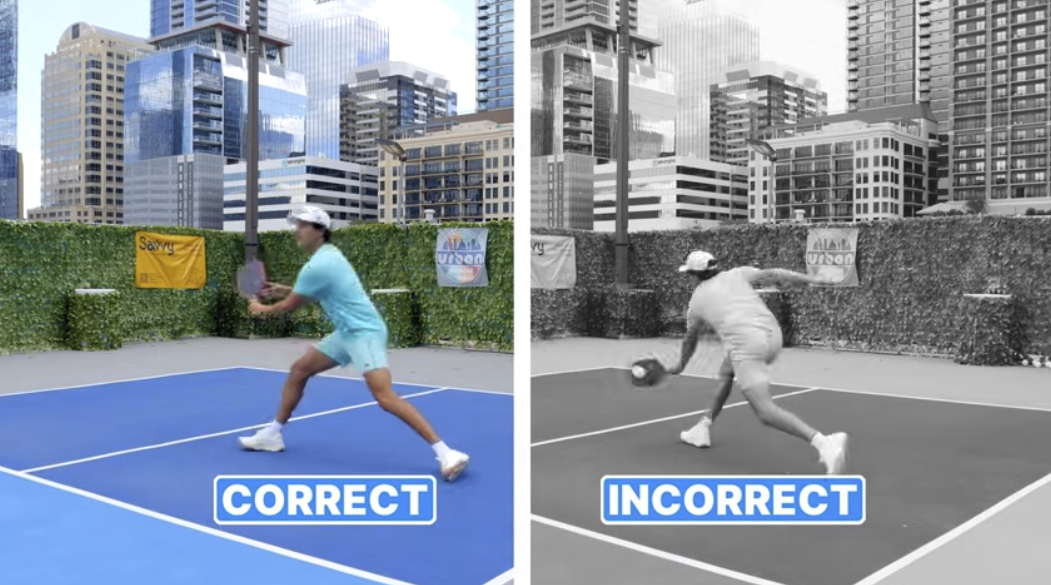
4. Their Return Has Intention Behind It
The return of serve is where a 4.5 pickleball player creates an advantage before the third shot even happens. Watch how Sergey steps into his returns.
His weight is moving forward through contact, he gets that slight topspin loft, and he is already at the kitchen line before the returner finishes the swing.
That momentum matters enormously. When you float your return and stand back, you are giving the serving team time to hit a clean third shot drop.
When you step in and take time away, you are forcing them to drop under pressure and off balance.
The result in this match is a short third shot that sits up, and Sergey is already there to put pressure on it from a low position.
That sequence starts with the return.
 The Dink Media Team
Are 4.5 Players Always Looking to Counter?
Yes. Every single time their opponent has a ball on their paddle, they are expecting a speed up first.
This is the mindset shift that most players below 4.0 never make. You think about what shot you want to hit.
A 4.5 pickleball player thinks about what shot their opponent might hit at them next.
In the match, even when the opposing team hits a low, seemingly safe dink, the players at the kitchen line are already loaded and ready to counter.
That readiness is why their hands exchanges look so clean.
 The Dink Media Team
5. They Speed Up With a Purpose, Not Out of Frustration
Chris uses a two-hand speed up at one point in the match that wins the rally outright.
But notice what he targeted: the dominant side of his opponent, not a random spot on the court.
Speed ups at this level are planned. They are executed when the ball is in the right position, aimed at a specific location, and done with compact mechanics.
A wild speed up from a low contact point is how you gift your opponent an easy put-away.
Good speed up selection looks like this:
- Wait for a ball at or above net height
- Target the hip or shoulder on the dominant side
- Keep your backswing short and your follow-through compact
- Be ready to counter immediately if they handle it
Understanding when to speed up and when to stay patient in a dink rally is one of the core decisions that pickleball shot selection is built around.
 The Dink Media Team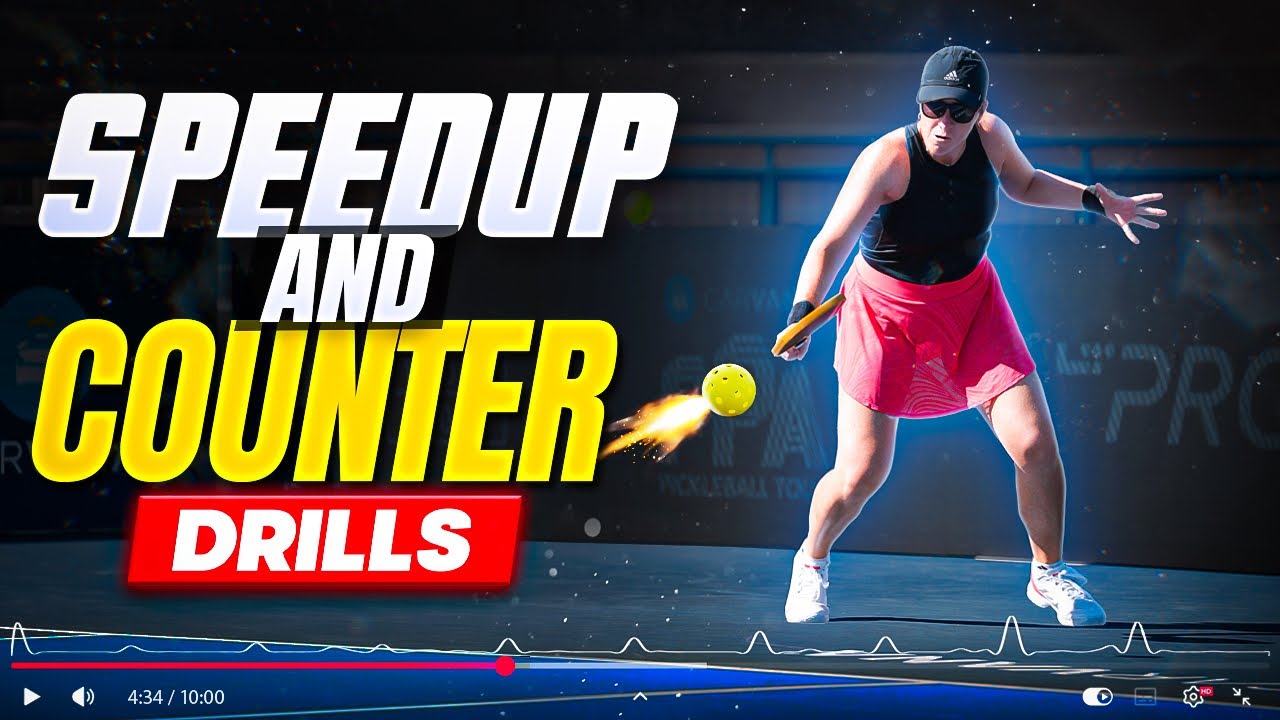
6. They Read Patterns and Set Traps
The Erne sequence in this match is a perfect example of a 4.5 pickleball player reading a pattern and executing a play off it.
Chris stretches his opponent wide with a well-placed dink. The opponent, now pulled off the court, has no real option except to reset middle.
Chris reads this, waits, and steps into the Erne lane to intercept that reset before it even crosses to the other side.
This is not luck. It is pattern recognition built from repetition.
When you know where your opponent has to go because of where you put them, you can start moving before they even hit the ball.
Court positioning tells give you a way to start reading these patterns earlier in every rally.
 The Dink Media Team
7. They Make the Smart Play Even When the Right Shot Is Boring
When Chris is pulled out wide, the high-percentage play is to reset to the middle and get back into a neutral position.
Not to try a cross-court winner from an awkward spot.
At the 3.5 level, that pull-out-wide situation usually ends with an unforced error because the player tries to do too much.
At 4.5, the boring reset middle is the correct and disciplined choice.
This shows up repeatedly in the match. Placement over power is the theme of nearly every decision these players make.
A well-placed soft ball almost always beats a hard ball aimed nowhere specific.
Fixing your wide dink mistakes starts with understanding why middle is almost always the better target when you are stretched.
 The Dink Media Team
What About the Mistakes?
Even in a gold medal match, drops are missed and shots are misjudged.
The difference is that these players' intentions are almost always correct, even when the execution is not.
One moment worth flagging: when Chris's third is a little off-balance and sits up, Sergey advances too early instead of holding back to defend.
If he stays back for one more shot, they are in a much better position. That one step forward is what costs them the point.
The lesson is not that Sergey played badly. The lesson is that holding position when your partner is in trouble is just as important as hitting a good shot yourself.
These in-game mistakes happen to every player at every level, but the best ones recognize and correct them faster.
If you want to close the gap to 4.5, start with these habits in practice. Build the split step first. Then work on your reset quality.
Then start reading out balls before they cross the net. The decisions come before the shots, every time.
For players working to break through the 4.0 barrier, these decision-making fixes for 3.5 players are a direct starting point.
And if your hands are holding you back at the kitchen line, fast hands mechanics from a top-10 pro will give you the framework to build real speed with control.
The gap between 3.5 and 4.5 is mostly mental and strategic. The physical tools matter, but the decisions matter more.
This match shows exactly what that looks like in practice.
Frequently Asked Questions
What makes a 4.5 pickleball player different from a 3.5 player?
A 4.5 pickleball player makes smarter decisions under pressure and plays for percentages rather than forced winners. They use consistent resets, disciplined transition habits, and pattern recognition to control points. The physical difference is smaller than most people think; the mental and strategic gap is what really separates them.
How do I stop rushing through the transition zone?
Focus on split stepping every time your opponent makes contact, and commit to hitting a quality drop or reset before advancing. Do not move forward until the ball you hit is forcing a low contact point on the other side. Patience in the transition zone is a trained habit, not a natural instinct.
When should I let a ball go in pickleball instead of hitting it?
When you are in the transition zone and a driven ball is at or above your shoulder, let it go. At the kitchen line the threshold is lower, but mid-court a shoulder-high drive from an opponent is almost always sailing out. Training yourself to recognize out balls early is one of the fastest ways to cut unforced errors.
Why should I reset to the middle when pulled wide?
Resetting to the middle when you are pulled wide puts you and your partner back into a neutral position and removes your opponent's angle advantage. Going back cross-court from a wide position gives your opponents a high ball or an Ernie opportunity. Middle is the safe target that buys you time to recover.
How do I build faster hands at the kitchen line?
Start by changing your mindset: expect a speed up every time your opponent has a ball on their paddle, regardless of how low it is. Compact mechanics matter more than raw athleticism, so shorten your backswing and stay loaded through every dink exchange. Consistent drilling focused on counter-readiness will build the reflex faster than any single technique.

Love Pickleball? Join 100k+ readers for free weekly tips, news & gear deals.
Subscribe to The Dink