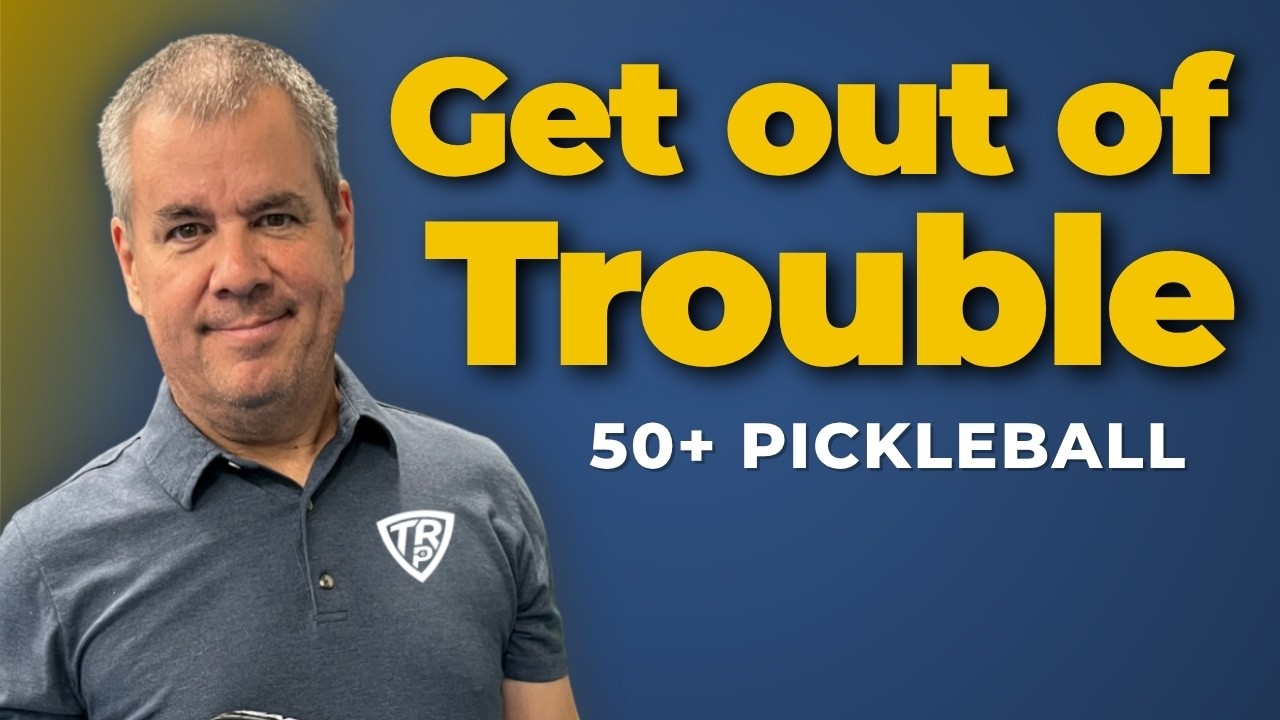
6 In-Game Pickleball Mistakes You're Probably Making Right Now
These six pickleball mistakes show up in almost every recreational game, from hitting shoulder-high balls to stopping in the wrong spot after your shot. Fix them and you will immediately start winning more rallies.
Every pickleball mistake starts with a decision, and most of those decisions happen so fast you don't even realize you made one.
You hit a ball that was too high. You stopped moving at the wrong time.
You aimed at the wrong player and left your partner stranded.
These aren't random errors. They're patterns, and once you see them clearly, you can fix them quickly.
This breakdown comes straight from a match analysis by Tony Roig Pickleball (formerly In2Pickle) on YouTube, walking through six real in-game moments that reveal the most common mistakes recreational players make and exactly what to do instead.
Love pickleball? Then you'll love our free newsletter. We send the latest news, tips, and highlights for free each week.
Mistake 1: Swinging at Shoulder-High Balls
If the ball is at your shoulder, you need to let it go.
This is the most repeated pickleball mistake you'll see at every recreational level, and it almost always traces back to tennis habits.
In tennis, a shoulder-high ball is still very playable. In pickleball, that same ball is likely going out.
When you swing anyway, you're doing your opponent's job for them.
The phrase to remember is shoulder high, let it fly. Read the ball early, track its height, and resist the urge to make contact just because you can.
Discipline on this one call alone will save you multiple points per game.
Mistake 2: Getting Distracted by Close Line Calls
When a ball lands close to the line, your brain wants to argue about it. That impulse is costing you the next point.
If your opponents call it out, move on. Full stop.
The moment you let a line call become a mental event, you've already started losing focus on what's coming next.
Managing panic and pressure in pickleball is a real skill, and protecting your mental state is part of that work.
Keep your energy on the next rally. That is always where the points are.
What Should You Do After a Difficult Retrieve?
When you're stretched wide or pulled out of position, the instinct is to go for a hero shot. Fight it.
The smarter play is to hit the ball back through the middle. Here's why this works:
- A ball traveling through the middle of the court limits your opponent's angle options significantly.
- Your partner can now cut off anything coming back to either side.
- It buys you time to recover your position without handing over an easy attack.
When you go cross-court from a wide position, you're aiming at the player who is moving into the court, while leaving a massive open lane behind you.
This is about court geometry, not guessing. If the ball has to travel through the center, nobody on the other side has a sharp angle to hurt you with.
 The Dink Media Team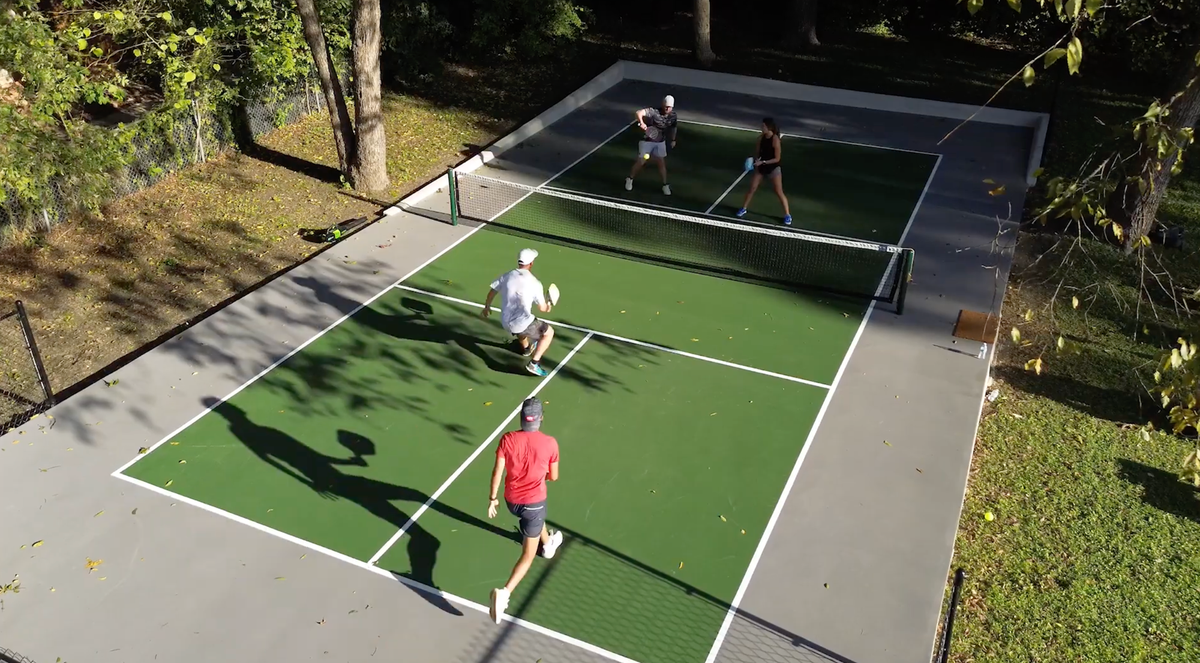
Mistake 3: Not Splitting and Squaring Up
After you hit a shot, your feet need to do two things: split step and square up. Most players only do one, or neither.
A split step is a small hop or weight shift timed to your opponent's contact. It keeps you from being flat-footed when the next ball arrives.
Squaring up means turning your body to face where the ball is going so your eyes, hips, and paddle are all pointed in the right direction.
When you skip this, you're reacting late to everything.
Fixing your split step timing is one of the fastest ways to improve your court coverage without changing your stroke at all.
 The Dink Media Team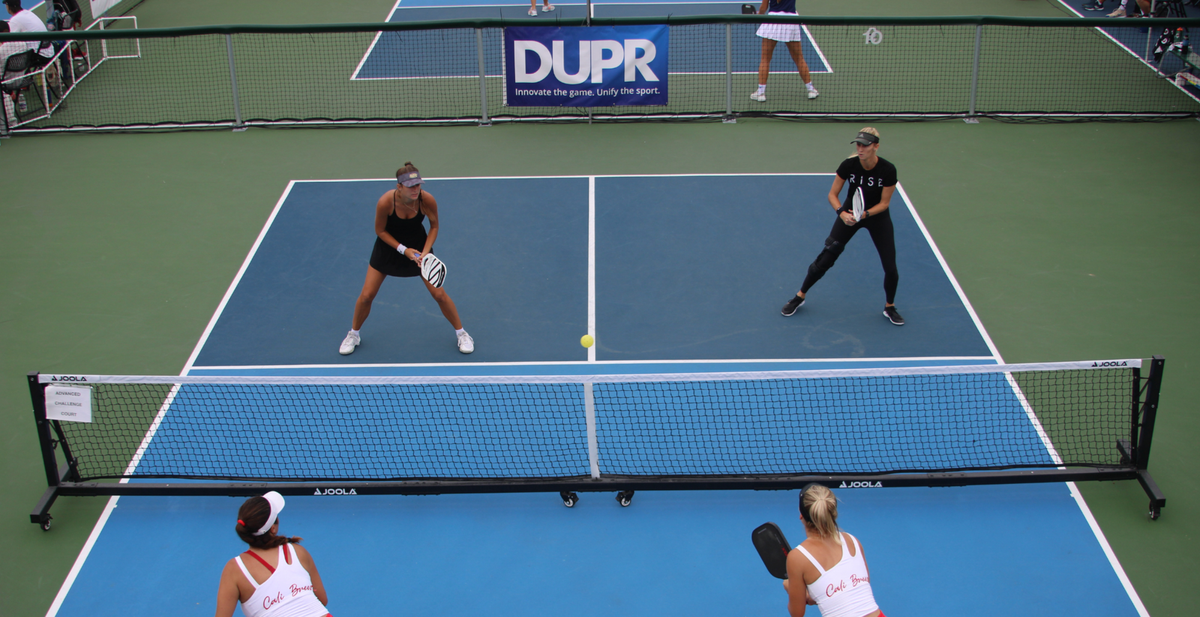
Mistake 4: Turning Your Body When You Don't Have To
Turning your body on a dink or a reset loads it like a coil. That sounds powerful, but in pickleball it's almost always a problem.
When your body is coiled, energy builds through your torso and into your arm. You now have far more force moving through the stroke than you intended.
The result is a ball that goes too fast, too wide, or too long.
Body rotation belongs in drives. At the kitchen line or when you're trying to neutralize, you want your body quiet and your arm doing the work.
If you've felt like your touch shots keep getting attacked, this mechanical error is likely the cause. Keep the body still and the shot becomes controllable.
 The Dink Media Team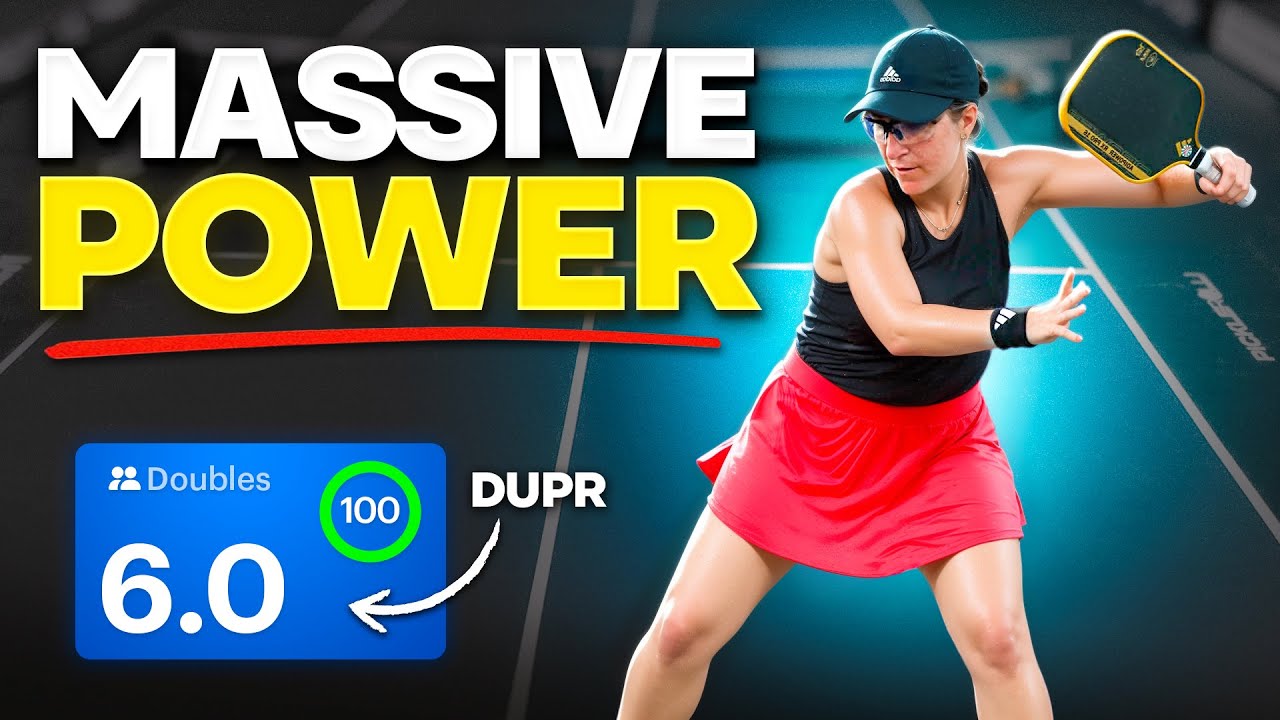
Should You Celebrate a Net Trickler?
Yes. Absolutely yes. Lean into it.
Net balls are part of pickleball. They always will be, and treating every lucky net cord as an embarrassment just adds stress to your game.
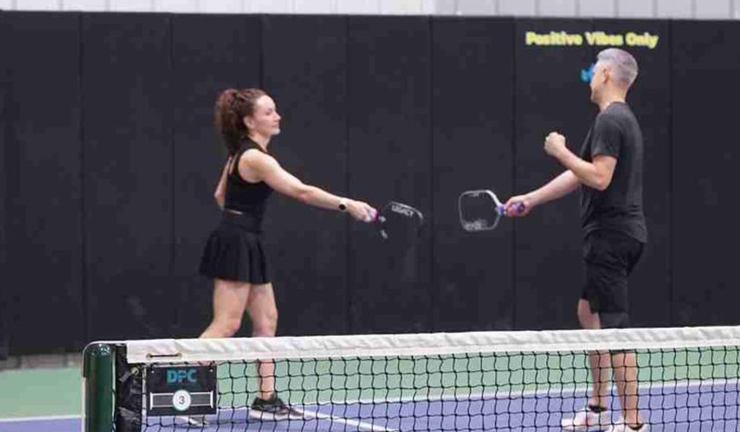
The better approach is to laugh, celebrate, and keep the energy light.
That kind of positive group energy makes the game better for everyone on the court.
What goes around comes around with net balls. Your mindset on the court shapes how you play every single rally that follows.
 The Dink Media Team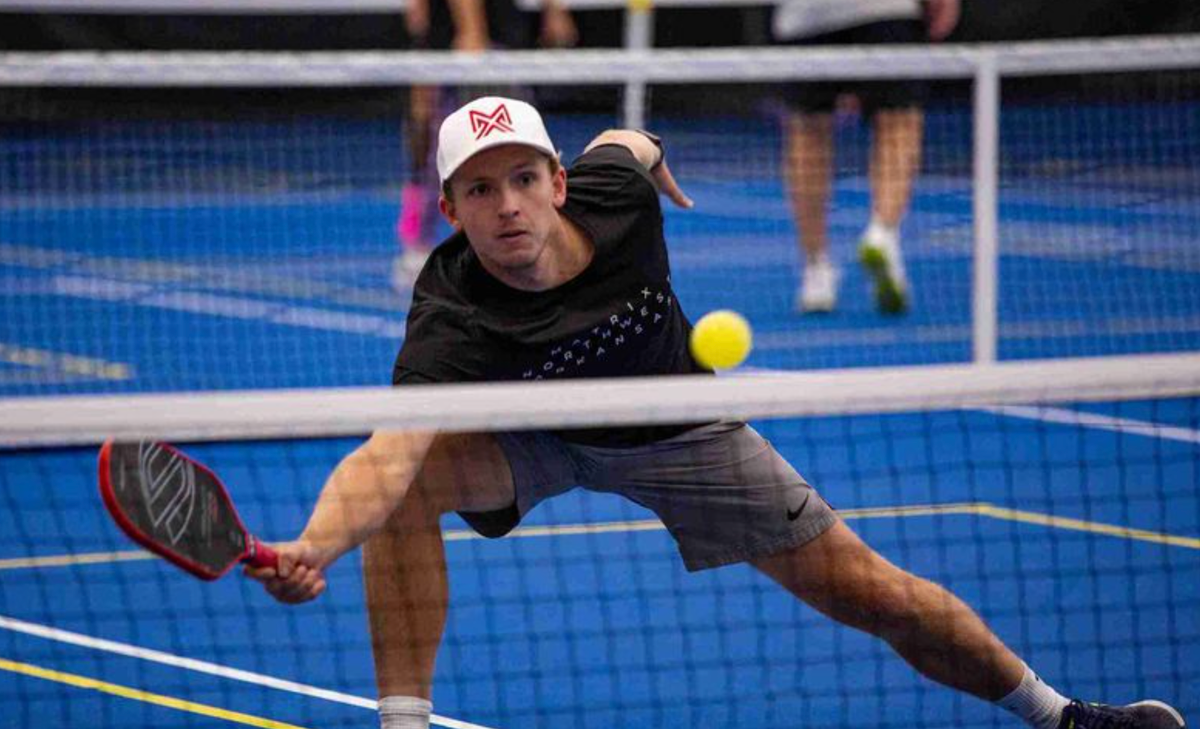
Mistake 5: Aiming at the Wrong Player After a Retrieval
This one gets overlooked because it happens in a split second.
You dig out a tough ball and send it cross-court toward your opponent's forehand, directly to the player who's moving into a great attacking position.
Meanwhile, your partner is standing there with nobody to help.
The fix is simple in theory, harder in execution. When you're in trouble, send the ball through the middle. Your opponents have to cover more ground to attack it.
Your partner has options. You have time.
Understanding shot selection under pressure is one of the biggest separators between 3.5 and 4.5 players.
Three shot selection rules most players get wrong covers this pattern in more depth if you want to sharpen your decision-making under pressure.
 The Dink Media Team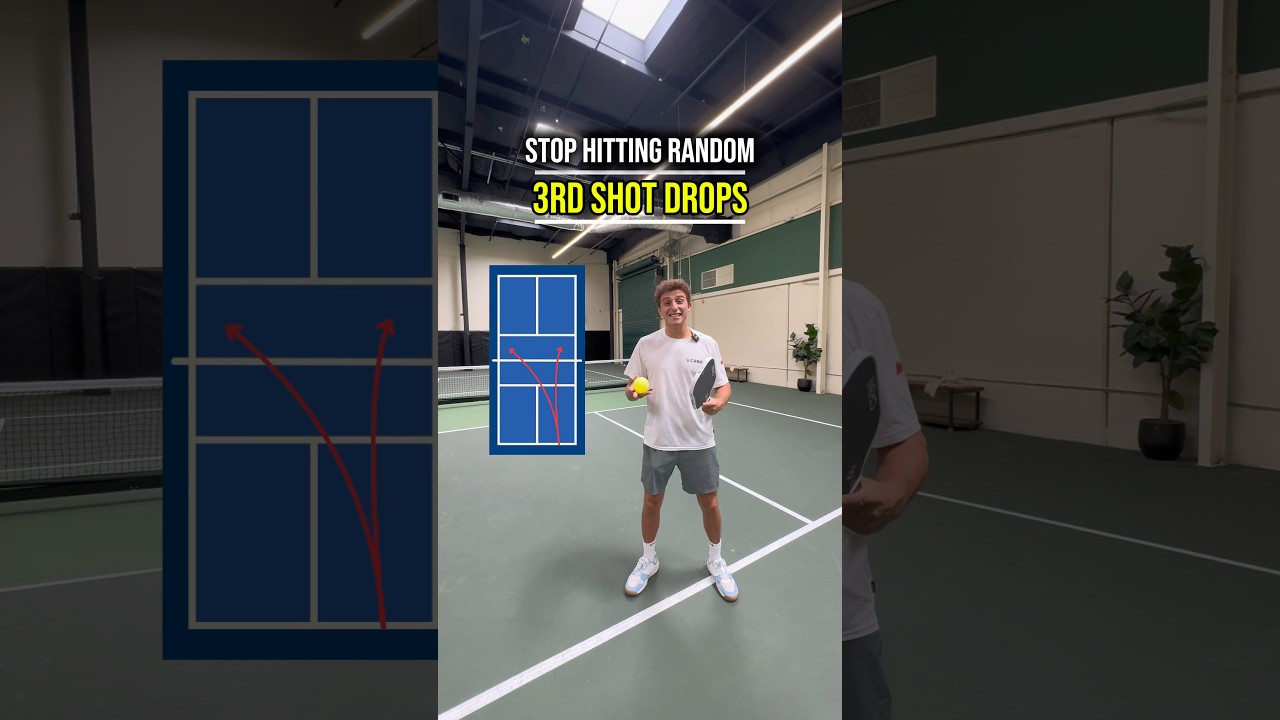
What Are the Most Overlooked Positioning Habits?
Positioning mistakes are sneaky because they don't feel like errors in the moment. Here are the habits that consistently cost points:
- Stopping mid-court after your shot. If you stand still in the transition zone, you're giving your opponents a target and yourself no good options. Keep moving toward the kitchen unless you have a very specific reason to stop.
- Not reading your opponent's body before they swing. A player with their paddle back, aggressive posture, and weight forward is going to drive the ball. Read the body early and start moving.
- Staying parallel to your partner when one of you is wide. If you're stretched out of position, your partner needs to shift toward the center to cover the open lane.
Reading your opponent's court positioning tells is a skill you can build fast with intentional observation.
Start watching body language before the ball is even struck.
 The Dink Media Team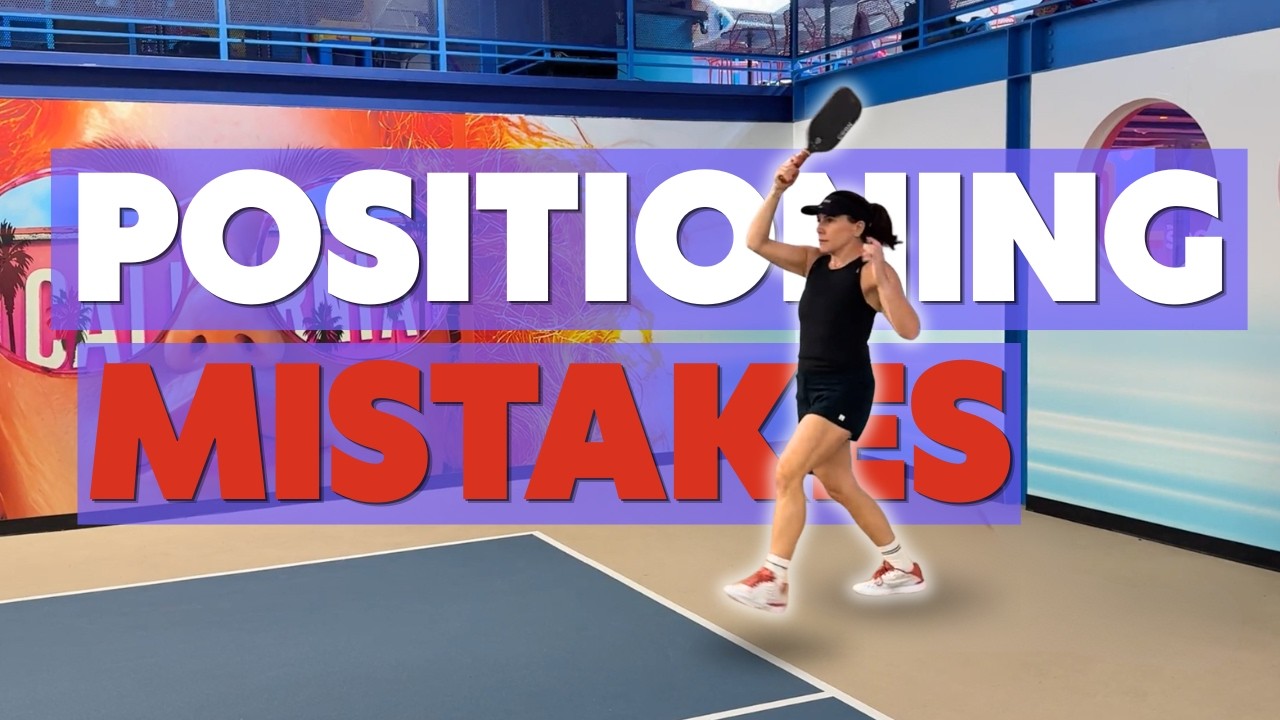
Mistake 6: Ignoring What Your Opponent's Body Is Telling You
Before a ball is ever hit, a player's body language tells you almost everything you need to know.
Paddle back, weight loaded, aggressive stance means they are going to attack.
You don't need the ball to leave their paddle to start reacting. If you're waiting for contact to decide where you'll move, you're already late.
Train yourself to scan body position, not just ball position. What 6.0 pickleball players see that 4.0 players miss gets into this kind of anticipation in real detail.
One more note on recovery: when you're in scramble mode and a ball comes fast, your only job is to get a paddle on it.
Three fixes to reset every speed-up gives you a clear framework for exactly these moments.
 The Dink Media Team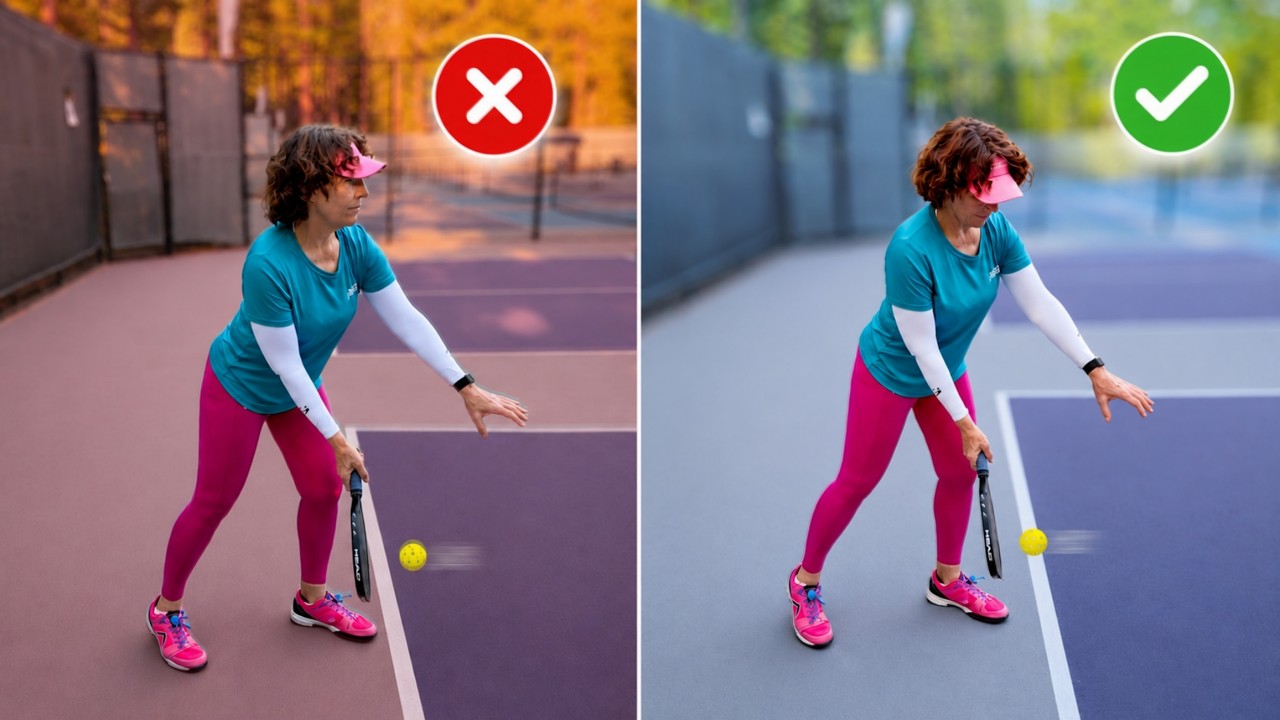
Pulling It All Together
These six mistakes are not advanced problems. They show up at every level, and they compound each other.
A shoulder-high ball you shouldn't have hit leads to a tough retrieval, which leads to aiming at the wrong player, which opens up the court for an easy attack.
Fixing one habit makes the next one easier to address.
Start with shoulder high, let it fly. Then work on your split step. Then clean up where you aim when you're in trouble.
Small corrections applied consistently turn into dramatically better results.
The 1 to 10 scale for every shot is a great framework to pair with these fixes, and five signs you're ready to move up a skill level can help you gauge your progress honestly.
The game gets cleaner when your decisions get sharper. These six adjustments are exactly where to start.
Frequently Asked Questions
When should you let a ball go in pickleball instead of hitting it?
You should let a ball go when it's at or above your shoulder, since that ball is likely heading out. The rule "shoulder high, let it fly" applies in almost every situation at the kitchen line. Swinging at high balls is one of the most common unforced errors in recreational play.
Where should you aim when you're out of position during a rally?
Aim through the middle of the court. A ball hit through the center limits your opponent's angle and gives your partner a chance to help defend. Aiming cross-court from a wide position leaves too much open court and usually leads to an immediate attack.
What is a split step in pickleball and when do you use it?
A split step is a small hop or weight shift timed to your opponent's contact point. It keeps your feet active and ready so you can react in any direction. You should use it every time your opponent is about to strike the ball, especially at the kitchen line.
Why does turning your body cause errors on dinks and resets?
Turning your body loads energy through your torso and into your arm, creating more force than a soft shot requires. That excess energy makes it very hard to control pace and direction. Keeping your body quiet and using arm movement alone gives you far better touch on those shots.
Should you be upset when a net trickler wins a point?
No. Net balls are part of the game and happen equally to both sides over time. Treating them as lucky flukes and moving on, or even celebrating them, keeps your energy positive and your focus where it belongs on the next rally.

Love Pickleball? Join 100k+ readers for free weekly tips, news & gear deals.
Subscribe to The Dink