
The return of serve is the most important shot in pickleball, and most players over 50 are hitting it wrong. Here is how one fix changes everything about your game.
If your return of serve pickleball strategy is just "get it in," you are leaving points on the table every single game.
Opponents are attacking you early, you are stuck in no man's land, and you cannot figure out why rallies keep starting with you already on defense.
The answer is almost always the same shot.
This breakdown covers exactly what a great return of serve looks like, why depth matters more than power, and the three real benefits that make this shot the most consequential one you will hit all match.
The insights here come from Tony Roig Pickleball (formerly In2Pickle) on YouTube, a 55-year-old senior professional player and master teaching professional who coaches this exact concept with his students.
Love pickleball? Then you'll love our free newsletter. We send the latest news, tips, and highlights for free each week.
Why the Return of Serve Gets Ignored
Nobody talks about the return of serve because it is not flashy. There are no highlight reels built around it.
You will find hundreds of videos on roll volleys, speed-ups, and aggressive third shot drives.
The return of serve sits quietly in the background, undervalued and undertrained.
That is exactly why fixing it gives you such a fast edge.
While everyone else is drilling the exciting stuff, you are improving the shot that actually shapes how every rally begins.
Think about frequency for a second. How often do you hit a roll volley in a match? Maybe a handful of times.
How often do you hit a return of serve? Every single point when your team is receiving.
The consequential impact of improving your return is higher than almost any other shot you can practice.
What Does a Good Return of Serve Actually Look Like?
A great pickleball return of serve has two non-negotiable qualities: depth and net clearance.
Depth: Four Feet Inside the Baseline
Depth means aiming roughly four feet inside the baseline. That keeps your opponents pinned back and gives you time to move forward. Miss that target short and you hand the serving team a comfortable, attackable ball.
Net Clearance: Stop Skimming
Net clearance means breaking the habit of skimming the tape on your return. That habit costs you points twice: through unforced errors, and through short balls your opponents love to attack.
Here is the mechanical bonus of hitting higher over the net.
With the same amount of force, a higher trajectory naturally pushes the ball deeper into the court.
You get two benefits from one adjustment.
This is not about hitting harder.
It is about hitting smarter, which is exactly the kind of senior pickleball adjustment that pays off without adding strain to your body.
Benefit 1: You Actually Make It to the Kitchen Line
Your primary job after a return of serve is to reach the non-volley zone line before the fourth shot arrives.
A short return makes that nearly impossible.
When you hit a short return, your opponent's third shot comes back fast.
You do not have enough time to travel from the baseline all the way to the kitchen, so you get stuck in the transition zone. That is a losing position.
A deep return buys you the time you need to make that walk forward. The ball has farther to travel to your opponent, and they have less angle to attack with.
That extra half second matters enormously, especially for players over 50 who may not be moving quite as fast as they did at 30.
This is why kitchen arrival percentage is one of the most important stats that defines your skill level. Getting stuck mid-court is not a footwork problem.
It is usually a return of serve problem.
- Hit your return deep (target: four feet inside the baseline)
- Aim higher over the net to naturally add depth
- Start moving forward the moment contact is made
- Do not wait to see where the ball lands before you move
Benefit 2: You Stop Getting Attacked Early in Rallies
If opponents are hammering you on the fourth shot, a short return of serve is almost always the reason.
A short return lands in a comfortable hitting zone for the server.
They step into it, load up, and drive it right at you while you are still stuck somewhere in the transition zone.
You are on defense before the rally even gets going.
A deep return completely changes that picture.
The server has to hit their third shot from farther back, which makes the third shot drop harder to execute and reduces the power they can put on a drive.
That pressure reduction is real.
You and your partner are under far less stress at the kitchen line when the ball coming at you is the product of a difficult third shot rather than an easy one.
This is the part most players never connect. They think they are losing because their defense is weak. They drill resets and blocks.
But the problem started two shots earlier, with a weak return that set everything in motion.
 The Dink Media Team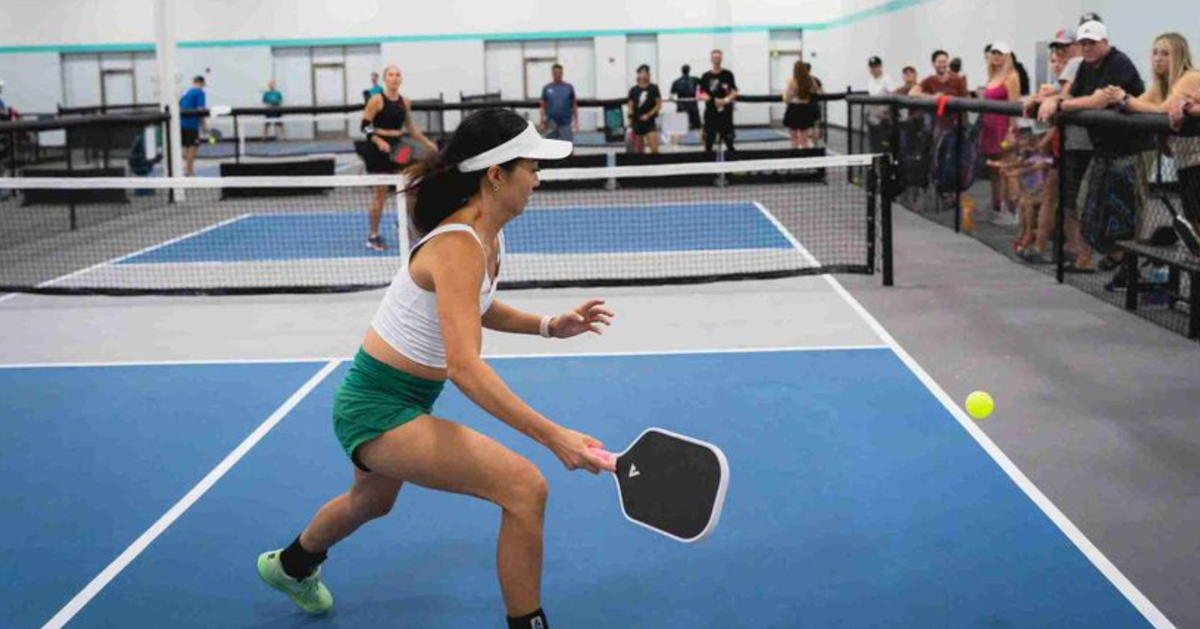
Does Net Clearance Really Matter That Much?
Yes, and players underestimate this constantly.
When you skim the net on your return, two bad things happen.
- First, your error rate climbs because there is almost no margin.
- Second, when the ball does go in, it tends to land short because a low trajectory does not carry the ball deep into the court.
Raising your net clearance by even a foot or two adds consistency and depth at the same time.
The net is no longer a threat on your return. You have taken it out of the equation, which is exactly how you want to approach this shot.
Check out these serve and return fixes that address both clearance and depth together for a more complete picture of how these two elements connect.
 The Dink Media Team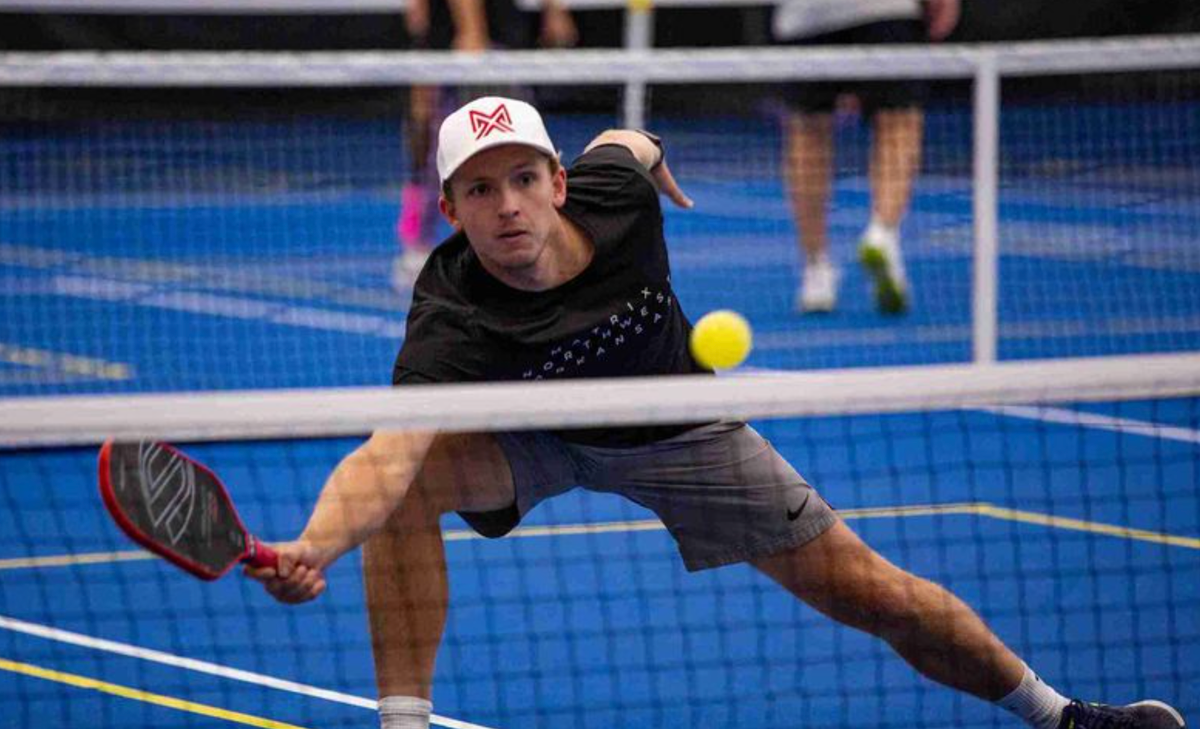
Benefit 3: You Control Where the Server Hits From
A consistently deep return forces the server to hit their third shot from the worst possible position: all the way at the back of the court.
Think about it from the server's perspective.
If your return lands near the kitchen line, they can step forward and hit their third from a comfortable position with plenty of options.
If your return pushes them to the baseline, their third shot is much harder to execute well.
You have control over that. Most players do not realize they are handing their opponents a free gift every time they hit a short return.
A deep return also affects the quality of the third shot drop placement your opponent can realistically achieve.
The farther back they are, the more has to go right for them to land a soft shot in the kitchen.
- Short return: Opponent steps in, hits a comfortable third, and attacks you at the kitchen
- Deep return: Opponent is pinned back, third shot is harder, and you arrive at the kitchen with time to spare
- Deep return with net clearance: Fewer errors, natural depth, and maximum pressure on the serving team
That is the full picture of what one shot can do when you actually commit to hitting it correctly.
 Alex E. Weaver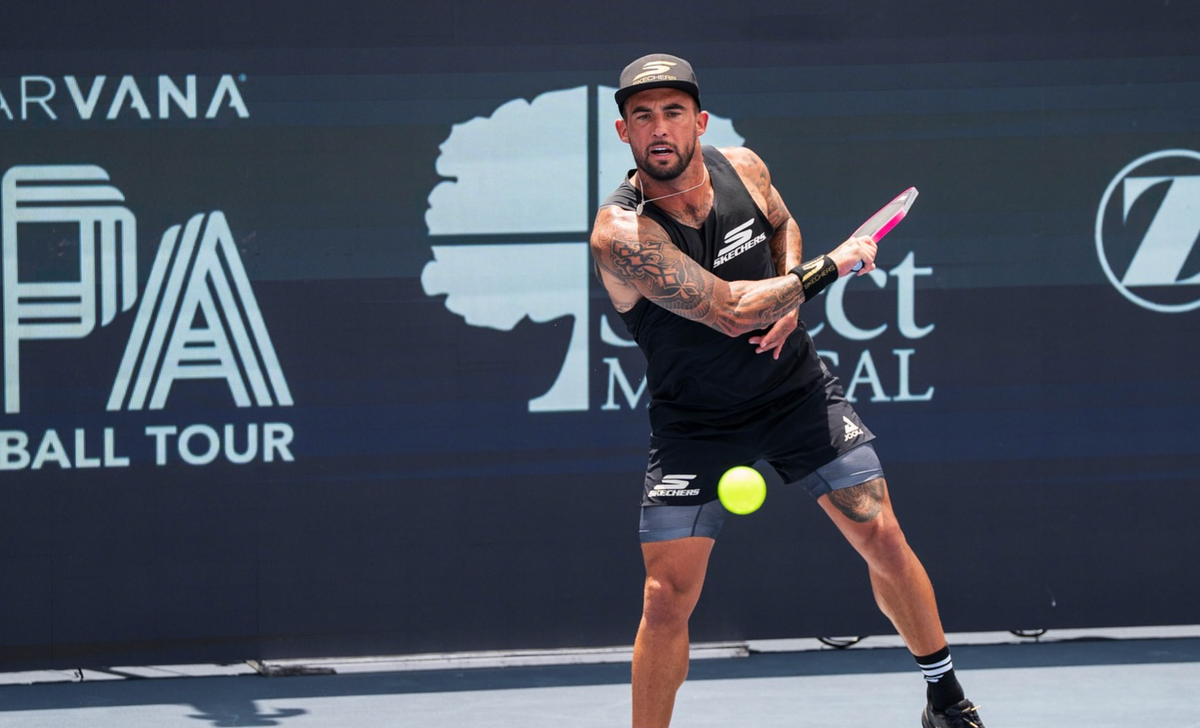
How Do You Practice This at Home?
You do not need a court to start building better return mechanics. Practicing without a court is completely possible and worth adding to your routine.
Shadow swings that focus on a higher contact point and a more upward swing path will start to rewire your muscle memory.
The goal is to feel what it takes to send the ball on a higher trajectory with the same amount of effort.
When you do get on the court, set a target zone four feet inside the baseline and track how often your returns land there.
That feedback loop will sharpen your consistency faster than any amount of random hitting.
Seniors specifically should also think about how return of serve mechanics can save your legs over a long match.
Moving forward efficiently after a deep return is far less exhausting than scrambling after a short one.
 Eric Roddy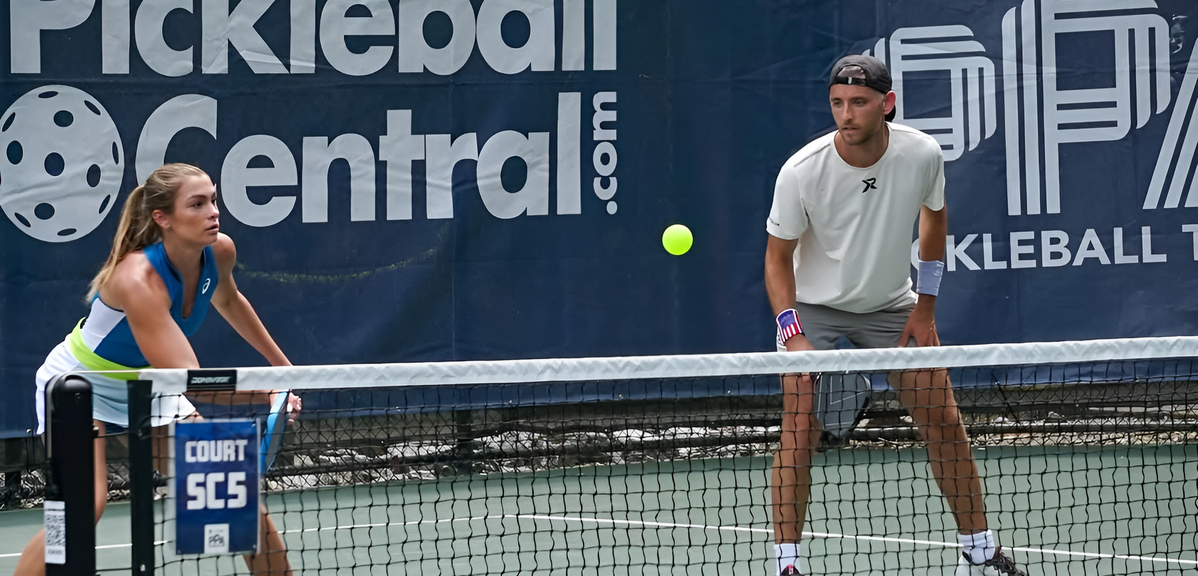
The Bigger Picture for Players Over 50
The smartest way to compete as you get older is to make better decisions with the shots you already have. The return of serve is the clearest example of that.
You do not need more pace. You do not need a new paddle.
You need to understand that depth and net clearance on your return will do more for your game than almost any other single adjustment.
Players over 50 who want to keep competing should also be thinking about footwork habits that protect their knees as they move from the baseline to the kitchen after each return.
The return and the transition move together.
And if you want to round out your senior game beyond just the return, senior doubles strategy covers what else shifts when you are playing smart pickleball after 50.
One more thing worth understanding is what happens after your deep return lands and your opponent is forced to hit a tricky third.
You need to be ready for whatever comes back, which means your reaction time at the kitchen matters just as much as the return itself.
Work your return. Make it deeper. Raise it over the net.
Watch how much harder it becomes for your opponents to put pressure on you early.
For more on how to build a full practice routine around shots like this, senior pickleball training breaks down how to structure your week so every session actually moves the needle.
Frequently Asked Questions
What is the ideal depth for a return of serve in pickleball?
You want your return landing roughly four feet inside the baseline. That depth keeps the server pinned back and gives you the time to reach the kitchen line before the fourth shot arrives.
Why do I keep getting attacked on the fourth shot?
A short return of serve is almost always the cause. When your return lands short, the server can step forward and attack from a comfortable position while you are still moving through the transition zone.
How high should I aim my return of serve over the net?
Stop skimming the net and give yourself at least a foot or two of clearance. A higher trajectory naturally pushes the ball deeper with the same swing energy and cuts down your unforced error rate dramatically.
Is the return of serve really the most important shot in pickleball?
For frequency and impact combined, yes. You hit it on every receiving point, and a poor return sets up a chain of bad positions that is hard to recover from, no matter how good your other shots are.
How can players over 50 improve their return of serve without wearing themselves out?
Focus on mechanics rather than power. A higher swing path and a deeper target zone give you all the benefits of a strong return without requiring extra physical effort, which is what makes this adjustment so practical for senior players.
Love Pickleball? Join 100k+ readers for free weekly tips, news & gear deals.
Subscribe to The Dink