
The Real Reason You Keep Losing Hands Battles (And the One Fix That Works)
Most players lose hands battles in pickleball because they aim at the wrong target. One simple wrist adjustment fixes your paddle angle and gives you the edge every time.
If you keep losing hands battles in pickleball, there is a good chance you are aiming at the wrong target entirely.
Most recreational players go for power. They try to blast the ball straight through their opponent, hoping brute force wins the exchange. It almost never does.
This breakdown covers exactly what you should be doing instead, including the one wrist adjustment that makes your paddle angle work for you automatically.
The tip comes from Tanner Tomassi on YouTube, and it is simple enough to apply the next time you step on the court.
Love pickleball? Then you'll love our free newsletter. We send the latest news, tips, and highlights for free each week.
The Real Reason You Are Losing Hands Battles
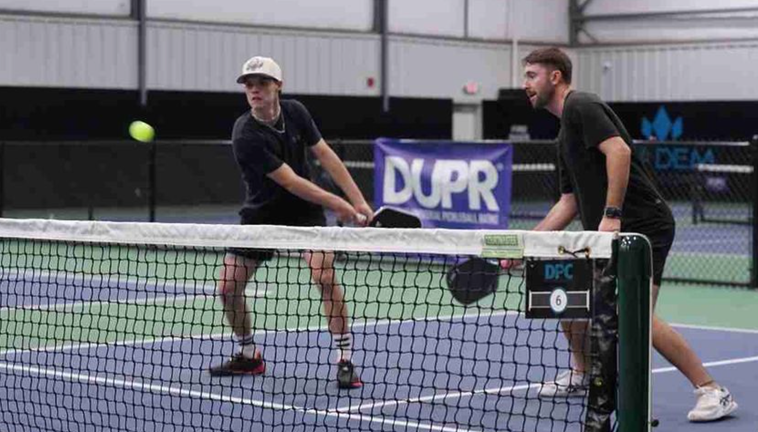
The biggest mistake amateurs make during a hands battle in pickleball is trying to win it with speed and power alone.
When you aim at your opponent's chest or torso, you're handing them the easiest ball in the sport.
They can counter it, reset it, or redirect it before you've finished your swing.
Pros think differently. Instead of going through someone, they go low. The target is always the knees or the feet, never the chest.
Force your opponent to handle a ball at their feet and they can't attack it cleanly.
They're stuck hitting up, which hands you a ball you can put away on the very next shot.
It's not about who hits harder. It's about who forces the more difficult ball.
What Does Hitting Down to the Feet Actually Do?
A ball arriving at your opponent's knees or feet creates a problem they can't solve cleanly.
To return it, they have to lift it. That upward ball is exactly what you want to see as the attacker, and it's the same shot most players pop the ball up on.
Think about it from your own side. When a ball comes at your chest you have options, and when a ball is jammed down at your feet you're scrambling just to keep it in play.
This is why fast hands in pickleball aren't just about reaction speed. They're about shot selection under pressure.
So What Is the Actual Technique Fix?
Cock your wrist inward. That's it. That's the adjustment.
When you cock your wrist inward, your paddle face naturally angles downward.
You don't have to think about directing the ball to the feet, because the angle of your paddle does that work for you automatically.
This matters because a hands battle in pickleball happens fast.
You don't have time to consciously adjust your swing path mid-exchange, so the wrist position has to be set before contact, not during it.
With your wrist cocked inward and the paddle already facing down, every ball you touch tends to go low.
Your opponent defends from a bad position instead of countering from a comfortable one.
 The Dink Media Team
How Do You Build This Into Your Muscle Memory?
You practice the grip and wrist position before you ever get into a live exchange.
Here is a simple progression to make this feel natural:
- Set your wrist position at home. Hold your paddle and cock your wrist inward. Look at the paddle face. It should be angled toward the ground, not straight ahead. Do this repeatedly until it feels normal.
- Shadow swing with the correct angle. Without a ball, practice punching the paddle forward while keeping that inward wrist cock. Make sure the face stays angled down through the entire motion.
- Feed balls at waist height. Have a partner feed you slow, waist-high balls. Focus only on maintaining the wrist position. Watch where the ball goes. It should travel down, not flat.
- Start slow exchanges at the kitchen line. Begin at half speed. Both players hit to each other's feet deliberately. Speed up only when the downward angle feels automatic.
- Let it escalate naturally. Once the wrist position is ingrained, the angle holds even when the pace picks up. You stop thinking about it and it just happens.
This kind of structured repetition is exactly what separates players who understand a concept from players who can actually execute it under pressure.
If you want a more complete drilling framework, these progressive pickleball drills cover drives, drops, and volleys in a format that builds real in-game skills.
 The Dink Media Team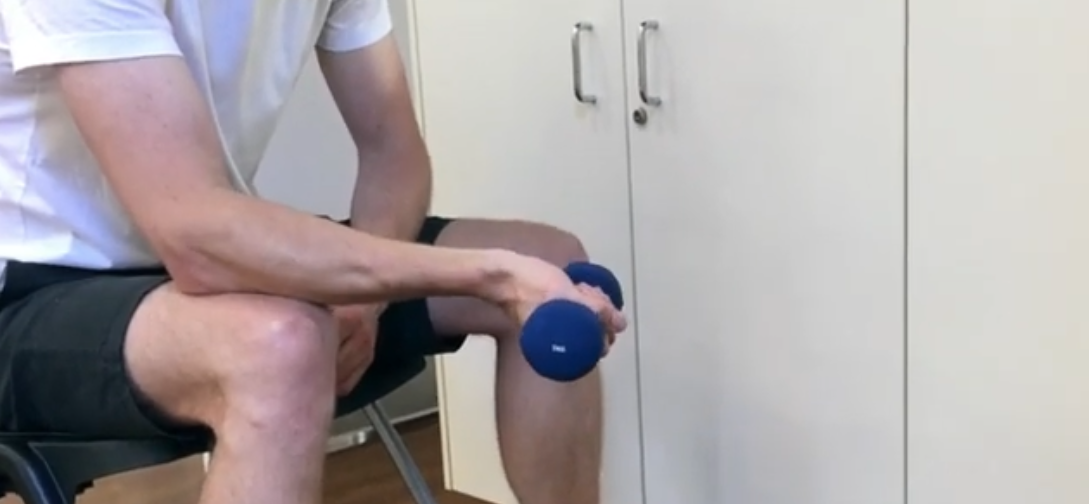
Why Does the Wrist Position Matter So Much?
Your wrist angle controls your paddle face, and your paddle face controls where the ball goes.
Most players focus on swing speed or arm position during fast exchanges. Both of those things matter less than the angle of contact.
You can swing hard and still pop the ball up if your paddle face is open at the moment of contact.
A closed paddle face, created by that inward wrist cock, sends the ball downward even if your swing is not perfect. It builds error correction into your technique.
This is the same principle that makes wrist mechanics so important across all pickleball shots, not just hands battles.
Small adjustments in how your wrist is positioned at contact create dramatically different outcomes on the other side of the net.
 The Dink Media Team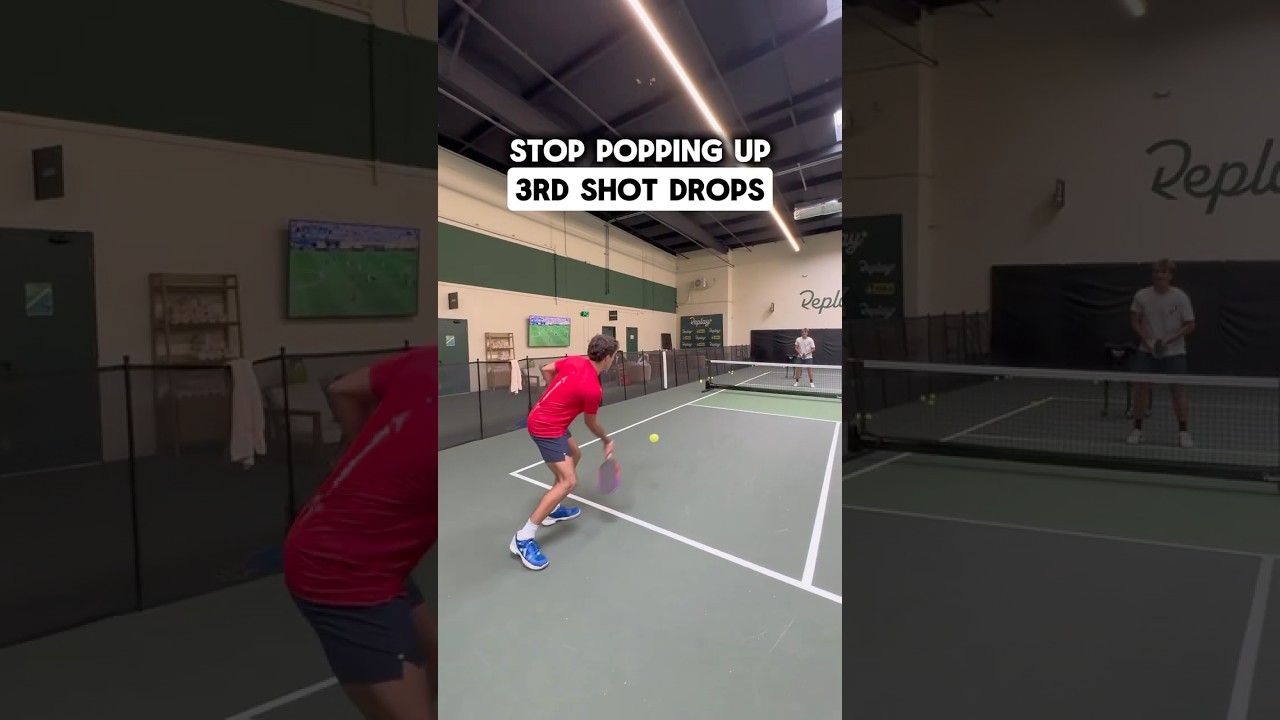
What Should You Be Thinking During a Hands Battle?
One thought. Feet.
Not power. Not speed. Not trying to blow the ball past your opponent.
Just: get the ball to their feet.
When you are in the middle of a fast exchange at the kitchen line, your brain cannot process a long checklist.
You need a single, clear intention. Feet is that intention.
If you can commit to that one target, the wrist adjustment becomes easier to hold because your whole body is oriented toward sending the ball low.
Your arm follows your intention.
Players who panic during hands battles tend to spray the ball wherever feels safest in the moment, which usually means hitting up and toward the middle of their opponent's body.
That is the exact ball a good player is waiting for.
Instead of reacting randomly, commit to the low target and let your wrist position do the directing.
For a deeper look at what goes wrong when players panic under pressure, this breakdown on panic attacks in pickleball covers exactly how to stay composed when the pace spikes.
 The Dink Media Team
Are There Common Mistakes That Kill This Technique?
Yes, and most players make at least one of them consistently.
- Grip too tight. A tight grip locks your wrist. You can't hold the inward cock while squeezing the paddle like a life vest.
- Setting the wrist too late. If you're catching up to the ball reactively, the wrist never gets set. Early preparation fixes this faster than anything else.
- Aiming flat out of habit. Old muscle memory is stubborn, and you'll revert to flat the second the pace picks up.
- Opening the face on the follow-through. Some players start with a good angle then rotate the paddle open mid-swing. Keep the face closed all the way through contact.
Each of these mistakes tends to come from the same root problem: not enough deliberate, slow practice before jumping into live exchanges.
You cannot shortcut the repetition.
For more on common technical errors that quietly cost players points, this list of bad pickleball habits is worth reading before your next session.
 The Dink Media Team
How Does This Connect to Your Broader Game Strategy?
Winning hands battles is not just about surviving fast exchanges. It is about being the one who initiates the attack from a position of control.
When you consistently send the ball to your opponent's feet, you are not just defending.
You are setting up your next ball. The shot that goes to the feet creates the pop-up, and the pop-up is what you attack.
This sequencing, going low first to create a high ball second, is how the best players think about offense at the kitchen line. They are always two shots ahead.
If you want to build a more complete picture of how shot combinations work together, these attack combos show exactly how to sequence shots to win more rallies.
And if you are losing points because of how you handle incoming speed-ups rather than how you initiate them, these resets for speed-ups cover the defensive side of the same situation.
The wrist fix and the low-target mindset also apply directly to choosing between a roll volley and a punch volley, which is another decision you need to make quickly during fast exchanges at the net.
 The Dink Media Team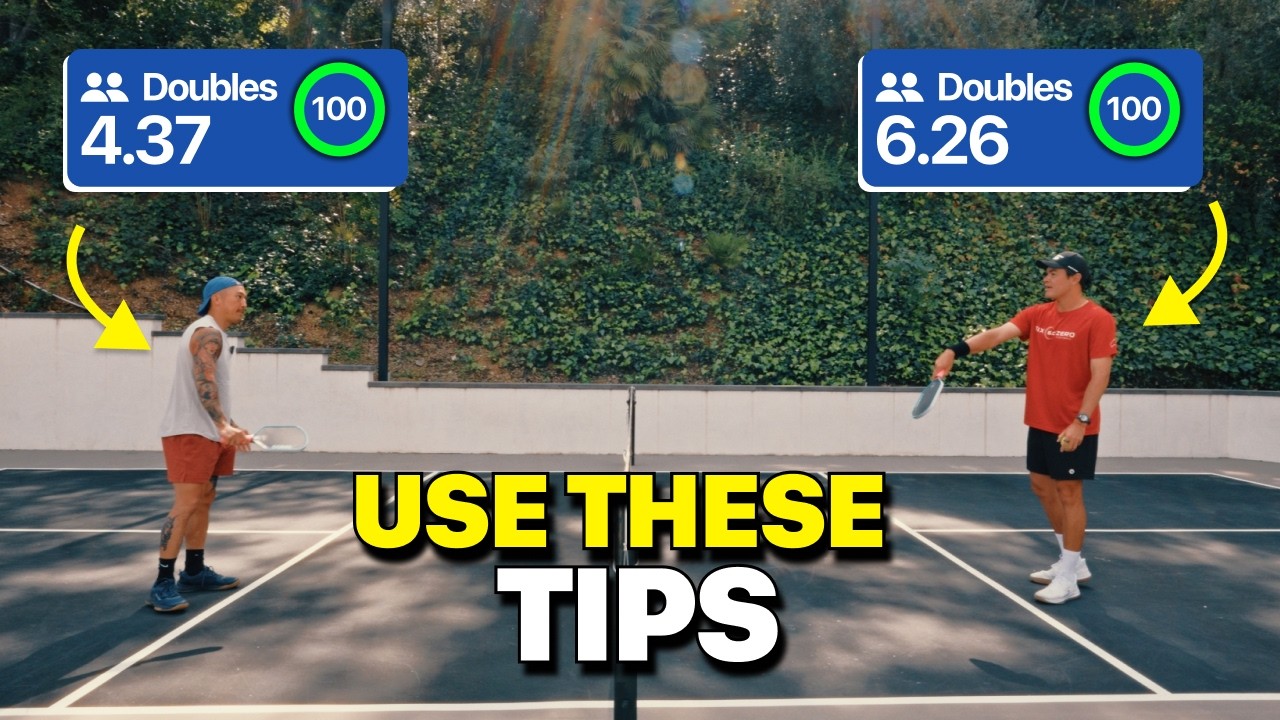
Putting It All Together
The adjustment is small. The results are not.
Cock your wrist inward. Keep your paddle face angled down. Target the feet, not the chest.
Let the technique do the work instead of trying to overpower your way through every exchange.
Practice it slowly first so your muscle memory has something real to hold onto.
Then bring it into live play and watch how much harder it becomes for opponents to counter your hands battles.
This is also the kind of low-cost, high-impact fix that separates 3.5 players from 4.0 players.
For more adjustments in that range, these decision-making fixes for 3.5 players are a great next step.
And if you want to understand how hands battles fit into your overall kitchen line game, the four most important shots that decide points puts the whole picture in context.
One more wrist position. One better habit. One fewer hands battle lost.
Frequently Asked Questions
What is a hands battle in pickleball?
A hands battle is a fast exchange of volleys between two players at the kitchen line, where both sides are trying to put the ball away or force an error before the other player can react. These exchanges happen quickly and require good technique and a clear target, not just fast reflexes. The player who consistently controls the angle and direction of the ball usually wins the exchange.
Why should I aim at my opponent's feet instead of their body?
A ball arriving at the feet forces your opponent to hit upward, which gives you an easier attack on the next shot. A ball aimed at the chest or torso is much easier for your opponent to handle and counter. Going low is not just defensive, it actively sets up your next offensive opportunity.
How do I cock my wrist inward correctly?
Hold your paddle out in front of you and rotate your wrist so that the paddle face tilts downward toward the ground. You should feel a slight inward rotation in your forearm. When the wrist is set correctly, any forward punch or volley will naturally send the ball on a downward trajectory.
Will this wrist position work on both forehand and backhand volleys?
The concept applies to both sides, though the feel of the wrist position is slightly different on the backhand. On the forehand, the inward cock is a natural pronation movement. On the backhand, you are keeping the face closed by preventing the wrist from opening through contact.
Practice both separately before using them in fast exchanges.
How long does it take to make this adjustment automatic?
Most players start to feel the difference within one or two dedicated practice sessions when they focus on slow, deliberate reps first. Bringing it into real play reliably usually takes a few weeks of consistent repetition. The key is not skipping the slow practice stage, because fast exchanges do not give you time to think about your wrist.

Love Pickleball? Join 100k+ readers for free weekly tips, news & gear deals.
Subscribe to The Dink