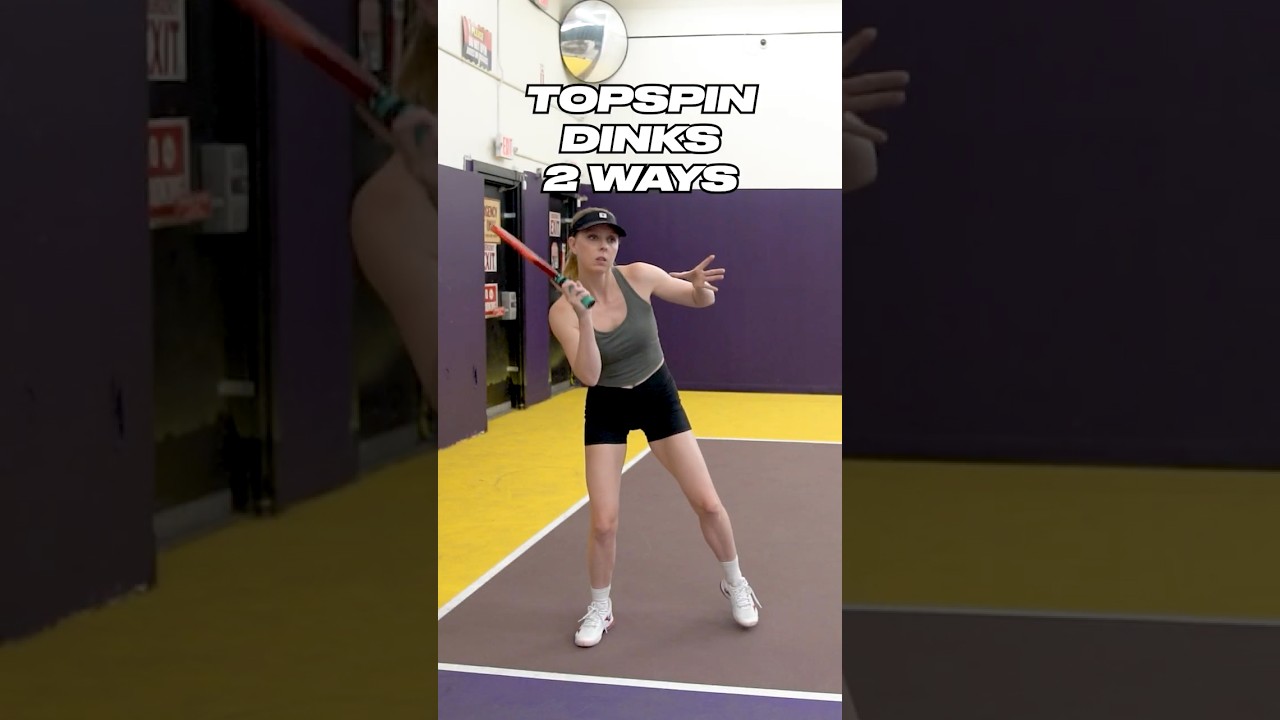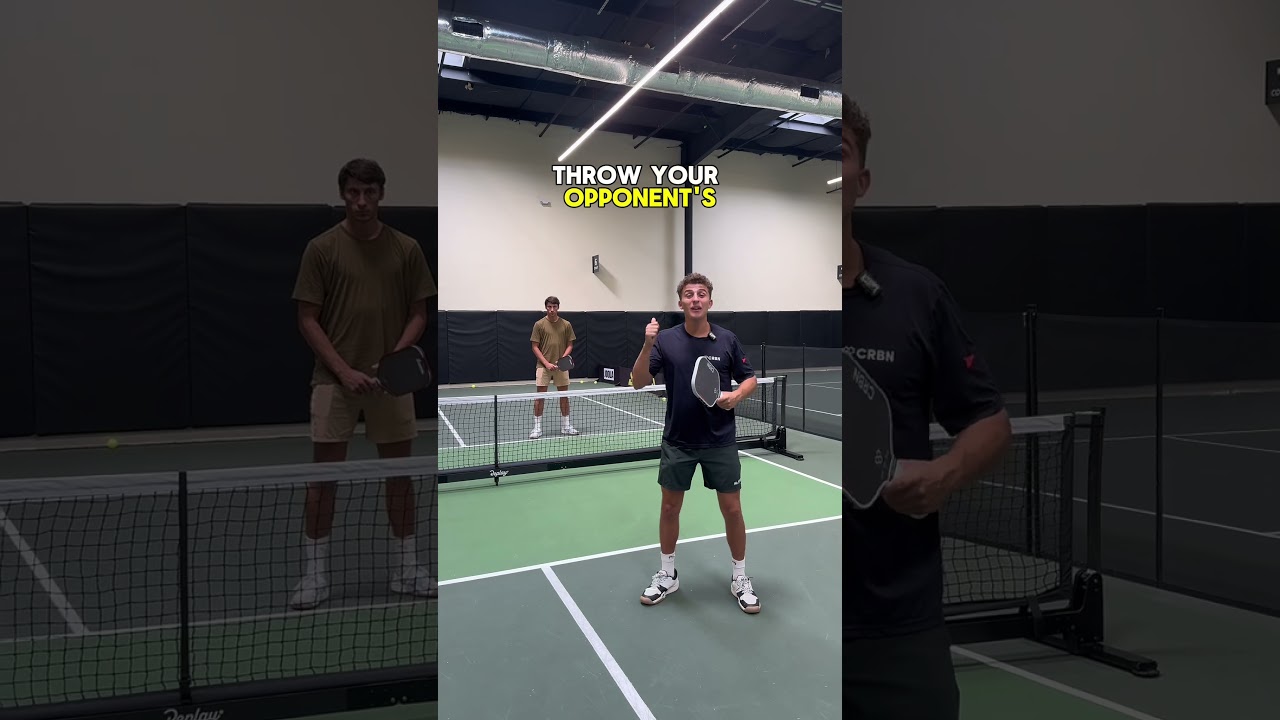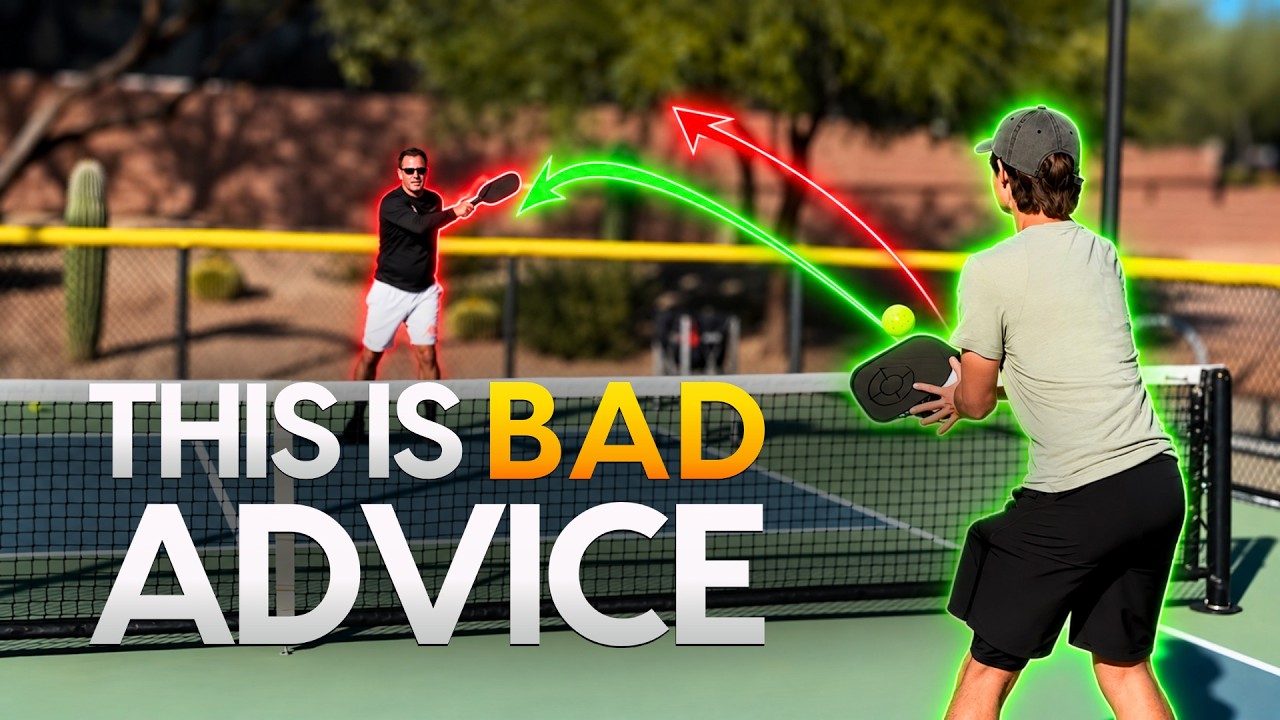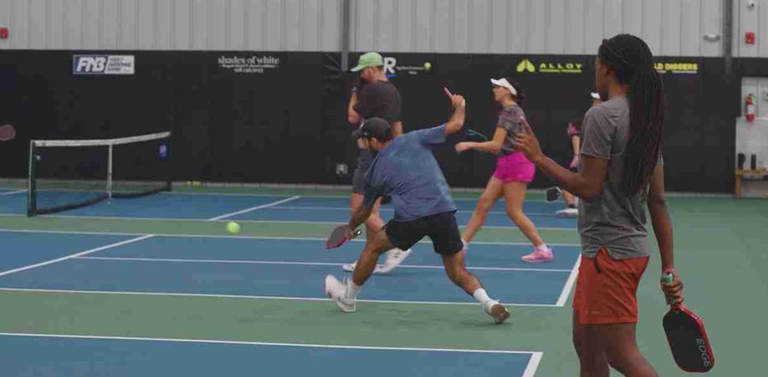

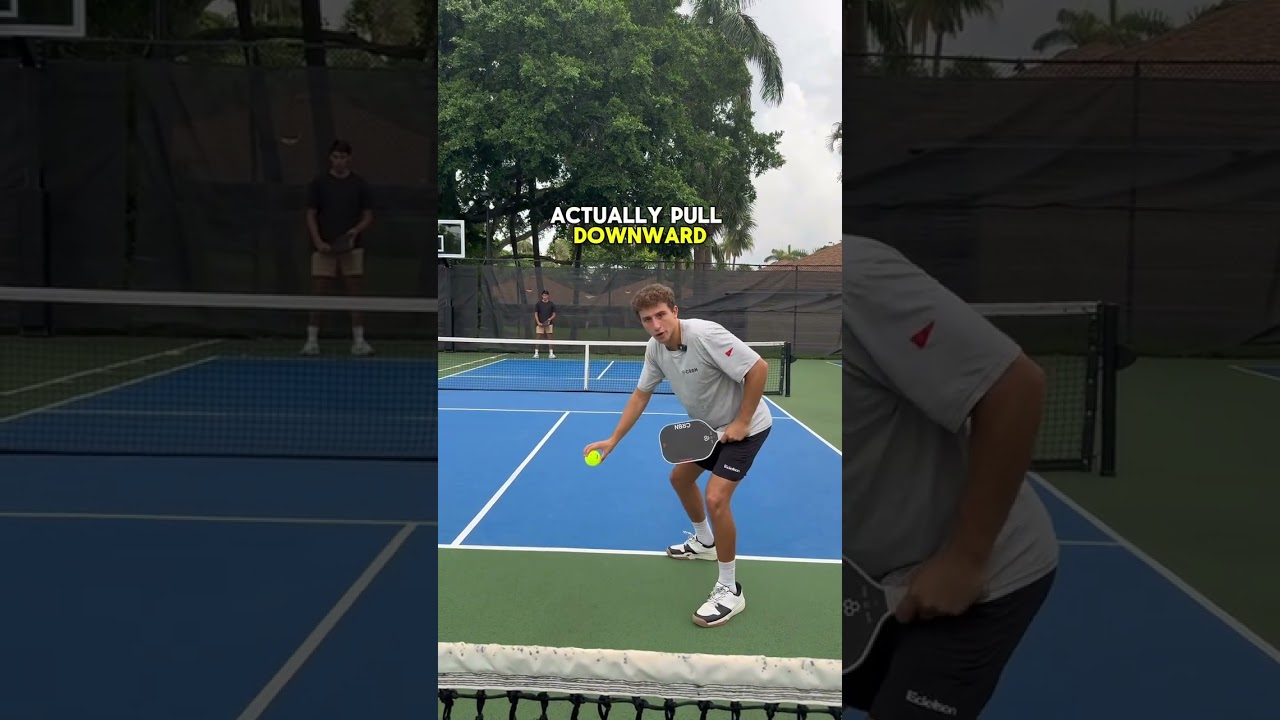
A slice return in pickleball behaves differently than a flat ball, it pulls downward and punishes anyone who stays upright. Fix your stance, open your paddle face, and you can turn that spin against the person who hit it.
A slice return is one of the most misread balls in recreational pickleball, and the mistake almost every amateur makes is treating it like a normal shot.
It is not a normal shot. A sliced ball stays low, pulls downward through the air, and punishes anyone who stays upright while trying to handle it.
This breakdown covers exactly why that happens, what your body and paddle need to do differently, and how to flip that spin so it works for you instead of against you.
The tips here come from Tanner Tomassi on YouTube, where the full breakdown runs in under 60 seconds and is worth watching before your next session.
Love pickleball? Then you'll love our free newsletter. We send the latest news, tips, and highlights for free each week.
What Makes a Slice Return So Difficult?
Most players understand topspin at a basic level. Topspin kicks forward and down after the bounce, which is predictable once you have seen enough of it.
A slice return is the opposite problem.
The ball skids low, loses speed through the air, and pulls downward on its flight path because of backspin.
That pulling effect is what catches people off guard.
They set up at a normal height, swing through what they think is the right contact zone, and clip the ball at the wrong angle.
The result is a weak pop-up or a shot straight into the net.
The fix is not about your arm. It is almost entirely about your legs and your paddle angle, and the slice becomes manageable fast once both are right.
Why Staying Upright Is Killing Your Return
Here is the most common mistake: amateurs stay too upright when a slice comes at them.
Standing tall might feel stable, but it puts your paddle right in the middle of your body's strike zone, not down where the ball actually is.
A sliced ball is typically traveling below your knees by the time it reaches you. If your body is not lower than usual, your paddle has to do all the compensating.
That means tilting awkwardly, rolling your wrist late, or scooping from a bad angle. None of those compensations are reliable under pressure.
The correct move is bending at the knees, not the back.
Knee bend drops your entire center of gravity so the paddle arrives at the ball's level without compensating anywhere else.
How Much Do You Need to Bend?
More than feels comfortable. That is the honest answer.
Most recreational players think they are getting low when they are really just tilting forward slightly.
Exaggerate the knee bend until it feels like you are sitting into a squat before you swing.
Watch how the best players handle low balls at the kitchen line and they look almost like they are sitting on a chair.
That is not an accident. Getting under shots at your feet is a trained habit, not something that happens naturally.
The goal is simple: get your paddle completely underneath the ball before you swing.
If your paddle starts above the ball's flight path, you are already behind.
 The Dink Media Team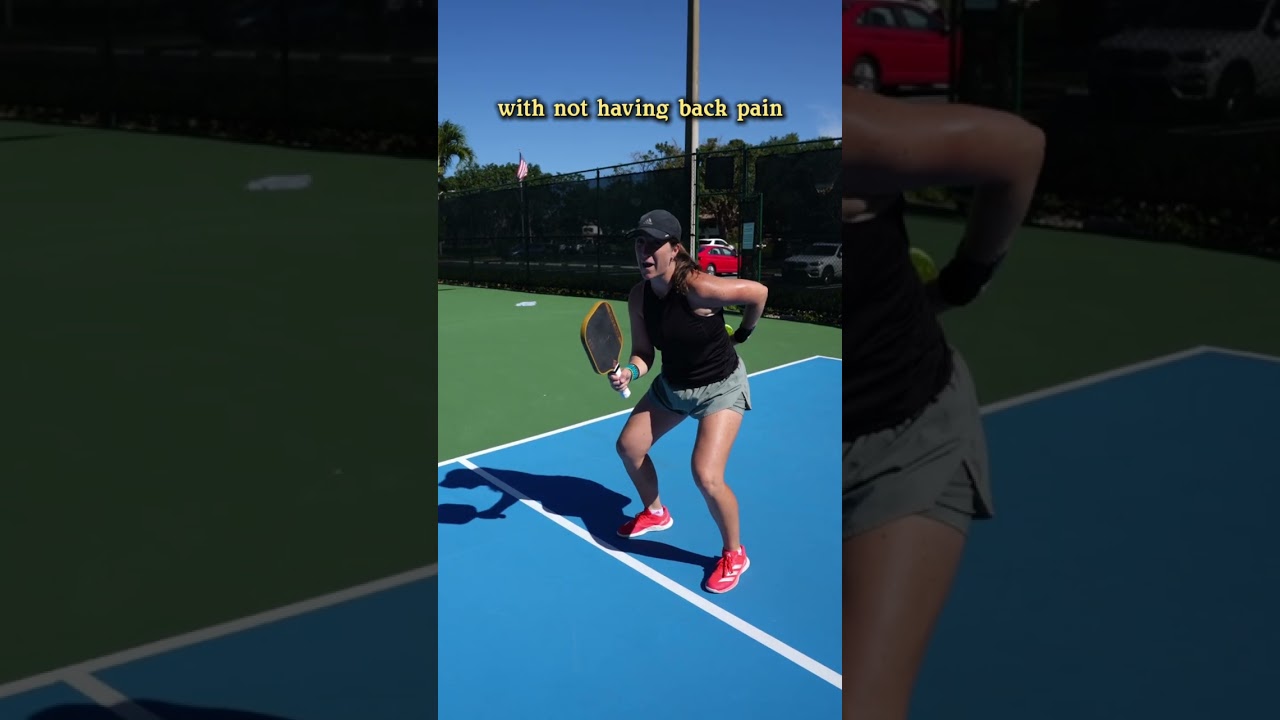
What Should Your Paddle Be Doing?
Once your legs are in position, your paddle face needs to match what the ball is doing.
Keep the paddle face open. That means tilting the face back toward the sky, not keeping it vertical or closing it down toward the ground.
Here is why that matters.
A sliced ball carries backspin, and when it contacts a vertical paddle, the spin grabs the face and sends the ball straight down into the net.
An open paddle face redirects that backspin upward, giving the ball enough lift to clear the net with room to spare.
Think of the open face as a ramp the ball rolls up rather than a wall it crashes into.
Spin off the paddle face is still fully legal, and the official USA Pickleball rulebook is where the limits on hand and finger spin are spelled out.
 Jason Flamm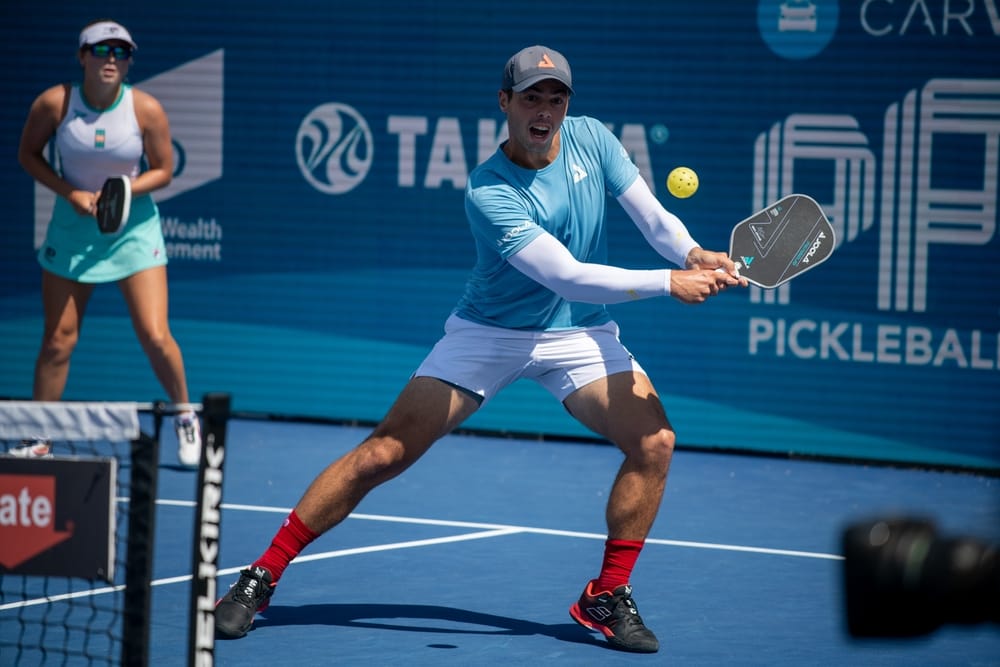
Should You Aim Higher Than Normal?
Yes. Aim higher than you think you need to on every slice return.
This is the part most players resist because it feels wrong. Aiming high seems like a recipe for hitting long, but backspin works against height.
The ball drops faster than a flat shot would, so your higher aim produces a trajectory that lands inside the court.
Aim at your normal height and the backspin drags the ball into the net before it ever gets there.
- Flat ball: aim at normal net clearance height
- Topspin ball: aim lower to account for forward kick
- Slice ball: aim higher than normal, the backspin will pull it back down
Once you internalize this, you stop fighting the spin. You start using it.
 The Dink Media Team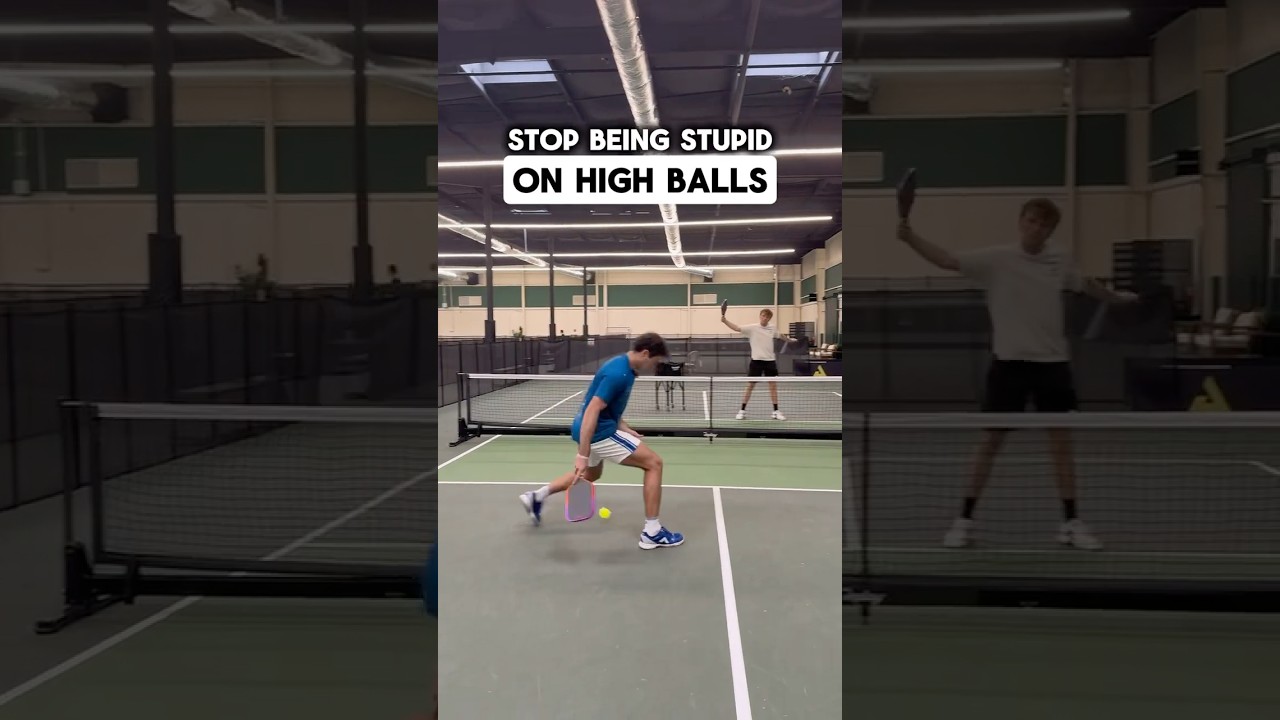
How Do You Turn Their Spin Into Your Advantage?
This is the part that separates players who just survive the slice from players who punish it.
When you combine a low stance, an open paddle face, and a higher aim point, something useful happens.
The backspin that was working against a vertical paddle now gets redirected forward by your open face.
The ball comes off your paddle with pace and depth that you did not have to generate entirely yourself.
The opponent's spin becomes part of your return. You are borrowing their energy.
This is similar to what happens on a reset when a hard drive comes at you. The best resets absorb and redirect rather than fight the incoming energy.
Same principle applies to handling a slice.
Here is the full sequence broken into steps:
- Read the slice early by watching your opponent's paddle angle at contact. An open face at their end means slice is coming your way.
- Drop into your knee bend immediately, before the ball reaches you. Do not wait until the last second.
- Open your paddle face as you move into position so it is ready at contact, not adjusted on the fly.
- Aim higher than normal and swing through the ball with a smooth, controlled stroke. Do not stab at it.
- Follow through upward, let the open face and your leg drive do the work.
 The Dink Media Team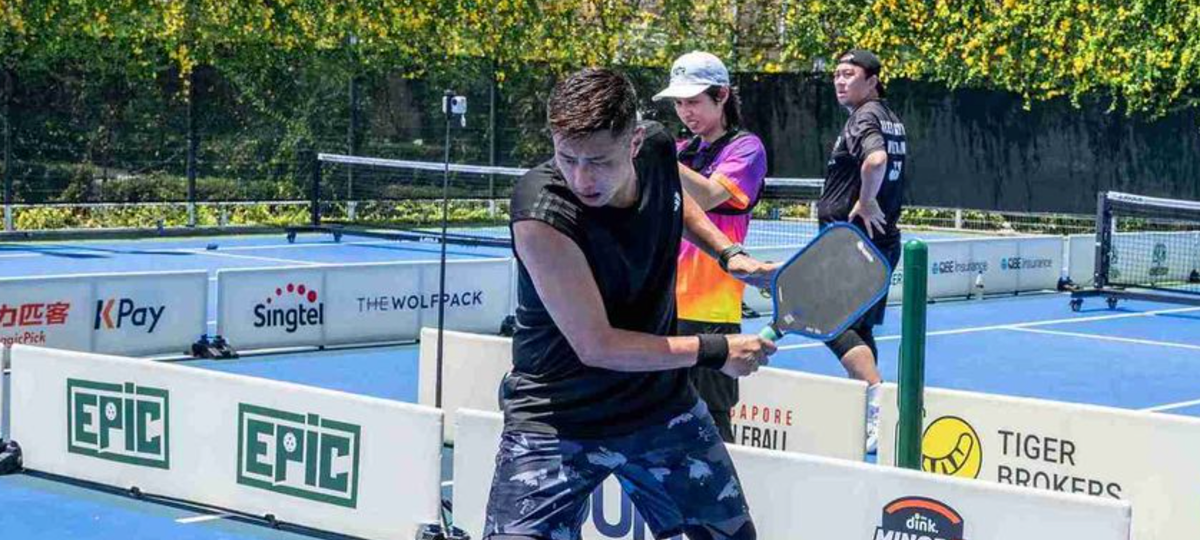
Is This a Problem for Players at Every Level?
Yes, but it shows up differently depending on where you are in the game.
At 3.0 and 3.5, the issue is usually pure body mechanics.
Players have never been coached to get low on a slice, so they absorb the ball awkwardly and pop it up constantly.
Staying stuck at 3.5 often comes down to exactly this kind of technical gap that nobody has pointed out yet.
At 4.0 and above, the problem is usually timing. Players know they should get low but wait too long to start bending.
By the time the ball arrives, they are mid-squat and the shot is rushed.
Early preparation is the fix at every level. The moment you see the slice, your legs should already be moving down.
 The Dink Media Team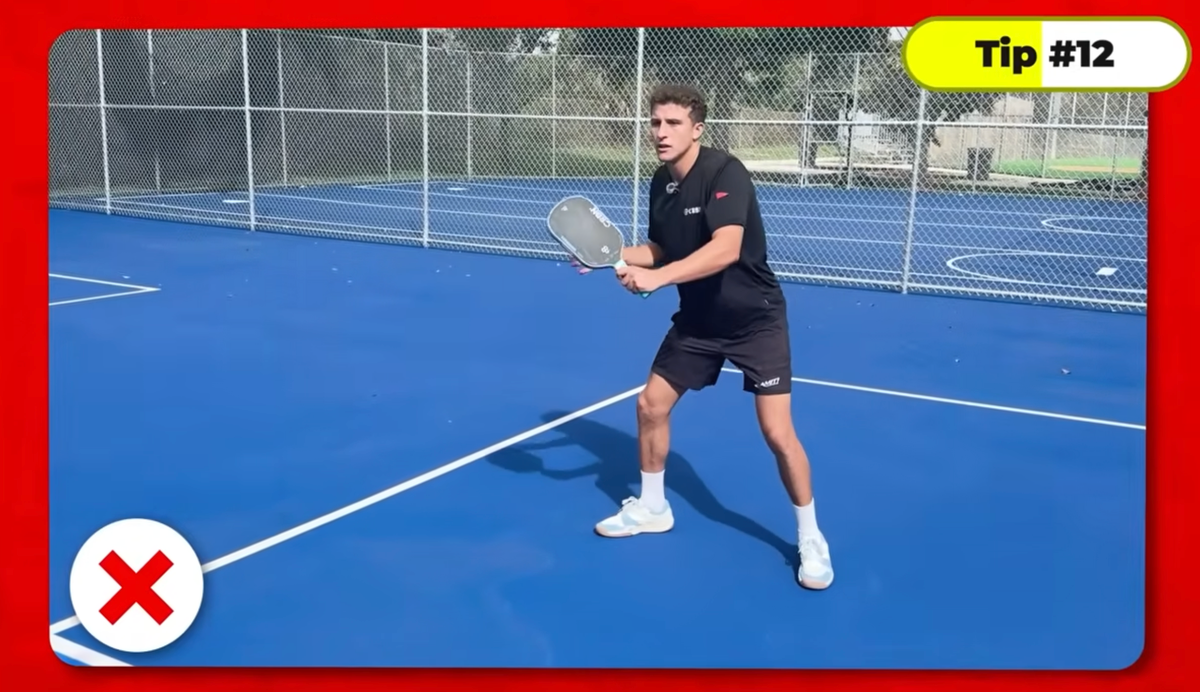
What About Slice Returns on the Backhand Side?
Everything above applies equally to your backhand. The mechanics do not change.
What does change is how many players actually practice this on the backhand side. Most drilling happens cross-court forehand to forehand.
The backhand gets neglected until it becomes a liability in real games.
Run through the five-step sequence above on your backhand side specifically.
The paddle face needs to be just as open, the knee bend needs to be just as deep, and the aim needs to be just as high.
 The Dink Media Team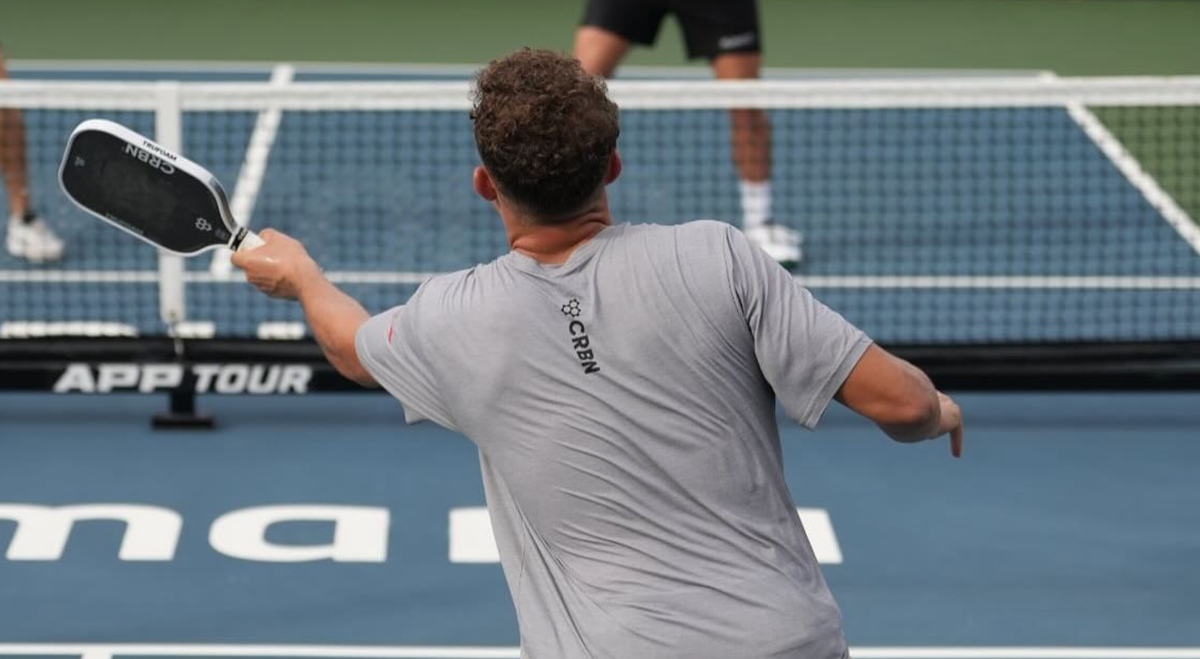
One Common Drill That Fixes This Fast
Have a partner feed you slice balls from the baseline while you stand at the transition zone.
Your only job is to get the ball to land between the kitchen line and the baseline on their side.
Do not worry about placement. Do not try to attack. Just focus on knee bend, open paddle face, and a higher aim point than feels natural.
Do this for ten minutes before a regular session and you will notice the difference immediately.
Targeted drilling on specific shot types like this builds muscle memory far faster than just playing games and hoping the problem fixes itself.
If you want to keep sharpening your return game beyond the slice, countering topspin is the next problem worth solving, since opponents who can hit both slice and topspin will keep switching until they find your weak point.
It also helps to clean up your serve and return as a whole system, not just one isolated shot type.
The slice return fix becomes a lot stickier when it lives inside a broader return framework you are already confident in.
And if you want to make sure bad footwork is not undercutting your ability to get low consistently, footwork mechanics are worth a dedicated look before you drill this further.
Finally, check your grip pressure.
If you are gripping too tight when a slice comes at you, the paddle face closes slightly at contact and your carefully aimed open face disappears.
Soft hands matter even on shots where you are trying to generate lift.
A slice return is not something to fear. Once you understand why it drops and what it does to a wrong paddle angle, the fix is straightforward.
Get low, open up, aim high, and let the spin do some of the work for you.
 The Dink Media Team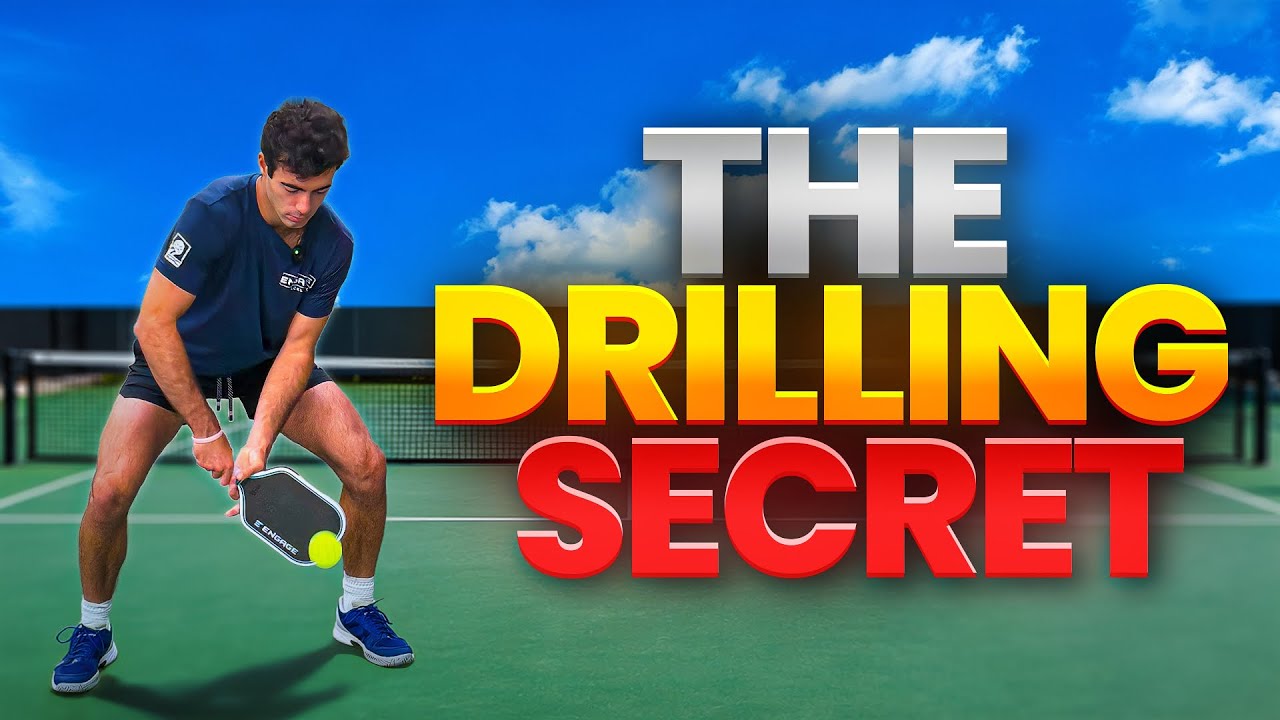
Frequently Asked Questions
Why does a slice return stay so low in pickleball?
A slice return carries backspin, which creates downward pressure on the ball during its flight. That spin also causes the ball to skid rather than bounce up after it lands. This combination makes it travel much lower than a flat or topspin shot.
What is the correct paddle face angle for handling a slice return?
Keep the paddle face open, meaning tilted back toward the sky rather than held vertical. An open face redirects backspin upward so the ball clears the net. A vertical face lets the spin grab the paddle and drive the ball into the net.
Should I aim higher or lower on a slice return in pickleball?
Always aim higher than you would on a normal shot when handling a slice. The backspin pulls the ball down faster than a flat ball, so a higher aim compensates for that drop. Players who aim at their normal height almost always end up in the net.
How low do I need to bend on a slice return?
Lower than feels comfortable. You want your knees bent enough that your paddle naturally arrives underneath the ball without any wrist compensation. Think of it as an exaggerated squat, not just a slight forward lean.
Can I practice handling slice returns on my own?
You need a partner or a ball machine that can generate backspin to get meaningful repetitions. Have them feed slice balls while you focus on stance, paddle face, and aim point separately before combining all three. Ten focused minutes of this before a regular session builds the habit faster than hours of regular play.
Love Pickleball? Join 100k+ readers for free weekly tips, news & gear deals.
Subscribe to The Dink