
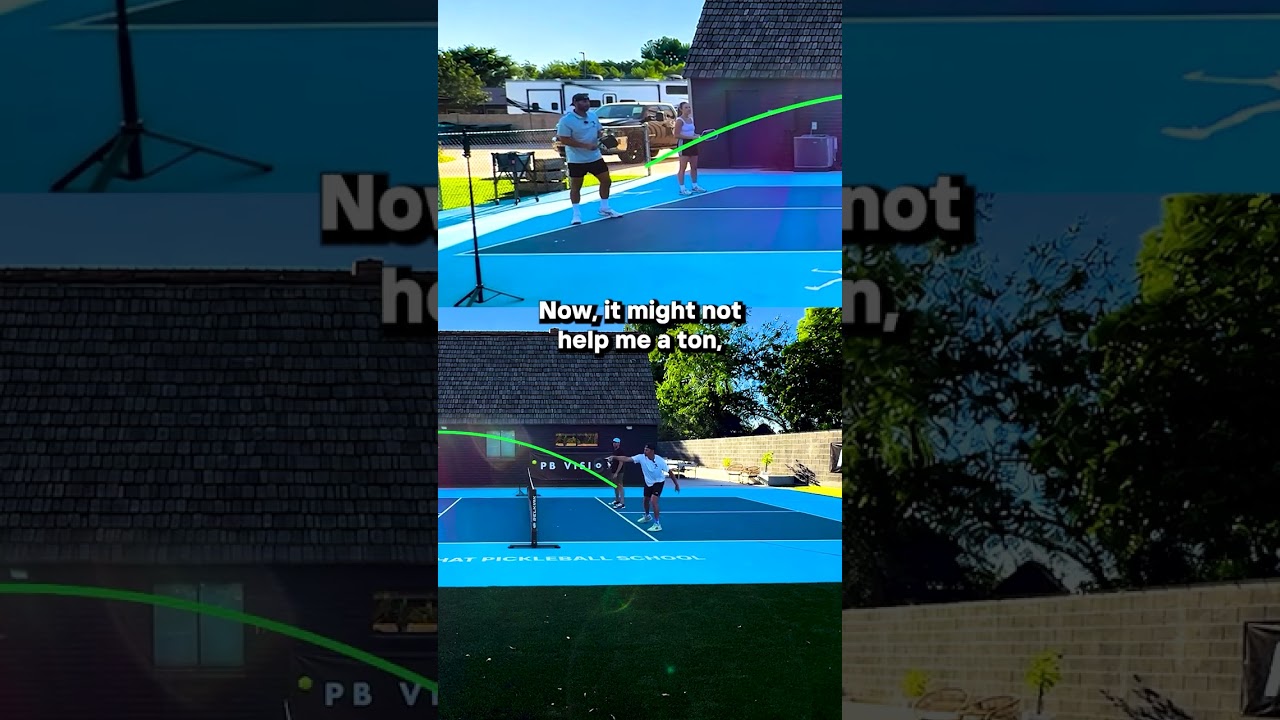
Every player has a pickleball power threshold, a point where more swing speed means less control. Cross it too often and you start losing points you should win.
The pickleball power threshold is one of the most ignored concepts in the recreational game.
Most players assume that hitting harder is always better. It is not.
There is a specific point where your swing speed starts working against you.
Past that point, accuracy drops, errors climb, and the rally swings in your opponent's favor.
This piece breaks down exactly what the power threshold is, why crossing it hurts your game, and how to find the right balance between pace and control.
The concept comes from ThatPickleballGuy, Kyle Koszuta, one of the sharper coaching voices on YouTube right now.
Love pickleball? Then you'll love our free newsletter. We send the latest news, tips, and highlights for free each week.
What Is the Pickleball Power Threshold?
The pickleball power threshold is the exact point where adding more swing speed starts reducing your shot accuracy.
Below it, you place the ball reliably. Above it, control slips.
Koszuta explains it simply. Feeding at a controlled pace, he hits a specific target almost every single time. The moment he ramps up power, that accuracy erodes.
This is not a flaw in his technique. It is a fundamental truth about the sport.
Every player has this threshold. Most cross it far too often without realizing it.
Why Does More Power Kill Accuracy?
When you swing harder, you introduce more variables into the contact point. Your paddle face angle becomes harder to control.
The timing window for clean contact shrinks significantly.
At moderate swing speeds, small errors in timing and angle still produce acceptable shots.
At high swing speeds, those same small errors produce shots that sail wide, clip the tape, or pop up for easy put-aways.
Think about it this way: a slight paddle face tilt at 40 percent power might land your shot two inches off target.
That same tilt at 90 percent power could miss by two feet.
This is why so many common pickleball mistakes trace back to overswinging.
Players think they are making strategic errors. Often, they are just swinging too hard.
Is Playing Softer Actually a Weakness?
No. Controlled placement is not passive play. It is smart play.
Koszuta makes a key point here: hitting the ball to a reliable location, even without a lot of pace, forces your opponent to work.
It keeps you in the rally. It does not win you every point outright, but it does not give points away either.
Unforced errors are the single biggest score driver at the recreational level.
Beginners and intermediate players lose far more points from their own mistakes than from being out-played.
Staying below your power threshold keeps those errors off the board.
The goal is not to be passive. The goal is to be accurate first, and aggressive only when the situation genuinely calls for it.
 The Dink Media Team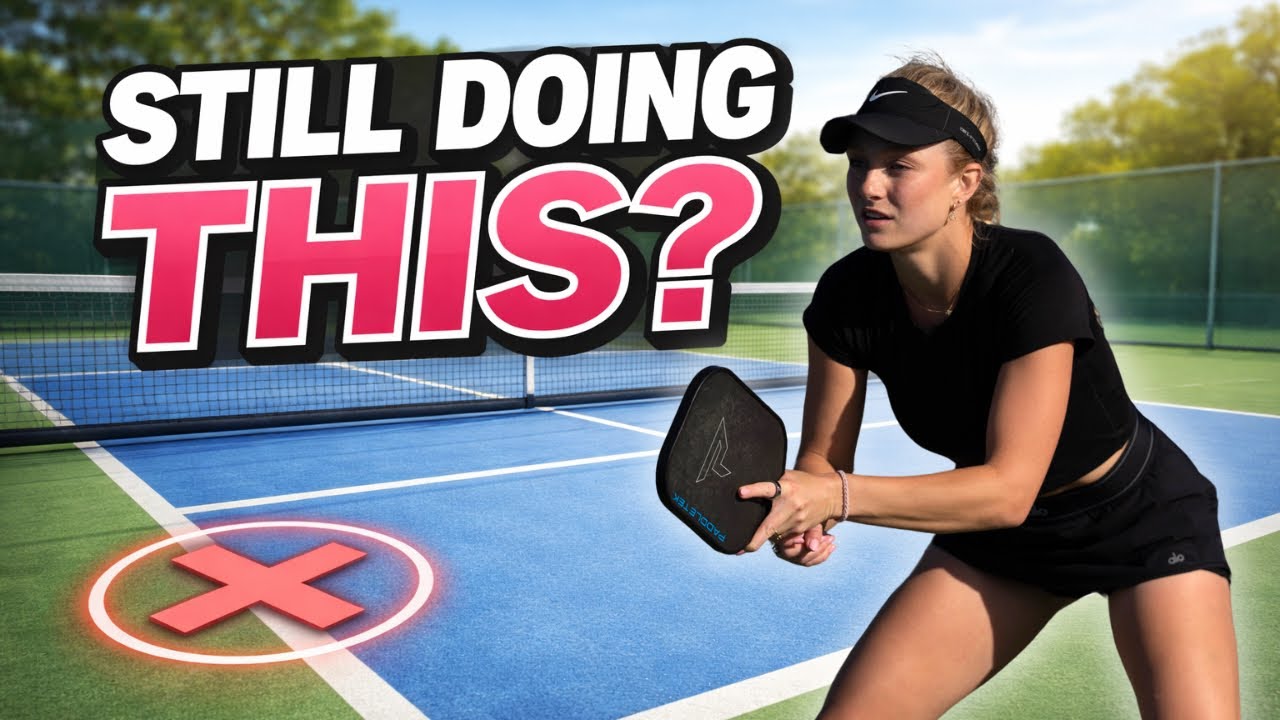
How Do You Find Your Own Power Threshold?
Your threshold is personal. It depends on your technique, your fitness level, and your paddle.
Here is how to locate it.
- Start slow and place first. Before any drilling session, hit at 50 percent pace and aim for a specific target. Get a feel for where your natural accuracy lives.
- Gradually increase pace. Bump up to 60, then 70 percent. Watch for the first signs of consistent misses. That is your threshold zone.
- Mark your ceiling. The power level just below where you start missing repeatedly is your working ceiling for that shot in match play.
- Test it under pressure. Thresholds drop when you are nervous or fatigued. Build in a margin below your practice ceiling for game situations.
- Reassess by shot type. Your threshold for a forehand drive is different from your backhand or your overhead. Test each one separately.
This is not a one-time exercise. Your threshold will shift as your technique improves. Revisit it regularly.
 The Dink Media Team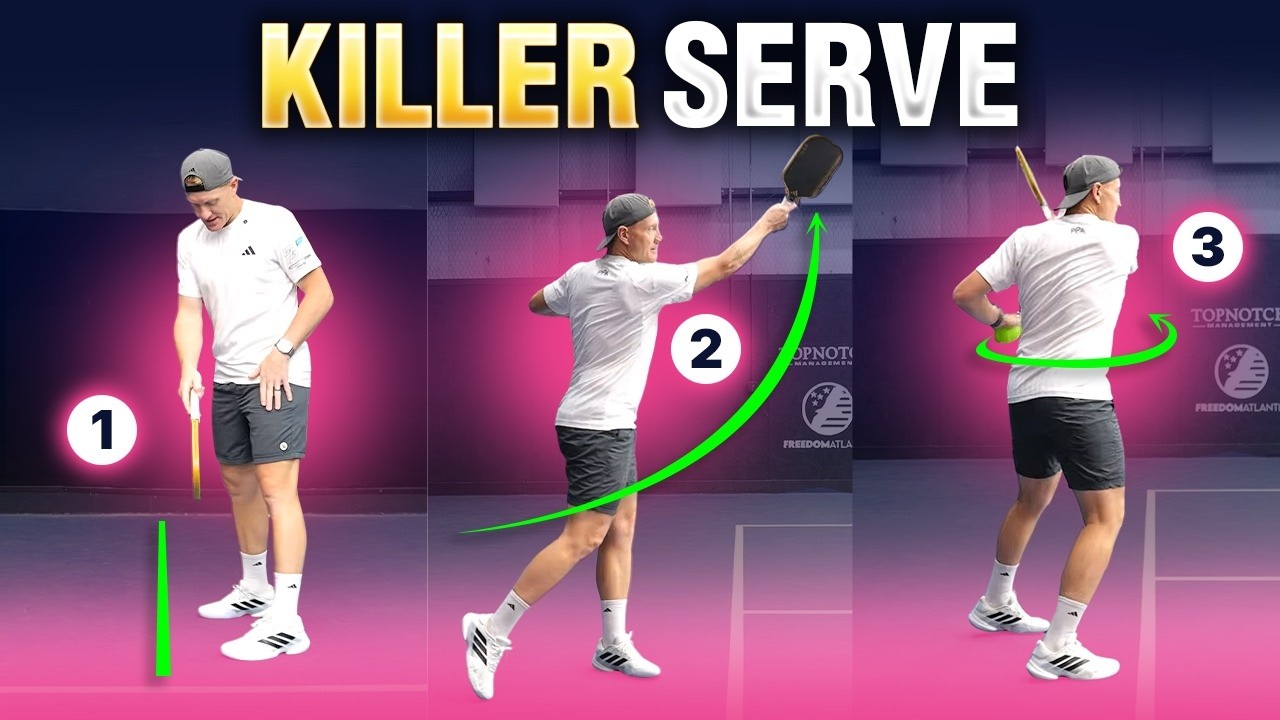
What Happens When You Ignore the Threshold?
You start giving away easy points. That is the short answer.
When you consistently swing past your threshold, your unforced error rate climbs. Opponents do not need to outplay you because you are already beating yourself.
This is especially damaging in tight games where one or two errors per game can decide the outcome.
There is also a confidence spiral to watch out for. When you miss a hard shot, the instinct is often to swing even harder next time to "make up" for it.
That only pushes you further past your threshold and compounds the error rate.
Fixing your overswing is one of the fastest ways to stabilize your game.
The drill-based approach works precisely because it forces you to feel the difference between controlled and wild contact.
 The Dink Media Team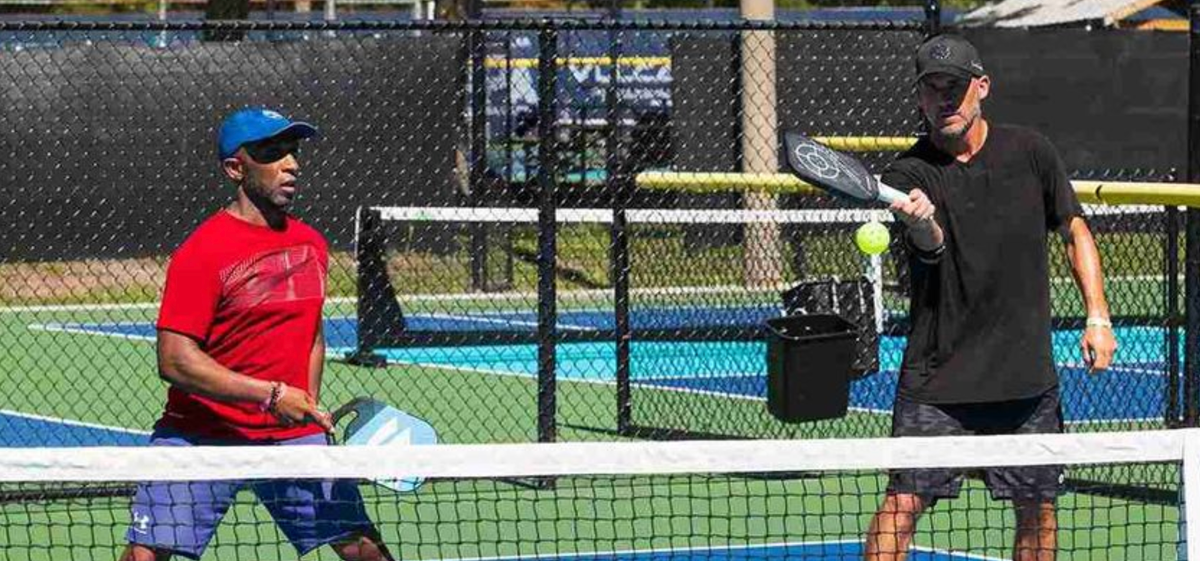
Does This Mean You Should Never Hit Hard?
Absolutely not. There are specific moments when attacking with pace is the right call.
The key is recognizing those moments and swinging with purpose, not just with emotion.
Here are the situations where pushing closer to your threshold is actually correct:
- Ball sitting above net height: When you get a high ball, you have geometry working in your favor. A hard shot down at an opponent's feet is the right play.
- Opponent out of position: If they are scrambling or caught in the transition zone, pace can finish the point before they recover.
- Wide open court: When there is a clear gap and your opponent cannot cover it, hitting with pace into that space makes sense.
- Intentional speed-up sequences: A calculated speed-up at a body zone or shoulder creates a weak pop-up. That is strategy, not random aggression.
Outside of these situations, default to accuracy. Shot selection based on ball height is one of the simplest filters you can use to make smarter decisions in real time.
 The Dink Media Team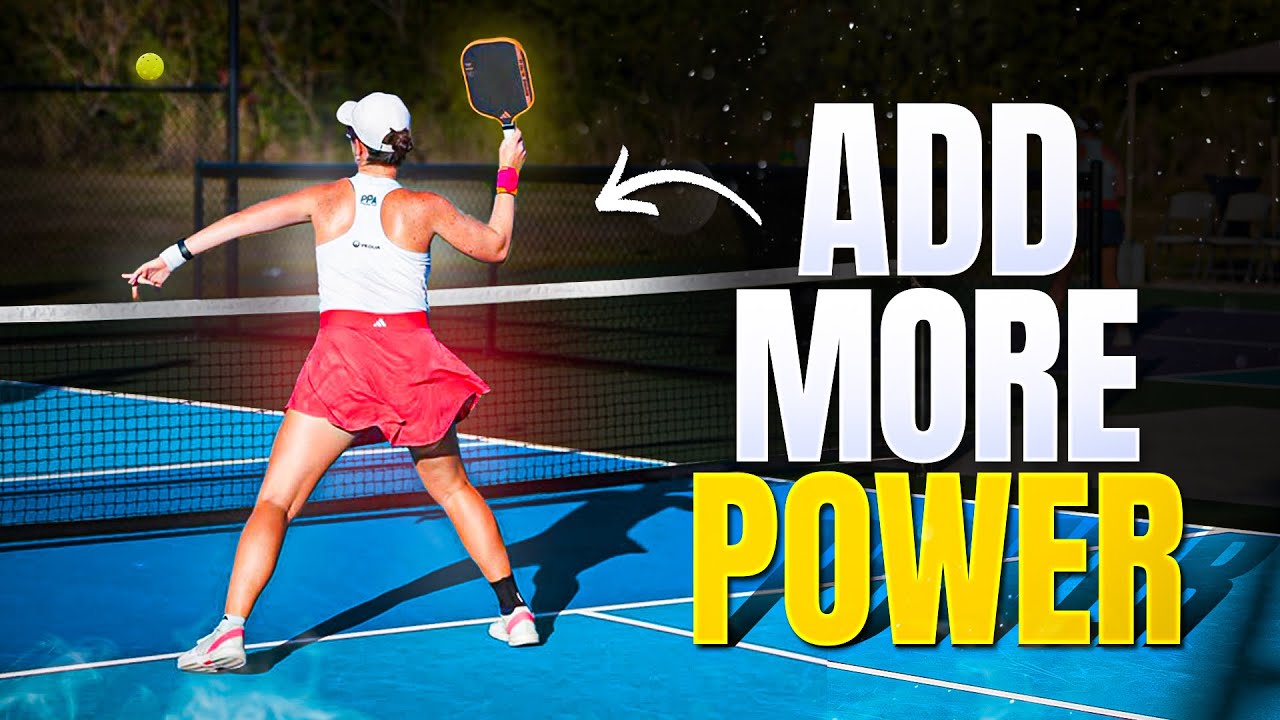
How Does This Apply to Dinking?
The power threshold concept applies to every shot, but it is especially important at the kitchen line. Dinking is built on consistency and placement, not pace.
When players try to speed up dinks without the right setup, they cross their threshold almost immediately.
The result is a pop-up or a wide shot that hands the point to the other team.
Dinking technique that prevents pop-ups is directly connected to this idea.
Keeping your swing compact and controlled at the kitchen line is what separates players who can sustain rallies from players who randomly donate points.
Kitchen line excellence, the kind you see from Anna Leigh Waters and Tyra Black, is not passivity.
It is hitting just hard enough to create pressure without sacrificing accuracy.
 The Dink Media Team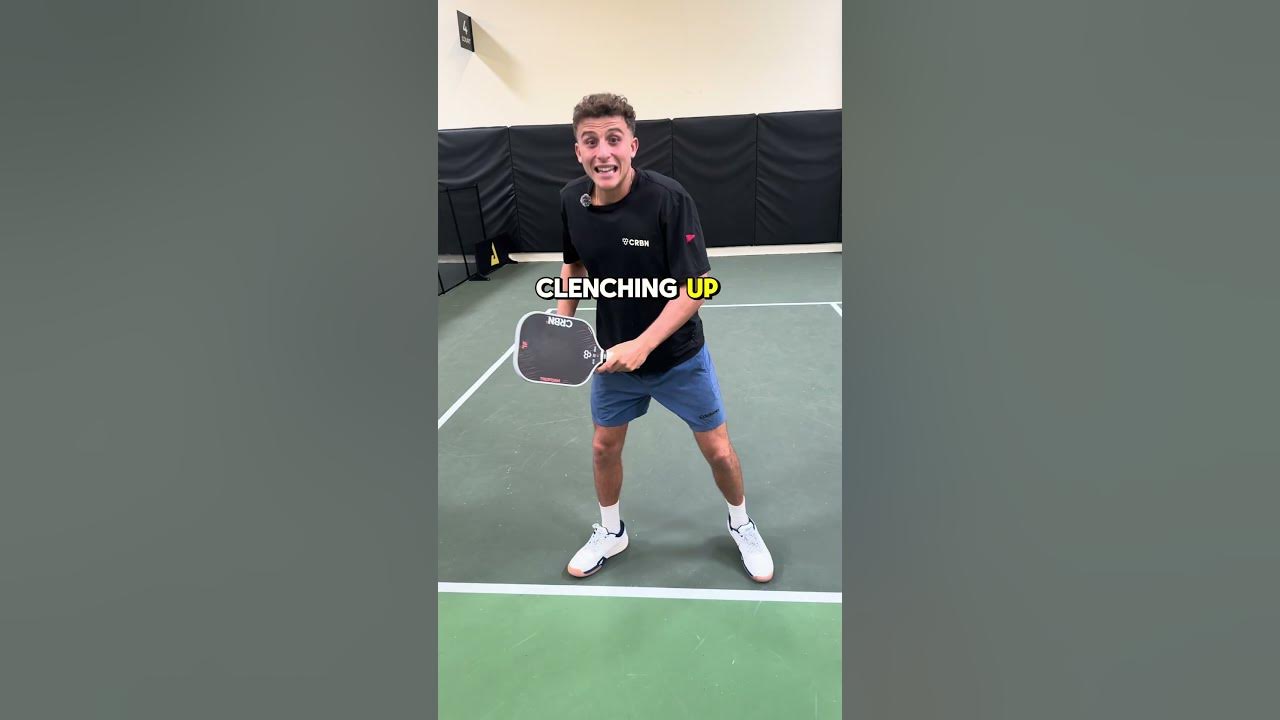
How Do You Train to Raise Your Threshold?
Your power threshold is not fixed. With deliberate practice, you can raise it so that your accuracy holds at higher and higher swing speeds. Here is how to do it.
- Target-based drilling. Place a cone or a piece of tape on the court and aim for it consistently before adding pace. Accuracy first, speed second.
- Progressive overload. Each session, push your swing speed slightly beyond where it felt comfortable last session. Give your technique time to catch up.
- Film yourself. Filming your pickleball sessions reveals exactly what your paddle face and body are doing at high swing speeds. You cannot fix what you cannot see.
- Controlled match play reps. In casual games, commit to staying below your threshold for the first half of the match. Track your error rate and compare it to the second half when you relax the constraint.
- Reset training. Reset shots that actually work are built on the same principle as threshold management. The ability to take pace off the ball and reset the point is a direct skill that raises your overall ceiling.
The more deliberate your practice, the faster your threshold climbs. Random hitting will not move the needle much. Intentional, targeted repetition will.
 The Dink Media Team
What Does This Look Like in a Real Match?
Picture a dink rally at 3.5 level play. The ball keeps coming back at mid-height, the rally feels stagnant, and most players force a hard shot.
They cross their threshold. They miss.
The better play is to keep the ball low, shift the placement slightly to the opponent's backhand or hip, and wait for a ball that genuinely rises above the net.
That ball, when it comes, is when you apply pace with purpose.
Shot selection rules that players get wrong almost always trace back to this exact pattern.
They attack too early, at too much pace, on a ball that did not give them a real advantage.
Patience is not the same as being passive.
Controlled patience while waiting for the right ball to attack is what separates winning players from players who wonder why they keep making unforced errors.
What pro players do differently comes down to exactly this: they know their threshold, they stay below it until the right moment, and then they apply pace with precision.
That is the formula. It works at every level.
Frequently Asked Questions
What is the power threshold in pickleball?
The power threshold is the swing speed beyond which your shot accuracy starts to break down. Every player has one, and crossing it consistently leads to unforced errors that cost you easy points.
Should I always hit soft in pickleball?
No. Controlled placement is the goal, not hitting soft for its own sake. When you get a high ball or your opponent is out of position, applying pace is the right call.
The key is choosing those moments intentionally rather than swinging hard on every ball.
How do I know if I am overswinging in pickleball?
If your misses cluster in the same direction repeatedly, net or wide on a specific side, you are likely overswinging and losing control of your paddle face. Filming yourself is the fastest way to confirm it. Slowing down your swing speed by 20 percent and checking whether accuracy improves is a reliable self-test.
Does the power threshold apply to serves and drives too?
Yes. Every shot type has its own threshold. Your serve threshold, your drive threshold, and your dink threshold are all different numbers. Serve mistakes that kill power and depth often trace directly back to swinging past the threshold rather than below it.
How can I raise my power threshold over time?
Target-based drilling, progressive pace increases, and filming your sessions all help raise your threshold steadily. Consistent deliberate practice is what builds the technique to handle higher swing speeds without losing accuracy.

Love Pickleball? Join 100k+ readers for free weekly tips, news & gear deals.
Subscribe to The Dink