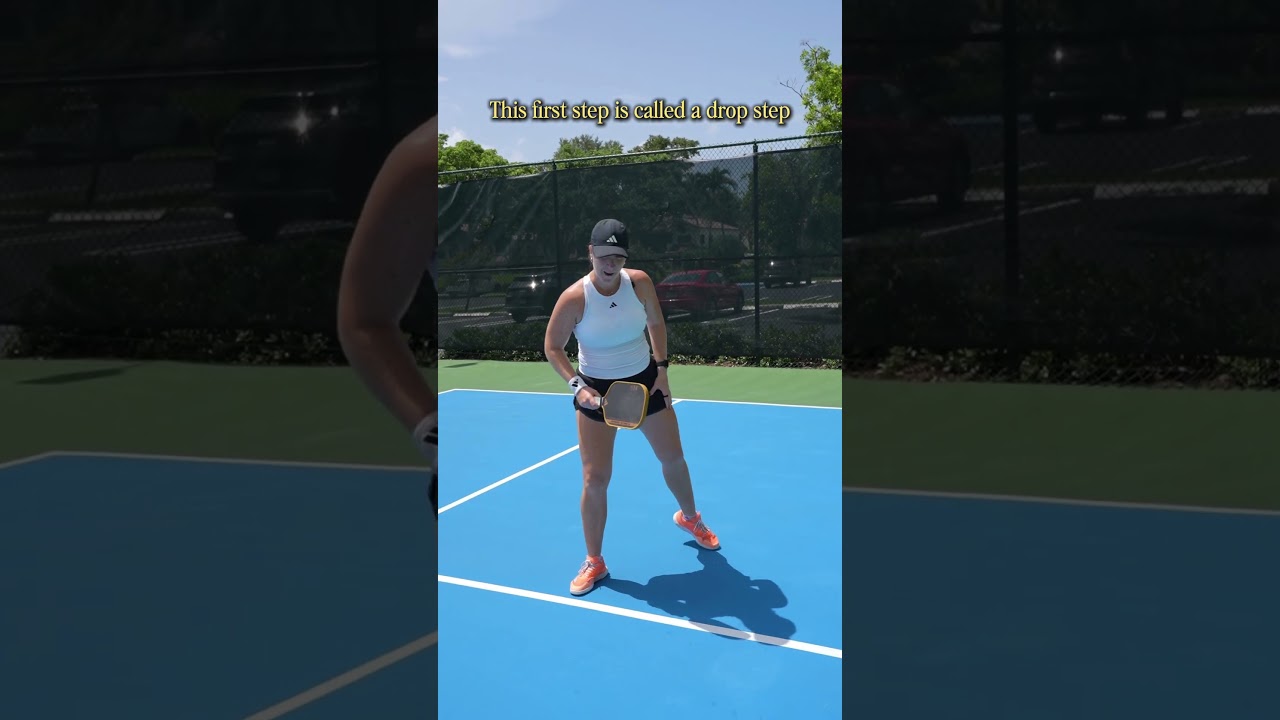


The cross court flick into a backhand used to be a death wish, but a mid-point grip change has made it a staple for top pros. Here is how the grip works and when to pull the trigger.
The cross court flick into an opponent's backhand used to be the shot nobody in their right mind would hit.
You know the feeling. You see the ball sitting up, you spot the backhand, and your brain screams do not do it.
That instinct was right for years, because a flick into a backhand usually gets blocked right back at your feet.
Something changed, and it comes down to the grip.
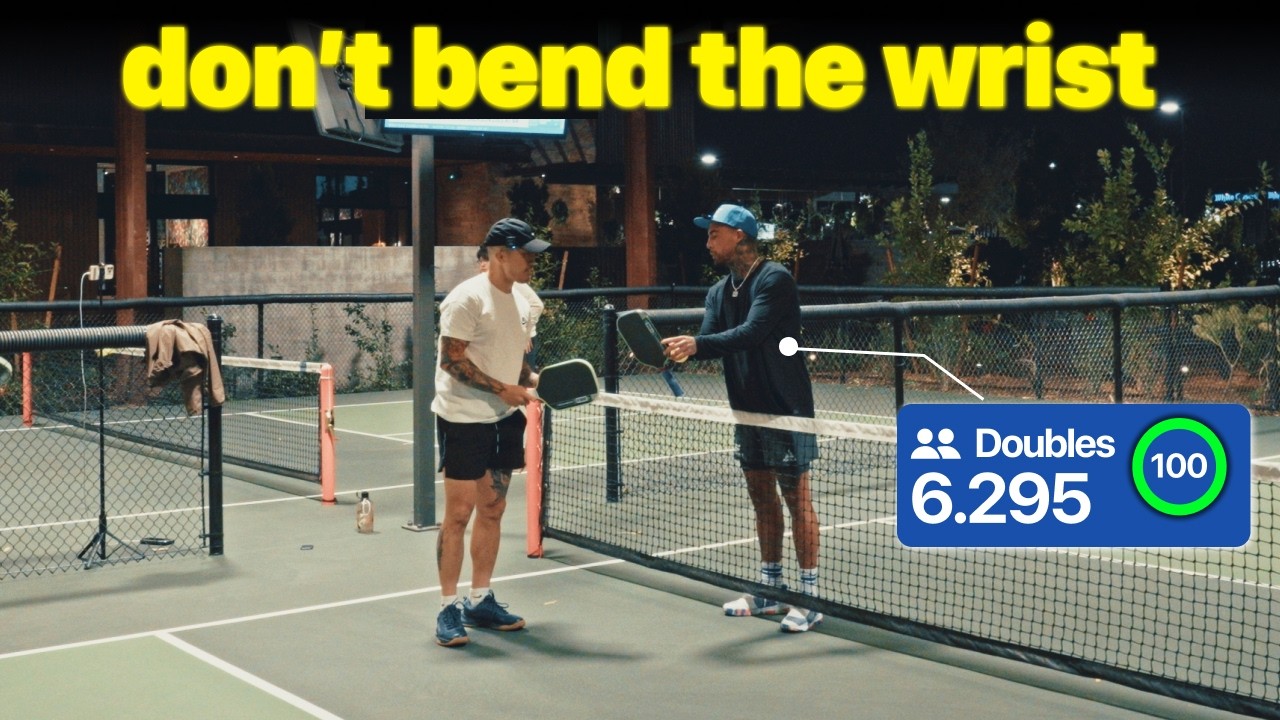
This breakdown comes from Ryan Morneau of Pickleball Breakdowns on YouTube, who points to a mid-point grip change that has made this shot a weapon for the top pros.
Here is how it works and how you can use it without getting burned.
Love pickleball? Then you'll love our free newsletter. We send the latest news, tips, and highlights for free each week.
What Is a Cross Court Flick and Why Was It So Risky?
A cross court flick is a quick wrist-driven attack off a dink that sends the ball diagonally across the kitchen into the opposing player’s body or backhand side.
It was risky because the backhand is where most players feel the most comfortable blocking.
If you flick into a ready, balanced backhand, you hand your opponent a counterattack.
The other problem is the angle.
Everyone expects a flick to go through the middle, so a cross court version has to be hidden well or it lands softly in the other team’s strike zone.
If you want a refresher on the basics, start with these pickleball flick fixes for better kitchen offense.
It covers the contact point and wrist mechanics you need before adding any grip tricks.
How Does a Grip Change Make the Shot Work?
Switching to a flick heavy grip mid-point gives you a longer, looser wrist and lets you redirect the ball cross court at the last moment.
The Grip That Made the Cross Court Flick Viable
In the video, Noe Khlif waits until JW Johnson settles into a deep defensive backhand stance. That is his cue to rotate the paddle into a super flick position.
From there, he gets the ball up and into the body of the opposing player, who was sure the ball was going through the middle.
The extended grip gives him the reach and wrist freedom to push the ball cross court instead.
That wrist freedom is not just feel.
A 2025 kinematic study of pickleball players found that advanced players kept continuous wrist motion through and after contact on dink shots, while beginners did not.
Think of it this way. A standard dink grip is built for control and touch, while a flick grip is built for acceleration and angle.
You only want it when you are ready to attack.
5 Keys to Using the Grip Change Safely
Here are the five keys that separate a smart grip change from a reckless one.
- Wait for the right defensive stance. You want your opponent deep in a backhand posture, not set up and balanced at the line.
- Change your grip early, not late. Make the adjustment as the ball is traveling to you so your paddle is ready before contact.
- Disguise the direction. Keep your shoulders and paddle face looking like a middle flick until the very last moment.
- Aim at the body, not the corner. A body-targeted flick is harder to block cleanly and gives you more margin for error.
- Have a bailout plan. If the perfect ball does not show up, switch back to your safe dink grip and keep the rally going.
The first key matters most. If you flick into a set backhand, you are making the same mistake players made two years ago.
 The Dink Media Team
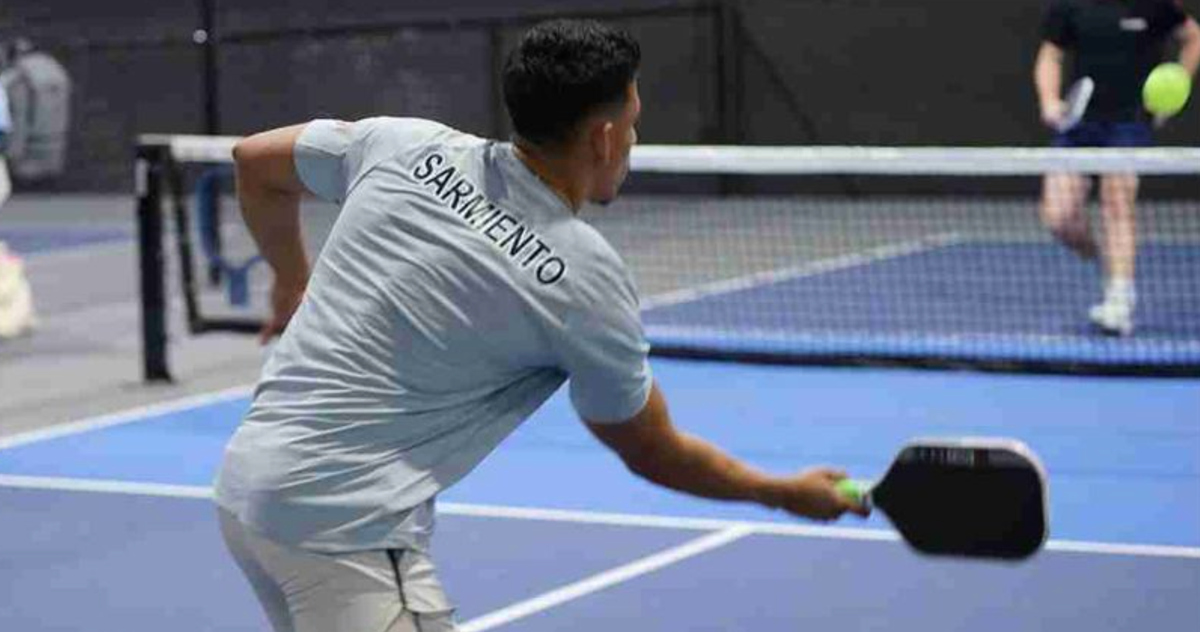
When Should You Look for This Shot?
The right moment is when your opponent is deep in a defensive backhand stance and has no realistic way to speed the ball up on you.
The video points to exactly this situation. Johnson is buried in that backhand stance, and there is no way he is going to speed up.
That is the green light. When the ball is not quite high enough, Noe does not force it, and he plays a very safe, normal dink instead.
This ties directly into the idea that you should earn your attacks in pickleball rather than manufacturing them.
The cross court flick is a reward for a good setup, not a default.
You can also pair it with a clear plan for when to speed up. The 3 keys pros use before every speed up line up well with the opportunistic mindset in this video.
 The Dink Media Team
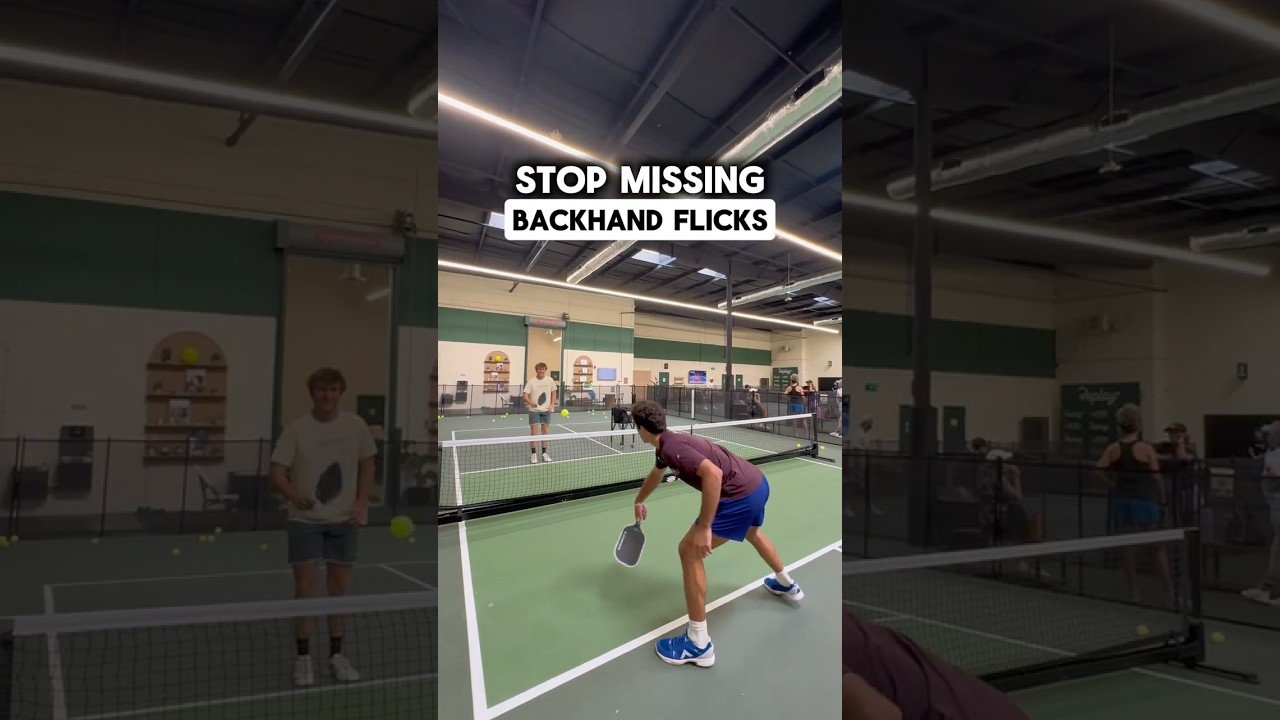
Why Is Switching Grips So Dangerous?
The danger is simple: constant grip changes can leave you caught out, with the wrong grip in your hand when the ball arrives.
If you are rotating your paddle between a flick grip and a dink grip every few shots, you will eventually mistime a change.
That usually shows up as a popped-up ball or a dink that dies in the net.
This is why pros treat it as a cycle instead of a one-time trick.
They stay in their safe grip, look for the cross court flick opportunity, and reset when it does not appear.
If you are working on your composure in those moments, the difference between playing safe and playing scared is worth a read.
Choosing not to flick is a skill, not a weakness.
 The Dink Media Team
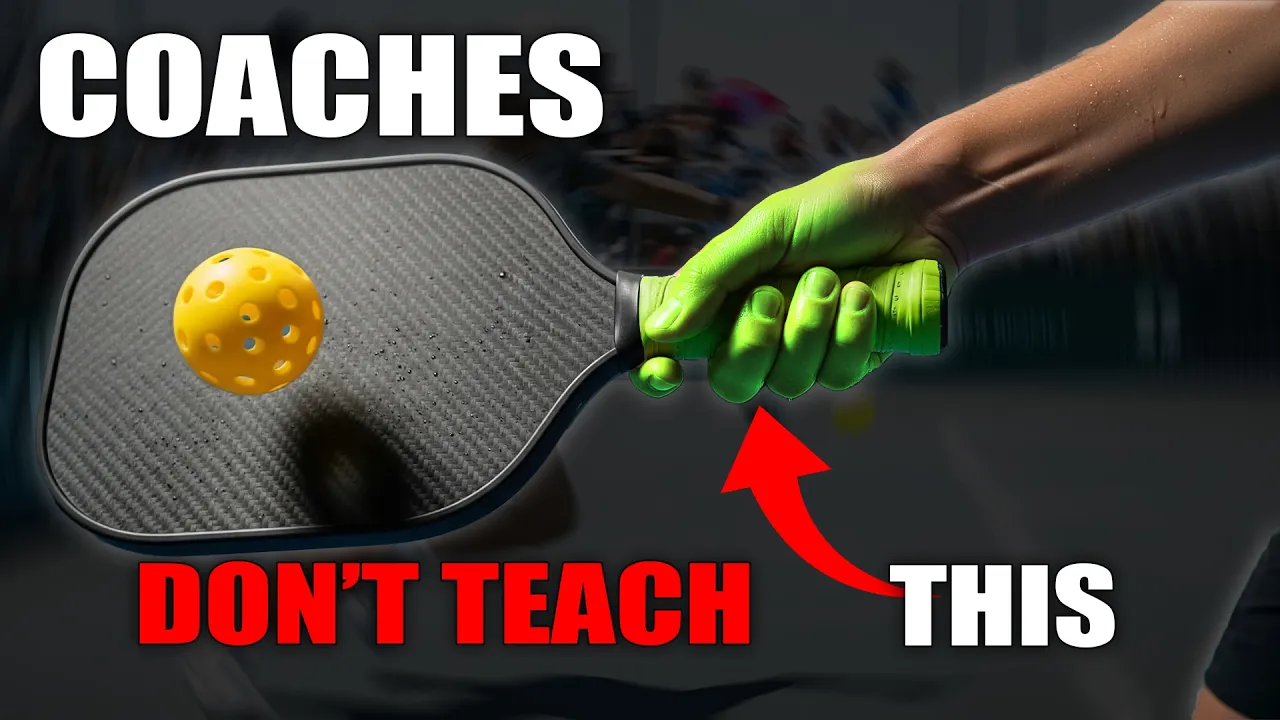
The Rinse and Repeat Cycle Explained
The cycle is simple: dink safely, spot the opportunity, flick if it is there, and reset if it is not.
Here is how that looks in a real point.
- You trade neutral dinks in your normal grip.
- Your opponent drifts into a deep backhand stance.
- A ball sits up slightly, and you rotate into the flick grip.
- If the ball is attackable, you flick cross court into the body.
- If it is not, you rotate back and play another safe dink.
You repeat this until the right ball finally arrives.
When it does, the extended grip lets you do almost anything with the flick, including cross court, middle, or down the line.
 The Dink Media Team
How Does This Fit Into Your Overall Kitchen Game?
The cross court flick works best as one tool inside a larger kitchen plan, not as a standalone shot you force.
Your dinking patterns set it up. If you have been working the backhand and pulling your opponent deep, the flick becomes a natural next step.
For a broader framework, check out these 7 principles to win dinks. It will help you see where an attack like this belongs in your rally.
You can also pair it with a clear plan for when to speed up. The 3 keys pros use before every speed up lines up well with the opportunistic mindset in this video.
 The Dink Media Team
What Should You Practice First?
Start by practicing the grip change on its own before you ever try it in a live point.
Stand at the kitchen line and have a partner feed you slightly elevated dinks.
Rotate into your flick grip, hit the ball, and rotate back to neutral without looking at your hand.
Once that feels automatic, add a target. Aim for your partner’s hip or shoulder on the backhand side, and track how often you land it.
These 12 drills for 2026 are a good place to slot that rep work in.
If your backhand mechanics need help too, this cross-step footwork fix keeps you balanced when you attack.
 The Dink Media Team
Common Mistakes to Avoid
The biggest mistake is flicking too often, which makes the shot predictable and gets you blocked back at your feet.
Another is changing grips too late, so you arrive at the ball with a half-rotated paddle and no control.
A third is aiming for the sideline instead of the body, which leaves almost no room for error.
If you keep missing, remember that trying to hit a winner is often the real problem. The goal of the flick is to force a weak reply, not to end the point outright.
It also helps to know what happens when you do get blocked.
These punch volley keys show you how opponents neutralize aggressive attacks, so you can anticipate the response.
 The Dink Media Team
Is the Cross Court Flick Right for Your Level?
If you are around 4.0 or higher and already comfortable with your flick, the grip change is a smart next step.
USA Pickleball’s skill rating definitions, updated in June 2025, put shot selection and attackable-ball recognition right at that 4.0 line. If you are still working on consistency, focus on cleaner contact first.
These shots that separate 3.5 and 4.5 players can help you decide what to build next.
For more variety, attacking a dink out of the air at the kitchen pairs well with the flick.
Both reward patience and sharp reads, and the same goes for cleaning up your flicks and speed ups in general.
The takeaway is simple. A shot that used to be reckless is now smart, but only if you pick your moments.
Change your grip, read your opponent, and bail out when the ball is not there.
Frequently Asked Questions
What is a cross court flick in pickleball?
It is a fast, wrist-driven attack off a dink that sends the ball diagonally across the kitchen into your opponent's body or backhand. It is meant to catch them off guard and force a weak reply.
Why did pros avoid flicking into the backhand before?
The backhand is a natural blocking position, so a flick into it often got returned at the attacker's feet. Without a way to disguise the shot, the risk outweighed the reward.
How does changing your grip help the flick?
A flick heavy grip gives you a longer, looser wrist and more angle control. That lets you redirect the ball cross court at the last second instead of sending it through the middle.
When should I try a cross court flick?
Look for it when your opponent is deep in a defensive backhand stance and cannot speed the ball up. If the ball is not high enough, switch back to a safe dink grip.
Is switching grips during a point risky?
Yes, because a mistimed change can leave you with the wrong grip when the ball arrives. Practice the change on its own first, and only use it in situations where you have time to set up.


Love Pickleball? Join 100k+ readers for free weekly tips, news & gear deals.
Subscribe to The Dink