The Paddle Face Fix That Makes Your Backhand Flick Actually Work
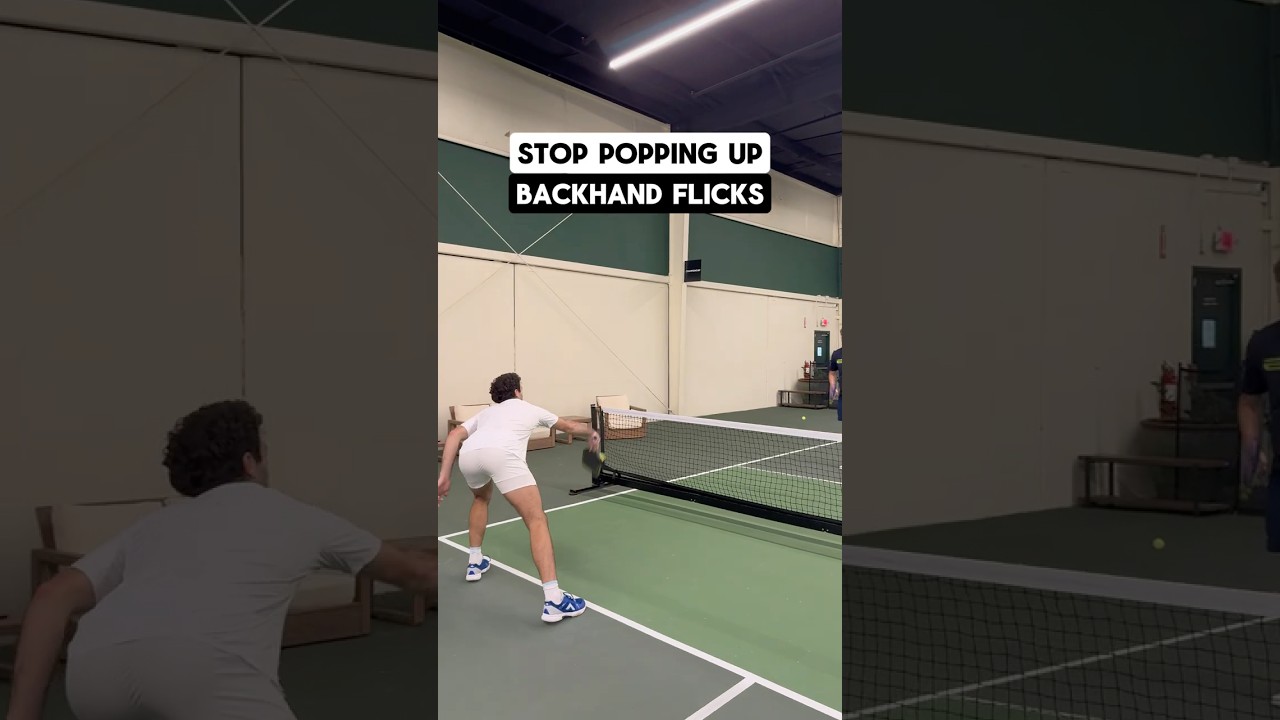
Your backhand flick pickleball shot keeps hitting the net because your paddle face is open at the wrong moment. Fix the wrist position first and everything else falls into place.
Your backhand flick pickleball shot is not failing because of your arm speed or your footwork. It is failing because of where your paddle face is pointing at contact.
Most players make a compensating error the moment they try to flick with pace.
They open the paddle face to feel safe, thinking it will help the ball clear the net. That instinct is exactly wrong, and it is costing you the shot every single time.
This breakdown covers the specific paddle face mistake that wrecks the backhand flick, why your wrist position is the real lever here, and what you need to feel confident swinging hard without ballooning the ball or dumping it into the tape.
This tip comes from Richard Livornese on YouTube, and it is one of the cleanest mechanical fixes you will find for this shot.
Love pickleball? Then you'll love our free newsletter. We send the latest news, tips, and highlights for free each week.
Why the Open Paddle Face Is the Root of the Problem
The open paddle face is the single biggest reason recreational players miss backhand flicks into the net or send them flying long.
Here is what happens mechanically.
When you tilt the paddle face open, meaning the face angles upward toward the sky, you redirect the ball's path upward when you make contact.
That sounds like it would help clear the net, but it does not.
At the speed of a flick, an open face launches the ball. You cannot control where it lands.
It either sails long or, because players sense this and hold back on swing speed, it dies in the net anyway.
The real issue is that players do not trust the shot.
They get nervous about missing, so they rotate the paddle face open to create a safety margin. That is the compensating error.
And it makes the problem worse, not better.
What Should Your Wrist Actually Be Doing?
Your wrist needs to stay flat or slightly closed at contact. That is the correct position, full stop.
Flat means the paddle face is roughly perpendicular to the ground, not tilted up or down in any dramatic way.
Slightly closed means the face angles just a touch downward toward the court.
When you flick upward through the ball from that position, the grit grabs the ball and generates topspin.
That spin is what pulls the ball down into the court after it clears the net.
You do not need to manually aim it down. The spin does that work for you.
This is why acceleration matters so much on the pickleball backhand flick. If you slow your swing trying to guide the ball, you lose the spin effect entirely.
Swing through with confidence, keep that wrist flat or slightly closed, and trust the grit.
For more on how wrist mechanics affect your shots, this breakdown on wrist lag in pickleball is worth your time.
The Flick Motion Broken Down Step by Step
Here is the full sequence for a correct backhand flick at the kitchen line.
- Start with a compact ready position. Your elbow should be bent, paddle in front of your body, not cocked back. A big backswing telegraphs the shot and slows your reaction time.
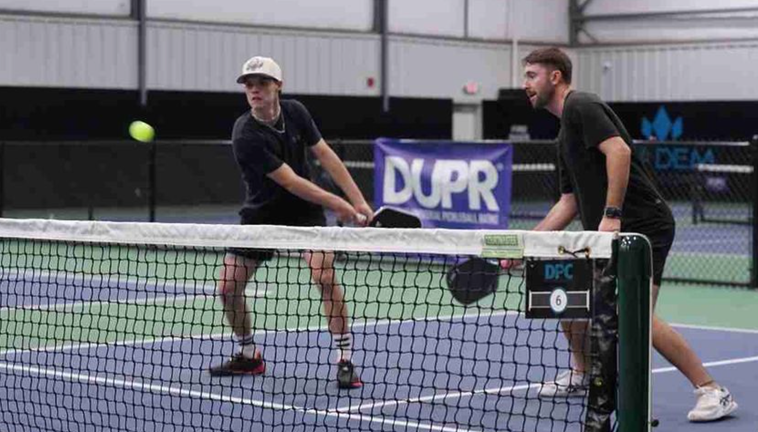
- Check your wrist before you swing. The paddle face should be flat or tipped just slightly downward. If it is open and facing the sky, correct it before contact, not during.
- Drive your elbow forward first. The power in a flick comes from your elbow extending, not from rotating your shoulder. Think of it as a short punch that snaps at the end.
- Snap your wrist through contact. This is where the flick comes from. Your wrist accelerates through the ball and generates the spin that keeps the shot in.
- Accelerate all the way through. Do not decelerate into contact. That is what causes the net errors players fear. More swing speed with a closed face equals more spin and more margin over the net.
If you want to see how this connects to your overall attacking game, this article on roll versus flick at the kitchen explains when to use each shot.
 The Dink Media Team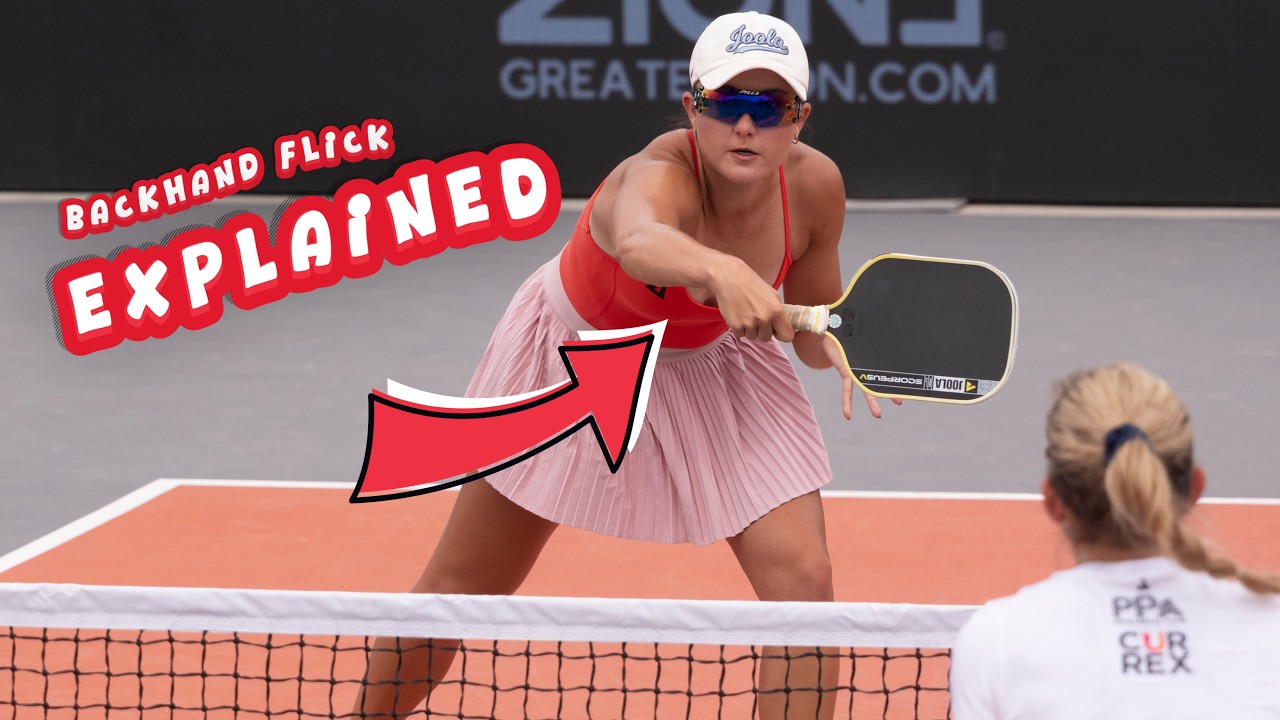
Why Do So Many Players Get Nervous on the Backhand Flick?
The backhand flick feels risky because it is a fast, aggressive shot played from close range.
Players think that hitting hard from close range means higher error risk. That logic makes sense in theory.
But the error is not caused by the pace. It is caused by the paddle face.
When your face is correct and your wrist is flat, you have more control at higher speeds because the topspin stabilizes the ball's path.
Think about it this way. A ball hit with topspin at high speed will arc and drop. A ball hit flat or with an open face at the same speed will go wherever it wants.
The spin is your margin, not the slowdown.
This is a mental shift as much as a mechanical one. You need to stop associating speed with danger on this shot.
Speed plus spin plus a closed face equals control.
If you find yourself freezing on fast exchanges at the net, this guide on fast hands mechanics from a top pro will help you build that instinct.
 The Dink Media Team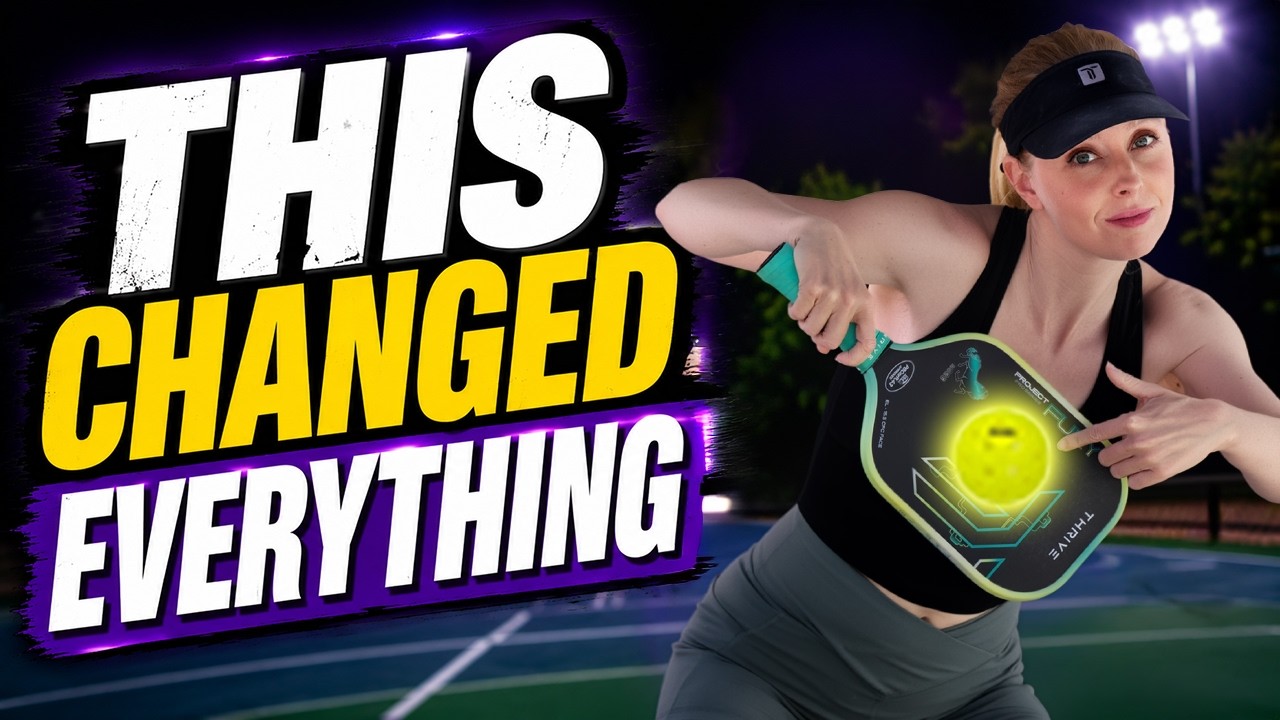
How the Paddle's Grit Does the Heavy Lifting
One thing players overlook is the role the paddle surface plays on this shot. Modern paddle grit exists specifically to grab the ball and impart spin.
When your face is open and you swing hard, the ball barely contacts the grit in a way that creates spin. It slides off at a steep angle. That is your balloon shot.
When your face is flat or slightly closed and you accelerate, the ball compresses into the grit. The textured surface grabs it. Topspin gets loaded onto the ball.
The ball clears the net and drops into the court.
You are not fighting the physics here. You are working with the paddle's built-in design. Trust the surface.
Keep that face closed, swing fast, and let the grit do what it was made to do.
For a deeper look at how paddle design affects your shots, this piece on tip position and snap for the flick is directly relevant.
 The Dink Media Team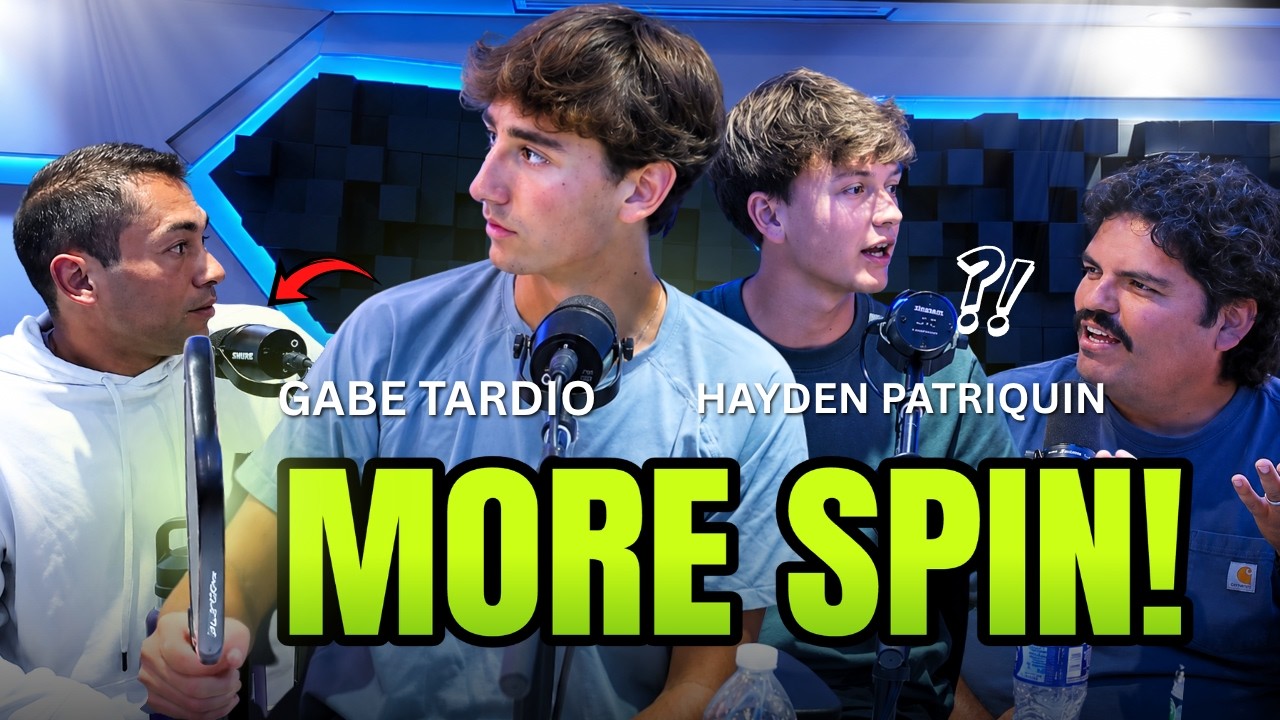
What Common Mistakes Should You Drill Out First?
Before you can groove the correct motion, you need to identify which error you are currently making. Most players fall into one of these categories.
- The open-face floater. Paddle face tilts up, ball launches long or pops up softly. Fix: close the face, add acceleration.
- The deceleration dump. Player starts with a correct face but slows down through contact out of fear. Ball hits the net. Fix: commit to the swing, do not tap the ball.
- The arm-only flick. Wrist stays locked, all the motion comes from the elbow and shoulder. Ball goes flat and predictable. Fix: allow the wrist to snap through contact.
- The big backswing tell. Player loads up with a wide backswing, opponent reads it instantly and prepares. Fix: keep the motion short and compact, all snap at the end.
If you also want to clean up related errors in your overall volley game, these five volley fixes for the kitchen line cover a lot of the same principles.
Knowing which category you are in lets you target your drilling. Fixing the wrong thing wastes practice time. Identify the actual error first, then drill the correction.
To clean up related errors in your volley game, these kitchen line fixes cover a lot of the same principles.
 The Dink Media Team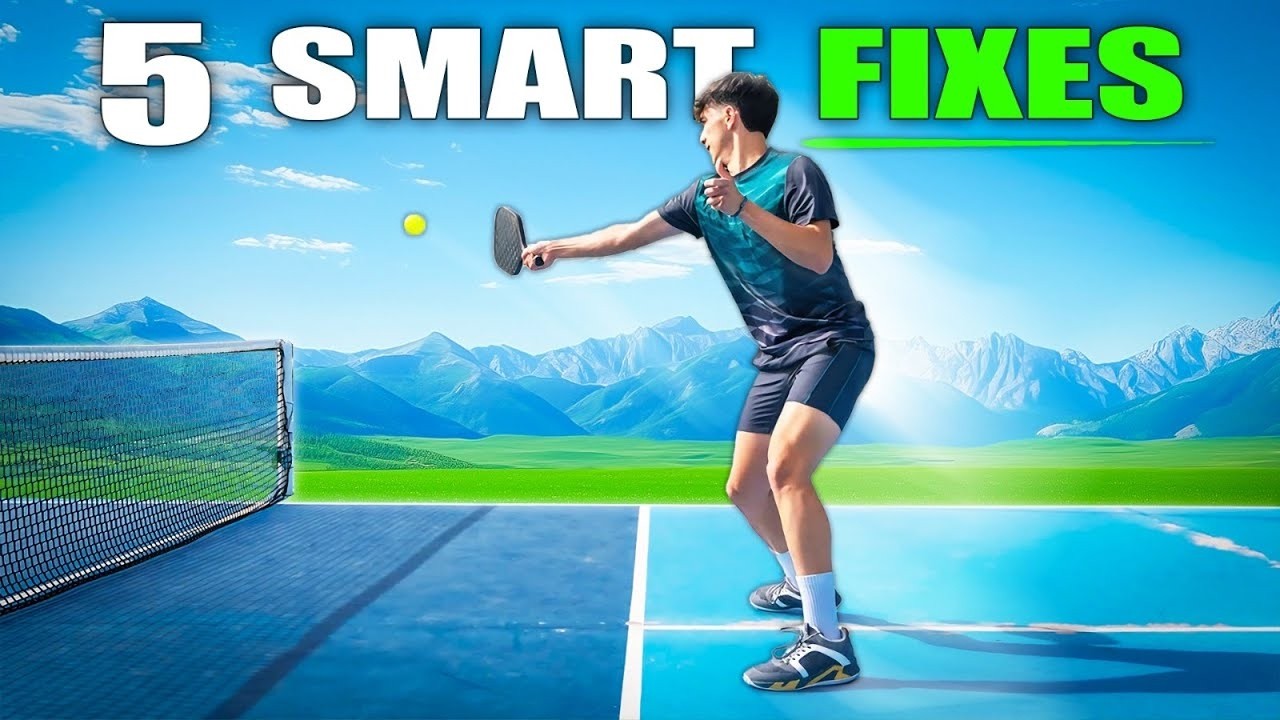
How to Practice This Until It Becomes Automatic
Repetition is the only way to build confidence on this shot.
The goal is to make the correct paddle face feel normal, not something you have to consciously check every time.
Start by standing at the kitchen line with a partner feeding you slow balls to your backhand side.
Focus entirely on your wrist position, not on the outcome of the shot. Hit fifty balls just watching what your paddle face does at contact.
Then introduce pace on the feed. Your job is to maintain that flat or slightly closed face as the ball comes in faster.
This is where most players revert to the open face. Stay disciplined.
Finally, add game-like pressure by having your partner speed up at random during a dinking rally.
When they do, your backhand flick should come out automatically with the correct face. That is the target.
For structured drills you can use to build this in, these three backhand drills for real consistency give you a solid starting framework.
You can also look at right side speed-up techniques to understand how the flick fits into your offense from different positions on the court.
 The Dink Media Team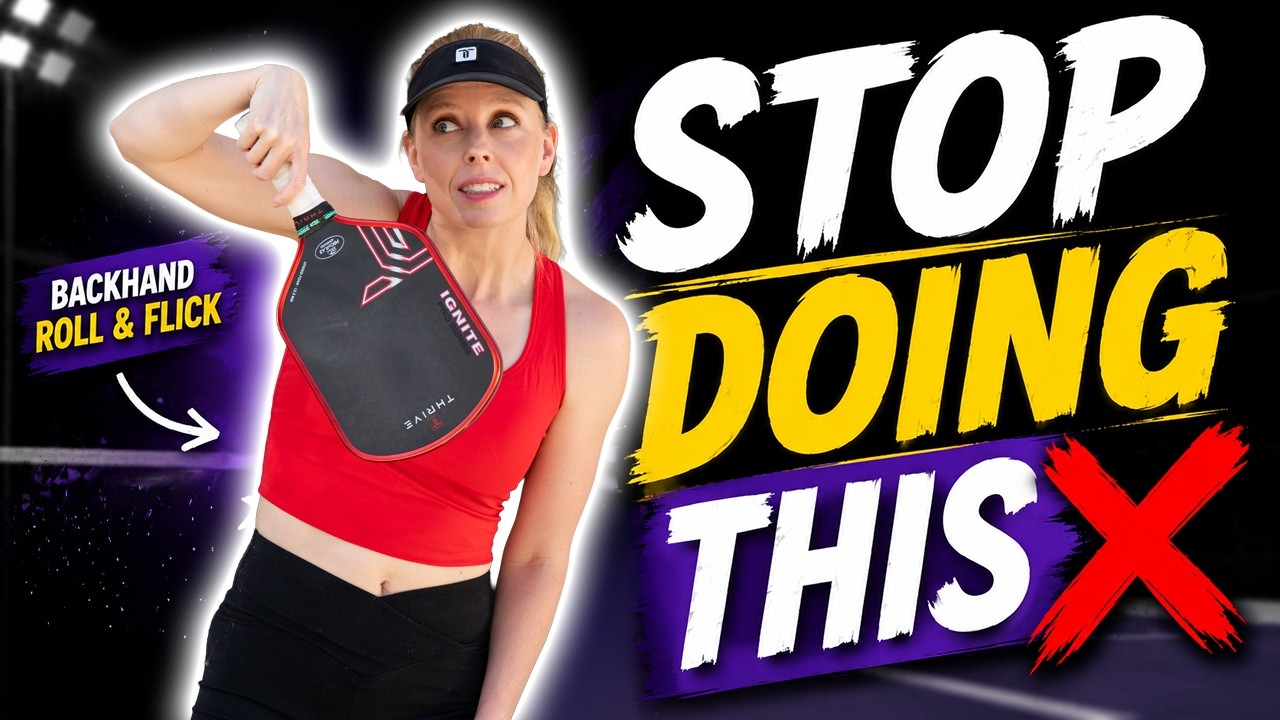
Connecting the Flick to Your Bigger Attack Game
The backhand flick does not exist in isolation. It is one piece of a broader attacking vocabulary at the kitchen line.
Once you have the flick groomed, you can start combining it with your roll volley, your cross-court dink, and your body attack to create real problems for opponents.
They will not know when the flick is coming if you set it up correctly.
The disguise matters. If your flick looks different from your dink before you swing, opponents will read it and reset easily.
These three techniques for disguising your pickleball shots show you how to hide your intent until the last possible moment.
A well-timed backhand flick with correct paddle mechanics is one of the most effective weapons you can have at the kitchen line.
Get the face right. Swing fast. Trust the grit.
Frequently Asked Questions
What is the backhand flick in pickleball?
The backhand flick is a quick, wrist-driven attack shot hit from the kitchen line on the backhand side, designed to speed up the ball past an opponent before they can react. It relies on wrist snap and topspin rather than a big arm swing. The shot is most effective when the ball is at or below net height and you want to initiate offense from a neutral dinking exchange.
Why does my backhand flick keep going into the net?
Your backhand flick hits the net because you are decelerating through contact instead of accelerating. Players slow down instinctively when they are afraid of the shot going long, but that deceleration removes the spin that pulls the ball into the court. Commit to a faster swing with a flat or slightly closed paddle face and the net errors will drop sharply.
Should my paddle face be open or closed on a backhand flick?
Your paddle face should be flat or very slightly closed on the backhand flick, never open. An open face redirects the ball upward at contact, which causes it to float long or pop up without spin. A flat or closed face lets the paddle grit grip the ball and generate topspin that brings the shot down into the court.
How do I add more power to my backhand flick without losing control?
Add power by accelerating your wrist snap through contact, not by swinging your whole arm harder. Keep your backswing compact and let the snap at the end generate the pace. More spin from a faster wrist snap actually gives you more control, not less, because topspin stabilizes the ball's flight path.
When should I use the backhand flick instead of a reset?
Use the backhand flick when the incoming ball is attackable, meaning it is at or above net height and you have a clear angle. If the ball is below the net or coming very fast at your feet, a reset or block is the smarter choice. This shot selection scale can help you decide which shot fits the situation in real time.

Love Pickleball? Join 100k+ readers for free weekly tips, news & gear deals.
Subscribe to The Dink