
10 Beginner Pickleball Habits That Instantly Win You More Points
You don't need better shots to win more pickleball points. These 10 pickleball tips fix the habits that are quietly costing you games right now.
Most players think they need better shots to win more points in pickleball.
The truth is, your habits are costing you far more than your technique ever could.
Before your next match, you can fix ten specific things that have nothing to do with skill. No new shots. No new drills.
Just smarter decisions and better positioning.
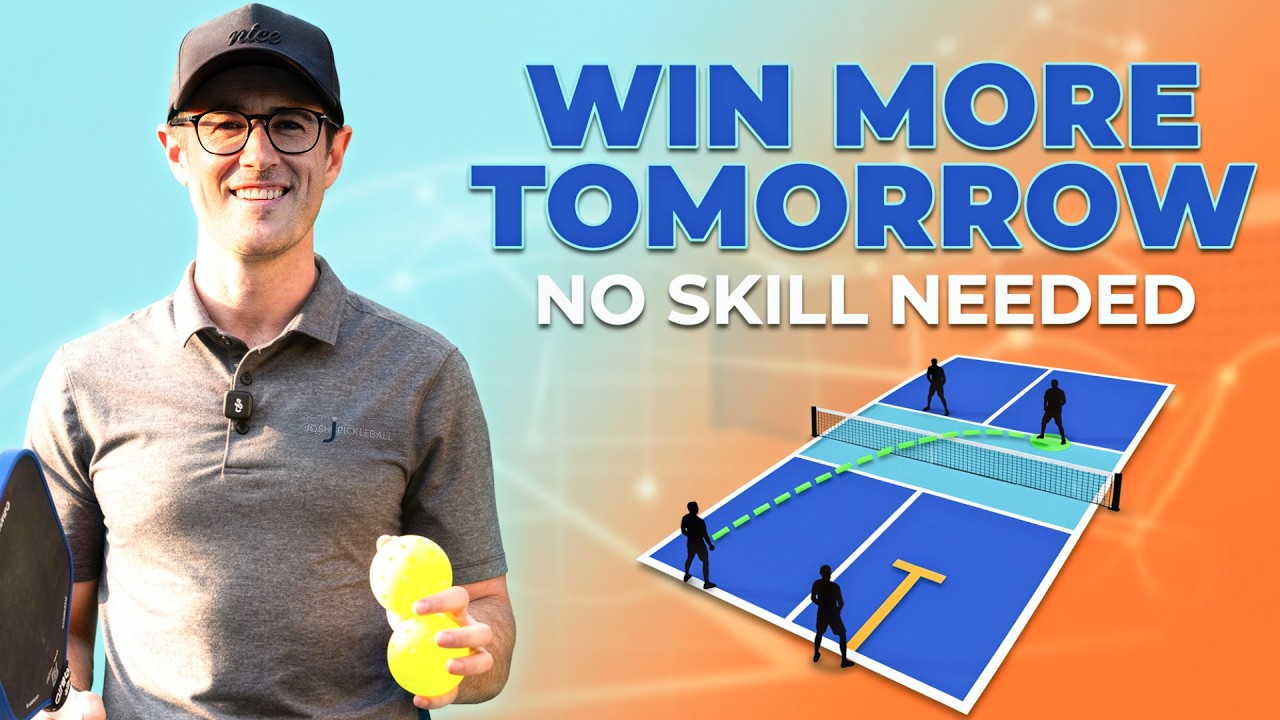
These pickleball tips come directly from Josh J Pickleball on YouTube, where he breaks down exactly how recreational players leave points on the table before the rally even starts.
Love pickleball? Then you'll love our free newsletter. We send the latest news, tips, and highlights for free each week.
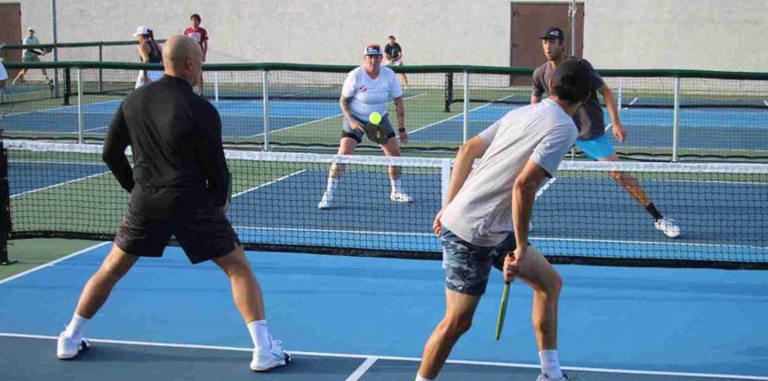
Tip 1: Warm Up Your Body, Not Your Results
The warm-up is not a performance review. It exists to get your heart rate up, wake up your footwork, and let muscle memory find its rhythm.
Too many players use warm-up time to evaluate their game. They obsess over whether their drops are landing or their serves have pace.
That mindset tightens you up before the match even begins.
You've already done the practice. The warm-up is just your body getting ready to use it.
Hit from different spots on the court, get your feet moving, and let go of outcomes entirely.
For a structured approach, check out these 6 pickleball warm-up drills top pros never skip.
Tip 2: Warm Up in Your Actual Court Position
This one sounds obvious and almost nobody does it. If you play the left side, warm up on the left.
If your partner plays the right, have them on the right from the very first ball.
When you start in the wrong position just because a spot was open, you're already in the wrong mental frame for the match.
Intentionality before the match starts puts you in a performance mindset before the first serve.
Tip 3: Serve and Stay Behind the Baseline
After you serve, stay back. Do not creep forward.
This is the simplest pickleball strategy fix on the entire list, because it removes an entire decision from your brain mid-point.
When you stay behind the baseline, you know you only have one direction to move: forward.
That forward momentum is exactly what you want when you're preparing to hit your next shot and push toward the kitchen.
Players who inch into no man's land after serving end up caught in the transition zone with no momentum and no plan.
Here's what to do when you're stuck at the baseline if this is already a problem in your game.
Tip 4: Serve From the Same Spot Every Single Time
Consistency in where you stand creates consistency in what you produce.
Think about an NBA player at the free throw line. Same spot, same routine, same result.
Most recreational players grab a ball wherever it lands, call the score, and serve from a completely different position each time.
That introduces unnecessary variables before you've even made contact.
Pick a spot behind the baseline. Return to it every serve. Build a short routine.
Your serve percentage will improve without changing a single mechanical thing about your stroke.
For more on this, here are 6 fixes for your pickleball serve and return.
 The Dink Media Team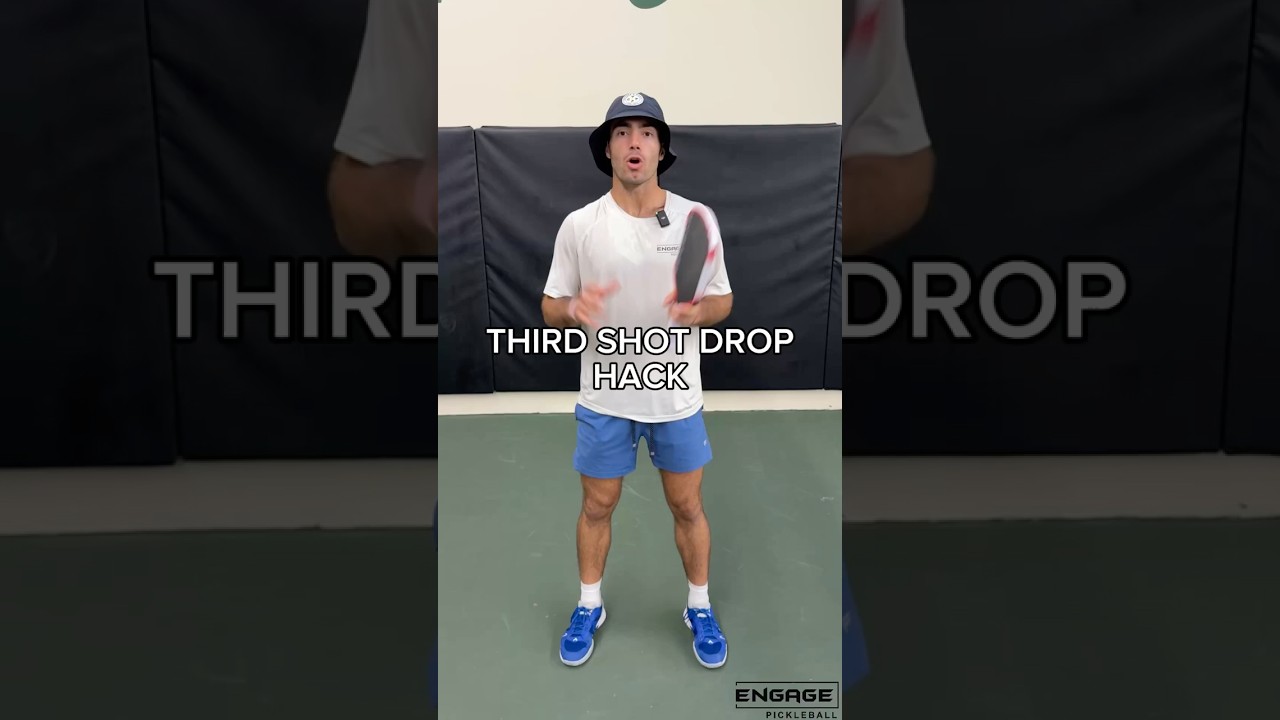
Tip 5: Start Behind the Baseline on the Return
Stand further back than you think you need to on the return. This gives you room to move forward into the ball rather than backing up or getting jammed.
When you only move in one direction, forward, you contact the ball at its highest point and generate a cleaner, more controlled return.
Moving backward to hit anything in pickleball kills your momentum and your shot quality at the same time.
The goal is a deep, driving return that you hit while already moving toward the kitchen.
That's only possible if you give yourself enough room to build that forward momentum.
Your entire pickleball return of serve lives or dies on where you start.
 The Dink Media Team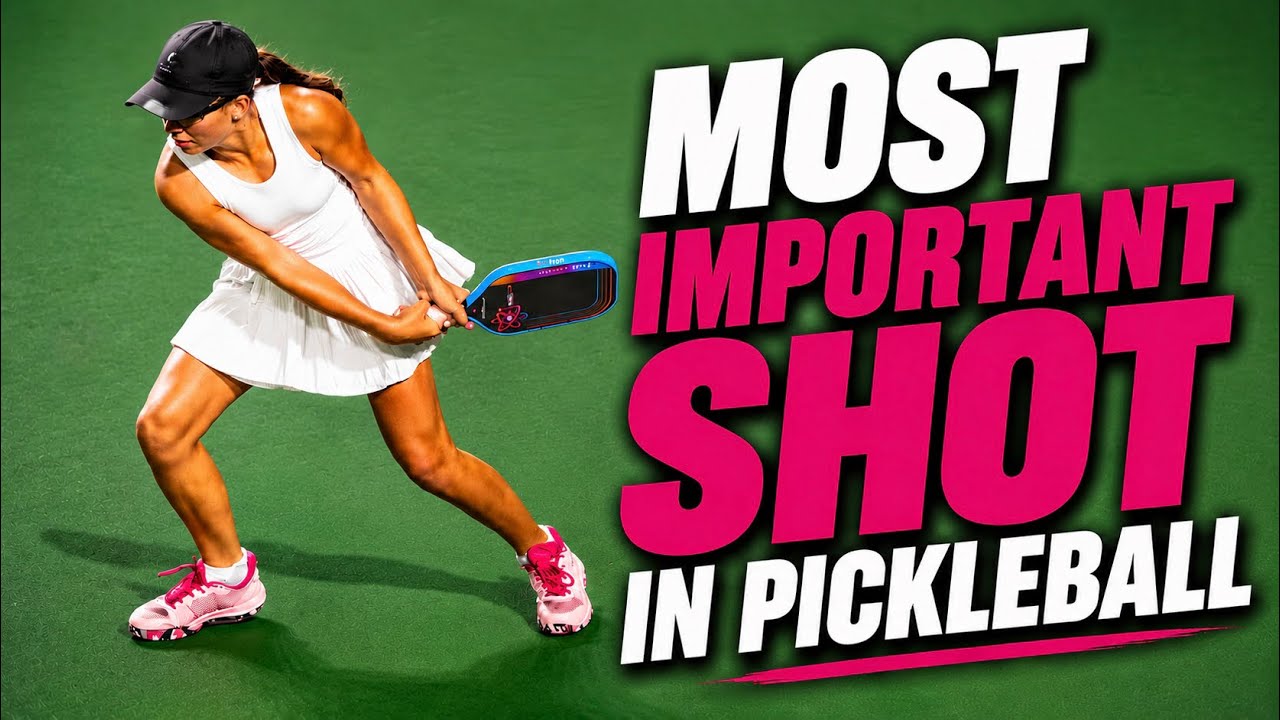
Tip 6: After the Return, Move Forward Without Watching
This is where most players freeze. You hit the return and then you watch to see where it goes. Stop doing that.
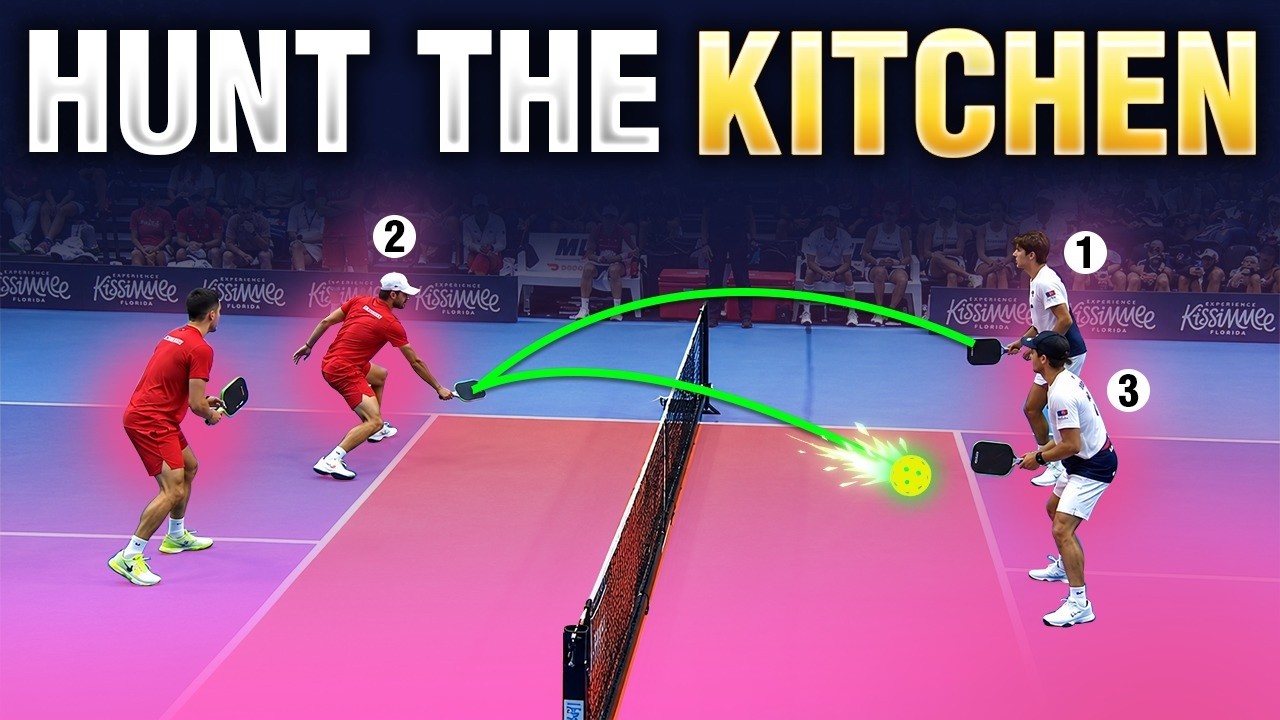
No matter where your return lands, immediately move forward toward the kitchen. Get as close to the kitchen line as you can before your opponents are ready to hit.
You stop moving when they're about to make contact, not a moment before.
Combining tips five and six turns your return game into a two-step system.
You build momentum from behind the baseline, make clean contact, and then push all the way to the kitchen in one continuous motion.
Here's a deeper look at 3 pickleball return secrets most players never learn.
 The Dink Media Team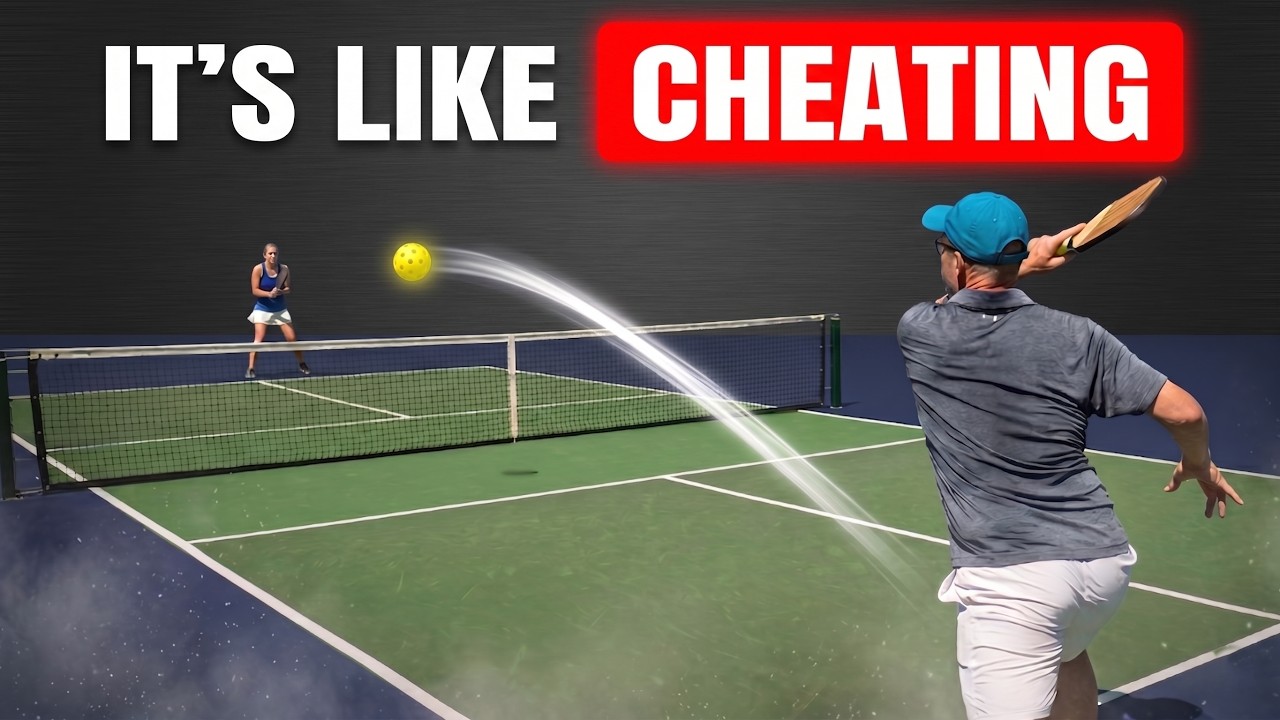
Tip 7: Follow Your Shot After You Hit It
Hitting the ball and then going passive is one of the most common habits at the recreational level. After you hit, you need to move.
If you hit cross court, slide toward the middle to cover that angle. If you hit down the line, slide toward the line.
Follow your shot every single time so you're already in position for whatever comes back.
- Hit cross court: slide to cover middle
- Hit down the line: slide to cover the line
- Hit middle: pinch toward the center slightly
This is active court positioning, and it is pickleball strategy you can apply on your very next point. You are never just standing still after a shot.
 The Dink Media Team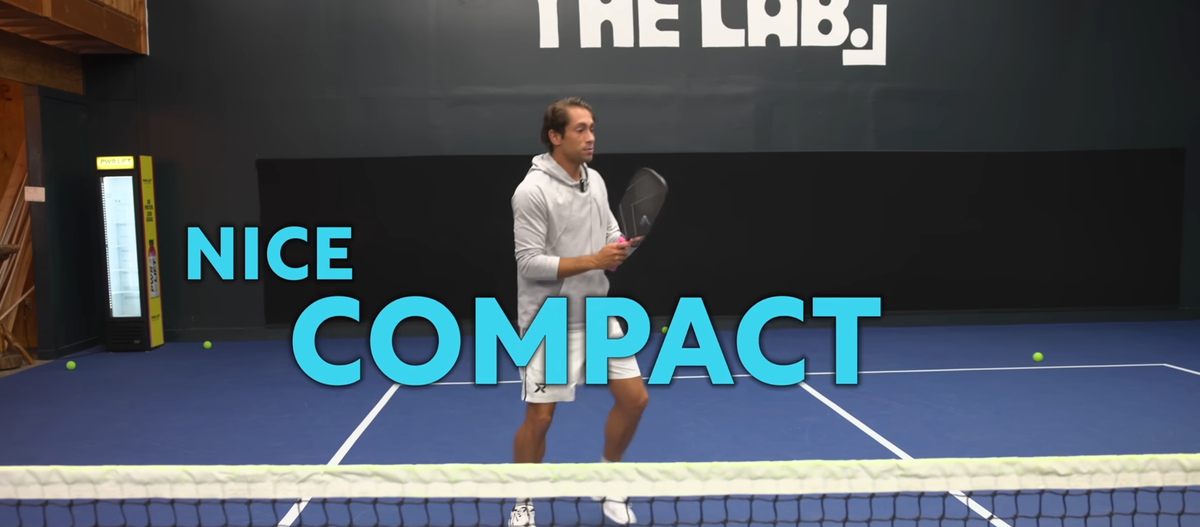
Tip 8: Move Based on Ball Location, Not Just Your Own Shot
This builds directly on tip seven. Even when your partner is hitting, you should be moving based on where the ball is on your opponents' side.
If the ball is out wide, you need to cover the middle because that angle becomes the easiest shot for your opponent.
If the ball is down the line, you slide line and your partner takes middle.
If the ball is in the middle, both players pinch slightly to remove that lane.
Here's a simple breakdown of how to position based on ball location:
- Ball wide left or right: The player on that side covers line, partner covers middle
- Ball in the middle: Both players pinch toward center to remove the middle lane
- Ball down the line: Slide to cover line, trust your partner to own middle
This approach eliminates the two easiest shots your opponent can hit. Sound pickleball strategy is mostly about removing options.
For a deeper look at court coverage, see these 7 pickleball positioning mistakes hurting your game.
 The Dink Media Team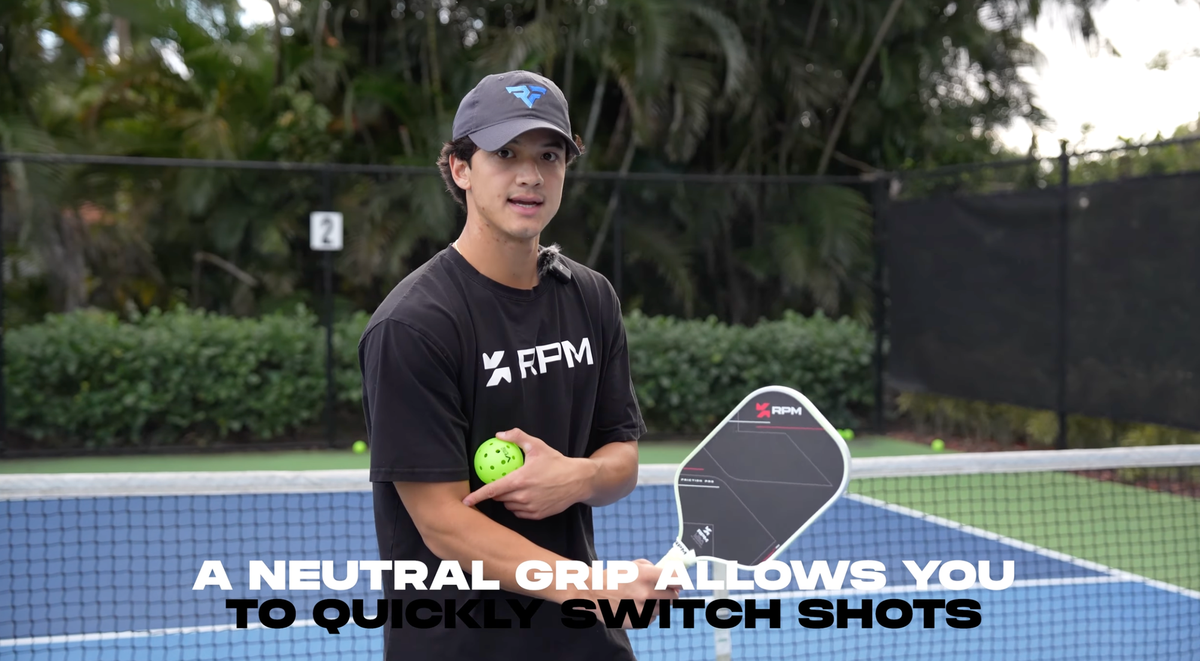
Tip 9: Get Your Paddle Into a Consistent Ready Position
A consistent ready position is one of the most overlooked fundamentals at every level.
If your starting point changes every rally, you'll always be late to at least some shots. It is also pickleball strategy hiding inside a physical habit.
The fix is to use the net height as your constant. Not belly button, not chest, because those change based on your height.
Net height is universal, and it also happens to be where you're aiming most of your drives anyway.
The habit stacking cue that works: tap your extra ball every time you finish a shot to reset your paddle back to net height.
It sounds simple because it is. Do it consistently and you stop reacting to fast shots and start anticipating them.
If getting jammed by hard shots is a recurring problem, read about how to stop getting jammed by shots at your feet.
 The Dink Media Team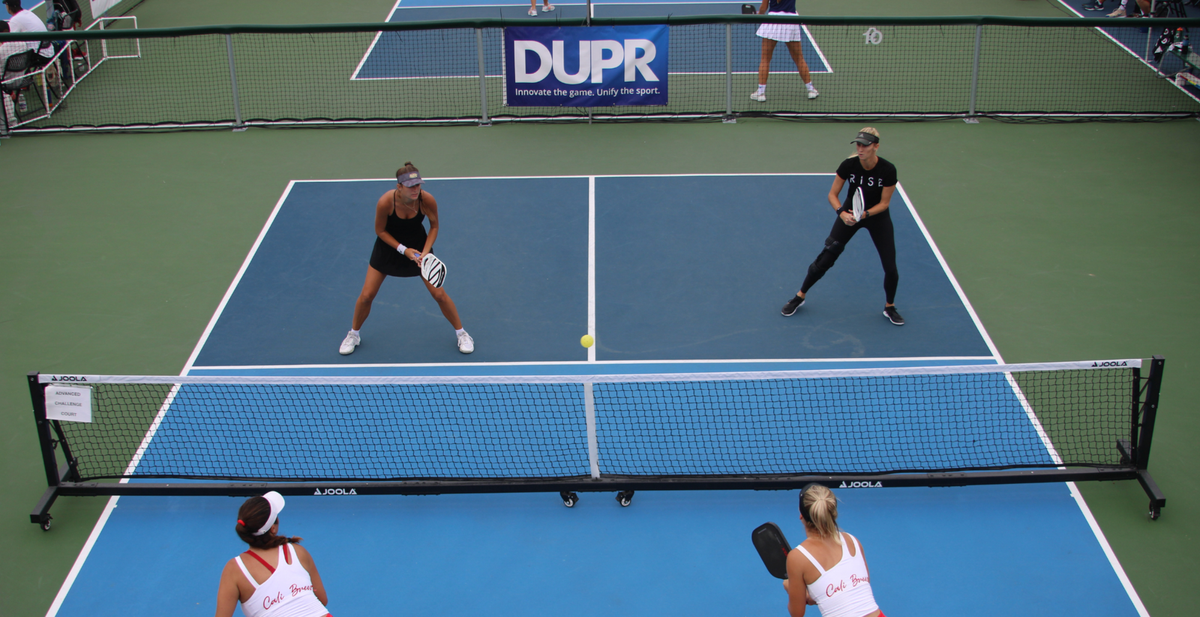
What Does a Good Ready Position Actually Look Like?
A ready position is the neutral starting point you return to between every single shot. Think of it like a reset button.
Paddle at net height, slightly out in front of your body, weight balanced and forward.
From there you can reach any ball without a compensating adjustment first.
Players who skip this end up swatting at balls rather than hitting them cleanly.
 The Dink Media Team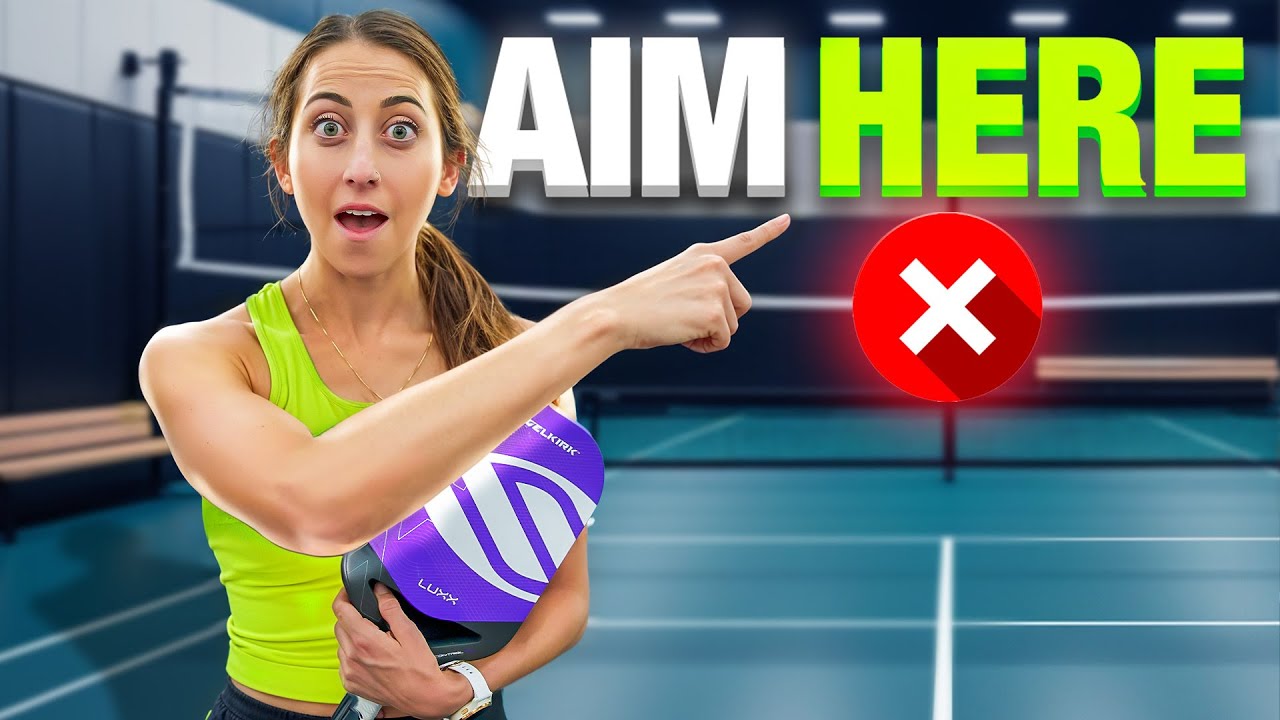
Tip 10: Be a Great Partner
This one gets dismissed constantly and it matters more than most players admit. Your success in doubles is directly tied to how well your partner plays.
That means you have a real stake in keeping them confident and communicating.
Say "mine" when you're taking a ball. Say "yours" when you want your partner to take it. Call out "drive" or "drop" so your partner knows what's coming and can position accordingly.
Positive energy is not just feel-good advice. It is a performance strategy.
Partner management is pickleball strategy too.
A partner who feels supported takes better swings. A partner who feels judged tightens up and makes more mistakes.
Be the partner you'd want to play with.
Here's more on how to play doubles with a beginner partner if you're often the stronger player on your team.
 The Dink Media Team
Why Do Small Habits Matter More Than Better Shots?
Most recreational players spend their practice time trying to hit harder drops or add spin to their serve.
Those things take months to develop and even longer to hold up under match pressure.
Habits like following your shot, returning to a consistent ready position, and communicating with your partner can all be changed tomorrow.
They require zero new skill.
They just require intention, which is why this pickleball strategy works faster than technique work.
If you want a broader framework for fixing the decisions that cost you points, here are 6 fixes that erase unforced errors in pickleball.
And if you want to understand the habits that separate good players from great ones, check out the 7 habits of every 5.0 pickleball player.
You don't need a new paddle or a new shot shape. You need better defaults and better pickleball strategy.
Build those ten habits and you will win more points starting with your very next match.
Frequently Asked Questions
What is the most important pickleball tip for beginners?
The single most impactful habit for beginners is staying behind the baseline on both the serve and the return so your momentum always moves forward. Players who creep into no man's land create impossible situations for themselves before the rally is even underway. Forward momentum leads to better contact and better positioning at the kitchen.
Where should I stand when returning a pickleball serve?
Stand further back than you think you need to, far enough that you are moving forward into the ball when you make contact. This lets you hit the ball at its highest point and drives your momentum toward the kitchen. Players who stand too close end up backing up, which kills both their shot quality and their court position.
What is a ready position in pickleball?
A ready position is the neutral paddle placement you return to between every shot, typically with your paddle out front at net height. Net height works as the standard because it is consistent regardless of player height and aligns with where most drives are aimed. Returning to the same spot every time means you never have to make a compensating move before you can hit.
How do I cover the court better in pickleball doubles?
Move based on where the ball is on your opponents' side, not just where you hit your last shot. When the ball is wide, one player covers line and the other covers middle. When the ball is in the middle, both players pinch slightly toward center to remove that easiest passing lane.
How can I win more pickleball points without changing my shots?
Fix your habits before and after each shot, including your warm-up mindset, serving position, return momentum, shot tracking, and paddle ready position. None of these require new technique, only intention and consistency. Players who address these ten fundamentals routinely win more points against opponents with similar or even better shot quality.
Love Pickleball? Join 100k+ readers for free weekly tips, news & gear deals.
Subscribe to The Dink