Why You Keep Losing Dink Battles (And the 3-Step Fix Pros Use)
Most players lose dink battles because they wait instead of hunt. This 3-step breakdown shows you exactly how pros apply pressure and finish points at the kitchen line.
Most players lose the dink battle before they even realize it is happening.
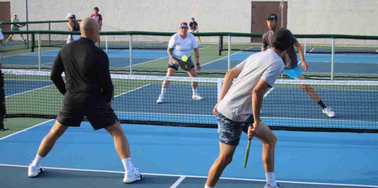
They stand flat at the kitchen line, wait for the ball to come to them, and react instead of hunt.
That one habit costs you more points than any technical flaw in your stroke. There is a specific three-step play that pros run on nearly every single point.
It is called the half-volley hunt, and it is the single most transferable pickleball dink strategy in the modern game.
Once you understand it, you will start seeing it everywhere in professional doubles.
PPA Tour professional John Cincola broke this play down in detail, and the breakdown below pulls directly from that analysis.
Credit to John Cincola Pickleball on YouTube for the original video, which uses real match footage of Gabe Tardio and Hayden Patriquin to show exactly how this play works in live points.
Love pickleball? Then you'll love our free newsletter. We send the latest news, tips, and highlights for free each week.
What Is the Half-Volley Hunt?
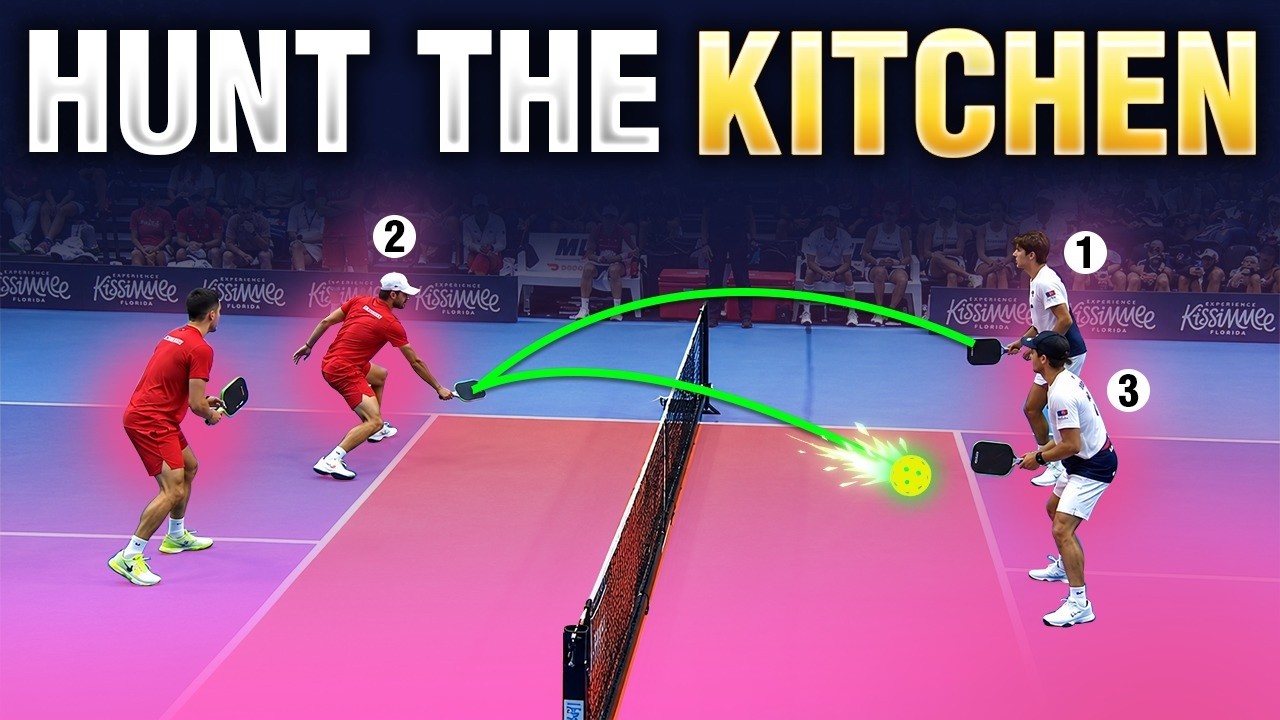
The half-volley hunt is a kitchen line strategy where you actively look to take balls out of the air whenever your opponent is in a compromised position. Instead of defaulting to a bounce dink on every ball, you extend your paddle forward into the court and make taking the ball out of the air your first option.
It sounds simple. But most rec players do the opposite.
They stand neutral, wait for the ball to drop, and only reach out for a volley dink as a second thought.
That split-second delay gives your opponent time to reset and recover.
The pros flip that default. Out of the air comes first. Bounce dink is the backup.
That one shift changes the entire pressure dynamic of a dink rally, and it is the foundation every other layer of this pickleball dink strategy is built on.
Step 1: Read Your Opponent Before the Ball Arrives
The play starts with recognition. You need to know what your opponent can and cannot do before you decide how to position your paddle.
There are two key situations to identify:
- Opponent behind the ball with options: They have the ball in front of them, they are balanced, and they could speed it up or dink to multiple spots. In this case, you play more conservatively. Your paddle stays closer to your body, you stay soft at the line, and you get ready to handle whatever they throw.
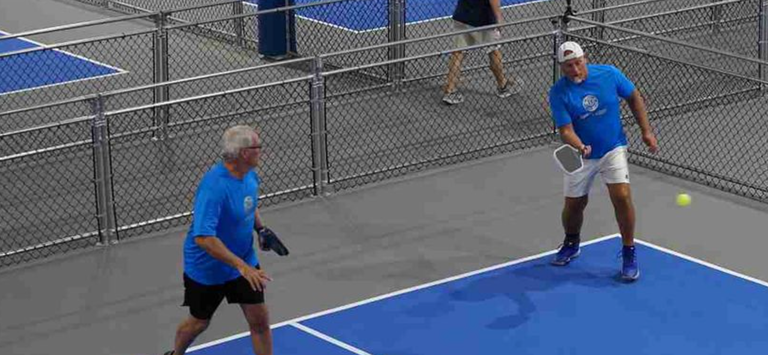
- Opponent in a compromised position: They are reaching to the side, stepping back, or being forced into a half volley off the bounce. A speed up from this position is very difficult. This is your green light to hunt.
Gabe Tardio is one of the best in the world at reading this split-second difference.
Watch him in any doubles match and you will see his paddle position shift dramatically depending on where his opponent contacts the ball.
The specific trigger to look for is the half volley.
When your opponent has to take the ball right off the bounce, especially if they are reaching or out of position, they almost never have the ability to attack.
That is exactly when you push forward.
If you want to get better at reading these moments, this breakdown on winning a cross-court dink battle covers how to use positioning and ball placement to force your opponent into those compromised spots.
 The Dink Media Team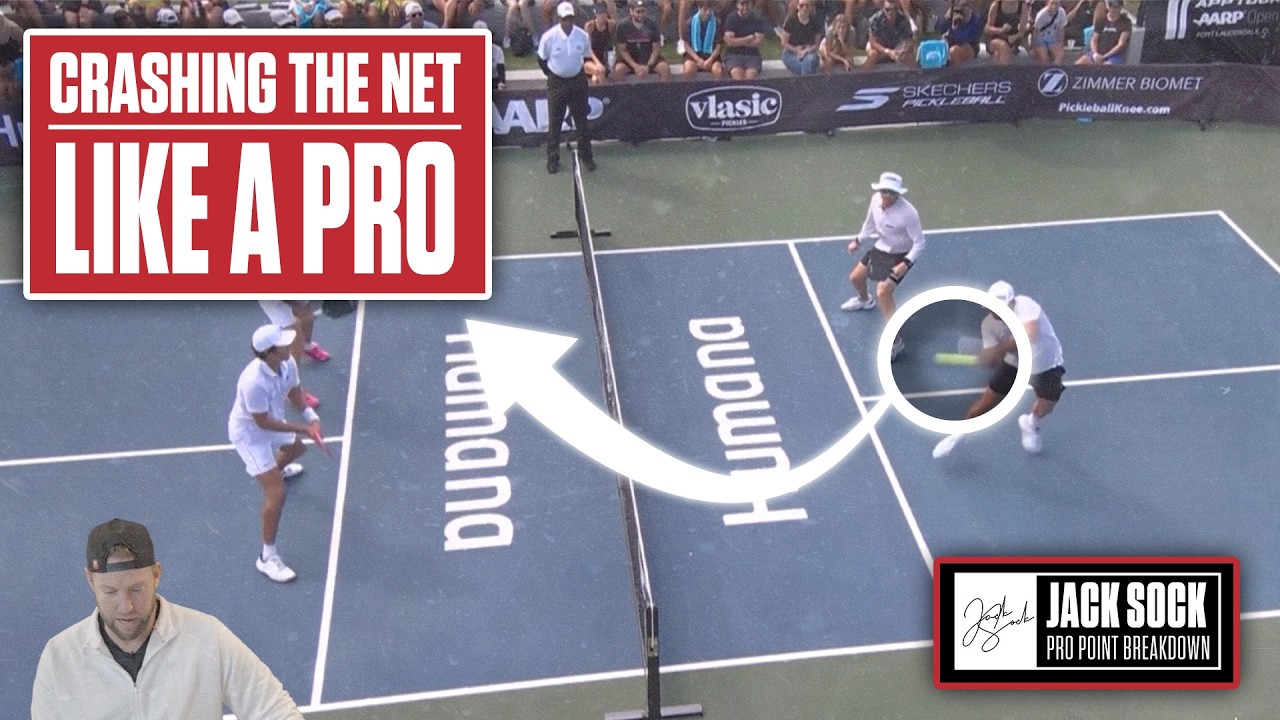
Step 2: Know Your Two Ready Positions
Once you can read the situation, you need the right physical response. There are two distinct ready positions you should be using at the kitchen line.
Position 1: Counterattack Ready
This is what you use when your opponent is set up well and has attack options. Your paddle stays compressed closer to your body. Your stance is slightly softer.
You are not reaching out because reaching out too early against a well-positioned opponent leaves you exposed.
Position 2: Hunting Position
This is what you shift into when your opponent is in trouble. Your paddle extends forward into the court. Your weight shifts slightly forward.
You are actively looking to intercept the next ball before it bounces. You are not waiting, you are anticipating.
One critical detail here: being in the hunting position does not mean you are committing to a volley dink on every ball.
If you push forward and the ball does not come where you expect, you can always pull your paddle back and hit a normal dink off the bounce.
The hunting position simply makes the out-of-air option your first look instead of your last resort.
This is the same concept behind these kitchen line volley fixes, which focus on how your starting position determines whether you are controlling or reacting during dink exchanges.
 The Dink Media Team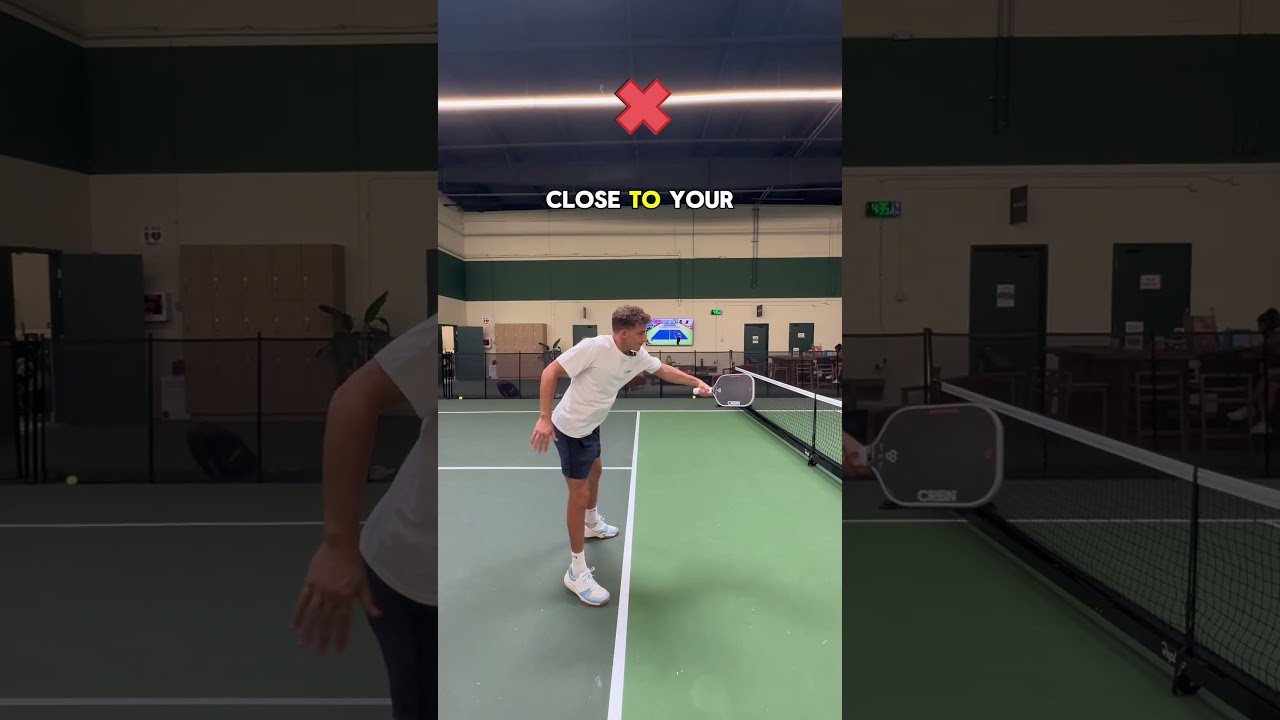
What Does the Hunting Position Actually Look Like?
The paddle extends out in front of your body toward the net. Not dramatically, but noticeably further than a neutral ready position.
You are essentially claiming that space in the court and signaling that you intend to take anything short before it bounces.
Your weight is forward on your toes. Your eyes are already tracking the trajectory off your opponent's paddle, not waiting for the ball to cross the net.
When you do get a ball you can take out of the air, you have two choices once you intercept it.
You can re-dink it to a difficult spot, or you can speed it up if the ball is at the right height.
Either way, you are applying more pressure than you would with a standard bounce dink because you are taking time away from your opponent.
 Alex E. Weaver
Step 3: Build the Pressure Over the Rally
This is where most players miss the bigger picture. The half-volley hunt is not a single shot. It is a process that builds throughout a rally.
Watch how Gabe Tardio operates alongside Hayden Patriquin and you will see this pattern play out across a 20-ball rally:
- Early in the rally, Gabe stays more conservative. His opponents are positioned well and have attack options, so he does not overcommit.
- As the rally progresses and Hayden starts hitting more offensive dinks that pull opponents wide or force difficult contacts, Gabe begins to push forward more.
- Each time an opponent has to take a half volley or reach awkwardly, Gabe shifts into hunting position and looks to take the next ball out of the air.
- The opponents get slightly less time on each exchange. Their dinks become more defensive. Their options narrow.
- Eventually, a ball pops up just enough. Hayden and Gabe recognize it immediately and finish the point.
That final winner is not luck. It is the direct result of 15 to 20 shots of sustained pressure. The payoff only comes because of the buildup.
This is exactly why preventing popup dinks on your own side matters just as much as hunting on the other.
If you are popping balls up while trying to apply pressure, you hand the initiative right back.
Understanding when and how to execute a forehand speed up is also essential here.
When you do intercept a ball out of the air and it is sitting up even slightly, you need to be ready to punish it rather than re-dink and reset the pressure.
 The Dink Media Team
Why Does Hayden's Role Matter So Much?
You cannot run this play alone. The hunting position only becomes available when your partner is applying genuine dinking pressure that forces opponents into difficult positions.
Hayden Patriquin does this consistently with what the video describes as offensive dinks. These are not passive cross-court exchanges.
They are dinks placed with pace, angle, and depth that pull opponents wide, force them to reach, or set up half volleys.
When your partner is hitting those kinds of dinks, your opponents are constantly recovering.
That recovery is what creates the hunting opportunities for you. The partnership is not just cooperative, it is deliberate and sequential.
Think of it this way: your partner creates the problem, you collect the consequence.
This dynamic is also explored in these mixed doubles strategy fixes, which look at how coordinated pressure between partners shifts momentum at the kitchen line.
 The Dink Media Team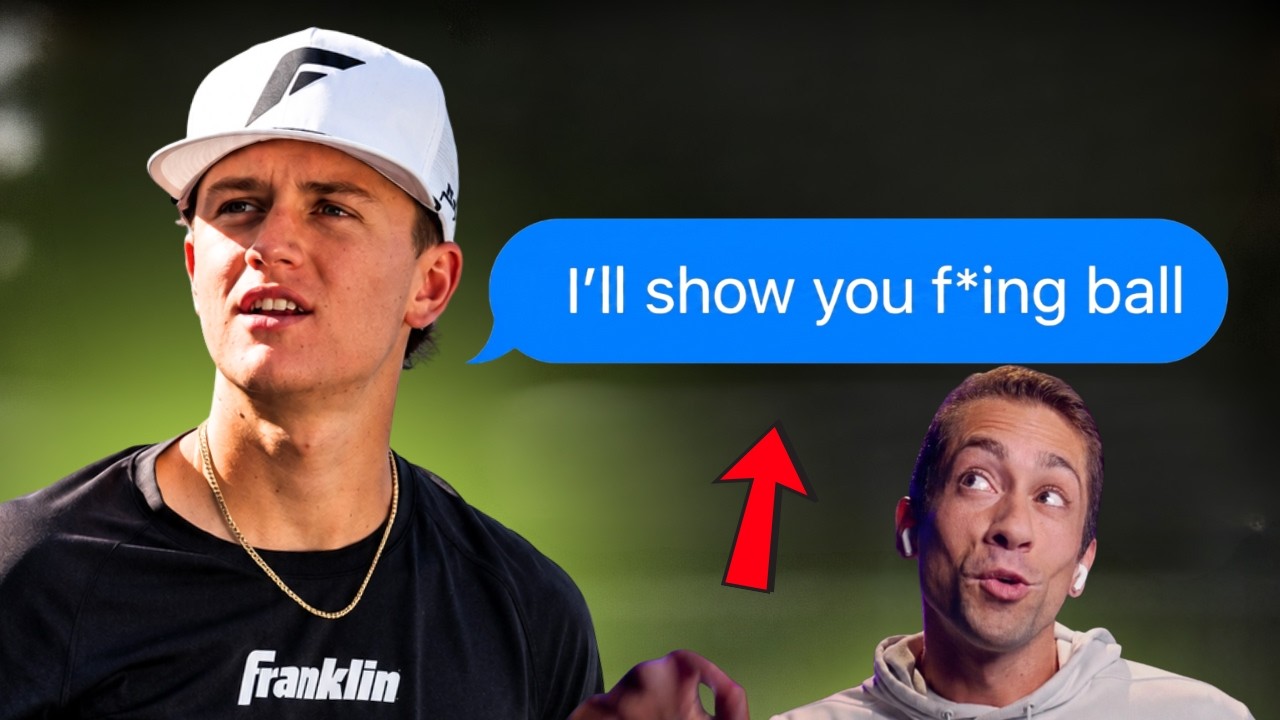
How Do You Practice This?
The recognition piece takes repetition. Start by watching your opponent's contact point instead of tracking the ball immediately after it leaves their paddle.
Ask yourself one question before every shot: can they attack this, or are they in trouble?
From there, train yourself to have two default responses ready. Soft and compact when they have options.
Extended and forward when they are compromised.
The best drill for this is live dinking with a specific rule: any time your drilling partner takes a half volley, you must try to get the next ball out of the air.
This forces the habit of reading and reacting rather than passively exchanging.
For a structured practice approach, these two dinking drills are a solid starting point.
They focus on contact quality and volley dink consistency, which are both required for the half-volley hunt to work.
You also need to be comfortable with shot selection based on ball height. Not every ball you intercept out of the air deserves a speed up.
 The Dink Media Team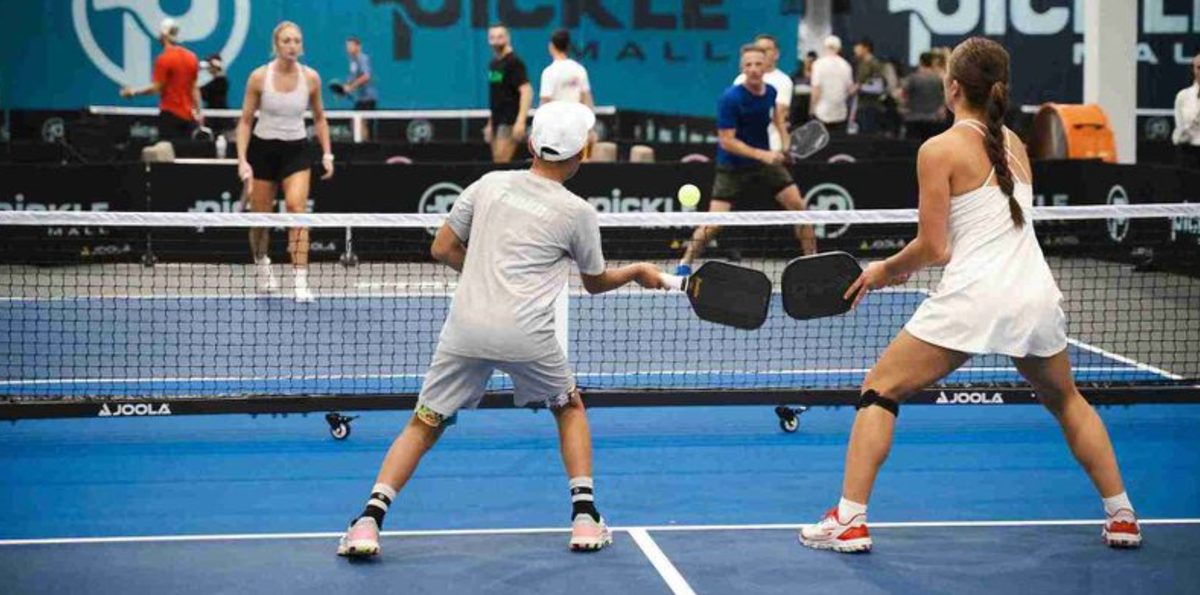
The One Mistake That Kills This Play
Players who try this for the first time almost always make the same error.
They get into hunting position and then commit too early, lunging forward for a ball that was never going to be where they expected.
Remember: the hunting position is a default stance, not a full commitment. You are leaning in, paddle extended, ready to take the ball early. But you are not diving at every dink.
If the ball does not cooperate, you pull back and play it off the bounce like normal.
The pros make this look effortless because they have trained the pull-back as a natural part of the movement.
It does not feel like a failed attempt. It feels like a read and adjustment.
That comfort only comes from drilling it repeatedly until both options feel equally natural.
Check out this two-step dink fix if your bounce dink still breaks down under pressure.
The half-volley hunt only works if your backup shot is reliable when you do pull back.
Also worth noting: this entire strategy requires good awareness of when not to attack. Balls at your feet are not hunting opportunities.
They are survival shots. Knowing the difference keeps you out of trouble when you are being the one pushed into a half volley.
Frequently Asked Questions
What is the half-volley hunt in pickleball?
The half-volley hunt is a kitchen line strategy where you extend your paddle forward and make taking the ball out of the air your first option whenever your opponent is in a compromised position. It is most effective when your opponent is being forced into a half volley or is reaching awkwardly to the side. The goal is to take time away from them and apply steady pressure across the rally.
When should I shift into the hunting position at the kitchen line?
Shift into hunting position any time your opponent has to take a half volley, is reaching to the side of their body, or is stepping back off the line. Those situations make a speed up nearly impossible for them, which means you can safely lean forward without worrying about getting attacked. If they are behind the ball with options, stay compact and conservative instead.
What is the difference between hunting position and counterattack ready position?
In the counterattack ready position, your paddle stays closer to your body and your stance is slightly softer, because your opponent has attack options and you need to be ready to handle them. In hunting position, your paddle extends forward into the court and your weight shifts forward, because you are looking to intercept the next ball before it bounces. These two positions are triggered by reading your opponent's contact situation, not by habit or routine.
Do I have to take the ball out of the air every time I am in hunting position?
No. Hunting position gives you the option to take the ball out of the air as your first look, but you are not locked in. If the ball does not come where you expect, pull your paddle back and play a normal bounce dink.
The advantage is that starting extended makes the out-of-air ball easier to intercept when it is there, versus starting neutral and having to reach out as a last-second adjustment.
How long does it take to build pressure with the half-volley hunt before you finish a point?
In professional doubles, a single dink rally can run 15 to 20 shots before the pressure creates a finishing opportunity. The key is that each shot builds on the last: offensive dinks from your partner force difficult contacts, your hunting position takes time away on each exchange, and eventually a ball pops up slightly enough to attack. Patience is part of the play, not a sign that it is not working.

Love Pickleball? Join 100k+ readers for free weekly tips, news & gear deals.
Subscribe to The Dink