Erne? ATP? Sandbagging? Essential Pickleball Slang Terms Explained
Here's pickleball slang terms explained the way regulars actually use them, from the kitchen to the third shot drop. Learn the words, own the language, and stop nodding along like you know what a banger is.
Pickleball slang terms explained badly are worse than not explaining them at all, and most glossaries read like a dictionary wrote them on a lunch break.
You already play.
What you need is the language, the stuff regulars throw around at rec play that makes newer players nod along and pray nobody asks a follow up question.
Here's the thing about this slang: it didn't come from a rulebook.
It came from courts and group chats and a handful of pros who said something funny enough to stick, spreading fast as the sport itself exploded, and a pickleball 101 refresher only covers half of it.
Love pickleball? Then you'll love our free newsletter. We send the latest news, tips, and highlights for free each week.
Pickleball Slang Terms Explained: Court Talk From the Kitchen Line
The kitchen is the seven foot zone on each side of the net, officially called the non-volley zone, where you can't hit a ball out of the air.
USA Pickleball's official rulebook confirms the seven foot measurement and spells out exactly when a player counts as "in" the zone, including if a paddle or body part touches the line.
Learning to position yourself at the kitchen the right way keeps you out of a violation call entirely.
Regulars also say things like "don't camp in the kitchen" or call someone a kitchen creeper, a player who edges closer to the non-volley line than they're supposed to during a rally.
It's not a technical term.
It's just what people say when they notice someone cheating the line by six inches, the same kind of sneaky positioning covered in most deception tips breakdowns.
A dink is a soft shot hit from inside or near the kitchen that arcs just over the net and lands in the opponent's non-volley zone.
Dinking is the act of trading those soft shots back and forth, usually in long patient rallies that separate good players from great ones.
If you want a fast education, watch an unusual dinking technique from a touring pro, or run through one of the hardest dinking drills out there.
Why Getting Pickleball Slang Terms Explained Actually Matters
Short answer: you play better once you understand the words your opponents and partners use in real time. That's it. That's the whole pitch.
Think about it. Someone yells "stack!" before a serve and you freeze because you thought stacking was a pancake thing.
Pickleball slang terms explained ahead of time save you from those exact moments.
They're not official rules, they're just common shorthand nobody bothers to teach, and it shows up in almost every one of the visible signs of pickleball's growth happening at courts right now.
There's also a cultural layer here.
Pickleball grew from roughly 4.8 million players in the U.S. in 2021 to well over 13 million by 2024, according to SFIA's most recent participation tracking, and that kind of global growth is exactly why slang spreads faster than any official glossary can keep up.
New players flood in every season, and slang is how the community sorts out who's been around and who just bought their first paddle.
Pickleball Slang Terms Explained by Skill Level: Shot Names
Every shot in this sport eventually earns its own nickname, and the nicknames tell you a lot about how the shot behaves.
Pickleball slang terms explained by shot type is really just power shots broken down into words regulars use without thinking twice.
Pickleball Slang Terms Explained: The Third Shot Drop Everyone Argues About
The third shot drop is the soft shot the serving team hits on, you guessed it, the third shot of the rally, meant to fall into the kitchen and neutralize the net advantage held by the returning team. Coaches obsess over this shot because research on shot selection in competitive pickleball increasingly points to soft game consistency as the biggest separator between intermediate and advanced players. Get comfortable making your third shot drop nasty and your win rate jumps fast.
Pickleball Slang Terms Explained: What Is an Erne, and Why Does It Look Illegal?
An Erne happens when a player runs around the outside of the non-volley zone to volley a ball near the sideline, avoiding a kitchen violation while still crushing a ball out of the air. It looks like cheating the first time you see it. It isn't. Watch an Erne actually land in a real match and you'll understand why crowds lose their minds over a clean one.
An ATP, or around the post shot, is when a player hits the ball around the net post entirely instead of over the net, legal as long as the ball stays below net height at some point in its path.
A lob sends the ball high and deep to push opponents off the kitchen line.
Check out everything a proper lob demands if you want to add one to your bag.
If your backhand volley needs work, there are specific indicators that tell you what's going wrong before you step on court again.
 The Dink Media Team
Serve and Return Slang That Actually Comes Up
A banger is a player who relies on hard, flat shots instead of a soft touch game, usually a crossover athlete from tennis or another racquet sport.
Bangers are dangerous early but predictable once you learn to defend against pace with a proper serve strategy.
A let serve isn't even a redo anymore in most leagues since USA Pickleball eliminated the let serve rule, meaning a serve that clips the net and lands in is simply live.
Your serve grip matters more than people admit, and checking whether your grip supports the serve you're trying to hit is a five minute fix for a problem plenty of players carry for years.
Players also talk about taking the ball on the rise versus letting it drop, describing when you contact the return relative to the bounce.
Where you should stand to return serve changes with your opponent's serve speed, and making the most of your return of serve sets up the whole point.
Good serve side positioning near the kitchen is worth studying once the basic vocabulary clicks.
 The Dink Media Team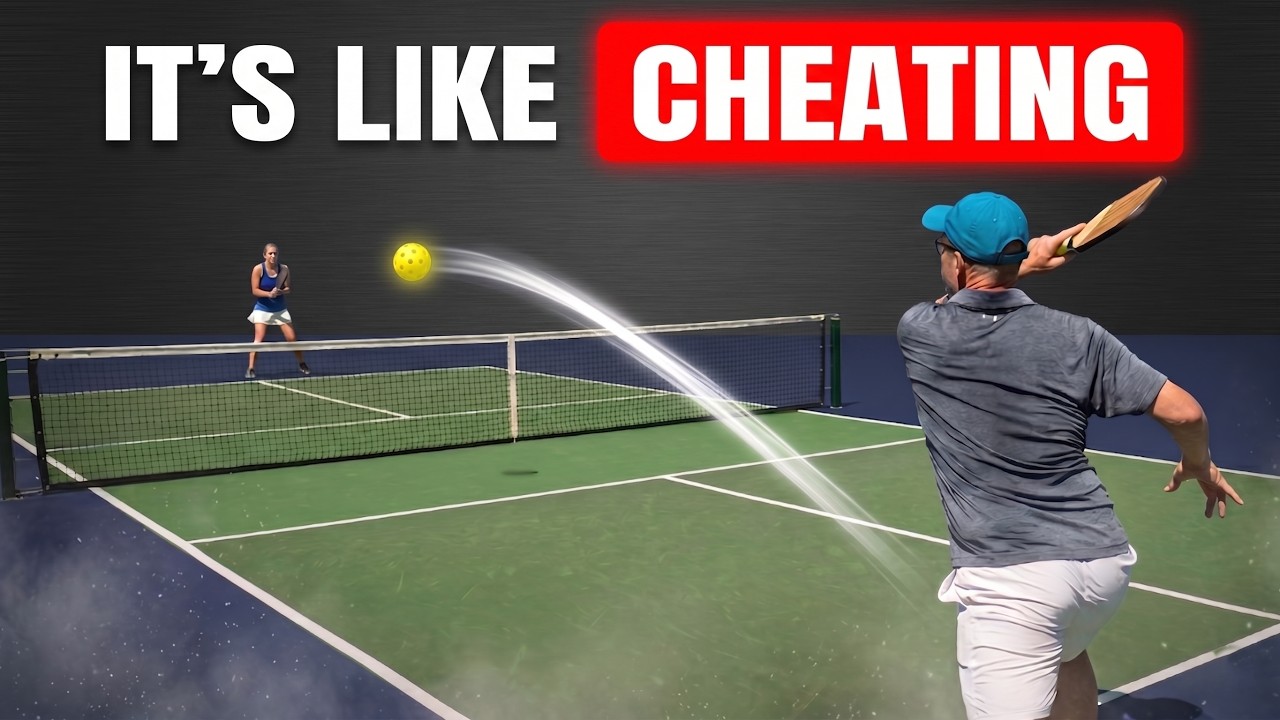
DUPR, Sandbagging, and the Culture Slang of Rec Play
This is the part of pickleball slang terms explained that has nothing to do with shots and everything to do with people.
Getting pickleball slang terms explained at this level means understanding the community, not just the rulebook.
DUPR stands for Dynamic Universal Pickleball Rating, the algorithm-based rating system most competitive players use to measure skill level across matches, typically running from 2.0 for beginners up to 8.0 for elite touring pros.
DUPR's newest ratings update explains how the algorithm weighs match quality, not just wins and losses.
Sandbagging describes a player who intentionally keeps their rating artificially low, usually to dominate a lower bracket in tournament play.
A 4.0 player or 3.5 player refers to someone's approximate DUPR or self-rated skill level, shorthand that lets strangers figure out if they can actually compete together.
Raising your rating and raising your actual pickleball IQ are two very different projects, and the second one matters more.
Stacking is a doubles strategy where partners switch positions after the serve or return to keep their stronger side in a favorable spot.
If the T and sideline placement strategy sounds confusing right now, it clicks fast once you see it applied.
Good court coverage on the fourth shot depends heavily on whether your team stacks or plays it straight.
None of this replaces fundamentals. If you're still working through the basics, three tips every beginner actually needs will do more for your game than memorizing slang ever could.
But once fundamentals are locked in, pickleball slang terms explained clearly is what lets you talk shop with the regulars instead of watching them talk past you.
 Alex E. Weaver
Key Takeaways
- The kitchen is the seven foot non-volley zone, not a nickname for the whole court.
- A dink is a soft shot into the kitchen, and dinking rallies decide most competitive points.
- The third shot drop neutralizes the net advantage held by the returning team, and even your equipment plays a role once you let your paddle do the work instead of overhitting.
- An Erne and an ATP are both legal shots that look far sneakier than they actually are.
- DUPR rates players from roughly 2.0 to 8.0 using an algorithm based on match results.
- Stacking lets doubles partners protect their stronger side after the serve or return.
Frequently Asked Questions
What is a dink in pickleball?
A dink is a soft, controlled shot hit from near the kitchen line that arcs just over the net and drops into the opponent's non-volley zone. Players use dinks, including the popular slice dink, to set up better attacking opportunities without giving the other team an easy ball to smash.
What is the kitchen in pickleball?
The kitchen is the common nickname for the non-volley zone, a seven foot area on each side of the net where players can't hit the ball out of the air. You're allowed to stand in it between shots, but stepping in during a volley is a fault, something even a solid paddle built for kitchen play won't save you from.
What is an Erne in pickleball?
An Erne is a shot where a player moves around the non-volley zone to volley near the sideline, attacking aggressively without a kitchen violation. It's a legal, advanced move that takes real footwork and timing.
What does DUPR mean in pickleball?
DUPR stands for Dynamic Universal Pickleball Rating, a rating system that scores players roughly between 2.0 and 8.0 based on match results and opponent strength. It's become the standard way competitive players and tournaments measure and match skill levels, right down to tracking the top 50 players by region.
What is a banger in pickleball?
A banger is a player who relies mostly on hard, flat, powerful shots rather than a soft dinking game, often because of a background in tennis or another power-based sport. Bangers can be tough to face early in a match, but a solid soft game and smart mid-court positioning usually wear them down over time. Get pickleball slang terms explained once, and you'll never mix up a banger and a dink again.
Love Pickleball? Join 100k+ readers for free weekly tips, news & gear deals.
Subscribe to The Dink