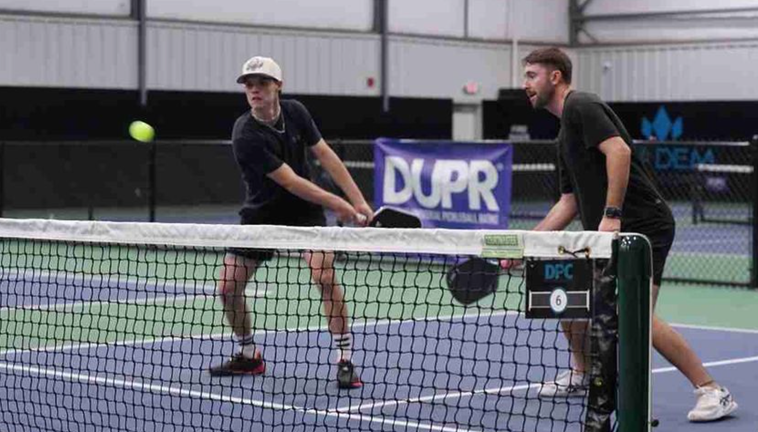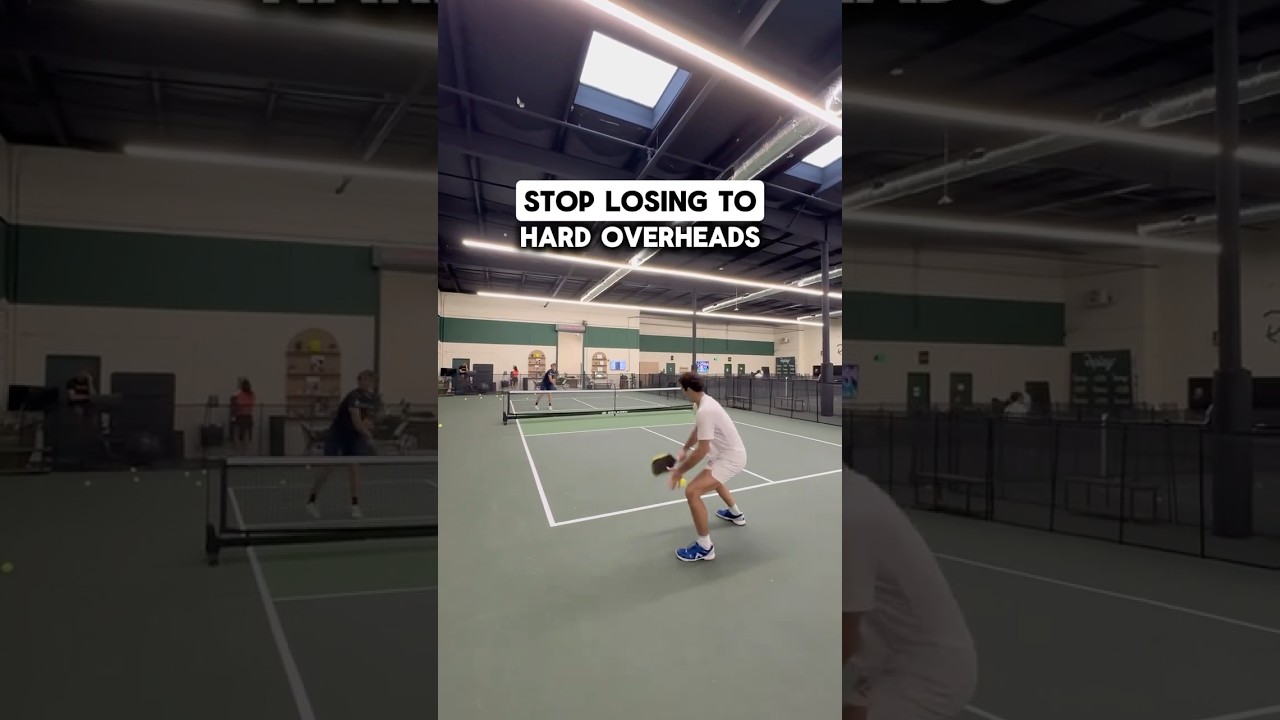
Most players try to do too much when defending an overhead in pickleball. This simple shovel technique gives you a better ball on the next shot without the risk.
Overhead defense in pickleball is where most recreational players completely fall apart.
Your opponent winds up for the smash, and you either panic and swing too hard or try to thread a perfect dink back into the kitchen and pop it right back up for another put-away.
There is a simpler way to survive these moments, and it does not require perfect touch. It just requires the right goal and the right mechanics.
This tip comes from Richard Livornese on YouTube, where he breaks down exactly what your intention should be when an overhead is coming and how to execute a short, controlled response that keeps you alive in the rally.
Love pickleball? Then you'll love our free newsletter. We send the latest news, tips, and highlights for free each week.
Why Your Overhead Defense Keeps Failing
The mistake is not your footwork or your grip. It is your goal.
When most players see a pickleball overhead smash coming, they try to do something impressive with the return.
They aim for a perfect slice back into the kitchen, roll it crosscourt, or swing big hoping to drive it past their opponent.
Every one of those choices works against you.
You are asking yourself to execute a high-difficulty shot at the worst possible moment: under pressure, off-balance, and reacting to pace.
The smarter goal is simply to get a manageable ball back. Not a winner. Not a perfect reset.
Just something that forces your opponent to deal with the next shot from neutral.
If you struggle with hands battles in pickleball, this exact mental reset applies there too.
Survival first. Attack second.
What Is the Shovel Technique?
The shovel technique is a short, controlled defensive stroke designed specifically for returning overheads.
Instead of taking a full backswing and trying to generate your own pace, you use a compact motion to redirect the ball at your opponent's waist.
Targeting the waist is the key detail here. A ball aimed at the body forces your opponent into an awkward position for their next shot.
It is harder to attack cleanly from the hip than from a ball sitting up at shoulder height.
You are not trying to win the point outright. You are making the next shot easier for yourself.
The Four Mechanics that make it work:
- Get low immediately. Drop your hips and bend your knees the moment you recognize an overhead is coming. This gives you a stable base and keeps your paddle in position to absorb pace.
- Use a short backswing. The overhead is already generating pace for you. Your job is to redirect, not create.
- Shovel it. Think of the motion as scooping upward slightly through the ball. You are lifting and redirecting, not driving.
- Target the waist. Aim for the midsection, not the kitchen line. This forces a difficult return and buys you time to recover.
Use the same motion on both sides. The shovel works on the backhand and the forehand with identical intent: short, controlled, and low to the ground.
This is not a glamorous shot. It is a survival shot, and survival shots win rallies.
Why the Continental Grip Changes Everything
Richard specifically calls out the continental grip as the foundation for this technique, and it matters more than most players realize.
The continental grip sits right between a forehand and backhand grip.
It is sometimes called the "hammer grip" because it feels like holding a hammer with the paddle face square to the court.
Most players who learned casually never settle into it, which means they are constantly rotating their hand when they switch sides.
That rotation costs you time you do not have when a pickleball overhead smash is coming fast.
With a continental grip, you go from backhand to forehand without changing anything.
Your hand stays in one position, and the same short shovel motion works on both sides.
That is a massive advantage when you are scrambling.
For more on how grip mechanics affect the rest of your game, this breakdown on paddle grip and shot control connects directly.
 The Dink Media Team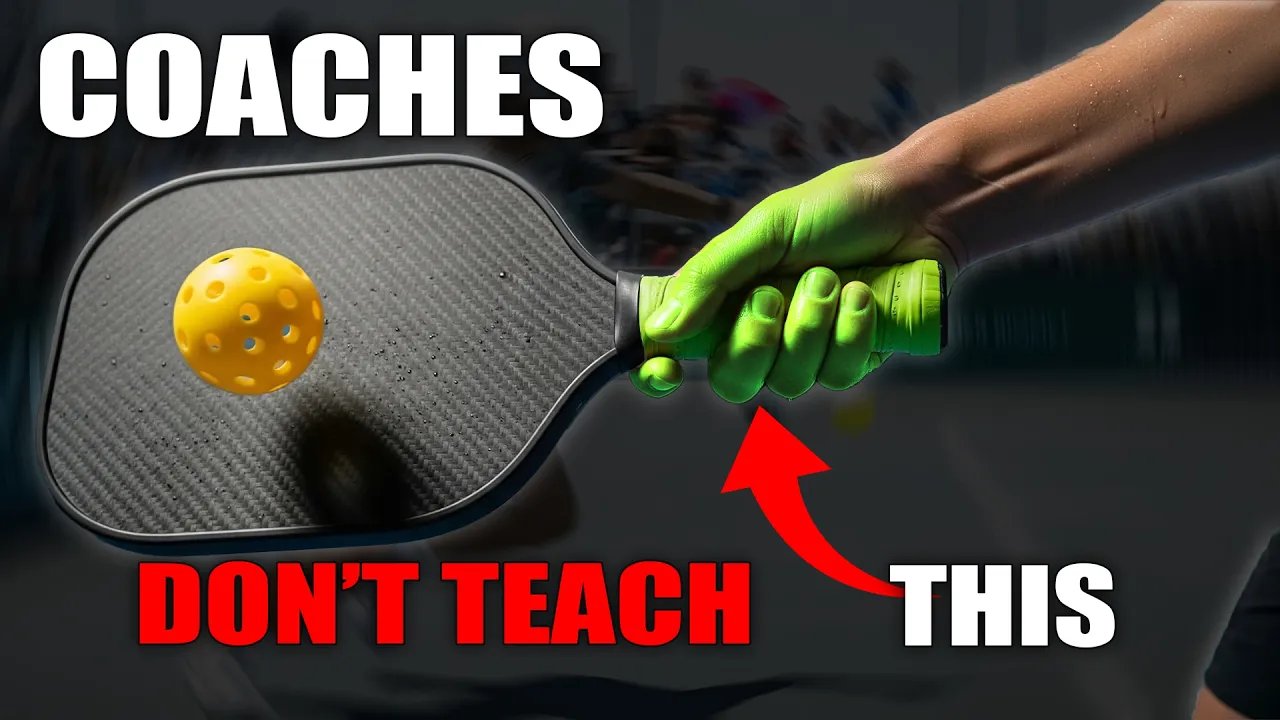
How Do You Actually Practice This?
Reading about the shovel technique is one thing. Building it into your muscle memory is another. Here is a simple way to drill it.
- Start with a partner feeding overheads. Have them stand at the non-volley zone and hit controlled overheads while you practice getting low and shoveling back. Focus on the waist target, not pace.
- Drill both sides equally. Do not just practice your backhand or forehand. The continental grip should make both feel similar, so train them together from the start.
- Add a recovery step. After each shovel return, immediately reset your feet. The point is not over. Your goal was to get a manageable ball back, so be ready for the next shot.
- Increase pace gradually. Once the motion feels natural at slower speeds, have your partner add more pace to the overheads. Your short backswing will feel more important as pace increases.
For more structured drilling ideas, this guide on pickleball drills to fast-track your improvement is worth working through alongside this technique.
 The Dink Media Team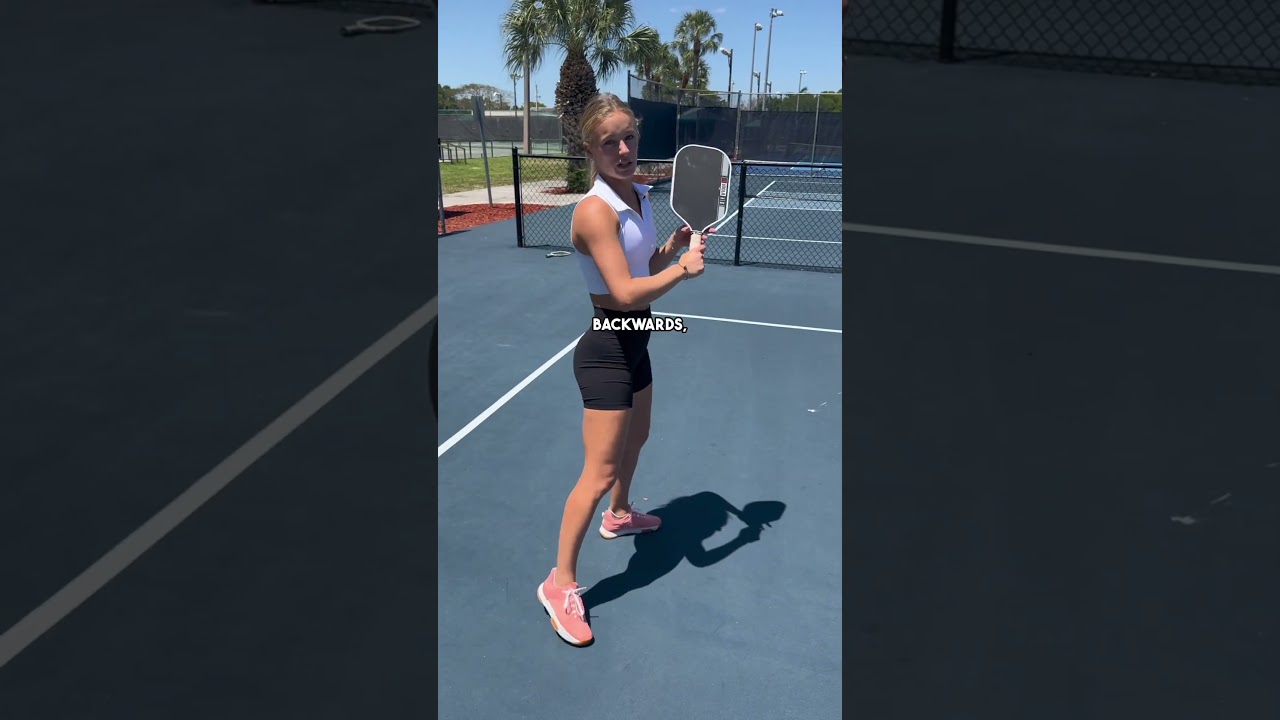
What Should You Avoid When Defending Overheads?
Most players do the opposite of everything this technique asks for. Here are the most common errors and why they hurt you.
- Taking a big backswing. A long backswing adds time and error. The overhead is already bringing pace to the ball. Your job is to redirect it, not match it with power of your own.
- Trying to slice it into the kitchen. A perfect dink off a fast overhead is a low-percentage shot. You are asking for precision when you are under maximum pressure. That math does not work in your favor.
- Standing tall. Height kills your stability and your paddle position. Getting low is not optional here. It is what makes the shovel motion possible.
- Aiming for the sideline or corners. Fancy targets increase your error rate. The waist is a wide, forgiving target that causes real problems for your opponent without requiring a miracle shot from you.
- Gripping too tight. A death grip on your paddle when you are panicked is one of the most common defensive errors. Let the paddle do the work with a relaxed grip and soft hands.
Cutting these habits out of your game will do more for your overhead defense than any advanced technique you add in.
 The Dink Media Team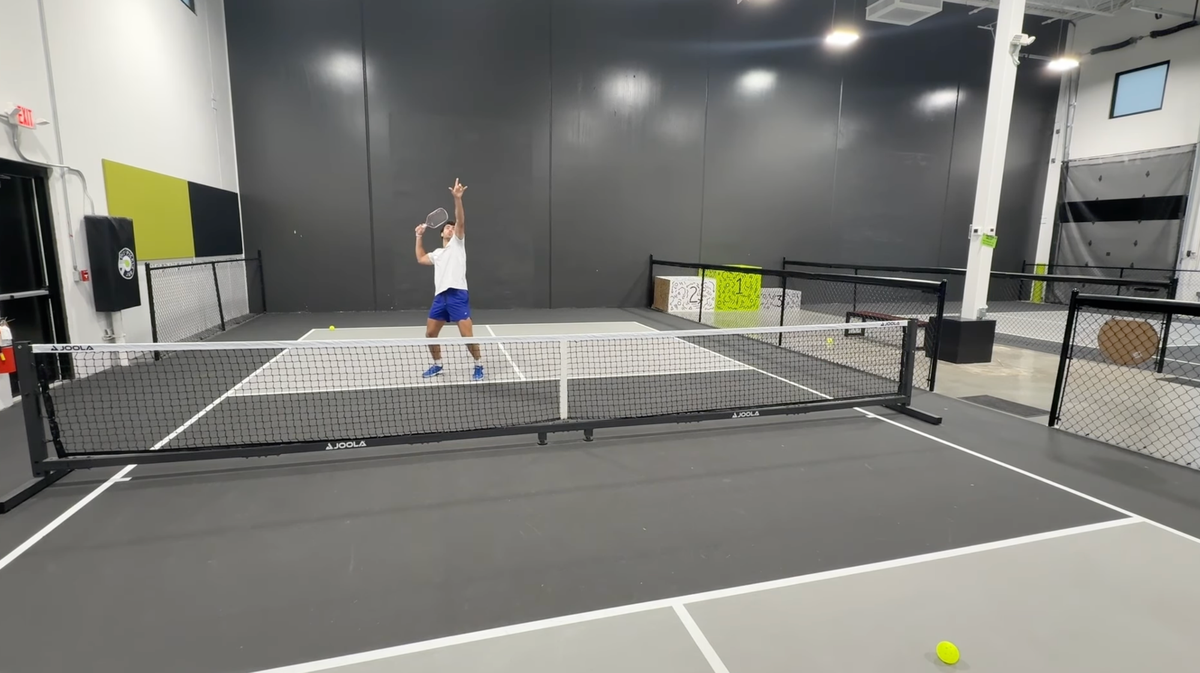
Is This the Same as a Reset?
Not exactly, but they share the same mindset. A reset neutralizes a fast exchange by dropping the ball softly into the kitchen.
The shovel technique is slightly different because you are not necessarily trying to get the ball into the kitchen. You are targeting the body.
Both skills come from the same place: the understanding that your first job in a defensive moment is to survive, not to counter-attack.
A failing reset usually happens for the same reason a failing overhead defense does, too much ambition at the wrong moment.
Think of the shovel as your overhead-specific version of a reset. It serves the same function in a different situation.
 The Dink Media Team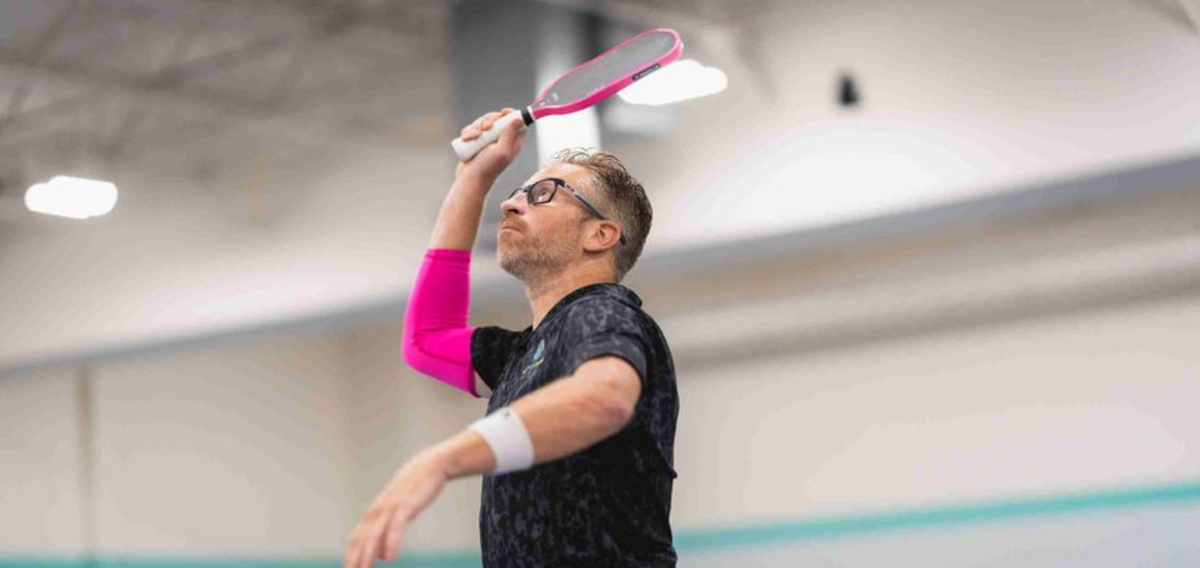
How Does This Change Your Overall Defensive Game?
Once you stop trying to do too much on defense, something clicks. You start seeing second and third chances in rallies you used to lose outright.
And because you are not swinging in desperation, you make fewer errors. That is how defensive skill compounds.
You are not just surviving more overheads. You are getting back to neutral more often, which means more chances to go on offense when the moment is right.
To build on that, look at the four key strategies pros use to create offense from neutral situations.
Pair it with better pickleball footwork and your defensive positioning improves across the board.
Also worth understanding is when to block versus counter against a driving opponent.
Both situations require you to redirect pace rather than absorb it passively.
The players who defend overheads well are not doing something magical. They have a clear goal, a compact motion, and the right grip.
Everything else is practice. Use the shovel, target the waist, stay low, and trust the continental grip on both sides.
Want more? This piece on the common mistakes hurting your volley covers the next layer at the kitchen line.
And if you want to know exactly when to flip offensive after a successful shovel return, this shot selection checklist is a practical place to start.
For a full progression, these essential shots to master and this simple four-step system will get you there faster than grinding rec games alone.
Frequently Asked Questions
What is the best way to defend an overhead in pickleball?
The best overhead defense in pickleball is to get low, use a short backswing, and shovel the ball back at your opponent's waist. Targeting the waist forces an awkward return without requiring a high-risk shot from you. Skip the perfect dink attempt and focus on getting a manageable ball back instead.
What grip should I use for overhead defense?
Use the continental grip, which sits between the forehand and backhand positions and feels like holding a hammer. This grip lets you switch between forehand and backhand without adjusting your hand at all. When a fast overhead is coming, that saved time makes a real difference.
Why should I aim for the waist instead of the kitchen?
Aiming at the waist is a higher-percentage target that creates problems for your opponent. A ball at the hip or midsection is awkward to attack cleanly, which means your opponent is more likely to give you a neutral or weak ball on the next shot. Trying to thread a dink into the kitchen off a hard overhead raises your error rate significantly.
How do I stop panicking when an overhead is coming?
Give yourself a simple, specific job: get low and shovel it back at the body. Having a clear task replaces the panic response with a process. The more you drill this motion, the more automatic it becomes under pressure.
Can the shovel technique work on both the forehand and backhand side?
Yes, and that is exactly why the continental grip matters so much. With a continental grip, the same compact shovel motion works on both sides without any hand adjustment. Practice both equally so the technique holds up no matter where the overhead is directed.

Love Pickleball? Join 100k+ readers for free weekly tips, news & gear deals.
Subscribe to The Dink