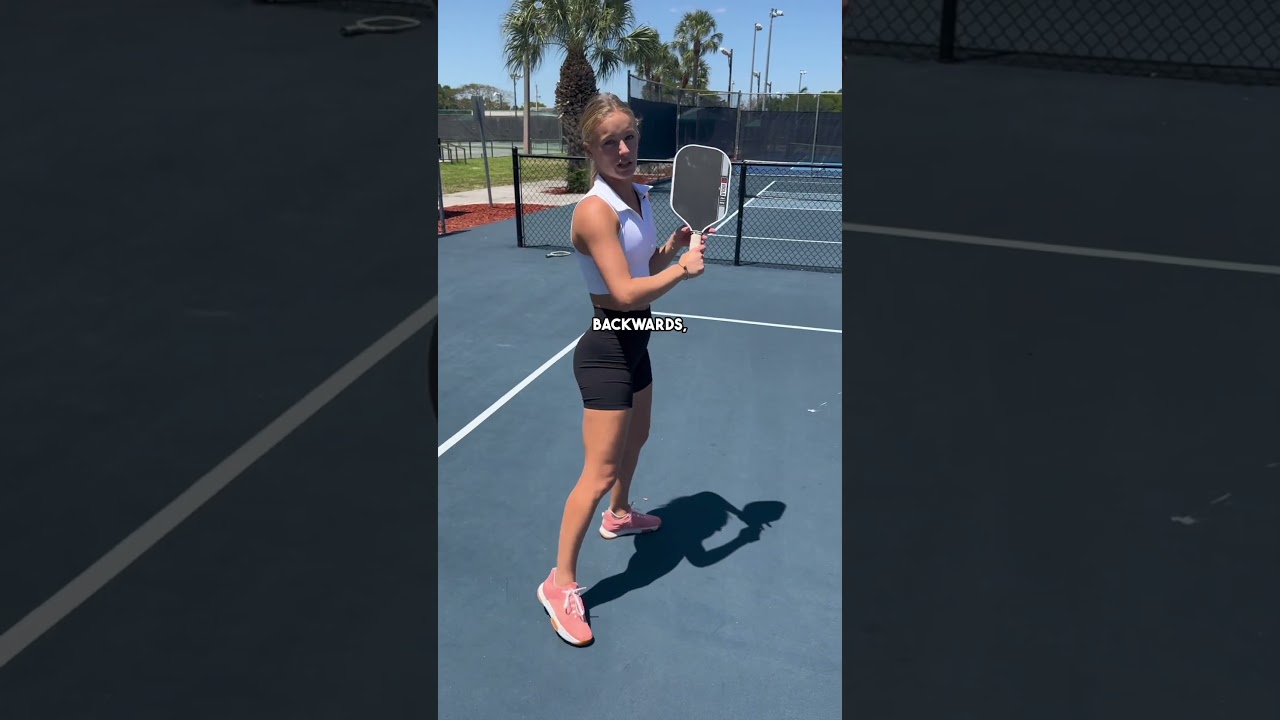
The overhead backhand smash is one of the most underused weapons in pickleball. Learn the 3-step technique Hannah Blatt uses to take it out of the air and stay in control of the kitchen.
The overhead backhand smash is one of the most avoided shots in pickleball.
A lob floats over your backhand shoulder, and instead of attacking it, most players backpedal, let it bounce, and hand over court position they spent the whole rally earning.
That is the exact problem this shot solves. If you can take that ball out of the air, you stay at the kitchen line and keep the pressure on your opponents.
This breakdown comes straight from Tanner Tomassi on YouTube, featuring Hannah Blatt, a pickle pro with a squash background who has turned the overhead backhand smash into a signature weapon.
Here is exactly how she does it. Search "pickleball overhead smash" and you'll find plenty of forehand advice, but almost nothing on this backhand version.
Love pickleball? Then you'll love our free newsletter. We send the latest news, tips, and highlights for free each week.
Why Most Players Let the Lob Bounce Instead of Attacking It
The default response to a lob over the backhand shoulder is to retreat.
Players feel uncomfortable reaching back on that side, so they let the ball bounce, give up the kitchen line, and suddenly they are defending from the baseline while their opponents own the net.
That trade-off is brutal. Once your opponents have the net and you are stuck back, they control the rally.
The overhead backhand smash exists specifically to prevent that situation.
If you want to stop being a target for lobs, you need this shot in your arsenal.
Players who lob you will stop doing it the moment they realize you can punish it going the other way.
What Makes This Shot Different From a Regular Overhead?
A standard forehand overhead is a put-away shot. You wind up, you swing hard, and you try to end the point.
The overhead backhand smash is not that. Hannah is clear about this: the goal is not an outright winner.
The goal is to get the ball down, redirect it at your opponent's feet, and use it to set up the next shot.
That distinction matters because it changes how you swing. You are not trying to blast the ball past someone.
You are using wrist snap and angle to push them into a defensive position, then staying up at the kitchen to finish the point on the next ball.
This shot also requires you to be comfortable with your backhand side at a high contact point.
For players who came from squash or tennis, this movement pattern feels natural. For everyone else, it takes focused repetition.
The good news is that the mechanics are simple when you break them down.
Step 1: Recognize the Ball Early
The first step happens before you even move your feet.
You need to read the lob as it leaves your opponent's paddle and immediately identify whether it is going over your backhand shoulder.
If your partner can take that ball with a forehand overhead, let them.
But if the ball is heading to your backhand side and your partner cannot reach it, that is your moment to act.
Early recognition is everything here. If you wait too long to decide, you end up reaching awkwardly with no coil, no power, and no control.
The players who hit this shot well are tracking the ball from the moment it leaves the opponent's paddle.
This kind of awareness ties directly into positioning habits that separate average players from good ones.
When you are positioned well and reading the ball early, you have time to set up properly instead of scrambling.
 The Dink Media Team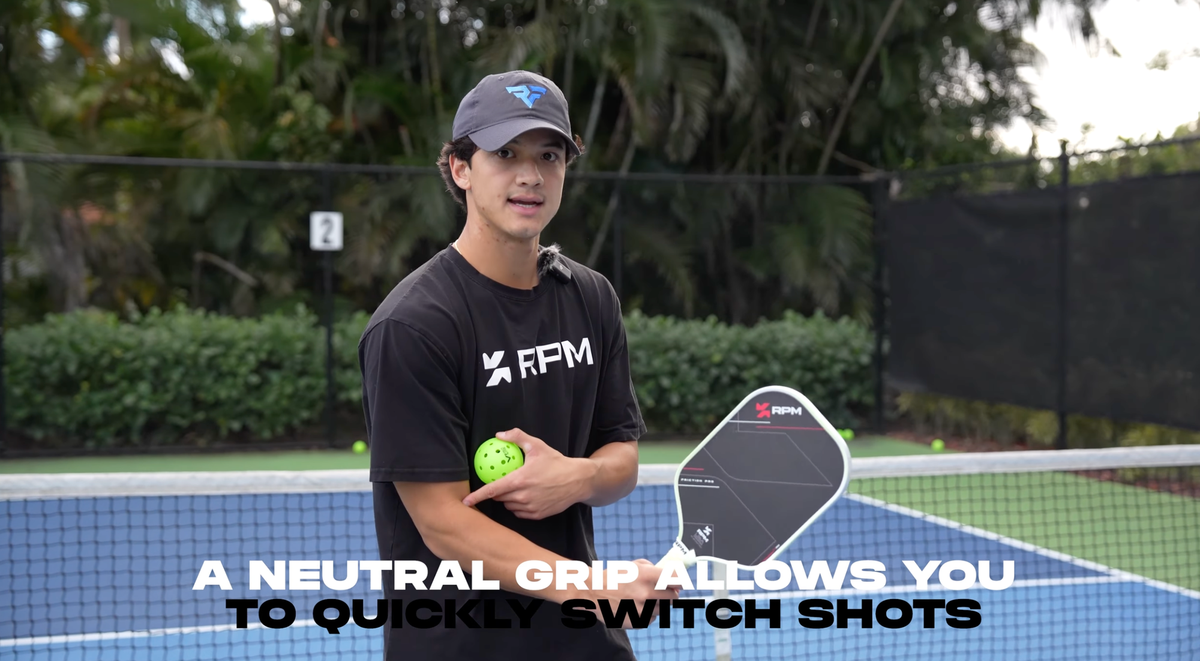
Step 2: Step Back and Coil Your Shoulder
Take a step backwards. This is the move most players skip, and it is why their backhand overhead looks like a panic swipe instead of a controlled smash.
That backward step gives you space to get under the ball and create the angle you need to snap it downward.
Without it, the ball is on top of you before you can load the shot.
After you step back, coil your shoulder. Turn your body so your hitting shoulder loads behind you.
This is the same motion that gives a squash backhand overhead its power, and it is what separates a controlled smash from a weak push.
Here is the full movement sequence for Step 2:
- Read the lob and decide you are taking it on the backhand side
- Step back with your dominant foot to create space
- Rotate your shoulder back and coil your core
- Keep your eyes locked on the ball through the entire setup
- Stay balanced, do not lunge or reach
This setup phase is where the shot is won or lost. If your footwork and shoulder coil are right, the swing almost takes care of itself.
If you skip the coil and just swing your arm, you lose power and control at the same time.
 The Dink Media Team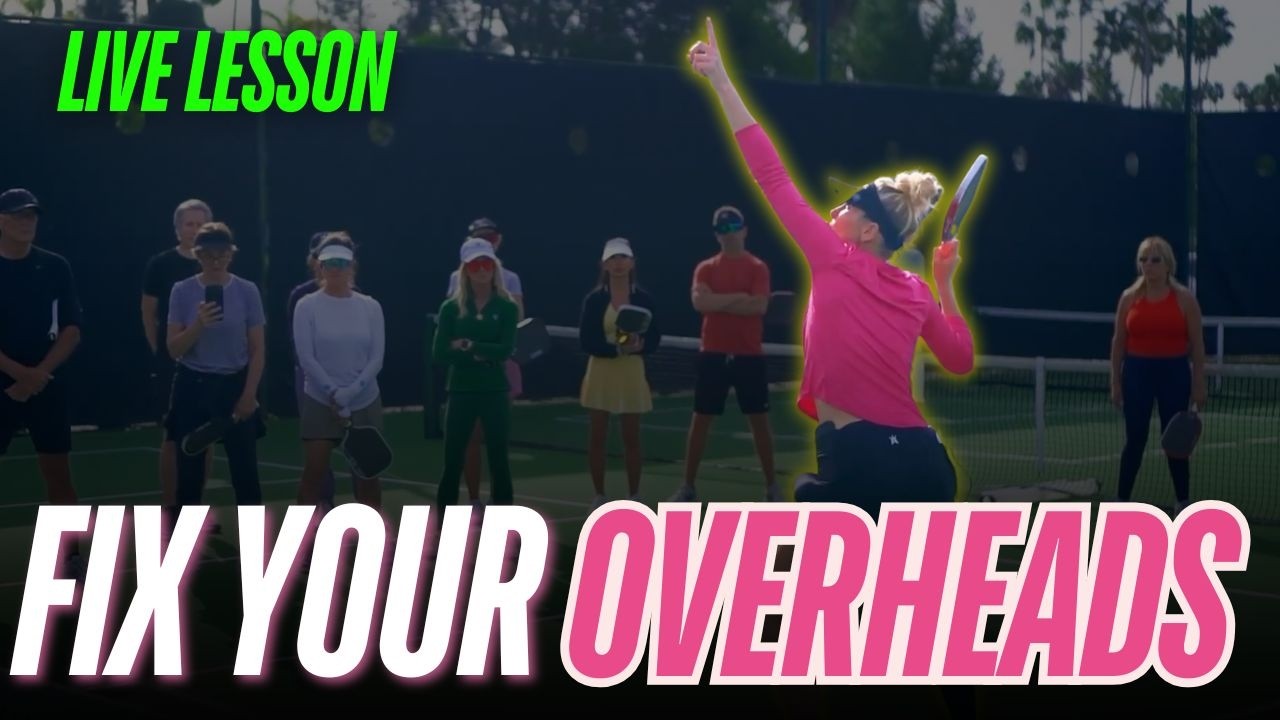
Step 3: Snap Your Wrist and Aim at Their Feet
The power in the overhead backhand smash does not come from a big arm swing. It comes from a sharp wrist snap at the moment of contact.
Think of it like cracking a whip at the ball. Your arm sets the path, but the wrist snap is what generates pace and drives the ball downward.
Without it, the ball floats and your opponent has a gift.
And here is where the targeting matters: you are not trying to hit a winner. You are aiming at your opponent's feet.
Getting the ball down at their feet does two things.
- First, it forces a very difficult low ball that most players will pop up.
- Second, it keeps you in the point as the aggressor because your opponents are now scrambling to defend instead of attacking.
Here is exactly what the contact and follow-through should look like:
- Make contact with the ball at or slightly in front of your body, not behind you
- Snap the wrist through the ball, driving it downward with pace
- Aim for the area around your opponent's feet or ankles
- Recover immediately back to the kitchen line after the shot
That recovery step is just as important as the swing itself. The whole point of hitting this shot is to stay at the kitchen line.
If you hit a great overhead backhand smash but drift back to the transition zone, you have given up most of the advantage you just created.
 The Dink Media Team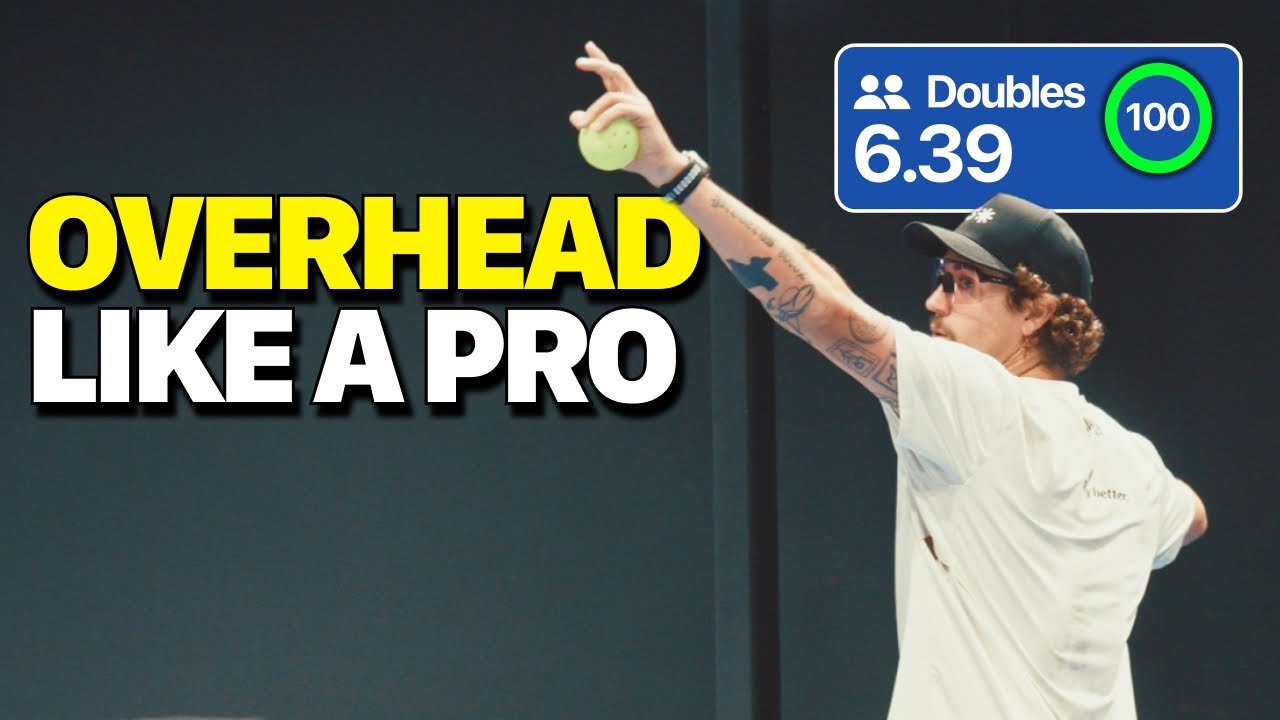
Why Court Position Is the Real Reason to Learn This Shot
Hannah makes a point that cuts to the core of why this shot matters: if you let the lob bounce, your opponents become a much bigger threat because of their court positioning.
When the ball bounces and you retreat to hit it, your opponents rush the kitchen.
Now they have the net, you are at the baseline, and the geometry of the court is working against you. That is a very hard situation to escape.
If you take the ball out of the air, you maintain a neutral position in the rally.
You are not winning the point necessarily, but you are not handing it to your opponents either.
You stay competitive, you keep them honest, and you set up a ball they have to dig up from below the net.
Understanding court position is the real unlock for competitive pickleball.
If you want to go deeper on how court position affects your game, staying on offense after the fourth shot is a great place to start building those habits.
The players who get lobbed and immediately give up the kitchen are making a positioning error. This shot is the fix for that error.
 The Dink Media Team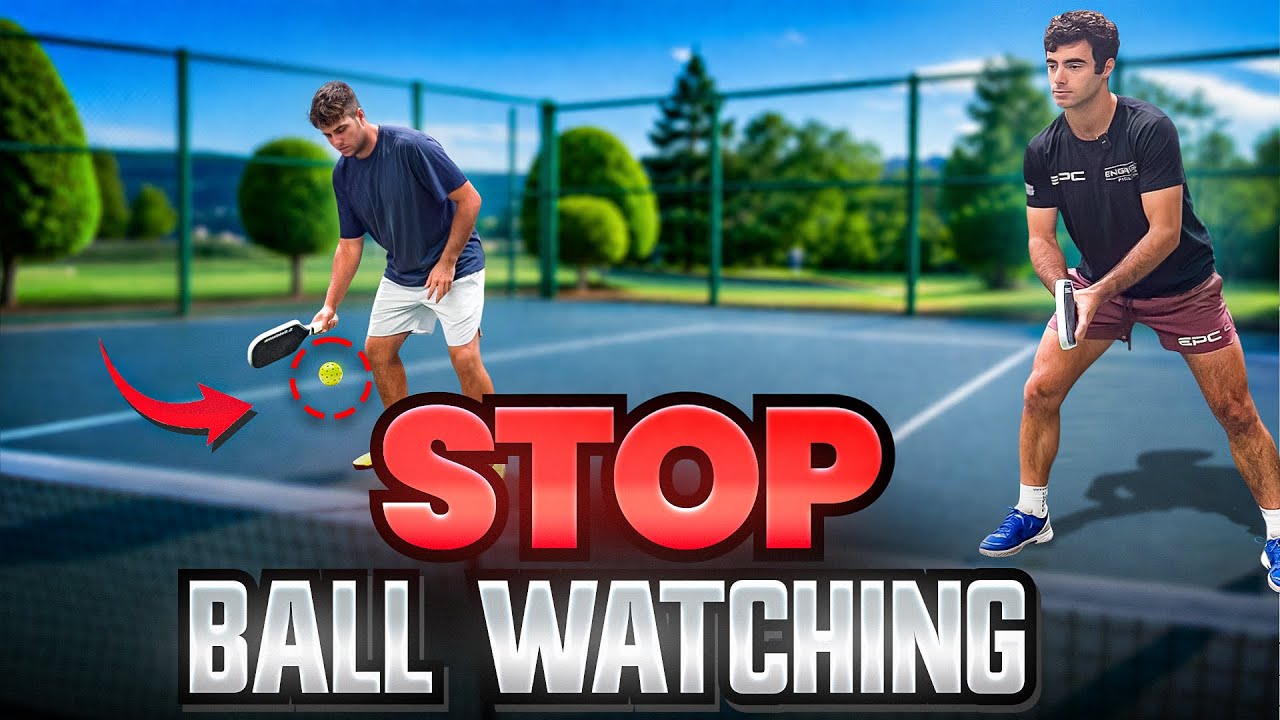
Does Your Backhand Side Actually Hold Up Under Pressure?
A lot of players think their backhand is fine because they can handle pace from the kitchen.
But a high backhand contact point is a completely different skill set from a backhand dink or a counter punch.
If your backhand counter is shaky under pressure, adding an overhead backhand smash is going to feel awkward at first.
That is normal. The solution is to practice the wrist snap motion separately before adding the full swing.
Start by just snapping a ball downward from a high backhand position without worrying about footwork. Then add the step back. Then add the shoulder coil.
Build it in layers so each piece feels comfortable before you combine them.
 The Dink Media Team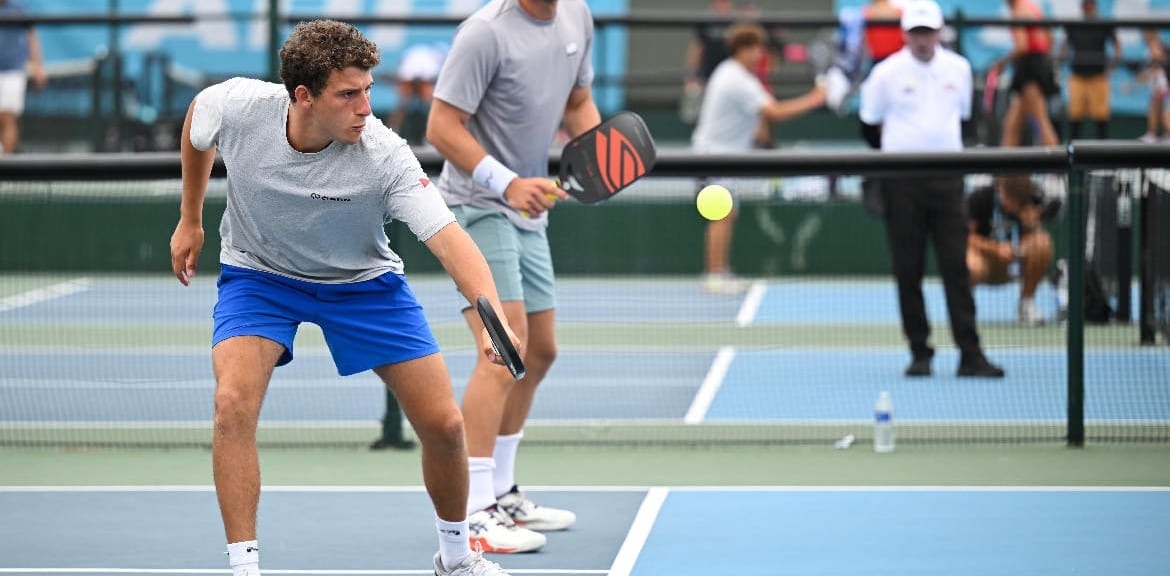
How to Practice the Overhead Backhand Smash
The best way to train this shot is with a partner who feeds you high lobs to your backhand side from across the net.
Have them toss or hit soft lobs directly over your backhand shoulder repeatedly so you can groove the footwork and wrist snap without any pressure.
If you are working on your own, a ball machine set to a high toss trajectory works very well.
Alternatively, have a wall session where you practice the shoulder coil and wrist snap motion without the ball, then add shadow swings to build the muscle memory.
For structured practice routines that include shots like this, check out drills that PPA pros still use in every practice session.
If you are newer to this kind of overhead work, a solid foundation before adding specialty shots can help you build the base you need.
This is where a quick "pickleball overhead smash" refresher on the forehand version pays off before you tackle the backhand.
Once you have the basic motion down, add the targeting element. Put a cone or a towel at the area of the court where your opponent's feet would be.
Practice snapping the ball at that target from high contact points until it becomes automatic.
 The Dink Media Team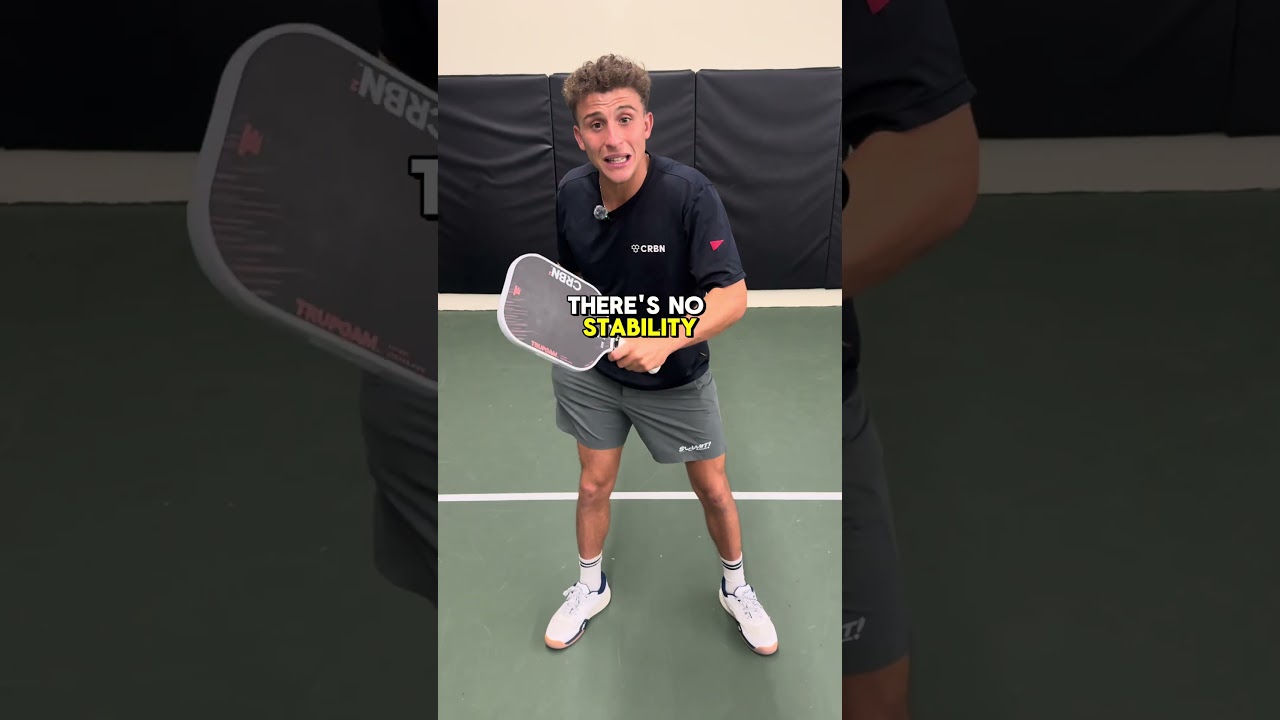
Common Mistakes That Kill the Shot
The three most common errors when players first try the overhead backhand smash are:
- No backward step: Players try to hit the ball from where they are standing, leaving no space to create a downward angle
- Arm swing without wrist snap: The power dies and the ball floats up instead of driving down
- Aiming for a winner too early: Players try to hit it too hard and sacrifice control, sending the ball long or into the net
The fix for all three is the same: slow it down in practice. Do not add speed until the footwork, coil, and wrist snap are all working together.
If you want to build out the rest of your shot selection at the same time, these five shots every 4.0 player needs give you a clear picture of where the backhand overhead fits in the bigger picture of your development.
 The Dink Media Team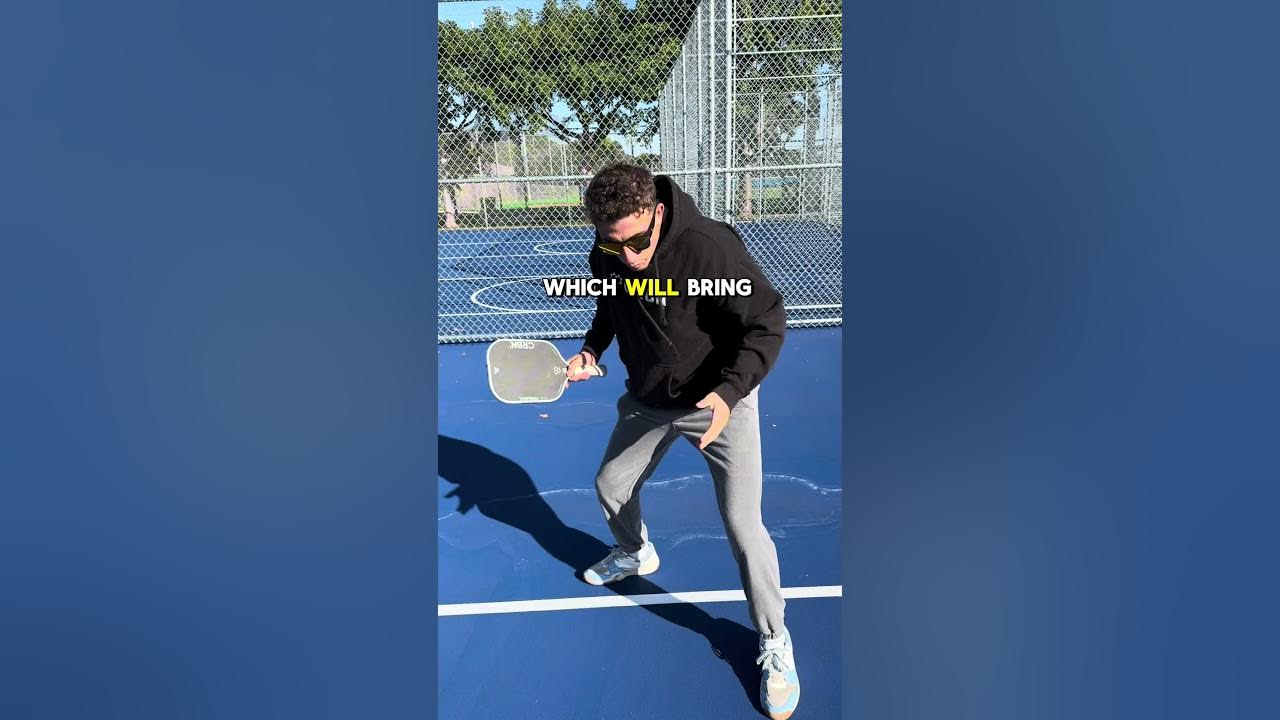
When to Use This Shot in a Real Match
The overhead backhand smash is a situational shot, not a primary weapon.
You reach for it specifically when a lob clears your forehand side and threatens to land beyond your reach on the backhand side.
Do not use it when your forehand overhead is the easier play. Always default to your stronger overhead when you can.
But when that lob goes to your backhand shoulder and the ball is still in the air, this shot is your best option to stay in control.
Learning when to attack and when to set up the next ball is a core part of advanced shot selection strategy.
The overhead backhand smash is a perfect example of a shot that is less about finishing the point and more about forcing your opponents into a tough position.
Pair it with good defensive fundamentals and you become a player who is very hard to lob against.
Your opponents will either stop lobbing you altogether or keep doing it and keep giving you free set-up balls.
Either way, you win. That is the value of adding this shot to your game now.
Frequently Asked Questions
What is an overhead backhand smash in pickleball?
The overhead backhand smash is a shot where you make contact with a high ball on your backhand side above your head, snapping your wrist downward to drive the ball into your opponent's court. It is primarily used to handle lobs that go over your backhand shoulder before they bounce. The goal is to keep your kitchen position instead of retreating to the baseline.
Is the overhead backhand smash supposed to be a winner?
No. According to Hannah Blatt, the overhead backhand smash is not designed to be an outright winner. You are aiming at your opponent's feet to force a difficult low return, which sets up the next shot.
Think of it as a pressure shot that keeps you on offense rather than a finishing blow.
What is the most important part of the mechanics?
The wrist snap at the point of contact is what makes the shot work. Without it, the ball floats up and gives your opponent an easy ball. The backward step and shoulder coil are equally critical because they give you the space and load to generate that snap effectively.
How do I practice the overhead backhand smash without a partner?
Start with shadow swings to build the muscle memory of the shoulder coil and wrist snap at a high contact point. Once that feels natural, use a ball machine set to high tosses, or have someone toss balls by hand to your backhand side from close range. Focus on the downward snap and aim before adding any pace.
Will learning this shot stop opponents from lobbing me?
Yes, in most cases. Once opponents see that you can take the lob out of the air on your backhand side and put pressure on them with a downward shot, the lob becomes a risky choice rather than a safe play. Players who rely heavily on the lob will adjust their strategy when they realize it is no longer working against you.


Love Pickleball? Join 100k+ readers for free weekly tips, news & gear deals.
Subscribe to The Dink