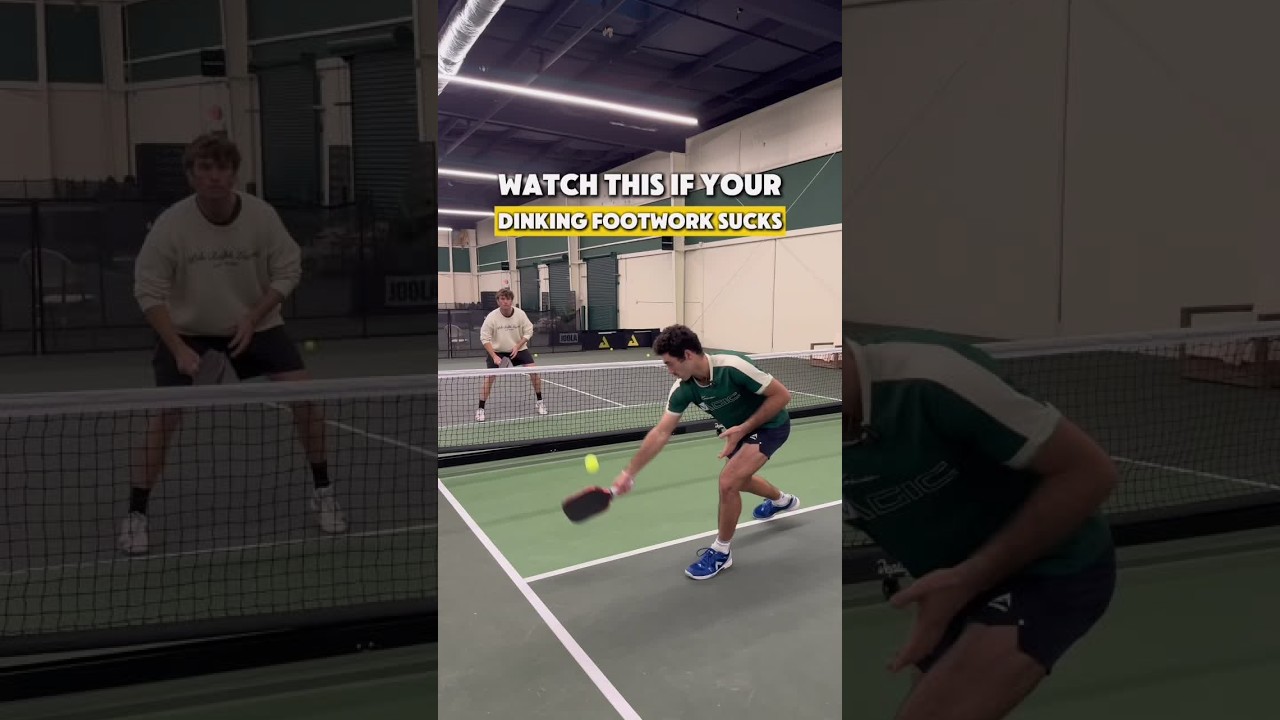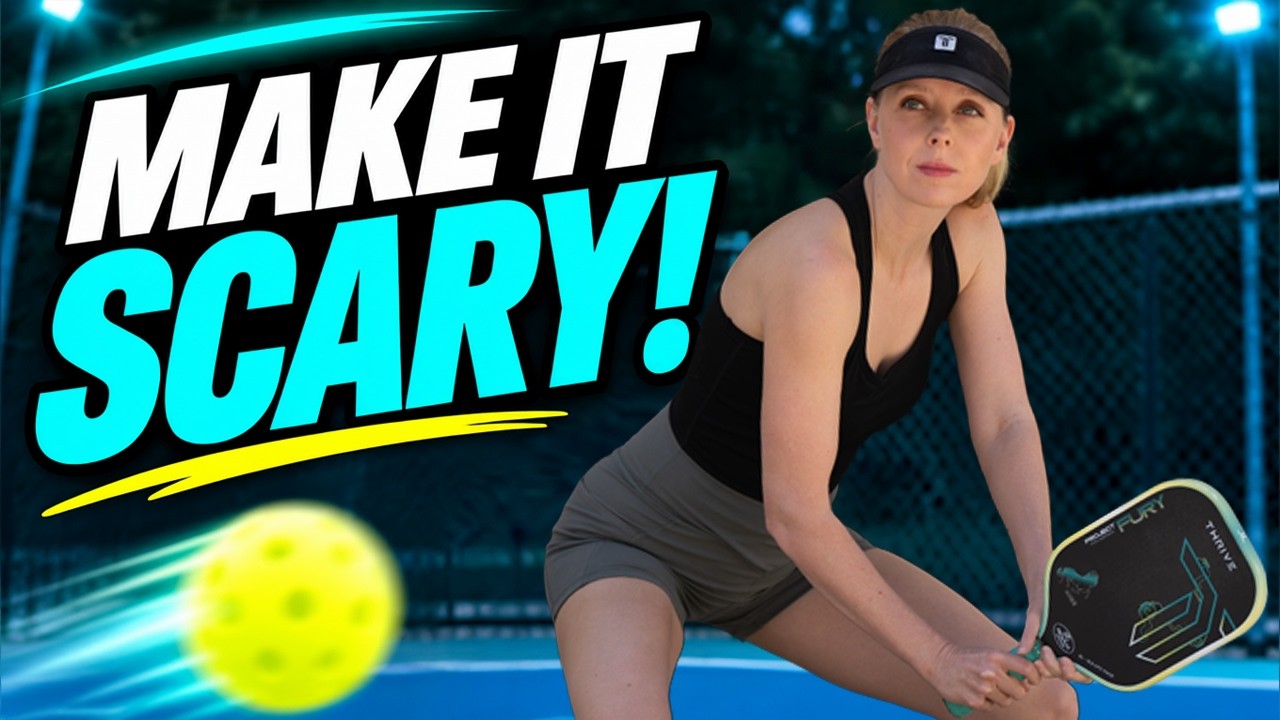


Want to make opponents miss more in pickleball? These five tips from PPA pro Ashley Griffith show you how to create pressure with simple, purposeful shots.
If you want to make opponents miss more in pickleball, you have to stop thinking about your own shots and start thinking about their discomfort.
Most players just get the ball back and hope the other team errors, which is a slow way to win.
The good news is that forcing mistakes is a skill you can build. It comes down to choosing shots with purpose instead of hitting on autopilot.
The research backs this up. A 2025 notational analysis of elite pickleball found that 63.7% of all points ended on unforced errors, not winners.
These five tips come from PPA Tour pro and coach Ashley Griffith on YouTube, who breaks down how she creates pressure in match play.
Let's walk through each one so you can use them the next time you step on court.
Love pickleball? Then you'll love our free newsletter. We send the latest news, tips, and highlights for free each week.
Why Do Opponents Miss More When They Are Moving?
Opponents miss more when they have to hit on the run, because balance is the foundation of every clean shot.
A player in perfect position can still miss, but it is far harder to screw up when you are set and stable.
Griffith's goal is simple: she wants her opponents on one foot, falling backward, or running forward on every single ball. She never wants to make it easy.
The easiest way to do this is to hit the ball where they are not.
If your opponent is at the baseline and falling back after a deep shot, make them run forward next. If they are shuffling left, go right.
Here is where most recreational players go wrong. In match play, they hit the ball back just to get it back, with no real focus on where it lands.
Start asking one question before every shot: what is the hardest ball for them to handle right now?
That single habit keeps them moving and makes the ball that comes back to you weaker.
If you want to sharpen the way you target space on the court, our breakdown of playing the body, not the lines pairs well with this idea.
How Does a Low Contact Point Cause Errors?
A low contact point causes errors because hitting a pickleball from below the net forces the hitter to lift the ball.
That is exactly why resets and low reaches feel so hard.
This tip works hand in hand with the first one. We want opponents off balance and getting the ball low.
The goal is to give them a low contact at every area of the court. Here is how that looks in each zone:
- At the kitchen: Low dinks, drives, and drops are tough to attack. Higher dinks sit up for an easy speed up, which hands the point right back.
- In the transition zone: A ball at the feet is brutal in the transition zone. A ball at waist height is a gift.
- At the baseline: The higher and loopier the bounce, the easier it is to drive through. Keep it deep and heavy instead.
Griffith demonstrates this in 7-11 points where she gets low balls versus higher, floatier ones. The difference in how easily she can come forward is obvious.
If your dinks keep sitting up, work through these backhand dink fixes and these four fixes to stop popping the ball up.
What Is the Shot Your Opponent Does Not Want to Hit?
Every player has a weak shot, and your job is to find it quickly and make them hit it.
This is more mental strategy than ball striking, but it may be the most powerful tool on the list.
A weak shot is simply the ball that makes a specific player uncomfortable, whether that is a roll dink, a backhand reset, or a drop from a deep position.
Beginners often assume weak shots only exist at lower levels, but even pros have them.
Griffith gives an example from a recent women's doubles match. One opponent was not comfortable with rolled dinks, so she rolled to that player.
The partner did not move as well, so Griffith focused on moving her instead, dropping and dinking to pull her around.
Notice that she did not target both players the same way. She analyzed each one separately and built a plan from there.
You can find weaknesses in the warm up, in the first few points, or by watching them play before your match.
For more on reading opponents, check out 3 ways to start reading your opponent's weak side.
One caution: do not just default to attacking the weaker player on the team.
The smarter play is to find the weaker shot, as explained in why you should stop targeting the weaker player.
 The Dink Media Team
How Do You Break an Opponent's Rhythm?
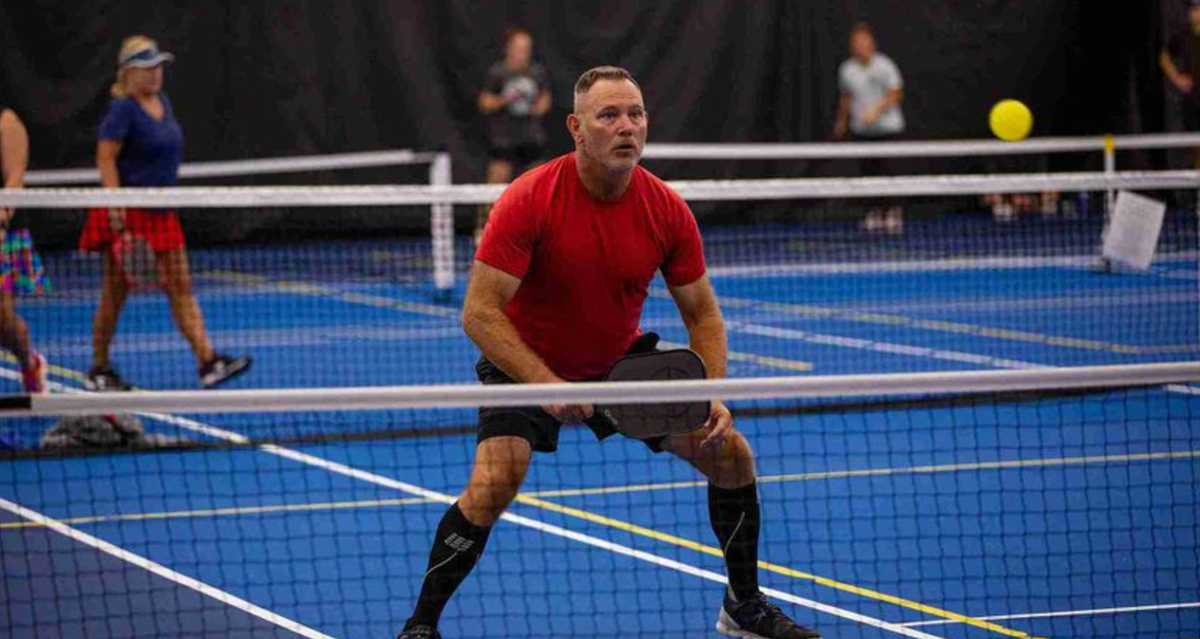
You break an opponent's rhythm by doing the opposite of whatever is working for them.
This is a seriously underrated tip, and it can change the momentum of a match without hitting a single winner.
Every opponent is different, but here are the rhythm breakers Griffith uses:
- Against a banger: Hit drops, soft shots, and slice to take away the pace they love. Our guide on how to beat bangers goes deeper here.
- Against a soft, resetting player: Rip more balls at them to speed up their decisions.
- Against a slow walker between points: Keep the pace of play fast.
- Against a fast, lively player: Slow down, take a towel break, or tie your shoe.
- Against a player loving one dink pattern: Switch the target so they cannot settle into it.
Griffith will even use timeouts to disrupt a team that is getting comfortable. Down 7-2 and stuck in soft dinks?
She speeds up and gets aggressive instead of giving them what they want.
The flip side matters too. If your own rhythm is working, stay in it and pull them out of their comfort zone instead.
That mental side of the game is covered well in what elite 6.0 players think during every dink.
 The Dink Media Team

Why Does Making One More Ball Win Matches?
Making one more ball wins matches because consistency beats perfection in pickleball. Griffith calls this her most important tip, and it is hard to argue with.
You cannot control when an opponent hits a great shot and forces you into an error.
You can control your unforced errors, and your number one priority should be getting them as close to zero as possible.
Many players get caught up trying to hit the perfect shot. Griffith's advice is to prioritize consistency over everything, including perfect targets and perfect spin.
She gives two clear examples:
- Before adding a crazy topspin serve, make 100 flat serves in a row.
- Before going for speed ups at the kitchen, make a lot of solid, boring dinks.
Stay aggressive and take your shots. But in your next match, remember that sometimes the best play is just one more ball in.
With 24.3 million Americans playing in 2025 according to the Sports & Fitness Industry Association, the gap between levels is rarely power.
It is error count, which is why smart shot decisions beat power and why this one mistake kills shot-making consistency.
 The Dink Media Team
How Do You Put All Five Tips Together?
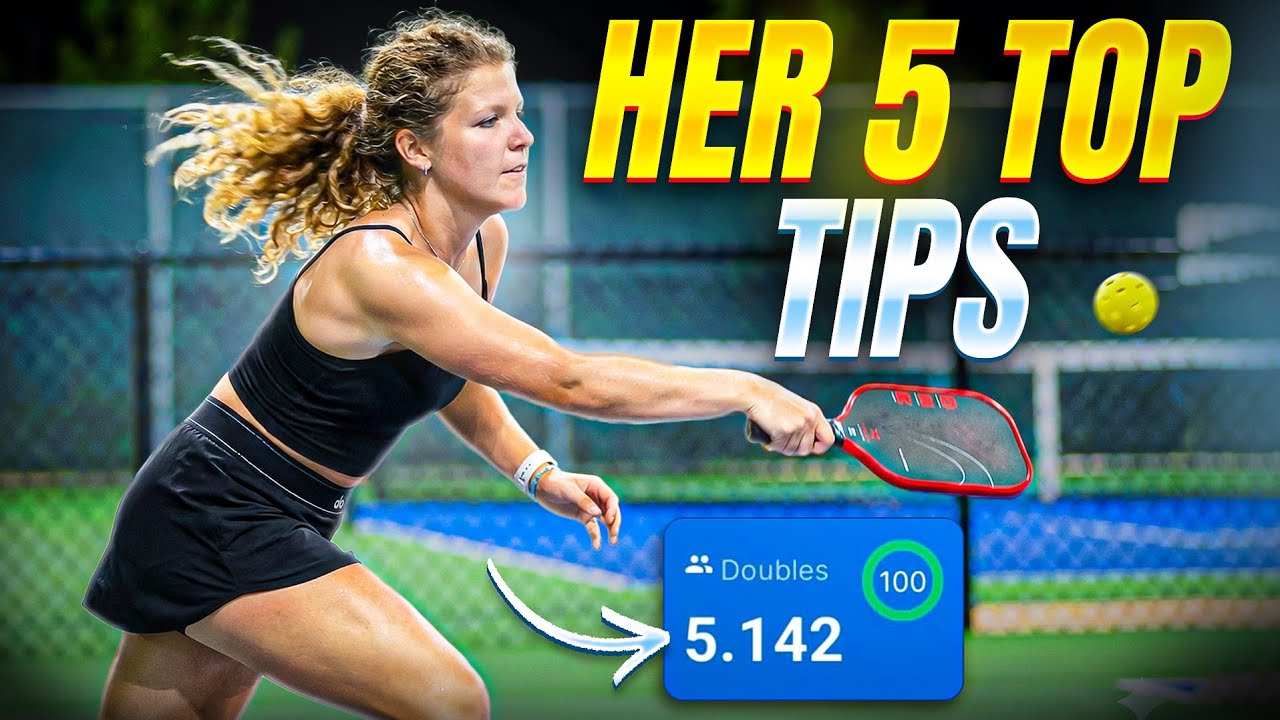
You put these tips together by picking one focus per game and building from there. Trying to do all five at once leads to overthinking, so start small.
Here is a simple plan for your next session:
- Game one: Focus only on moving your opponents with every shot.
- Game two: Add the low contact goal, aiming at feet and keeping balls down.
- Game three: Identify one weak shot in the first five points and attack it.
- Game four: Notice your opponent's rhythm and change it on purpose.
- Every game: Make one more ball before you go for anything fancy.
This kind of intentional practice is what separates players who improve quickly from those who plateau.
It also pairs well with the ideas in 5 pickleball strategy tips that change your game.
For a deeper look at building offense around opponent weakness, see 7 pickleball speed up patterns from a pro lesson.
If you want a structured way to train these habits, try a pro's optimal 2 hour practice plan and build these ideas right into your drills.
Frequently Asked Questions
How can I make my opponents miss more in pickleball?
Keep them moving, give them low contact points, target their weakest shot, break their rhythm, and make one more ball yourself. These five habits create pressure without needing power.
What is the hardest shot to hit in pickleball?
For most players, it is a low ball at the feet while moving or off balance. A low contact point forces the hitter to lift the ball, which is why resets and reaching shots cause so many errors.
How do I find my opponent's weakness in pickleball?
Watch them during the warm up and the first few points. Note which shots they avoid, rush, or miss, then send more balls to that spot or shot type.
Should I always attack the weaker player?
Not necessarily. Instead of targeting the person, target the shot they do not want to hit, and analyze each opponent separately so your plan fits them.
Why is consistency more important than hitting winners?
Unforced errors decide a lot of matches, and you can control them. Making one more ball puts the pressure on your opponents to hit a quality shot every time.


Love Pickleball? Join 100k+ readers for free weekly tips, news & gear deals.
Subscribe to The Dink