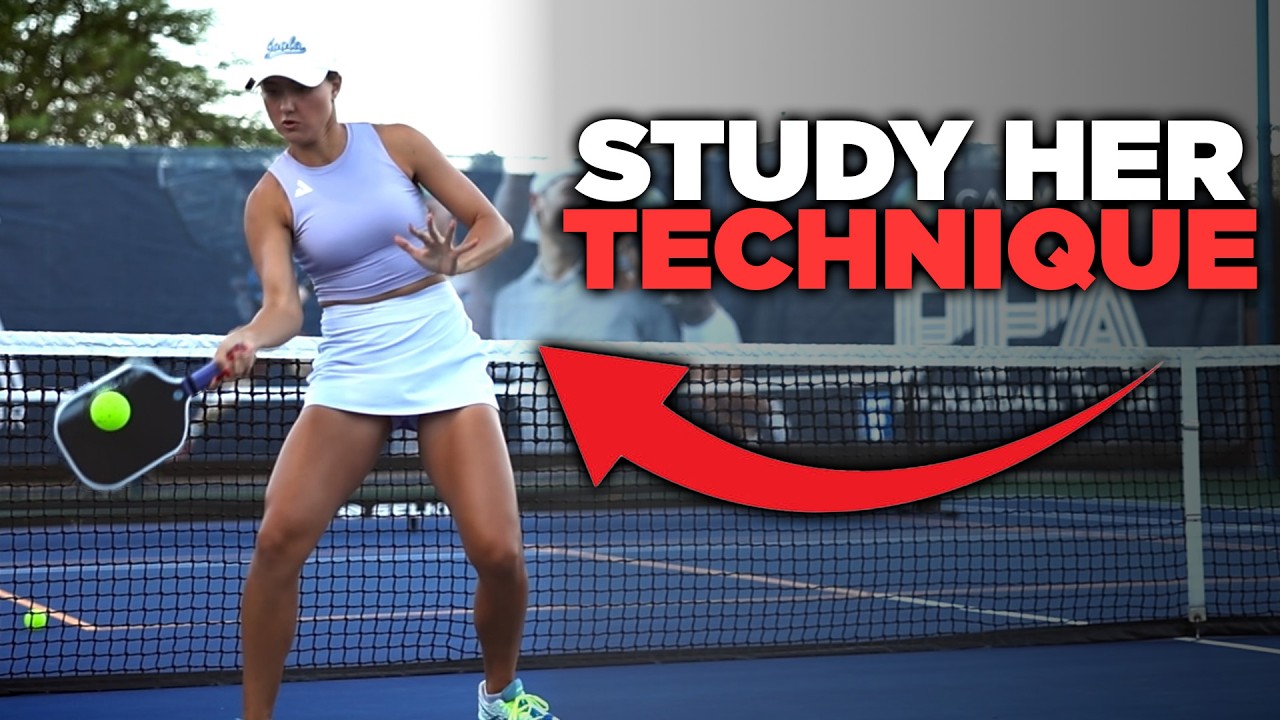
Why Your Third Shot Drop Fails (And What Anna Bright's Form Reveals)
Most players never get to see a pro third shot drop in super slow motion. Anna Bright's form breaks down exactly what separates a quality drop from one that pops up and costs you the point.
The third shot drop is the shot most recreational players think they understand but consistently execute wrong.
You know the concept. Hit a soft arc that lands in the kitchen and forces your opponents to hit up.
Knowing the concept and watching elite form are two very different things.
That's exactly why this slow motion footage of Anna Bright is worth your full attention.
It was captured by Pickleball Studio on YouTube during a tournament, where Anna gave a brief on-court lesson specifically to demonstrate drop technique in a way players could actually study.
Love pickleball? Then you'll love our free newsletter. We send the latest news, tips, and highlights for free each week.
Why Slow Motion Footage Is So Valuable for This Shot
Most players learn the third shot drop by watching rallies at full speed. That's the problem.
At full speed, a well-executed drop looks effortless. You can't see the paddle angle, the contact point, or how little arm movement is actually involved.
Slow motion strips that away and forces you to look at the mechanics. That's where the real learning happens.
High-quality slow motion pickleball footage is rare, and there isn't nearly enough of it for players who want to study pro technique seriously.
That's what makes this Anna Bright clip genuinely useful instead of just entertaining.
What Does a Pro Third Shot Drop Actually Look Like?
The first thing you notice watching Anna Bright's drop in slow motion is how little panic there is in the swing.
There's no lunge. There's no reaching. She sets up with her body behind the ball and lets the paddle do the work.
That composure is something most recreational players don't have on this shot because they're still figuring out footwork while trying to execute the technique.
Here's what stands out most in the slow motion replay:
- Compact backswing: She doesn't wind up. The backswing is short and controlled, which limits variables and keeps the paddle face consistent at contact.
- Low contact point: She meets the ball well below net height in many of these reps, which is exactly where you need to be making contact to create a natural arc into the kitchen.
- Open paddle face at contact: The face is slightly open to generate lift without muscling the ball. This is the part most players get wrong by flattening the paddle and sending the drop long.
- Smooth follow-through: The swing doesn't stop at contact. She follows through toward the target with a controlled finish, which is what gives the shot direction consistency.
- Soft grip pressure: You can infer this from how the arm moves. There's no tension in the forearm, which is what allows touch rather than force to take over.
Each of these details is nearly impossible to pick up watching a match at full speed. Slow motion makes them obvious.
Why Do So Many Players Pop Up Their Third Shot Drop?
The most common mistake is trying to add power to a shot that requires the opposite.
When players feel pressure from the serving position, they tend to swing harder, which tightens the grip, closes the paddle face, and sends the ball either into the net or floating high enough for opponents to attack.
It's a self-defeating cycle.
Most missed third shot drops come from the same root cause: players treat the shot like a half-speed drive instead of a touch shot with an upward arc.
The fix isn't to slow down your swing. It's to change what your swing is doing. You need lift, not speed.
 The Dink Media Team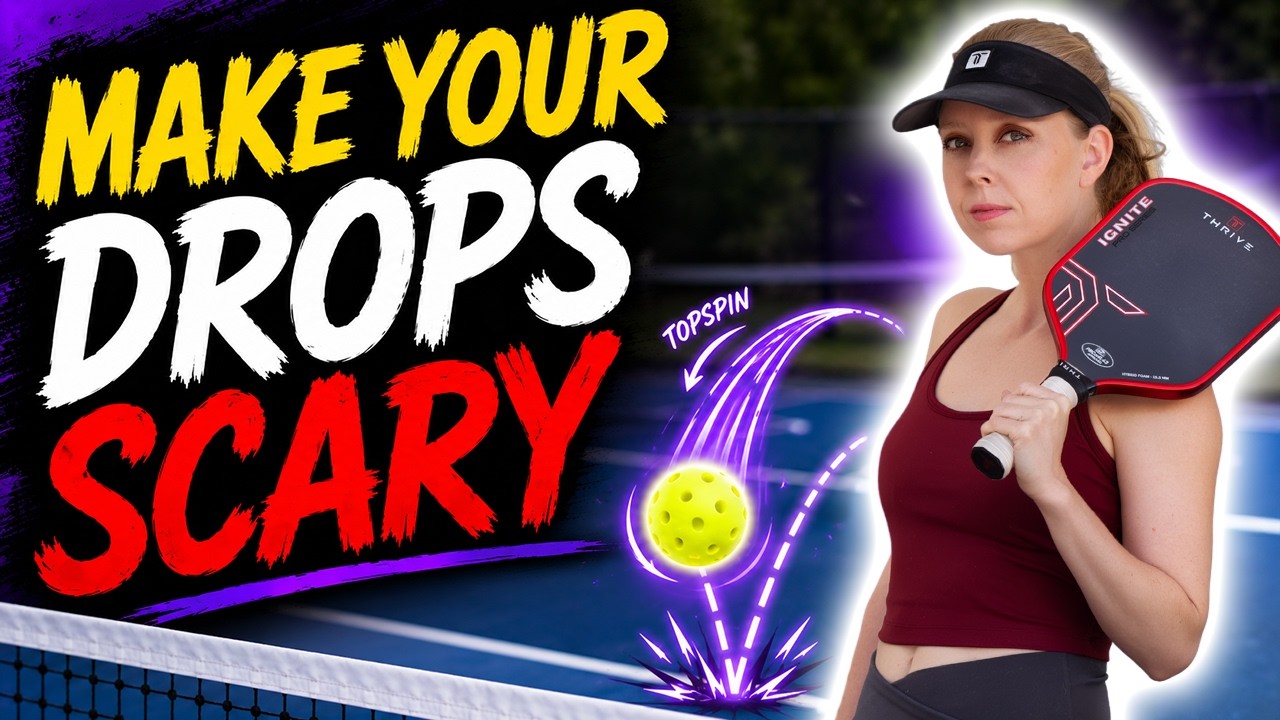
How Do You Train the Feeling Anna Bright Has on This Shot?
Training the third shot drop is mostly about training your hands to trust a soft swing.
That trust comes from repetition in controlled settings, not from drilling it during live play where the pressure changes everything.
You need standalone drop practice where the only variable you're managing is the swing itself.
Here's a simple progression to build that feel:
- Start from close range. Stand at the kitchen line and drop the ball into the opposite kitchen from just across the net. This builds the soft-hands feeling with no stakes.
- Move to mid-court. Step back to the transition zone and practice the same arc from that distance. Notice how much more lift you need to clear the net and still land short.
- Move to the baseline. Now you're executing the actual third shot drop from a real distance. Keep the swing as compact and relaxed as what you practiced at close range.
- Add movement. Have a partner feed balls that require you to move laterally before hitting. This is where most players fall apart because the footwork disrupts the swing.
- Add pressure. Play practice points where you're required to drop every third shot. Make it a rule, not a preference.
Accuracy drills built specifically for the drop compress this learning curve fast, and this kind of simple progression beats hitting and hoping.
 The Dink Media Team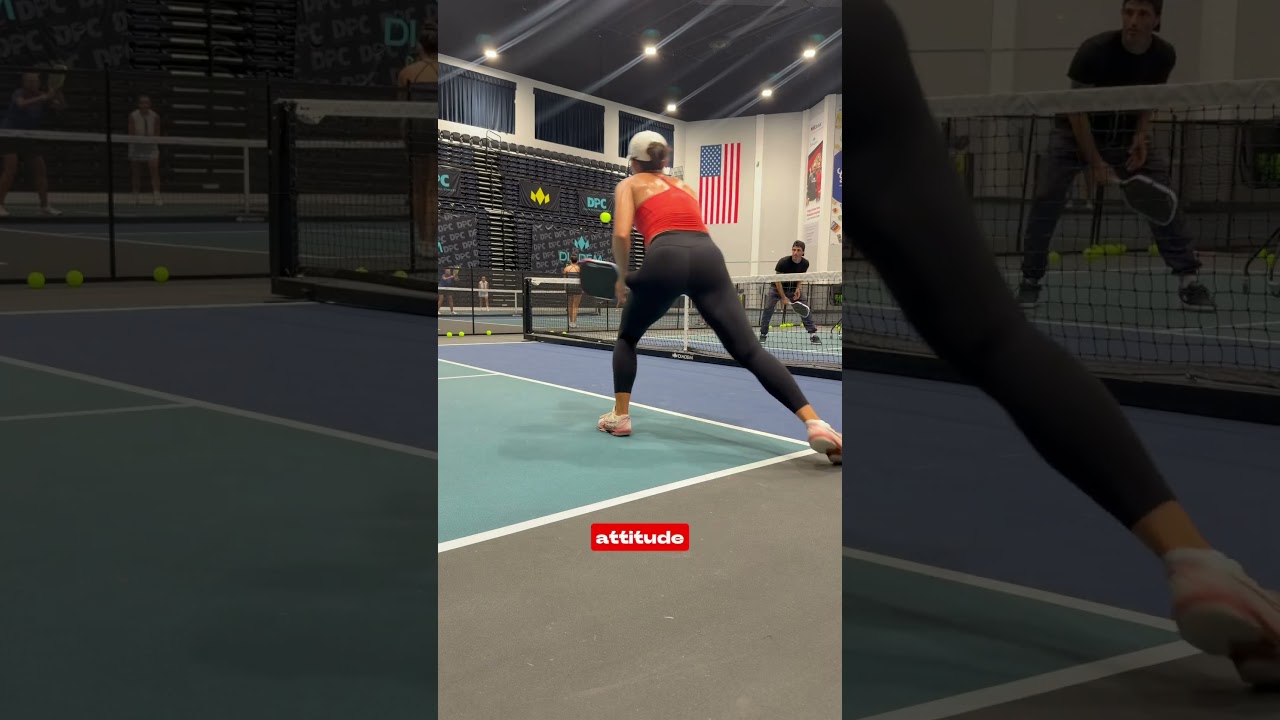
Is There a Right Time to Drive Instead of Drop?
Yes, and most players don't think about this enough.
The drop is your default because it gives you time to advance to the kitchen. But if the return is short and sitting up, driving can be the smarter play.
Combining a third shot drive with a fifth shot drop is a legitimate strategy that pros use to create pressure while still working toward the kitchen.
The key is reading the return before you decide. If the ball is deep and low, drop it. If it's floating and short, you have options.
What you don't want to do is make that decision after you've already started your swing.
Different third shot situations call for different responses, and learning to read them early is what separates a reactive player from a thinking one.
 The Dink Media Team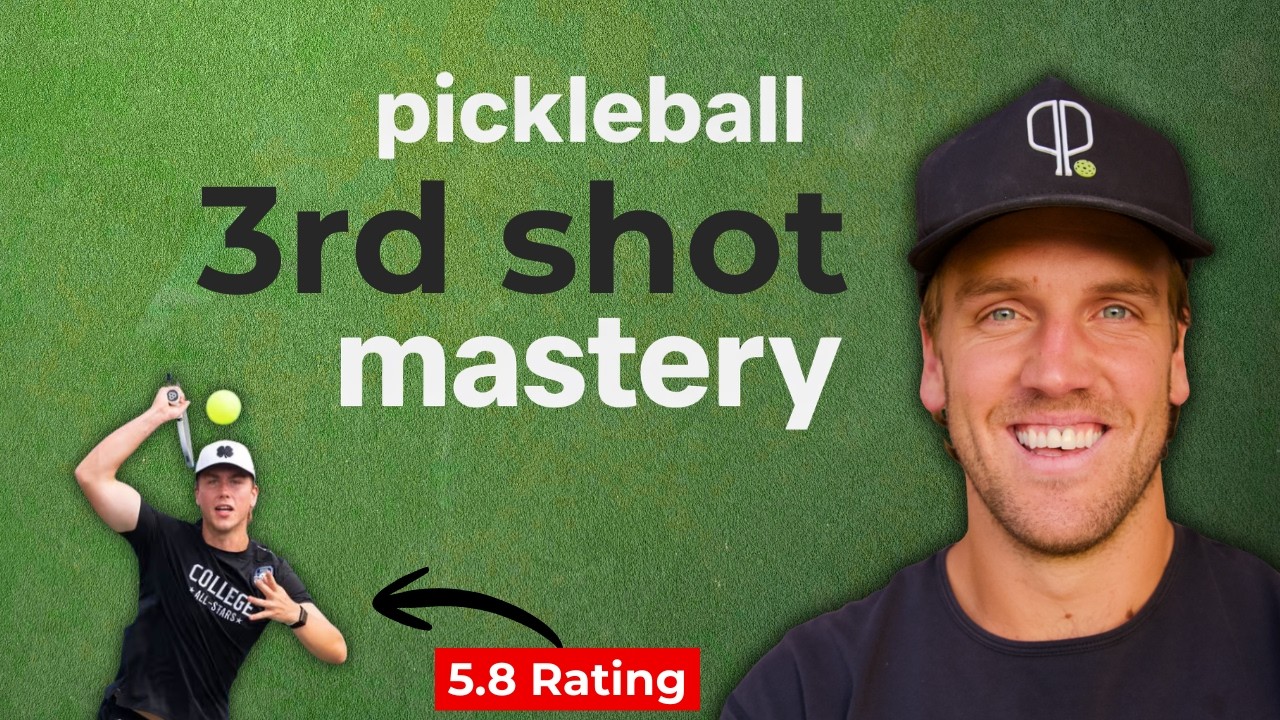
What Can You Learn From Watching Pros in Slow Motion?
Slow motion footage teaches you what good form actually feels like to produce, not just what it looks like from the stands.
When you watch Anna Bright go through these drops repeatedly, you start to absorb the tempo.
The pace of the backswing relative to the forward swing. The way the body stays stable while the arm works.
The absence of any tension that would kill the touch.
That kind of visual learning is underrated.
Filming your own game and then comparing it to footage like this is one of the fastest ways to identify what you're actually doing versus what you think you're doing.
Most players are shocked by how different those two things are.
Chopping at the ball is one of the most common habits that slow motion self-review catches immediately.
You can feel like you're executing a smooth swing and be chopping the whole time.
 The Dink Media Team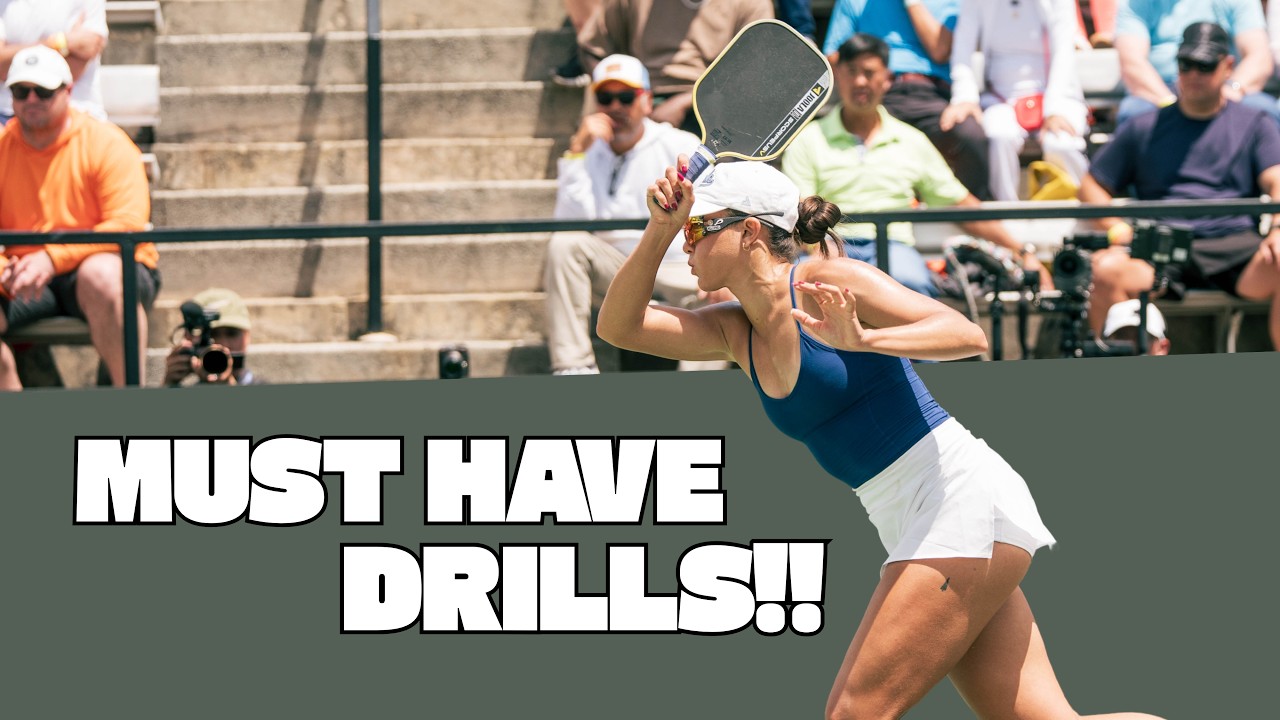
What This Footage Should Change About How You Practice
Most players practice the third shot drop without any reference point for what they're trying to achieve. They just hit and hope.
Having a clear visual of elite technique changes that. Now you have something to measure against.
Small mechanical tweaks in your drop become much easier to identify and apply when you know what the end result is supposed to look like.
Watch the footage multiple times before your next practice session. Watch it without analyzing. Just let the rhythm and the form sink in.
Then go hit drops. You'll notice you're already making adjustments you didn't consciously plan.
Losing points immediately after the serve is often a third shot drop problem in disguise. Fix the drop and you fix a huge portion of your unforced errors at once.
There's also something to be said about studying players who match your body type or playing style.
Anna Bright is an athletic, aggressive player who doesn't rely purely on soft hands.
She generates her touch through mechanics, which makes her form more replicable for players who aren't naturally "soft-handed."
Her decision-making on court is built on a foundation of reliable fundamentals, and the third shot drop is central to that.
The more high-quality slow motion footage that becomes available, the better recreational players will get at understanding what the game actually requires.
This clip is a small step in that direction, and it's worth revisiting every few weeks as your own drop evolves.
Placement rules for the third shot drop matter too, not just mechanics.
But mechanics come first. Get the form right, then start thinking about where you're targeting.
Frequently Asked Questions
What makes Anna Bright's third shot drop technique worth studying?
Anna Bright uses a compact, tension-free swing with a slightly open paddle face that produces consistent arc and depth without relying on power. Her form is replicable because it's built on mechanics rather than touch alone. Watching it in slow motion lets you see the specific details that full-speed footage hides.
Why do I keep popping up my third shot drop?
The most common cause is grip tension and a closed paddle face, which flattens the ball's trajectory and sends it too high. Players often grip tighter when they feel pressure, which kills the touch needed for a soft drop. Loosening the grip and opening the paddle face slightly at contact usually fixes this immediately.
How long does it take to build a reliable third shot drop?
Most players can see real improvement within two to four weeks of dedicated, structured practice. The key is isolating the shot rather than only practicing it during live play. Drilling it in a progression from close range to baseline builds the muscle memory faster than match repetitions alone.
Should I always drop on the third shot?
No. The drop is the best default, but a short floating return is an opportunity to drive instead. Learning to read the return early and decide before your swing starts is what gives you real options.
Players who drop out of habit rather than strategy leave offense on the table.
What's the best way to use slow motion footage to improve my pickleball?
Watch pro slow motion footage before practice to build a mental picture of correct form, then film your own reps and compare them directly. The gap between what you think your swing looks like and what it actually does is almost always larger than expected. Closing that gap is where the fastest improvement happens.

Love Pickleball? Join 100k+ readers for free weekly tips, news & gear deals.
Subscribe to The Dink