From no-speedup dinking to anything-goes rallies, these three-person pickleball drill strategies will transform your practice sessions.
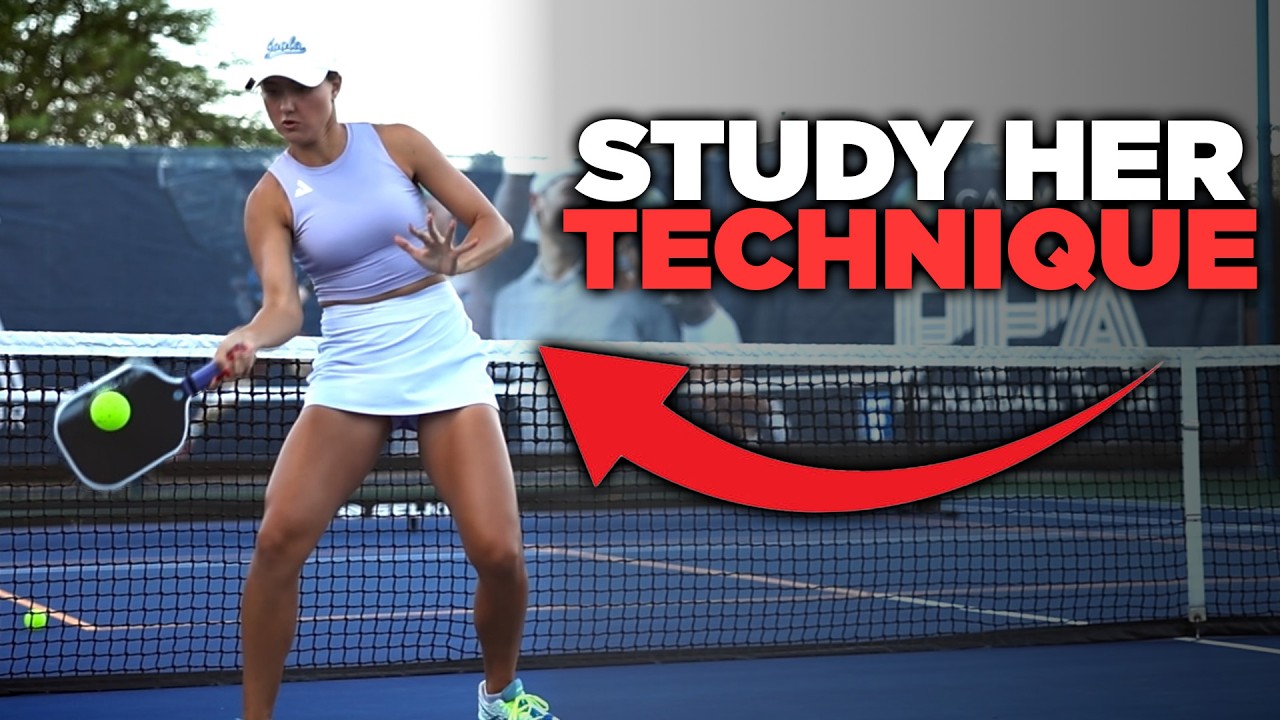
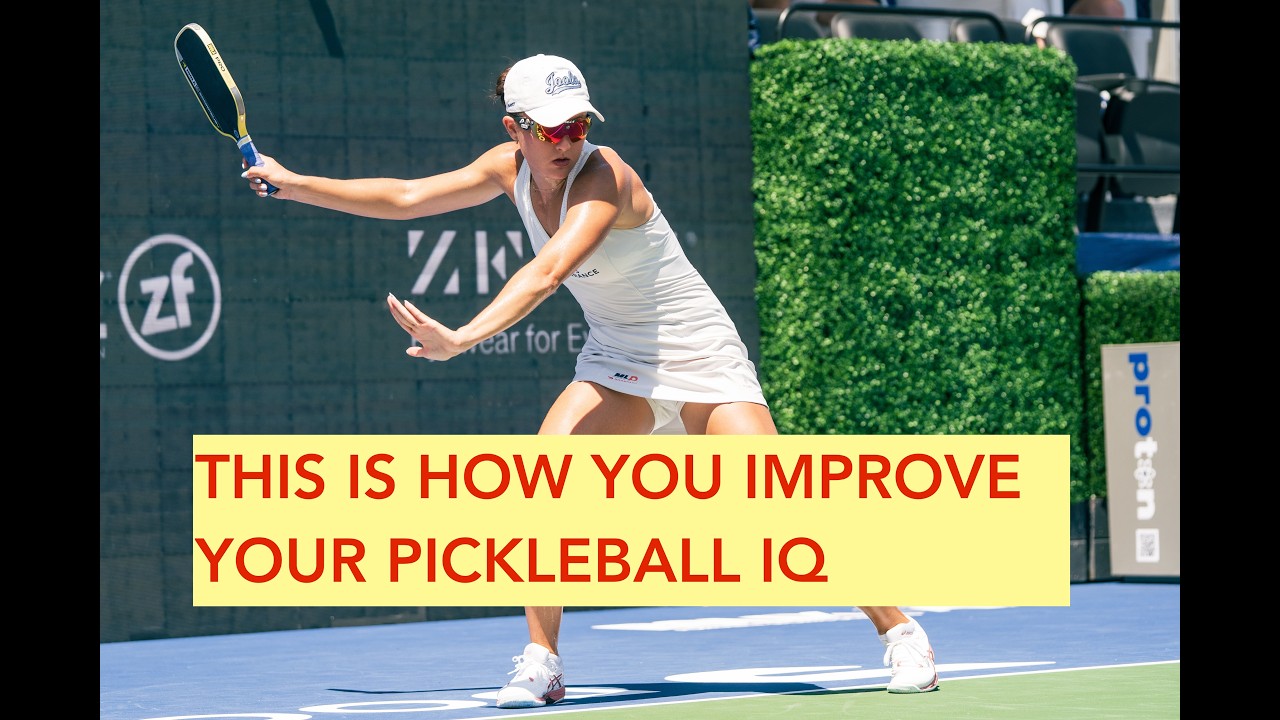
When your fourth player bails on pickleball night, most amateurs panic. But Anna Bright, the world's number two professional pickleball player, sees it as an opportunity.
In a recent video on her channel, Bright breaks down why the three-person pickleball drill is actually her favorite way to practice, and she's got the variations to prove it.
The conventional wisdom says you need four players for a proper pickleball session. Bright flips that script entirely.
She argues that three-person pickleball drilling isn't a consolation prize when someone cancels—it's a superior training method for adding new skills and simulating real match conditions in ways that traditional two-person drills simply can't match.
Love pickleball? Then you'll love our free newsletter. We send the latest news, tips, and highlights for free each week. Subscribe to our free newsletter
Why Three-Person Pickleball Drilling Beats Two-Player Practice
Here's the thing: when you're drilling with just one other person, you're mostly focused on maintenance. You're hitting the same shots, reinforcing patterns, keeping your fundamentals sharp.
But adding a third player changes everything.
"Drilling with one other person is more for maintenance," Bright explains in the video.
"Generally, I think it can be a little bit difficult to really add new skills and kind of simulate real gameplay with a drill without drilling with three people."
The difference is profound. With three players on the court, you're forced to think about court positioning, ball movement, and pressure creation in ways that two-person drills don't demand. You can't just hit the same crosscourt dink over and over.
You have to move the ball around, keep your opponents uncomfortable, and make strategic decisions about where to place each shot.
1. The No-Speedup Variation: Building Consistency and Ball Control
Bright's first three-person pickleball drill variation focuses on pure consistency and offensive anticipation.
The rule is simple: no speedups allowed. Only dinking.
When you're the player alone in this drill, your job is to move the ball around constantly. Don't hit the same spot three times in a row.
Bright calls this "puppet master" thinking—you're orchestrating the rally, creating pressure, and forcing your opponents into uncomfortable positions.
"I don't want to see any chronic crosscourt dinkers," Bright says. "So many of you guys just ignore the person in front of you entirely."
The mechanics matter here. Keep your outside leg engaged, maintain good spacing, and take balls out of the air when you can. The goal is to play long points. As you and your drilling partners improve, those points should only get longer.
Bright typically plays this variation to seven or eleven points, rotating so everyone gets a turn being the solo player. The beauty of this approach is that it's measurable. You can time your rallies and track improvement over weeks and months.
2. The Solo Speedup Variation: Making Smart Decisions Under Pressure
The second three-person pickleball drill variation flips the script.
- Now, only the solo player can speed the ball up.
- The other two players can only dink.
This is where decision-making becomes critical. You're getting to touch every single ball, which means you have unlimited opportunities to implement shots you're working on. But you also have to make good choices about when and where to attack.
"When you're that person, I really want us focusing on making good decisions," Bright explains. "If there's anything you're kind of working on, it's a great chance to implement it in a way that's pretty realistic to actual gameplay."
The solo player has all the power but also all the responsibility. Your opponents are still working on their dinking and countering, but they can't initiate attacks. This creates a unique dynamic where you're essentially playing a match against two defensive players.
Bright plays this variation to eleven points, with everyone rotating through the solo position. It's an excellent way to practice holds, freezing opponents, and executing attacks from neutral positions.
3. The Anything-Goes Variation: Full Match Simulation
The final three-person pickleball drill variation removes all constraints. Anyone can speed the ball up at any time, from any position.
You can play this two ways:
- Truly anything goes (speedups from the air or off the bounce)
- Aerial speedups only
Bright recommends playing to five points to keep things moving.
This variation is closest to actual match play. You have to be ready to counter attacks, defend aggressively, and capitalize on opportunities. The three-person format still gives you more touches and more decision-making opportunities than a standard four-player game.
"Now I have to be ready to counter, too," Bright says during the demonstration. The intensity ramps up noticeably, and the rallies become more dynamic and unpredictable.
How to Structure Your Three-Person Pickleball Drill Sessions
The beauty of three-person pickleball drilling is flexibility. You can mix and match variations within a single session. Start with the no-speedup drill to warm up and build consistency. Move into the solo-speedup variation to work on specific shots. Finish with the anything-goes variation to simulate match conditions.
Bright emphasizes that you don't need to cancel your session just because someone doesn't show up. "You can have so much fun with three-person drilling," she says. "It's a great way to kind of add things in and simulate real point play and get a ton of touches."
The key is intentionality. Know what you're working on before you step on the court.
- Are you trying to improve your dinking consistency? Start with the no-speedup variation.
- Want to practice your third-shot attack? Use the solo-speedup drill.
- Need to prepare for match conditions? Go straight to anything-goes.
The Bigger Picture: Why Pros Love Three-Person Drills
Professional players like Bright understand something that many amateurs miss: drilling isn't just about hitting balls. It's about creating specific scenarios that force you to make decisions and execute under pressure.
The three-person pickleball drill format does this better than most alternatives. You get more touches than you would in a four-player game. You face more varied situations than you would in a two-person drill. And you're constantly thinking about court positioning and ball placement in ways that build real match skills.
This is why Bright has made three-person pickleball drilling her personal favorite. It's not a backup plan when your fourth player cancels. It's a deliberate training method that accelerates skill development and prepares you for competitive play.
Getting Started with Your Own Three-Person Drills
If you want to implement three-person pickleball drilling at your local courts, start simple. Grab two friends and pick one variation. Play a few points to get comfortable with the format. Then rotate through the different variations to see which ones resonate with your game.
Pay attention to what you're learning in each variation. The no-speedup drill teaches you consistency and court awareness. The solo-speedup drill teaches you decision-making and shot selection. The anything-goes drill teaches you adaptability and match readiness.
Over time, you'll notice improvements in your actual match play. Your dinking will be more consistent. Your attacks will be better timed. Your court positioning will be sharper. These aren't coincidences. They're the direct result of deliberate practice in scenarios that matter.
Heads up: hundreds of thousands of pickleballers read our free newsletter. Subscribe here for cutting edge strategy, insider news, pro analysis, the latest product innovations and more.
Frequently Asked Questions
What's the main advantage of three-person pickleball drilling over two-person drills?
Three-person pickleball drilling forces you to think about court positioning, ball movement, and pressure creation in ways that two-person drills don't demand. You can't just hit the same shots repeatedly; you have to move the ball around and make strategic decisions. This makes it superior for adding new skills and simulating real match conditions.
Can I play three-person pickleball drills competitively, or are they just for practice?
Three-person pickleball drilling is primarily a practice tool designed to improve specific skills and decision-making. While you can keep score and make it fun, the real value comes from the deliberate practice and skill development, not from competitive outcomes.
How long should a three-person pickleball drill session last?
Most players play individual variations to seven, eleven, or five points depending on the drill. A full session mixing all three variations typically takes 30 to 45 minutes, though you can adjust based on your schedule and fitness level.
Do I need advanced skills to benefit from three-person pickleball drilling?
No. While Anna Bright is a professional, the three-person pickleball drill format works for players of all levels. Beginners benefit from the consistency focus of the no-speedup variation, while intermediate and advanced players can challenge themselves with the speedup and anything-goes variations.
What if I don't have access to a third player regularly?
If finding a third player is difficult, focus on two-person drills when you only have two people available. But whenever you can gather three players, prioritize three-person pickleball drilling because of its superior training benefits for skill development and match preparation.
Love Pickleball? Join 100k+ readers for free weekly tips, news & gear deals.
Subscribe to The Dink