5 Pickleball Tips That Would Have Saved Me Hundreds of Points
Most pickleball players bleed points on mistakes that are completely fixable. These five pickleball tips cover the fundamentals that separate steady players from ones who keep losing the same rallies.
Most of the points you lose in pickleball are not flukes. They come from a short list of fixable habits you probably don't even know you have.
These are not beginner-only problems.
Intermediate players at the 3.5 and 4.0 level repeat these mistakes constantly, and fixing even two or three of them will noticeably change your results.
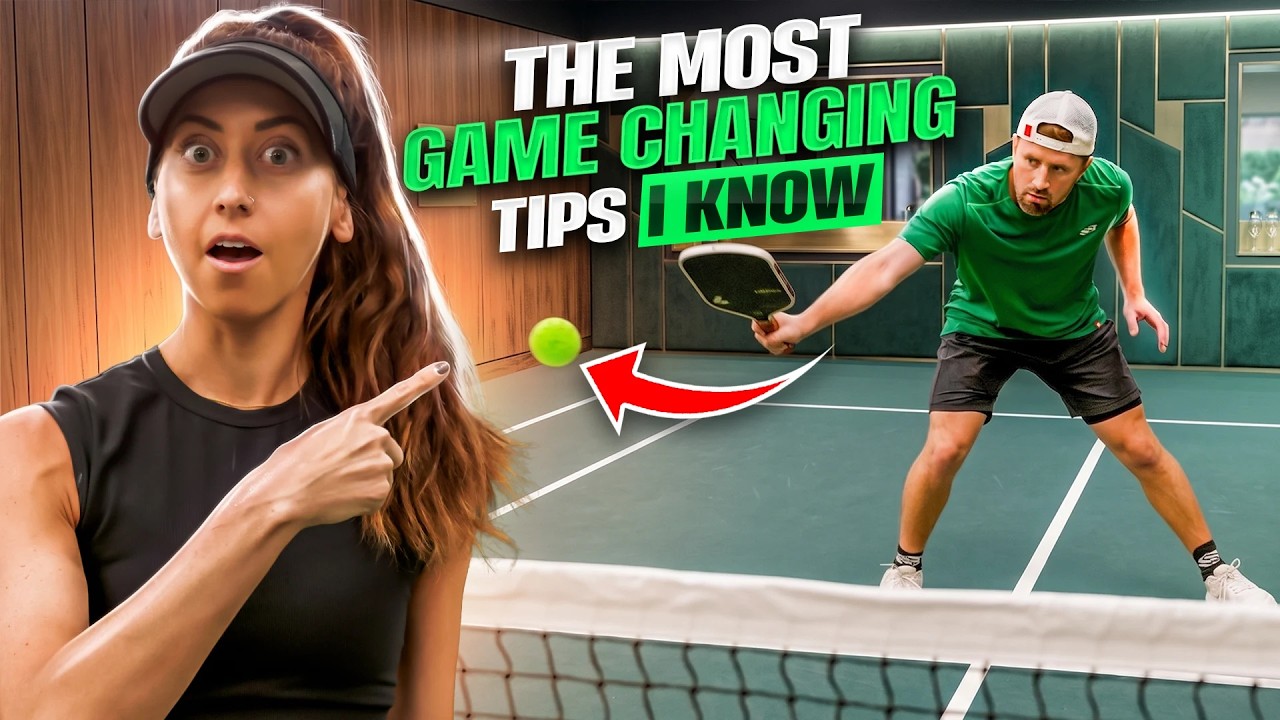
The five pickleball tips below come from PlayPickleball.com on YouTube, breaking down the fundamentals that most players either never learned or quietly stopped doing.
Here is exactly what they cover.
Love pickleball? Then you'll love our free newsletter. We send the latest news, tips, and highlights for free each week.
Tip 1: The Split Step Is the Foundation of Everything
If you skip the split step, you are playing the entire point on your heels. That single habit costs more points than most players realize.
The most common mistake is running through your shots while transitioning from the baseline to the kitchen line.
When you run through contact, you lose control and you lose the ability to be offensive on a high ball.
The fix is simple: split step the moment your opponent contacts the ball, wherever you are on the court.
That small hop into an athletic stance gives you just enough time to read the angle coming at you and react decisively.
Timing matters more than most players know. Split step too late and you cannot adjust to a sharp angle.
Split step on contact and you are already loaded to move in any direction.
This also applies on the return of serve.
Hit your return, run toward the kitchen, and if you see your opponent winding up for a drive, split step immediately even if you are not at the line yet.
Getting caught mid-stride when a drive comes at you is one of the most preventable errors in the game.
For a deeper look at the mechanics here, this breakdown of the split step in pickleball and how to fix your timing is worth your time.
 The Dink Media Team
Tip 2: Stop Hugging the Kitchen Line When You Dink
Great dinkers do not just shuffle side to side glued to the non-volley zone line.
They create space and time by pivoting back off the line to let the ball fall into a better contact point.
When you hug the line and take everything off the short hop, your options shrink. You are scrambling instead of deciding.
When you step back and catch the ball at or near the apex, you get to choose: hold the paddle longer to create deception, redirect to a new angle, or speed up when the opportunity appears.
That is real control at the kitchen.
If you want the exact line rules that govern this space, the 7 new USAP pickleball rules for 2026 covers what changed, and USA Pickleball's official rulebook is the source of record.
The Footwork Detail Behind This Pickleball Tip
One thing that gets overlooked: your feet should not be square to the net when taking a ball off the bounce.
Rotation and a slight pivot give you far more range and power than a flat stance ever will.
Save the square stance for volleys you are reaching to intercept out of the air.
If your dinking breaks down under pressure, why your pickleball dink fails in games has the specific fixes.
 The Dink Media Team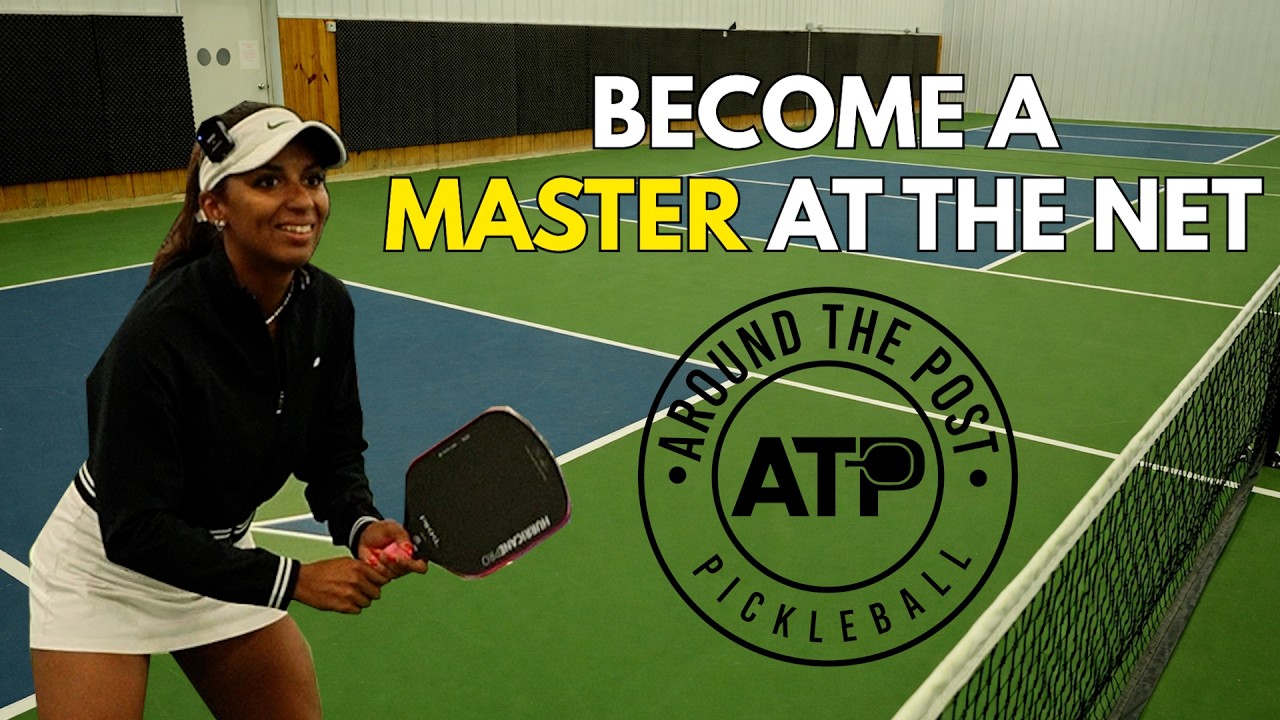
How Do You Handle Bangers at the Kitchen Line?
When a banger fires at you from across the kitchen, the instinct is to lunge or swing big. Both will get you in trouble.
Quiet feet and a still head are the actual keys to countering pace at the kitchen.
Moving your body or bobbing your head while contact happens destroys your consistency. Good contact beats a big swing every single time.
Here is what your body should be doing:
- Keep your swing compact. You are only a few feet from your opponent. A big backswing pulls you out of position and gives them more time to reset.
- Hinge slightly at the hips. This is the one most players miss. When you get jammed, your chest rises and the ball pops up. A small hip hinge keeps you meeting the ball in front of your body instead of getting buried by it.
- Stay forward, not leaning back. Leaning back when pace comes at you is an automatic pop-up. Lean into contact.
For more on this, Mari Humberg's four-step guide to handling drives and beating bangers is one of the clearest explanations available.
 The Dink Media Team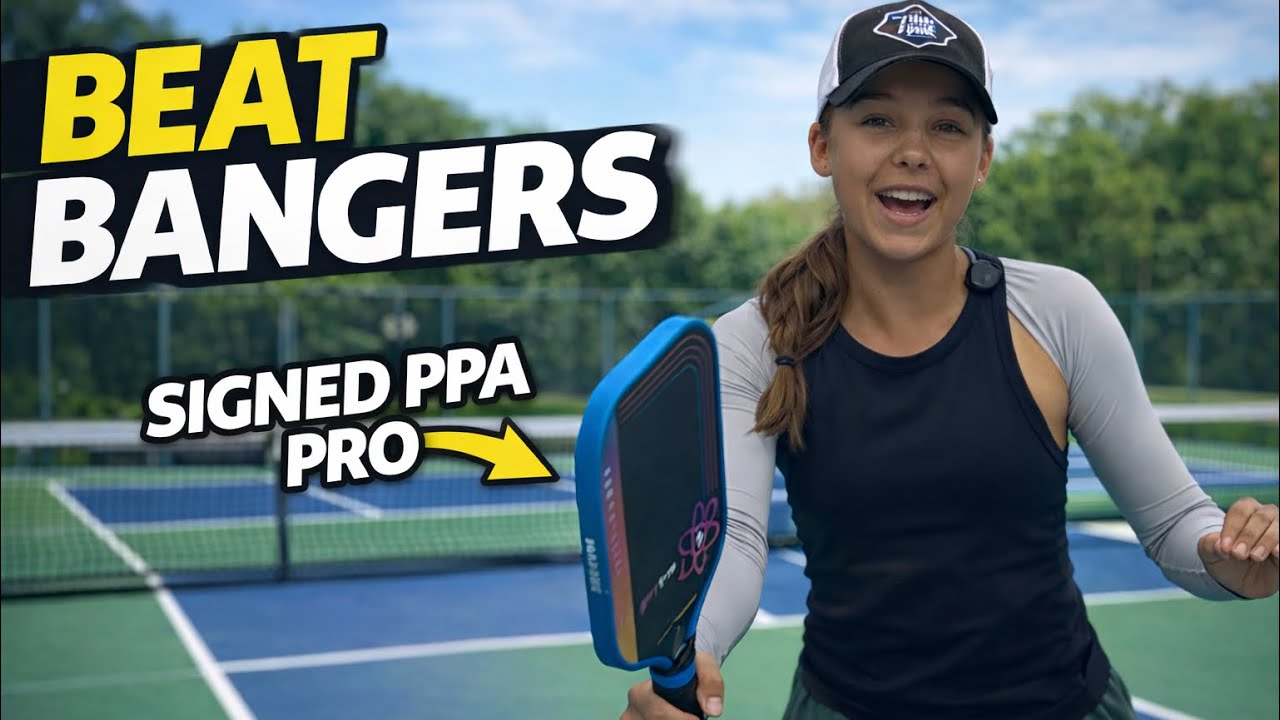
What About Bangers Hitting Drives From the Baseline?
This is a different scenario and it requires a different mindset.
When your opponent is at the baseline and hammering drives at you, the goal is active feet before contact, complete stillness at contact.
Do not wait to react. Read where they are setting up and move your feet early so you are already in position when the ball arrives.
Moving while they are hitting means you will be late and jammed.
The same hip hinge rule applies here. Stay forward, create space with your body, and be set the moment the ball reaches you.
Reactive scrambling against a banger is a losing formula.
You can also get ahead of drives by studying these court positioning tells that help you anticipate the third shot before it happens.
 The Dink Media Team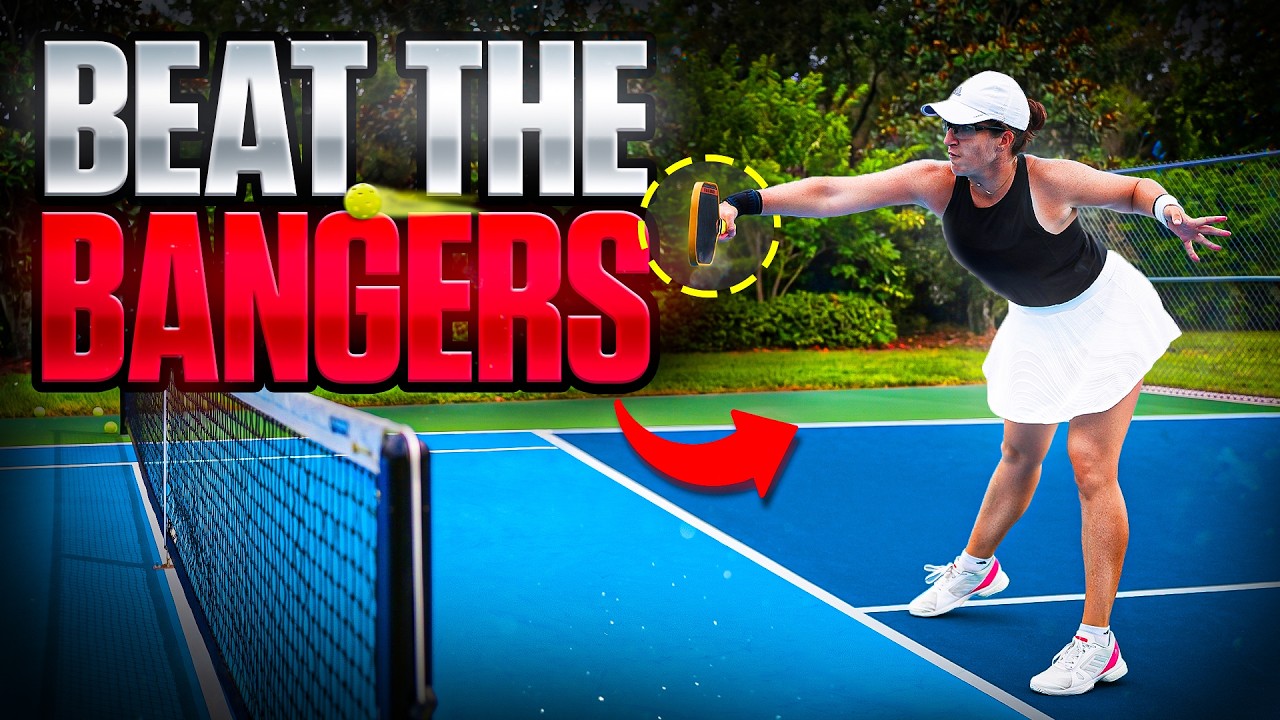
Tip 4: Your Return of Serve Is Costing You More Than You Know
The return of serve does not get nearly enough credit for how much it shapes the entire rally. A weak, short return gives your opponent an easy third shot.
A deep, penetrating return makes their job miserable.
The biggest shift you can make is using forward momentum on your return.
You are already running to the kitchen after you hit it, so let that movement work for you instead of stopping to plant like you are hitting a drive.
Here is how the return differs from a drive:
- On a drive, you separate, drop, and swing low to high with wrist lag to generate topspin.
- On a return, you want a more neutral wrist and a flatter swing path. The goal is depth, not dip. If the ball dips too early, your opponent gets a comfortable third shot.
Get your legs involved, swing through with momentum moving toward the kitchen, and keep that wrist neutral.
That combination pushes the ball deep and forces a harder third shot from your opponent.
A weak return is essentially giving your opponent free time.
This breakdown on stopping a weak return in pickleball covers exactly what that costs you and how to stop it.
If you want to add more strategy to your return, these three return secrets most players never learn are worth adding to your game.
 The Dink Media Team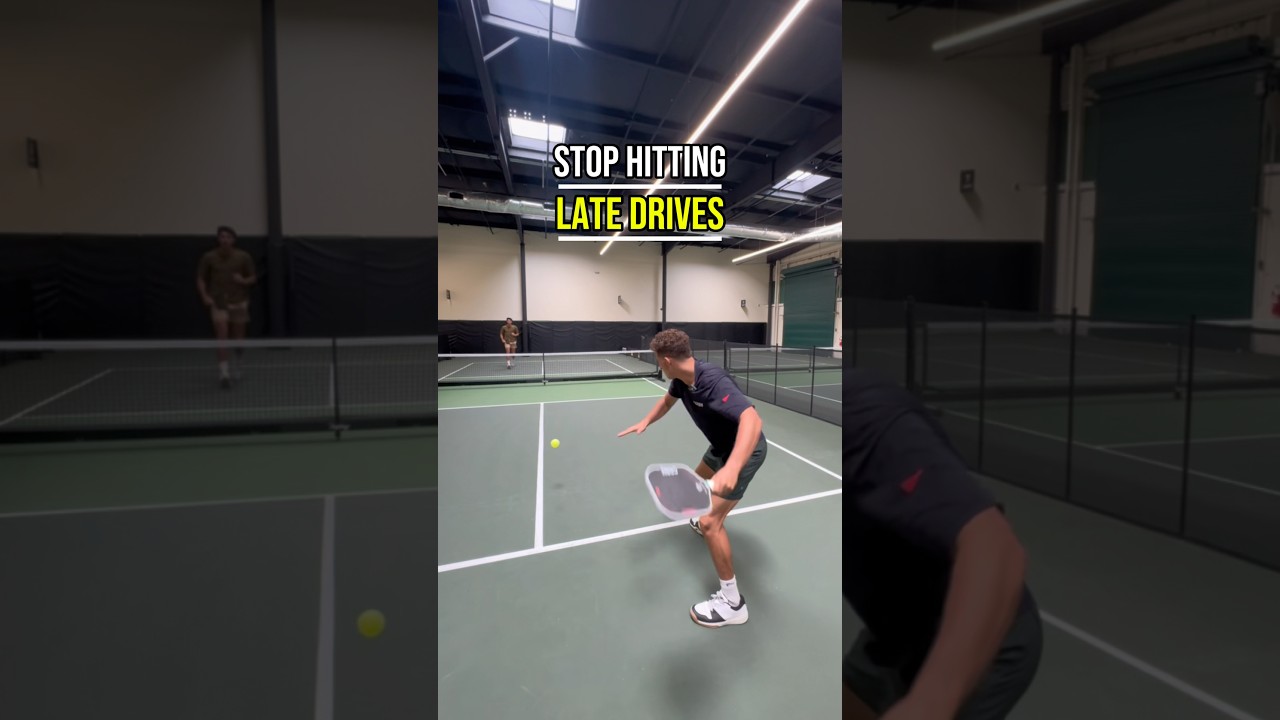
Why Does Hitting Middle Change Everything?
The middle of the court is one of the most powerful weapons in pickleball, and most players use it far too rarely.
Angles create angles. Middle takes angles away.
When an opponent keeps hammering sharp cross-court angles at you, the answer is to hammer the middle.
When you push them into the center, the sharp angle they want suddenly becomes an out ball.
You have neutralized their best shot without doing anything flashy.
The same concept applies to speed-ups, where going middle collapses their options and makes the counter easy to anticipate.
It is a core piece of the four key strategies to winning in 2026.
The Physics Behind This Pickleball Tip
This rule carries from the kitchen all the way back to the baseline.
If you are dropping from an angle, you are handing your opponent angle options on a silver platter.
Drop middle instead, and you can crash forward knowing where their best response will go.
There is also a pure physics advantage: the lowest part of the net is the middle, which gives you more margin on drops, dinks, and drives through the center.
If your shot selection is still inconsistent, this shot selection scale gives you a clear framework, and this breakdown of third shot drop placement shows the only landing zone that consistently works.
 The Dink Media Team
Putting It All Together
These five tips are not complicated, but they are interconnected.
A good split step sets up everything that follows, and smarter pickleball footwork at the kitchen gives you dinking options you never had.
Quiet body mechanics against pace stop you from generating pop-ups.
A forward-momentum return puts your opponent in trouble immediately, and hitting middle removes their easiest counters.
Pick one pickleball tip to focus on in your next session.
You do not need to overhaul everything at once, and a simple 4-step system to win more pickleball games in 2026 will keep you from trying to fix five things at once.
Fix the split step first, and you will be surprised how many other things fall into place.
If you want a structured way to build these reps, start with the 12 drills you need to play your best pickleball in 2026.
From there, the 5 pickleball shots you must master before 2026 and these 6 essential pickleball shots to master for 2026 map out how to get better at pickleball without guessing.
For players who want to keep building, these 15 bad pickleball habits you don't know you have are a brutally honest next step.
Frequently Asked Questions
What is a split step in pickleball and when should you do it?
A split step is a small hop into an athletic stance that you time to happen exactly when your opponent contacts the ball. It loads your legs so you can push off in any direction quickly. Without it, you are reacting late to every shot.
Why do I keep popping the ball up when a banger hits at me?
The most common cause is your chest rising when you get jammed by pace, which sends the ball upward off your paddle. A slight hip hinge keeps your body forward and your paddle face angled correctly through contact. Staying still and compact at the moment of contact is more important than your swing speed.
How should my return of serve differ from a regular drive?
Your return should use a flatter swing path with a neutral wrist rather than the low-to-high topspin swing you use on a drive. The goal of the return is depth, not spin, so the ball stays deep and forces a harder third shot. Using your forward momentum toward the kitchen while you swing also adds natural pace without extra effort.
Why is hitting the middle of the court so effective in pickleball?
Hitting middle removes the sharp angles your opponents rely on, because crossing to an extreme angle from the center often pushes the ball out. The middle of the net is also the lowest point, giving you extra margin on drops and dinks. It is one of the simplest ways to make your opponents' best shots harder to execute.
Should I always stay glued to the kitchen line when dinking?
No, and this is one of the most common mistakes at the 3.5 to 4.0 level. Stepping back off the line to let the ball drop to a comfortable contact point gives you more time, more deception, and more shot options. Short hopping everything from the line forces you into reactive mode instead of dictating the rally.

Love Pickleball? Join 100k+ readers for free weekly tips, news & gear deals.
Subscribe to The Dink