
Pickleball Tips for Beginners Who Feel Stuck After Their First Few Games
The best pickleball tips for beginners have nothing to do with hitting harder. They focus on cutting unforced errors, getting to the kitchen line, and slowing the ball down so your rallies last longer than three shots.
Most pickleball tips for beginners stop being useful about ten games in, right when you quit losing every point and start losing the close ones.
You know the rules. You can serve. You can keep a rally alive. Then you hit a wall, and the guy in the compression sleeve who barely moves keeps beating you 11-4.
That wall isn't a talent ceiling. It's a habit problem, and habits are fixable, usually with fewer changes than you'd expect: three tips is often enough.
Love pickleball? Then you'll love our free newsletter. We send the latest news, tips, and highlights for free each week.
Why Do Most Pickleball Tips for Beginners Stop Working After Week Three?
Because they teach you what the shots are, not when to hit them. The serve, the return, and the five shots you need to know get you on the court.
Choosing between them under pressure gets you off the plateau.
That gap has a name. Coaches call it the decision gap: the space between having a shot in your bag and knowing when to pull it out.
Players stuck there lose points attacking balls that were never attackable, a habit most amateurs never get around to fixing.
So the pickleball tips for beginners below hang off three ideas: cut your errors, own the kitchen line, practice on purpose.
The Pickleball Tips for Beginners That Fix Your Errors First
Count how you lose points, not how you win them. Play one game and keep a rough tally.
If more than half your lost points came from balls you put in the net or out of bounds, you don't need a better forehand.
You need fewer swings. Unforced errors are the biggest scoreboard leak in rec pickleball, and unlike a new training routine, plugging them costs nothing.
What Counts as an Unforced Error, Exactly?
An unforced error is a ball you miss when nobody made you miss it. Your opponent floats a waist-high dink to the middle and you drive it into the tape.
No pressure applied, point given away.
A forced error is different: a hard, low, angled ball genuinely beat you. Sometimes it isn't a bad shot at all, just bad positioning.
Track the difference for two games, then start here:
- Aim at the middle of the net, not the line. Two feet inside the sideline, two feet above the tape. You lose almost no offense and erase most of your misses.
- Let the low ball go soft. If it's below your waist, you can't hit it down. Lift it. This is the mistake you didn't know you were making.
- Make the routine ball every time. Players who climb fastest always make the routine shots. Nobody climbs on one highlight winner.
Honestly, if you did nothing else here, you'd win two more games a night.
Most pickleball tips for beginners add something to your game; these three take something out.
 The Dink Media Team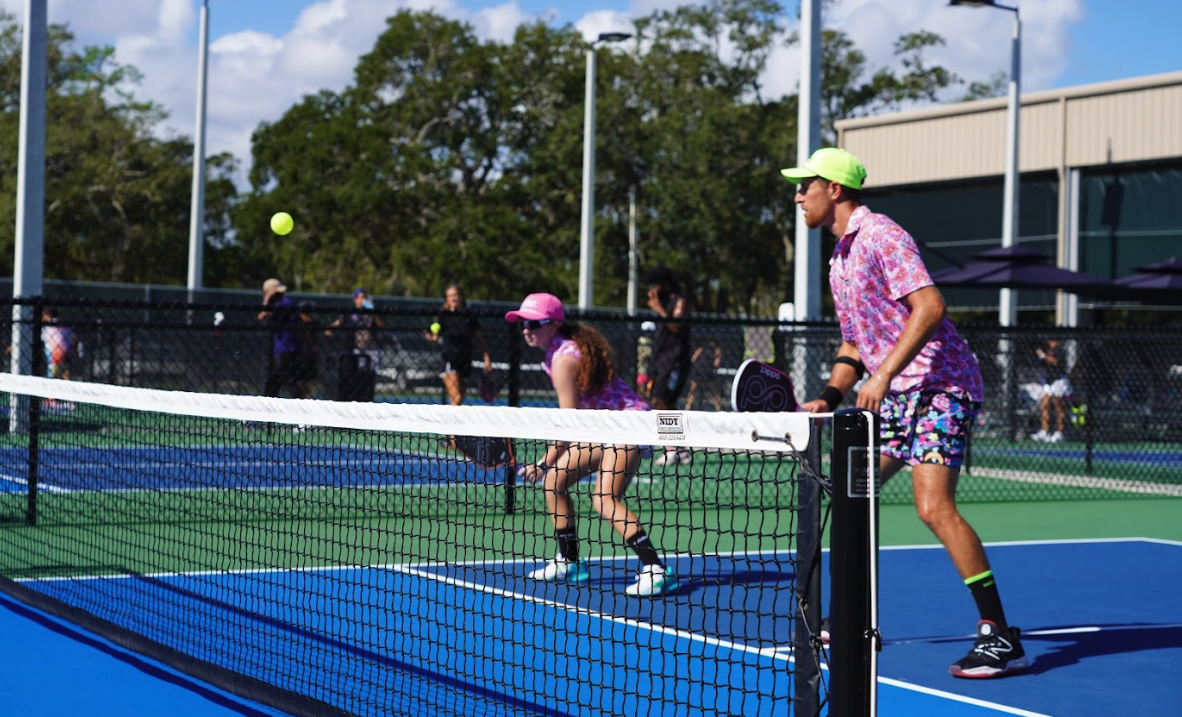
Get to the Kitchen Line and Refuse to Leave
Whoever controls the non-volley zone line controls the point.
Teams at the kitchen reach the ball sooner, hit down instead of up, and steal their opponents' time.
Beginners hang back because it feels safer.
It isn't, which is why nearly all pickleball tips for beginners circle back to the same instruction: move up, and stop treating good shots as a substitute for good position.
Your return of serve is the free ticket up. Hit it deep, then walk in behind it. Placement matters, so learn where to return serve before anything fancier.
Getting stranded in no-man's land is what makes people retreat to the back third and stay there for years.
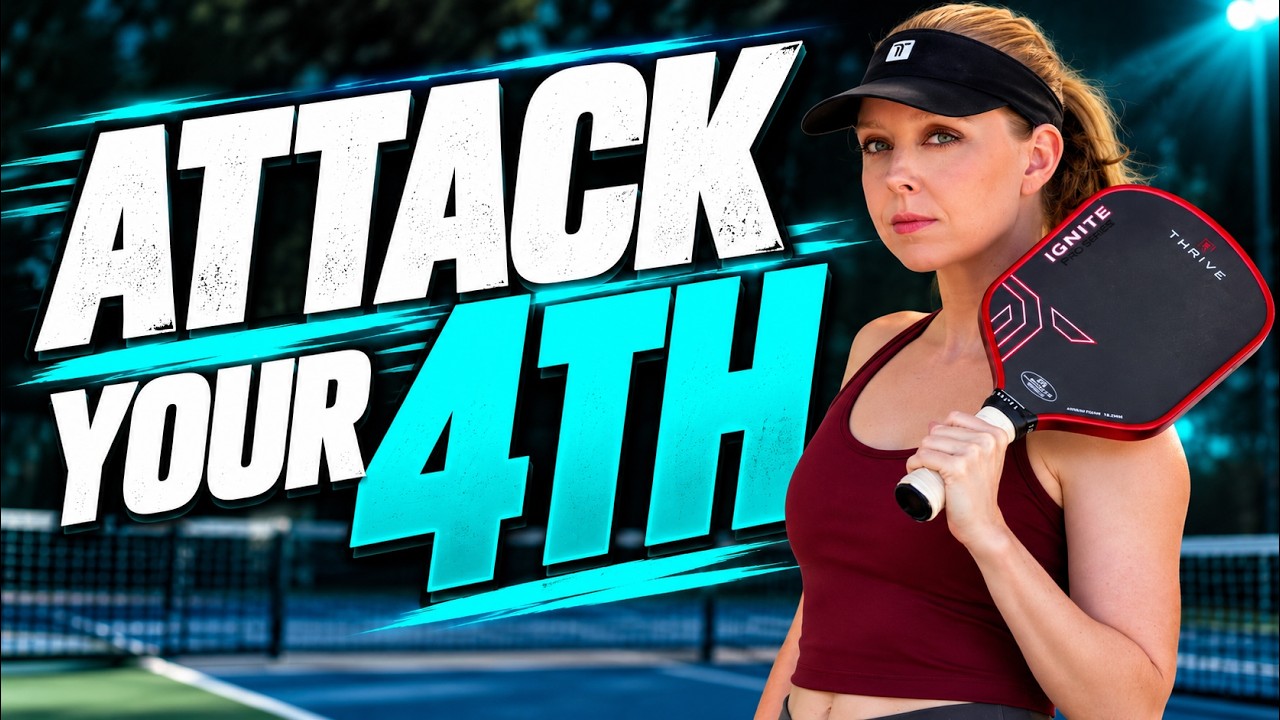
Why Do Pickleball Tips for Beginners Always Mention the Kitchen Line?
Because that's where points get decided, and standing there is a skill, not a location.
Getting to the line is easy. Staying balanced, paddle up in front of your chest, not backing up when someone speeds it at you: that's the hard part.
Start with how to position yourself at the kitchen, then work toward becoming unattackable once you're comfortable.
A better stance buys time you didn't know you were losing.
 The Dink Media Team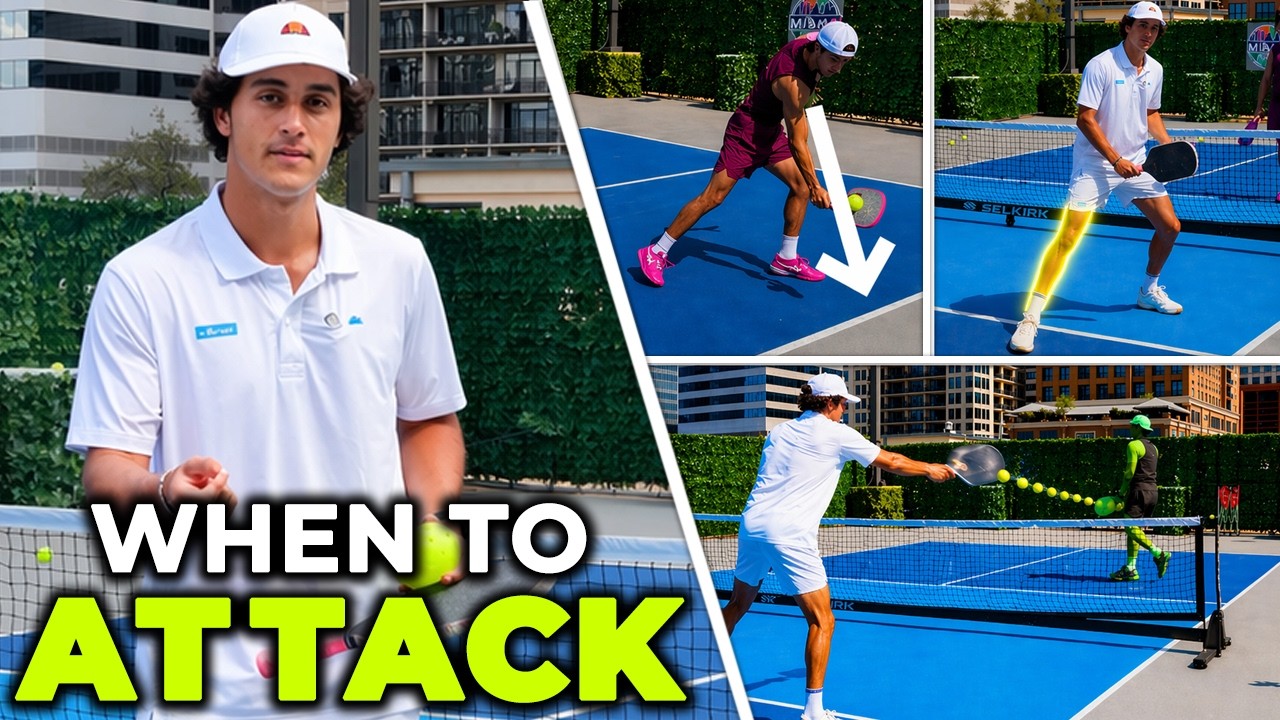
Slow the Ball Down and Watch Your Rallies Get Longer
The soft game is the fastest shortcut in the sport. Power feels productive. It doesn't beat anyone with hands.
The players you can't solve take pace off, keep the ball low, and wait for you to attack something you shouldn't, which is exactly how they make you hit the harder shot.
It starts with the third shot. After the serve and return you've got two options: drive or drop.
Understanding drive versus drop is one of the pickleball tips for beginners nobody hands you early enough.
Then there's dinking. A dink is a soft shot hit from the kitchen that lands in your opponent's kitchen, arcing just over the net.
The goal isn't to win with it; it's to make them hit a bad ball. Once you're consistent, start turning mediocre dinks into winners.
Pushed back? Don't panic-drive. Reset better and let the paddle absorb the pace instead of adding to it.
 The Dink Media Team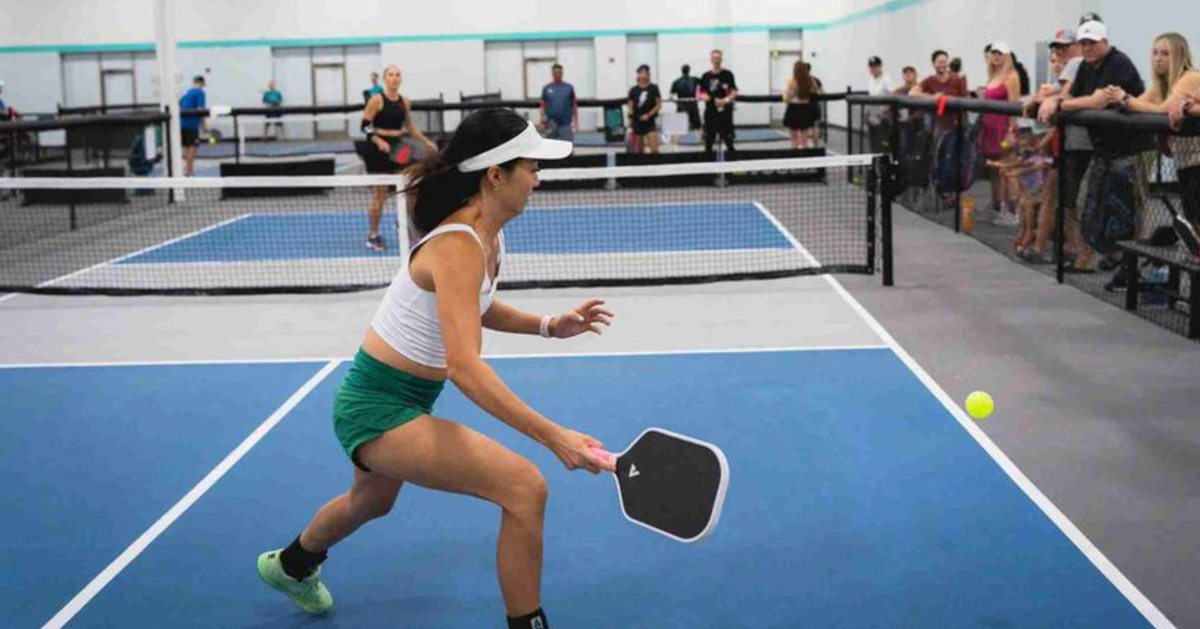
Practice on Purpose, Because Rec Play Isn't Practice
Playing games is not the same as improving. Rec play rewards what you already do well and hides what you don't.
Play only games and you'll improve for six weeks, then flatten. Worth asking what you're getting out of rec play before you book another open session.
Which Pickleball Tips for Beginners Actually Show Up in Drills?
The pickleball tips for beginners that stick are the ones you can repeat 100 times. With a wall and a ball you already have everything you need for solo drills.
With a partner, the figure-8 drill does more for your hands than a month of open play.
One more, and it's the least glamorous item on this page: talk to your partner.
Half the balls that drop between two beginners drop because nobody called it. Simple teamwork is free points.
 The Dink Media Team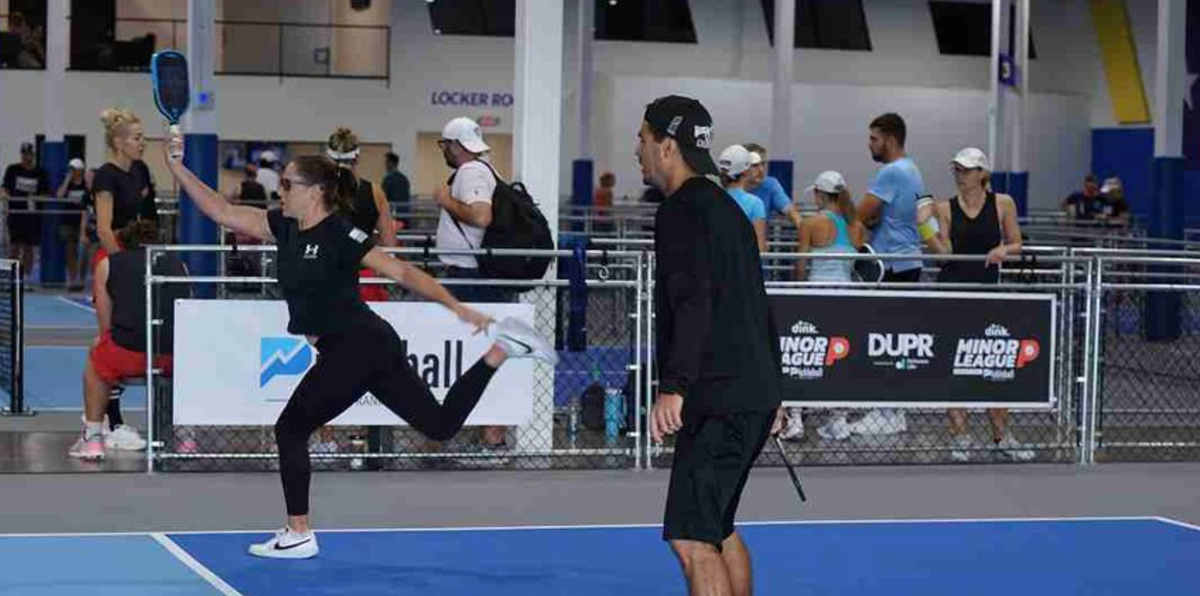
So How Long Until You Stop Feeling Stuck?
There's no fixed timeline, and no honest set of pickleball tips for beginners comes with one.
Measure against a real scale instead of a feeling, the way stagger gives your positioning something concrete to check.
USA Pickleball describes player ratings as a scale from 2.0 for beginners up to 8.0 for professionals, used to help players find suitable competition and track progress.
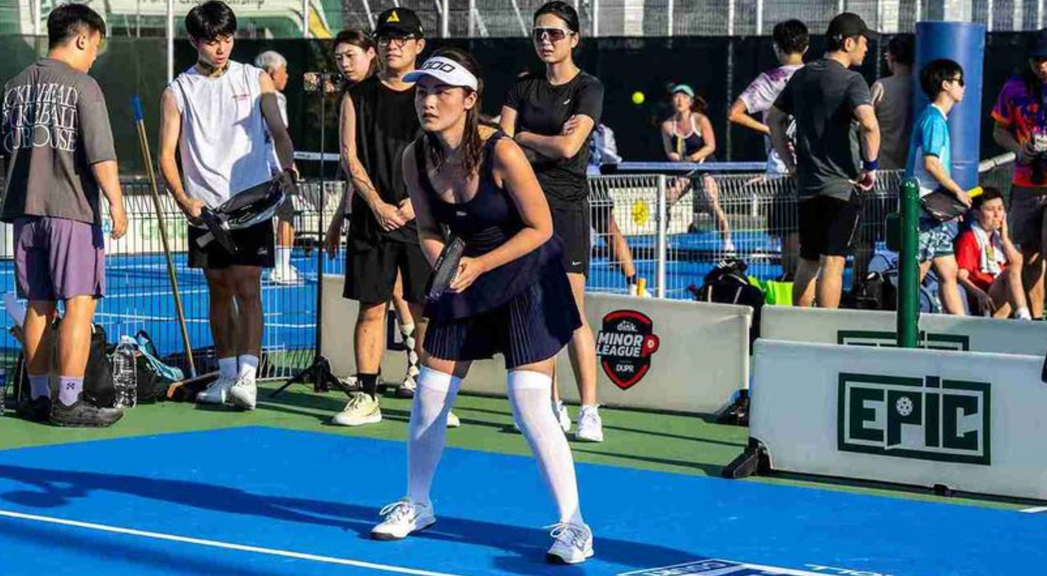
DUPR uses a similar 2.00 to 8.00 range and puts 2.00 to 2.99 in the beginner to early-intermediate band, where shot consistency is still developing.
Neither number is a promise. Ratings shift with match results, formats, and how much data the system has on you, so treat yours as a snapshot, not a report card.
One of our writers logged the seven tips that took them from 3.0 to 3.5 if you want the unvarnished version of that climb.
Shortest version of every list of pickleball tips for beginners ever written: miss less, get to the line, stop hitting hard when soft would work.
Then go simplify your game.
 The Dink Media Team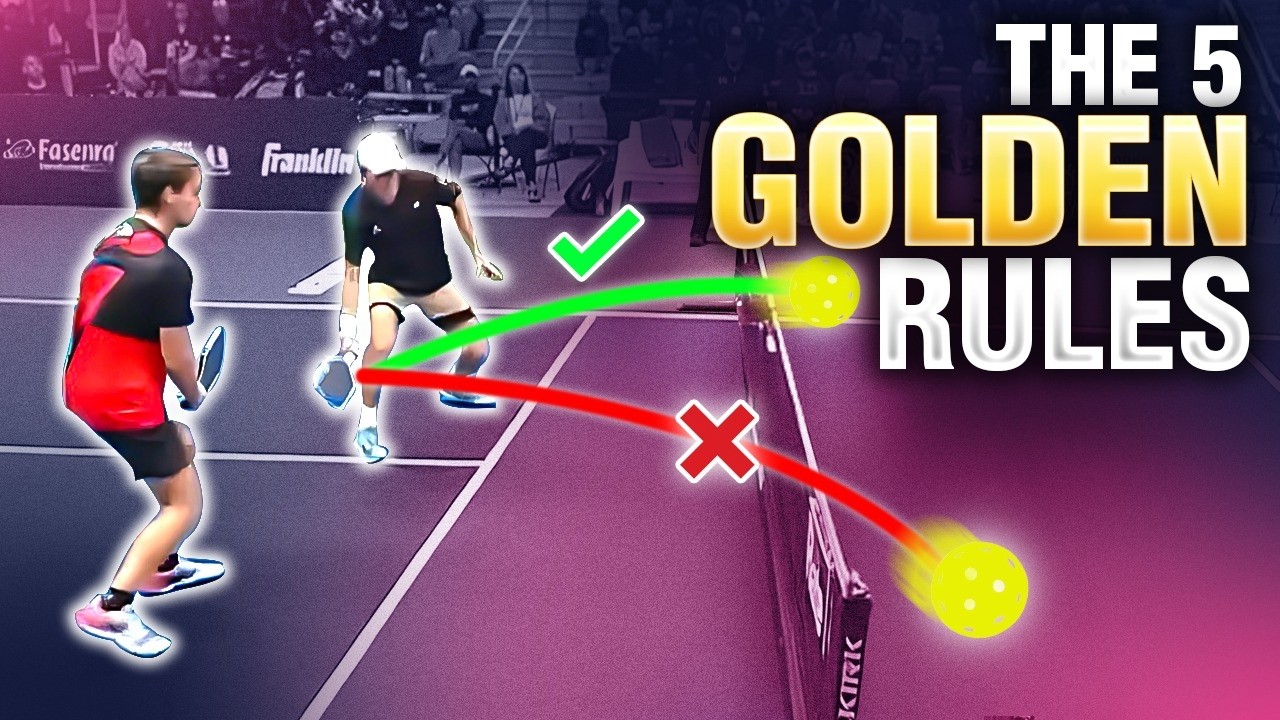
Key Takeaways
- The fastest improvement comes from cutting unforced errors, not adding new shots.
- Get to the kitchen line behind a deep return and stay there; that's where most doubles points are decided.
- Aim two feet inside the sideline and two feet above the net to erase most misses.
- If the ball is below your waist, lift it. You can't hit a low ball down.
- Drills build consistency; rec play mostly reveals it.
- USA Pickleball and DUPR both use a 2.0 to 8.0 rating scale, with beginners near 2.0.
- Next step once these stick: rethinking doubles entirely.
Frequently Asked Questions
What are the best pickleball tips for beginners who keep losing?
Count your unforced errors for one full game. Most beginners lose more points by missing than by getting beaten, so aiming two feet inside the lines and lifting every ball below your waist swings games immediately. Less exciting than a new serve, far more effective. Your shot selection at the kitchen is the next leak to plug.
How long does it take to stop being a beginner at pickleball?
There's no set timetable, and it depends on how often you play and whether you drill at all. USA Pickleball's scale starts at 2.0 for beginners, and DUPR places 2.00 to 2.99 in the beginner to early-intermediate range where consistency is still developing. Progress shows up as longer rallies and fewer giveaway points before it shows up as a number, usually around the time your fourth shot and court coverage start clicking.
Should beginners drive or drop the third shot?
Drop it when you're behind the baseline and your opponents are already at the kitchen. Drive it when the return lands short and you can step into the ball. Most beginners drive everything because it feels productive, and learning to choose is what separates a 2.5 from a 3.5. Knowing how to respond to a good drop is the other half of it.
Do I need an expensive paddle to get better?
No. Paddle upgrades change feel more than results, and no paddle fixes shot selection or positioning. Once you're dinking and resetting consistently, a paddle matched to your style is worth a look, along with cleaner power mechanics.
How often should a beginner practice pickleball?
Two or three sessions a week is plenty, as long as one includes focused drilling rather than just games. Solo wall work counts, and 20 minutes before open play sharpens your hands more than an extra match. Build in rest days; new players ramp up volume faster than their bodies adjust, so a real warm-up routine earns its keep.

Love Pickleball? Join 100k+ readers for free weekly tips, news & gear deals.
Subscribe to The Dink