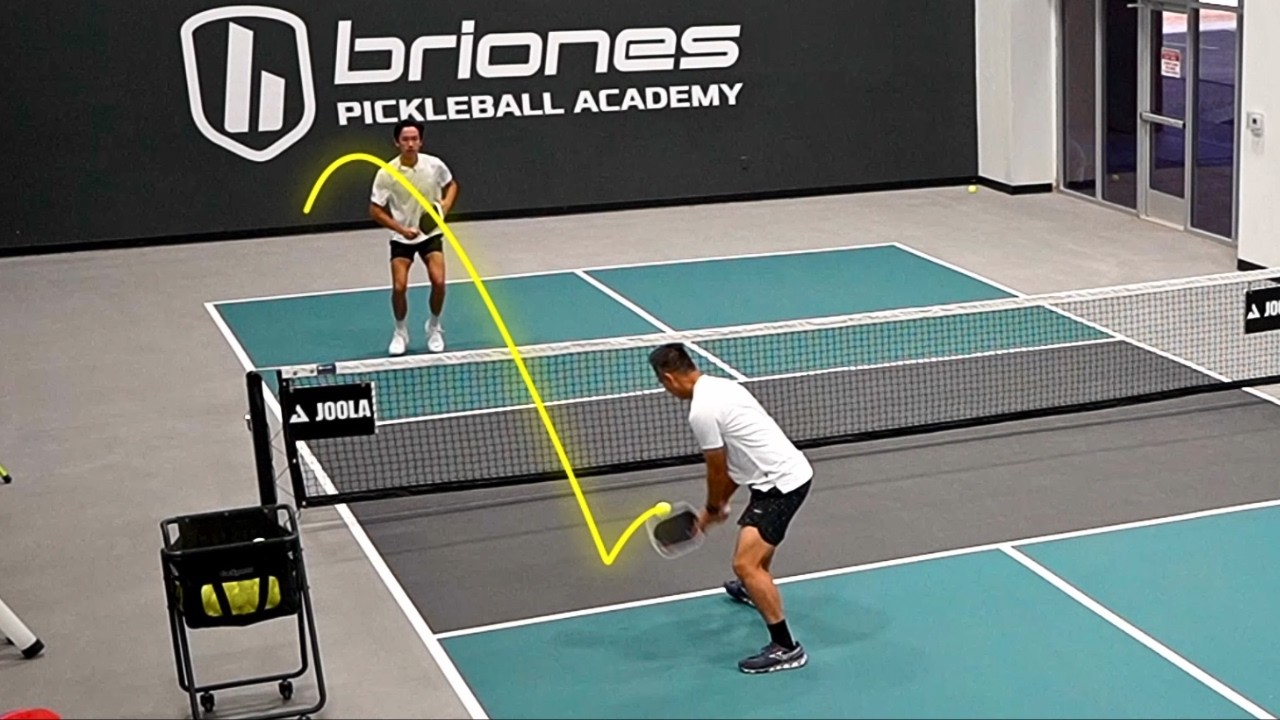

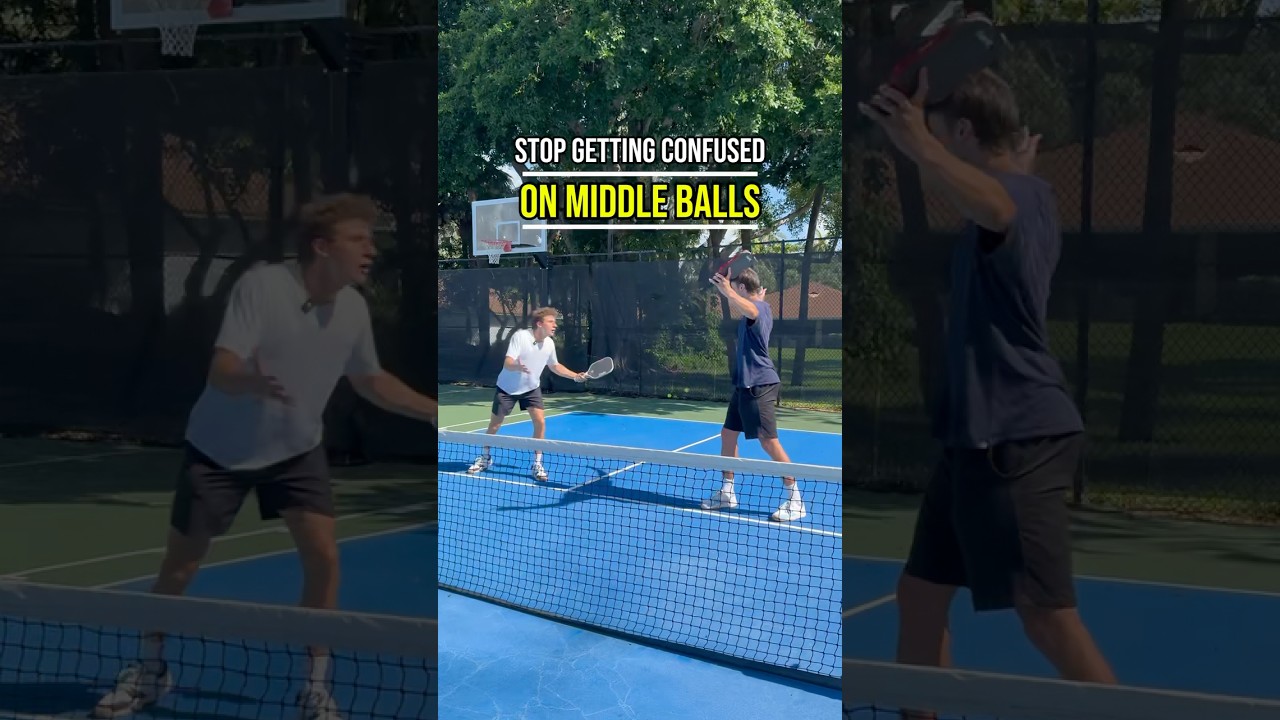
Middle ball pickleball confusion costs points at every level. Two simple rules tell you exactly who takes the ball and when.
The middle ball in pickleball is one of the most misunderstood situations in doubles. You and your partner both hesitate, the ball drops, and someone mutters "I thought you had it."
It happens at every level. And it keeps happening because most players learned one rule and never questioned it.
This breakdown covers exactly when the forehand takes the middle, when the diagonal player should step up instead, and why knowing the difference makes you faster without any extra effort.
The tip comes straight from tanner.pickleball on YouTube, and it's one of those small adjustments that immediately changes how you communicate with your partner.
Love pickleball? Then you'll love our free newsletter. We send the latest news, tips, and highlights for free each week.
The Rule Everyone Knows (And Why It's Incomplete)
Ask any rec player who takes the middle ball in pickleball and you'll hear the same answer: the forehand covers the middle.
That's not wrong. But it's also not the whole picture.
Apply the forehand rule everywhere and you're going to keep getting burned, especially when the game speeds up at the kitchen line.
It's one of the pickleball mistakes most players never stop making.
The real answer depends on one thing: how fast the ball is traveling.
Speed changes everything about who should be moving, and it's a core piece of modern pickleball doubles positioning.
When Does the Forehand Actually Cover the Middle?
The forehand covers the middle ball in pickleball when the ball is coming in slowly and you have time to react.
Think about a third shot drop.
The ball travels through the air at a pace that gives both players a moment to read it and decide, which is why your third shot mechanics affect coverage decisions downstream.
A forehand is more reliable than a backhand under pressure. It gives you more paddle control, a more natural swing path, and better angles.
When time is on your side, use it.
This also applies to slow dink exchanges that float toward the center, and reading the middle dink correctly is what makes the rule click in a live rally.
What Changes at the Kitchen Line?
At the non-volley zone, everything accelerates. There is no time to think, no time to set your feet, and no time to negotiate with your partner.
When someone fires a speed up from the kitchen, the ball is not going to the middle randomly.
It is going into a specific box, and that box belongs to whoever is diagonally across from the player who hit it.
Here's the rule most players are missing: at the kitchen line, the diagonal player owns the middle ball in pickleball on a speed up.
Nothing in the 2026 rule changes or the official USA Pickleball rulebook changes that geometry.
Why? Because the speed up is almost always aimed at the player directly across from the attacker.
That means if your partner is being targeted from the left side, the ball is probably coming to your side of the court. You need to be ready for it, not your partner.
 The Dink Media Team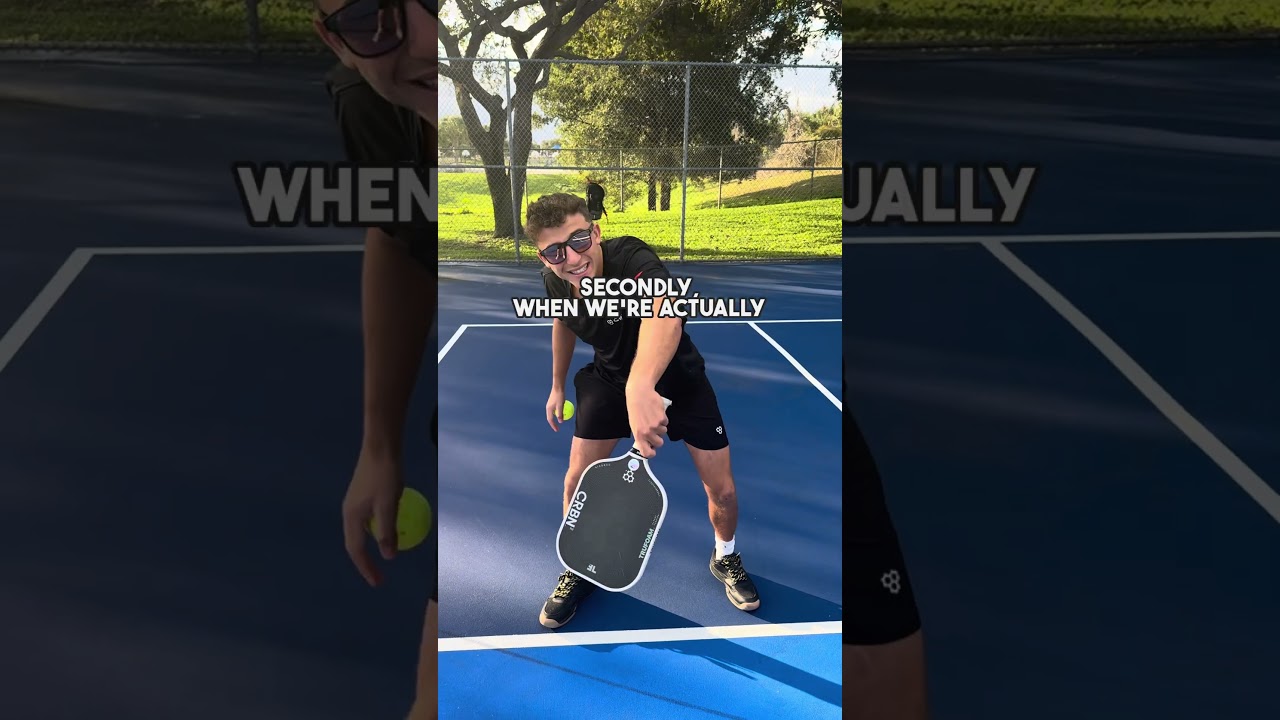
Why Does the Diagonal Rule Work?
Middle ball in pickleball coverage comes down to geometry and angles.
When a player attacks from the left side, their most direct and aggressive line goes cross-court, which puts the ball on the right side of the opposing team.
The player standing diagonally across is already in that path.
Trying to redirect a speed up straight ahead is harder.
It requires more paddle adjustment and usually produces a weaker shot, which is exactly what the pros are actually doing when they pick their attack lines.
So attackers naturally target the diagonal. The diagonal player should be anticipating the ball, not watching to see where it goes.
Anticipation is what makes you feel faster without actually moving faster.
This is also why players like Ben Johns seem to absorb middle balls effortlessly. They have already decided who owns the ball before it crosses the net.
 The Dink Media Team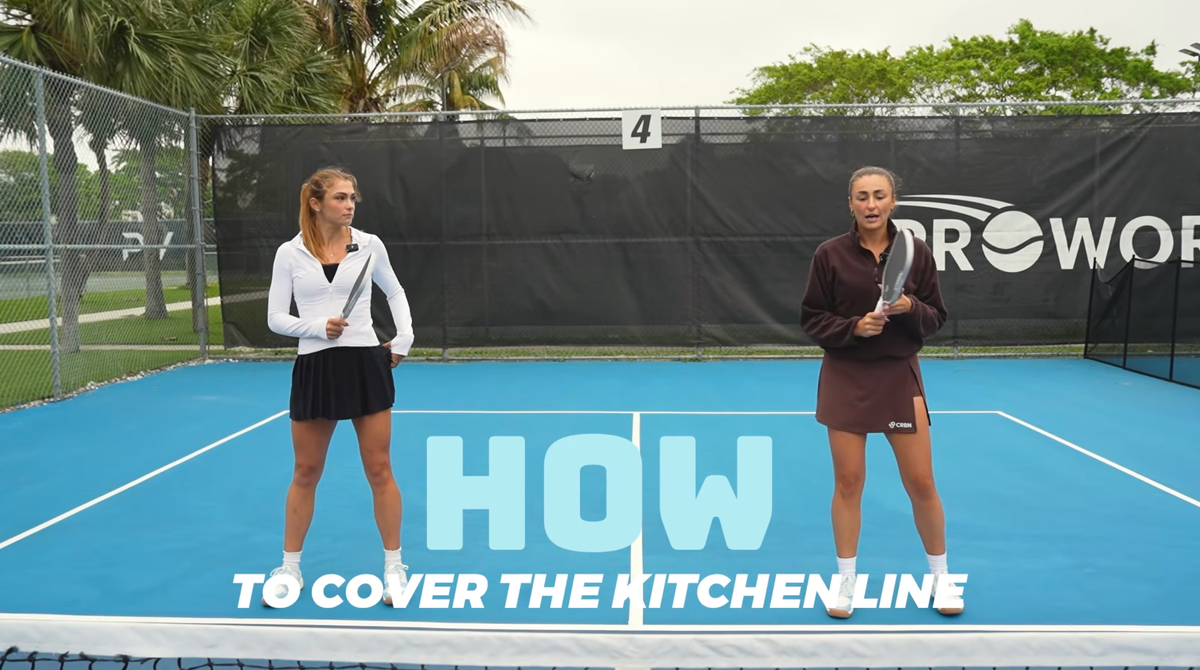
How Do You Apply Both Rules Without Overthinking It?
Here is the whole system, and you can start using it in your next game:
- Slow ball, transition or baseline situation: the player with the forehand in the middle takes it. You have time, so use your stronger side.
- Fast ball or speed up at the kitchen line: the diagonal player takes it. React immediately, do not wait for your partner to decide.
Two middle ball in pickleball situations. Two clear answers.
The goal is to remove the half-second of hesitation where you and your partner both freeze. That freeze is what lets the ball drop.
Once you each know your assignment by situation, the confusion disappears. It's one of the fastest ways to win more games without changing a single stroke.
 The Dink Media Team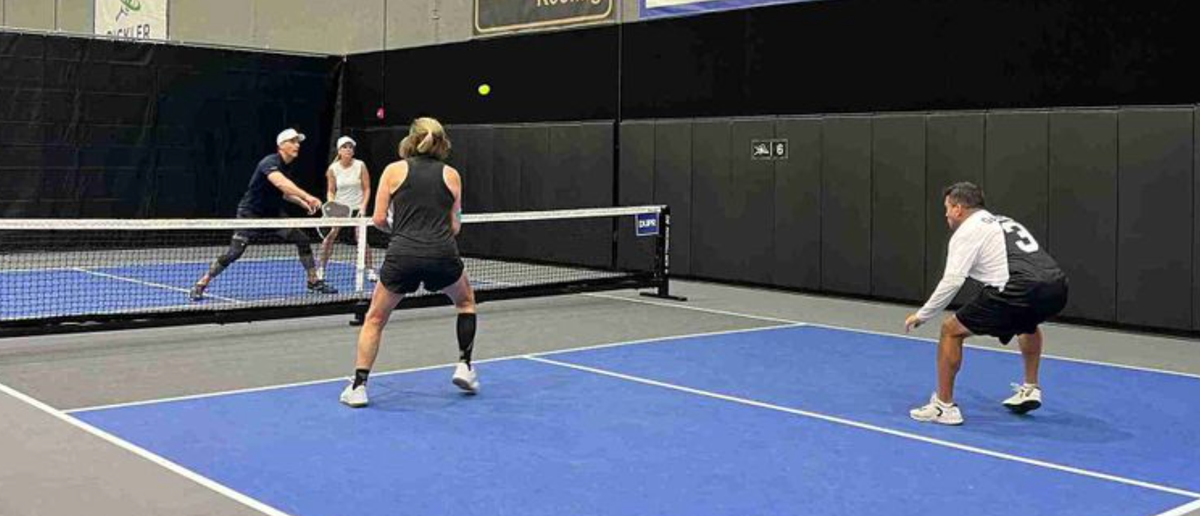
What If You and Your Partner Disagree on the Middle Ball in Pickleball?
Talk about it before you play. Seriously.
Spend two minutes confirming which rule you're both using. Are you defaulting to forehand coverage, or switching to diagonal coverage on speed ups?
Both players need to agree, or you will override each other in real time.
That's true in any format, and it matters even more in mixed doubles strategy, where partners often bring very different strengths to the same side of the court.
If you've been partnering with someone for a while and still getting crossed up, this is almost always the fix. You just need to name the rule out loud and agree on it.
 The Dink Media Team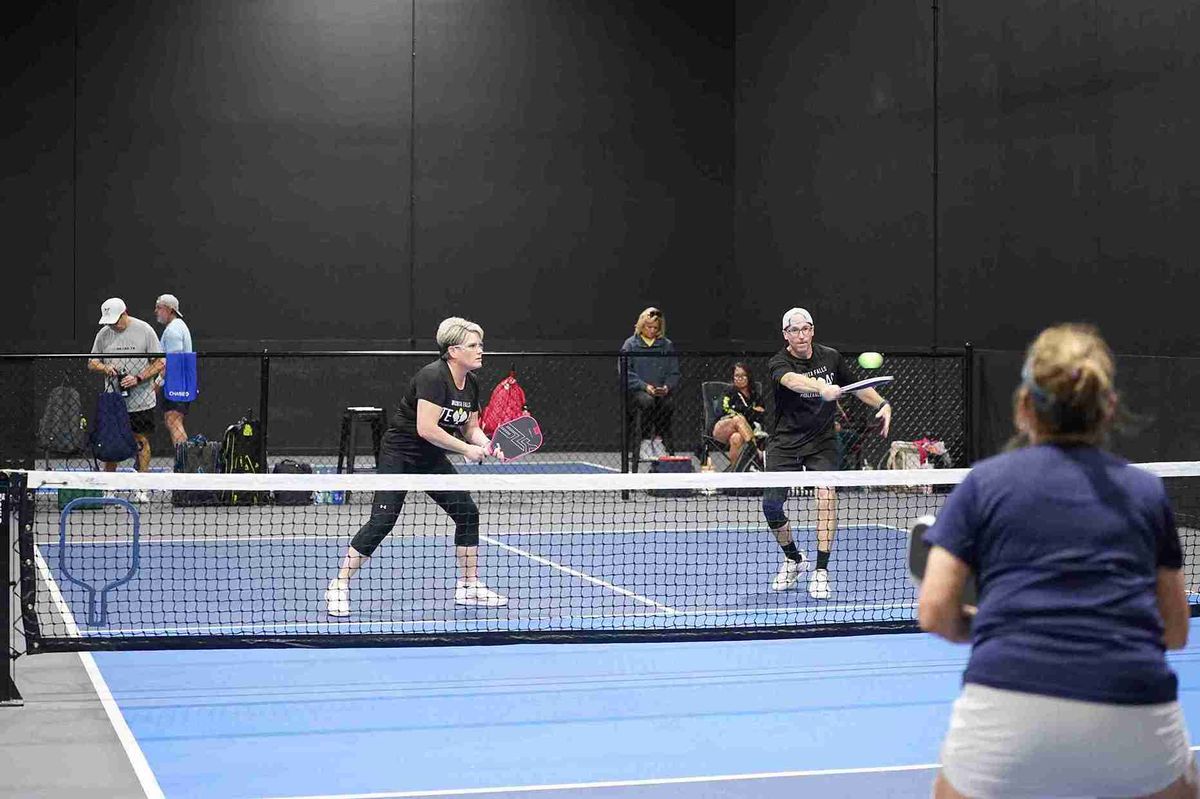
Why Clarity on the Middle Ball in Pickleball Makes You Faster
Speed in pickleball is not always about how quickly your body moves. It's about how quickly your brain commits.
When you know which ball is yours, you start moving before it arrives. When you're unsure, you wait for confirmation, and by then you're already late.
Clarity on the middle ball in pickleball creates speed. That's the real benefit of this rule.
It also kills the frustration between partners. No more post-point glances, no more "I thought that was yours."
Everyone knows their assignment, and the communication problem solves itself.
That ties directly into the court coverage mistakes that sink teams whose individual skills are perfectly fine.
 The Dink Media Team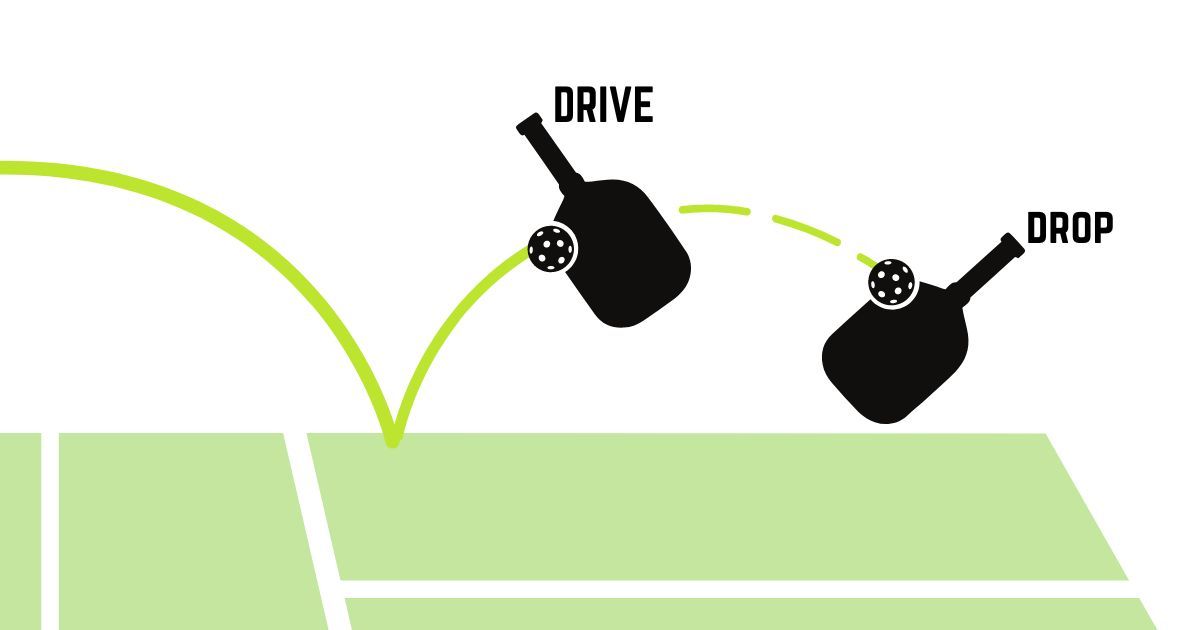
Can You Practice This in Drills?
Yes, and you should.
To train the diagonal rule, run speed up drills where the feeder alternates between targeting the forehand side and the middle.
The non-targeted player has to practice stepping into coverage without being told to.
You can also run slow dink exchanges to the center and call out "forehand" or "diagonal" as you move.
That builds the mental habit of identifying the situation before the ball gets there.
These two-person drills are a solid starting point, and the full set of structured practice options will give you more reps on this exact scenario.
 The Dink Media Team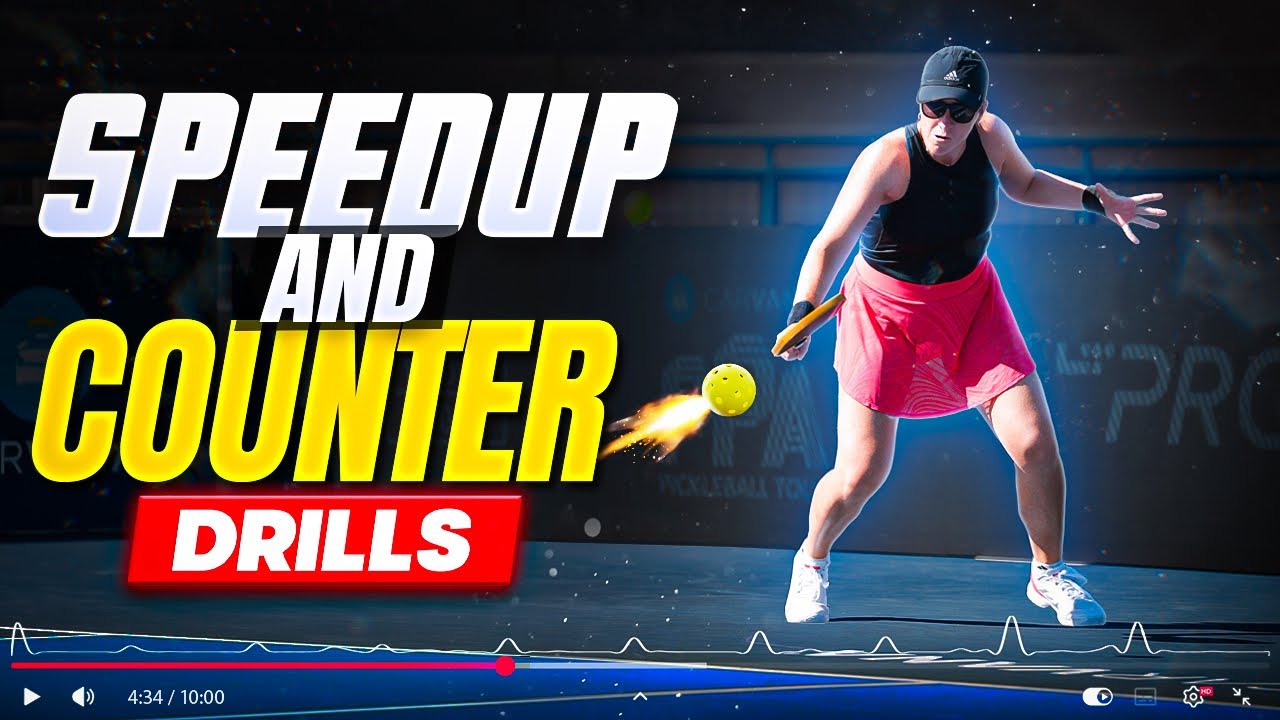
The Bigger Picture: Decision Frameworks Win More Points
The middle ball confusion is just one example of a broader problem.
Most recreational players are making decisions reactively instead of having preset answers ready for common situations.
Every time you have to think in the moment, you slow down. Every preset answer you have ready speeds you up.
That applies to shot selection based on ball height, it applies to when to attack with a forehand speed up, and it applies to who owns the middle ball.
The players who feel like they are always in the right place are not necessarily moving faster.
They have just already made the decision before the ball gets to them.
Middle ball coverage is one of the clearest places to practice this habit. Two situations, two rules, zero hesitation.
Start there and you will notice the difference in your very next session.
If you want to keep sharpening your doubles IQ, these doubles strategy fixes go deeper into court positioning and partner communication that holds a lot of teams back.
And if you're working through shot selection more broadly, these tips for cutting unforced errors address the decision-making side of the game in a way that pairs well with what you just learned here.
Frequently Asked Questions
Who covers the middle ball in pickleball doubles?
It depends on the speed of the incoming ball. On slow balls like third shot drops, the player with the forehand in the middle should take it. On fast balls and speed ups at the kitchen line, the diagonal player covers the middle because that is where the attack is most likely directed.
What is the diagonal rule in pickleball?
The diagonal rule means that when a speed up happens at the kitchen line, the player positioned diagonally across from the attacker is responsible for covering the middle. This works because attackers naturally direct fast balls cross-court, so the diagonal player is already in the ball's path.
Why does the forehand rule not always work for middle balls?
The forehand rule assumes you have time to set up and choose your shot. At the kitchen line during a speed up exchange, the game is too fast for that. Relying on the forehand rule in fast exchanges causes hesitation and miscommunication between partners.
How do I stop hesitating on middle balls with my partner?
Agree on the two-situation framework before you play. Slow ball goes to the forehand player, fast ball at the kitchen goes to the diagonal player. Naming the rule out loud with your partner eliminates the split-second freeze that causes the ball to drop.
Does this middle ball rule apply in mixed doubles?
Yes, the same two-situation framework applies in mixed doubles. The diagonal rule for speed ups is especially useful because mixed doubles often involves more aggressive kitchen line exchanges. Agreeing on coverage roles before the match is even more important when partners have different skill sets and tendencies.

Love Pickleball? Join 100k+ readers for free weekly tips, news & gear deals.
Subscribe to The Dink