
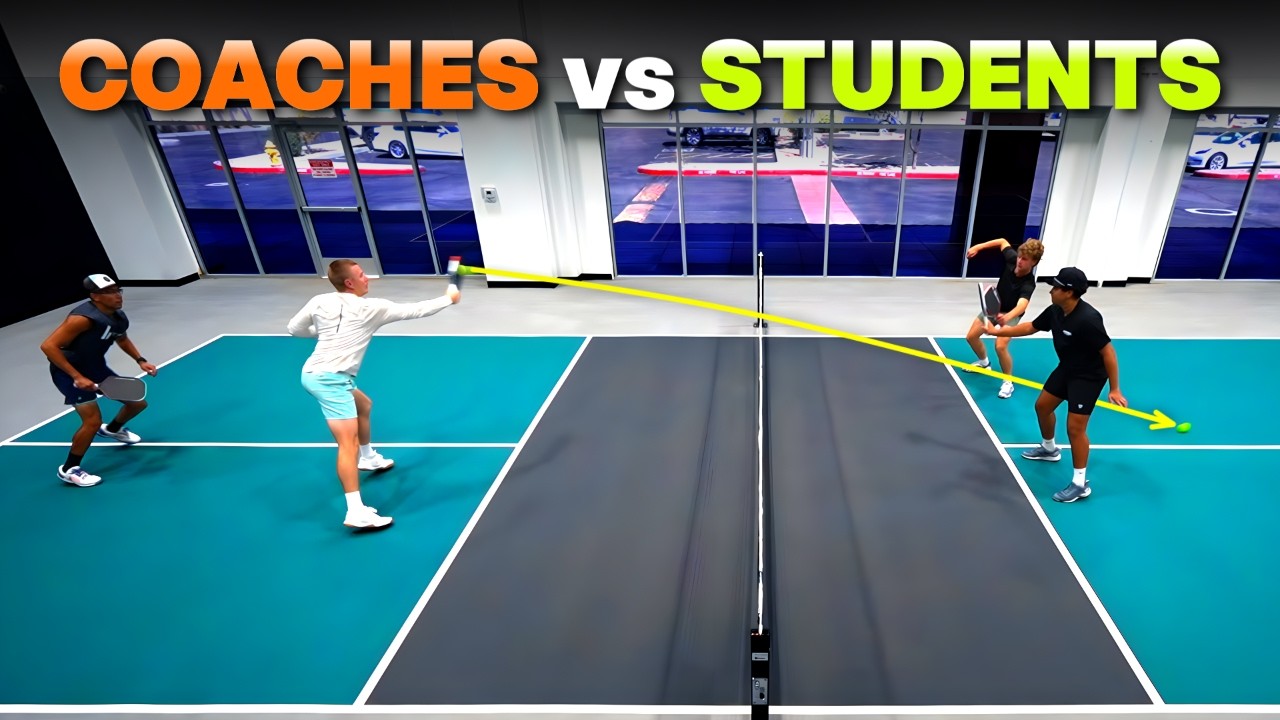
7 Real-Time Strategy Lessons From a 5.0 Coaches vs. Students Match
Most players never hear what a coach is actually thinking mid-match. This breakdown of a live 5.0 coaches vs. students match reveals the pickleball strategy decisions that separate good players from great ones.
Pickleball strategy sounds simple until you are actually in a match, down a few points, and your drives are sailing long.
Most instruction happens in a vacuum.
You learn a shot in isolation, drill it against a ball machine, then wonder why it falls apart when a fearless teenager is firing inside-out forehands at your shoulder.
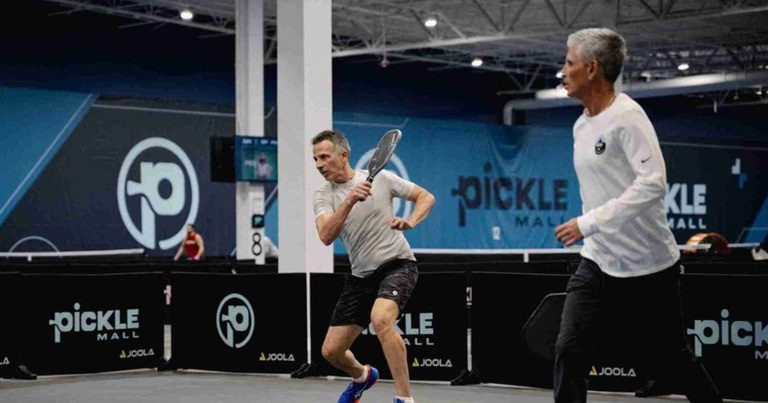
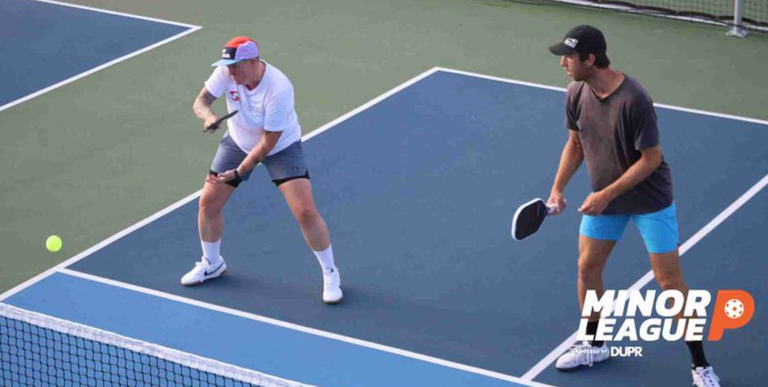
This breakdown pulls the real-time coaching thoughts from a coaches vs. students match featuring REAL Pickleball on YouTube, where two 5.0 coaches went head to head against their own 5.0 students, Jace Howard and Grayson Brandon, with commentary running live throughout the game.
Love pickleball? Then you'll love our free newsletter. We send the latest news, tips, and highlights for free each week.
The Pre-Match Read Sets Everything Up
Before the first serve, the coaches had already scouted both opponents and built a game plan around what they knew.
Grayson was labeled super consistent, a player who makes a high percentage of balls and does not beat himself.
Jace was described as high risk, high reward with tricky inside-out shots and a willingness to go for big angles even when stretched wide.
The plan coming in was to cover the middle aggressively, sit on counters against Jace, and let him make his own mistakes when outstretched rather than trying to out-flick a naturally gifted ball striker.
This kind of pre-match scouting is something most recreational players skip entirely.
Even a 30-second conversation before a match about who plays which patterns can shift your positioning before a single point is played.
Knowing your opponent's tendencies is one of the most underrated parts of pickleball IQ.
Why Drive or Drop Is a Feel Decision, Not a Rule
One of the most honest moments in this match came early: "I don't feel comfortable in my drop right now, so I'm driving."
That's real. Most players treat the third shot drop like a law, and it isn't.
The best third shot is the one you can execute under pressure.
If your drop isn't landing cleanly on a given day, driving to build time is the smarter call.
The drive-drop combo became a recurring theme.
A well-placed drive would pop up a ball from the opponent, giving the coach a chance to follow in with a quality drop or attack.
The goal was never the drive for its own sake. It was always to create a better situation on the next shot.
If you want a cleaner third shot system, this breakdown covers exactly why most players lose points right after the serve.
What Does Middle Coverage Actually Mean at the Kitchen?
Middle coverage is the practice of both partners prioritizing shots hit through the center of the court rather than defending their own individual lanes.
At the kitchen line, poaching the middle isn't a mistake. It's often the correct play.
Throughout this match, the coach repeatedly called for middle returns, middle drives, and middle dinks.
The reasoning was consistent: going middle reduces the available angles for the opponent and forces them to create offense from a neutral position.
Against a player like Jace, who thrives on pulling the ball to sharp angles from wide positions, removing those angles is a direct counter to his game style.
The challenge was communication. When one partner goes aggressively middle, the other has to know to cover the line.
Several points broke down because that handoff wasn't clean. These are exactly the kinds of in-game errors that cost points even when your shots are technically solid.
 The Dink Media Team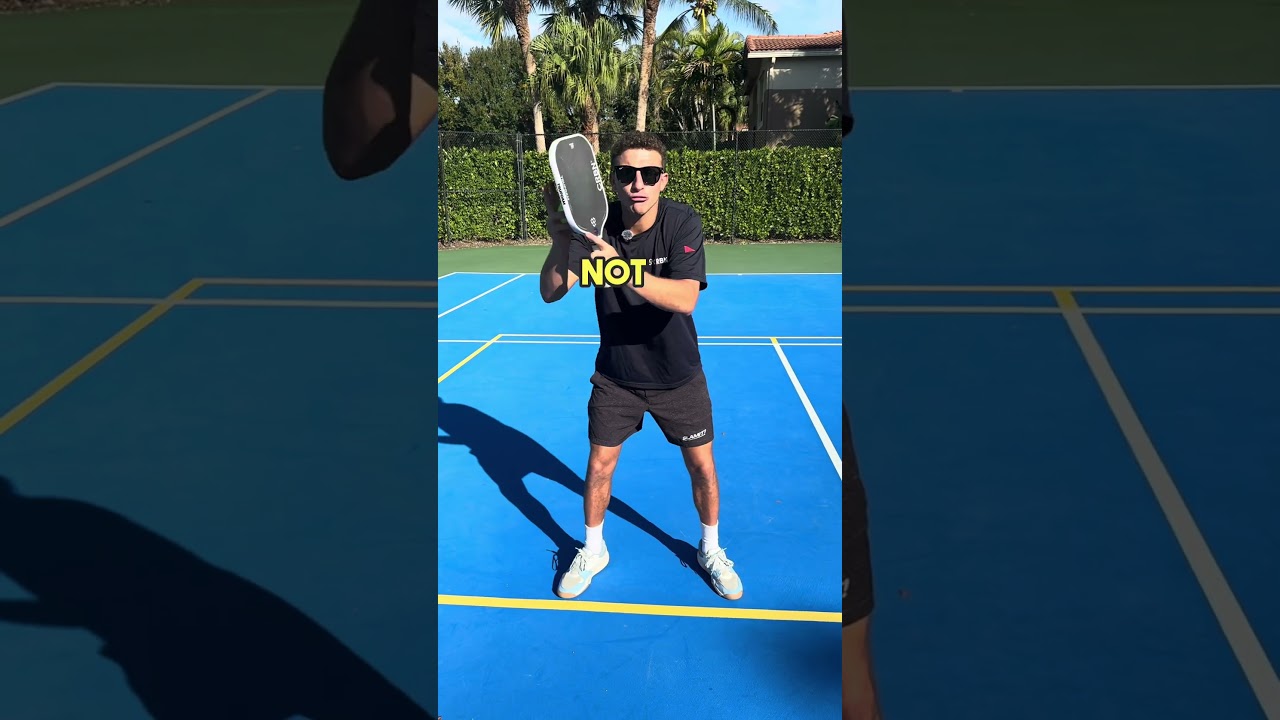
How Do You Handle a Player Who Speeds Up Everything?
The answer is to sit on the counter before the ball even comes.
Jace was driving nearly every attackable ball, including mid-court opportunities and even some shots most players would dink.
The coaches recognized this early and called for a "sit on the counter" mindset: absorb and redirect pace rather than reset from a defensive crouch.
The chicken wing was a specific vulnerability. When Jace got a ball to the right shoulder of the coach's backhand side, he won the point more often than not.
- Identify where your opponent's speed-up is going before they hit it
- Split step earlier so you are not caught flat-footed
- Take the ball out of the air when possible instead of letting it drop into a defensive scramble
- Use a compact counter stroke, not a full swing, to redirect pace back through the middle
This is the same concept top pros describe when building fast hands at the kitchen line.
 The Dink Media Team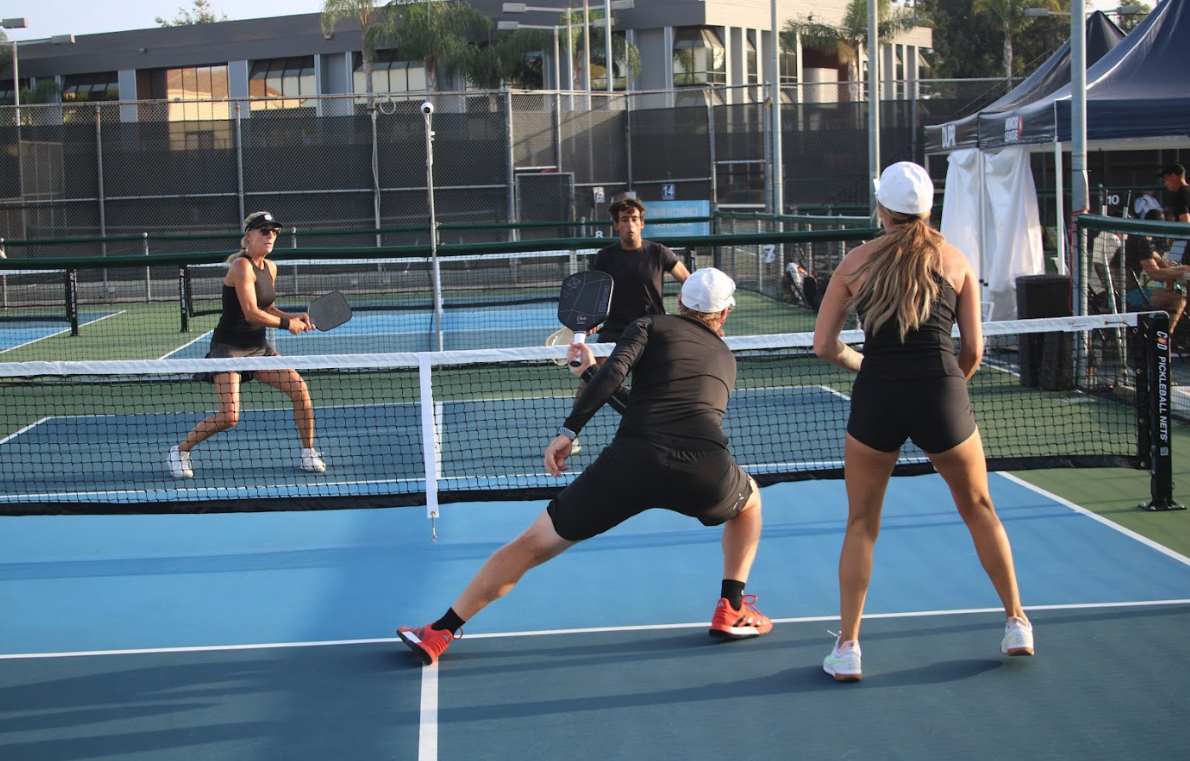
Sticking With Your First Decision Saves Points
There was a specific moment mid-match where the coach called out his own error: he changed his mind on a roll volley mid-swing, and the ball went nowhere useful.
Indecision kills shots.
When you commit to a ball and then second-guess your placement at the last half-second, your paddle face opens, your swing slows, and the ball either pops up or clips the tape.
This is not a technique problem. It is a decision-making problem. The fix is to make your shot choice before the ball reaches your paddle, not during contact.
These decision-making fixes apply at every level, not just 3.5.
Here is the simple framework the coach was working from:
- Read the incoming ball height and trajectory early
- Decide: attack, reset, or redirect
- Commit to your target before your paddle starts forward
- Do not change the plan once your swing begins
 The Dink Media Team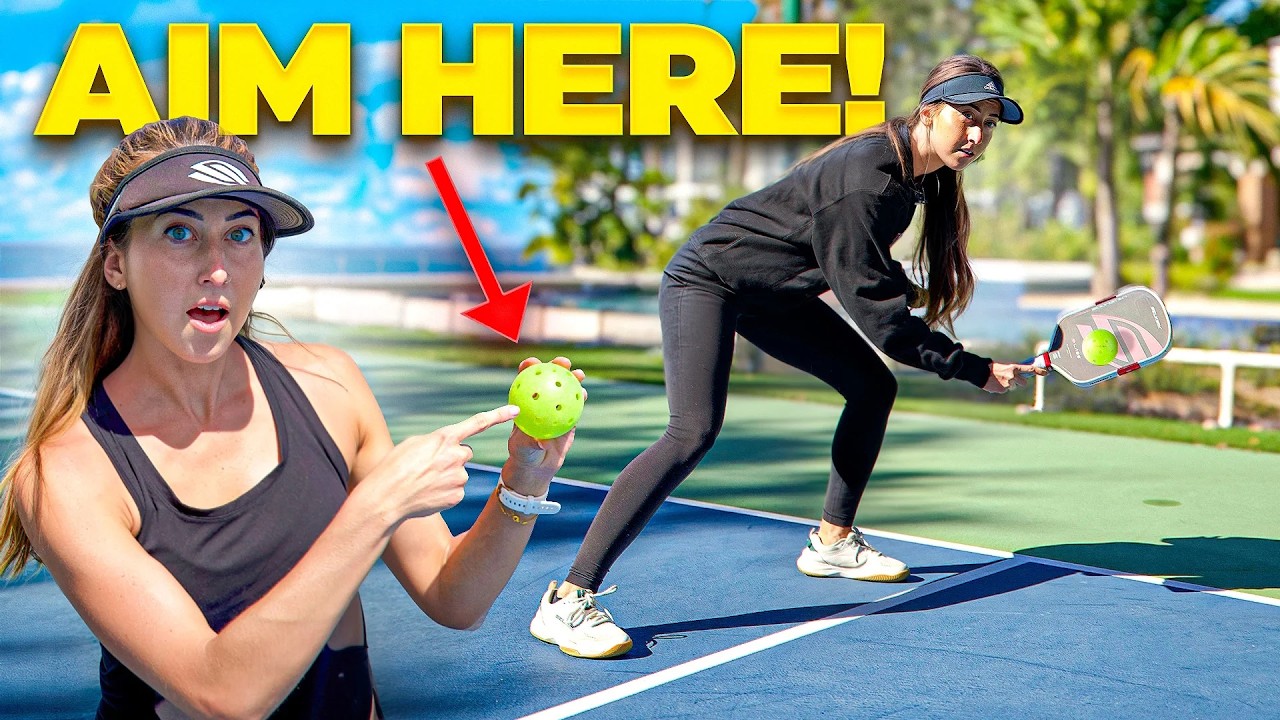
Breathing and Mental Reset Are Not Soft Skills
At one point the coach addressed the microphone directly: "Sorry if you hear me breathing, but it is super important, especially when you are tense."
That's not a throwaway comment.
Controlled breathing is one of the fastest ways to slow your reaction time down to something manageable when a match gets tight.
When your shoulders tighten and your grip pressure spikes, your resets turn into pop-ups.
The coach also emphasized the need to mentally reset after a missed return before the next point. Carrying frustration into the next rally compounds errors.
One missed shot becomes two, becomes a four-point run for the other team.
This matters even more when you're the older player on the court, because the adjustments needed when playing younger opponents are real and specific.
 The Dink Media Team
Return Depth Is a Constant Battle
Short returns kept creating problems throughout the match.
A short return gives the serving team time to set up their third shot and makes it easier for them to either drive aggressively or land a clean drop.
Deep returns force rushed thirds.
When you push the opponent back behind the baseline, their third shot drop has to travel further and they have less margin for error.
A short return does the opposite and basically gifts them a comfortable entry.
The coach was self-aware about this in real time, calling for more depth after each short return.
The execution was inconsistent, which is exactly how it goes under match pressure.
A weak return gives away free time, and at the 5.0 level, free time for players like Jace is a point lost.
 The Dink Media Team
Know the Score. Always.
The match ended on a moment that was equal parts funny and instructive.
The coach threw up a lob near game point without realizing it was game point, and the lob wasn't good enough. Match over.
His own words summed it up: "Strategy tip number 17. Know the score. I would not have lobbed that."
Shot selection has to be filtered through score awareness. A risky lob at 5-5 is a different gamble than the same lob when you're one point from losing.
Risk tolerance should shift as the score shifts, and that only happens if you know where you stand.
This is one of the most practical shot selection rules you can apply starting today.
The coaches also took a calculated approach to line coverage worth copying.
Whoever was closer to the middle took middle. Whoever was on the wide side covered the line.
Reading court positioning before the third shot makes those coverage assignments click into place faster.
 The Dink Media Team
What the Students Did That Made This Hard
Grayson was a wall.
His consistency forced the coaches to create their own opportunities rather than waiting for errors, which puts the pressure of shot-making entirely on the other team.
Jace used variety. Inside-outs, floaters, body shots, and sharp cross-court angles kept the coaches guessing on positioning.
He also poached well in the middle at key moments, showing high court IQ for a younger player.
Together they were a difficult combination to solve in a 15-point game.
Against players like this, the pickleball strategy you use against more aggressive opponents matters as much as the individual shots you hit.
The coaches gave themselves a real chance by staying process-focused.
They called adjustments out loud, owned their errors quickly, and kept coming back to the middle as their anchor.
Staying composed in tight points is what kept this match close until the very end.
The final lesson is the simplest one: even at 5.0, the gap between knowing the right play and executing it under pressure is real.
Watch, practice, and pay attention to the score.
Frequently Asked Questions
What is the best third shot strategy in a competitive pickleball match?
The best third shot is the one you can execute consistently under match pressure, which means favoring a drive if your drop is not landing cleanly that day. A drive-drop combination can be just as effective as a pure drop when used to create a short ball you can attack on the fifth shot. The goal is always to get to the kitchen with a quality ball, not to force a specific shot pattern.
How do you cover the middle in pickleball doubles without leaving the line open?
Middle coverage works best when partners communicate clearly before the point about who owns which zone. The player closer to the middle takes middle, and the player on the outside covers the line. Breaking down on this communication is one of the most common reasons doubles teams give up easy points through the center.
How do you handle a player who speeds up every ball at the kitchen?
Sit on the counter before the ball comes by splitting early and keeping your paddle in a ready position at chest height. Identify where that player tends to direct their speed-ups, whether it is the shoulder or the hip, and lean toward that zone before contact. A compact redirect through the middle is more reliable than trying to reset a hard attack from a low defensive position.
Why does my pickleball shot fall apart when I change my mind mid-swing?
Changing your target mid-swing disrupts your paddle face angle and swing path, which causes the ball to go off-line or clip the net. Your brain needs to commit to a target before your stroke begins so your body can execute without interference. Practice making your shot decision while the ball is still on the opponent's paddle, not when it is already traveling toward you.
How important is knowing the score during a pickleball match?
Knowing the score is one of the most direct ways to make better shot decisions because risk tolerance should shift based on where you are in the game. A low-percentage lob at game point is a fundamentally different gamble than the same shot mid-game. Build the habit of calling the score quietly in your head before every point so your shot selection reflects the actual situation.
Love Pickleball? Join 100k+ readers for free weekly tips, news & gear deals.
Subscribe to The Dink