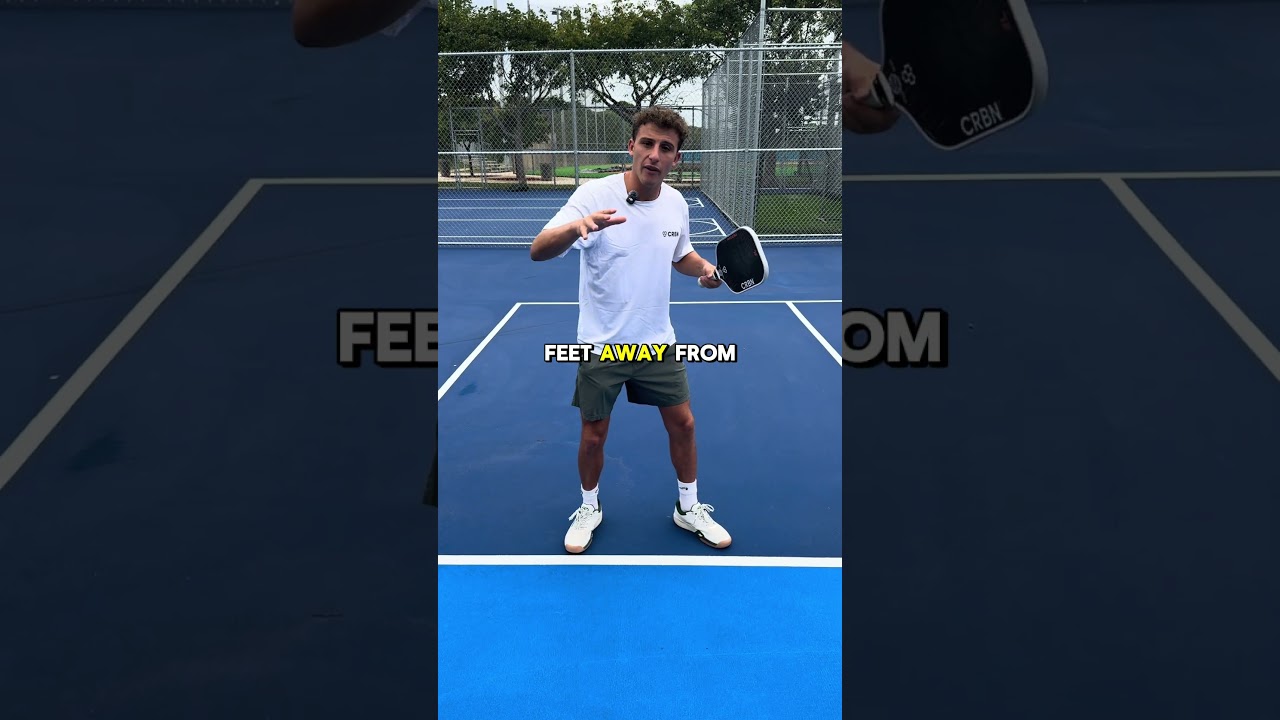


Tanner Tomassi explains why mastering footwork, paddle control, and anticipation are the keys to dominating the middle in pickleball
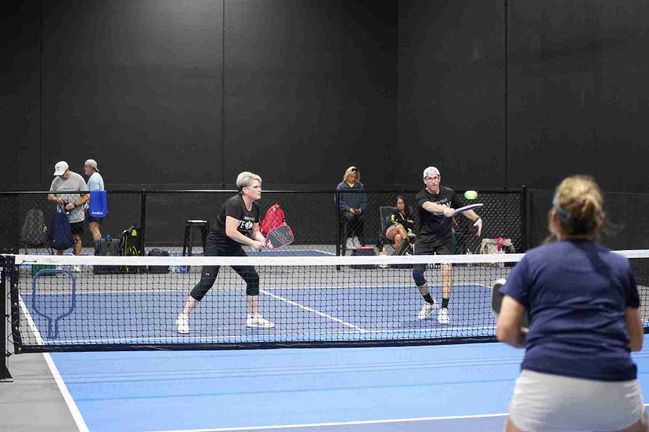
Pickleball middle coverage is one of those skills that separates casual players from competitive ones.
It's the space where most balls get attacked, and if you're not positioned correctly, you'll find yourself scrambling or hitting balls into the net. Tanner Tomassi breaks down three essential tips to help you cover the middle like a pro and take control of the kitchen.
Love pickleball? Then you'll love our free newsletter. We send the latest news, tips, and highlights for free each week.
Fix Your Footwork First to Master Pickleball Middle Coverage
The most common mistake players make when covering the middle is poor footwork. If you're consistently hitting balls into the net, your timing is probably off, and that usually comes down to how you're stepping into the shot.
The key is to step parallel to the kitchen line. This keeps your body aligned with the net and ensures you're making contact at the right point in your swing. When you step at an angle or move laterally without proper alignment, you're already late on the ball before you even swing.
By stepping parallel, you set yourself up to make clean contact and keep the ball in play. Getting your footwork right is the foundation that makes every other aspect of pickleball middle coverage click into place. If you want more on this, improving your pickleball footwork starts with this exact principle.
Keep Your Paddle in Sight for Reliable Middle Court Coverage
Here's something that sounds simple but makes a huge difference: your paddle should never leave your peripheral vision when you're covering the middle. Many players take a huge swing that pulls their paddle out of view, which leads to mistiming and net balls.
Instead, keep your paddle compact and in front of you. When you're in the middle of the court ready to react, your paddle should stay where you can see it. Compact positioning is the difference between a controlled stroke and a desperate lunge.
This approach also helps you react faster because you're not winding up for a big swing. You're just making a short, controlled stroke that keeps the ball low and in the court. For a deeper look at how paddle positioning affects your entire game, stopping pop-ups with modern hand speed and paddle positioning is worth your time.
 The Dink Media Team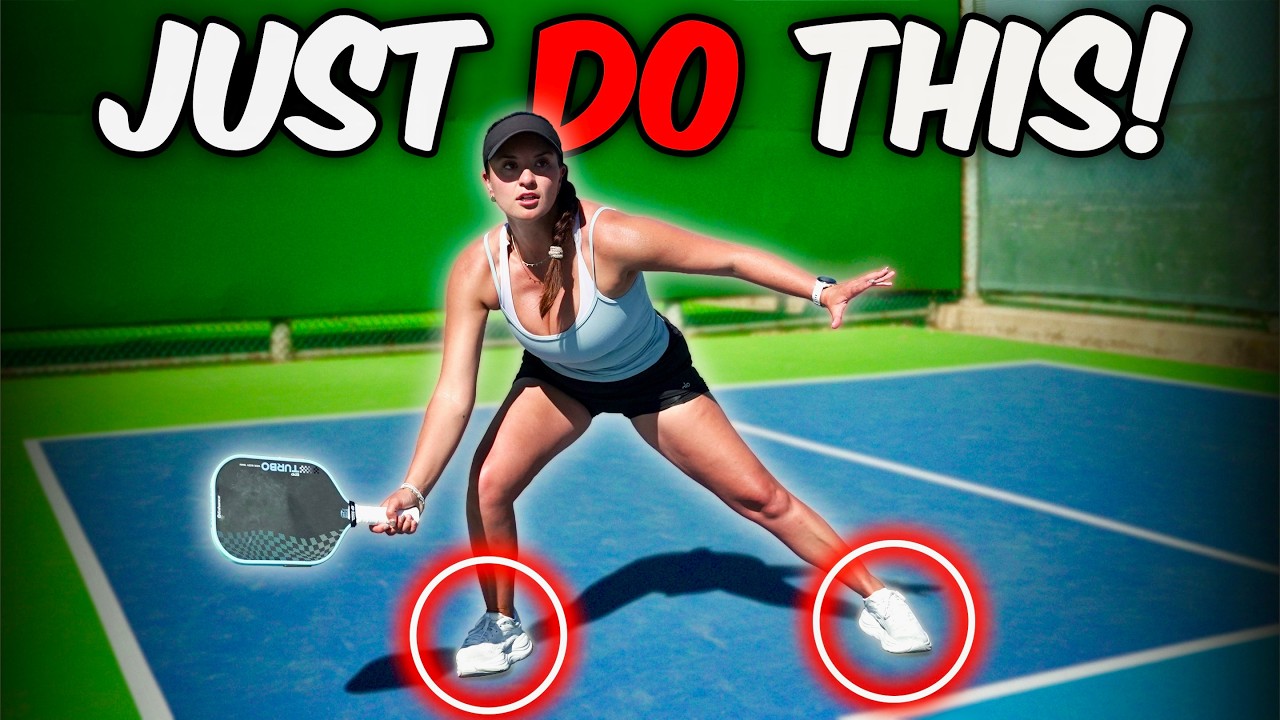
Be Proactive, Not Reactive: The Mental Edge in Pickleball Middle Coverage
This is the mental shift that separates good middle coverage from great middle coverage. Most players play reactively, meaning they wait for the ball to come at them and then try to respond. The problem is you're always going to be late.
Instead, anticipate where the ball is going and position your paddle there before it arrives.
If the ball is on your opponent's right side, get your paddle ready on your left. If it's on their left, prepare on your right. This way, when the ball comes through the middle, you're already in position.
All you have to do is make a small adjustment rather than scrambling to catch up. Anticipation is what pro speed-up strategy at the kitchen line is built on, and it starts with reading your opponent before the ball ever leaves their paddle.
How Pickleball Middle Coverage Ties All Three Skills Together
These three fundamentals work together to give you complete control of the middle. Better footwork keeps you in the right spot, paddle awareness keeps your swing compact and effective, and anticipation keeps you ahead of the action.
None of these skills works in isolation. When they click together, you stop reacting to the game and start controlling it. Learning how to set a 1-2 trap for through-the-middle winners is the next logical step once your positioning is locked in.
Why Recreational Players Struggle With Middle Court Coverage
Most recreational players lose the middle because they're solving the wrong problem. They focus on hitting harder or getting to the ball faster, when the real issue is positioning and anticipation before the ball even arrives.
Recognizing your court position to hit the right shot every time is the foundational habit that makes middle coverage feel automatic instead of chaotic. Fix the positioning, and the rest follows.
How to Practice Better Pickleball Middle Coverage in Your Next Session
Work on these elements during your next practice session, and you'll notice an immediate improvement in how you handle middle balls. Don't try to drill all three at once. Isolate footwork in one session, then add paddle awareness, then layer in anticipation.
Simple wall drills are a great solo tool for building the compact stroke and paddle control this approach demands. Once you've built the habit, bring it into live play and watch how much more control you have at the kitchen.
Pickleball middle coverage isn't a single skill. It's the product of three habits working in sync. According to CBS Sports' coverage of pickleball's rapid growth, the sport's fastest-growing player segment is competitive recreational players, which means the competition at your local courts is getting better every season. The players who invest in fundamentals like this are the ones who stay ahead.
And as NBC Sports has reported, pro players consistently credit positioning and anticipation, not raw power, as the true separator at higher levels of play. That's exactly what Tomassi is teaching here.
The 2 essential pickleball techniques most players are missing at the kitchen line pair perfectly with this framework. Add those to your game, and your middle coverage becomes genuinely hard to attack.
Frequently Asked Questions
What is pickleball middle coverage and why does it matter?
Pickleball middle coverage refers to your ability to control the center of the court and handle balls hit between you and your partner. It matters because the middle is where most attackable balls are directed, and poor coverage there leads directly to unforced errors and lost points.
How does footwork improve your middle coverage in pickleball?
Stepping parallel to the kitchen line keeps your body properly aligned so you make contact at the correct point in your swing. When players step at an angle or move laterally without alignment, they arrive late to the ball and often push it into the net.
Where should your paddle be when covering the middle in pickleball?
Your paddle should remain within your peripheral vision at all times when you're in a ready position at the middle of the court. Keeping it compact and in front of you reduces your swing arc and speeds up your reaction time, which is critical for controlling middle balls.
What does it mean to anticipate the ball in pickleball?
Anticipation means reading your opponent's body position and paddle angle before they strike the ball, then pre-positioning your paddle on the side where the ball is likely to go. This lets you make a small, controlled adjustment instead of a full scramble when the ball comes through the middle.
How do you practice pickleball middle coverage on your own?
Solo wall drills are one of the best ways to build the compact stroke and fast paddle recovery that middle coverage requires. Focus on keeping your paddle visible and stepping parallel to your target line on every rep, then transfer those habits into live play.

Love Pickleball? Join 100k+ readers for free weekly tips, news & gear deals.
Subscribe to The Dink