4 Pickleball Drills That Separate 4.0 Players From 5.0 Players
The gap between 4.0 and 5.0 pickleball comes down to a handful of specific skills most players never practice correctly. These four pickleball drills target exactly what separates the levels.
Most players trying to push past 4.0 grind through the same open play over and over and wonder why nothing changes.
The real problem is that casual play does not fix the specific weaknesses that keep you at 4.0.
You need targeted pickleball drills that put pressure on exactly the skills that matter at the next level: hand speed, resets, court positioning, and transition movement.
Generic drilling does not get you there.
These four drills come straight from Cliff Pickleball on YouTube, built around what actually closes the gap between 4.0 and pro level play.
Work through all four and you will feel the difference fast.
Love pickleball? Then you'll love our free newsletter. We send the latest news, tips, and highlights for free each week.
The Biggest Gap Between 4.0 and 5.0 Is the Kitchen
At 4.0, players can sustain dink rallies and hit reasonable drops. At 5.0, the game gets played almost entirely at the kitchen line, and the pace is completely different.
Hands battles become the defining skill.
If you cannot move from backhand to forehand and back again without hesitation, you are going to get exposed at 5.0 every single time.
That is where the first drill comes in. It targets the exact movement pattern most 4.0 players have never specifically trained.
Drill 1: The Figure Eight Volley
This is one of the most effective kitchen drills you can run, and almost nobody does it.
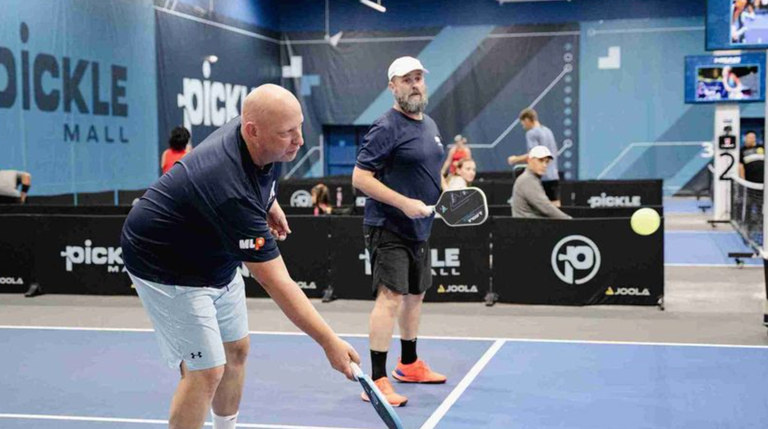
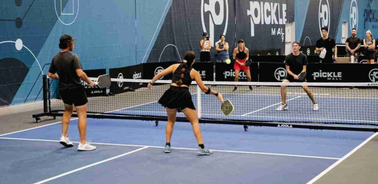
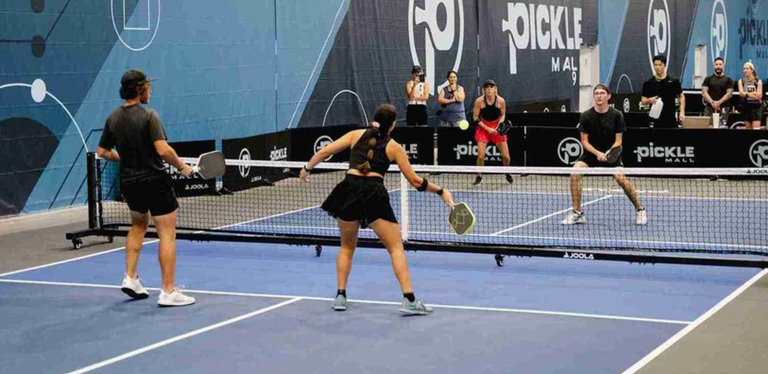
Two players stand at the kitchen line across from each other and volley continuously, but with a rule: one player goes crosscourt on every shot, while the other goes straight ahead on every shot.
The result is that both players are constantly alternating between forehand and backhand volleys. That is the whole point.
Here is what to lock in during this drill:
- Keep your paddle out in front of your body at all times. The moment your paddle gets behind you, you lose the next ball.
- Do not take a big swing. Short, compact contact wins here.
- Start slow and controlled, then gradually increase pace as you get comfortable.
- Once the pattern feels natural, switch roles so each player works both movement directions.
The hardest moment in any hands battle is transitioning from your backhand side to your forehand side on a live volley.
Most 4.0 players get stuck on one side. This drill forces that transition on every single exchange.
If you want to understand why kitchen arrival percentage defines your level, this drill is the physical answer to that stat.
Drill 2: Speed Up and Reset
At 5.0, everybody can speed up the ball. That is not a weapon anymore, it is an expectation. What separates players is what happens next: the reset.
This drill is simple in structure and brutal in execution. Two players stand at the kitchen. One speeds up, the other resets.
Then they switch. The player resetting already knows the speed up is coming, which is exactly the point.
Pre-knowing the attack lets you focus entirely on your reset mechanics rather than just reacting. You learn to:
- Track the ball early and read the angle before it arrives.
- Absorb pace rather than block it. Soft hands win.
- Keep the reset low. Any pop-up gets punished immediately.
- Anticipate the counter. After a successful reset, be ready for the follow-up attack.
The drill teaches a critical truth: if you pop the ball up on a reset, your opponent is going to smash it at your feet, and you deserve it. The reset has to be tight.
For more on why resets break down under pressure, this breakdown on why your pickleball reset keeps failing is worth reading alongside this drill.
You can also train your hands to handle these attacks better by studying these three fixes that help you reset every speed up.
 The Dink Media Team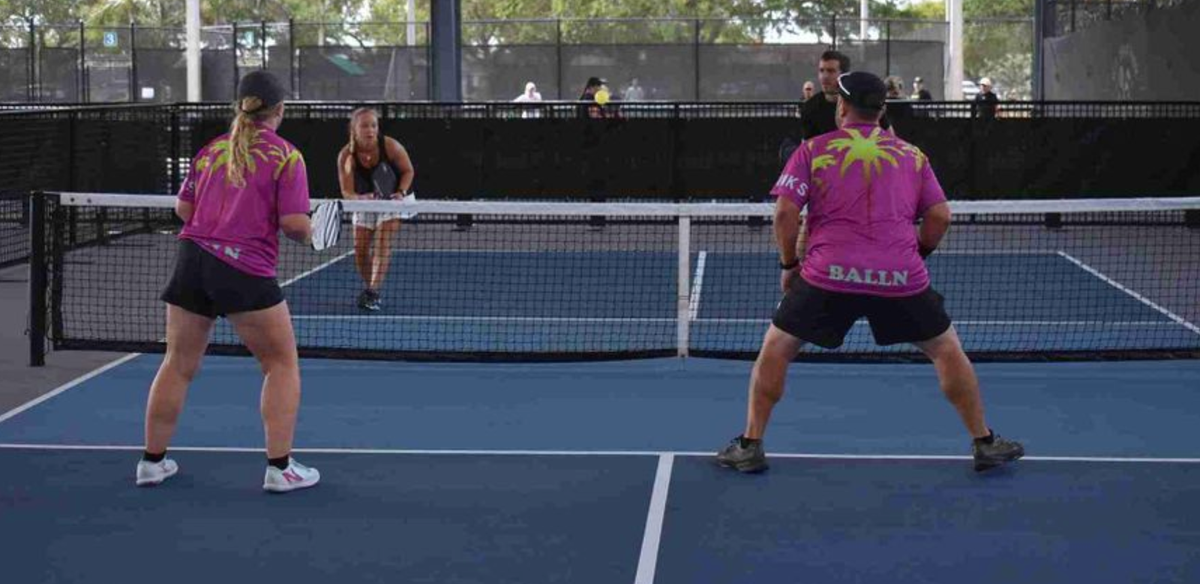
What Does It Actually Mean to Cover Two-Thirds of the Court?
At 4.0, players split the court roughly 50/50 with their partner. At 5.0, the better player at the kitchen routinely covers more than their half.
That requires a completely different understanding of positioning.
Court coverage at the 5.0 level is not about standing in one spot and reacting.
It is about reading where your shot went and immediately adjusting to cover the most dangerous response.
 The Dink Media Team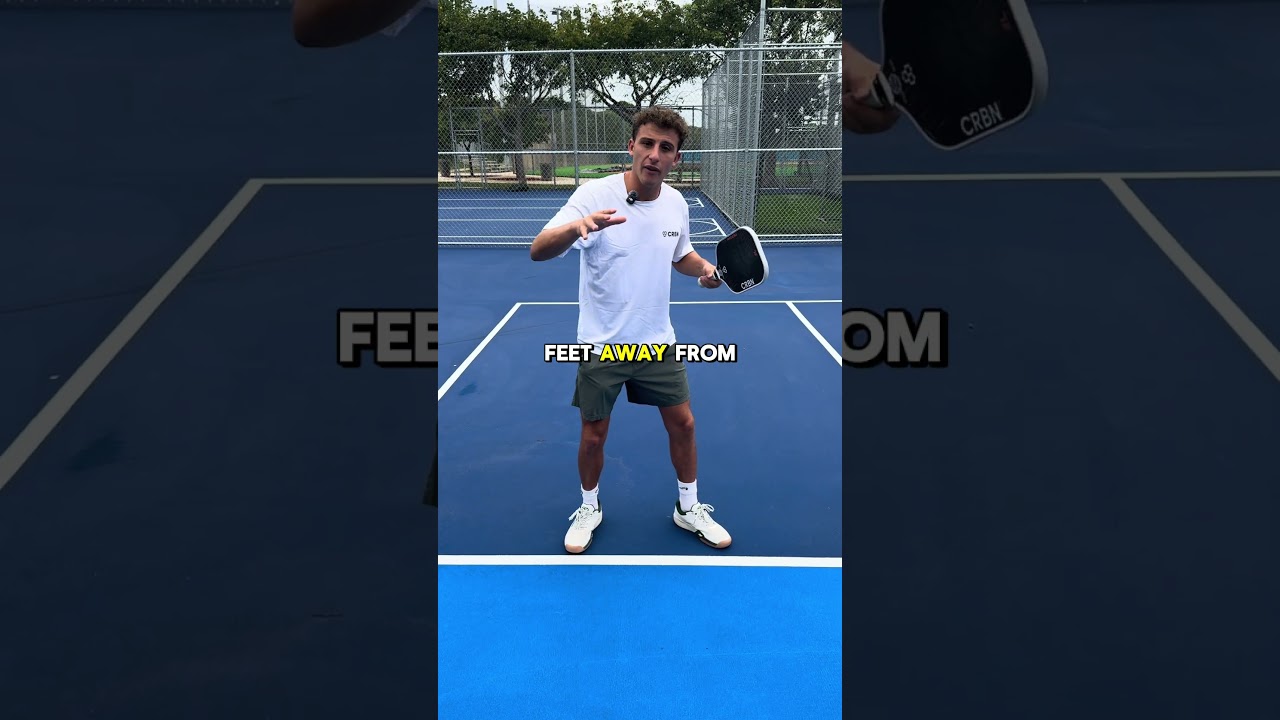
Drill 3: One Against Two, Two-Thirds Coverage
Set up a marker at the kitchen line to divide the court.
One player covers from the sideline to that marker, playing against two players on the opposite side who have the full court.
The solo player has to control that two-thirds zone.
The movement rules are specific and matter a lot:
- When you go crosscourt, move toward the middle. Your partner has shifted to cover the line, so it is your job to seal that center gap.
- When you go down the line, stay on your line and track the ball from there.
- Always leave the opposite corner open. That is calculated, not lazy.
- Stay on your toes and move with every shot, not after every shot.
This drill teaches you to follow the ball with your feet, not just your eyes. It will expose every bad positioning habit you have built up over years of casual play.
If your footwork breaks down before your technique does, this lateral movement training will help you build the base this drill demands.
The payoff from this drill is that you start seeing the court differently during real games.
You stop guessing about where to stand and start reading the geometry of every exchange.
Players who are stuck at 4.0 almost always have a positioning problem, not just a shot quality problem. This drill attacks that directly.
 The Dink Media Team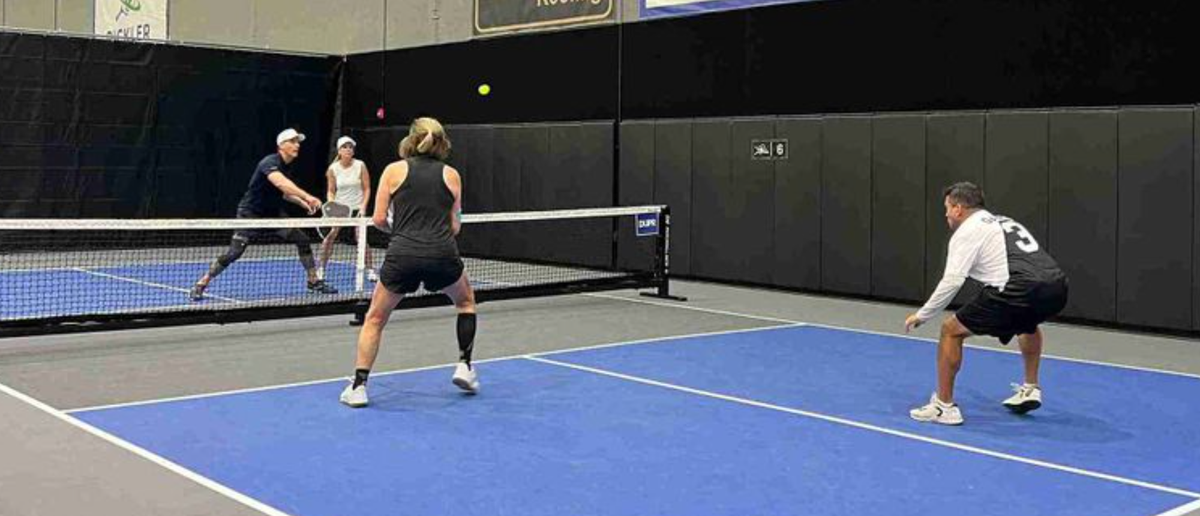
Why Is Moving to the Kitchen Together So Hard?
It should not be that complicated. Two players move forward together after a serve or return.
But in practice, this is one of the most commonly botched parts of doubles pickleball at every level below 5.0.
The serving team starts at a structural disadvantage.
They have to wait for the ball to bounce before advancing, which means the returning team reaches the kitchen first.
The serving team has to earn their way in under pressure.
 The Dink Media Team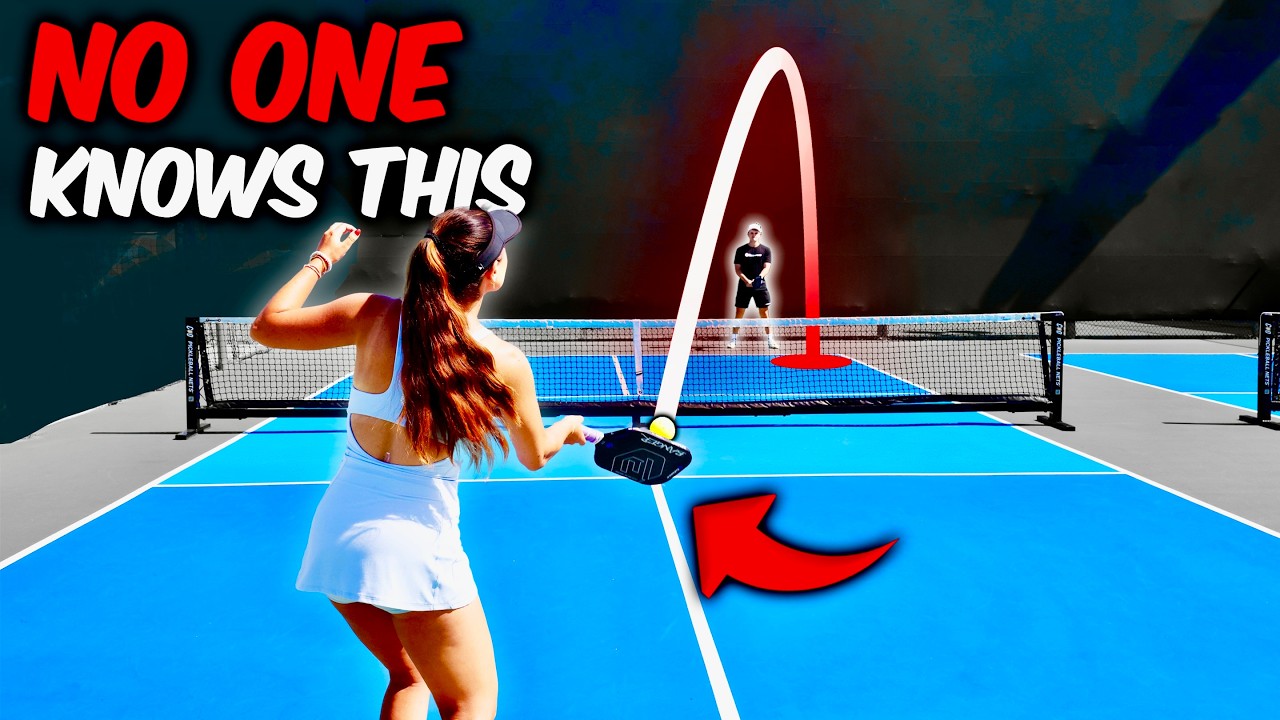
Drill 4: Synchronized Transition to the Kitchen
Two players start at the baseline and work on moving to the kitchen together in a controlled, intentional way.
A third player feeds from the net side, sending attackable balls to test them as they advance.
The key rule that most players violate: whoever hits the ball leads the movement.
If your partner hits and the ball is high, they know that. They will hold position.
You do not move ahead of them.
Moving out of sync with your partner creates gaps that a smart opponent will find instantly.
This drill forces you to communicate through your movement, not just your words.
Think about how Anna Leigh Waters and her partner operate on the transition. There is no wasted step, no player racing ahead.
Every move is connected to the ball that was just hit.
That is the standard to train toward.
Understanding the positioning mistakes hurting your game will make this drill click even faster.
And if your split step timing is off, fix that before adding the transition drill or you will just be grooving bad habits at higher speed.
 The Dink Media Team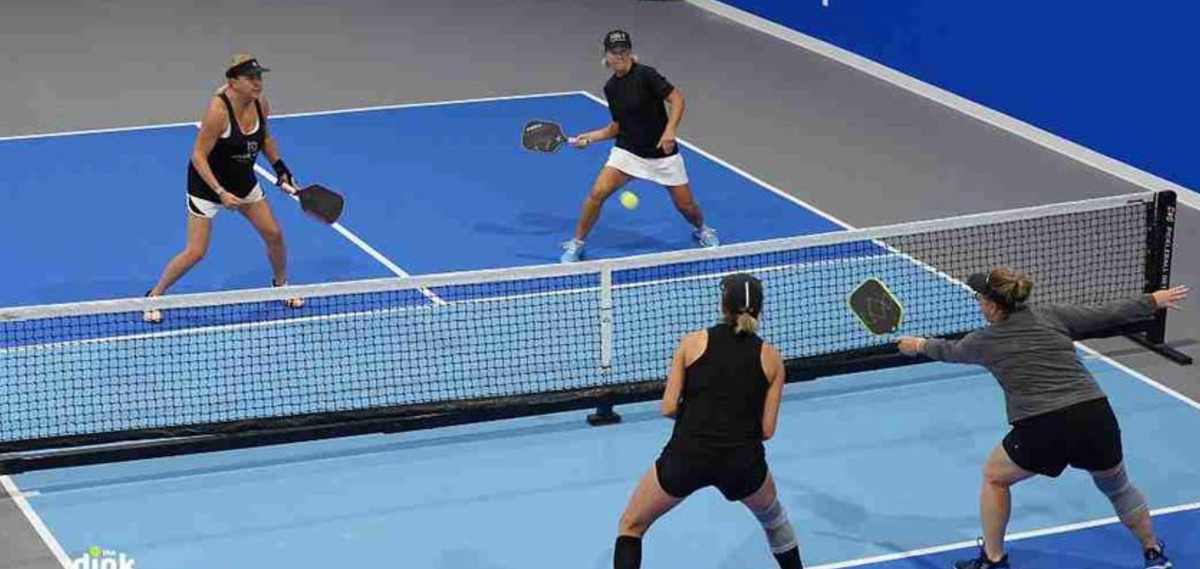
How to Structure These Four Drills in a Practice Session
Do not just run through all four randomly and call it a session. Each drill builds on something different, and the order matters.
Start with the Figure Eight Volley to warm up your hands and your reaction at the kitchen.
Then move into the Speed Up and Reset drill while your hands are already warm and sharp.
After that, shift to the two-thirds coverage drill so your footwork is trained while you are still fresh enough to move well.
Finish with the synchronized transition drill as a full-court integration of everything you worked on.
Spend at least 10 minutes on each. If you only have time for two, prioritize the Figure Eight and the Speed Up and Reset.
Those two alone will show up in your game the fastest.
For more ways to build a smart practice routine, these five drills that raise your DUPR rating fast pair well with this structure.
And if you want to know whether you are actually ready to move up a level, check these five signs you are ready to move up a skill level.
The players who improve fastest are the ones who drill with intention.
These four drills give you exactly that: a specific problem, a specific solution, and a clear way to know if it is working.
Frequently Asked Questions
What is the most important skill for going from 4.0 to 5.0 in pickleball?
Kitchen line control is the biggest separator, specifically your ability to handle hands battles, reset speed ups, and cover more than your half of the court. Players who reach 5.0 have all three of those skills working together, not just one or two.
What is the Figure Eight drill in pickleball?
The Figure Eight is a kitchen volley drill where one player goes crosscourt on every shot and the other goes straight ahead, forcing both players to alternate between forehand and backhand volleys continuously. It builds the hand speed and paddle positioning needed to survive fast exchanges at the kitchen line. Keep the paddle out in front and avoid any big backswing.
How do I get better at resetting speed ups in pickleball?
The fastest way is to drill it in a controlled setting where you already know the speed up is coming, which lets you focus entirely on your reset mechanics rather than just surviving. Soft hands, a low reset, and early ball tracking are the three things that make the difference. These three reset fixes will sharpen your mechanics further.
Why is moving to the kitchen together so hard in doubles pickleball?
The serving team starts behind because they must let the ball bounce before advancing, putting them at a structural disadvantage from the start. The bigger issue is that most partners do not understand the rule that the player who hits the ball leads the movement forward. When you move out of sync, you leave gaps that good players exploit immediately.
How often should I run these four drills to see improvement?
Two to three dedicated drill sessions per week will produce noticeable changes in four to six weeks if you are focused and intentional during each session. Casual play between sessions helps, but it will not replace the specific repetition these drills provide. If you want to track whether your drilling is actually translating, read this on why your drilling might not be working.

Love Pickleball? Join 100k+ readers for free weekly tips, news & gear deals.
Subscribe to The Dink