
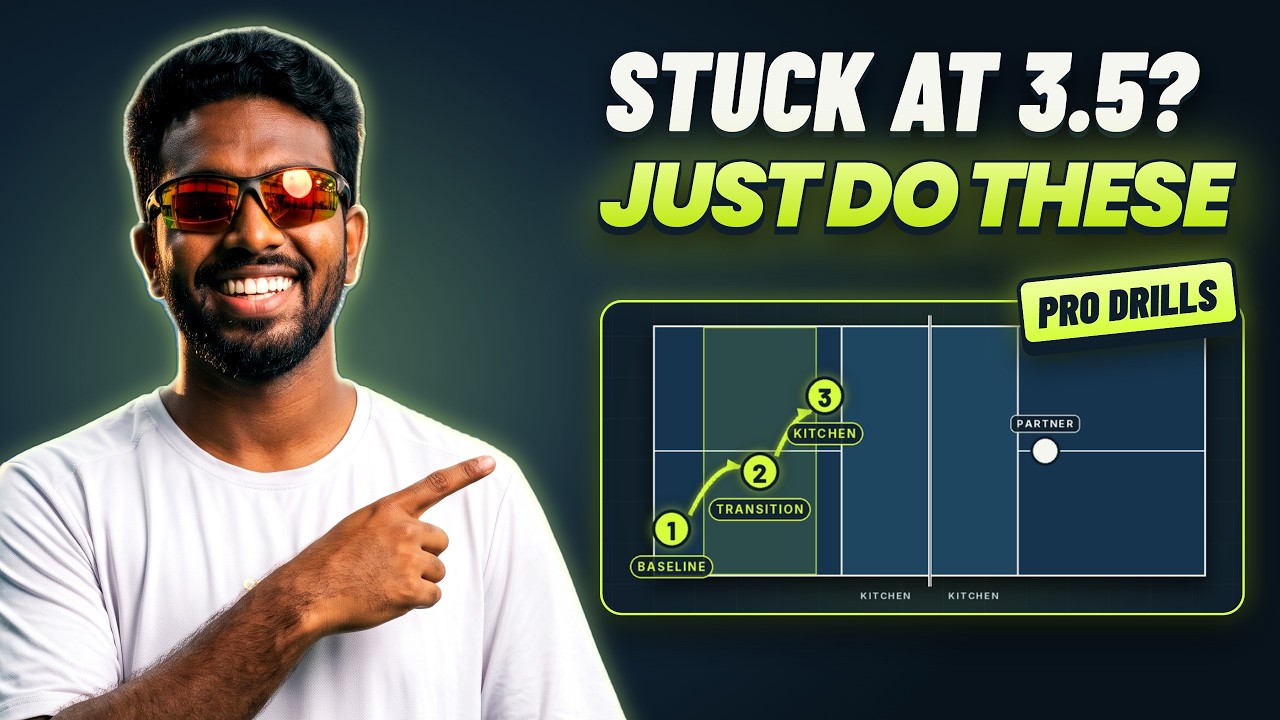
The right pickleball drill for each zone of the court can move you from 3.5 to 5.0 faster than random rec play ever will. Here are three drills for the baseline, transition zone, and kitchen that a pro used to build his own game.
Every pickleball drill you run should fix a specific problem, and most 3.5 players are stuck because they only play games and never train the shots that lose them points.
You can feel it in your own matches: the drive that sails long, the drop that pops up, the reset that dies in the net.
Rec play alone will not fix those habits because there is no pressure to repeat the skill correctly.
A 2025 notational analysis of pro singles play found that 63.7% of points ended on unforced errors, with the ball most often dying near the non-volley zone or behind the baseline.
Deliberate practice in each zone of the court is what builds the consistency that 5.0 players take for granted.
These three drills come from BK Pickleball on YouTube, who used them to climb from 3.5 all the way to pro level.
One drill covers the baseline, one covers transition, and one covers the kitchen, so you build a complete game from back to front.
Love pickleball? Then you'll love our free newsletter. We send the latest news, tips, and highlights for free each week.
Why Do You Need Coaching Before Drilling?
You need coaching first because drilling bad mechanics only makes bad mechanics permanent.
BK recommends that every player get coached to learn proper mechanics, then use drills to put those skills into practice.
Think of it as a two-step process. Lessons teach you what the shot should look like, and drills give you the repetition to own it under pressure.
If you are not sure which shots to learn first, start with the five shots beginners should learn first.
Then come back to these drills once the fundamentals feel comfortable.
If you only have limited court time, a structured session helps. A pro's optimal 2-hour practice plan shows how to fit work like this into a single outing.
Drill 1: How Do You Practice the Third Shot Drive and Fifth Shot Drop Combo?
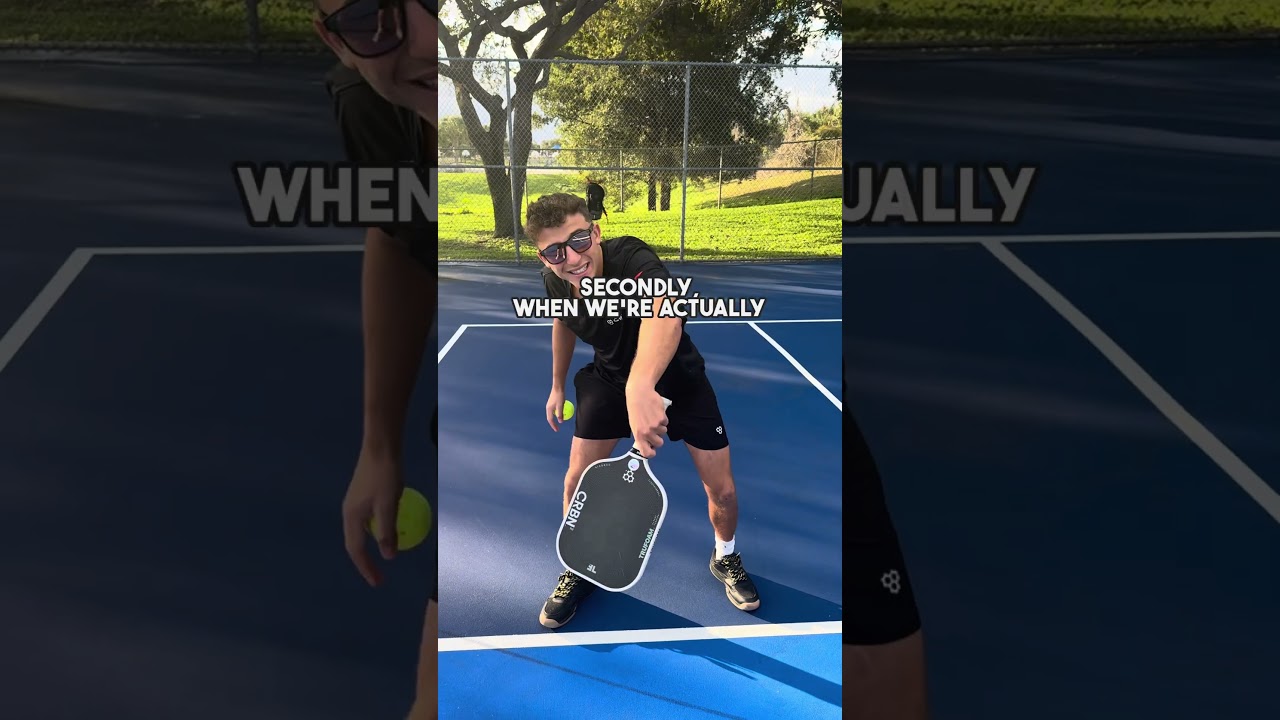
You practice the drive drop combo by hitting a drive, setting your feet, and dropping the next ball into the kitchen, then repeating until you can do it back to back without a miss.
This is the baseline drill, and it targets the hardest part of the combo: switching gears.
Drilling drives alone and drops alone is easy.
The problem is controlling your body when you go from a high-paced drive to a soft, touch-heavy drop in the same sequence.
Here is how to run it:
- Have your partner stand at the kitchen line and feed you a ball.
- Start a little behind the baseline so you have room to step into the drive.
- Drive the first ball, then set your feet before the next ball comes back.
- Drop the second ball into the kitchen without moving your feet.
- Repeat until you string together consistent drive and drop pairs with no mistakes.
The most important detail is the footwork after the drive.
Set your feet and ease up so you do not step in too hard, because that extra momentum is exactly what pops your drop up.
If your drive is the weak link, check out these tips for a harder pickleball drive that stays in.
If the drop is the problem, why you keep missing your third shot drop breaks down the usual culprits.
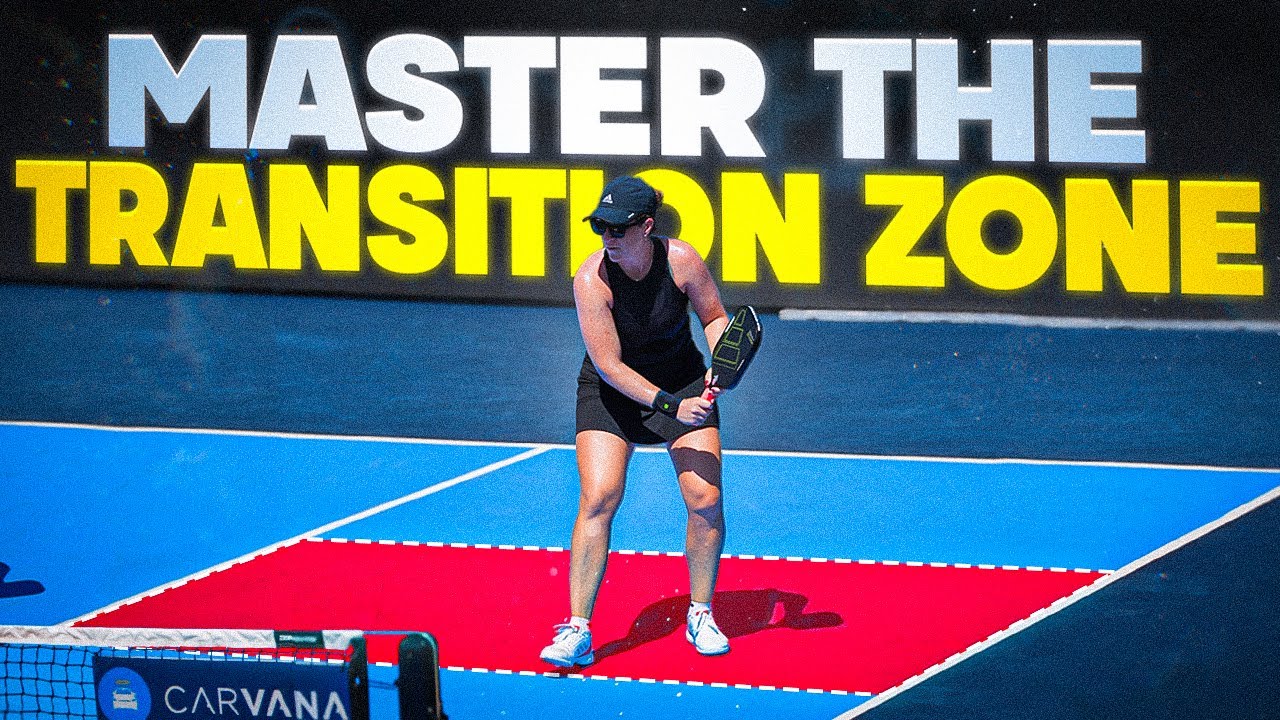
Drill 2: How Do You Get Better at Resets From the Transition Zone?
You get better at resets by absorbing pressure and landing the ball softly in the kitchen at least twice in a row before you earn the right to move up.
A reset is a soft block or dink that neutralizes a hard attack and lands in the opponent’s kitchen, putting you back in a neutral rally.
BK calls the reset the hardest shot in pickleball.
Hit it consistently and your game jumps a level almost automatically, which is why the reset is the one skill that takes you from 3.5 to 5.0.
How Do You Set Up This Reset Pickleball Drill?
- Stand a few feet in from the baseline, in the transition zone.
- Your partner stands at the kitchen and starts the rep with a simple overhead.
- Reset the ball into the kitchen.
- Hit two good resets in a row before you move forward and play out the point.
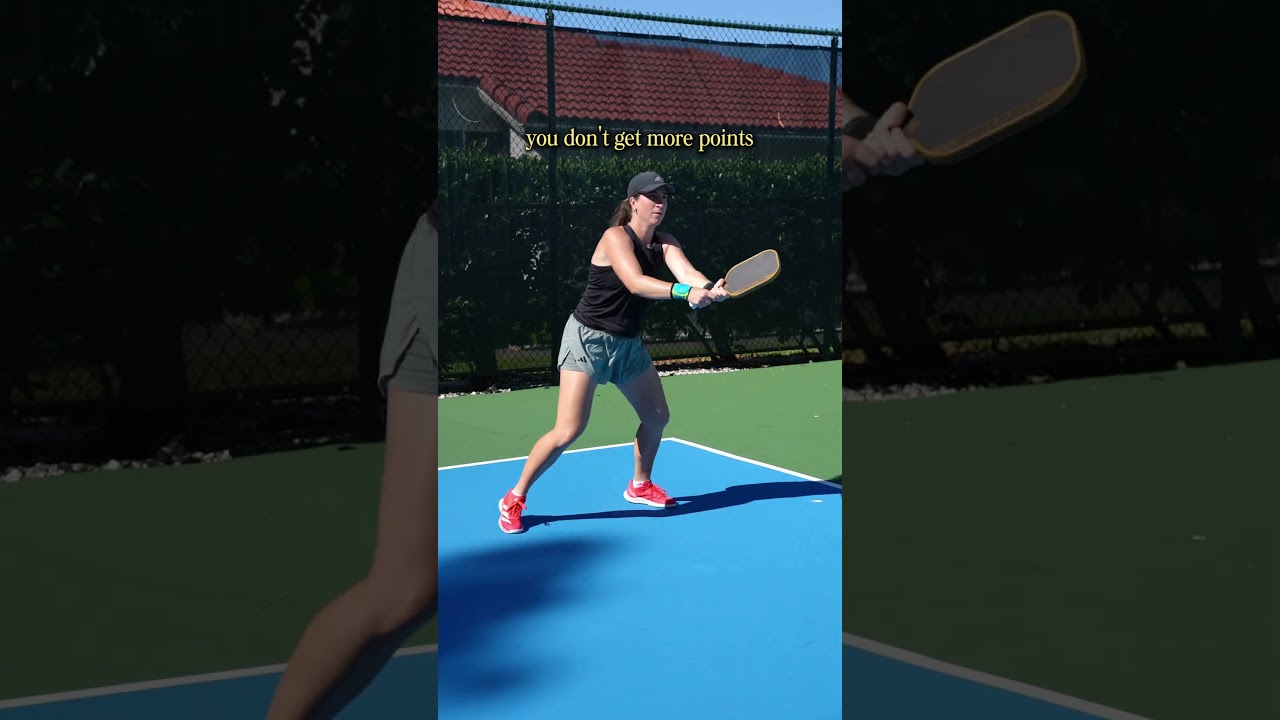
Stay calm as the ball comes in. Keep your paddle out in front, soften your hands, and keep your feet steady.
Paddle position is where most players fall apart. A paddle that drifts back toward your body leaves you swinging at the ball instead of absorbing it.
For more on this skill, read these reset techniques that beat hard attacks. You can also pair it with block fixes to stop popping up balls.
 The Dink Media Team
Drill 3: What Is the Cross Court Dink Game That Builds Kitchen Control?
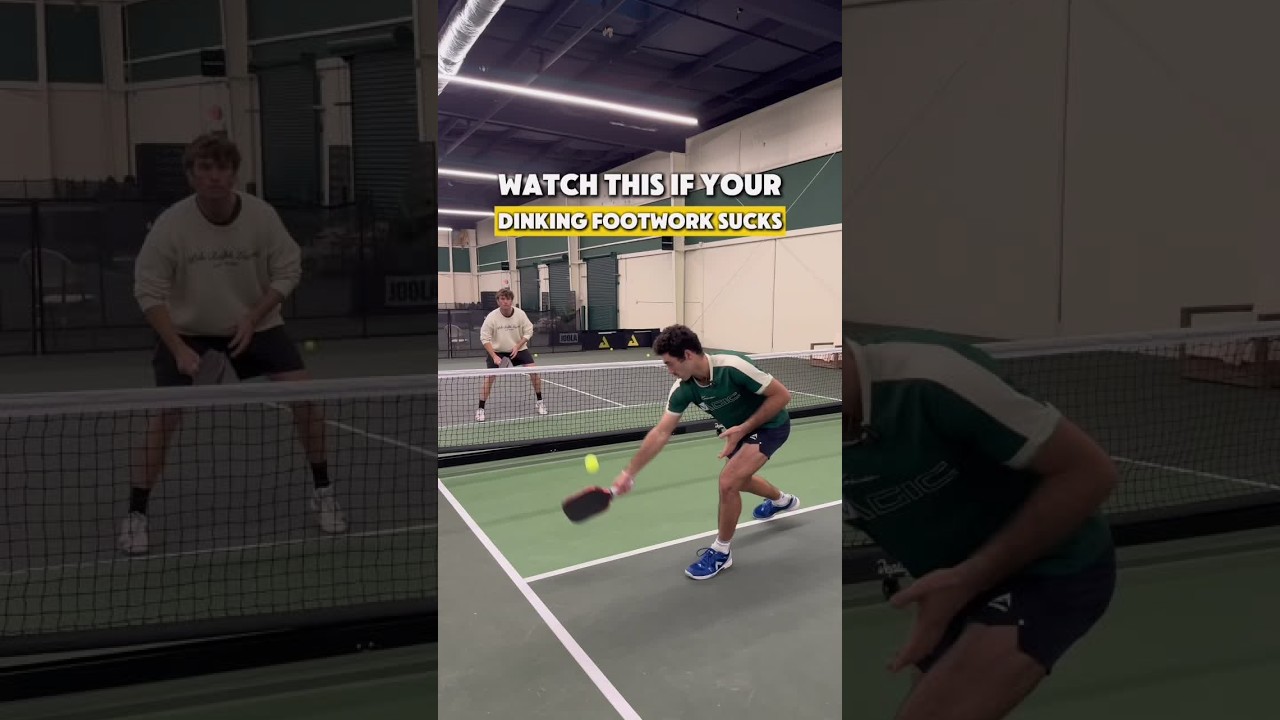
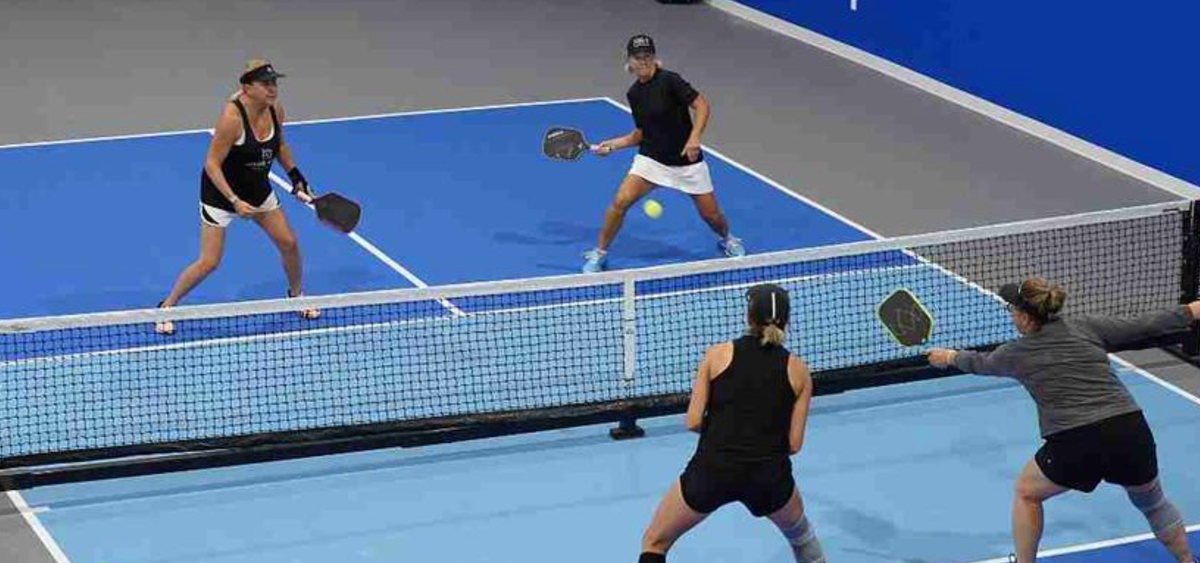
The cross court dink game is a first to 10 point drill where both players start at 5-5, gain a point for every rally they win and lose a point for every rally they lose, and may only speed up balls out of the air.
It trains your dinking, your footwork, and your ability to spot attackable balls all at once.
You and your partner stand cross court from each other at the kitchen and dink back and forth. The scoring creates a tug of war, so every rally matters.
The key rule is the one that makes the drill special: no speed ups off the bounce. Every attack has to come out of the air.
That rule forces two good habits. You work to make your dinks bounce on the other side, and you get a real incentive to take high balls out of the air.
 The Dink Media Team
How Should You Play the Dink Game?
You should move your dinks around, inside and outside, to force a pop up, then attack only if the ball is high enough. This is how BK built an 8-2 lead in the demo.
Here is what to focus on during the game:
- Move the ball: Alternate dinks to your opponent's inside foot and outside foot to stretch their reach.
- Create angles: Angled dinks make pop ups more likely and give you a window to attack.
- Take balls out of the air: If you cannot attack comfortably, take the ball out of the air and keep the dink pattern going.
- Cover your angles: When you pop one up, be ready for the counterattack.
Notice that taking a ball out of the air does not mean you have to attack it. You can volley a dink out of the air, keep control of the rally, and wait for a better ball.
That is a subtle but powerful skill. Controlling the point with dinks alone is often enough to win it.
To go deeper on kitchen patterns, try seven pickleball dinking drill sessions for every dink.
For attacking balls in the air, how to attack a dink out of the air at the kitchen covers the mechanics.
 The Dink Media Team
What Kitchen Skills Does This Game Actually Build?
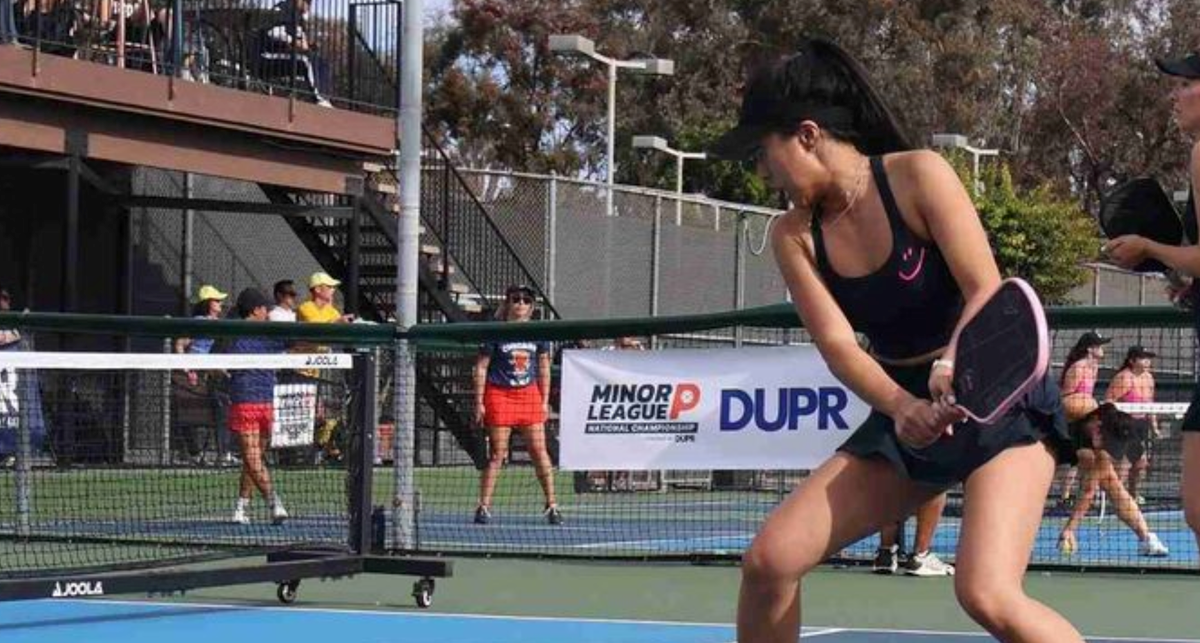
This game builds footwork, dink placement, and the instinct to know which balls to attack and which to defend.
Those are the exact skills Tyra Black and Anna Leigh Waters show at the kitchen line every time they step on court.
You learn to anticipate. A ball that floats a little too high gets taken out of the air, while a lower ball makes you step back and defend.
The 5-5 start adds a pressure element that casual dinking lacks. Every point shifts the score, so you practice staying composed when you are down.
For strategy that complements the drill, read this pickleball kitchen strategy breakdown and the backhand dink fixes that stop pop ups and nets.
 The Dink Media Team
How Do These Three Drills Fit Together?
These drills fit together because each one covers a different zone, and a 5.0 game requires control in all three.
The baseline drill gives you a consistent third shot, the transition drill keeps you alive under pressure, and the kitchen drill lets you win the point up front.
Most players over-practice one zone and ignore the rest. Rotating through all three keeps your game balanced.
Here is a simple way to schedule them:
- Baseline drill: 15 minutes, focused on clean drive then drop sequences.
- Transition drill: 15 minutes, counting your consecutive resets.
- Kitchen game: 20 minutes, playing to 10 and switching sides.
You can also warm up properly before any of this. Five warm up moves to prevent injuries will keep your shoulders and legs ready for the repetition.
 The Dink Media Team
What Separates 3.5 Players From 4.5 Players?
The gap comes down to shot selection and consistency under pressure, not raw power.
With 24.3 million Americans playing pickleball in 2025, according to SFIA, the 3.5 bracket is the most crowded place in the sport, and consistency is what gets you out of it.
A 3.5 player can hit a drive or a drop on a good day. A 4.5 player can hit both on demand, reset a hard ball, and stay patient in a dink rally.
That is why combo and pressure drills matter so much. They train the transitions between shots, not just the shots themselves.
The skills that separate average from advanced players line up closely with this pickleball drill trio, and a smarter speed up strategy turns those dink rallies into finished points.
Frequently Asked Questions
What is the best pickleball drill for improving the third shot?
The drive drop combo drill is one of the best because it trains the exact sequence you use in a game. Drive the first ball, set your feet, and drop the second into the kitchen with a partner feeding from the kitchen line.
How many resets in a row should I practice in the transition zone?
Aim for at least two good resets in a row before you move up and play out the point. This builds the habit of absorbing pressure and staying patient instead of rushing forward.
What are the rules of the cross court dink game?
Both players start at 5-5 and move up one point for a win or down one for a loss. You cannot speed up off the bounce, so every attack must come out of the air. The first player to 10 wins.
Can I improve my dinks without attacking?
Yes. You can take a ball out of the air and simply hit another dink, which keeps control of the point without forcing an attack.
Do I need a coach to use these drills?
A coach is strongly recommended because proper mechanics make your repetitions count. Drilling without good technique can lock in the wrong habits.


Love Pickleball? Join 100k+ readers for free weekly tips, news & gear deals.
Subscribe to The Dink