
3 Things You Need to Know Before You Hit the Scorpion in Pickleball
The scorpion pickleball shot is one of the best counters to a low ball attack that climbs too high on you. Here is exactly how to hit it and why it works.
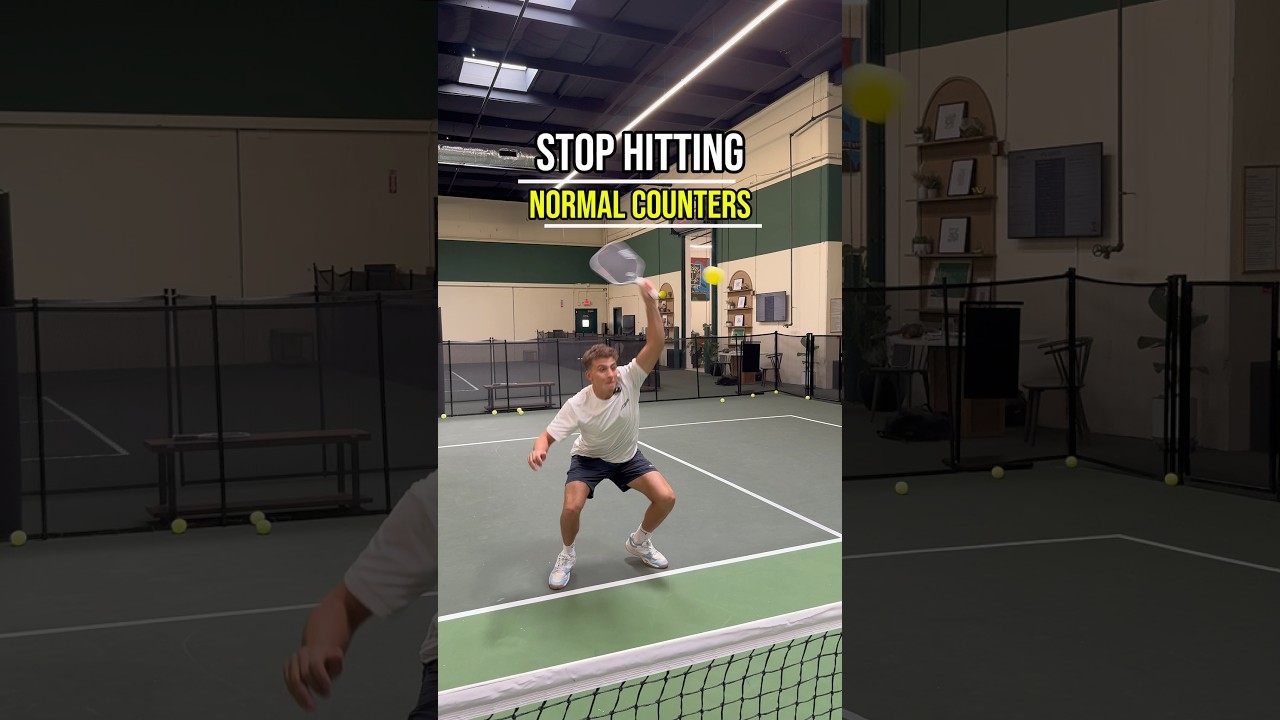
You are standing at the kitchen line, your opponent attacks a low ball, and instead of finishing the rally you end up with your elbow flying out and the ball popping straight up.
That is the chicken wing, and it is one of the most common reactions players have when a ball climbs fast on them out of nowhere.
The good news is there is a direct counter to this problem. It is called the scorpion pickleball shot, and it completely changes the way you handle those situations at the net.
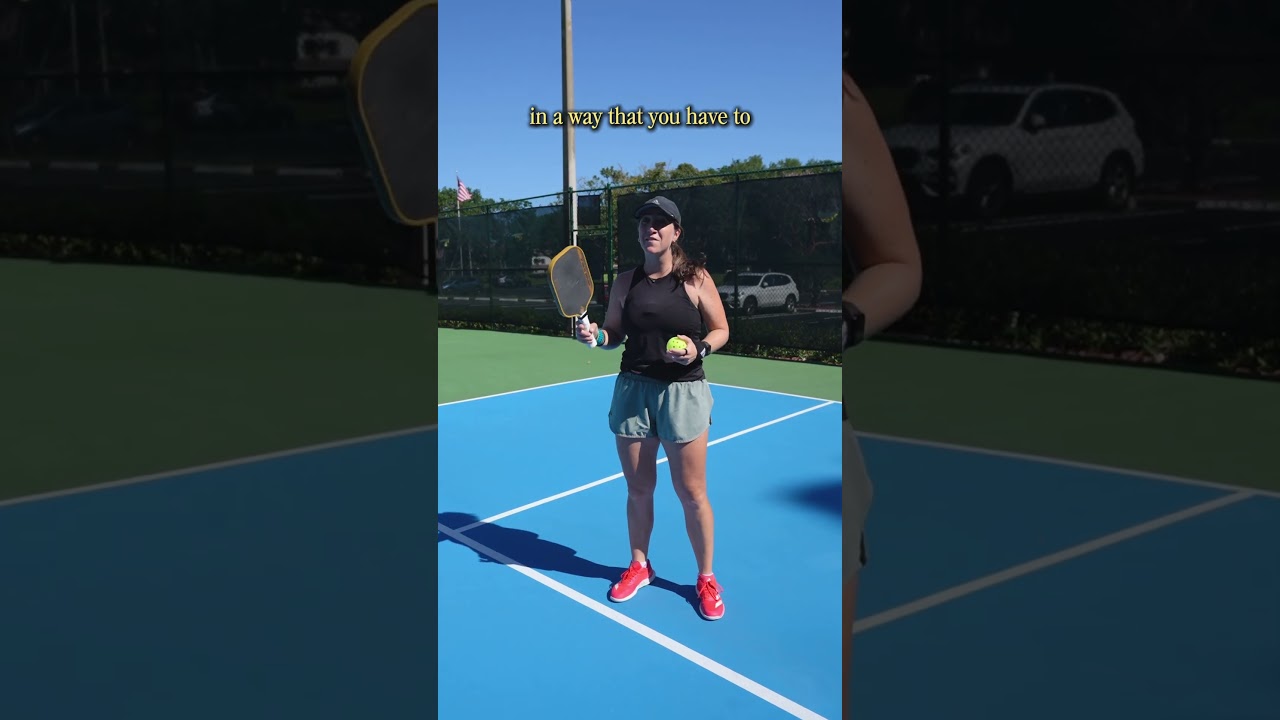
This breakdown is based on a quick but sharp tutorial from tanner.pickleball on YouTube, who explains the concept clearly in under a minute.
Below, we are going to stretch that concept into everything you actually need to apply it in real games.
Love pickleball? Then you'll love our free newsletter. We send the latest news, tips, and highlights for free each week.
What Is the Scorpion Shot in Pickleball?
The scorpion in pickleball is a defensive shot where you drop your body and your paddle down toward the ball instead of letting the ball come up to you.
The name comes from the shape your body makes when you bend down and extend the paddle low, which looks a bit like a scorpion's tail curling under.
Most players instinctively pull their elbow up when a ball rises fast on them.
That is the chicken wing reaction, and it almost always sends the ball straight up into a perfect attackable position for your opponent.
The scorpion breaks that pattern entirely. Instead of going up with the ball, you go down to meet it before it can climb.
The reason it happens at all is that your instincts are working against you.
When something comes at your body quickly, you pull back and up. It is a natural protective reflex.
The problem is that reflex leaves your paddle face open and your elbow disconnected from your body. You lose all control over where the ball is going.
Understanding how to win a pickleball hands battle starts with knowing your default reactions and deliberately replacing the bad ones with better habits.
The scorpion is one of those replacements.
Why Do Players Get Chicken Winged So Often?
The chicken wing happens because your instincts are working against you.
When something comes at your body quickly, you pull back and up. It is a natural protective reflex.
The problem is that reflex leaves your paddle face open and your elbow disconnected from your body. You lose all control over where the ball is going.
Understanding how to win a pickleball hands battle starts with knowing your default reactions and deliberately replacing the bad ones with better habits.
The scorpion is one of those replacements.
When Should You Use the Scorpion?
Use the scorpion in pickleball when your opponent is attacking a low ball out of the air and the ball is on a trajectory to climb into your body.
You will see this most when:
- Your opponent reaches for a ball near their feet and still drives it
- The ball is attacked from below the net and rises sharply
- A speed-up is directed at your midsection or hip
- The ball is coming fast but has an upward arc before it reaches you
The key signal is that your opponent is reaching for the ball.
When a player has to reach, the physics of the shot mean the ball has to travel upward before it gets to you.
That gives you time to get low and cover it.
Reading ball trajectory this way is one of the modern pickleball strategies that separates reactive players from truly controlled ones at the net.
 The Dink Media Team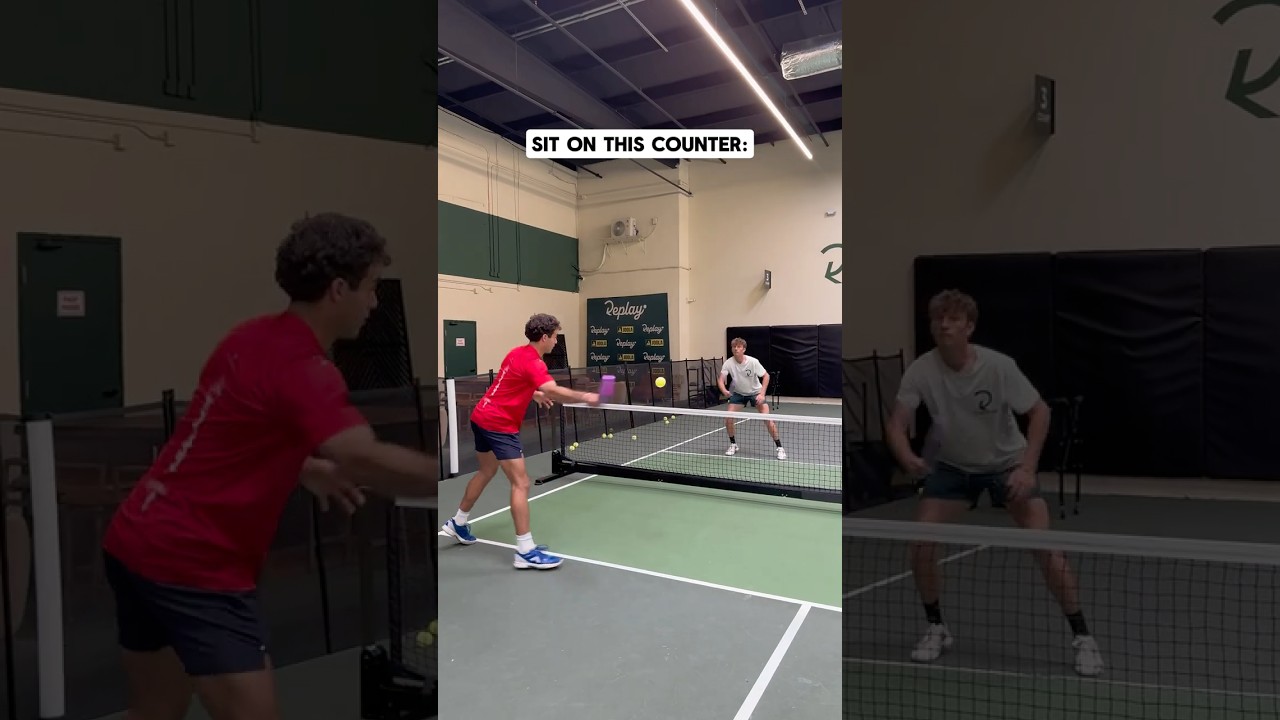
How Do You Actually Hit the Scorpion?
Here is the step-by-step execution of the scorpion shot:
- Read the reach. The moment you see your opponent stretching or reaching for a low ball, that is your trigger. Get your brain into scorpion mode immediately.
- Bend your knees aggressively. Drop your hips and get your body low. This is not a subtle knee bend. You are genuinely getting down toward the ground.
- Drive your paddle face downward. Point the paddle toward the floor and get it below the ball's expected path. You want the paddle in position before the ball arrives, not as a last-second swipe.
- Stay compact. Keep your elbow close to your body as you drop. A wide elbow leads right back to a chicken wing. The compact position gives you control.
- Absorb and redirect. Let the ball come to the paddle rather than swinging at it. A soft, controlled redirect is better than trying to hit it hard from a low position.
The paddle face angle is everything here. If your paddle face is open, you will pop the ball up.
If it is angled correctly downward, you redirect the ball in a controlled way and stay in the point.
 The Dink Media Team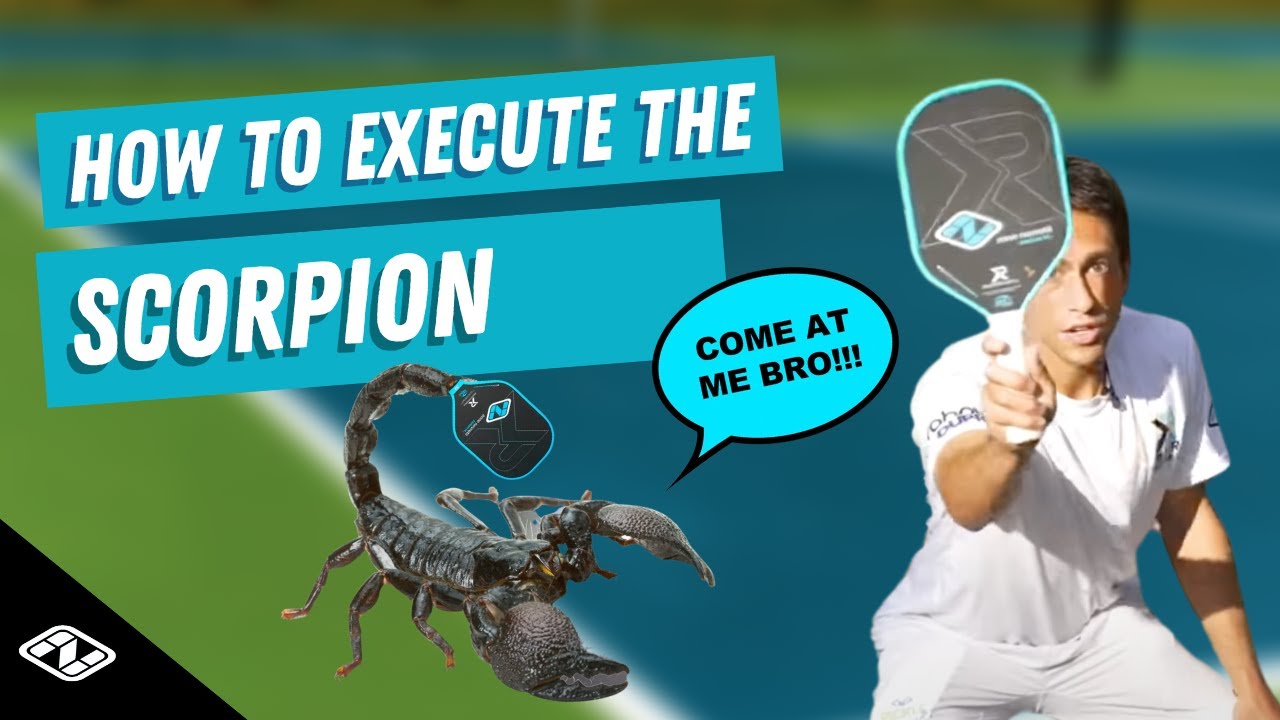
What Does Having Everything Covered Actually Mean?
One of the most useful points from the video is the phrase "we have everything covered."
That is not just about this one shot. It is about the strategic value of variety.
When your opponent knows you can only react one way to a speed-up, they will keep attacking because they know what they are getting.
Once you add the scorpion to your repertoire, they have to think twice. Suddenly, attacking you is not as safe as it was.
This is the same principle behind understanding when to reset, block, or counter in pickleball. When you have options, opponents cannot predict you.
 The Dink Media Team
What Are the Most Common Mistakes When Trying the Scorpion?
Players who try the scorpion for the first time usually run into a few predictable problems.
Here are the most common ones and how to fix each:
- Going down too late. You need to start dropping before the ball arrives, not when it is already at your body. Train yourself to react to your opponent's reach, not to the ball's arrival.
- Using a wide elbow. A wide elbow opens your paddle face and sends the ball up. Keep the elbow tucked as you bend down.
- Swinging instead of absorbing. From a low position, a big swing usually means no control. The scorpion is a placement shot, not a power shot.
- Forgetting to reset your position after. Once you hit the scorpion, get back to your ready position fast. Do not stay crouched and wait to see what happens.
If you are finding your reactions at the net are consistently late, it is worth looking at how fast hands mechanics work in pickleball so your body is ready before your brain fully processes what is coming.
 The Dink Media Team
How Does the Scorpion Connect to Your Overall Net Game?
The scorpion is not a standalone trick. It is part of a larger system of responses you need at the kitchen line.
You need solid volley mechanics at the kitchen line as your base. You need a reliable reset when the ball is too good to counter.
And you need the scorpion when the ball is rising fast and your instincts would otherwise send you into a chicken wing.
Together, those three responses cover the vast majority of what happens when someone attacks you at the net.
That is what "having everything covered" really looks like in practice.
Here is the strategic part.
When your opponent knows you can only react one way to a speed-up, they will keep attacking because they know exactly what they are getting.
Once you add the scorpion to your repertoire, they have to think twice.
It is the same principle behind knowing when to reset, block, or counter against aggression.
Players who keep losing hands battles most often do so because they only have one or two responses.
Adding the scorpion gives you a third option and forces opponents to respect your net game.
 The Dink Media Team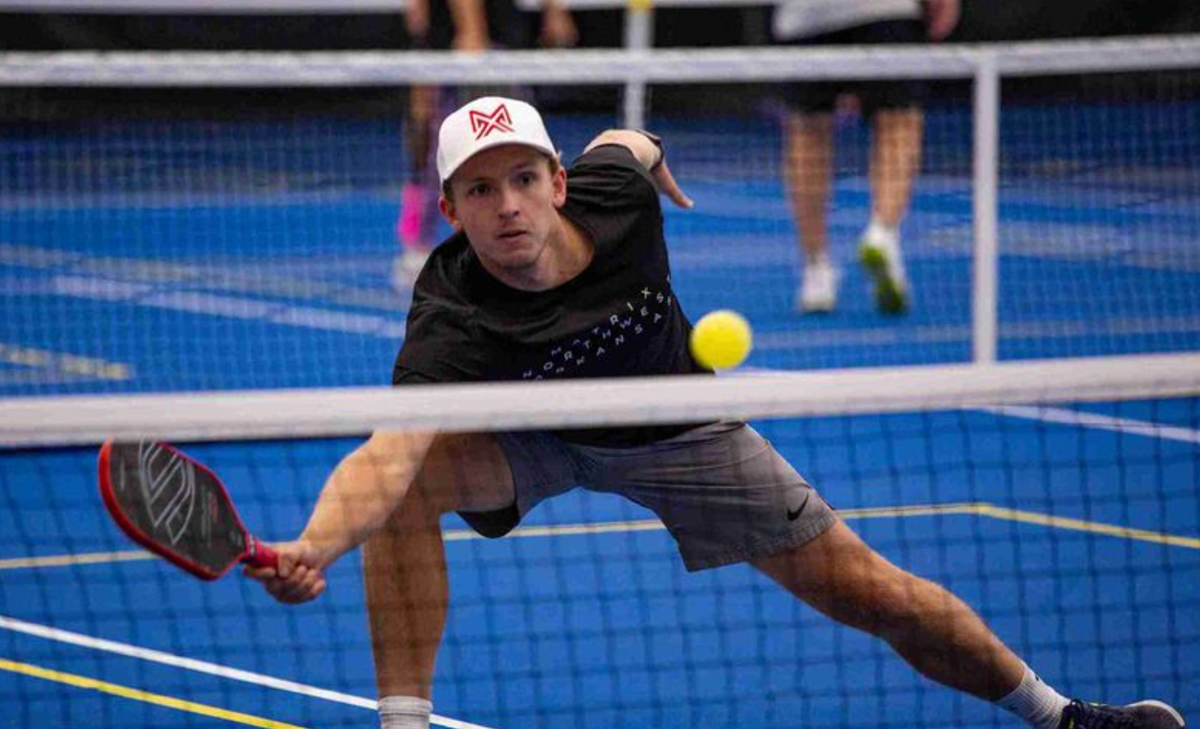
How Do You Practice the Scorpion?
The best way to train the scorpion in pickleball is with a partner who deliberately attacks low balls at your midsection.
Have them stand in the transition zone and drive the ball from below net height, forcing you to react.
Do not worry about where you are redirecting the ball at first. Focus entirely on getting your body low and your paddle face down before the ball arrives.
You can also work on the movement patterns solo. Practice bending your knees deeply and dropping your paddle toward the ground in a single smooth motion.
Your legs need to be fast here because you are dropping your entire body weight, not just moving your arm.
If you want a full system for building this kind of reactive skill, these drills will help you structure practice sessions that actually carry over to real games.
 The Dink Media Team
Does the Scorpion Work Against Power Players?
Yes, and honestly it works especially well against power players because their attacks tend to have more upward arc when they are reaching for low balls.
More pace on a ball that is already traveling upward means more time for you to get low and cover it.
The scorpion is also a great tool because hard hitters tend to be less comfortable when their attacks come back controlled and low.
They want you to pop it up, and when you do not, you disrupt their rhythm.
Learning how to beat bangers in pickleball by taking pace off is a skill every player should have.
The scorpion fits directly into that approach when the attack is coming at your body.
The bigger picture is that hitting hard has real costs, and when you neutralize power with smart positioning, you start winning rallies that used to feel impossible.
That is why it belongs on any list of essential shots to master.
Frequently Asked Questions
What is the scorpion shot in pickleball?
The scorpion is a defensive shot where you drop your body and paddle down to meet a rising ball before it can climb into chicken wing territory. You bend your knees deeply, drive your paddle face downward, and absorb the ball in a controlled redirect. The shape your body makes when fully executed resembles a scorpion, which is where the name comes from.
When should I use the scorpion instead of a regular block or reset?
Use the scorpion specifically when you see your opponent reaching for a low ball and the trajectory is going to send it upward into your body. A standard block works when the ball is coming at a more neutral height, but the scorpion is your answer when the ball is climbing fast. If you try to block a ball that is rising hard, you will usually end up chicken winging it.
Why do I keep chicken winging the ball at the kitchen?
The chicken wing happens because your instinct is to pull your elbow up when something comes at your body quickly. That reflex opens your paddle face and sends the ball straight up. Training the scorpion response replaces that reflex with a deliberate downward motion that gives you actual control.
Is the scorpion shot hard to learn?
The mechanics are not complicated, but the timing takes practice because you need to start dropping before the ball arrives. Most players struggle at first because they react to the ball instead of reacting to their opponent's reaching motion. Once you train yourself to read the reach as your trigger, the shot becomes much more consistent.
Can the scorpion shot be used offensively?
The scorpion is primarily a defensive and neutralizing shot, not an offensive weapon. Its goal is to keep you in the rally and deny your opponent an easy put-away. That said, a well-placed scorpion that lands low in the kitchen can force your opponent into a tough position and set you up for the next ball.

Love Pickleball? Join 100k+ readers for free weekly tips, news & gear deals.
Subscribe to The Dink