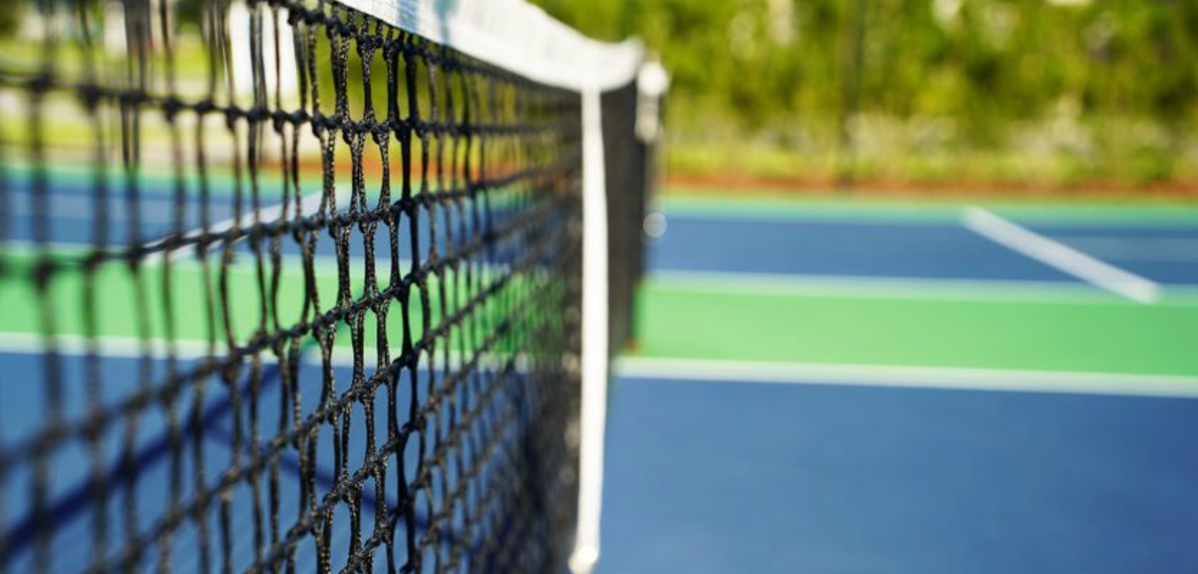
Pickleball for seniors isn't about running down every ball. It's about strategy, positioning, and knowing exactly where to be before the point even starts.
Pickleball for seniors isn't a watered-down version of the sport. It's a smarter one.
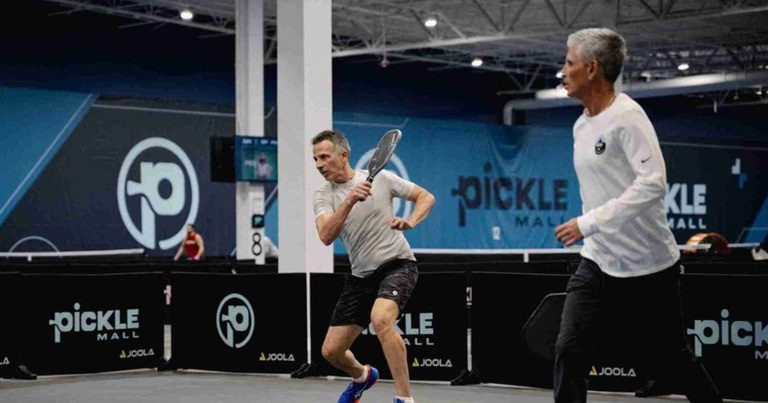
Walk onto any rec center court on a Tuesday morning and you'll see it: players in their 60s, 70s, and 80s running circuits around opponents half their age.
It's not because they're faster. They're better positioned, more patient, and far less likely to hit a ball they have no business hitting. That's the whole game, honestly.
This guide breaks down the real strategy, the training that actually keeps you on the court, and the gear worth your money.
No fluff. No generic "stay active" advice you've heard a hundred times.
If you're just starting out, a local pickleball club is still the fastest way to find your level and your people.
Love pickleball? Then you'll love our free newsletter. We send the latest news, tips, and highlights for free each week.
Why Pickleball for Seniors Is Having a Real Moment
The short answer? It's the rare sport where age isn't a disadvantage.
The Sports & Fitness Industry Association tracked a triple-digit jump in pickleball participation among adults 55 and older over the past several seasons, and the numbers keep climbing.
Tennis demands lateral speed. Golf demands decades of muscle memory most people never build. Pickleball rewards something else entirely: court awareness.
That's why senior pickleball tips rarely start with footwork drills.
They start with positioning, because a 68 year old who's standing in the right spot beats a 30 year old who's standing in the wrong one, every single time.
Here's the thing though. Standing in the right spot isn't luck.
It's a skill you can actually build, and getting your fundamentals dialed in early makes it stick faster. That's the foundation of everything below.
What Does Pickleball for Seniors Actually Require?
Patience, positioning, and a short memory for mistakes. That's it. That's the whole requirement list.
Younger players lean on power. They rip drives, chase down lobs, and recover from bad decisions with raw speed.
Seniors don't have that luxury, and honestly, they don't need it.
The entire strategic edge in pickleball for seniors comes from what coaches call the "soft game": dinks, drops, and patient rallies that force the other team to make the first mistake.
It also helps to know the mistake you didn't know you were making before it costs you a point.
 Zoey Weil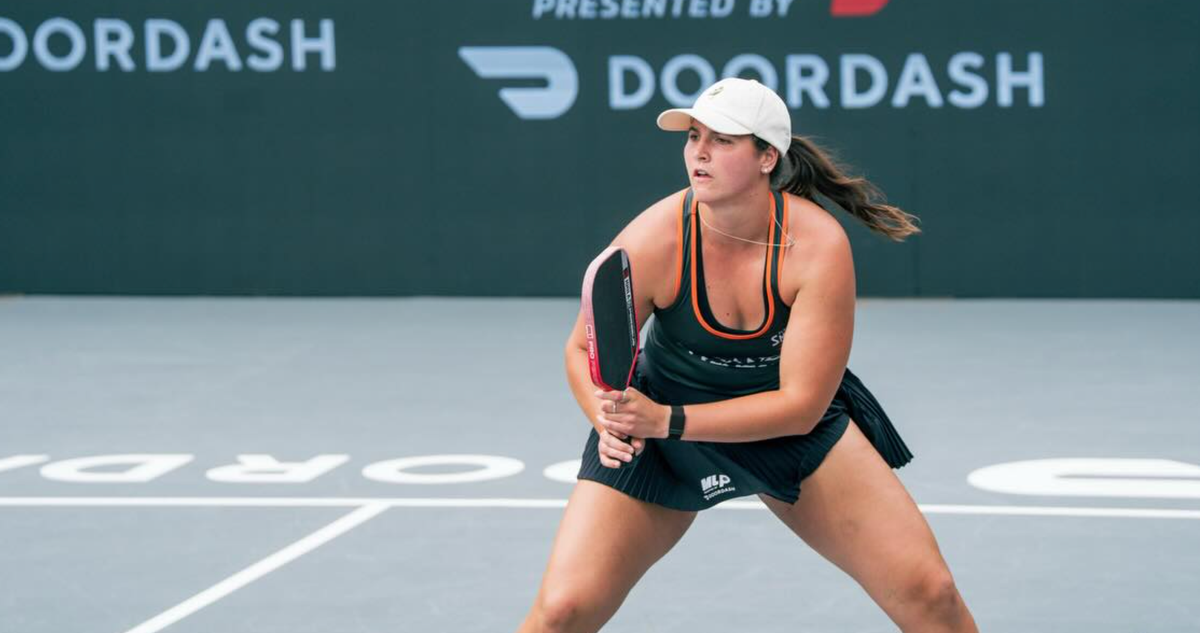
Think of the soft game as a staring contest. Nobody wins by blinking first, and in pickleball, blinking first means popping a ball up that gets smashed.
Turning your dinks into winners isn't about hitting harder. It's about hitting smarter, shot after shot, until your opponent gets impatient before you do.
That's a beginner-adjacent concept, sure, but it matters more here than anywhere else in the sport.
Three tips every new player needs usually start with grip and paddle prep.
For senior pickleball tips specifically, the starting point is different: stop chasing power, start chasing position.
Getting the most out of your court time means drilling that one shift in mindset before anything else.
The Real Strategy Behind Winning Pickleball for Seniors
Win the battle for the kitchen line, and you win most of your points before your opponent even sees it coming.
That's the real strategy behind pickleball for seniors, and it's built on three pillars: court position, doubles teamwork, and a return of serve that doesn't put you on your back foot.
A few mid-court habits tie all three together. Let's take them one at a time.
The One Rule for Pickleball for Seniors: Move Smart, Not Fast
Get to the kitchen line and stay there. That's the rule. Everything else is commentary.
Positioning yourself correctly at the kitchen is worth more than any drill you'll ever run, because most rallies are decided by who controls that eight foot strip closest to the net.
A slower player who owns the kitchen line beats a faster player stuck at the baseline. Every time.
The good news is that getting there doesn't require sprinting. It requires timing your approach off your own serve and your partner's return, then holding your ground once you arrive.
Simple. Repeatable. Exactly the kind of pickleball strategy for seniors that ages well, pun fully intended.
 The Dink Media Team
Why Is Doubles Strategy a Senior Pickleball Tip Worth Repeating?
Because most senior matches are doubles, and doubles rewards teamwork over individual athleticism.
Rethinking how you approach doubles pickleball changes everything about how two players in their 60s can beat two players in their 30s.
It's not about who covers more ground. It's about who covers the right ground, together, without leaving gaps.
Understanding the sideline and the middle matters just as much as any shot selection. Communicate on every ball down the middle.
Assign coverage before the point starts, not during it.
And remember: there are real advantages to playing both sides of the court if your knees prefer one side over the other. There's no rule that says you have to rotate like the pros do.
 The Dink Media Team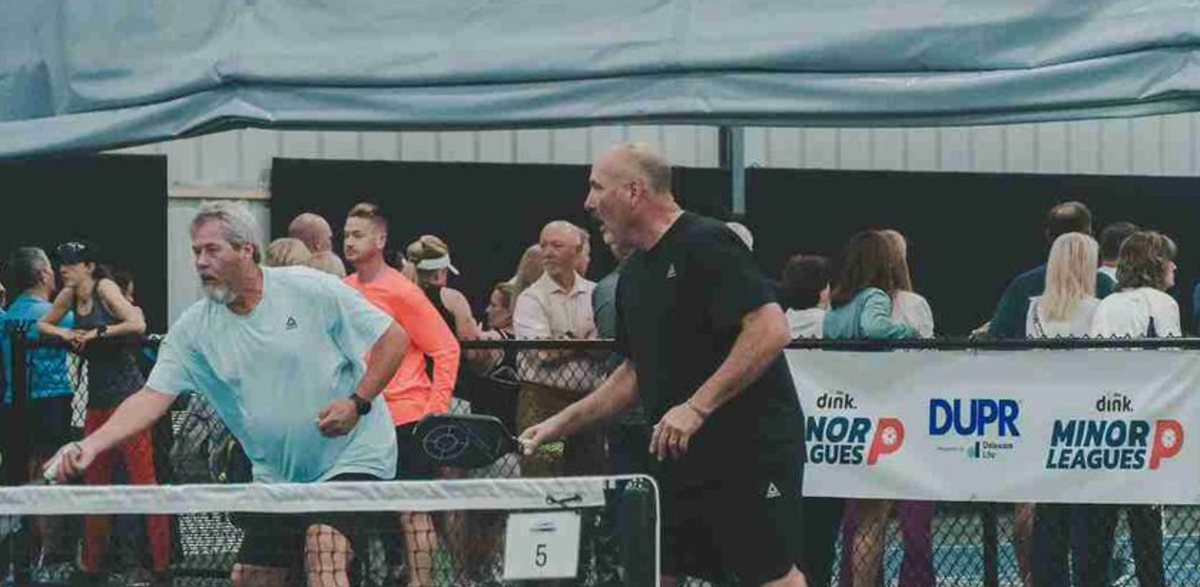
How Do You Win the Return of Serve Battle?
Return deep, return with margin, and get to the kitchen line immediately after. That's the whole formula.
Knowing exactly where to return serve takes the guesswork out of the first shot of every rally, and for senior players especially, a short return is an invitation to get pulled forward off balance.
Making the most of your return of serve means aiming deep and giving yourself time to advance.
Once you're in, the fourth shot decides whether the point tilts your way.
And when your opponent lands a good drop, knowing how to respond to a perfect drop instead of panicking is what separates a controlled rally from a rushed error.
If the shot isn't there, drive instead of drop and reset the point rather than forcing a low percentage ball.
Playing the percentages instead of the highlight reel is, again, the entire theme here.
 Alex E. Weaver
Training Smart: Fitness, Warm-Ups, and Injury Prevention
Warm up longer than you think you need to, and treat recovery as part of the training, not an afterthought.
Pickleball injuries in seniors cluster around a few predictable spots: Achilles tendons, rotator cuffs, and knees, largely from cold starts and sudden lateral movement.
A 2025 review in the Journal of Sports Sciences found that structured dynamic warm-ups measurably reduced lower body strain in racket and paddle sport players over 50.
Five to ten minutes of dynamic movement before you ever pick up a paddle changes the entire session.
 Alex E. Weaver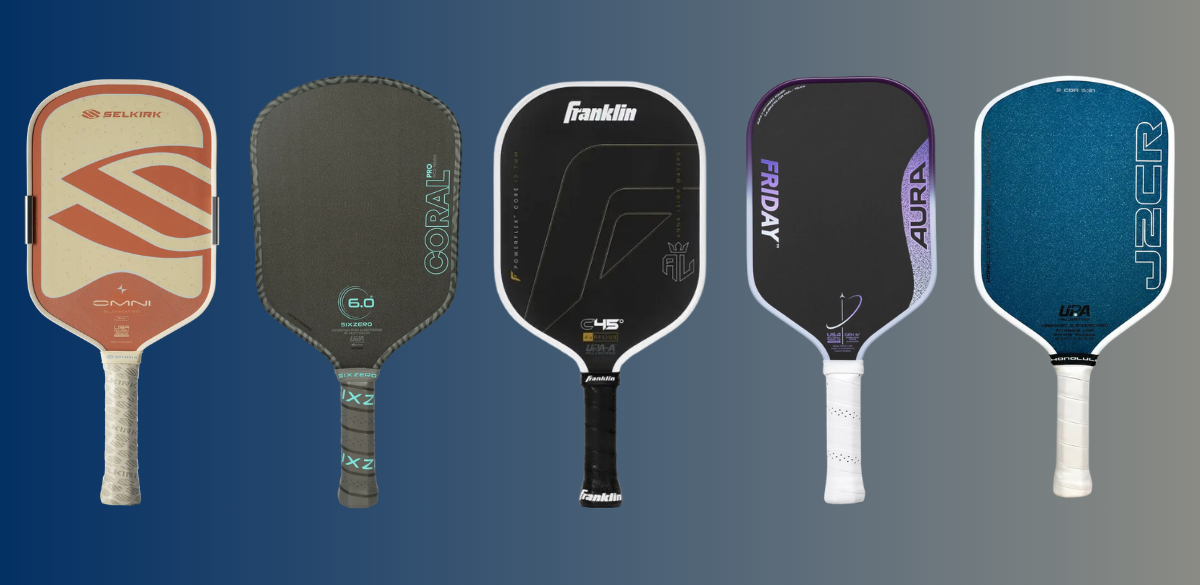
Adding a warm-up routine with mini pickleballs is a simple way to build that habit without turning your Tuesday morning game into a physical therapy appointment.
Footwork matters here too, and not in the way most players assume. It isn't about speed.
It's about controlled, short steps that keep your center of gravity stable, which is exactly why proper court shoes matter more than most seniors realize.
Supportive pickleball specific shoes reduce the ankle rolling and knee strain that generic sneakers invite.
USA Pickleball has also leaned into this conversation, publishing player safety guidance aimed specifically at older athletes as participation among that group keeps rising.
The core message lines up with everything above: build the habit of warming up, prioritize joint friendly movement, and treat soreness that lingers past a day or two as a signal to rest, not push through.
What Gear Actually Helps Pickleball for Seniors?
A lighter paddle with a bigger sweet spot, and shoes built for lateral movement. That's most of it.
Letting your paddle do the work instead of your arm reduces the elbow and shoulder strain that sends a lot of senior players to physical therapy.
A paddle built around control rather than raw power, like the balance oriented options built for touch and feel, rewards exactly the dink heavy, patient game covered above.
And a solid serve grip does more for your consistency than any paddle upgrade ever will.
 The Dink Media Team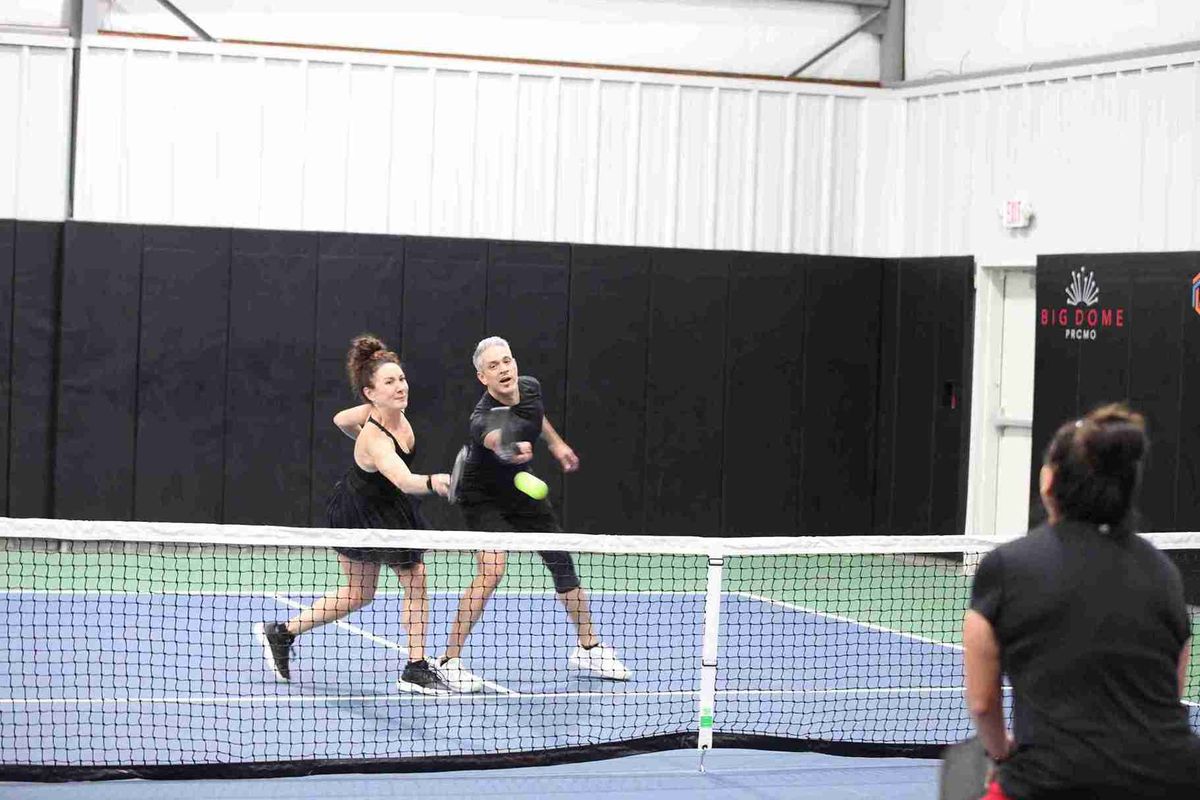
Key Takeaways
- Pickleball for seniors rewards positioning and patience over speed and power.
- Owning the kitchen line decides more points than any single shot.
- Doubles teamwork, not individual coverage, wins senior matches.
- A dynamic warm-up and proper shoes cut down on the most common injuries.
- A lighter, control oriented paddle protects your arm and your consistency.
Frequently Asked Questions
Still have questions about your rating, your matchups, or where you stack up? Ask the DUPR community covers most of what doesn't fit below.
Is pickleball safe for seniors?
Yes, for most people, and it's frequently recommended by physical therapists as a low impact way to build balance and cardiovascular fitness. The main risk factors are cold starts and sudden lateral movement, both of which a proper warm-up and smart footwork habits largely address. Anyone managing an existing joint or heart condition should still check with a doctor before starting.
What is the best pickleball strategy for seniors?
Own the kitchen line, play patient dinks, and let your opponent make the first mistake. Avoid chasing power shots you can't consistently control, and prioritize a deep, controlled return of serve on every point. This is exactly the pickleball strategy for seniors that consistently beats faster, more athletic opponents.
How many times a week should seniors play pickleball?
Two to three sessions a week is a common, sustainable starting point, with at least one rest day between sessions early on. Listen to your body rather than a fixed number, and use the extra days to raise your pickleball IQ with video or strategy study. Soreness that fades within a day is normal, while pain that lingers is a signal to scale back.
What paddle is best for senior pickleball players?
Look for a lighter paddle, typically in the 7.3 to 7.8 ounce range, with a larger sweet spot for forgiveness on off center hits. Control oriented paddles, like some of the newer touch focused builds, reduce arm and shoulder strain compared to power focused options built for aggressive drives. Pair it with a comfortable grip size to avoid extra wrist strain.
Can beginners over 65 learn pickleball quickly?
Yes, and often faster than younger beginners because the sport rewards strategy and court awareness over raw athleticism. Group lessons designed for older adults typically focus on positioning and the soft game from day one rather than power shots. Most new players feel comfortable in a doubles match within a handful of sessions, especially once they've found a welcoming pickleball club that runs beginner friendly clinics.

Love Pickleball? Join 100k+ readers for free weekly tips, news & gear deals.
Subscribe to The Dink