Why the Pickleball Unsportsmanlike Conduct Rule Is Holding the Sport Back
CJ Klinger got called for pickleball unsportsmanlike conduct for stomping his foot. Is this rule fair or just a tennis holdover that needs to go?
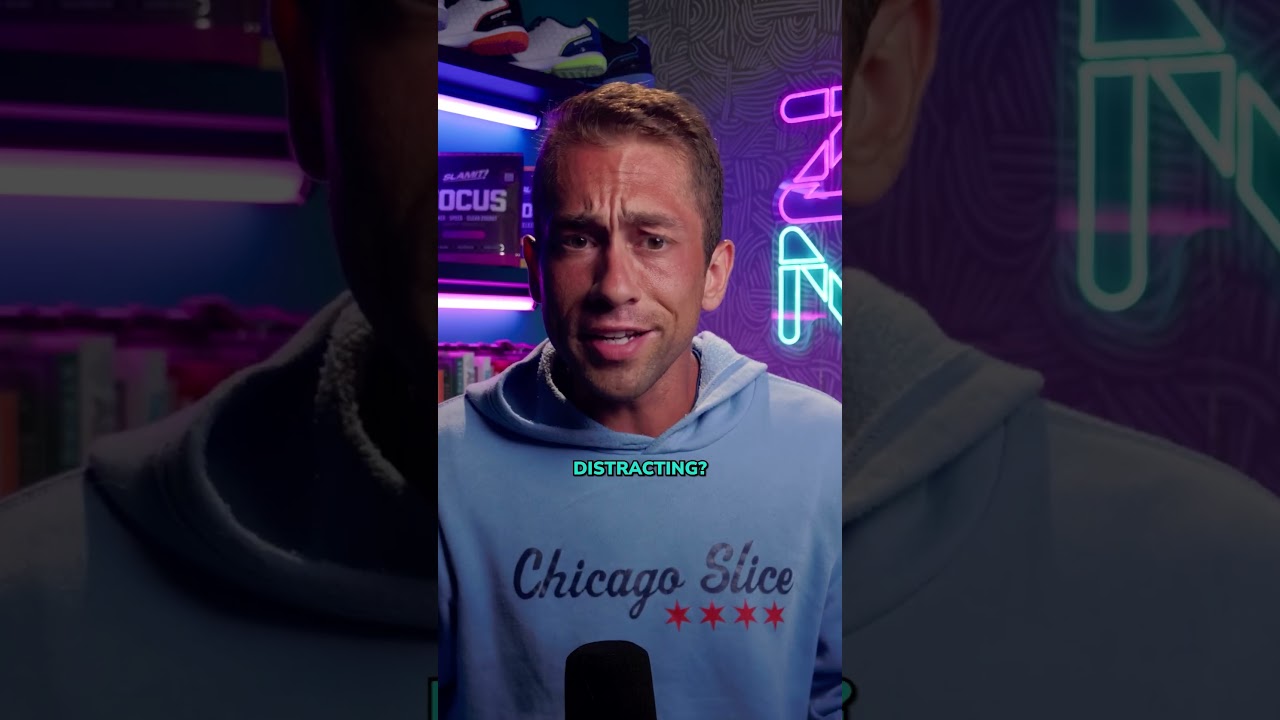
A pickleball unsportsmanlike conduct call stopped a pro match because a player stomped his foot. Not screaming. Not taunting.
Just a foot stomp.
That is the situation CJ Klinger found himself in, and you can even hear Jack Sock laughing in the background at how absurd the call was. The ref issued the ruling with all the seriousness of a courtroom verdict.
This article breaks down what the distraction rule actually covers, where it came from, and why it might be time for pro pickleball to rethink the whole thing.
Love pickleball? Then you'll love our free newsletter. We send the latest news, tips, and highlights for free each week.
What Actually Happened With CJ Klinger
CJ Klinger stomped his foot during a point. That was it. No verbal jab, no paddle throw, no intimidation routine aimed directly at an opponent.
The referee called unsportsmanlike conduct immediately. And instead of the crowd or commentators nodding along, the reaction was disbelief. Even Jack Sock, one of the most decorated tennis players ever to cross into pickleball, found it funny enough to comment from the sideline.
That tells you something. When a guy who played at the highest level of a sport famous for its strict conduct codes thinks a call is too much, you probably have a problem with your rule.
Where Did This Rule Come From?
The distraction rule in pickleball did not appear out of nowhere. It was carried over almost directly from tennis, where the etiquette culture runs deep.
In tennis, you do not make noise during an opponent's serve. You do not move suddenly during a rally to throw someone off. The rules around distraction exist to preserve a very particular kind of silence and decorum that the sport has valued for over a century.
Pickleball borrowed that framework. The pickleball rules around distraction essentially say that any deliberate action intended to distract an opponent can result in a fault or conduct penalty. That sounds reasonable until you watch a ref penalize someone for stomping.
The question is whether pickleball, a sport with completely different roots, pacing, and culture, actually needs to hold onto that framework. Some pros are already pushing back on rigid rule interpretations in other areas of the game.
 Zoey Weil
Is a Foot Stomp Actually Distracting?
Here is the honest answer: it depends entirely on context. A sudden, unexpected noise or movement can absolutely break your rhythm if you have never seen it before.
But here is the thing. The distraction only works the first time. Once you know a player stomps their foot, you adjust.
You stop being surprised. The entire threat of the tactic disappears after one exposure.
Compare that to other sports. NBA players do not get technical fouls because a defender shuffled his feet during a free throw attempt. Defenders are expected to be present, physical, and yes, sometimes annoying. The shooter's job is to focus through that.
In pickleball, at the pro level, your opponents have seen everything. If CJ Klinger stomping his foot is genuinely breaking a pro player's concentration, that is a mental toughness problem worth addressing. Understanding mental game habits that hold up under pressure is something every serious player needs to work on.
 Alex E. Weaver
What Does the Rule Actually Prohibit?
The current distraction rule covers a broad range of behaviors. Here is a breakdown of what typically gets flagged under it:
- Loud, deliberate vocalizations during an opponent's shot
- Sudden, exaggerated body movements designed to break concentration
- Stomping, clapping, or any rhythmic noise timed to an opponent's swing
- Moving into the line of sight in a way that obscures the ball
- Waving a paddle or arm to distract during a serve return
Some of those make complete sense. Screaming at someone mid-swing crosses a line. Deliberately blocking sight lines is genuinely unfair.
But a foot stomp during a rally? That falls into a gray area that is way too subjective to enforce consistently. Referee discretion at that level invites controversy every single time it is applied.
Heads up: hundreds of thousands of pickleballers read our free newsletter. Subscribe here for cutting edge strategy, insider news, pro analysis, the latest product innovations and more.
Should Pickleball Ditch the Distraction Rule at the Pro Level?
The argument for keeping it is simple: pickleball wants to be taken seriously as a professional sport, and conduct standards matter for broadcast appeal and sponsorship credibility.
The argument against it is more interesting. Pro sports thrive on personality and edge. Think about what makes highlight reels.
It is rarely the perfectly polite, by-the-book play. It is the gamesmanship, the fire, the moments where competitors are clearly competing with everything they have.
A player stomping his foot is showing emotion and competitive intensity. That is not bad for pickleball. That is exactly what the sport needs more of as it tries to grow its audience.
There is also a practical problem. Calling faults in pickleball is already inconsistent enough without adding highly subjective conduct penalties into the mix. Referees are not going to apply this rule the same way across different tournaments, courts, or officials.
What Should Change?
The distraction rule does not need to disappear entirely. It needs a sharper definition of what actually crosses the line.
Right now it is written broadly enough that a referee can apply it to almost anything. That kind of vague language does not protect fair play. It creates controversy and inconsistency, which is exactly what happened in the Klinger situation.
A better framework would focus on behaviors that are clearly directed at an opponent, timed specifically to disrupt a shot, or repeated after a warning. A one-time foot stomp that happens during a competitive exchange does not meet that bar.
Pickleball is also still figuring out its identity relative to tennis, and rules like this are part of that conversation. The sport borrows a lot from tennis culture, but it does not have to accept every piece of that inheritance without questioning it.
Keeping players like CJ Klinger from getting penalized for competitive fire would be a good start. And honestly, having Jack Sock laughing at your officiating call from the sideline is a sign you need to revisit the policy.
Frequently Asked Questions
What is pickleball unsportsmanlike conduct?
Pickleball unsportsmanlike conduct is any behavior a referee determines is intentionally disrespectful, distracting, or detrimental to fair play. It can include verbal abuse, deliberate distraction during a point, or actions aimed at intimidating an opponent. Penalties can range from a warning to a point or even a game forfeit depending on severity.
Can you get penalized for making noise during a pickleball point?
Yes, under current rules, deliberate noise or movement intended to distract an opponent can result in a fault or conduct penalty. The key word is "deliberate," but that is left to referee interpretation, which is where the controversy usually starts. The Klinger incident is a perfect example of how inconsistently that standard gets applied.
Is the distraction rule the same across all pickleball organizations?
The core distraction rule comes from USA Pickleball's official rulebook, and most pro tours follow a version of it. However, enforcement varies significantly depending on the referee and the tournament. That inconsistency is one of the strongest arguments for a clearer, more specific definition of what counts as a violation.
What is the difference between gamesmanship and unsportsmanlike conduct in pickleball?
Gamesmanship means using legal psychological tactics, like moving confidently, taking your time between points, or showing emotion, to gain a competitive edge. Unsportsmanlike conduct crosses into behavior that disrespects the opponent or the game itself. The line between them is blurry right now, and that is the core problem with how the rule is written.
Should the distraction rule be removed from pro pickleball?
Not entirely, but it needs a serious rewrite. Behaviors that directly target an opponent, like screaming during their swing or deliberately blocking their sight line, should remain penalized. Organic competitive reactions like a foot stomp should not be subject to a conduct call, especially at the professional level where mental toughness is expected.

Love Pickleball? Join 100k+ readers for free weekly tips, news & gear deals.
Subscribe to The Dink