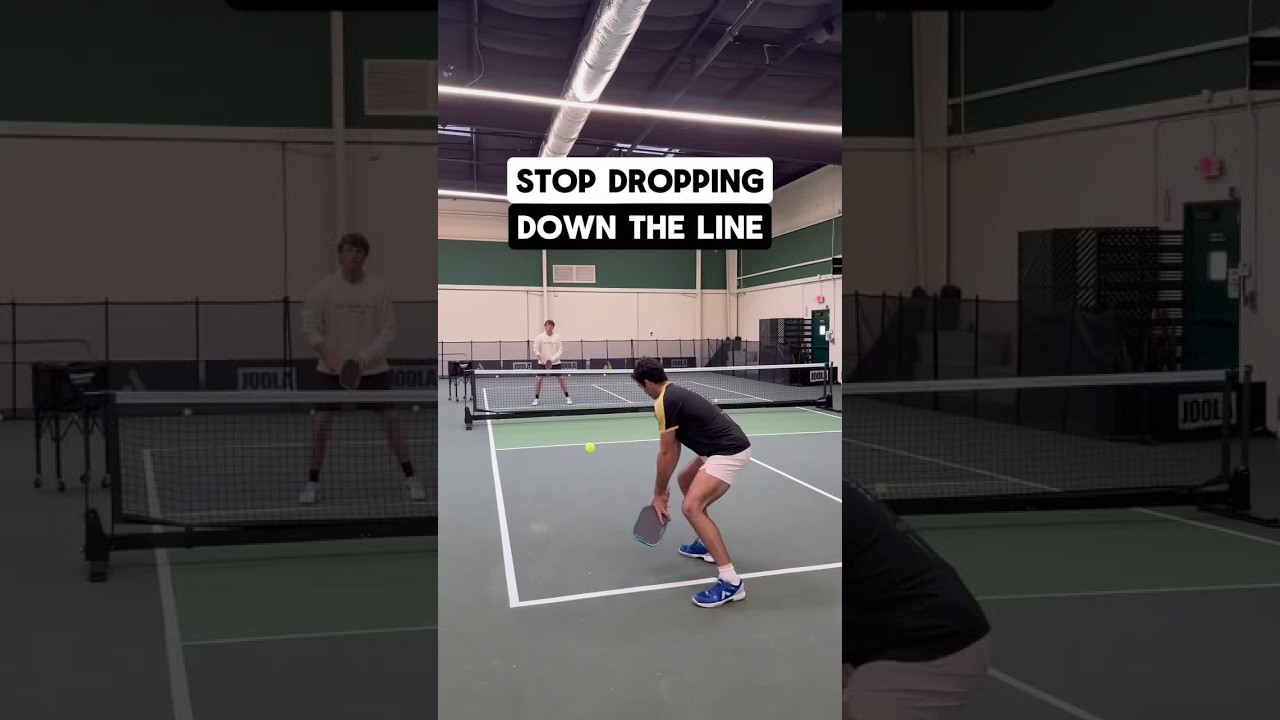

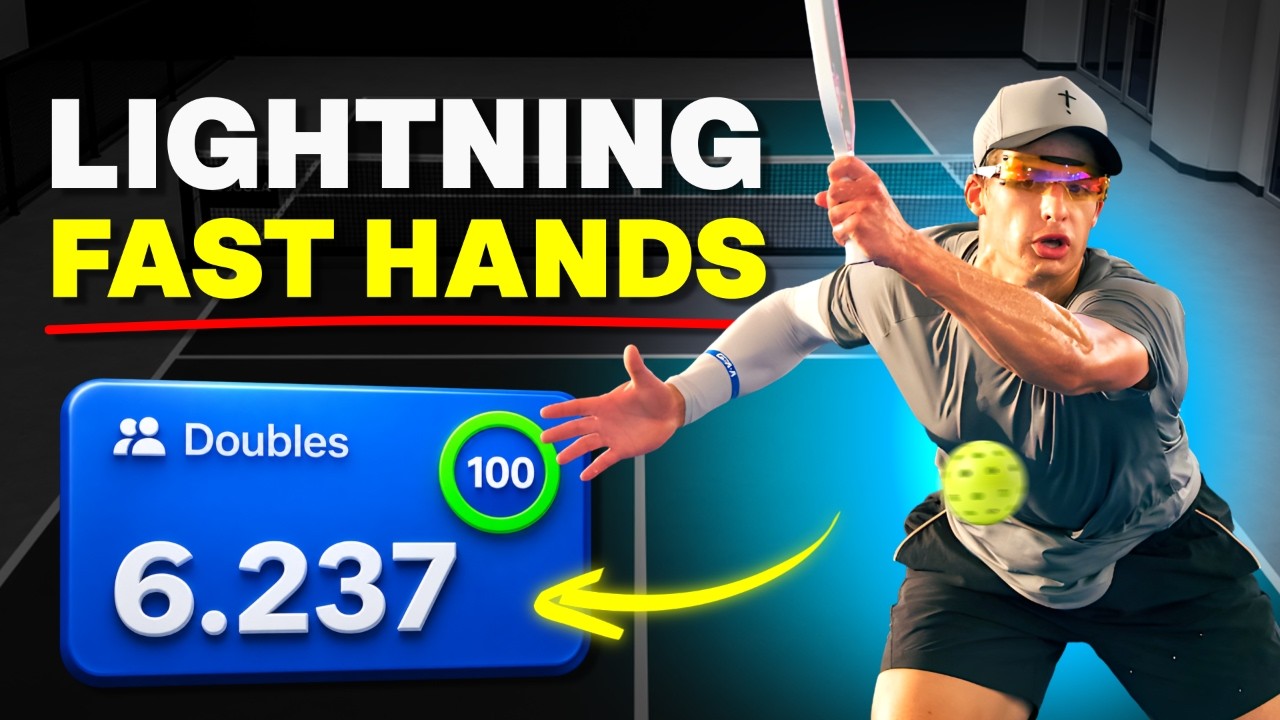
3 Drills to Build Fast Hands in Pickleball Like a 6.2 DUPR Pro
Fast hands pickleball starts with a short, controlled stroke, not a bigger swing. Pro Elliott Schupp breaks down his three-step counter progression and the wall drills behind it.
You know the feeling. A hard ball comes at your chest, your paddle takes a big loop back, and the contact lands behind your body for a pop-up or a net ball.
Building fast hands pickleball players rely on has less to do with swinging harder and more to do with swinging shorter.
The fix is a controlled progression that trains your stroke to stay compact when the pace gets ugly.
This three-step system comes from Elliott Schupp, one of the best lefties in the game, shared on the Briones Pickleball Academy YouTube channel.
Elliott walks through his block volley progression, the 6 inch to 1 foot swing window, and the wall drills he has used for years to sharpen his counters.
Love pickleball? Then you'll love our free newsletter. We send the latest news, tips, and highlights for free each week.
Why Are Your Hands Slow in Hands Battles?
Your hands are slow because your swing is too big.
Big backswings and long follow-throughs add time you do not have when the ball is coming at you from a few feet away.
Elliott sees this constantly. Players let the ball get behind their body, get jammed, and then try to fix it with more swing.
If you want a deeper look at the mindset side of these exchanges, our guide on how to win a pickleball hands battle every time pairs well with this progression, and the four pillars of hand speed covers the physical side.
What Is the Three-Step Counter Progression?
The progression moves you from a tiny block volley, to a block with a short push, to a fast but controlled counter.
Each phase cuts excess motion before you add speed.
- Block volleys: paddle out front, no back swing.
- Short follow-through: push forward 6 inches to 1 foot at slow speed.
- Controlled power: same 6 inch to 1 foot window, swung as hard as you can control.
Notice the swing never gets longer. Only the speed changes.
Step 1: How Do Block Volleys Fix a Big Back Swing?
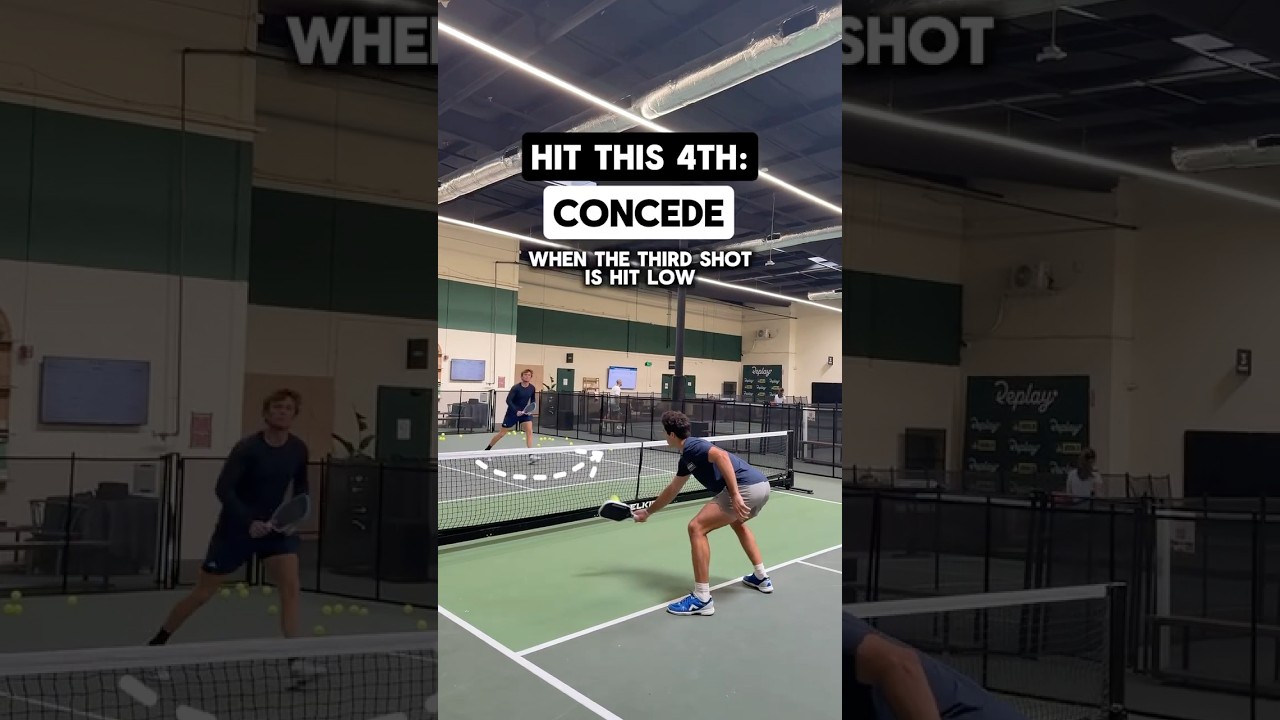
Block volleys force your paddle to stay in front of your body.
Because the stroke is so fast and so short, there is no time to take the paddle back, and the contact point stays out where it belongs.
This also teaches you where to start. Elliott wants your paddle presented out in front, forehand open, so you cannot get jammed no matter where the ball goes.
Most pickleball counters are lost in the “chicken wing” area, on a backhand in front of the chest or a forehand out wide.
Starting with the paddle forward covers almost every one of those spots.
 The Dink Media Team
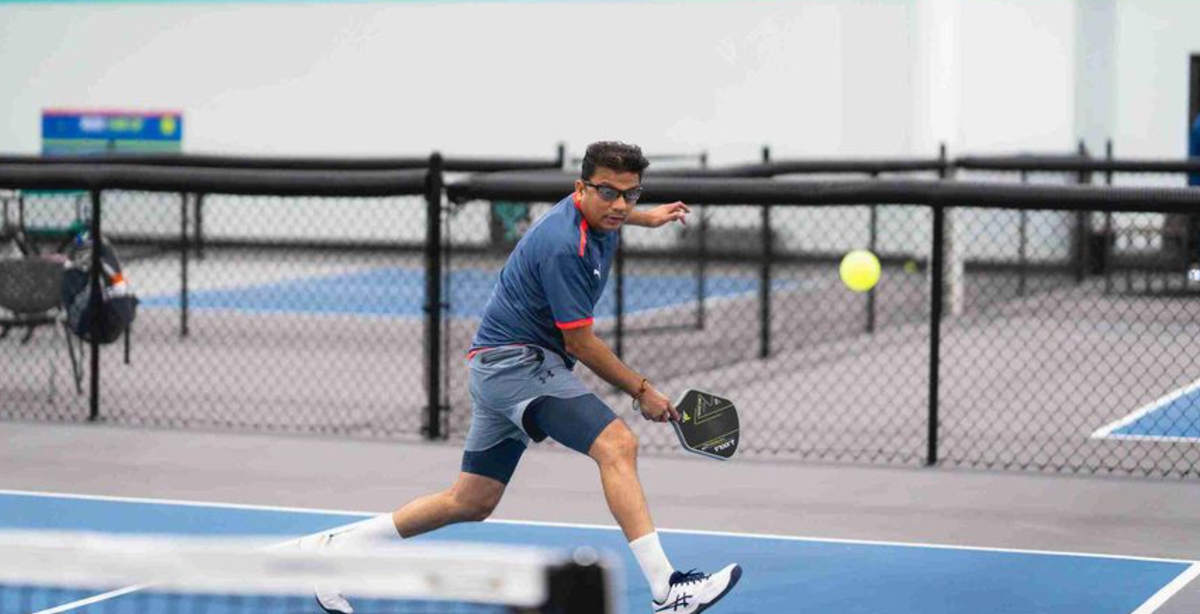
Keep Your Elbow in Front of Your Ribs
Your elbow position is the simplest check you can use.
If your elbow tucks in behind your body, the ball you hit will be weak and you are more likely to get jammed.
If your elbow stays out in front, you cover far more ground and your paddle moves smoothly between spots.
As Elliott puts it, if the elbow goes behind you, "you know something went wrong."
This works as a solo cue too. You do not need a partner to check it.
Which Grip Works Best for Fast Hands?
Elliott uses an Eastern forehand grip for this drill. It lets him present the paddle in front of his body without a big shoulder turn and keeps his wrist mobile.
A Continental grip can do it, but it demands a lot of wrist flexibility to open the face on the forehand side.
It feels uncomfortable, and you may need to add a shoulder turn to make it work.
Eastern also hits backhands fairly easily. It takes far less hinge at the wrist than going from Continental to a forehand.
 The Dink Media Team
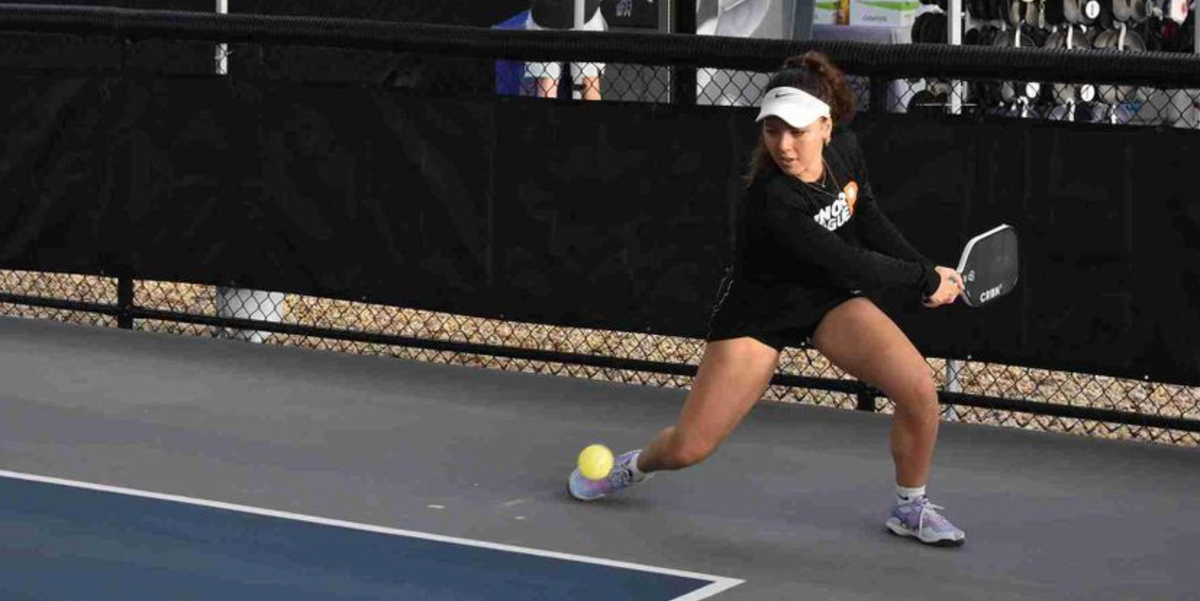
How Do You Handle the Low Ball?
The ball down by your hip is the hardest spot to defend, and Elliott admits it. If someone hits that spot well, it is really high quality.
You have two options:
- Go up with the paddle: drop the paddle head lower and brush up through the ball so it travels straighter.
- Switch to the backhand: push up a little from that position instead.
The lower the ball, the more upward the brush. If you also struggle on the backhand side, these two-handed backhand counter fixes can help.
 The Dink Media Team
Step 2: Why Add a 6 Inch Follow-Through?
The second phase bridges your compact block and your real counter.
You push forward through the ball about 6 inches to 1 foot, at a slow pace, just enough to feel like a swing.
Elliott insists on slowing down here for a reason. Under pressure, you fall back on your base instinct.
If you tend to use a lot of wrist on counters, speeding up too soon sends you right back to that habit.
Slow reps let you feel the technique and the rhythm before you add pace.
 The Dink Media Team
Step 3: How Hard Should You Swing in the Window?
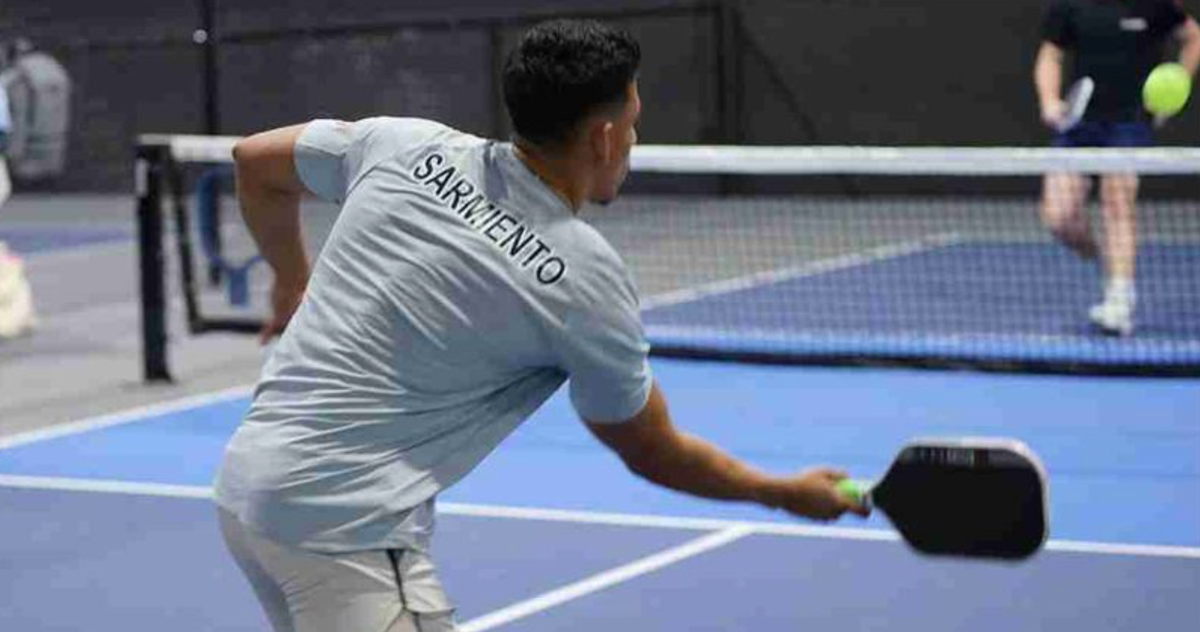
In step three you use the exact same swing but add speed, working up from about 30 percent to 70 or 80 percent.
You never go to 100 percent, because as Elliott notes, nothing good happens at full power in pickleball.
If the swing sprays out past that window, you are not ready for the next ball. Think of it as a short stroke, then back to center as quickly as possible.
Your power does not come from a big takeback. It comes from acceleration after you have already set the paddle.
Elliott describes it as a one-two: get the paddle there and ready, then accelerate.
It is two quick motions, not one long smooth swing like a swinging volley off a pop-up.
Block First, Then Accelerate
Your power does not come from a big takeback. It comes from acceleration after you have already set the paddle.
Elliott describes it as a one-two: get the paddle there and ready, then accelerate. It is two quick motions, not one long smooth swing like a swinging volley.
If you want to see how that longer swing works on the opposite end of the spectrum, check out these 3 steps to hit a better swinging volley off a pop-up.
Why Keep the Swing on One Level Plane?
Timing is the reason. Because you accelerate so fast, being slightly early sends the ball into the net and being slightly late sends it sailing long.
Keeping your swing on a single level plane means that whether you are early, late, or on time, the ball is more likely to stay in play.
Elliott finishes with the paddle face going forward, not down, and most of the time he is sidewiping around the ball.
 The Dink Media Team
How Tight Should Your Grip Be?
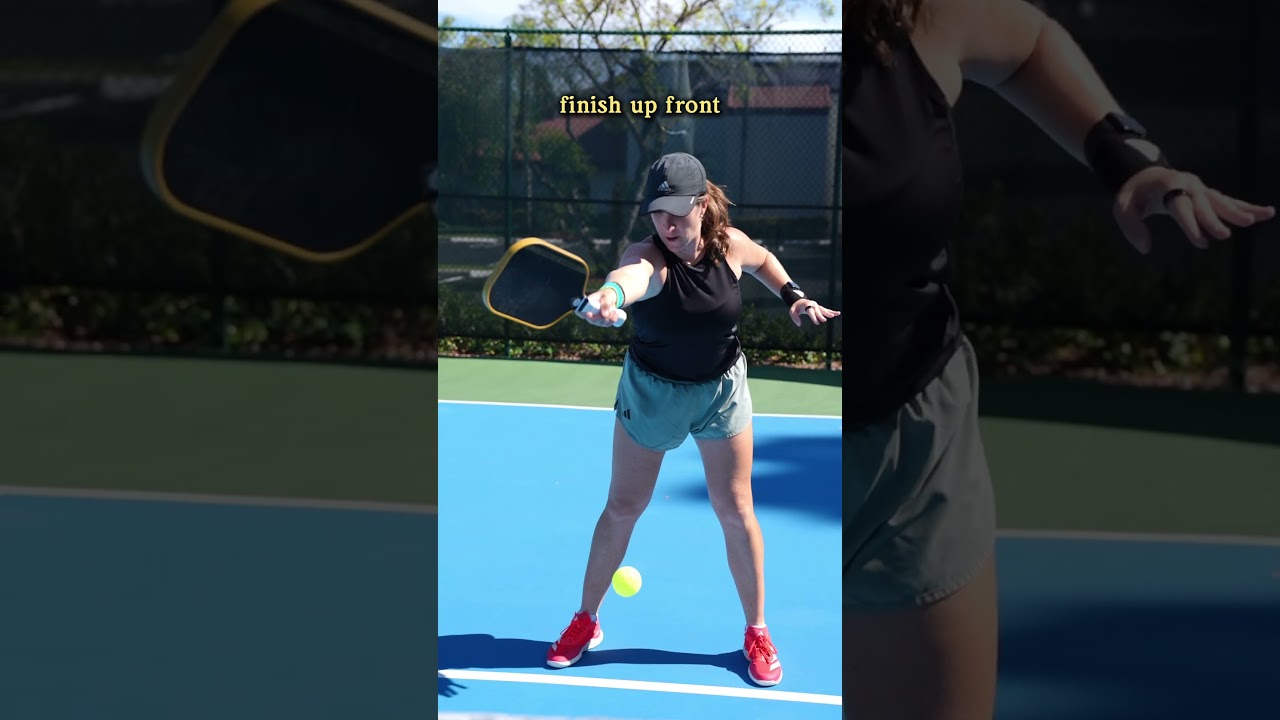
Elliott keeps his grip very loose, about a 3 out of 10. That looseness lets him open the paddle quickly.
The tradeoff is that a loose grip makes it easy to wind up and slap.
To fix that, he tenses his index finger and the front knuckles while keeping the rest of the hand relaxed.
There is a second argument for staying loose.
A 2025 study of recreational players found that maintaining a tight baseline grip was associated with a meaningfully higher risk of upper extremity injury.
A tense index finger makes it hard to go backward, so the paddle stays on track.
If you tend to rush and tighten up, our piece on fixing rushed shots covers the tempo side.
 The Dink Media Team
What Wall Drills Build Fast Hands?
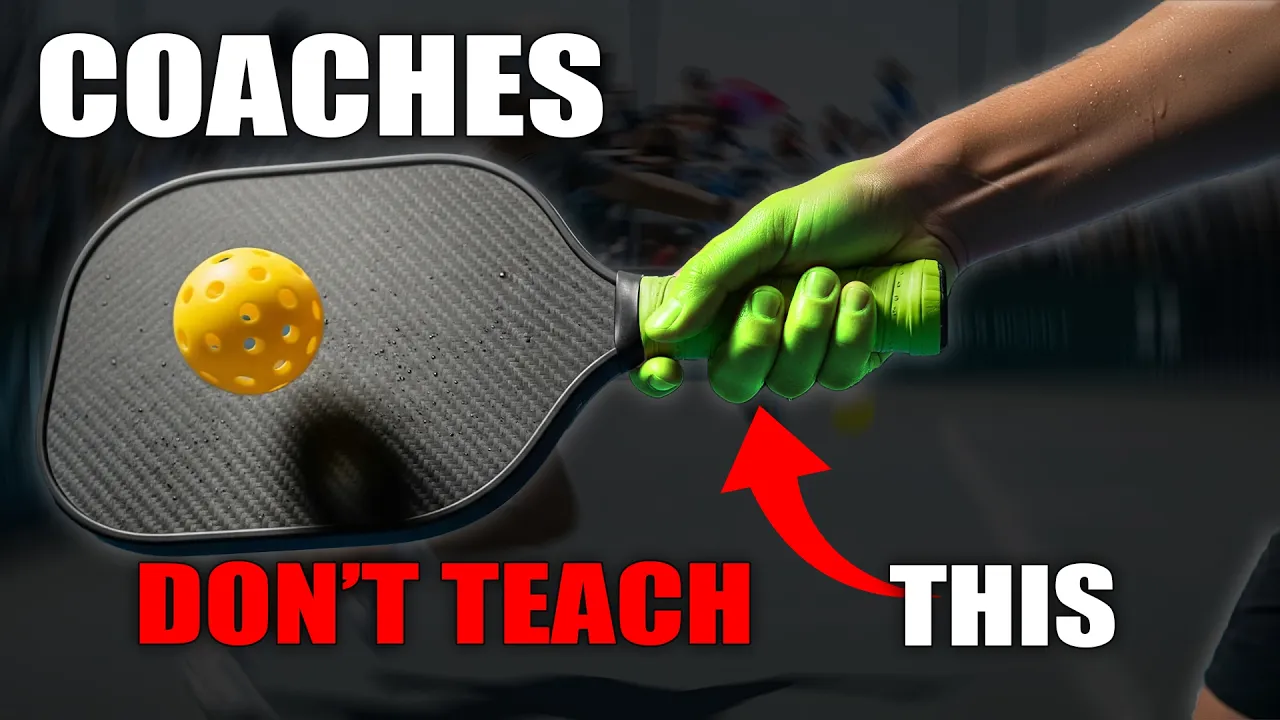
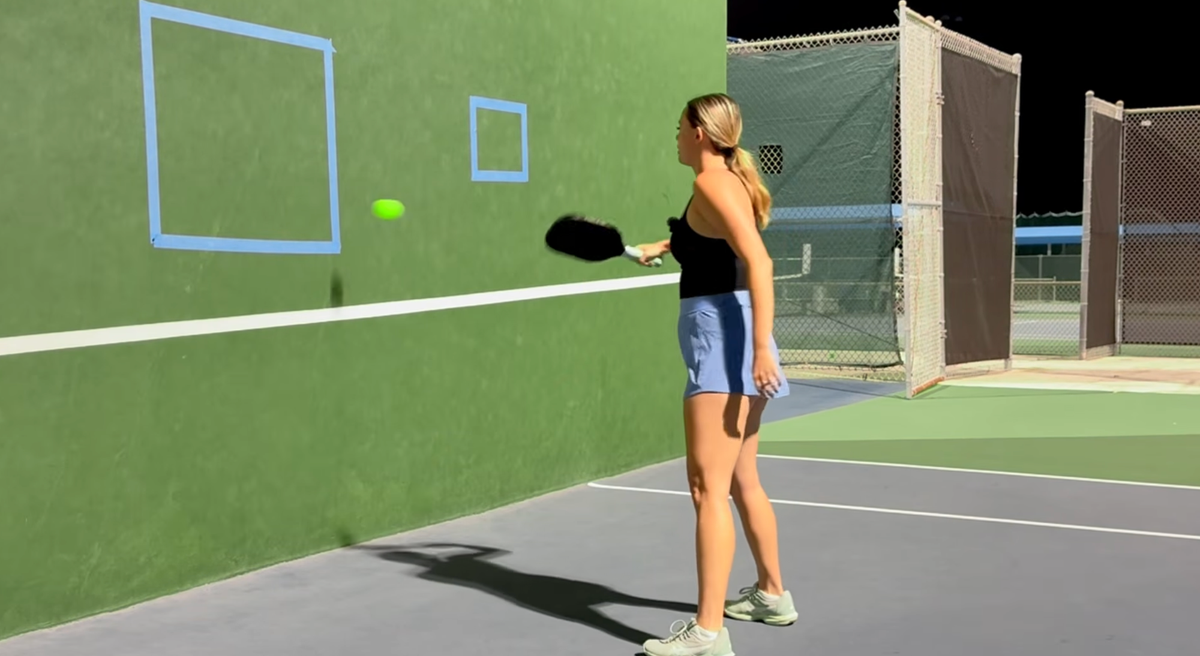
Wall drills give you the reps that a partner cannot. Elliott has hit against walls and even refrigerators for years, and it is a big reason his hands are so quick.
Here are the two simple versions:
- Side-to-side switches: rally forehand to forehand, moving left and right as fast as you can. Aim to last no more than four or five shots.
- Two-shot survival: speed up until you can barely last more than two shots, then try to get past the second one.
If you are lasting longer than four or five shots, you are going too slow. Ten to 20 minutes of this makes your switches feel far more comfortable.
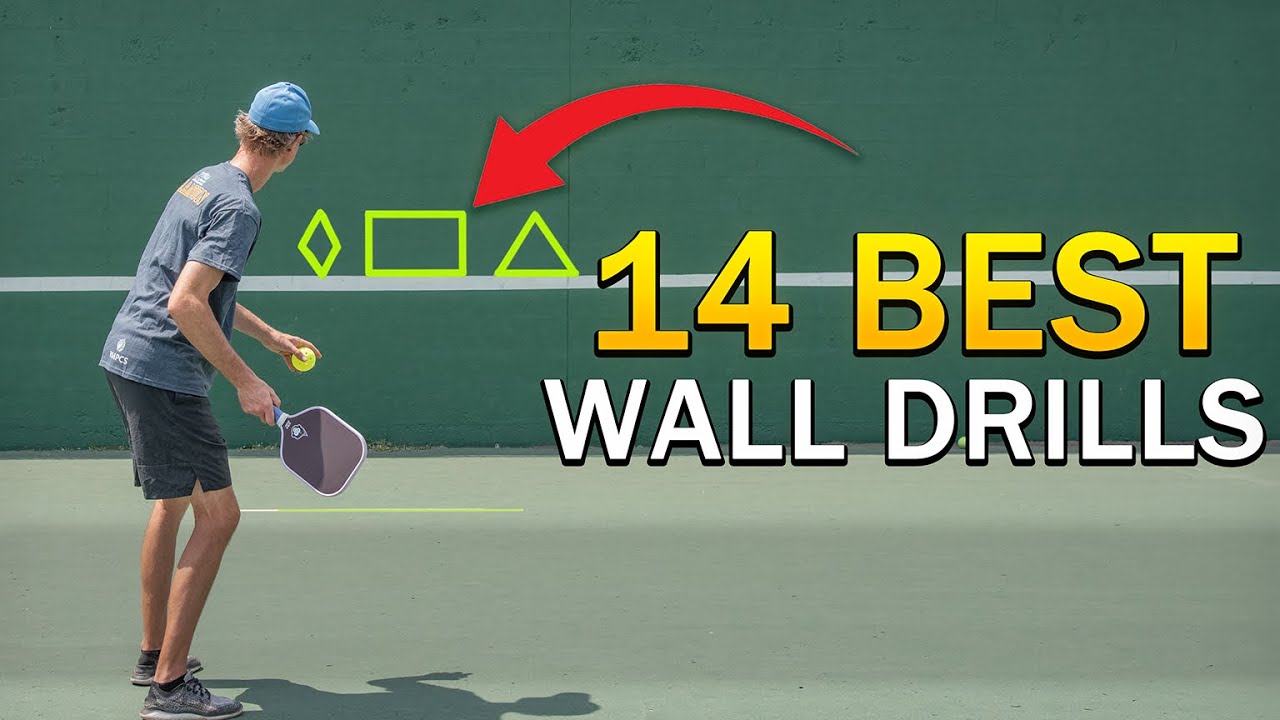
For more structured options, see these simple wall drills and these 5 pickleball practice drills for any skill level.
 The Dink Media Team
How Do You Make Practice Feel Like a Real Game?
Make practice harder than the game.
Elliott recommends having a partner feed 10 balls where two go down your line and eight go to your forehand, so you cannot just sit and wait.
He also feeds dead, high-quality attacks on purpose. He says he only gets about 5 out of 10 correct in this drill himself, and a 50 percent hit rate is a good range.
The reason is simple. In a real game you will not get a rhythm, so if practice feels easy, you will default to old habits like slapping.
Make the drill brutal, and the game will feel easier. For help with a related defensive skill, try these 5 pickleball block fixes.
 The Dink Media Team
What Is a Hands Battle Counter?
A counter is a quick, compact volley you hit back at an opponent’s attack while both teams are at or near the kitchen line.
It prioritizes speed and control over power.
The goal is to take the ball early, keep your paddle in front of your body, and be ready for the next shot.
That is why the short window matters so much, and why consistent counters beat big ones.
For more on resetting under heavy fire, these 5 pickleball reset techniques are worth a read, and this pro speed-up strategy shows the other side of the exchange.
 The Dink Media Team

Putting the Progression Into Practice
Start every session at the block volley stage, even if you feel advanced. Move to the 6 inch push only after the contact point stays out front on every ball.
Then add speed in small steps, never leaving the 6 inch to 1 foot window.
If you want to pair this work with a full session, use this pro’s 2 hour practice plan or work through the 12 drills you need in 2026.
Finally, remember that fast hands in pickleball also depend on solid defense around them.
This guide on 6 habits to beat hard hitters rounds out the picture, and the 5 shots to master before 2026 tells you what to build next.
Frequently Asked Questions
How do I get faster hands in pickleball?
Shorten your swing instead of swinging harder. Train block volleys with the paddle out front, then add a 6 inch to 1 foot follow-through, then add speed inside that same window.
What grip is best for fast hands at the kitchen?
Elliott Schupp prefers an Eastern forehand grip for counters. It lets you present the paddle in front of your body with less wrist hinge, and it still handles backhands fairly easily.
How hard should I swing on a counter?
Aim for about 70 to 80 percent power. Going to 100 percent usually makes your swing uncontrolled and leaves you late for the next ball.
How long should wall drills last?
Work in short, fast bursts and try to last no more than four or five shots per rally. Ten to 20 minutes of wall work is enough to make your switches feel noticeably more comfortable.
How do I defend a low ball at my hip?
Drop your paddle head and brush up through the ball so it travels straighter. You can also switch to the backhand and push up from that position.


Love Pickleball? Join 100k+ readers for free weekly tips, news & gear deals.
Subscribe to The Dink